
Ditching Glyphosate: I Transformed My Lawn into a Permaculture Veg Plot
Meeting Nichole was when I first began to grasp just how dire the state of modern food and living environments has become.
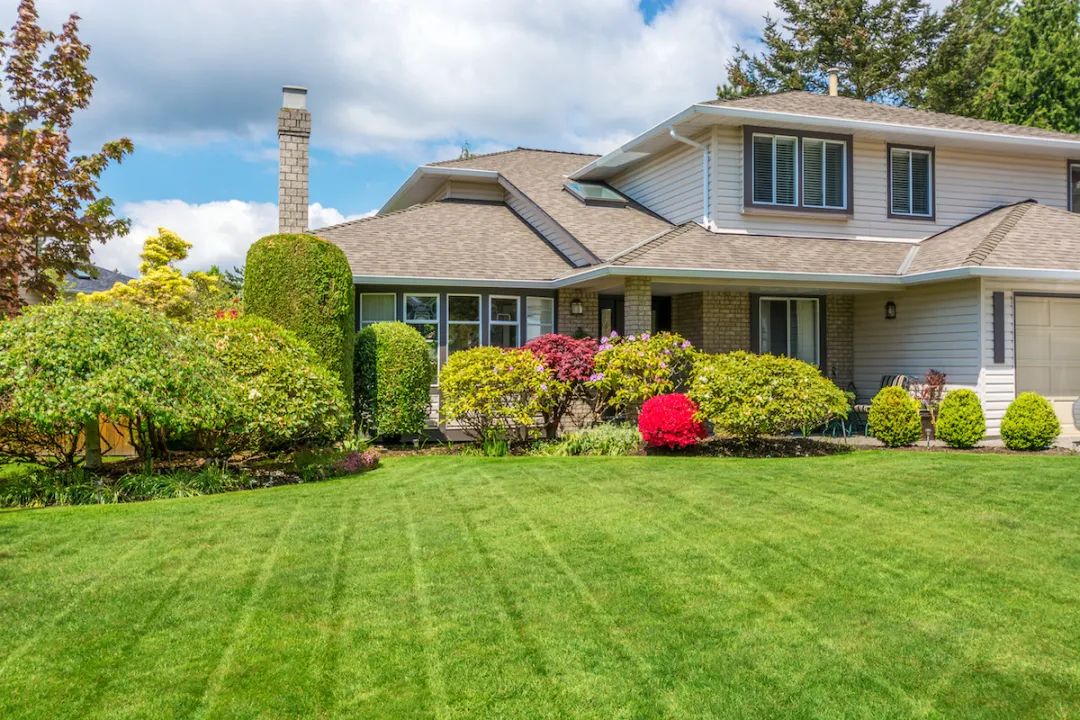
In the United States, expanses of immaculately manicured front lawns are nothing short of an environmental catastrophe. According to the environmental group Friends of the Earth, Americans spray eighty million pounds of pesticides onto their lawns every single year.
When I moved to Texas four years ago, I resolved to ban herbicides from my front and back gardens and dedicate as much of the modest plot to growing food as possible. Around that time, I stumbled across Nichole’s social media accounts online and was instantly captivated by how her gardens looked.
I. Organic Produce Freedom
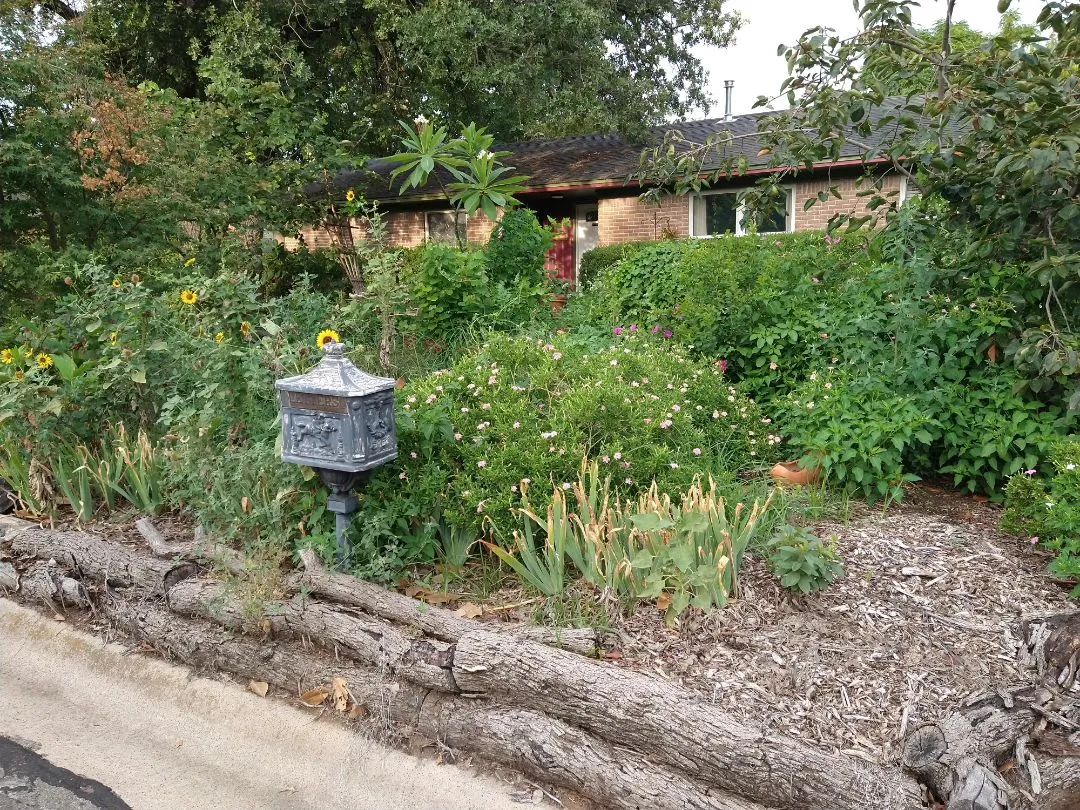
Unlike the uniformly manicured and rather bland suburban front and back gardens common across much of America, her home is ringed by a miniature jungle of edibles and herbs, with fruits, vegetables and botanicals stretching as far as the eye can see:
A large cauliflower head grows beside a patch of irises; a neat row of onions is tucked into a flowerbed next to a persimmon tree; medicinal elderberry branches droop heavily above a lush carpet of purple sweet potato leaves; near the tomatoes, insect-repellent spirea is in full bloom, while onion plants and zinnias create a charming contrast…
In a state like Texas, where winters are brief and crops can be harvested twice a year, Nichole’s family has all but achieved organic fruit and vegetable freedom.
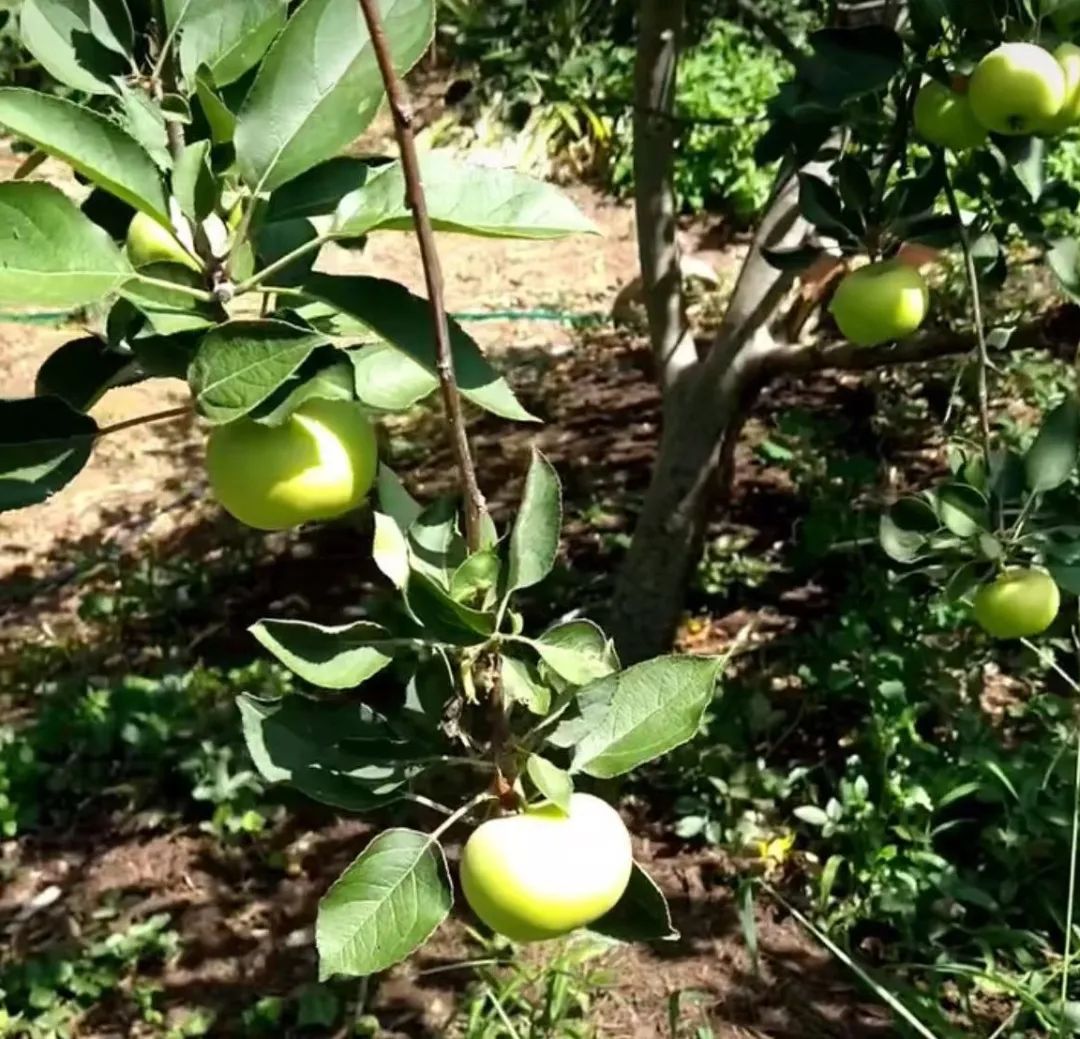
One day, when Nichole posted a picture of an apple tree in her garden, I was so thrilled I nearly jumped for joy. The tree bore small, green apples that closely resembled a local variety I used to eat as a child in Xuanwei, Yunnan, my hometown.
These apples carried a pleasant tartness balanced with sweetness, offering a rich and complex flavour profile that stood in stark contrast to the large, overly sweet, yet flavourlessly bland varieties that later flooded the national market.
After moving to the US, I’ve bought the most popular varieties from organic supermarkets and picked fresh apples straight from orchards. Without exception, they have all been bred to cater to the modern palate’s growing preference for sweetness, and none come close to the kind I ate as a child.
I immediately asked Nichole what variety of apple tree it was and where she had bought it.
She told me it was an heirloom variety. In Western countries, the term ‘heirloom’ generally refers to older cultivars collected, preserved, and passed down over generations by gardeners or family farms prior to the Second World War. They are typically open-pollinated, rather than being high-yield varieties developed by industrial agriculture.

I noted down the variety’s name and where to source it, determined to grow this unforgettable fruit on my own land.
II. Permaculture
Over the past decade, Nichole has been studying and practising permaculture. She also runs community classes, using her front and back gardens as living demonstrations to introduce the principles and practices of the system.
Permaculture is a regenerative agricultural approach designed and managed holistically by mimicking natural ecosystems. It avoids chemical inputs like synthetic fertilisers and pesticides, seeks to minimise agriculture’s reliance on petroleum products, and works to restore soil organic matter.
The concept is quite broad and can be scaled up or down accordingly. Many Americans, much like Nichole, who live in ordinary residential neighbourhoods without extensive agricultural land, apply permaculture principles to redesign the use of their front and back gardens.
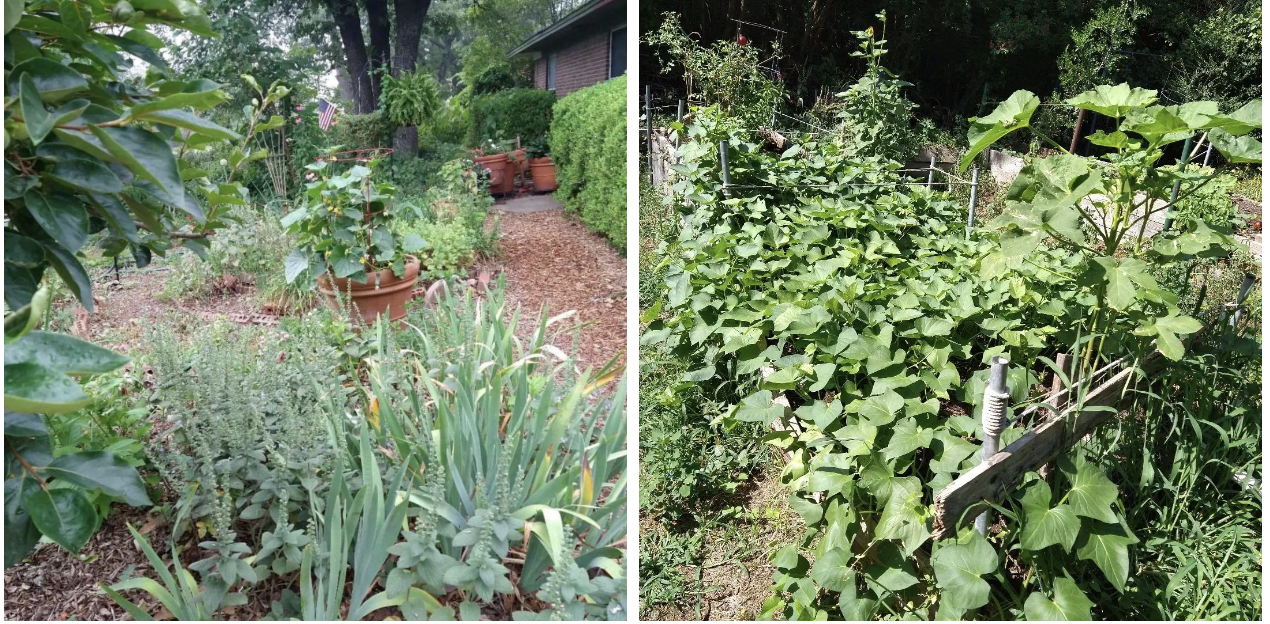
After looking at Nichole’s lawn and reading various permaculture resources, it suddenly dawned on me: neither lawns nor large-scale monoculture farming are natural phenomena; they are industrial constructs. Both require clearing the land of every perceived ‘obstacle’ to cultivate a single crop, relying on herbicides, pesticides, and chemical fertilisers to maximise yields.
Nichole’s front and back gardens are so visually appealing precisely because this thriving, diverse, yet uncluttered food forest mirrors the natural landscapes humans have inhabited for millennia.
I asked Nichole, ‘With your front and back gardens looking like this, you must not have a Homeowners Association (HOA), right?’
She replied, ‘Absolutely! My number-one priority when buying a house was ensuring there was no HOA.’
‘Me too!’ I said. ‘When I was house-hunting, the only thing that truly mattered to me was whether the area had any restrictions on keeping chickens in the backyard. I only bought the place after my estate agent told me there was not only no HOA, but also minimal local council interference with front and back garden landscaping.’
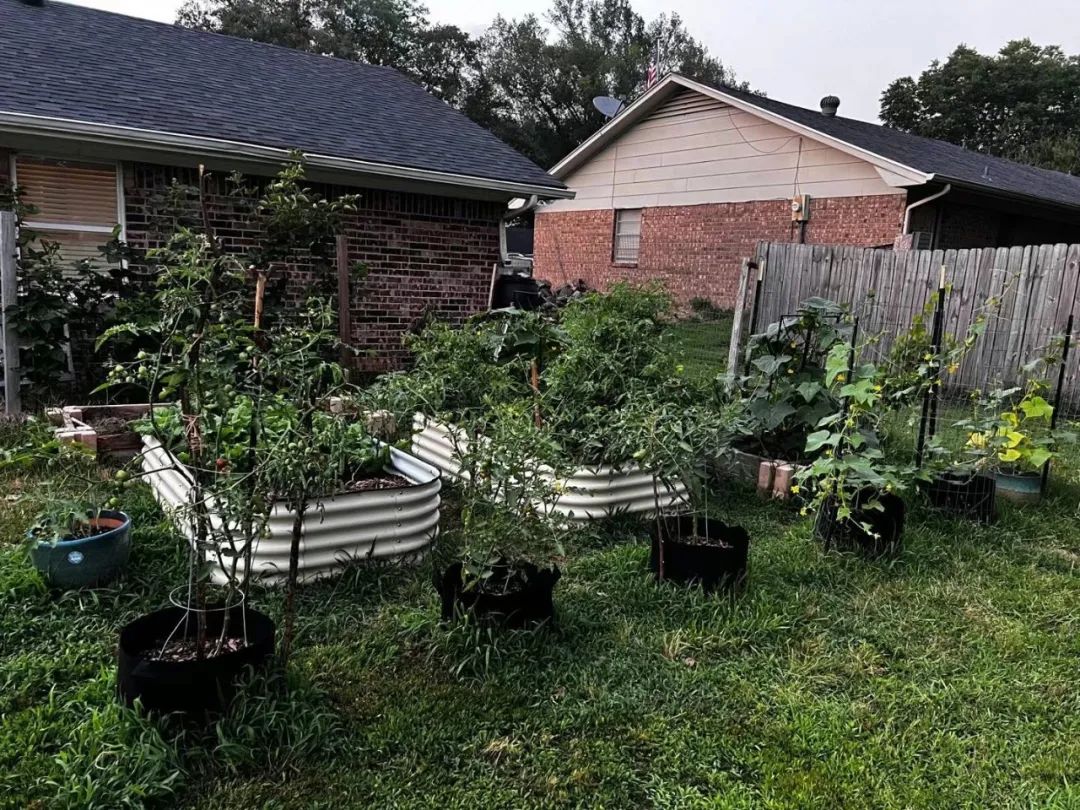
One of the core values that laid the foundation for Nichole and my friendship was our shared disdain for mainstream America’s obsession with immaculate, sprawling lawns.
I once shared a theory with Nichole about the roots of this fascination. In centuries past, keeping lawns and hedges manicured required immense manpower. The mindset among aristocrats who owned vast estates was roughly: ‘Look, I possess so much land that I can set aside a vast tract around my castle purely for display, rather than putting it to productive use.’
The modern American lawn phenomenon is akin to using lawnmowers, fertilisers, and pesticides to scale down this luxury of the non-productive, status-signalling lawn, making it accessible to the middle class. It’s rather like Hermès launching an affordable collaboration, finally putting a designer bag within reach for the everyday office worker.
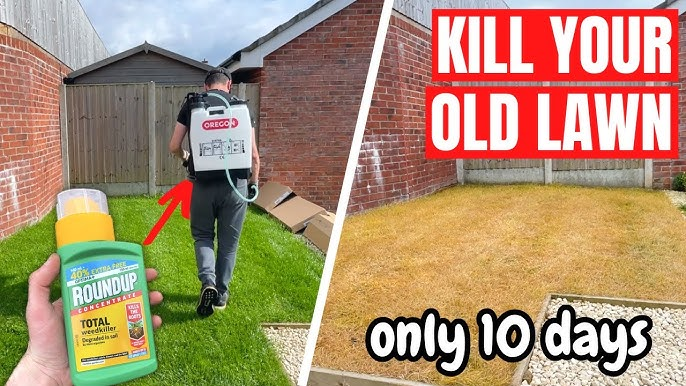
This hardly seems like the so-called ‘American Dream’.
III. Grass and Manure: Both Are Treasures
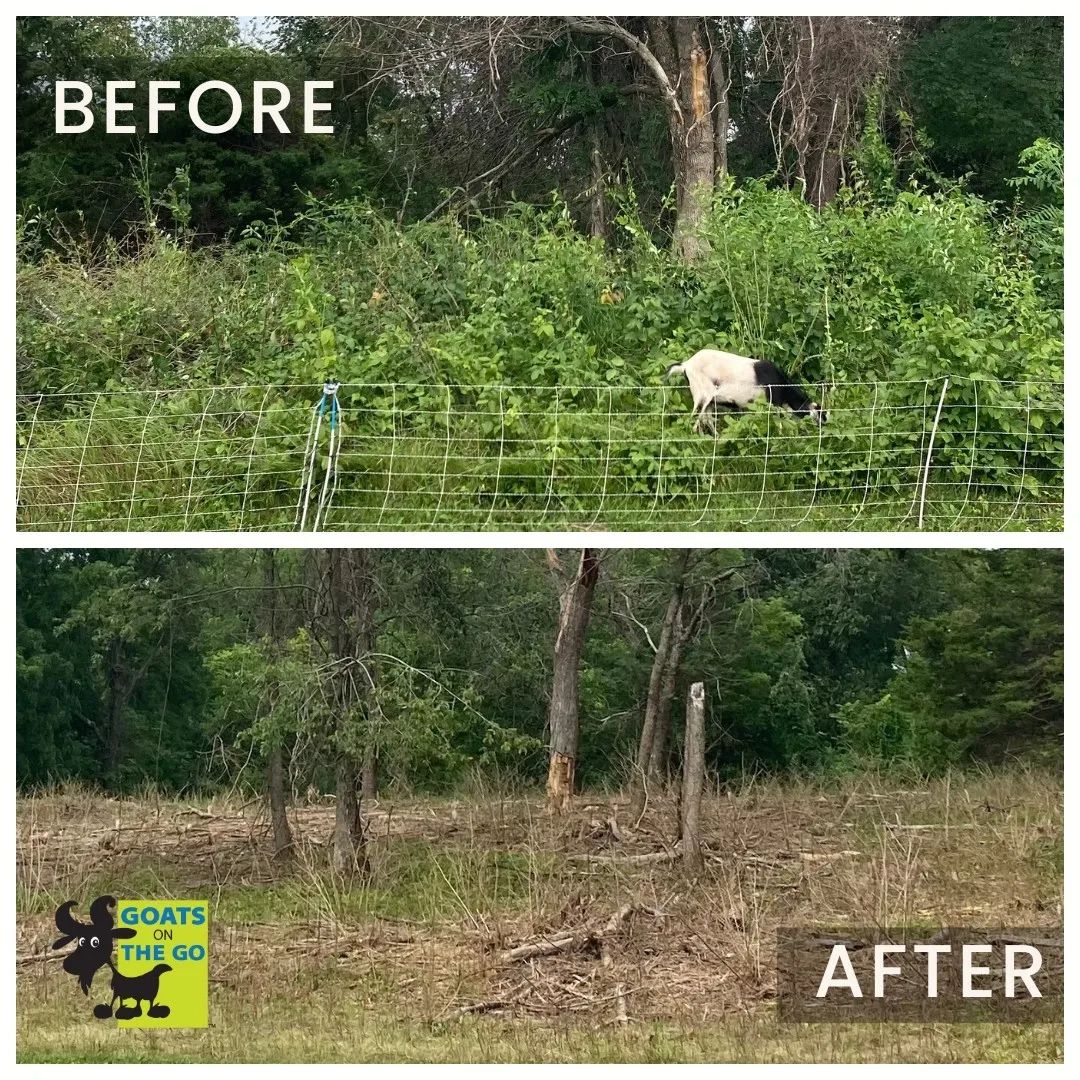
Nichole knows someone who makes a living transporting their dwarf sheep to tend the lawns and gardens of homeowners keen to avoid mowing and synthetic fertilisers. Sheep are brilliant at keeping weeds in check, and the urine and droppings they leave behind as they graze make for an excellent natural fertiliser.
Every time I drive past the sprawling, vacant lawns in so many American suburbs, I can’t help but wonder: if these stretches of turf were managed holistically, free from synthetic fertilisers and pesticides, they could easily sustain a sizeable herd of grass-fed cattle and sheep. If only HOAs directed their energies towards such a scheme, residents would be rewarded with a regular supply of grass-fed lamb each year. Wouldn’t that be rather brilliant?
I’ve even considered buying sheep manure from a farm to grow flowers and herbs. Sheep manure is what’s known as ‘cold manure’—it can be applied straight to the soil without needing to be composted first—yet many Americans consider it too filthy to handle.
To turn up one’s nose at livestock manure as dirty while simultaneously drenching one’s own lawn in glyphosate paints a picture of a deeply bewildering world. Nicole and I exchanged a sigh over yet another example of how thoroughly Americans have become detached from the systems that produce their food.
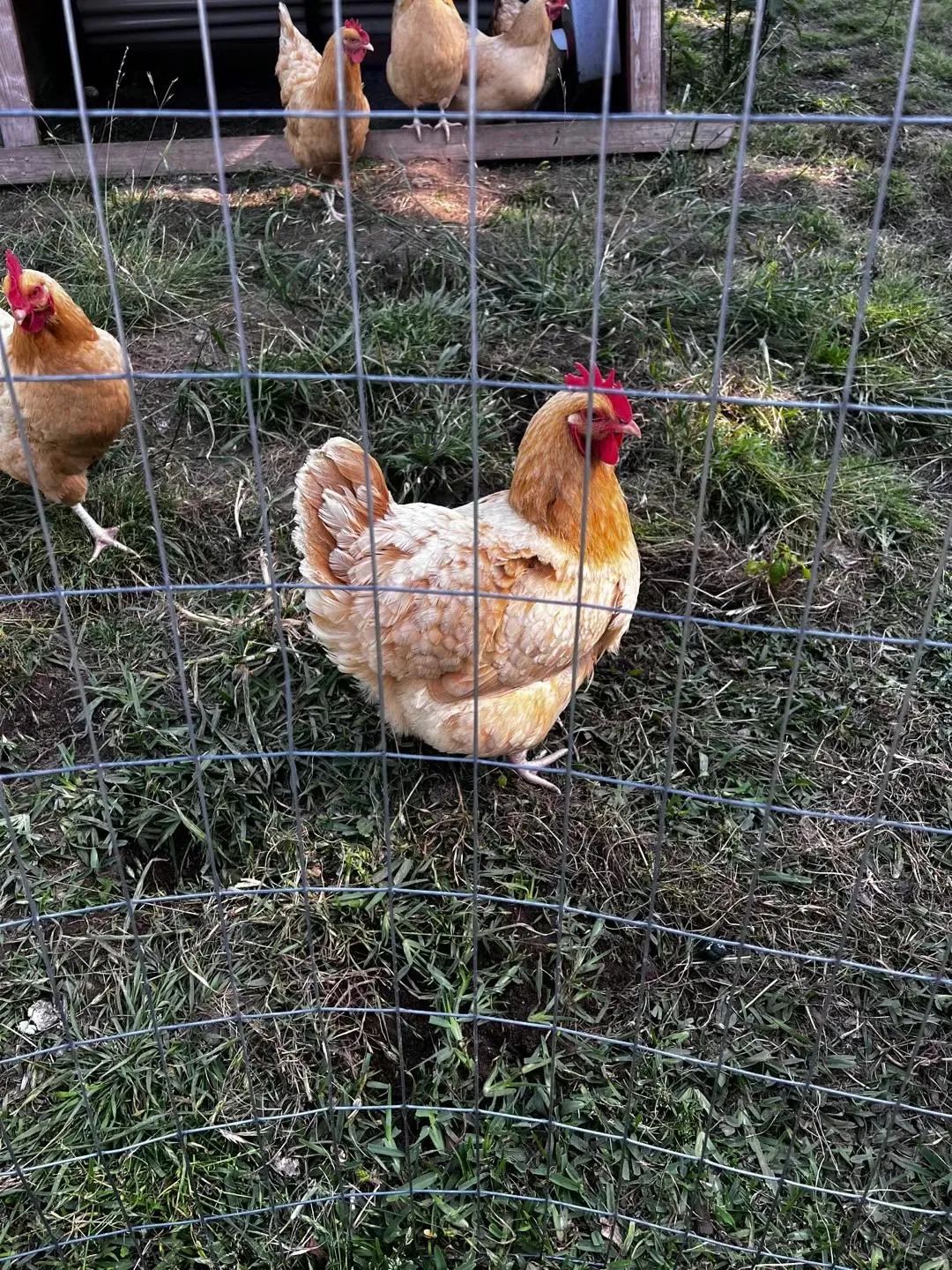
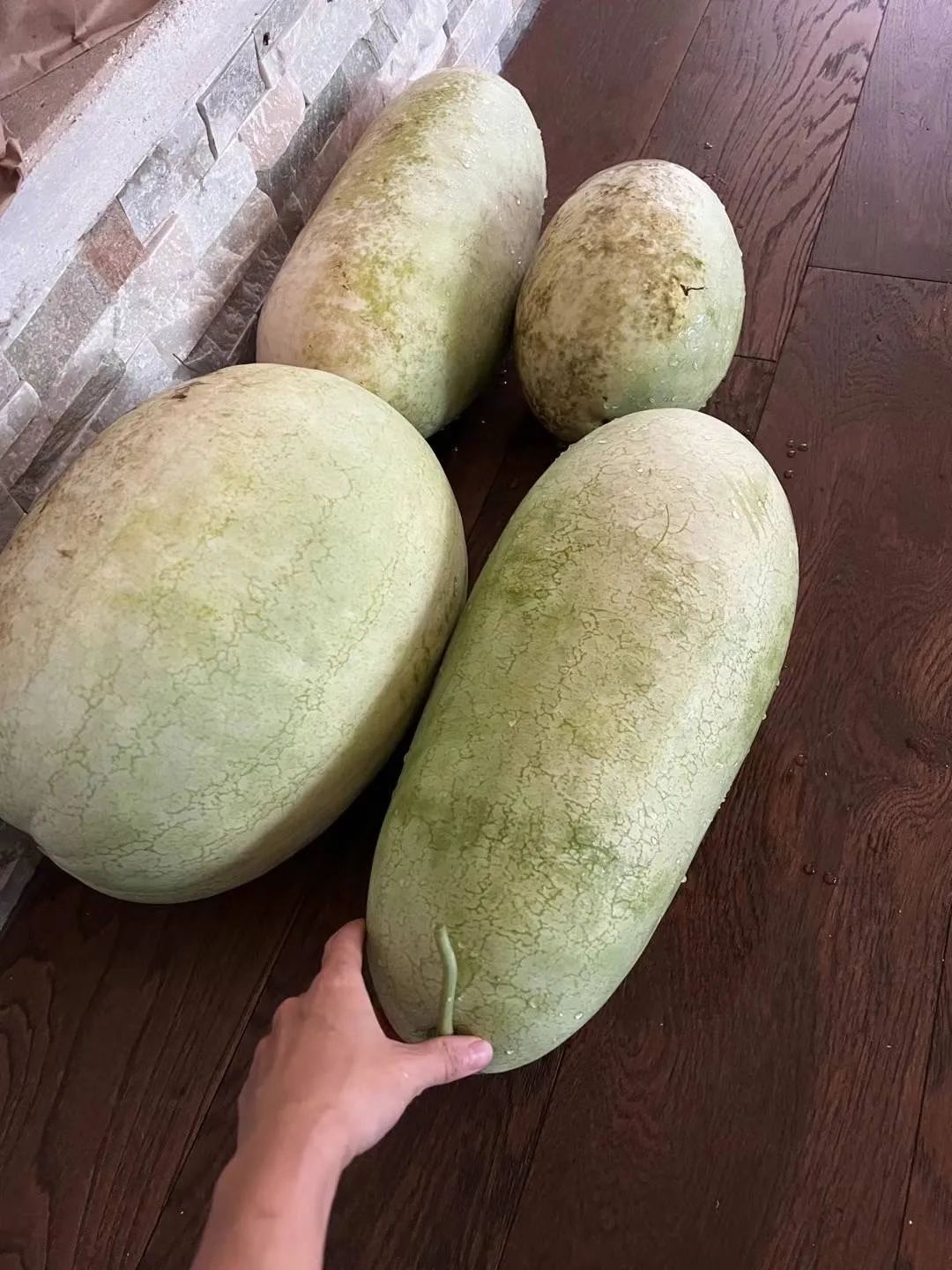
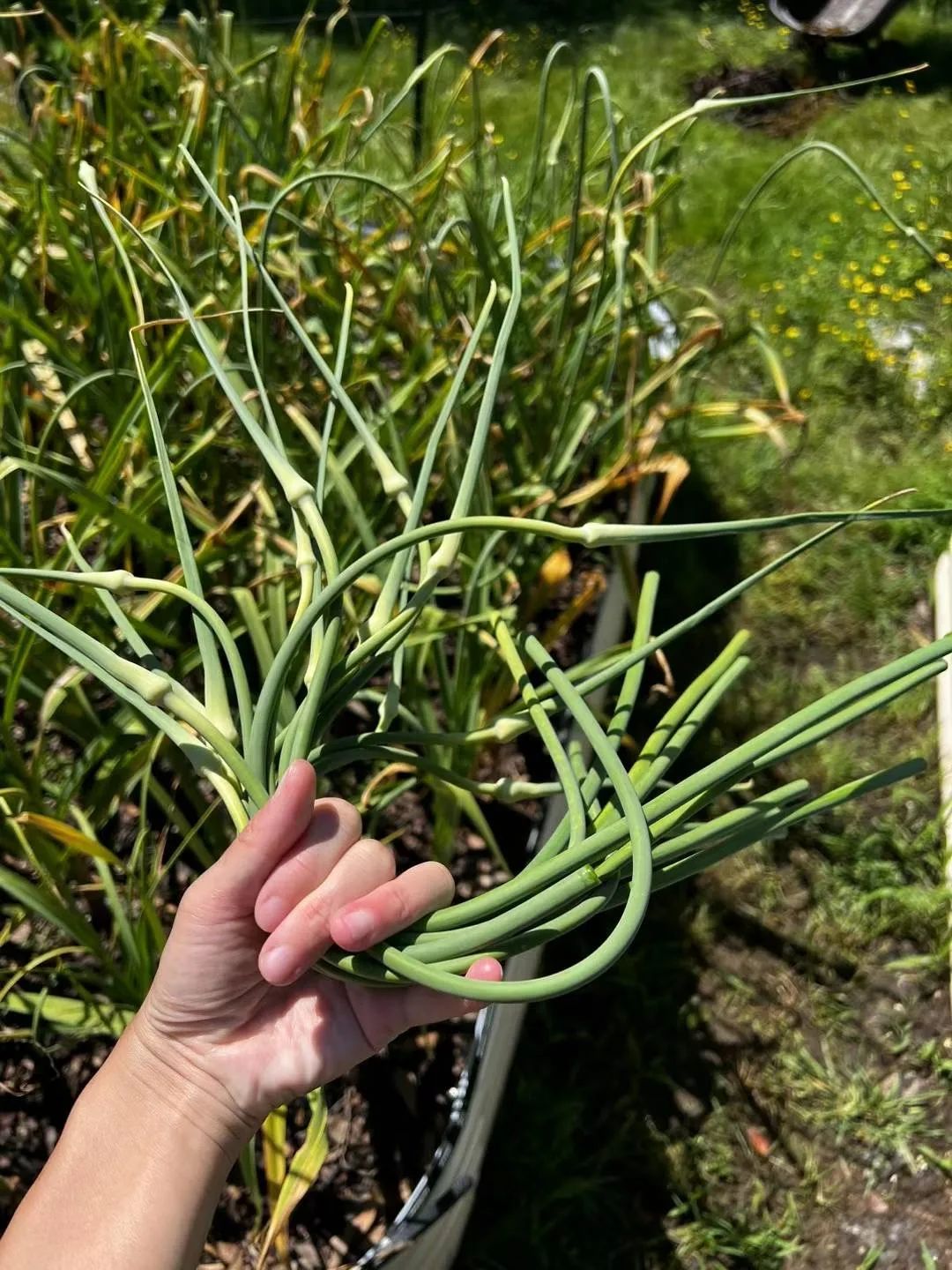
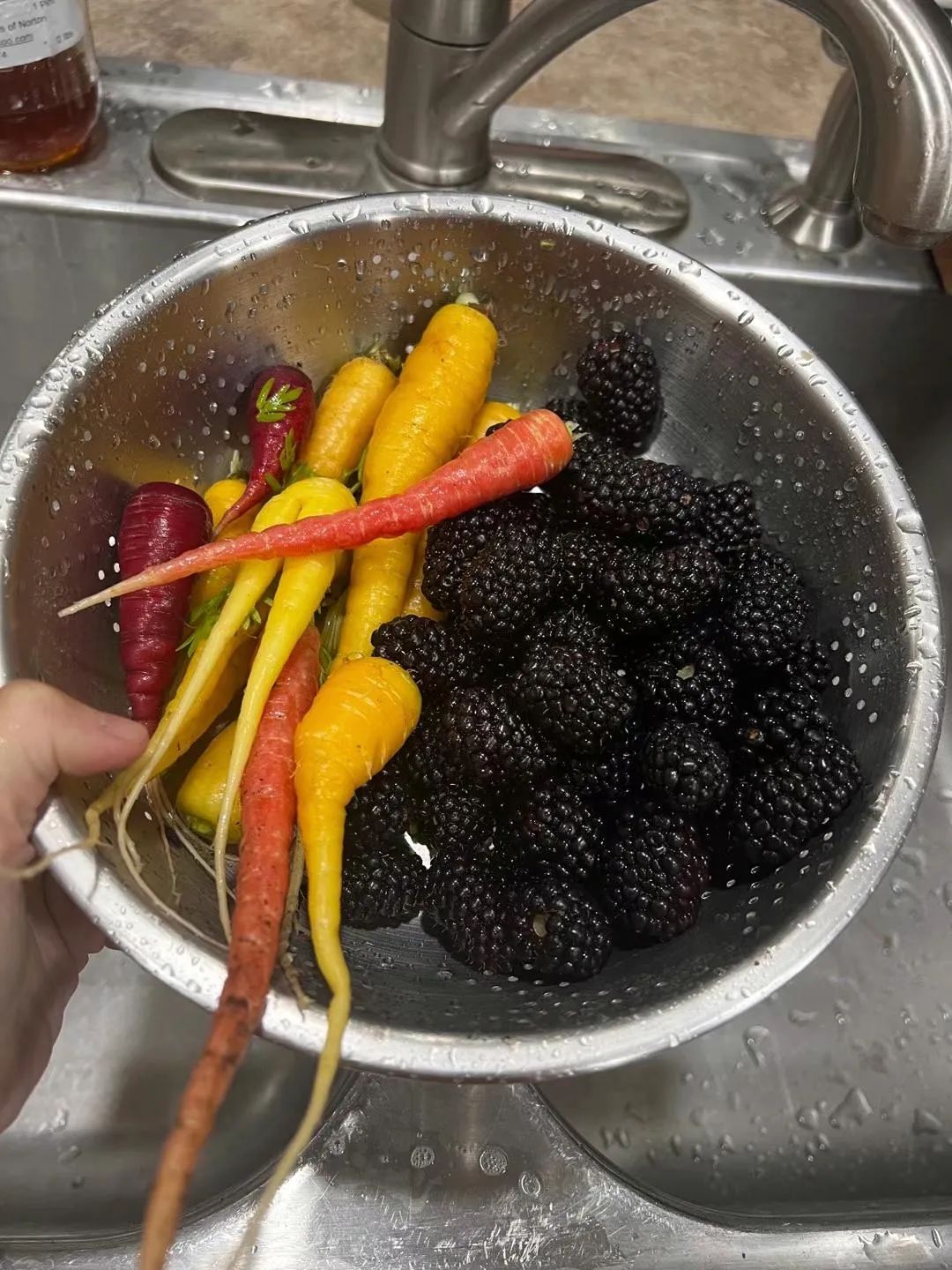
Nichole is fifty-five; I am thirty-seven. As our friendship, forged over a shared passion for agriculture, entered its third year, Nichole put the house on the market. She moved to the rural heartlands of Pennsylvania, pooled resources with her cousin’s family to buy a plot of land, and embarked on a self-sufficient farming life. She had finally secured the space needed to truly put permaculture principles into practice.
I asked her if she worried that the next owners might tear up a decade of her hard work, turning the property back into a standard suburban home with a bland, neatly trimmed lawn.
‘I’ve left behind dozens of books on permaculture and organic farming,’ Nichole told me, ‘as well as seeds for over a hundred heritage vegetable and plant varieties. Beyond that, all I can do is hold on to hope and wish them well.’
It reminded me of a line from a North American homesteader that has always stayed with me: Tend to the ground beneath your feet, however small it may be. When you eventually leave, leave it no less fertile than the day you arrived.
I suppose Nichole embodies that sentiment better than most.

Editor: Zeen