
Thirty Years of Protecting the Sea Together: Unity Ensures the Catch | Visiting Small-Scale Fishing Communities in Southern Thailand
Foodthink Says
Blue Climate Partners is an action network focused on coastal fisheries and coastal zone ecological protection in ASEAN countries, dedicated to strengthening exchanges between civil society organisations in China and ASEAN countries regarding marine protection within fishing communities. Interested readers are welcome to follow the “Blue Climate Partners” WeChat official account.
This is the first of three field notes from Foodthink’s visit to southern Thai fishing villages.

A standard meal for four here averages 250 Thai Baht (around 53 RMB). The restaurant sits right on the shores of the Andaman Sea. What makes it unique is that it is cooperatively run by local small-scale fishers, and is aptly named the “Fisherfolk Restaurant”. Over the last few decades, the destructive gear used in commercial fishing has caused fishery resources in the Andaman Sea to plummet, making it increasingly difficult for families relying on a single small-scale boat to make a living.
Moreover, small-scale fishers sit at the very bottom of the value chain; even if the catch fetches a premium price in supermarkets after passing through various intermediaries, the profit that actually reaches the fishers remains meagre.
This restaurant is an attempt to challenge this status quo—giving fishers the opportunity to run their own business, while offering consumers fresh, delicious seafood at an affordable price.
The restaurant is located in what was once an NGO office. The setup is modest: just a few temporary tables tucked under the eaves of the open area outside. Inside, remnants of the former office supplies still linger. This unconventional setting carries a certain symbolic weight—it is a small footprint in the history of the small-scale fishery movement in southern Thailand over the past few decades. Its emergence is not merely a result of the fishers’ own hard work, but also of the support provided by civil society to these fishing communities.
Taking this restaurant as a starting point to reflect on the past, the story stretches back nearly 30 years.

I. Commercial Fishing vs Small-scale Fishers

Furthermore, trawling is typically conducted by large vessels capable of venturing into deep waters and remaining at sea for several months. Consequently, such catches are no longer fresh and are primarily used for processed seafood or converted into fishmeal for animal feed.
In contrast, due to their smaller size and limited engine capacity, small-scale fishing boats are restricted to overnight trips in coastal waters, targeting mature fish to be sold as fresh seafood in the markets.
In other words, the livelihood models of large trawlers and small-scale fishers are fundamentally different. The former engage in indiscriminate fishing that relentlessly depletes marine life, whereas the latter focus on adult fish and, as a result, have a greater incentive to protect juvenile fish and their habitats.

II. The Fishermen Fight Back
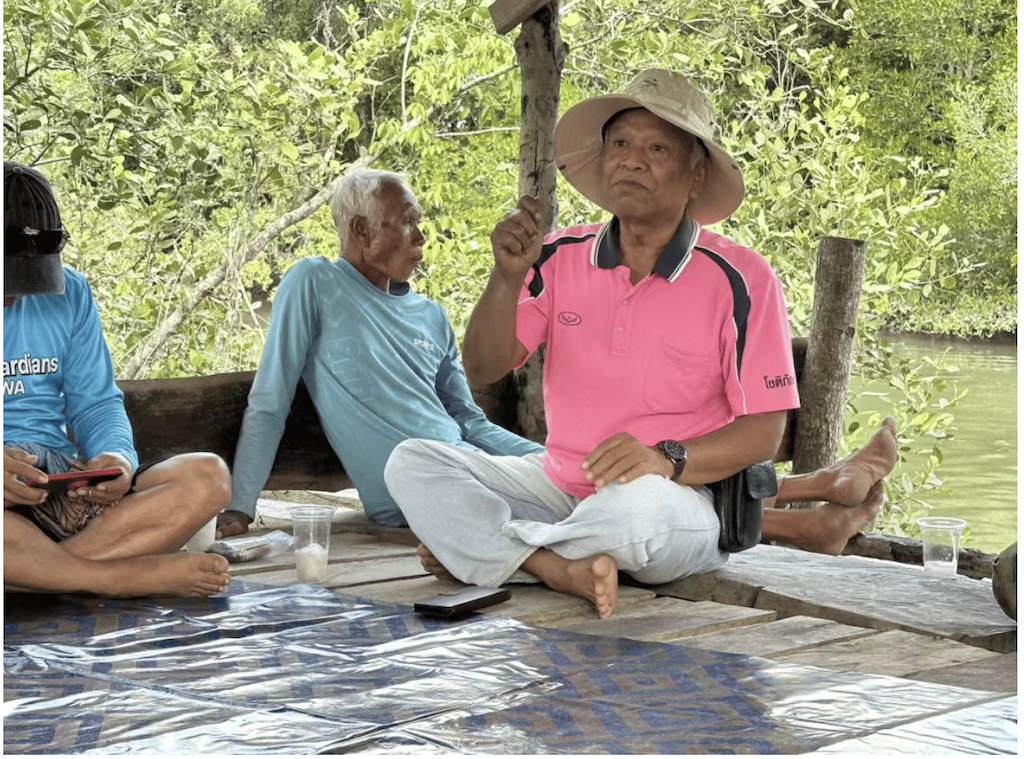
They recall that trawling had become such a severe issue back then that the local fishers organised themselves to drive out the intruders. They soon learned how to fight ‘legally’—cooperating with fisheries patrol teams and the marine police to help authorities arrest illegal vessels and confiscate their prohibited gear.
While most of these were outside commercial vessels, some shortsighted local fishers also used destructive gear. To deal with them, the group first attempted to persuade them through their relatives or the village head. Some fishers refused to back down, even threatening to kill those engaged in conservation. However, others changed their minds. For example, the Chairman pointed to a member present and said: “He used to be one of those overfishing; he would stretch a net between two bamboo poles across the mangrove channels, sweeping up vast amounts of fish and shrimp as the tide receded. Many people did this back then. Once he realised the ecological destruction it caused, he took the lead in dismantling those nets.”
It took these fishers ten years to eradicate overfishing in the area. To this day, they continue to patrol to secure the fruits of their struggle and build networks to strengthen marine protection. Having realised that they needed to be a formally registered legal entity to operate more effectively, they established a fishers’ association two years ago, transitioning to a more institutionalised approach to protecting marine resources.
After driving away these ‘pirates of the sea’, they say the recovery of fishery resources became palpable. Over the last five years in particular, every trip to sea has been fruitful. With the assistance of an NGO, the fishers compiled their own baseline data and life-cycle calendars for local marine species, witnessing firsthand the abundance of the resources. They used this metaphor: this stretch of sea, including the mangroves, is like an ATM that everyone can use—
“Give me a boat and a scoop net, and I’ve got the password to the ATM.” In English, the term for the net is ‘scoop’—literally a spoon. A small boat for navigation and a handheld net for gathering represents the most modest form of fishing.
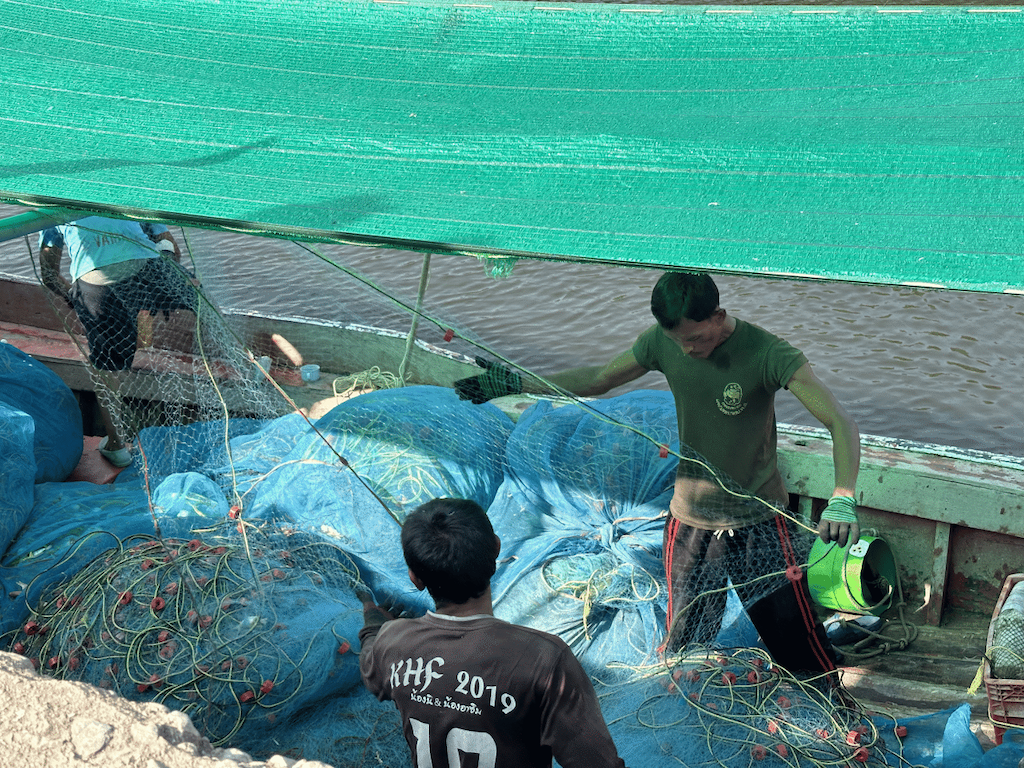
III. The Return of Fine-Mesh Nets
Thailand had previously received warnings from the EU and the US over rampant destructive fishing. To restore its reputation and stabilise trade, Thailand tightened the Fisheries Act in 2015, prohibiting the use of such fine-mesh nets for night fishing beyond 12 nautical miles. However, commercial fishing companies have consistently complained that these regulations caused financial losses and have lobbied the government to ease oversight.
The amendment has drawn criticism from environmental organisations, fishing associations, and the public. This highly contentious clause had been rejected, negotiated, and revised multiple times before finally being approved by Parliament in September 2025. The bill is currently awaiting review by the Constitutional Court; if no objections are raised, it will be submitted for Royal Assent to officially take effect.
During a casual conversation while sitting on the ground with representatives of the fishers, heads shook in unison at the mention of fine-mesh nets. “The law has been approved at the national level, but it hasn’t been implemented yet,” they told us. Our visit took place on the eve of the Thai general election, and the fishers were adopting a wait-and-see approach. “We were discussing just yesterday: why pass a law like this? It depends on who holds power. Such clauses only benefit commercial trawling companies.”

IV. How far can fishers ‘go’ within the system?

This was not the first time Tab had led a protest. His life story is quite compelling; it could be described as a condensed history of Thailand’s small-scale fishing movement. Born in rural Satun, Tab spent much of his childhood fishing to help his impoverished family make ends meet. In 1997, he graduated from a university in Songkhla with a bachelor’s degree in history, becoming the only one of ten siblings to graduate from university. After graduating, Tab volunteered in a fishing village, where he began to truly understand the world of the fishermen.
In the late 1990s, during the height of the AIDS panic, he collaborated with someone living with the virus to establish a network for people infected with HIV/AIDS. This provided him with invaluable experience in serving marginalised groups and building communities, laying the foundation for his later work within fishing communities.
Tab is the kind of person whose natural charisma is immediately apparent. His voice is slightly raspy. Even though I don’t speak a word of Thai, I could feel the infectiousness of his delivery. He knows only a few basic phrases in English, yet he would still call my name from time to time and ask, “Are you good?” He could remember the name of every single visitor, which is no small feat. These details reveal an instinctive, almost muscle-memory sharpness for communication and for fostering human connections—the hallmarks of a typical social movement leader.
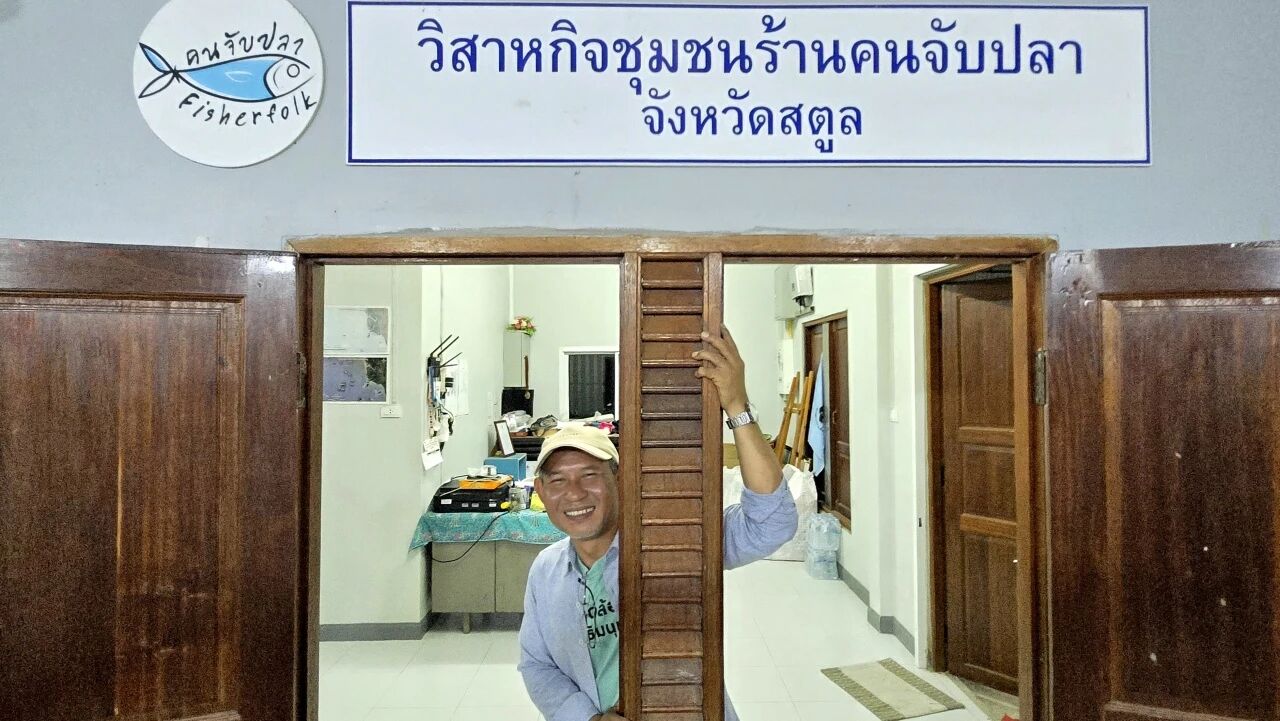
Due to his contributions to the sustainable development of fishing communities, he was named an Ashoka Fellow in 2014—part of the world’s largest support programme for social entrepreneurship leaders. According to the Ashoka official website, Tab witnessed many fishermen who led conservation efforts continue to die in poverty; some of these efforts ended in violence, including the assassination of one fisherman.
The growing disparity between marine conservation and the livelihoods of small-scale fishermen made Tab realise that these fishermen must benefit from conservation efforts, or the situation would become a deadlock. For nearly 30 years, he has served as a spokesperson for small-scale fishermen in Southern Thailand, speaking bluntly about his disdain for industrial fishing: “Pair trawlers should not exist in this country, nor should they exist on this planet… it is a fishing model that plunders the interests of people across the globe.”
In 1993, 13 fishermen’s groups in Southern Thailand formed the Southern Thai Fishermen’s Federation. Over time, it absorbed traditional fishing organisations from other regions and continued to grow, eventually registering as a national alliance in 2009: the Federation of Thai Fishermen’s Associations, or FTFA. Tab was one of the founders of the FTFA and previously served as its manager.
It is worth clarifying the distinction between the “associations” and “federations” mentioned previously. A “fishermen’s association” is typically a regional, self-governing body formed by fishermen from a few villages. These must be registered with the government and have their own council and bylaws to coordinate community affairs, such as the Khon Khlan Town Fishermen’s Association that hosted us.
The Federation of Thai Fishermen’s Associations (FTFA), by contrast, is a national umbrella organisation composed of multiple associations. By consolidating scattered grassroots strength, it gains the capacity to negotiate with, and even challenge, the government and large corporations. It is a pivotal force in policy advocacy and legislative reform on behalf of small-scale fishermen. Its current membership spans 19 provinces and 55 organisations.
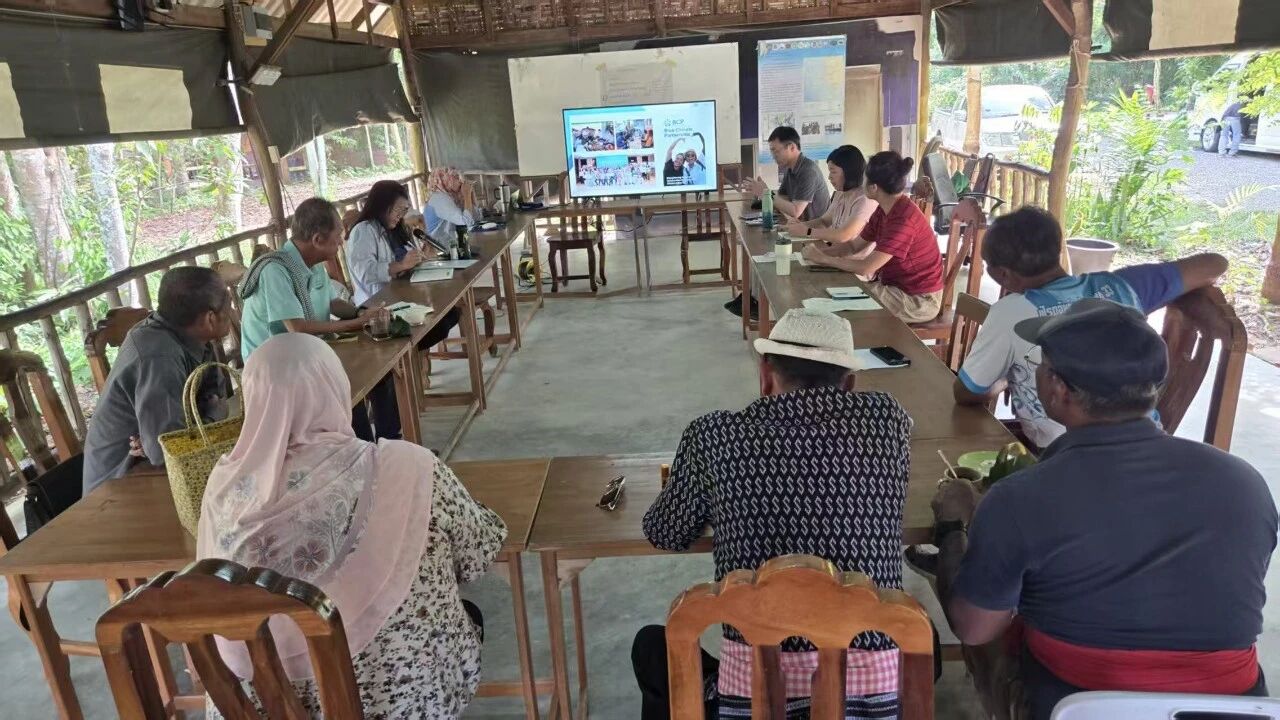
In 2012, Tab collaborated with hundreds of fishing communities to collect over 10,000 signatures, submitting a draft amendment to the Fisheries Act to the Thai Parliament. They called for decentralisation to increase the participation of small-scale fishers and local governments in coastal resource management policies. In 2013, they also successfully blocked the government from issuing two thousand new permits for pair trawl vessels.
It was precisely through this kind of bottom-up action—active engagement in legislation and policy advocacy—that the FTFA managed to break through the once-closed fisheries policy circles that had long favoured industrial fishing. In 2015, pressured by the European Union’s “yellow card” warning regarding illegal fishing, Thailand not only tightened the Fisheries Act as mentioned previously but also undertook a comprehensive reform of its fisheries governance system. A national-level fisheries policy committee was established, with a permanent seat reserved for the FTFA, granting small-scale fishers a legal status to negotiate on an equal footing with other stakeholders for the first time.
Whether it is the fishers’ associations or the FTFA, they often maintain close ties with NGOs. Securing rights to coastal land and resources is a daunting task, one that is difficult for fishers’ organisations to achieve on their own. NGOs represent professional strength from civil society, external to the fishing community. They provide these organisations with capacity building, micro-funding, and other social resources, helping fishers forge links with consumers, academia, and even the international community. Such support is indispensable.
The relationship between NGOs and these fishers’ organisations is intricate, with boundaries often blurred—a fact evident in their personnel. For example, Tab was once the manager of the FTFA and is now the head of the “Thailand Marine Watch Association”, an NGO dedicated to fisheries monitoring and policy advocacy.
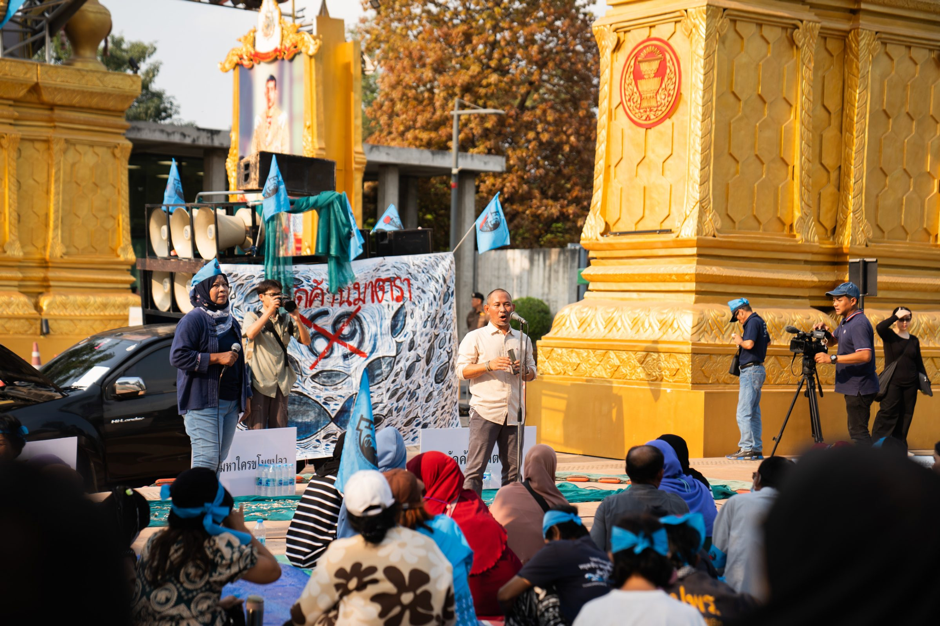
Reflecting on decades of struggle by the fishing communities, the organisations and fisher groups we visited often lamented that when it comes to amending fisheries laws, politicians and commercial companies hold the most sway; consequently, the laws always reflect their interests.
“How can the law be made to truly serve the local people?” they asked.
Coming next
This is the first of three field notes from Foodthink’s visit to small-scale fishing communities in Southern Thailand. To learn more about how NGO efforts contribute to the conservation of local fishing communities, please stay tuned for our subsequent updates.

Edited by: Pei Dan, Tianle