
Lethally Sweet: Protect Your Little Darlings | Grandma Kouzi
In 1972, British scientist John Yudkin published a book titled Pure, White and Deadly. The protagonist of that book was sugar—pure, white sugar. The protagonist of this short piece is also sugar—sweet sugar.
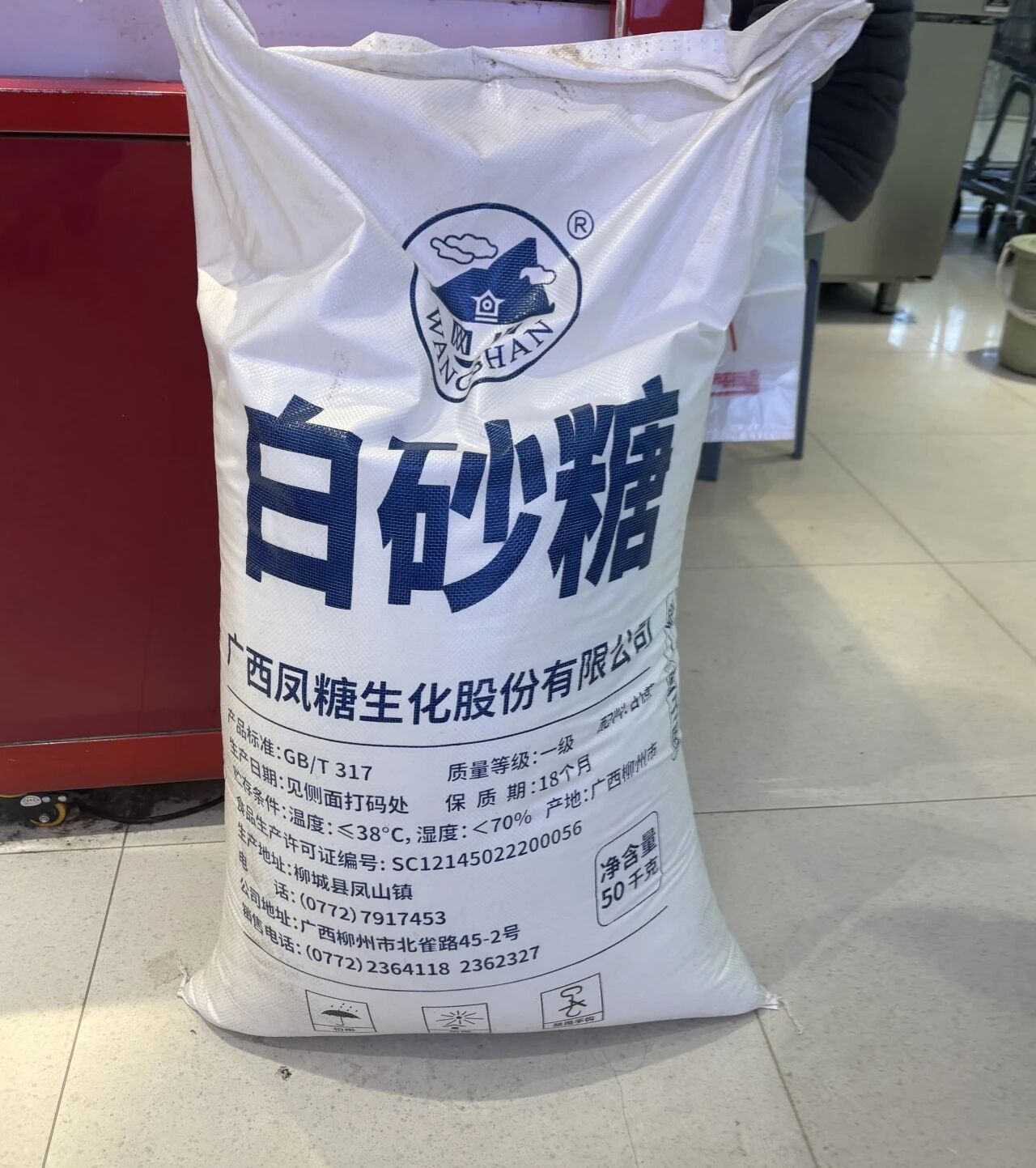
When I refer to “sugar” here, I mean sugar, confectionery, and added sugars in food. In the ingredients list, these may wear different “aliases” such as sucrose, white sugar, high-fructose corn syrup, honey, maltose, or glucose syrup.
The updated US Dietary Guidelines released in January 2026 emphasised that “sugar is not considered part of a healthy or nutritious diet”. I certainly agree, though I question its feasibility.
I. Why we need sugar, and why we don’t
Glucose in the blood is the core energy source for the human body, acting like petrol in an engine. Just as an engine runs on fuel, human life runs on sugar. I have participated in the Hong Kong 100km Walk and the 66km Mount Tai Marathon, and sugar- and electrolyte-rich sports drinks were essential at every supply station. However, this easily leads to a misconception: that sugar is vital, and therefore, eating sugar is vital. In reality, this is not the case.
In China, it is common to greet someone by asking, “Have you eaten?” Rice and grains—primarily starchy foods—are the most everyday sources of energy. Starch is a complex carbohydrate made of multiple monosaccharide molecules linked by glycosidic bonds; it is a form of sugar that isn’t sweet. Because starch is composed of hundreds or thousands of glucose units, the molecule is too large to bind effectively with the sweet receptors on the tongue, meaning the taste buds cannot perceive it as “sweet”.
Therefore, rice and steamed buns are sugar, and potatoes and taro are also sugar. However, these are polysaccharides (such as starch and cellulose), which belong to the same sugar family as monosaccharides (such as glucose and fructose) and disaccharides (such as sucrose and maltose).
The process of eating and digestion is essentially a series of chemical reactions in the body that hydrolyse polysaccharides into the monosaccharides the body needs. The body uses enzymes like a pair of scissors to cut the “sugar chain” of starch. Before reaching the stomach, the “scissors” are salivary amylase; once the stomach sends the food into the small intestine, they become pancreatic amylase. Eventually, the polysaccharides are cut down to their smallest units—non-hydrolysable monosaccharides—which then enter the bloodstream. Sugar is a vital substance that the body can produce on its own without needing to ingest it in sweet form.
While blood glucose is critical to survival, humans do not need to eat the kind of sugar that tastes sweet.
II. Sugar is Everywhere
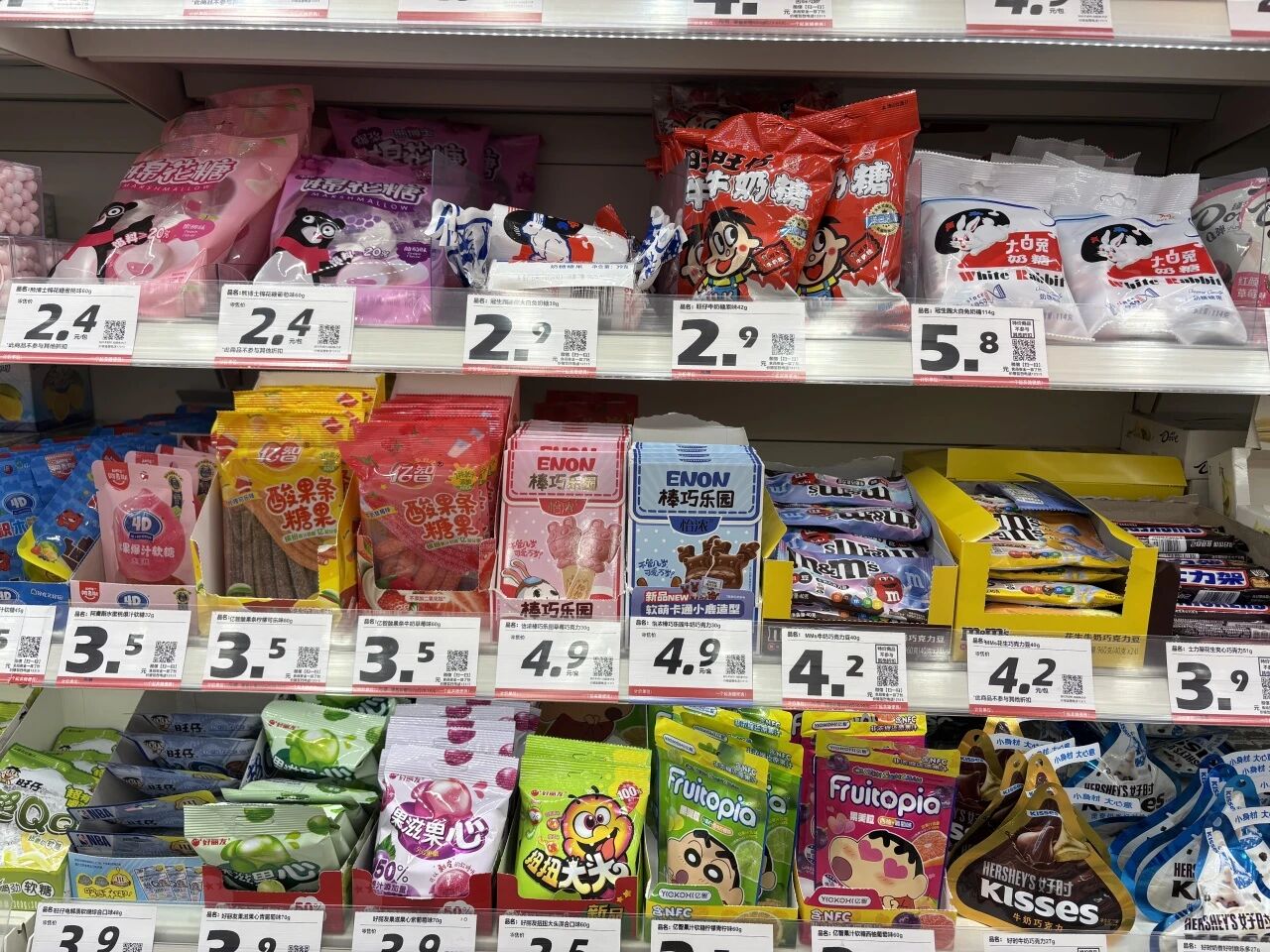
A few years ago in Taiwan, someone conducted a survey of supermarket shelves; if all sugar and products containing added sugar were removed, less than 20% of the stock would remain.
Sugar has become deeply embedded in the lives of modern people.
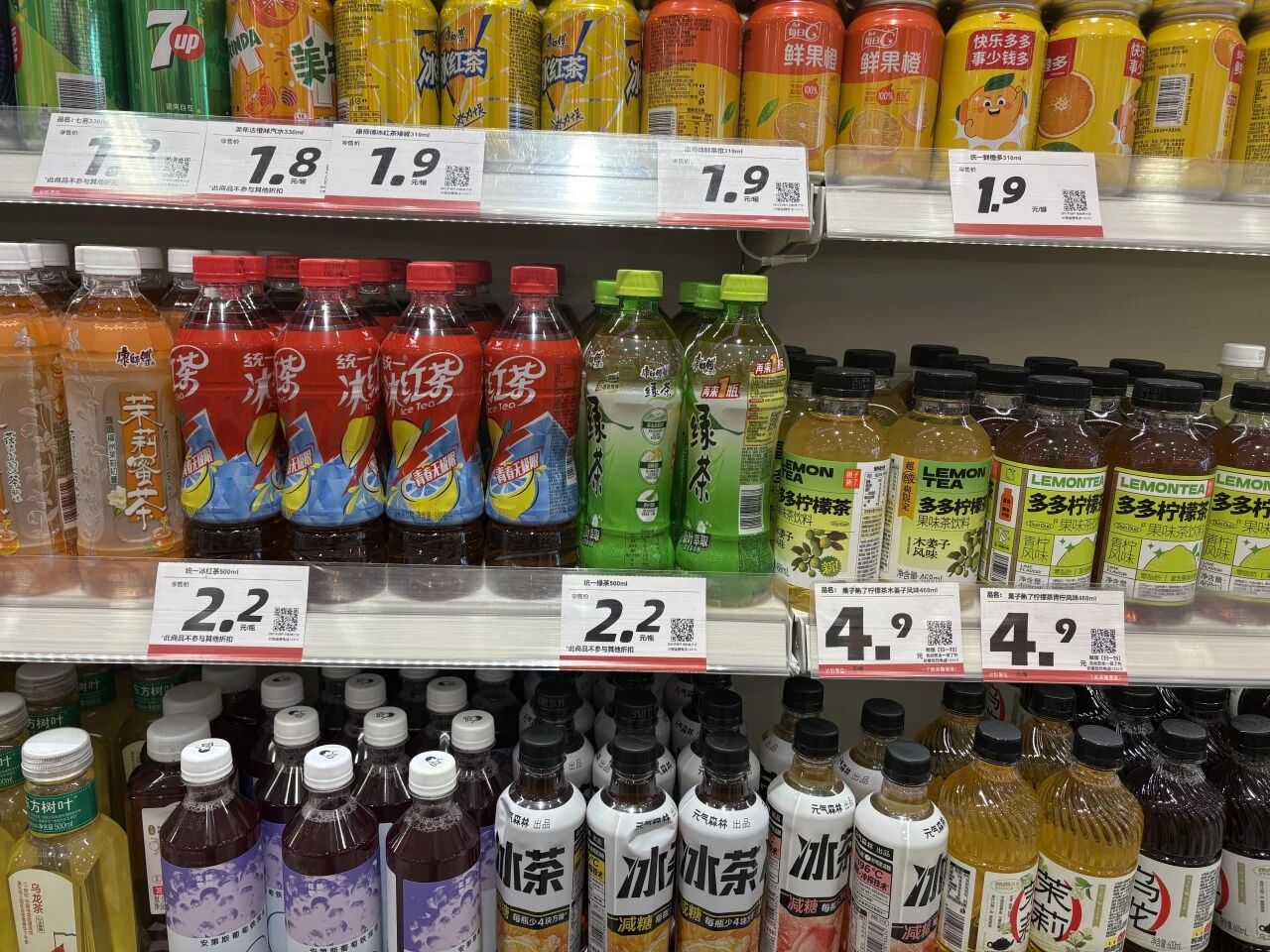
All sweetened drinks, filled candies, chocolates, and pastries are high in sugar. Ice lollies and ice cream are absolute “sugar and fat bombs”. Ready-to-eat puddings, sweet bean curd, and instant milk teas also contain alarming levels of sugar. Instant oats and cereal bars may seem healthy, but they are often high in sugar. Then there are the hidden sugar hotspots: savoury puffed snacks like crisps, prawn crackers, and rice cakes often contain added sugar, and flavoured nuts and most ready-to-eat meat products use sugar to enhance flavour.
Some products even prominently feature “Sugar-Free” or “No Added Sugar” labels, but a close look at the ingredients list reveals the trick: they simply contain “no added sucrose”, replacing it with other sugars like high-fructose corn syrup, honey, maltose, or glucose syrup.
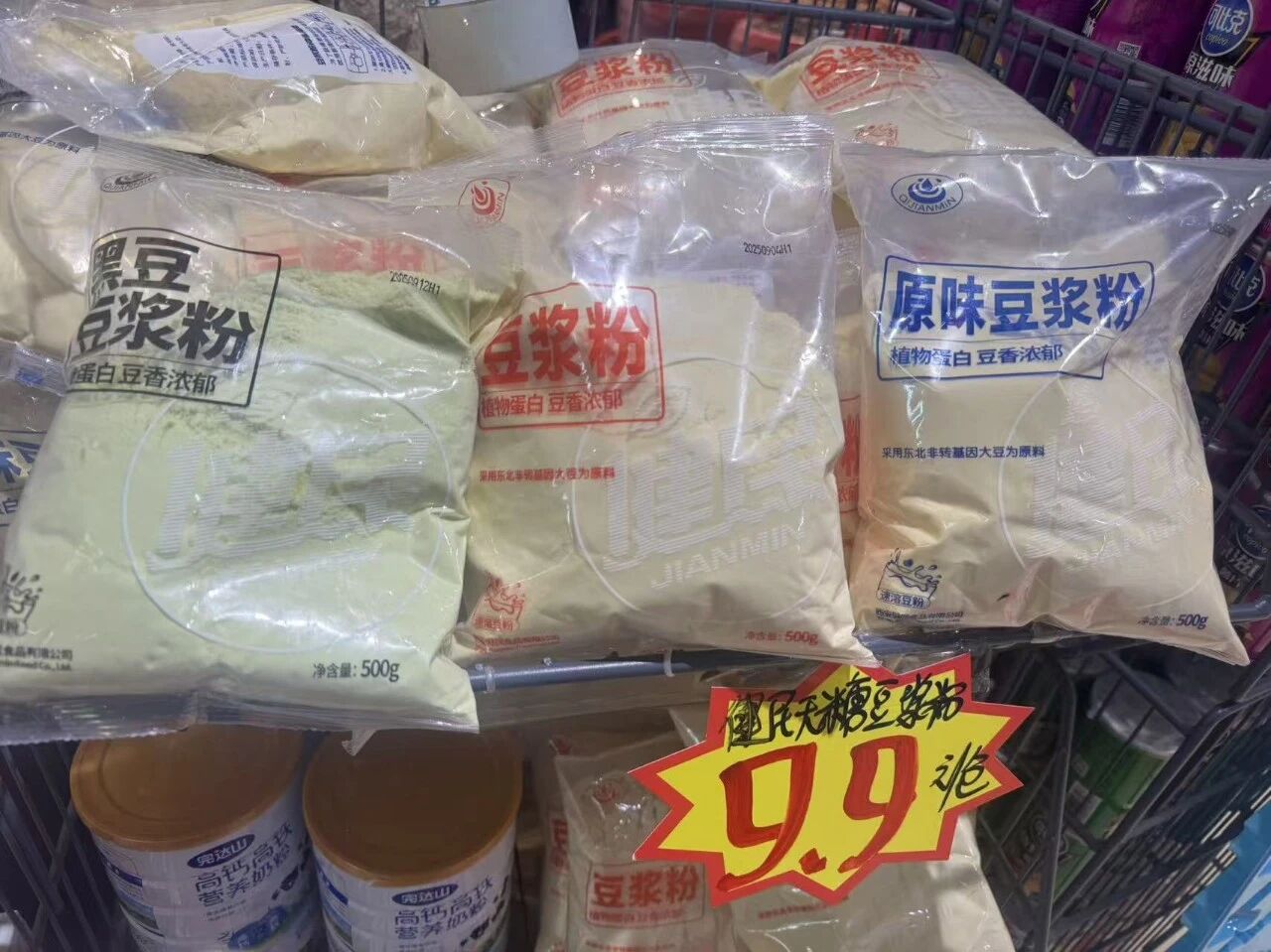
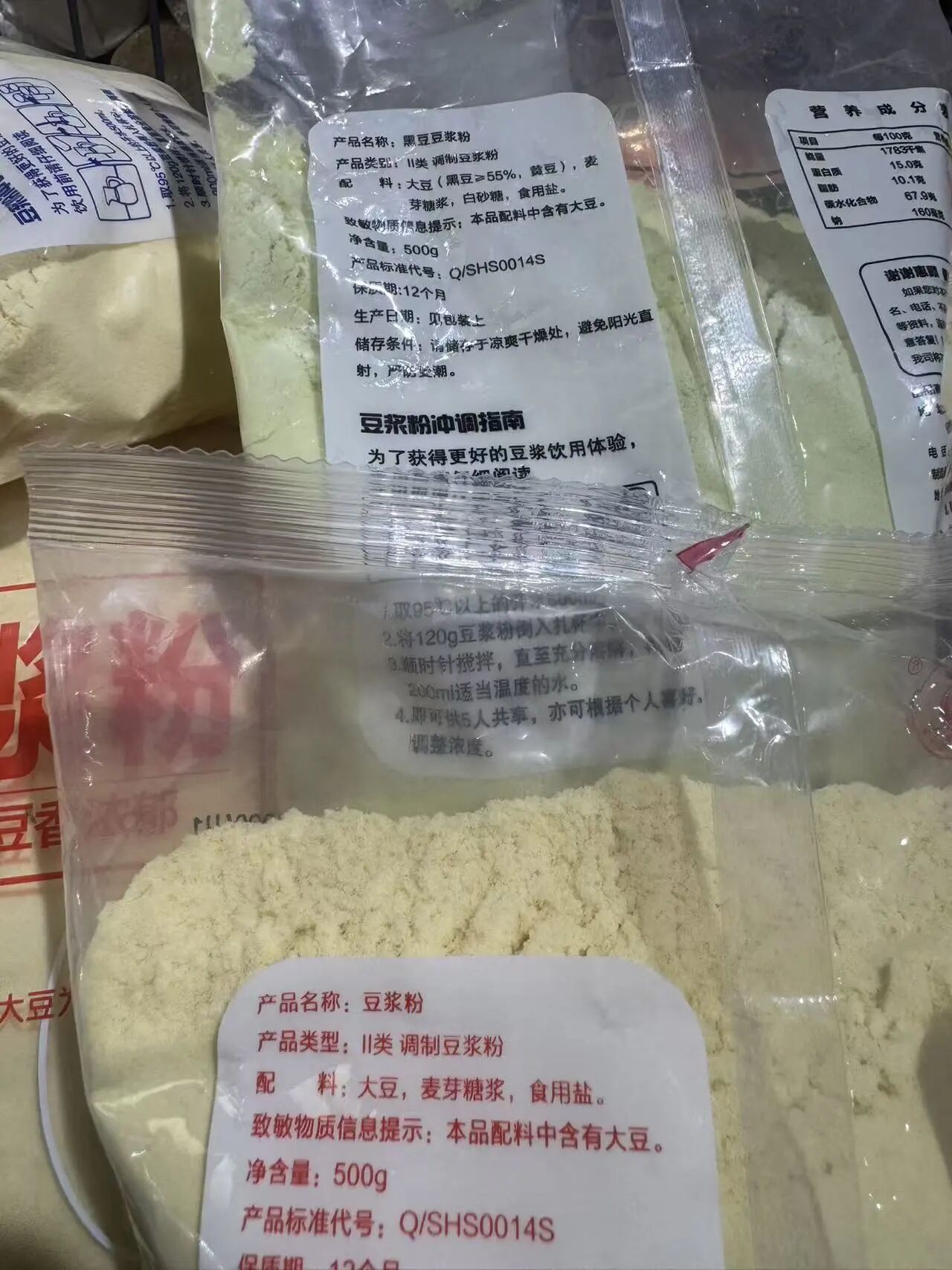
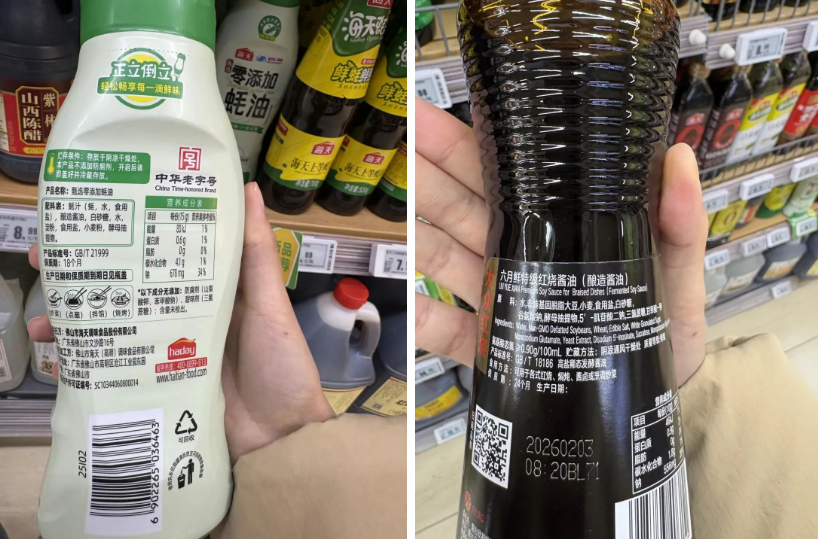
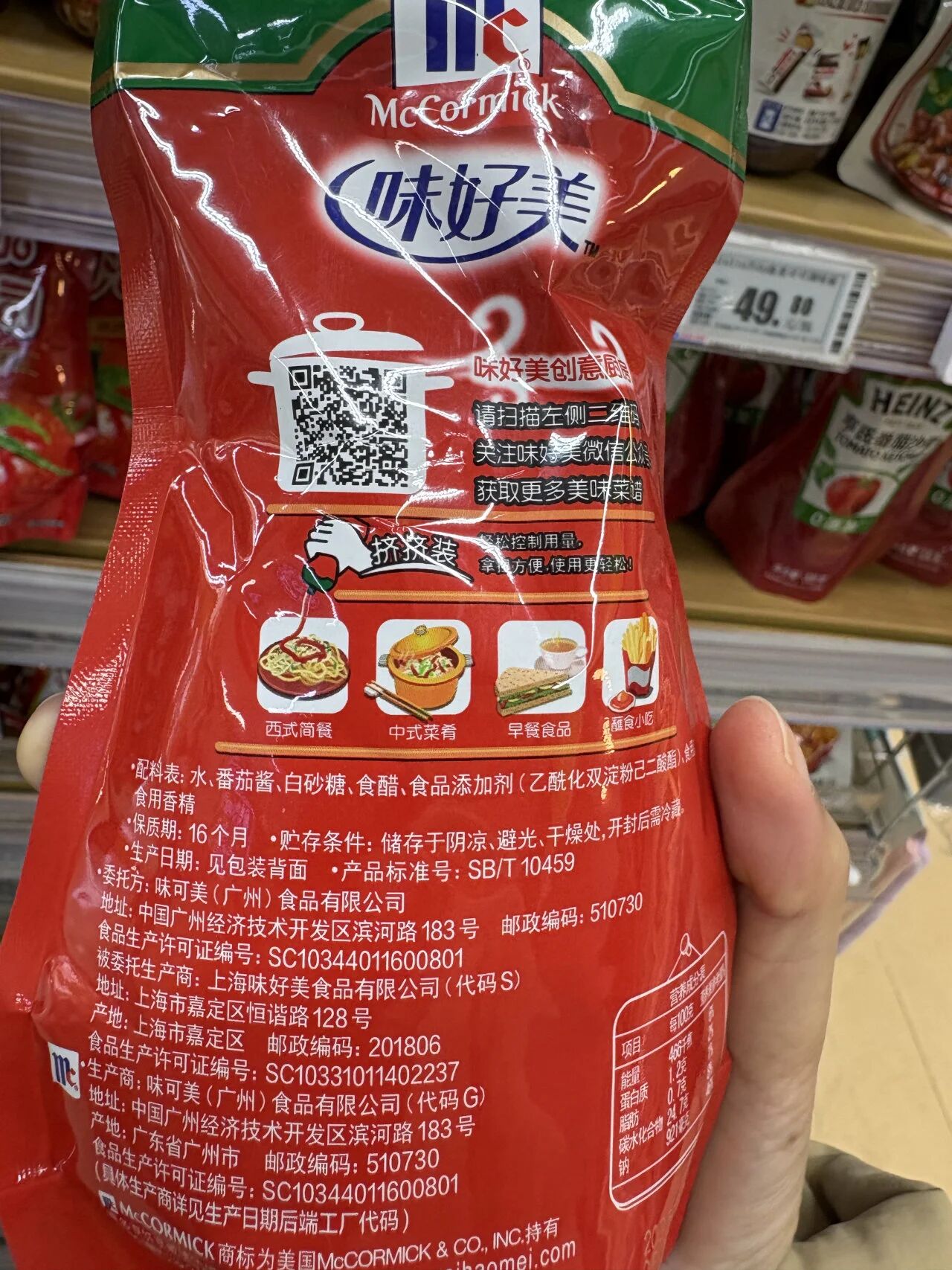
Furthermore, various condiments are “worst offenders”. Salad dressings are often high in both sugar and fat, making them genuine hidden sugar bombs; ketchup, sweet chilli sauce, BBQ sauce, instant noodle seasoning packets, and instant soup bases commonly contain sugar. Oyster sauce might not contain any oysters, but it certainly contains sugar; even flavoured vinegars and dark soy sauce contain it—the darker the colour, the more sugar is added…
III. A Lifestyle that Taxes the Liver
The most common monosaccharides are glucose and fructose, which make up sucrose. They often appear together, yet they are two almost entirely different monosaccharides, with completely different structures and metabolic pathways.
Glucose comes from starchy foods such as grains and tubers. It is an aldose sugar that can be utilised directly by cells throughout the entire body. What is commonly referred to as “blood sugar” is glucose in the blood; it is insulin-dependent and has a high glycaemic index. Excessive consumption leads to diabetes.
Fructose, on the other hand, is a ketose sugar found in fruit, honey, and corn syrup, with a sweetness roughly 1.2 to 1.7 times that of sucrose. Fructose is primarily metabolised in the liver and does not require insulin. Excessive intake is converted directly into fat, which accumulates in the liver, leading to non-alcoholic fatty liver disease.
Although the human liver’s daily sugar metabolism capacity can be as high as 100 grams, the World Health Organization recommends that adults limit their daily intake of free sugars to less than 5% of their total energy intake (approximately 25 grams). Free sugars refer to monosaccharides (such as glucose and fructose) and disaccharides (such as sucrose or table sugar) added to foods and drinks by manufacturers, cooks, or consumers, as well as sugars naturally present in honey, syrups, fruit juices, and fruit juice concentrates.
Because the liver is one of the most vital organs in the human body—handling life-sustaining functions such as metabolism, detoxification, bile secretion and excretion, synthesis, immune defence, storage, and blood regulation—it is not dedicated solely to processing sugar. Each of these functions has numerous branches; metabolism alone includes the metabolism of sugars, fats, and proteins. We only have one precious liver; we must use it sparingly and not turn it into a one-way street for sugar metabolism.
Yet, many people today spend every day pushing their liver to the limit. A 500ml bottle of cola or similar sweet drinks contains around 50 grams of sugar. Add to that sugary milk teas, the various “hidden sugars” in ready-to-eat snacks from supermarket shelves, the added sugars in takeaway meals, and perhaps a little alcohol… it’s a daily assault on the liver.
The damage caused by sugar doesn’t stop at the liver. A long-term high-sugar diet causes blood glucose to spike frequently, prompting the pancreas to continuously secrete large amounts of insulin, eventually developing into type 2 diabetes.
Sugar leads to abnormal blood lipids, high blood pressure, vascular inflammation, and atherosclerosis, significantly increasing the risk of coronary heart disease, myocardial infarction, and stroke. Sugar is the critical driver in the chain of “fatty liver → diabetes → heart disease.”
IV. Why Sugar is So Hard to Quit
Because children in modern society are drinking a kind of “alcohol that doesn’t make you drunk” almost every day: fructose.
Non-alcoholic fatty liver disease is becoming more common and appearing in younger and younger children, because the ubiquitous sweets, pastries, and drinks mean that children’s livers are soaked in sugar water from a young age.
The 2026 edition of the US Dietary Guidelines emphasises that sugar is not considered part of a healthy or nutritious diet, stating that “the intake of any amount of added sugars or non-nutritive sweeteners is not recommended, as they are not part of a healthy or nutritious diet”. It further suggests completely avoiding added sugars during infancy and early childhood, and recommends that children aged 5–10 consume no added sugars at all.
I agree, but I question the feasibility. Besides what I mentioned earlier—that added sugar is present in 80% of supermarket products—it is also because today’s children have had their dependence on sugar hardwired into their lives from a young age via the Bliss Point of sugary foods.
“People are not choosing nutrition; they are choosing a sensory experience. Sweetness is the fastest path to pleasure.”
These words come from the renowned Howard Moskowitz, a PhD in experimental psychology from Harvard University, who specialises in using mathematical models and statistical methods to measure and analyse human sensory responses. His most famous achievement was the discovery of the “Bliss Point” in the 1970s—the perfect balance of sweetness, saltiness, and fat content (or crispness) in food. When the taste stimuli are just right, they trigger a feeling of pleasure in the brain’s centres, making people “want more and more, unable to stop eating”.
Moskowitz once explained, “The Bliss Point refers to the sensory experience of the food you like most, and it is primarily related to sweetness.” Sugar and sweet things cause the brain to produce endorphin-like substances, creating a sense of pleasure and satisfaction. When sugar content reaches a certain level, it hits the Bliss Point; put simply, it becomes addictive.
Since the 1970s, the sweetness triggering the human Bliss Point has increasingly shifted from traditional “sucrose” to “fructose”.
The fructose used in processed products comes from industrialised corn syrup. First, amylase is used to hydrolyse starch into glucose syrup, and then glucose isomerase converts some of that glucose into fructose. The world’s largest and cheapest source of starch is genetically modified corn starch from the USA. The resulting corn syrup is unimaginably cheap.
The metabolic pathway of fructose is similar to that of alcohol; it is processed primarily in the liver. Excessive intake leads to fat accumulation, insulin resistance, and metabolic syndrome. Consequently, some define it as a chronic, dose-dependent hepatotoxin.
Moskowitz also said: “Sugar is not the enemy, but a tool. The problem is not with sugar itself, but with the system in which it is abused.” Brands like Marlboro, Coca-Cola, Pepsi, Nestlé, and Kraft have raced to launch ultra-sweet foods, primarily targeting children, engraving a dependence on sweetness into the lives of generation after generation.
V. How to Break Free from Sugar?
More and more people are advocating for a strict ban on sugar. It is clearly not an essential nutrient, yet it is as harmful and addictive as a drug—particularly the fructose used in large quantities in sweet drinks, which is even more harmful to children. Sugar is etched into the lives of generations from childhood; extracting it is no easy feat.
To break free from sugar: First, refuse sweet drinks. Second, stop buying sweets and pastries for yourself or giving them as gifts. Third, choose the right snacks. Choose truly sugar-free ones; plain sunflower seeds, peanuts, walnuts, cashews, and pistachios are all good options. If you can eat the whole fruit, there is no need for any processed fruit products.
There are many “traps” in ingredients lists. In addition to what has been mentioned, be wary of disguises like trehalose, invert sugar, maple syrup, agave syrup, and concentrated fruit juice, as well as hidden sugars like maltodextrin and dextrin, which have a higher glycaemic index than white sugar.
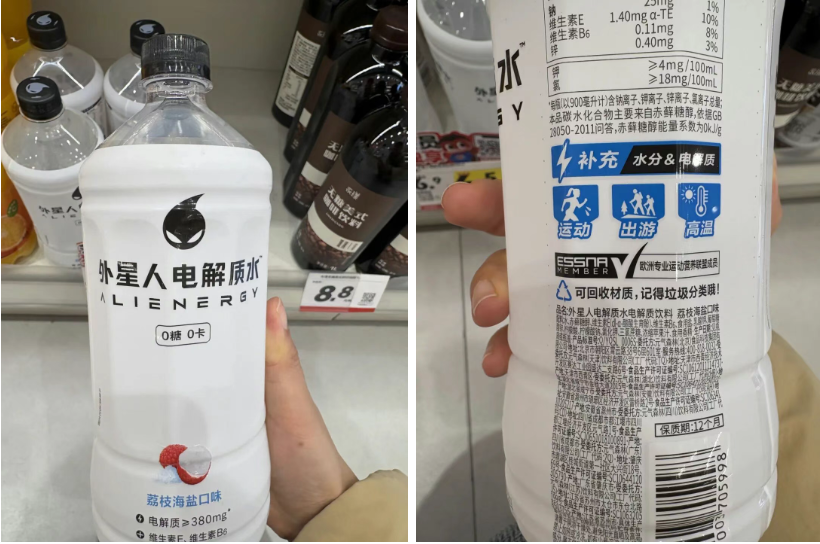
Sugar substitutes such as aspartame, sucralose, acesulfame potassium, erythritol, stevioside, and mogroside are indeed sugar-free, but I avoid them. I am uncertain whether these substances are harmful, and where there is doubt, I decline. Sugar substitutes may stimulate appetite, indirectly leading to higher calorie intake. Additionally, please note: “0 Sugar” ≠ Sugar-free. According to national standards, a product can be labelled “0 Sugar” as long as it contains ≤0.5g of sugar per 100ml.
In my next piece, I will introduce several methods for making sugar-free and low-sugar snacks using ordinary ingredients available at the supermarket, so you can make healthy sweet treats at home with your children. By doing it yourself, you can strive to protect your health while surrounded by sugar.

Unless otherwise stated, all images in this article are provided by the author
Editor: Xiao Dan