
Voices Silenced by 404s Over the Past Year
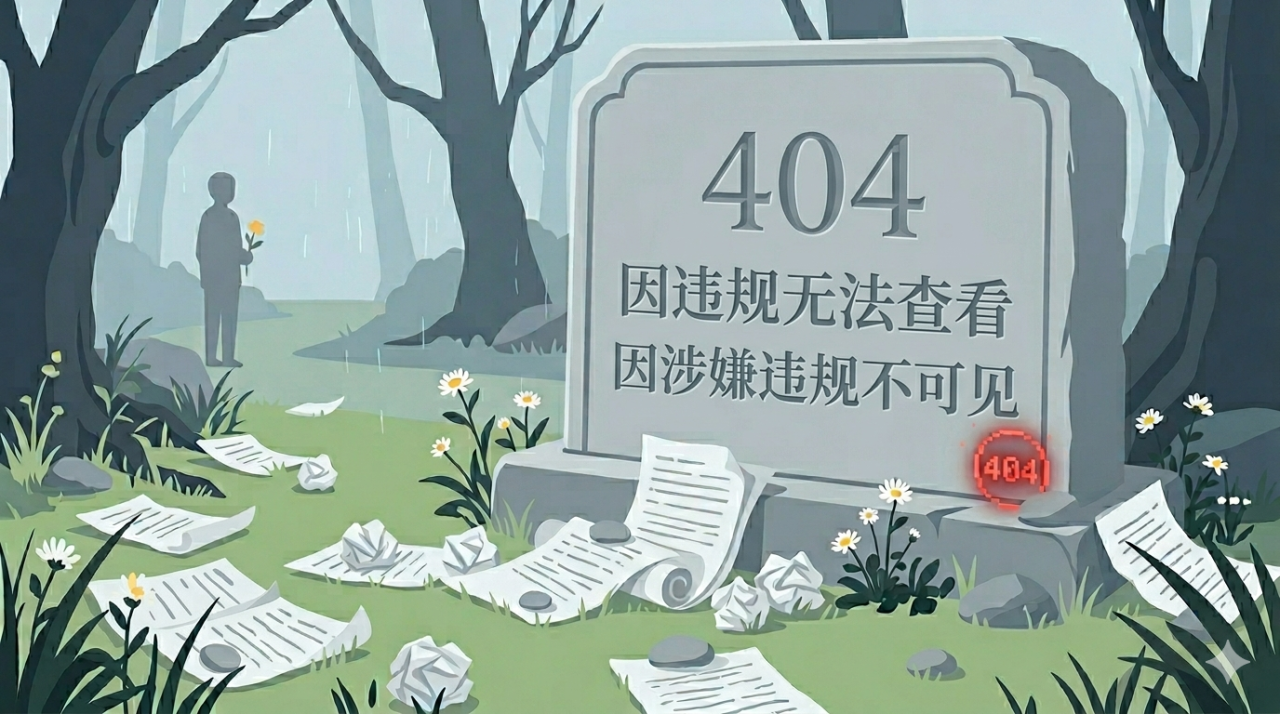
On 4 April last year, Foodthink published a “collection of deleted articles”. Since then, each time a piece was taken down, the team would console themselves with an inside joke: “We’ve already got another ‘404ed 404’ for next year.”
But the 404s over the past two years aren’t entirely the same. Throughout 2024, most of the pieces removed from Foodthink were neither trending public debates nor what would traditionally be deemed “sensitive topics”. Examples include a roundup of domestic media coverage, academic research, and creative works examining food delivery and e-commerce platforms in 2024, and a piece outlining Singapore’s social security measures for platform workers. Consequently, each removal caught the editorial team off guard; we often found it impossible to decipher the rationale or motive behind the takedowns.
Yet, among the pieces taken down over the past year, two addressed either then-current or enduring social issues, drawing coverage from both established news outlets and independent creators. Then, seemingly at a precise moment, the entire discourse simply fell silent.
To safeguard food security, we maintain a strict red line for permanent basic farmland; to protect the environment, we enforce an ecological conservation red line. Yet in the public sphere, no such clear boundary is visible. All we are left with is the blunt notice: “This content cannot be viewed due to violations.” Beyond that, we can only piece together the unwritten rules by examining each censored piece.
Below are the articles 404ed in 2025. Use the accompanying keywords to trace their origins.
404 Not Found No. 1
This piece was originally a response to a book published that year examining food delivery work, titled Transitional Labour. Writing from a nutritional perspective as a PhD researcher whose work examines how socioeconomic structures impact public health, the author explores whether food delivery work genuinely shortens riders’ lifespans. She ultimately stresses that this pattern of overwork extends far beyond delivery riders. Many in modern society endure irregular meals, gruelling workloads, and precarious incomes—a form of labour that, like food delivery, is purely instrumental rather than meaningful. Through the riders’ plight, the author invites readers to consider a pressing question: if our food systems are secure and our economy is growing, why does eating well remain so difficult?
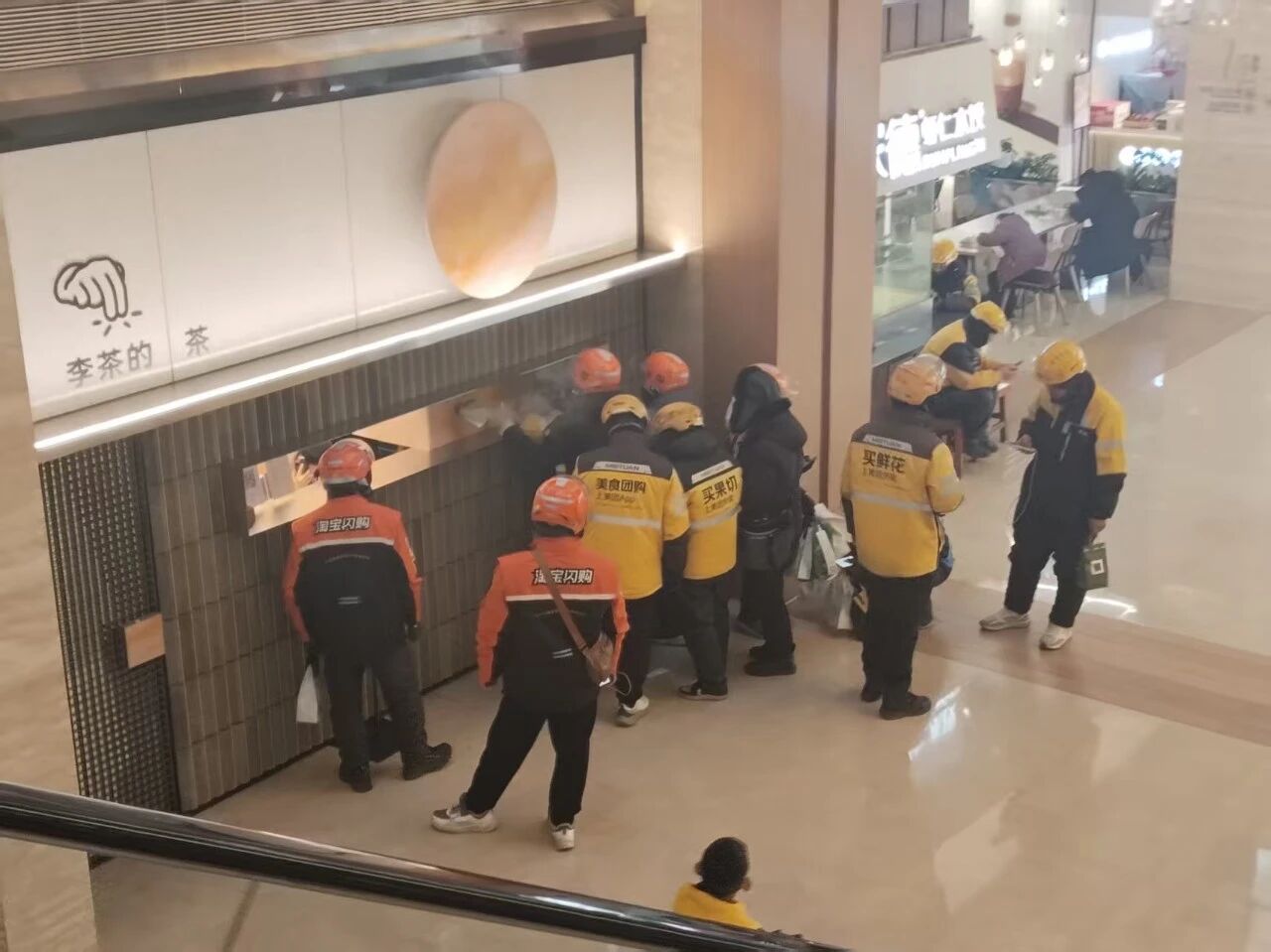
Leave a message “丑团” in the comments of the “Foodthink” WeChat Official Account to access the full article 🙏
404 not found NO.2
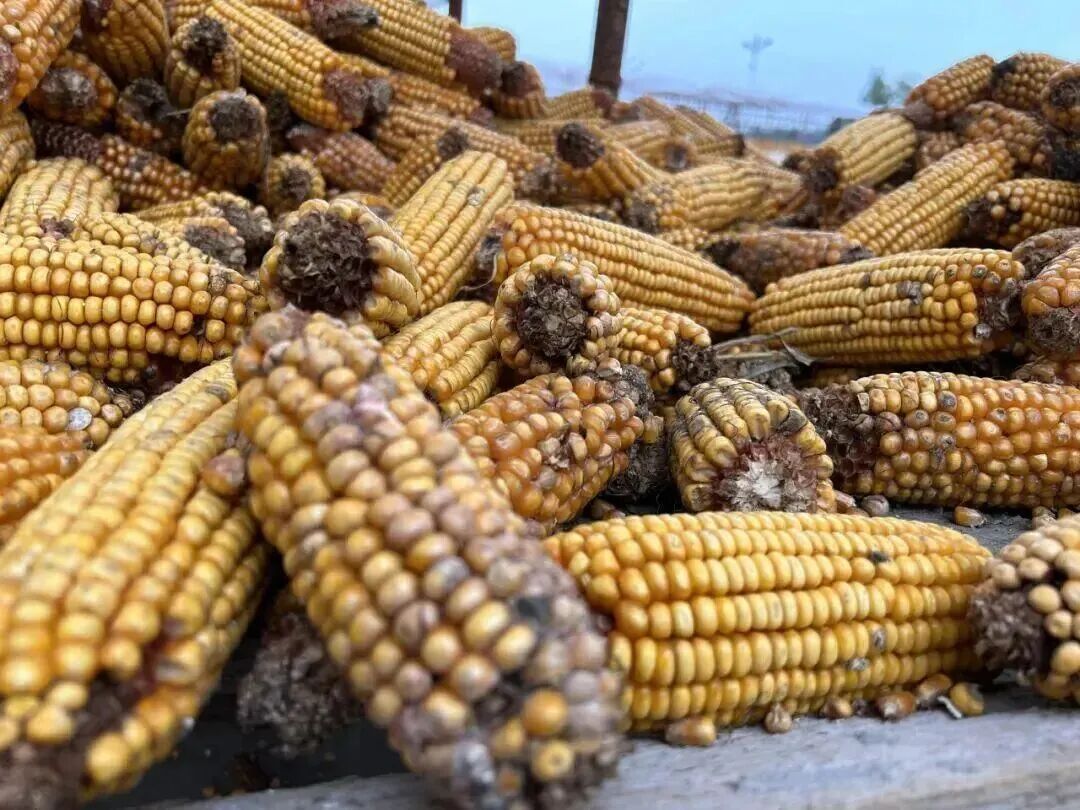
In autumn 2025, North China’s harvest season was plagued by months of unrelenting rain. Corn could not be harvested and quickly began to mould. ‘North China’s relentless rain’ topped the trending lists, with media outlets across the country picking up the story. Foodthink visited six agricultural counties in Henan and Hebei provinces. Our reporting revealed that at every stage from planting to sale, growers, buyers, and local authorities exhausted every possible measure to mitigate the damage. Yet, regardless of farm size, financial resilience, or available machinery, nearly every corn grower was left with little choice but to absorb the losses from reduced yields, falling prices, and widespread spoilage.
Leave a message saying “撑伞” in the official account’s comments to read the full article 🙏
404 not found NO.3
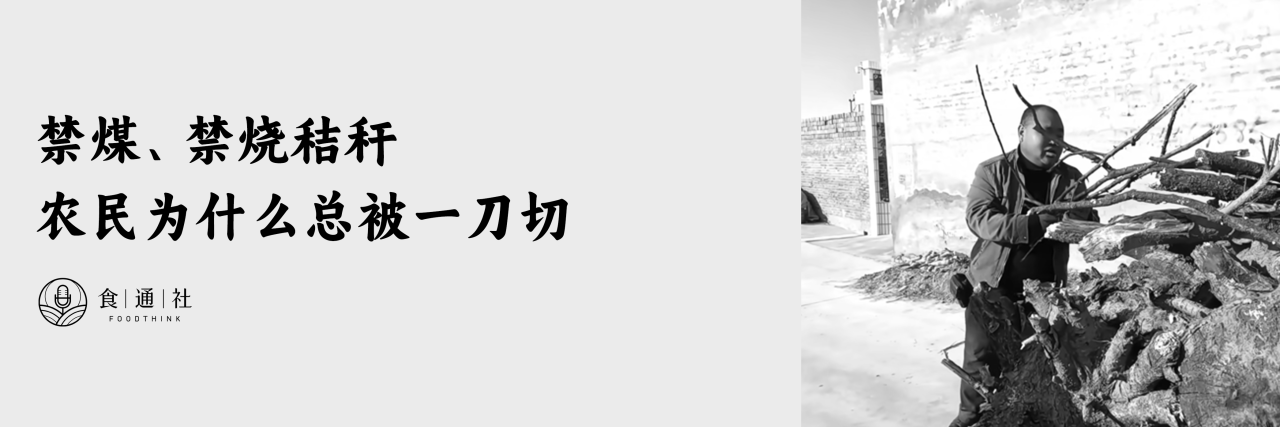
Similar to the “prolonged rain in North China”, the “rural heating issue in Hebei” was another major rural concern this past winter.
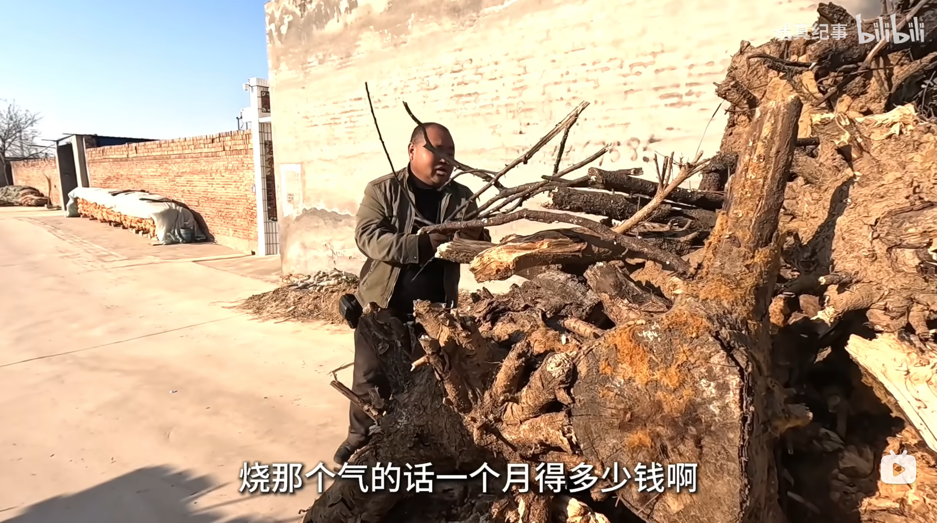
On 5 January, the WeChat official account of *China Agricultural News* published an article titled *The Rural Heating Issue in Hebei Can No Longer Be Delayed*. It noted that on Xiaohan, traditionally the coldest day of the year, many rural residents in parts of Hebei would rather endure the freezing cold than risk turning on their heating.
Foodthink quickly followed up with a commentary. The author, a native of Hebei and a former environmental journalist, had witnessed the series of stringent measures the government implemented to tackle Beijing’s smog. Back in 2013, when the government rolled out the “Air Ten” action plan to combat air pollution, the Beijing-Tianjin-Hebei region began a large-scale transition from coal to gas and electricity for heating. That same year, Hebei saw the emergence of a rural heating shortage, which was then attributed to insufficient natural gas supply.
Twelve years on, the natural gas supply shortage has indeed been resolved, but the prices have soared. For farmers with limited incomes, particularly the elderly left behind in villages, staying warm remains out of reach.
The article was published on 9 January this year and deleted on 18 January. It outlasted the Farmers’ Daily piece ‘Hebei’s Rural Heating Problem Cannot Be Delayed Any Longer’ by eight days. The farmers’ bodies are cold, and our hearts are cold.
Reply with “one-size-fits-all” in the Foodthink Official Account backend to read the full article 🙏
404 not found NO.4
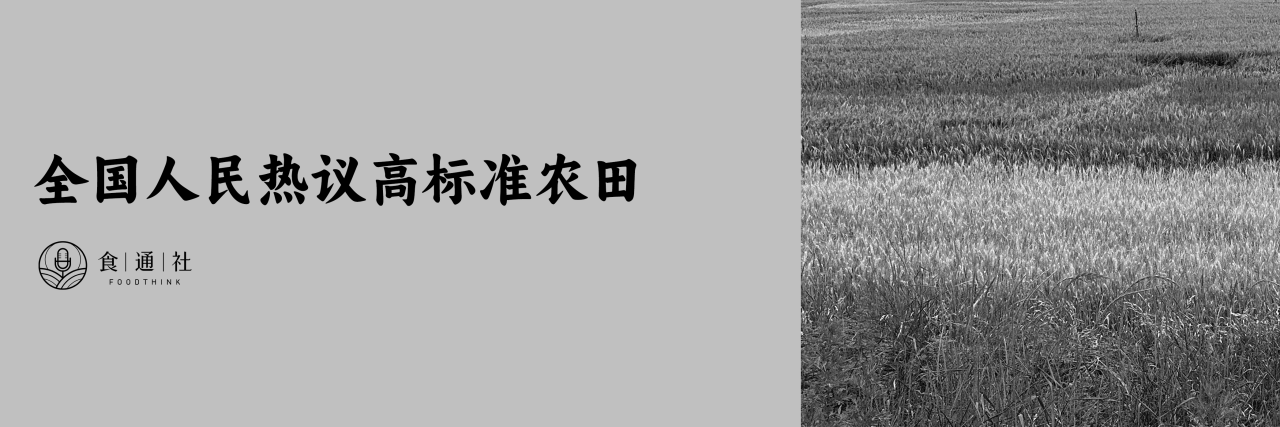
Based on research conducted across several provinces last year, Foodthink published an original article in early 2026, Who Lowered the “Standard” of High-Standard Farmland?. It drew messages from practitioners and researchers across China’s agriculture and engineering sectors, who shared their observations on the construction and use of high-standard agricultural projects in their regions. Their accounts confirmed that the issue raised in the article—where the “standards” of high-standard farmland fall short—was indeed present in villages across China’s south-west, north-west, and central regions.
Foodthink compiled the information provided by readers and published *The Whole Nation Debates High-Standard Farmland* on 21 January.
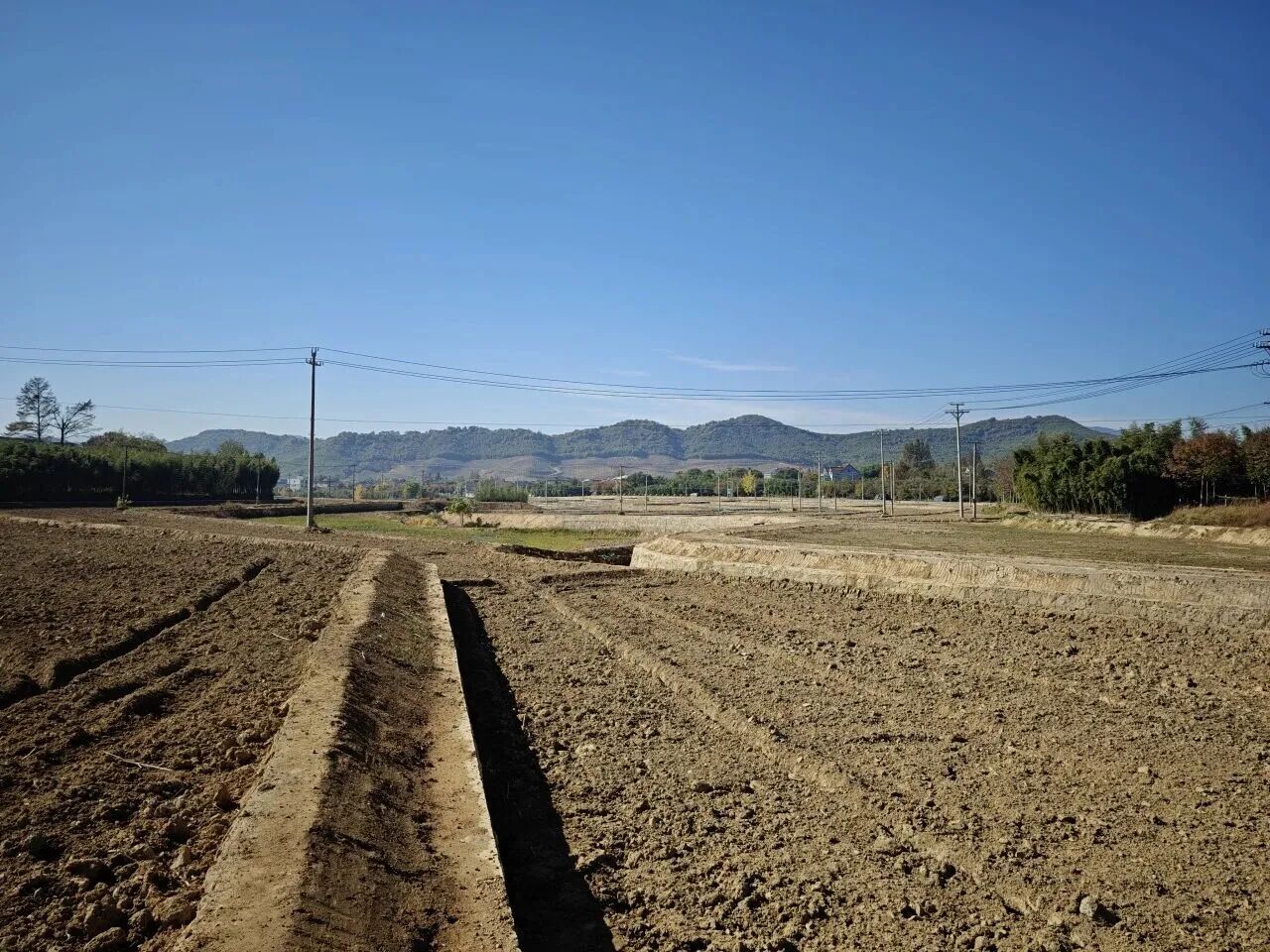
For Foodthink, every article is about more than just “going live”; more importantly, it serves as an entry point where stakeholders of differing views can exchange information and engage in deeper discussion. Often, the real value lies in the exchanges within the comment section, but these voices are growing fewer as they are repeatedly 404’d.
Over the past year, we have noticed that comments on our Official Account posts are being filtered increasingly quickly. Sometimes readers leave carefully considered reflections that are swiftly removed. Often, we cannot even read what they have written before they disappear, only to see the backend notification: “Comment hidden due to suspected violation.”
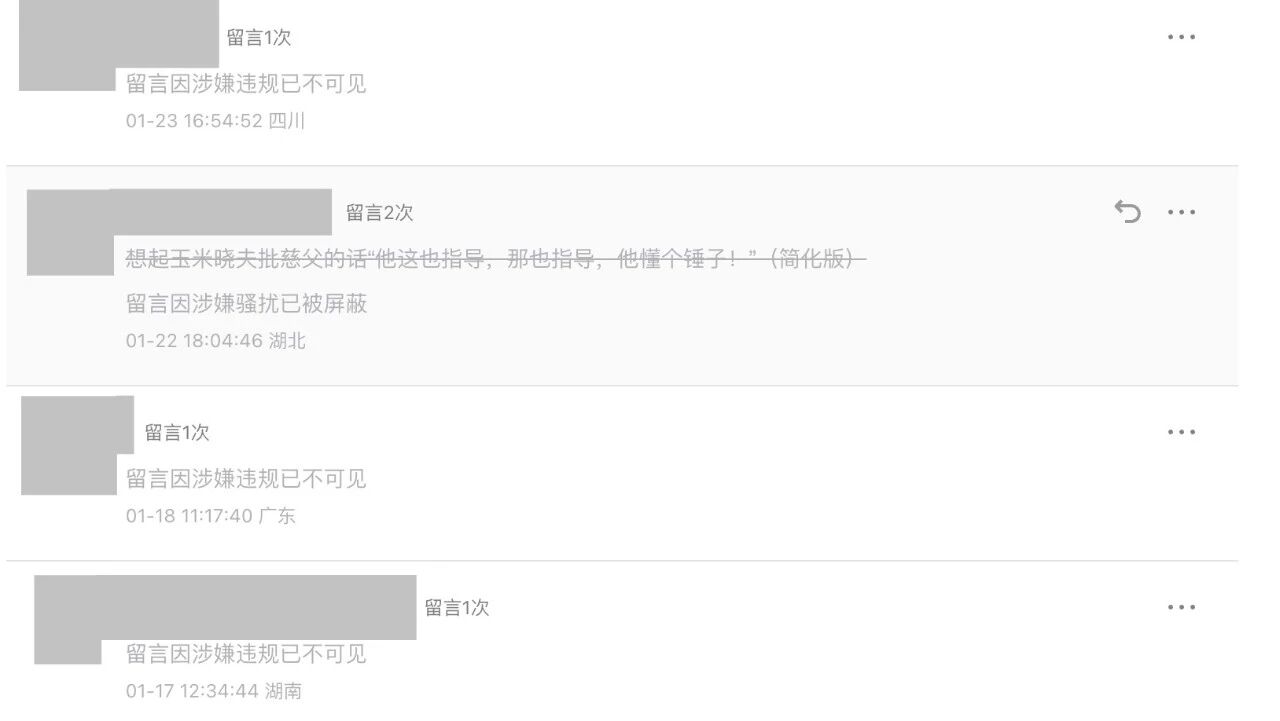
Over time, some stopped leaving comments and ceased trying to express themselves. Gradually, the voices diminished, and silence became the norm.
Perhaps all we can do is speak as freely as the remaining space allows, and hold onto what has not yet vanished. As for the voices that went unseen, they should not simply be written off as non-existent. Above all, we do not wish to find ourselves, on some future Qingming, mourning the death of “public space”.
Edited by: Tianle