
315: Beyond waiting for the exposés, how can consumers truly discern what’s real?
International consumer movements typically approach rights from four perspectives: the right to safety, the right to information, the right to choose, and the right to be heard.
Today, Foodthink will start with food consumption—something no one can live without—and explore how to fully protect your rights.
1.The right to safety
Can we still buy produce we can trust?
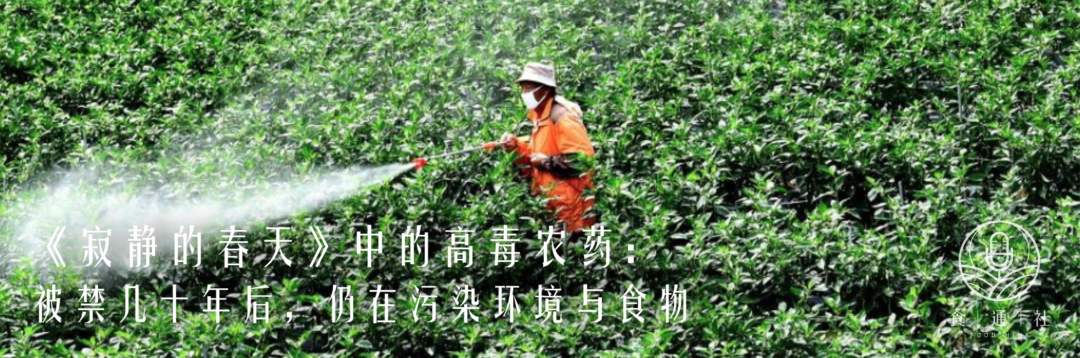
Why does conventional agriculture rely so heavily on pesticides?
What harm have organochlorine pesticides—introduced to agriculture after the Second World War—caused to public health and the natural environment, and how have they been managed through policy and legislation?
Besides pesticides, today’s conventional agriculture also uses various chemical inputs such as herbicides and growth regulators. Can we truly trust food grown this way?
Previous Articles▼


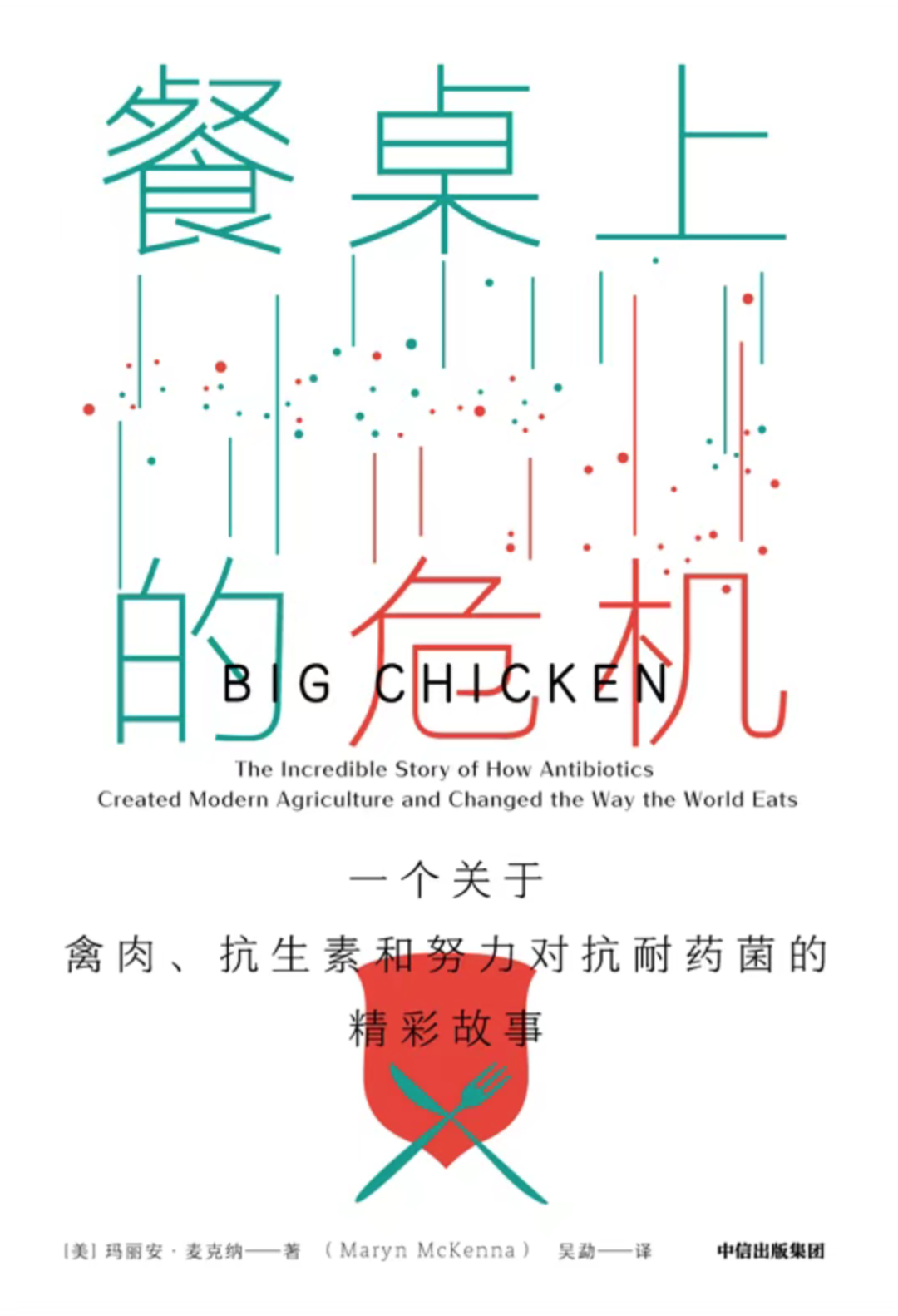
Another huge threat to public health and food safety is the abuse of antibiotics in industrial farming. Last October, Foodthink organised a book club for *Crisis on the Table*, discussing with readers how chicken became a staple of the American diet, and subsequently, a hazard.
Why has the livestock industry made the use of antibiotics standard practice?
How have antibiotics accelerated the industrialisation and intensification of broiler chicken farming and processing?
What problems are caused by the extensive use of antibiotics?
How exactly does microbial resistance to antibiotics develop?
What are the consequences of infection by antibiotic-resistant bacteria?
Most importantly, what are the possibilities for farming that avoids antibiotics and prioritises animal welfare?
II. The right to information
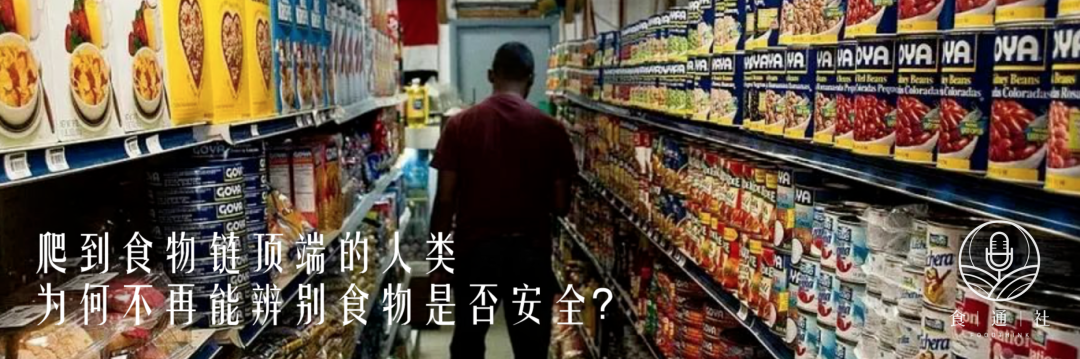
Before you buy, do you really understand the information?
Why do we love bubble tea?
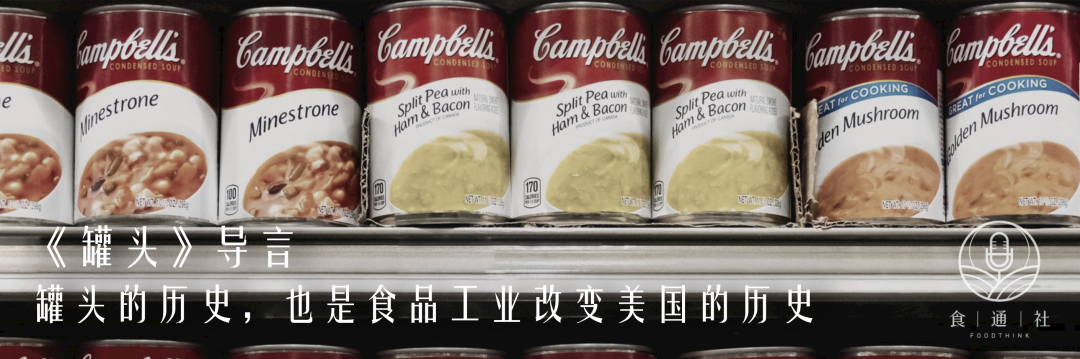
Why are we so hooked on sugary fizzy drinks—the so-called ‘fat otaku happy water’? Why is salt added to almost every processed food?
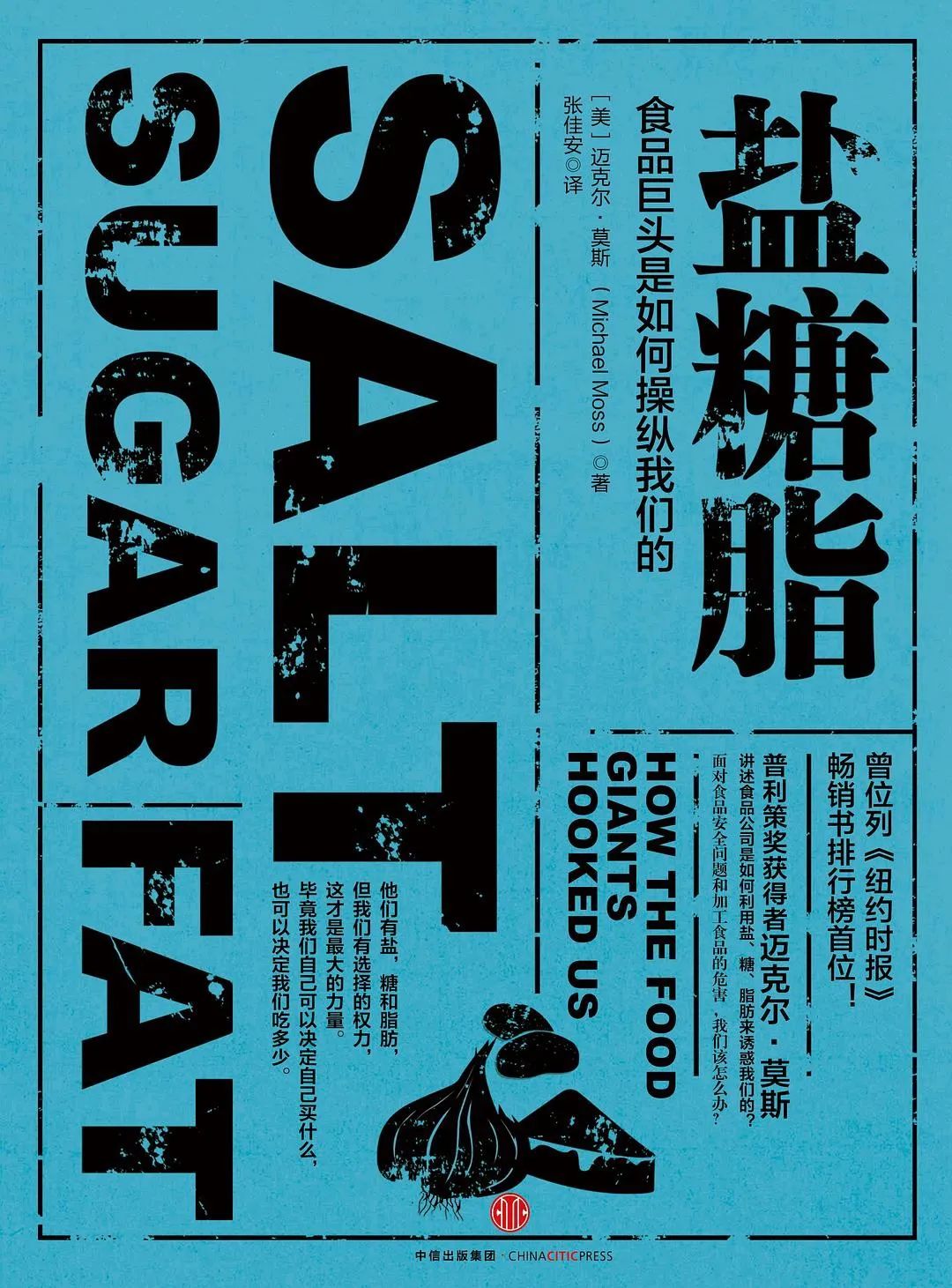
In *Salt Sugar Fat*, Michael Moss delves into how food giants leverage scientific research to engineer addictive junk food, thereby stimulating consumer demand.
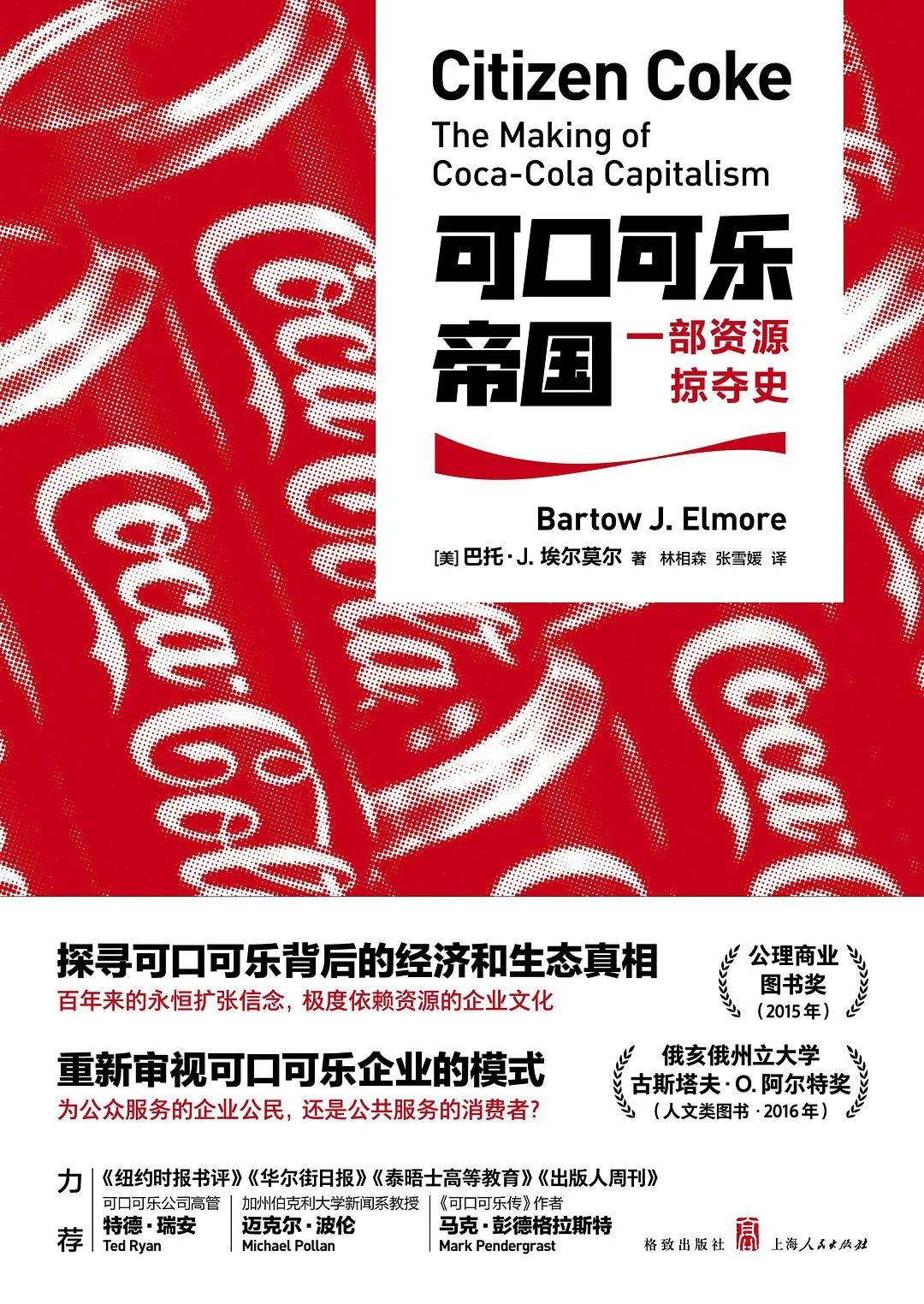
Food processing companies exploit more than just human physiological feedback mechanisms; they also capitalise on a general indifference towards corporate social responsibility. Bart Elmore notes in *The Coca-Cola Empire* that the secret to Coca-Cola’s success lies in the consumption of public resources and the shifting of massive environmental externalities onto the public sector, other businesses, and consumers.
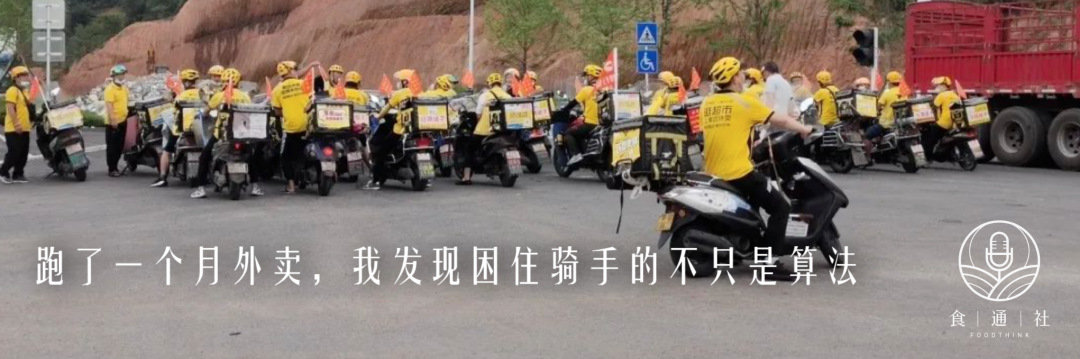
How much plastic waste is generated by food delivery each year?
What changes must delivery platforms make to reduce plastic?
Who is protecting the labour rights of delivery riders?
And how can their working conditions be improved?
3. The right to choose
Is there still a wet market near your home?
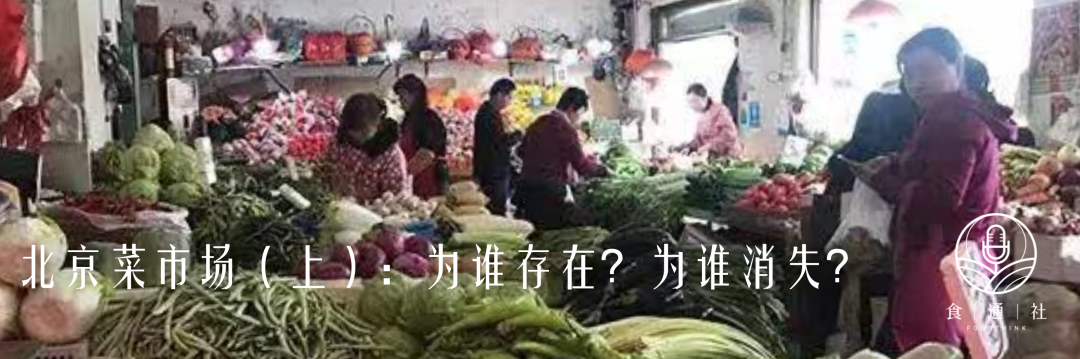
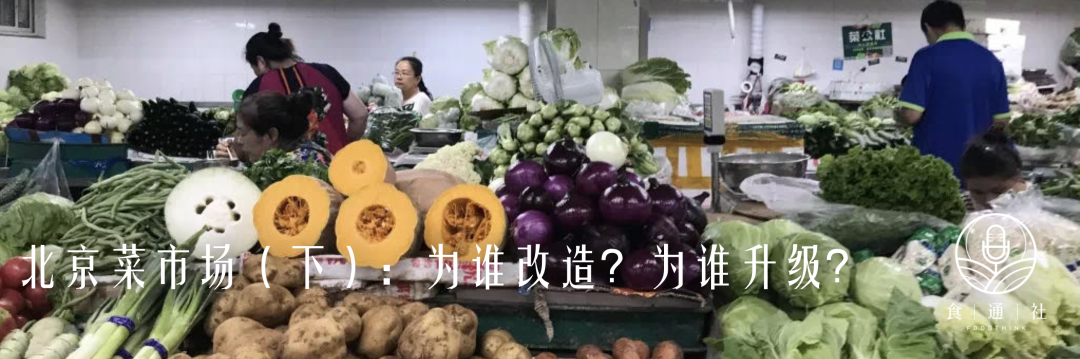
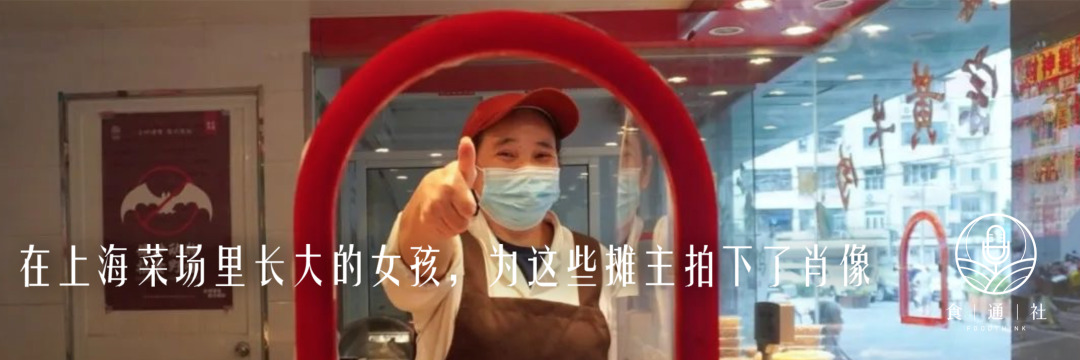
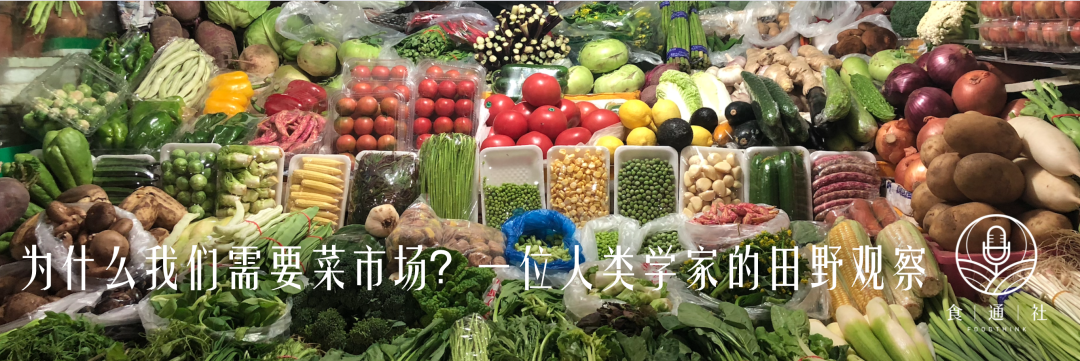
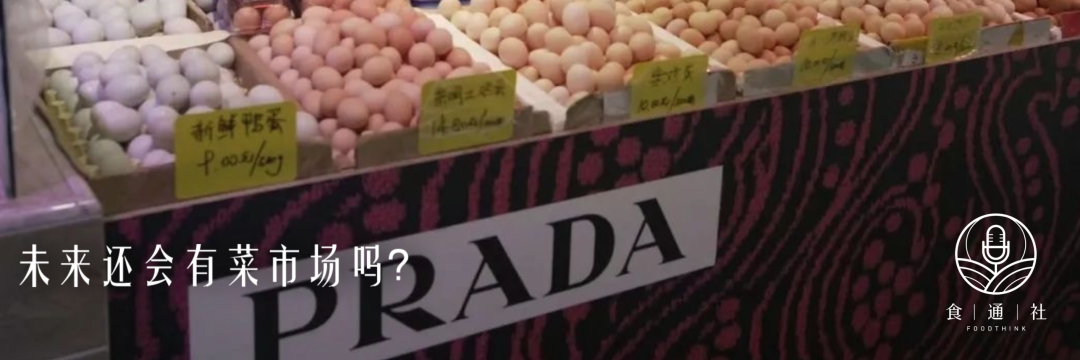
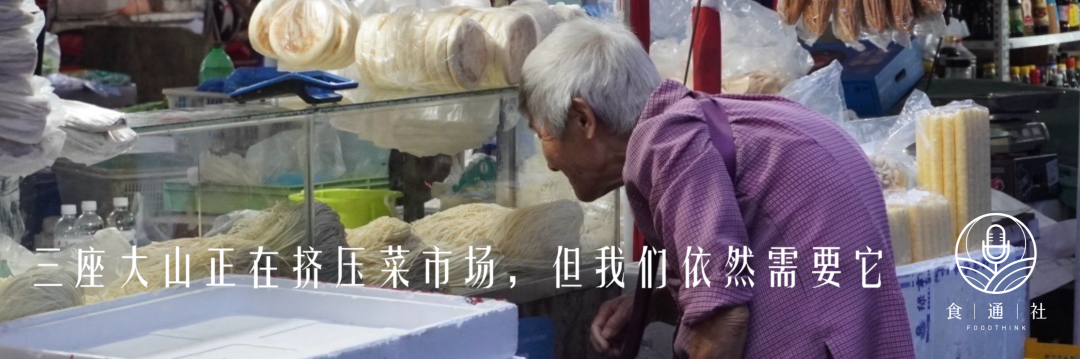
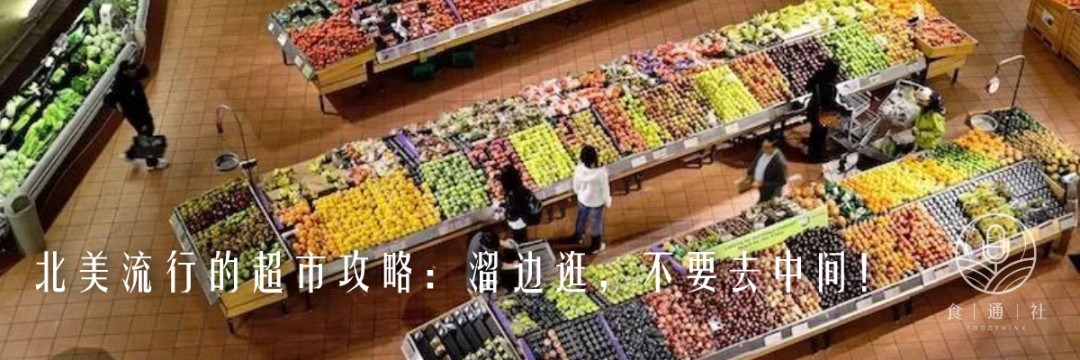
Beyond providing convenience for consumers, what other value do these street vendors offer that often goes unnoticed? The following articles explain why the traditional market system is fresher and more diverse than other channels. They also serve as a reminder that the centralisation of supply channels ultimately leads to a homogenisation of choice. As the economies of scale that benefit business centralisation intensify, consumers inevitably suffer a loss in diversity.
Previous Articles ▼
IV. The right to be heard
What other possibilities exist for consumption?
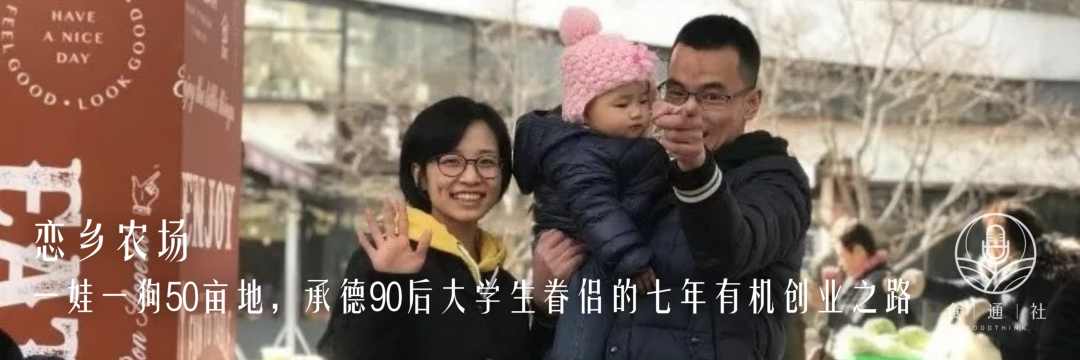
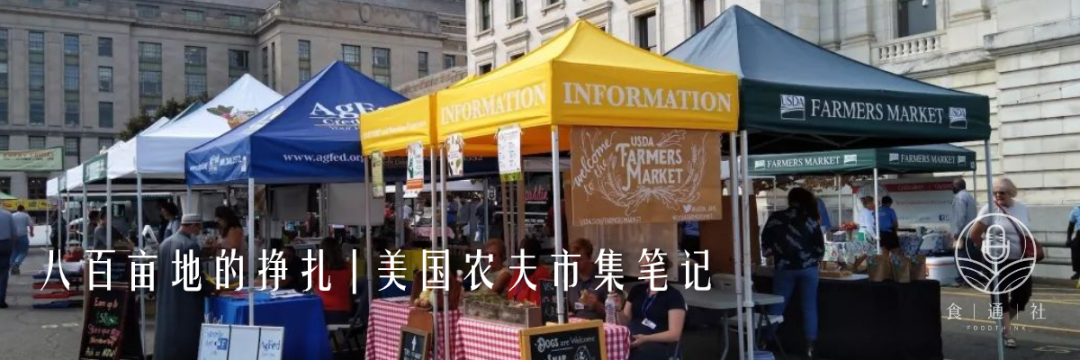
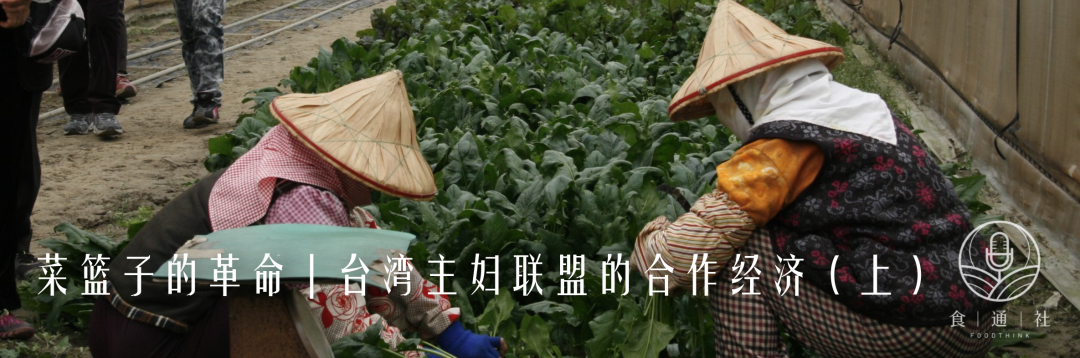
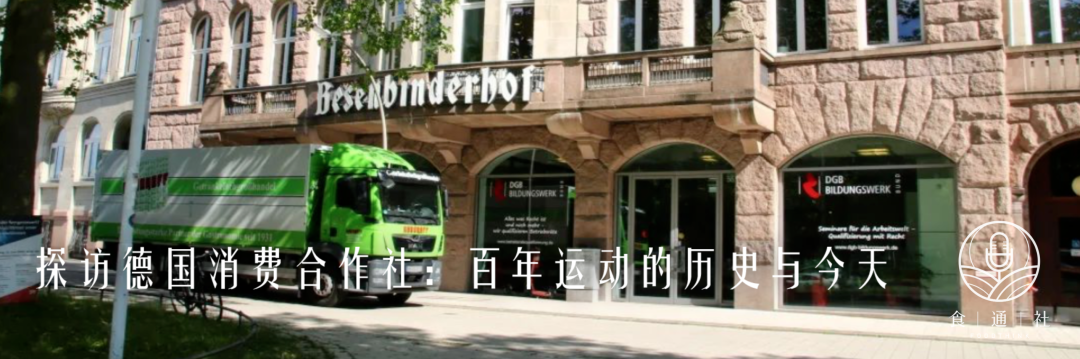
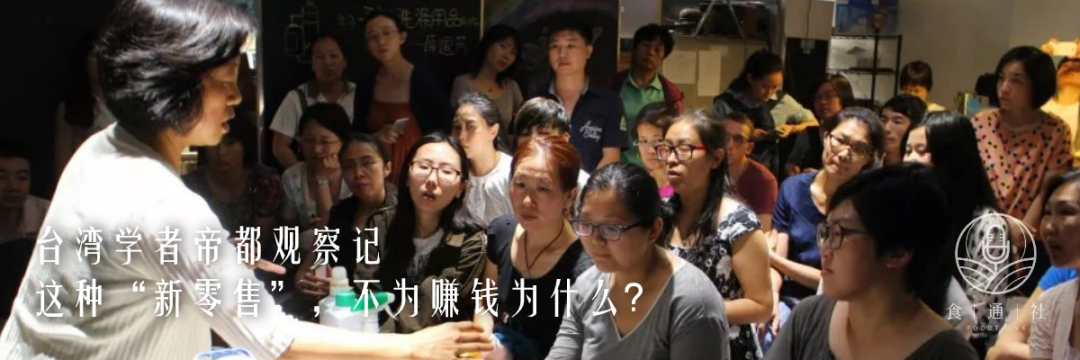
Alternative food consumption models might include participating in Community Supported Agriculture (CSA), where risks and rewards are shared with the producers; or visiting local farmers’ markets to build relationships with producers and gain a genuine understanding of agricultural production.
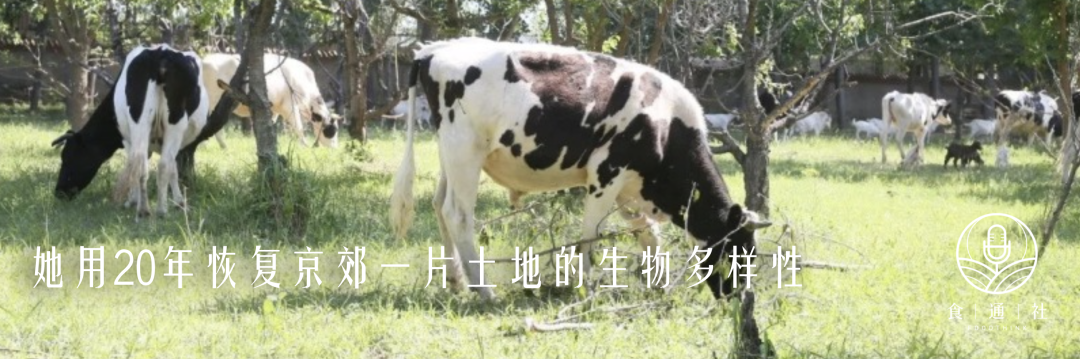





Consumers receive safe, healthy, and delicious food;
Farmers can work with nature independently and with peace of mind, receiving fair remuneration;
The environment remains unpolluted and natural resources are protected, ensuring a sustainable food supply for humanity.
If this is the world you want to see, why not start taking action with your next meal?