
315: How Can Consumers Spot the Genuine Article Rather Than Simply Waiting for Crackdowns?
International consumer movements typically approach consumer rights from four key perspectives: the right to safety, the right to information, the right to choose, and the right to be heard.
Today, Foodthink will take food consumption—something we all rely on daily—as a starting point to explore how we can best safeguard our rights.
1.The right to safety
Can we still buy vegetables we can trust?
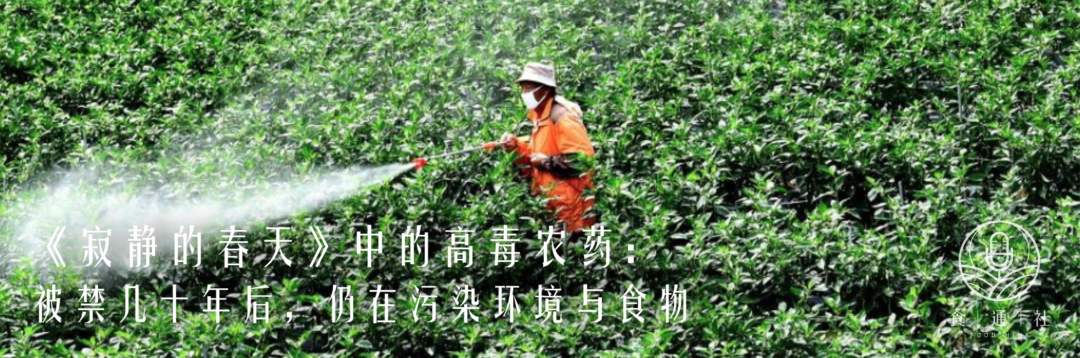
Why does conventional agriculture rely so heavily on pesticides?
What harms did organochlorine pesticides—introduced for agricultural use only after the Second World War—inflict on public health and the natural environment, and what policy and legislative measures were subsequently implemented to regulate them?
Beyond pesticides, modern conventional agriculture also employs a range of chemical inputs, including herbicides and growth regulators. Can we really eat food produced this way with confidence?
Previous articles ▼


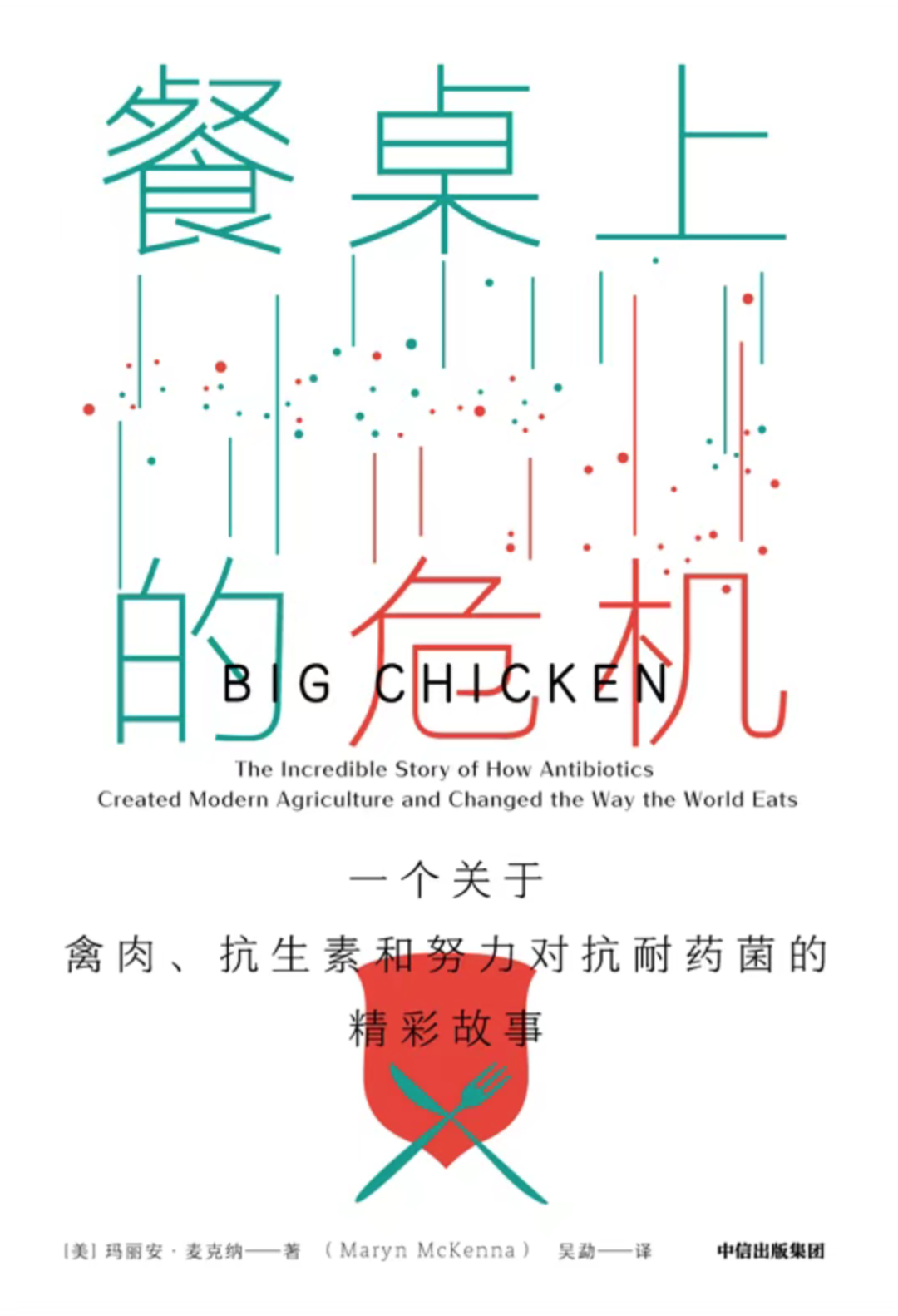
Another major threat to public health and food safety lies in the overuse of antibiotics within industrial livestock farming. Last October, Foodthink hosted a reading group for *The Crisis on the Table*, exploring with our readers how chicken evolved into a staple on the American dining table, and how it subsequently turned into a hazardous commodity.
Why has the livestock sector made antibiotic administration standard practice?
How have antibiotics accelerated the industrialisation and intensification of broiler chicken farming and processing?
What problems does heavy antibiotic use create?
How exactly do microbes develop resistance to antibiotics?
What are the consequences of contracting drug-resistant bacteria?
Most importantly, what possibilities exist for farming models that reject antibiotics and prioritise animal welfare?
II. The right to information
Before you head to the shops, do you really understand these details?
Why do we love milk tea?
Why are we so hooked on sugary carbonated drinks like cola? Why does practically every processed food contain added salt?
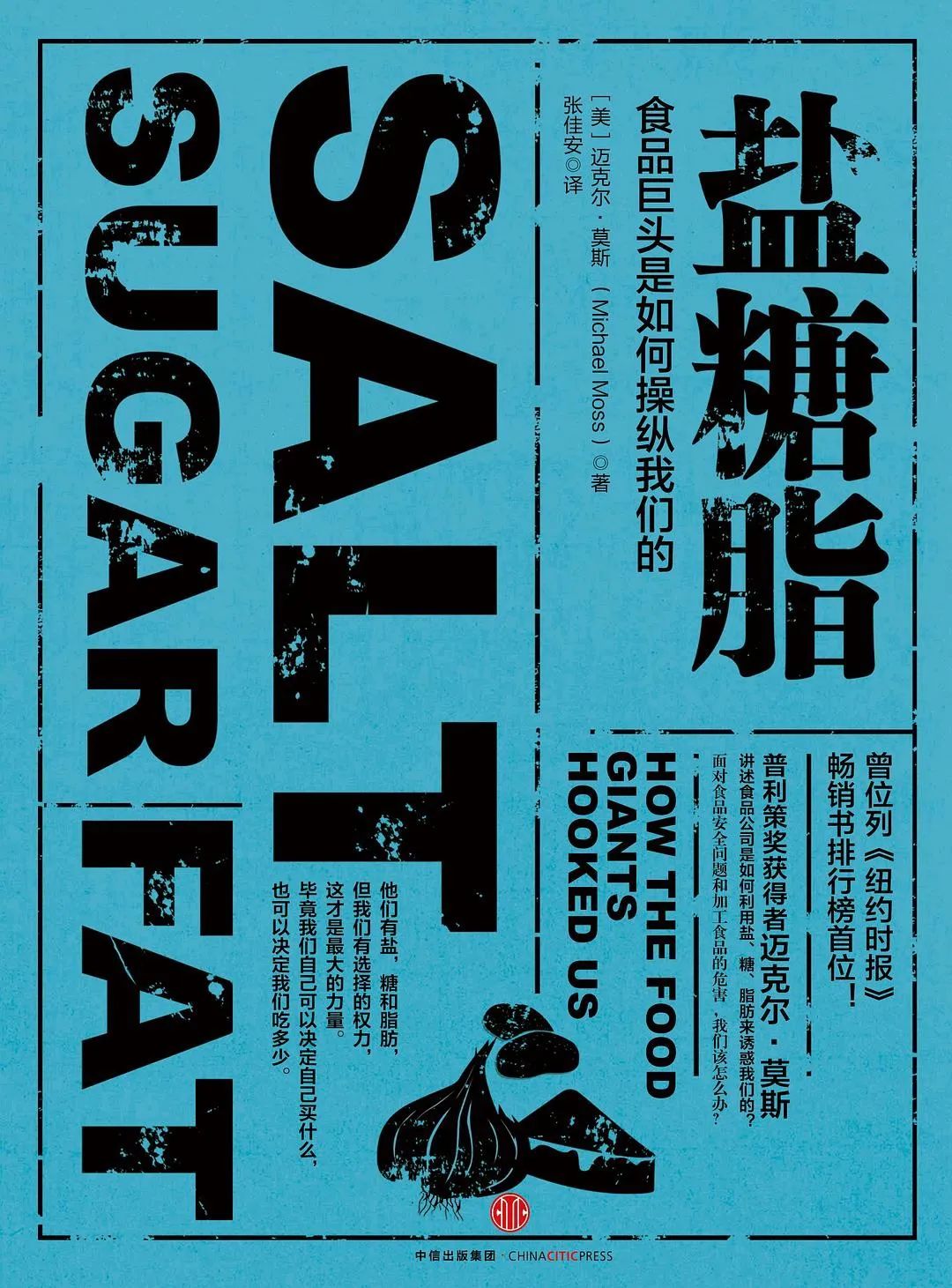
In *Salt Sugar Fat*, Michael Moss delves into how major food companies leverage scientific research to engineer highly addictive junk foods, deliberately stimulating consumers’ desire to buy.
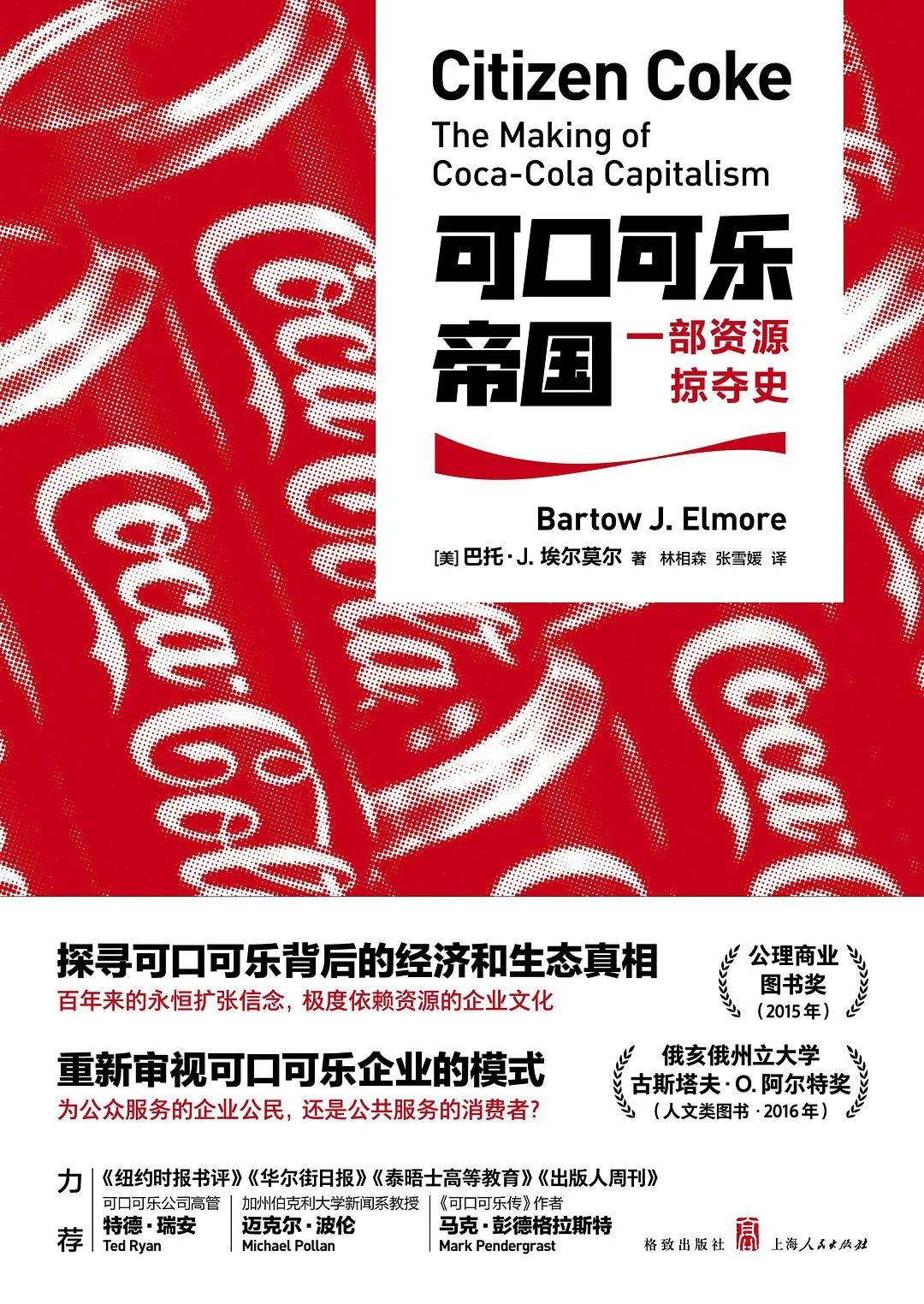
Food processing companies exploit not only human physiological feedback mechanisms, but also consumers’ widespread indifference to corporate social responsibility. In *The Coca-Cola Empire: A History of Resource Extraction*, Bartow Elmore points out that Coca-Cola’s secret to success lies in consuming public resources and shifting the massive ecological externalities onto the public sector, other businesses, and consumers.
How much plastic waste does food delivery generate each year?
What changes must delivery platforms implement to reduce plastic use?
Who will safeguard the labour rights of delivery riders?
And how should their working conditions be improved?

3.The right to choose
Is there still a wet market in your neighbourhood?
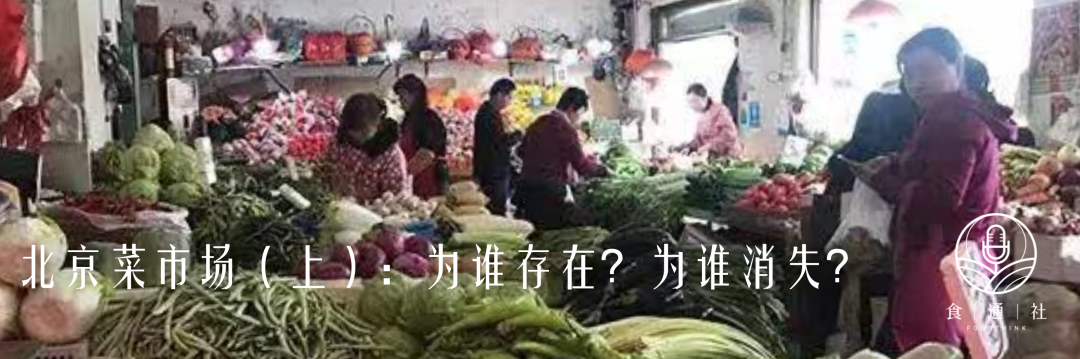
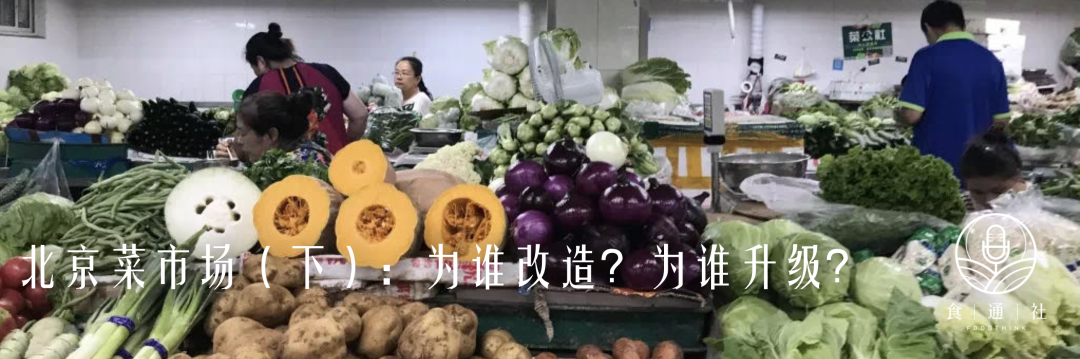
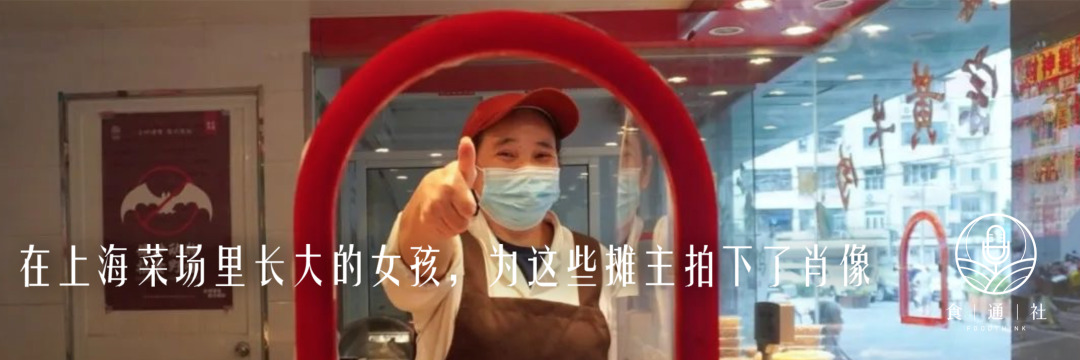
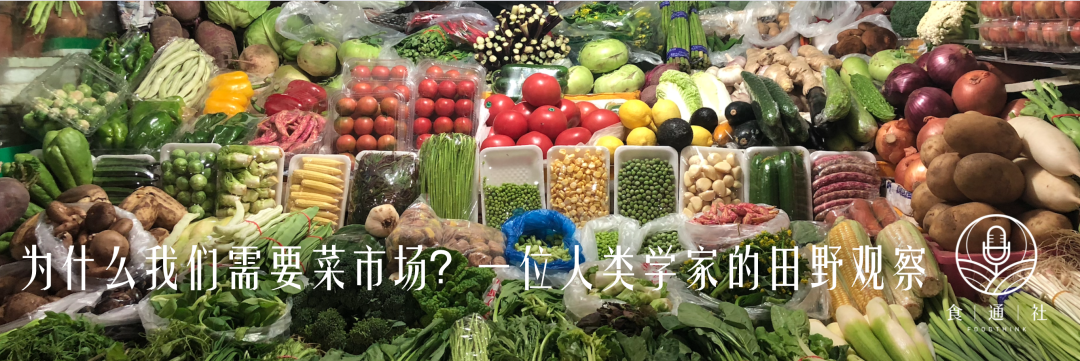
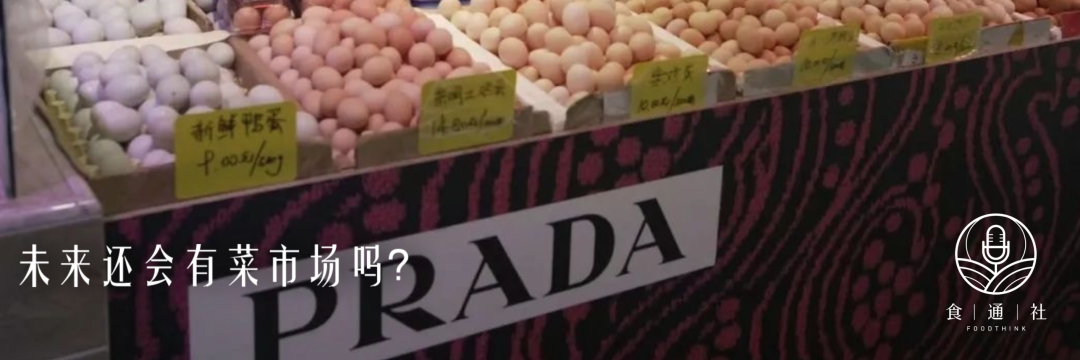
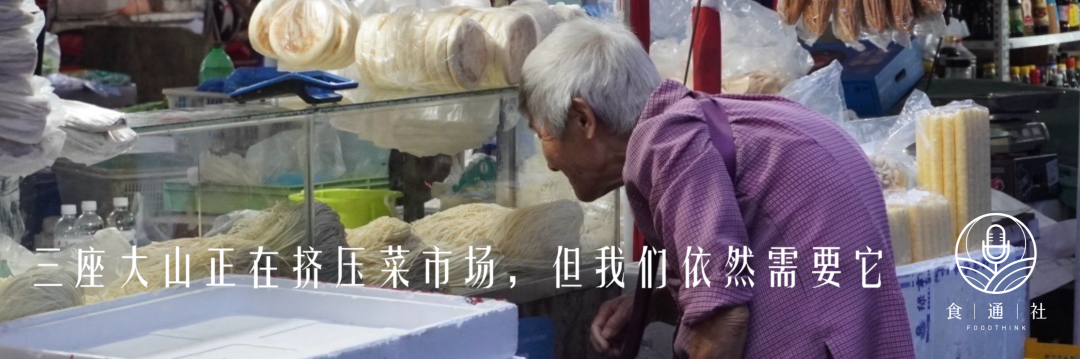
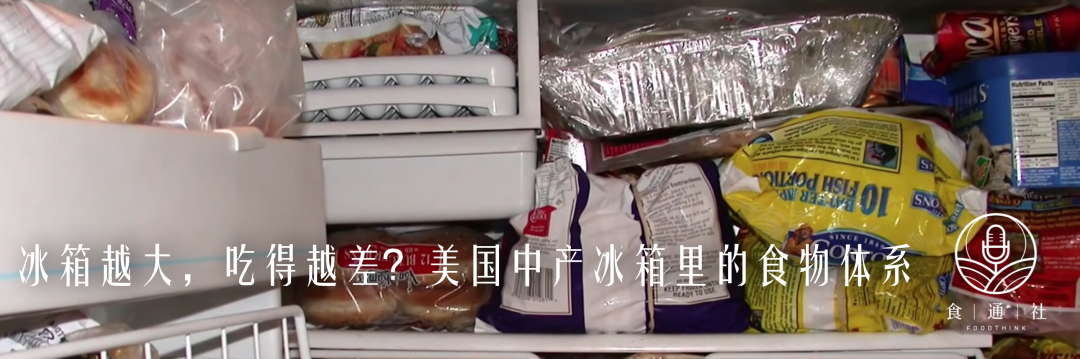
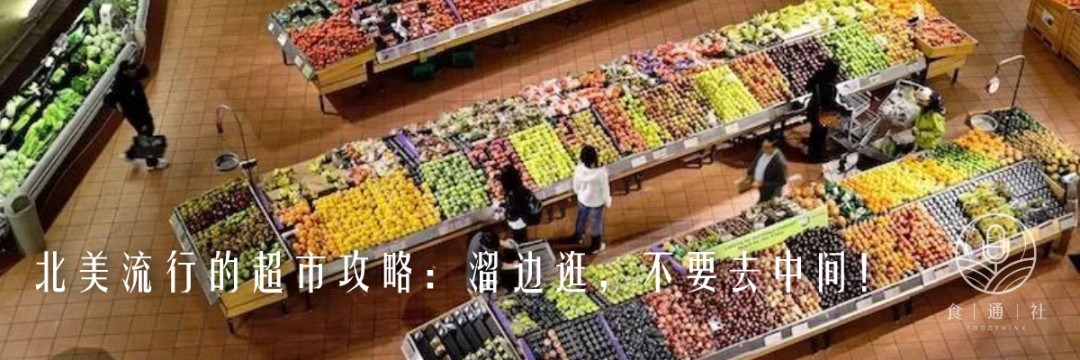
Beyond the convenience they offer to shoppers, what overlooked value do these small stalls and vendors bring that tends to escape the public eye? The following articles will explain why the traditional market system remains fresher and more varied than other retail channels. They also serve as a reminder: the centralisation of supply channels ultimately leads to a narrowing of choice. As the economies of scale that drive commercial consolidation continue to intensify, consumers are bound to pay the price in lost diversity.
Previous Articles ▼
IV. The right to be heard
What other possibilities are there for consumption?
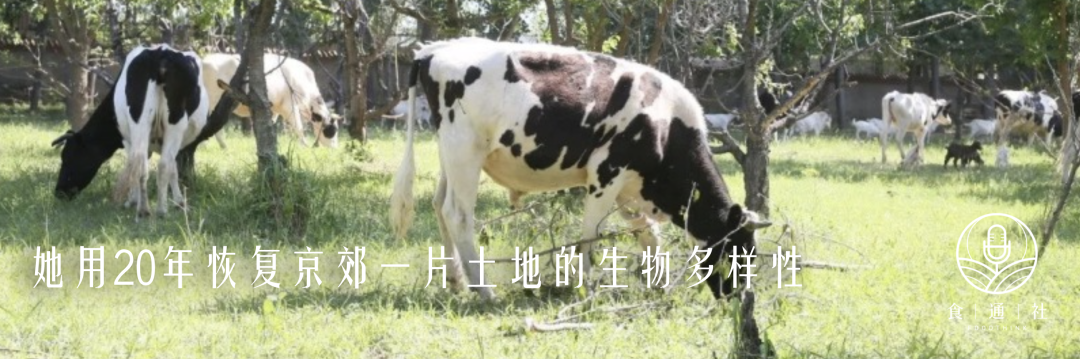
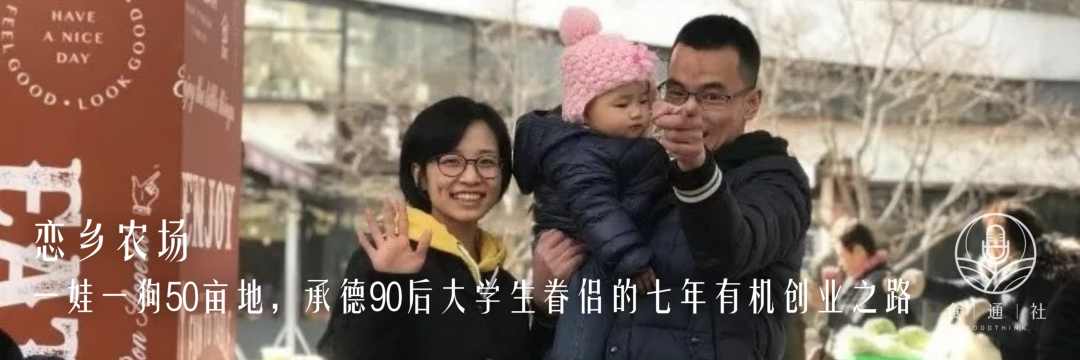
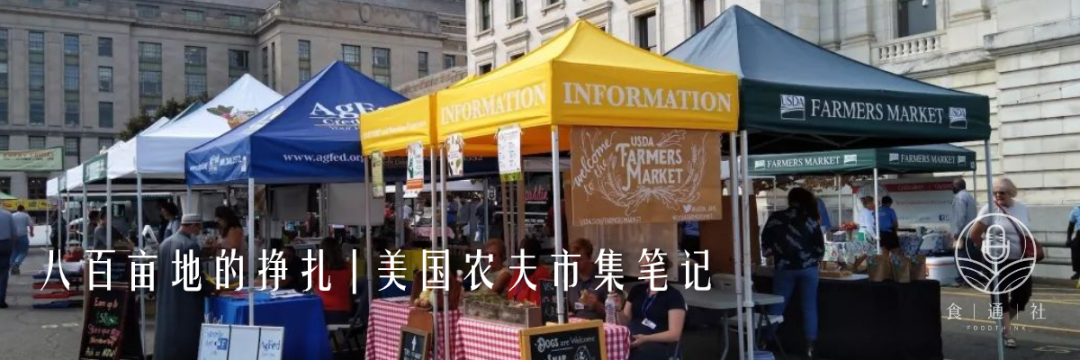
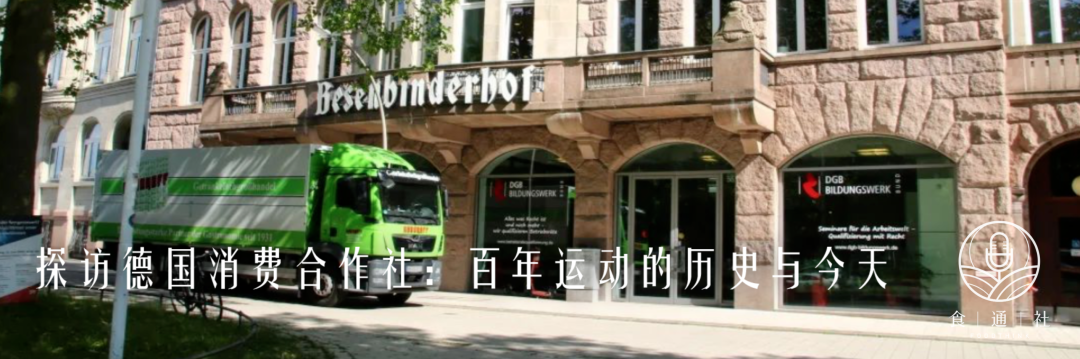
Alternative ways of consuming food could involve joining a Community Supported Agriculture (CSA) scheme, where both rewards and risks are shared with producers; or visiting local farmers’ markets to connect with growers and gain a genuine understanding of agricultural production.







Consumers receive safe, healthy, and delicious food;
Farmers are empowered to work in harmony with nature with confidence, earning a fair income;
The environment remains unpolluted, natural resources are conserved, and the land continues to sustain humanity with food.
If this is the world you want to see, why not start taking action with your next meal?