
A Market Provisions Shop: 31 Years Across Three Generations of Women
So, what is a wet market? For ordinary people living by the rhythm of three meals a day, it’s simply a place to buy groceries, a quiet fixture of daily life. But as supermarkets and, later, online grocery platforms took off, attitudes shifted. At first, many praised supermarkets for being cleaner and more organised, with fixed prices that wouldn’t “rip you off”. Then the pendulum swung again. People began to cherish the vibrant, lived-in atmosphere of wet markets, with city dwellers even turning them into popular photo spots.
Rather than these polarised views, the wet market I know is far more vivid and layered.
1. The Office Worker’s Nostalgia for Wet Markets
I was raised in Wuzhou, in the Guangxi Zhuang Autonomous Region, often called the eastern gateway to the province. The city sits at a cultural crossroads, blending local Guangxi traditions with Cantonese influences, and was once home to the Ming dynasty’s Viceroy of Liangguang. In this compact city, we have access to everything from *laoyou* noodles, Guilin rice noodles, and *luosifen*, to poached chicken, soy-sauce chicken, rice noodle rolls, and Cantonese dim sum. You may also recognise *gui ling gao* – a traditional herbal jelly – which happens to be one of Wuzhou’s signature specialities.

I love my hometown, but its small size meant there were few career prospects in my field. So, after graduating in 2022, I packed up and moved 1,600 kilometres away to Wuxi, starting life in a major city alongside my partner.
For ordinary office workers finishing shifts at six, or later, evening free time is precious. The closest wet market to our estate is several metro stops away, and when we’re dragged out from work, the last thing we fancy is a leisurely stroll through market stalls.
This urban layout stands in stark contrast to life back home.
Wuzhou is built on a compact grid. Its old town is relatively small and densely populated, so to keep life convenient, established wet markets are dotted throughout every neighbourhood and community. You never have to travel far to find one.
Deeply shaped by Cantonese culinary traditions, locals place a premium on produce that is “fresh” and “slaughtered to order”. Farmers still turn up daily, driving three-wheeled motorbikes loaded with just-harvested crops from the surrounding countryside, which means the city relies on a dense network of markets to give them space to sell.
Early-morning markets in the old town buzz with activity. While most of the younger generation have headed south to Guangdong in search of work, the older residents who remain still follow the old habit: rising early to stock up on fresh provisions at their local market.
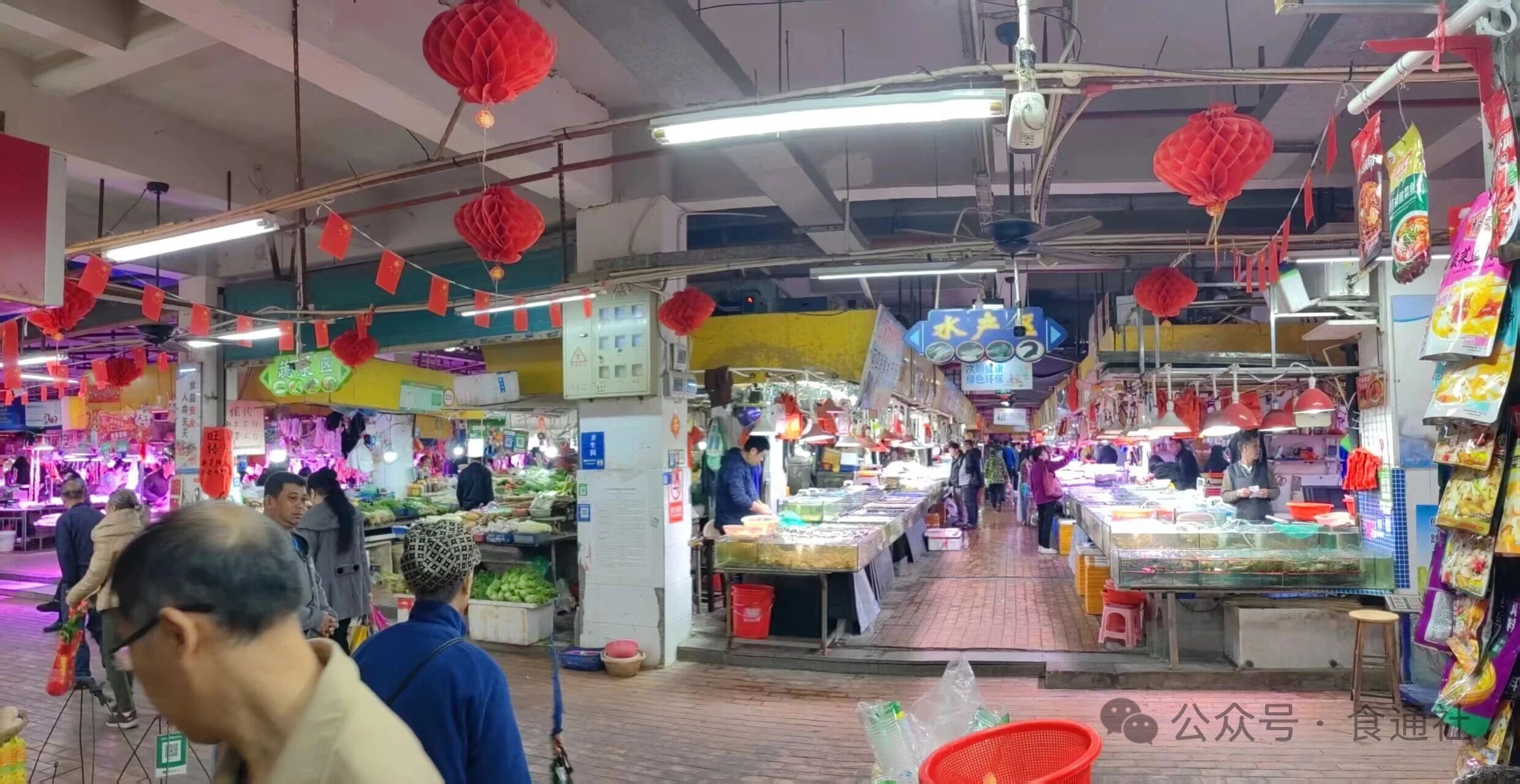
But thousands of miles away in Wuxi, if I wanted to get dinner on the table quickly, I had no choice but to place orders on apps like Dingdong Maicai or Xiaoxiang Supermarket during brief work breaks. It was in those moments – when I realised I could no longer just step downstairs to buy poultry slaughtered that morning, region-specific spices, or fresh sweet potato leaves and *choi sum* – that my longing for the vibrant, bountiful markets of home truly set in.
2. A Grocery Shop for Three Generations
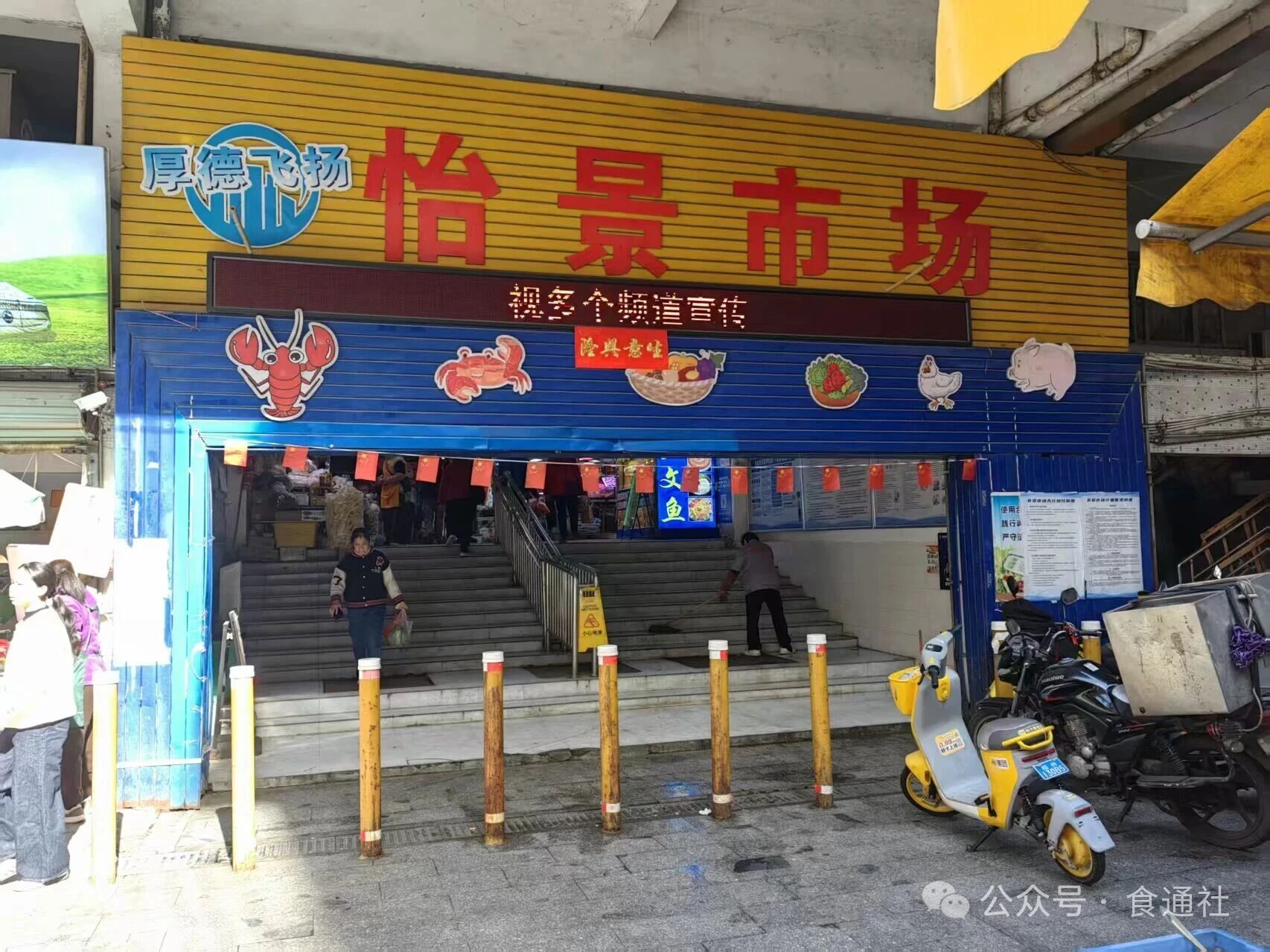
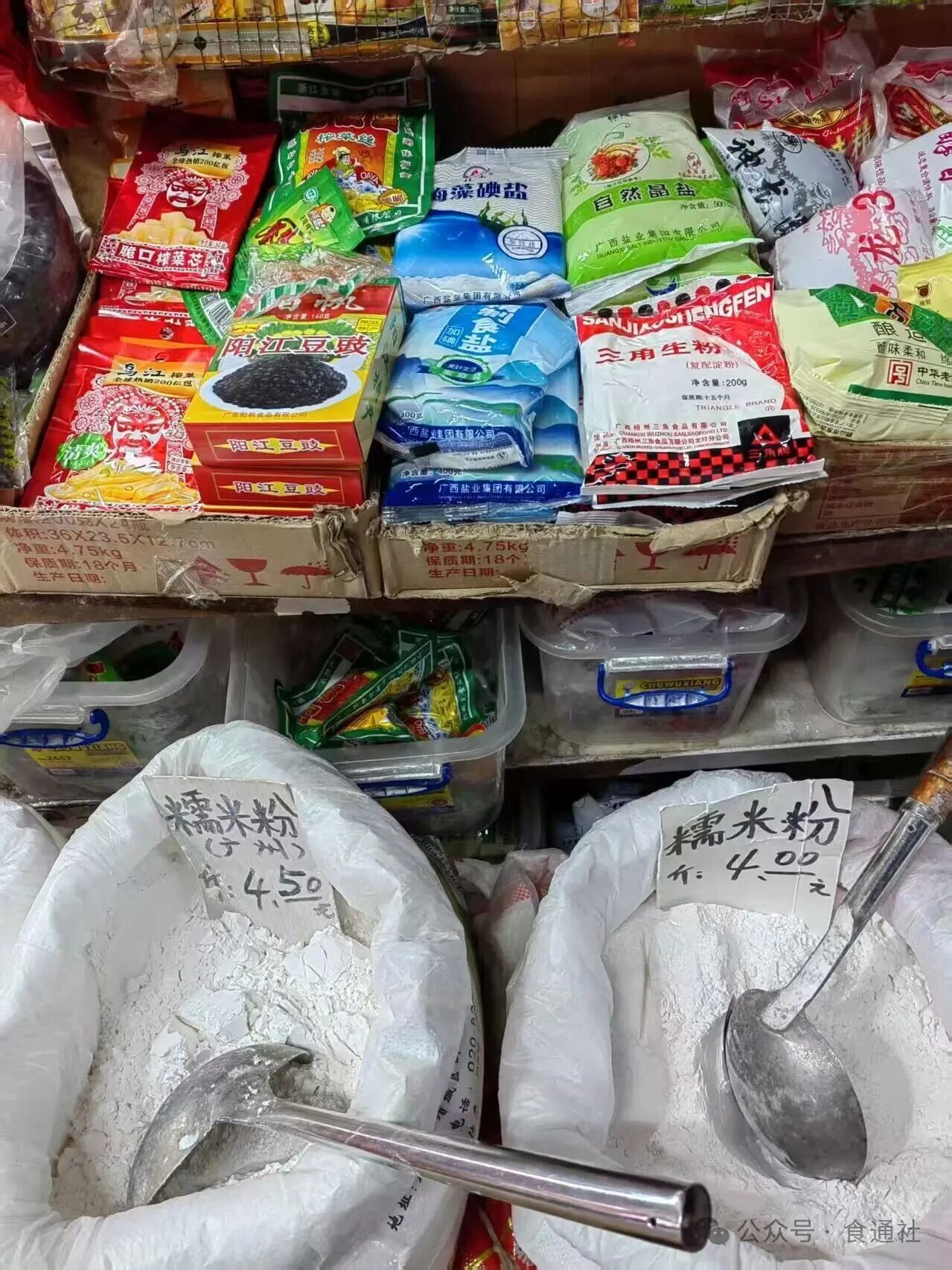
I grew up helping my mother run the shop in the market. The wares were wonderfully eclectic: alongside the basics like cooking oil, salt, soy sauce and vinegar, we sold all manner of ingredients loose. Every category came in a dozen different brands, a selection so vast I could count it all day and never finish. It made for a relentlessly busy little shop. Customers would usually do their main shopping for vegetables, returning arms full of bags, only to pop back in for their condiments and cooking staples.
The stallholders in the wet market were regulars at our shop too. Some would head home for their midday rest, while others cooked right there at their stalls. Whenever they found themselves short of a seasoning, they’d pop over to buy from us. Come lunchtime, the market would invariably be thick with the aroma of home-cooked food.
As I grew older, I’d return every Spring Festival to help out. Out of the holidays, I was just another cubicle-bound office worker, but back home for the New Year, I’d reinvent myself as the wet market grocery’s ‘second-in-command’.
A proper meal is life’s most important affair, and getting the seasoning right is half the battle. Customers have their own firm preferences when it comes to ingredients and condiments, so shoppers don’t just make their purchase and walk away; they’ll stop to ask you all sorts of questions. “What sort of flour should I use for these pastries?” “What dishes can I actually make with this yellow soybean paste?” Questions along those lines.
“Are your century eggs any good? Have you actually tried them?”
I steel myself and answer, “Ours are brilliant, I promise!”
The elderly lady retorts, “Oh, please. Of course you’d say they’re good. Have you really tasted them, or are you just guessing?”
“Well… my mum has…” I’m utterly tongue-tied, so my mother eventually has to step in and come to the rescue.
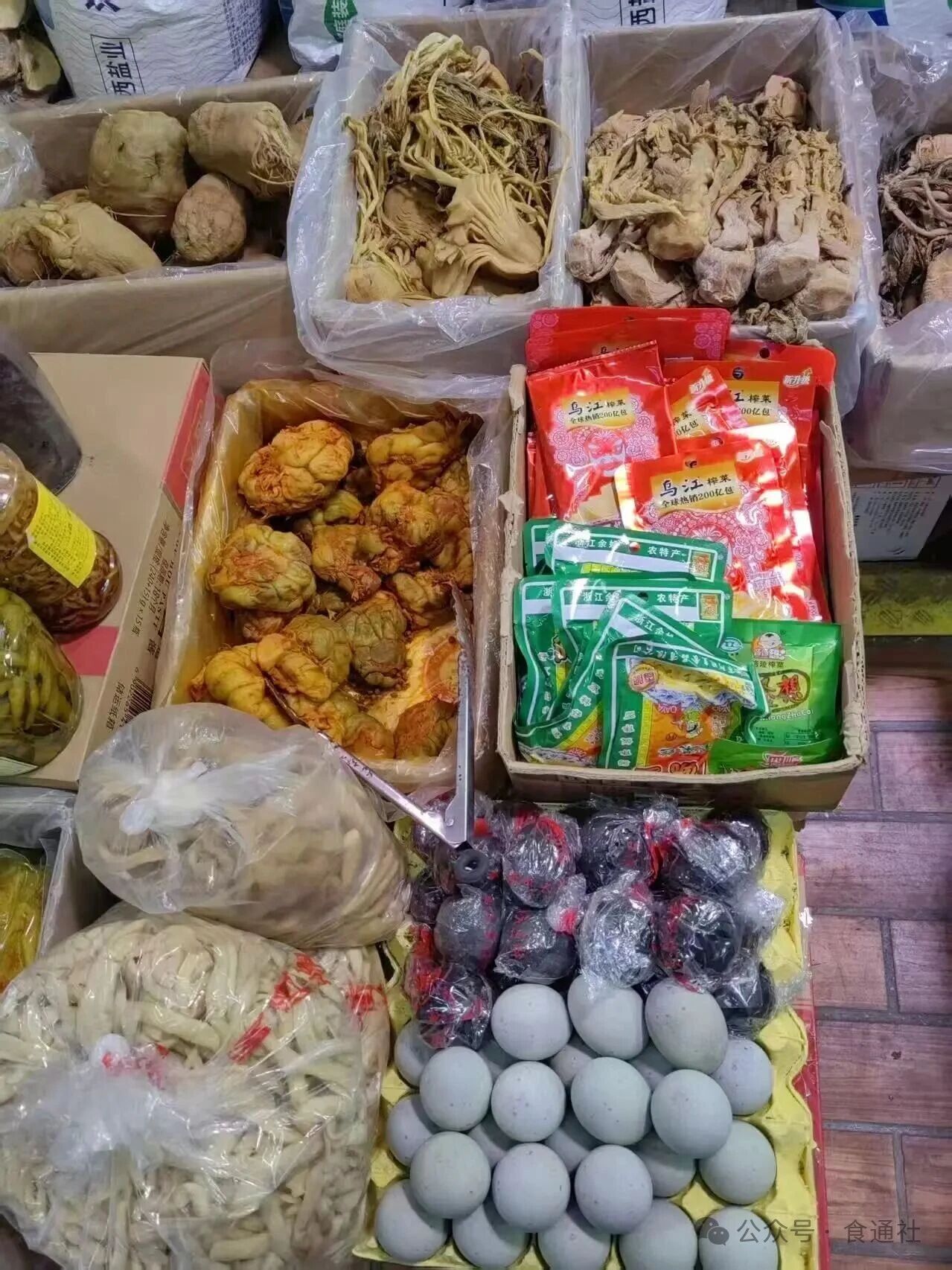
Though my mother now carries herself with calm assurance and handles everything with ease, she was once little more than a helper in this shop. My grandmother first established this grocery in 1995, opening it at the same time as the wet market itself. Customers used to look to my grandmother as the shopkeeper, turning to her for every need. Back then, many goods were sold loose, soy sauce included. There were far fewer soy sauce brands then, and it was still sold loose for retail; customers would bring all sorts of empty drink bottles to decant it into.
Later, as the condiment market evolved and modernised, people no longer needed to buy soy sauce this way. The wet market, too, has undergone several renovations and relocations. Our shop was scaled down to almost a third of its original size. With my grandmother reaching retirement age, my mother took on the heavy burden of running this small grocery.
3. Labour, from dawn till dusk
When Grandma managed the shop, the grocery store would open every day around six or seven. She would unseal the bags of bulk grains and flour for retail, arranging many items in prominent spots and restocking the displays as things sold out. She recalled that even with such an early opening, there would always be people waiting at the door to buy condiments before she even arrived. When my mother took over, the opening time was pushed back by an hour.
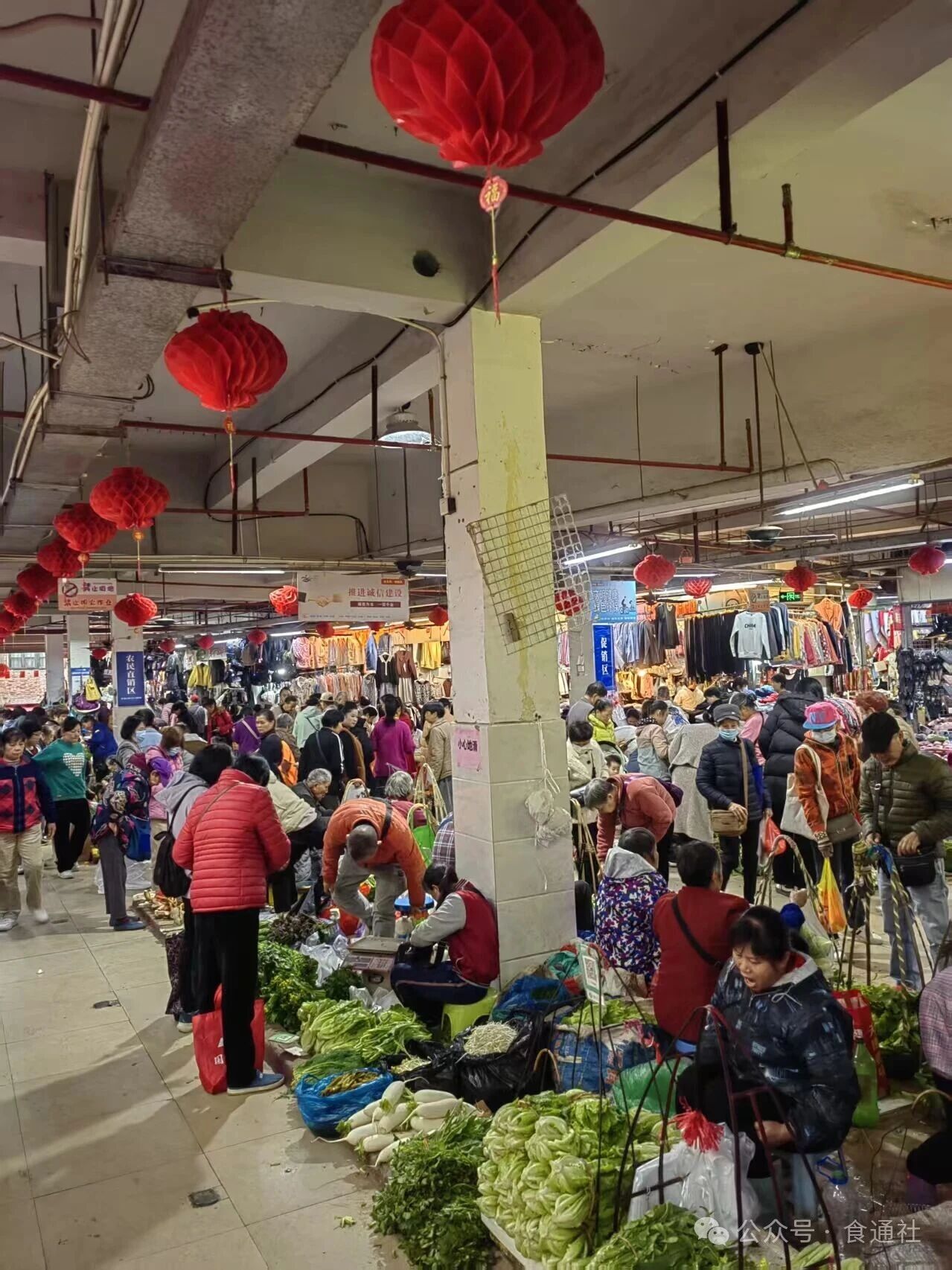
Between eight and eleven in the morning is typically the market’s busiest period, with the customers being mostly older people. The market also designates a specific open area for mobile vendors. These traders only set up in the mornings, and their vegetables are sold at very low prices; snow peas, for instance, could go for just one yuan a jin.
The hours after midday are the quietest in the market, with most people heading home to cook lunch and have a rest. Some stallholders follow suit, leaving the cooked food stalls shuttered until four o’clock. Though footfall was light, we were far from idle; it was time to count the stock.
With not an inch of floor space left for stockpiling, we long ago abandoned a fixed restocking schedule. Be it oil, salt, soy sauce, vinegar, or a heavy 25-kilogram sack of flour, the moment anything runs low, we contact the sales representative for that brand to arrange a delivery. The city is compact, so deliveries usually arrive within hours. The reps also make frequent visits to survey the market, noting which rival brands we stock or seizing the chance to pitch their latest lines.
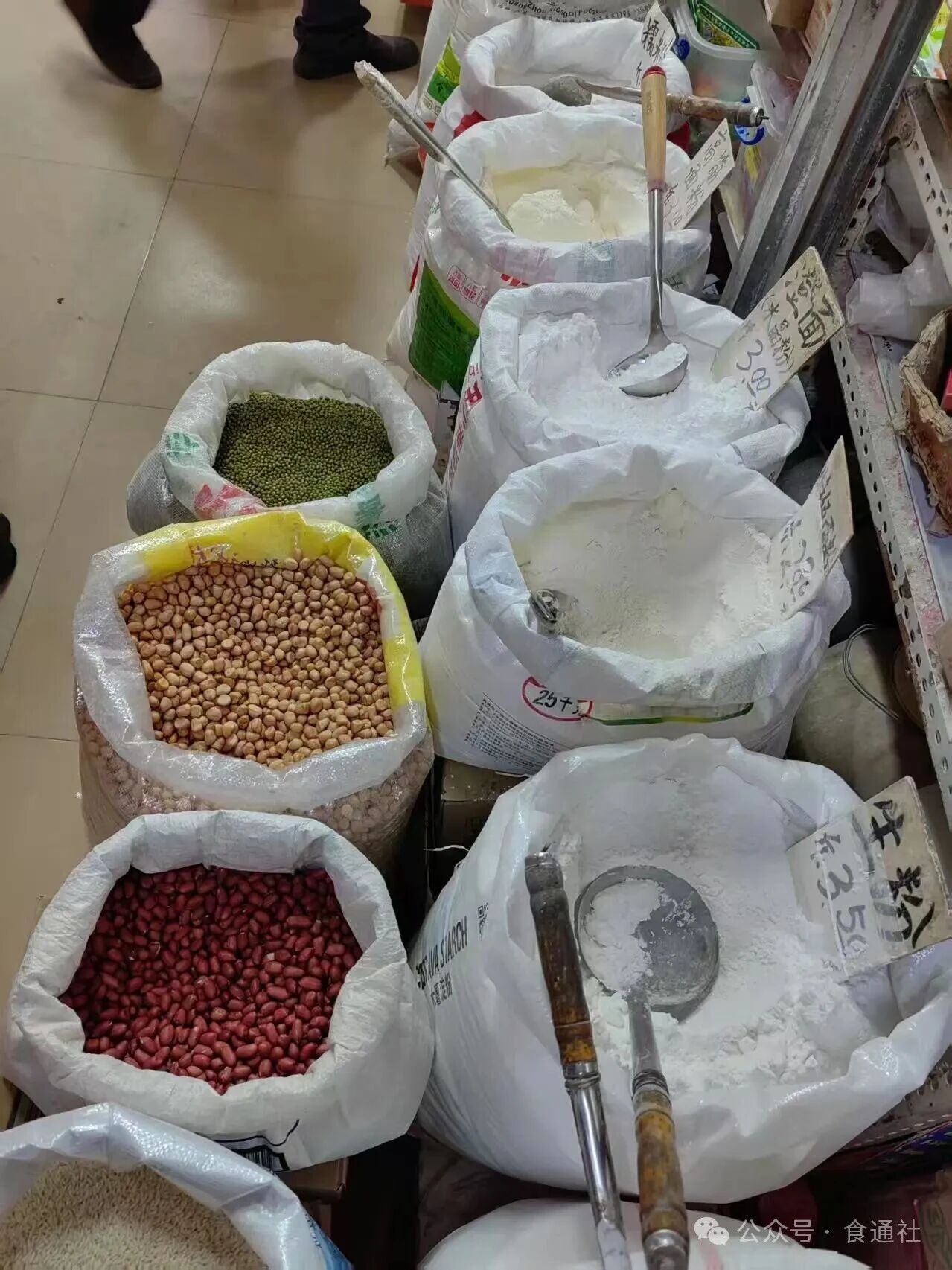
From four in the afternoon, footfall picks up again for another peak that lasts until six. Only then can we gradually start tidying up and preparing to shut up shop. Even as we pack away, a steady stream of customers keeps drifting in. There’s always someone rushing in just as we’re about to close, eager to grab up seasonings that are running low, and my mother is always patiently unpacking what we’ve already put away to serve them. Once the dinner rush has passed—usually around seven or eight each evening—we can finally close up and head home.
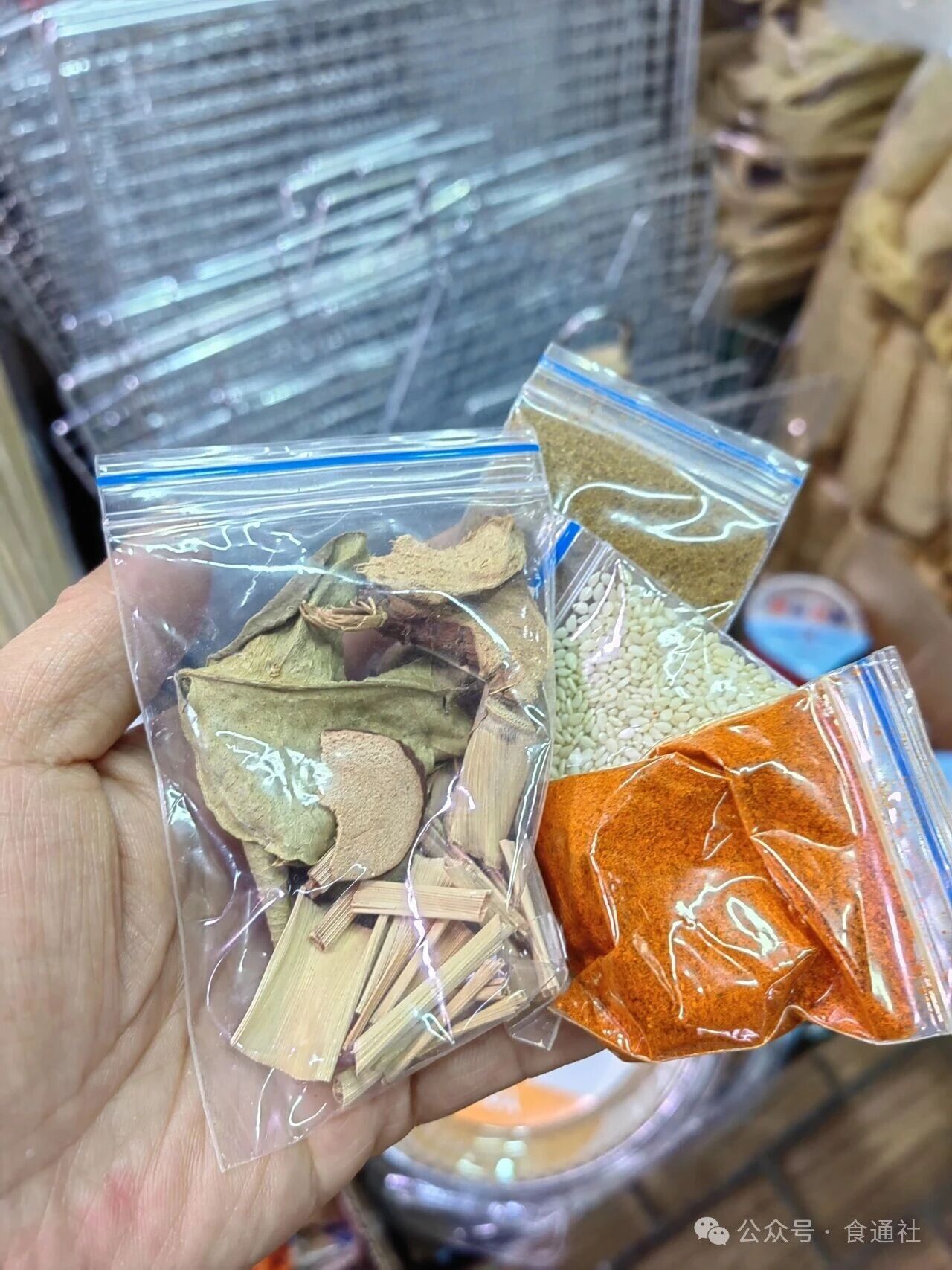
But don’t imagine we can simply switch off once we’re back. In our shop, virtually everything can be broken down and sold in its smallest portions. One night it’s white sesame seeds, the next it’s Tom Yum spices, and the night after that it’s cheese powder. So after a gruelling twelve-hour shift, we still need to continue preparing stock at home. We’re usually tied up until well past ten before we can finally settle down. Then, up again at half past seven the next morning, ready to dive straight into another day of non-stop work.
IV.“Guess What You Like”: More Than an Algorithm
Many online grocery platforms these days include a “Guess You Like” feature, which works out what dishes you might be cooking and what other ingredients you’ll need based on your recent purchases. My mother, however, has grasped this long ago, and does it with far more of a human touch.
She remembers what our regulars usually buy. Before a customer even has to ask, she has already brought the item to the counter.
“Still going for this brand of soy sauce?”
“Spot on! That’s the one I cook with. You really do pay attention.”
Who wouldn’t appreciate being remembered like that? This sense of being remembered and kept close to someone’s heart is something no algorithmic “Guess You Like” feature could ever replicate.
She also knows the ins and outs of making countless pastries and traditional treats. If you pick up peeled mung beans, she knows straight away you’re planning to make large meat sticky rice dumplings, and will point out that we also stock five-spice powder, reed leaves, and glutinous rice. If you’re buying glutinous rice flour for sweet rice balls, she’ll tell you we have sesame, red bean, and lotus seed paste fillings available, and might even suggest stirring in a little regular rice flour to give them a proper chewy bite.
These honest exchanges might seem at odds with the negative stereotypes surrounding wet markets, such as skimping on the scales or padding the prices. I’m not familiar with markets elsewhere, but from my own experience, wet market stalls run on repeat custom, not one-off transactions. That’s why stallholders won’t do anything to lose customers’ goodwill.
V.Rooted in the Wet Market and the Provision Shop
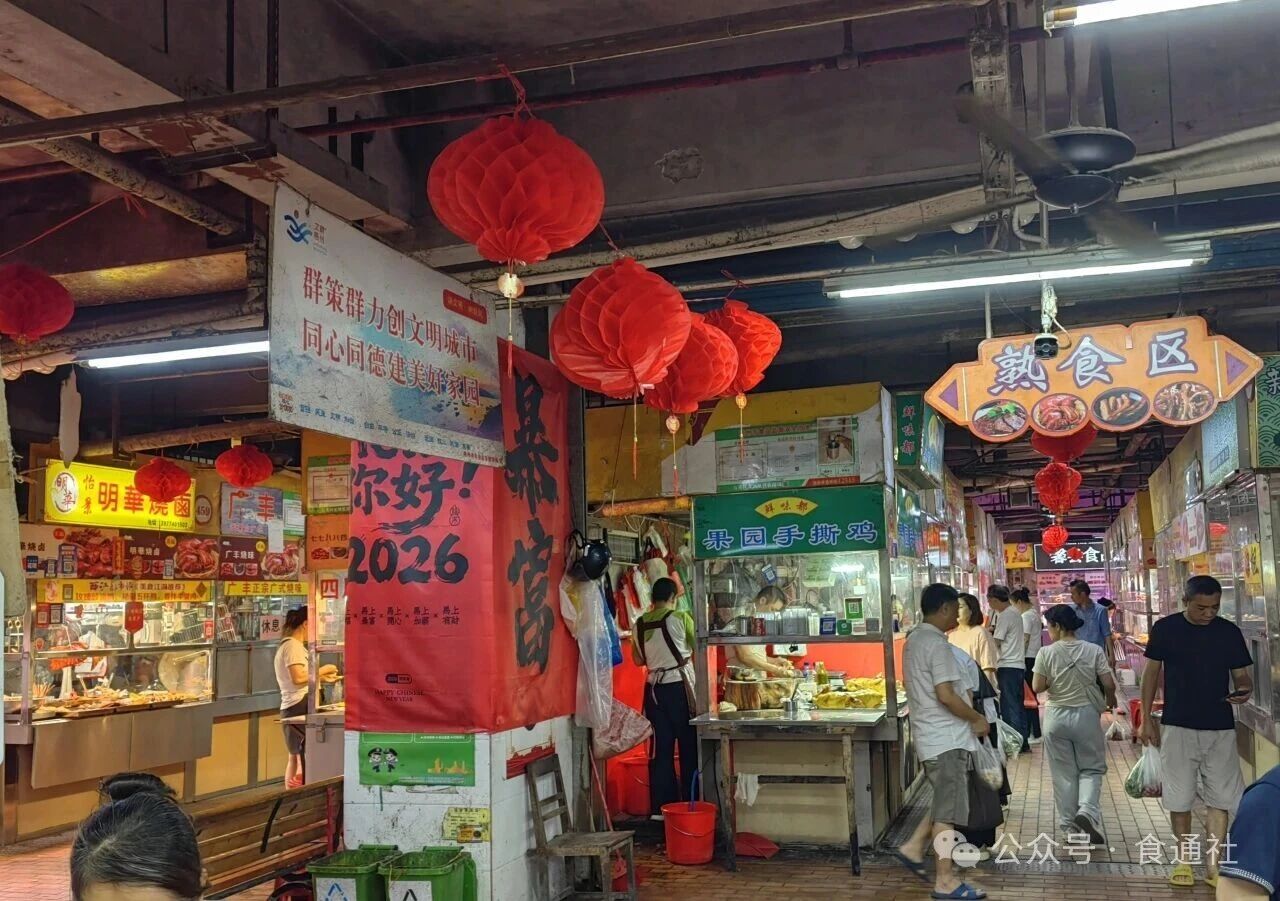
It was they who couldn’t recognise me. Only when I showed up to help behind the counter would they realise, “Oh, there’s a new face here!” or “Is that your daughter?” Conversations like that have repeated themselves more times than I can count. Afterward, they’d exchange wistful remarks about how we’ve all stayed put in this market for so many years.
All told, from my grandmother’s original venture to my occasional shifts helping out today, this provision shop that has threaded through the lives of three generations of our family marks thirty-one years in the making. What will become of it in the years ahead? We’ve never really sat down to discuss it. In the future, although I plan to relocate to Guangdong and Guangxi, it’s more than likely I won’t return to my hometown to take over the shop. By the time my mother reaches her later years, this provision shop will probably have run its course.
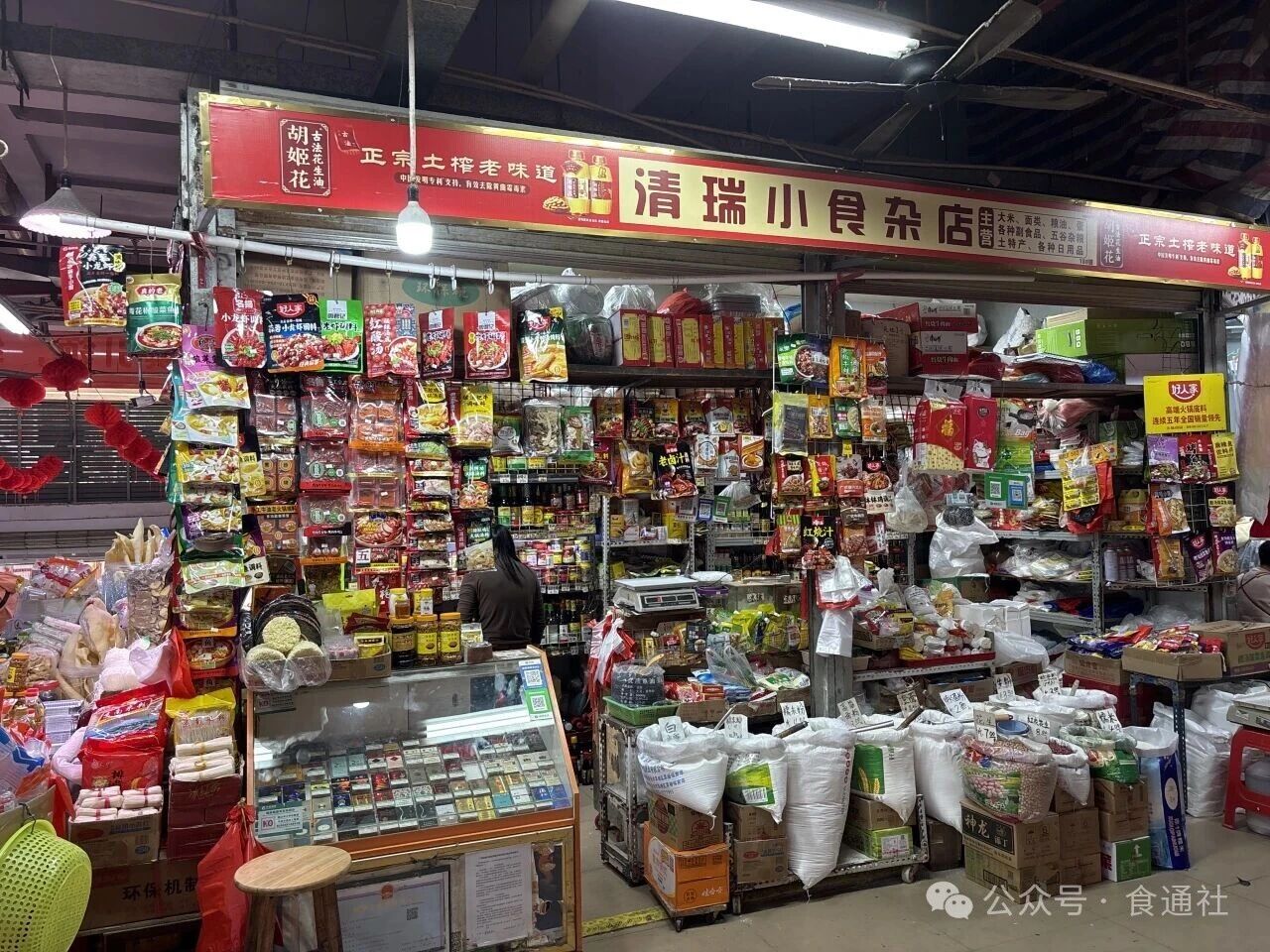
In truth, business across Wuzhou’s wet markets has broadly declined from what it once was.Residential areas adjoining one particular market were converted into a tourist attraction. With such a significant loss of local residents, that market has been steadily shrinking. The seafood section was knocked down and has lain vacant since, while some independent stallholders have moved their operations to more bustling markets. As a result, the selection of goods available inside has dwindled. Local residents now prefer to drive to a larger, more comprehensive market further afield to do their shopping.

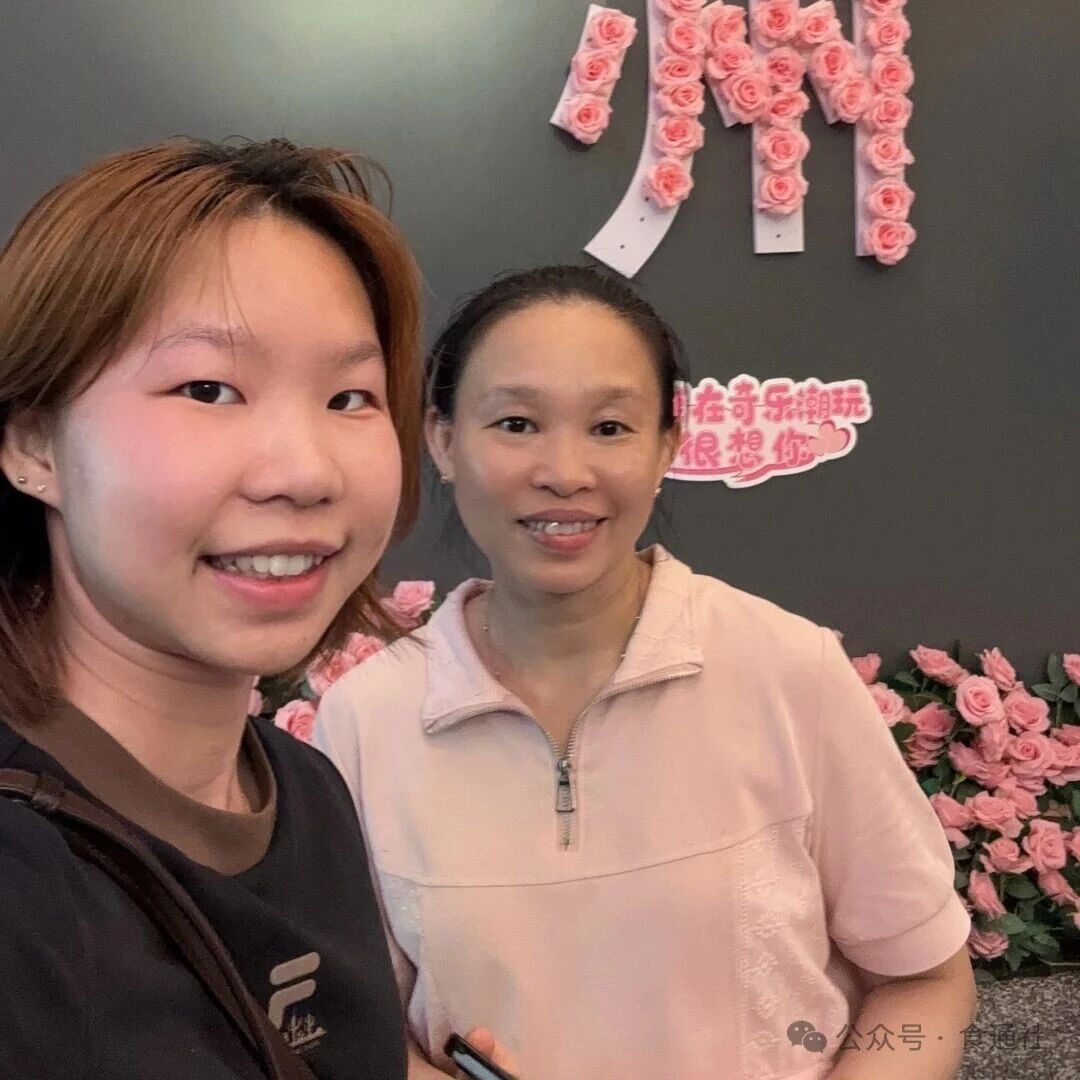
All images in this article were provided by the author.
Editor: Yuyang