After Beijing-Tianjin-Hebei Torrential Rains, Smallholder Farmers Remain Trapped in Climate Adaptation Plight
While city life and commerce have largely returned to normal, the impact of extreme weather on farmers is neither brief nor isolated; it lingers far longer than most anticipate. From the scorching days exceeding 40°C in June and July to the recent ‘greatest rainstorm in sixty years’, what does more than two months of such relentless extremes mean for those working the land? And in the aftermath of the floods, how are they to pick up the pieces and brace themselves for the next unforeseen weather shock?
I. “Total Wipeout”
In that scenario, half the village would have been left underwater. Neighbours who could arrange it had already sought refuge in the city. Had their home been submerged, Chen and her family would have had no option but to flee swiftly and find shelter. It was only afterwards that residents learned the average rainfall across Baoding during those two days had hit 141mm—nearly a third of the region’s typical annual total.
Chen Ziyu and her family now operate an eco-farm called “Wocuiyuan” in Beiligezhuang Village, Qingyuan District, Baoding. Covering just over 100 mu (roughly 6.7 hectares), the land is mostly planted with wheat and coarse grains, alongside smaller sections for vegetables and watermelons. Twenty mu of this land, sown with maize, lay within a standby flood channel that had not carried water for decades.
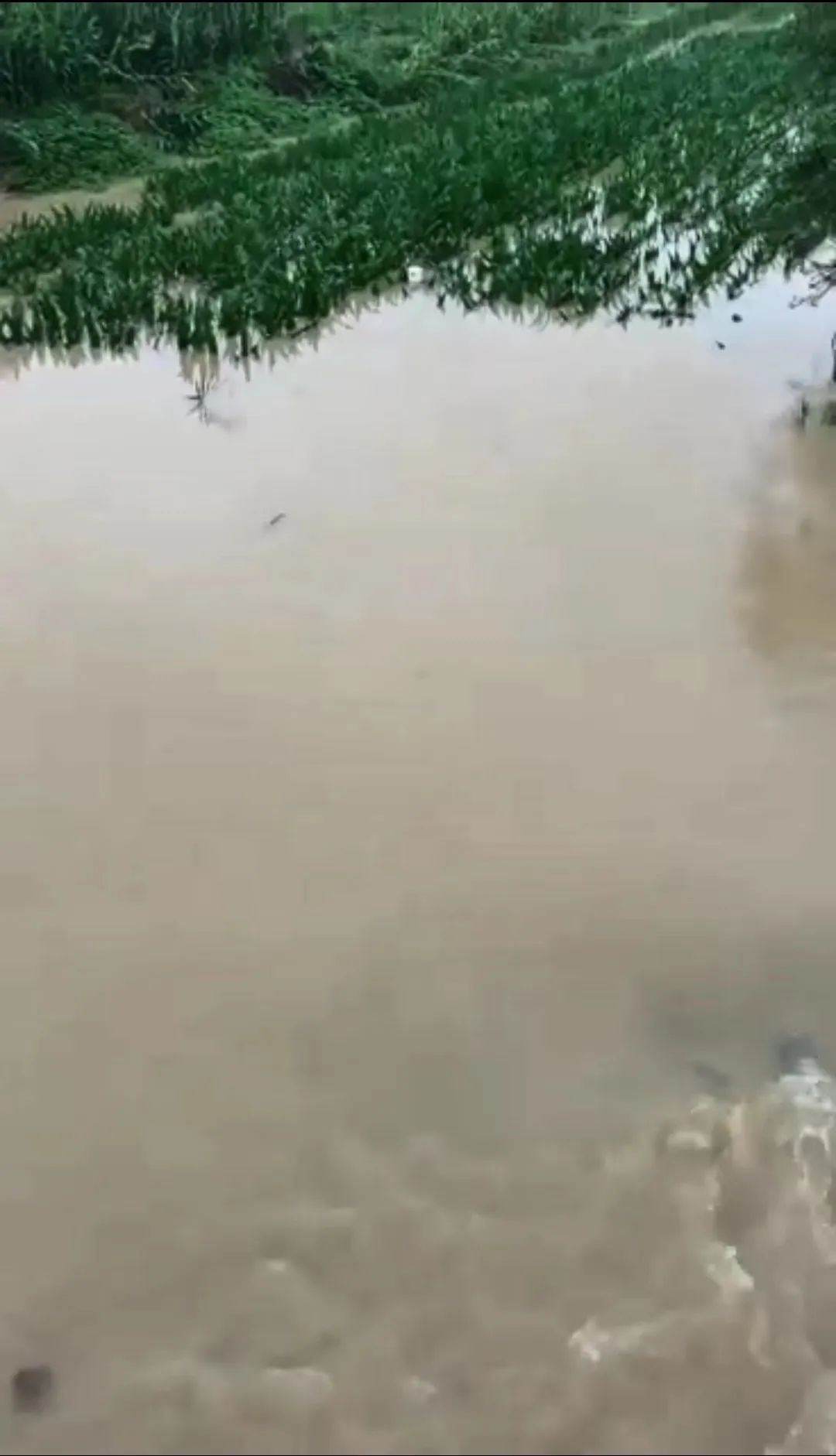
After the downpour, the drainage ditch roared with muddy floodwaters, submerging vast swathes of emerald-green maize until only their tips poked above the surface. Two weeks after the torrential rain, the standing water in the ditch still refused to drain. As expected, the entire maize crop was lost. Not a single late-season watermelon or tomato plant survived either.
He did a rough tally: the lost revenue from just these 20 mu of maize stood at 50,000 yuan, “and that’s even calculated at conventional maize prices.” His family cultivates organic maize, which demands greater investment in fertiliser and labour and commands a higher market price. The financial blow would inevitably be even greater.
With the fields waterlogged and ruined, everything had to start from scratch. They needed to repair the collapsed earth, rework the soil, let the sun dry it out, and wait for the ground moisture to strike the right balance before rushing to plant Chinese cabbage.
By contrast, Little Willow Farm in Shunyi, Beijing, was considerably luckier. Situated in the north-eastern suburbs of Beijing, Shunyi District lay outside the epicentre of the deluge. Rainfall was relatively lower, and the drainage around the farm was adequate, so it escaped floodwaters. Yet the farm still sustained heavy losses.
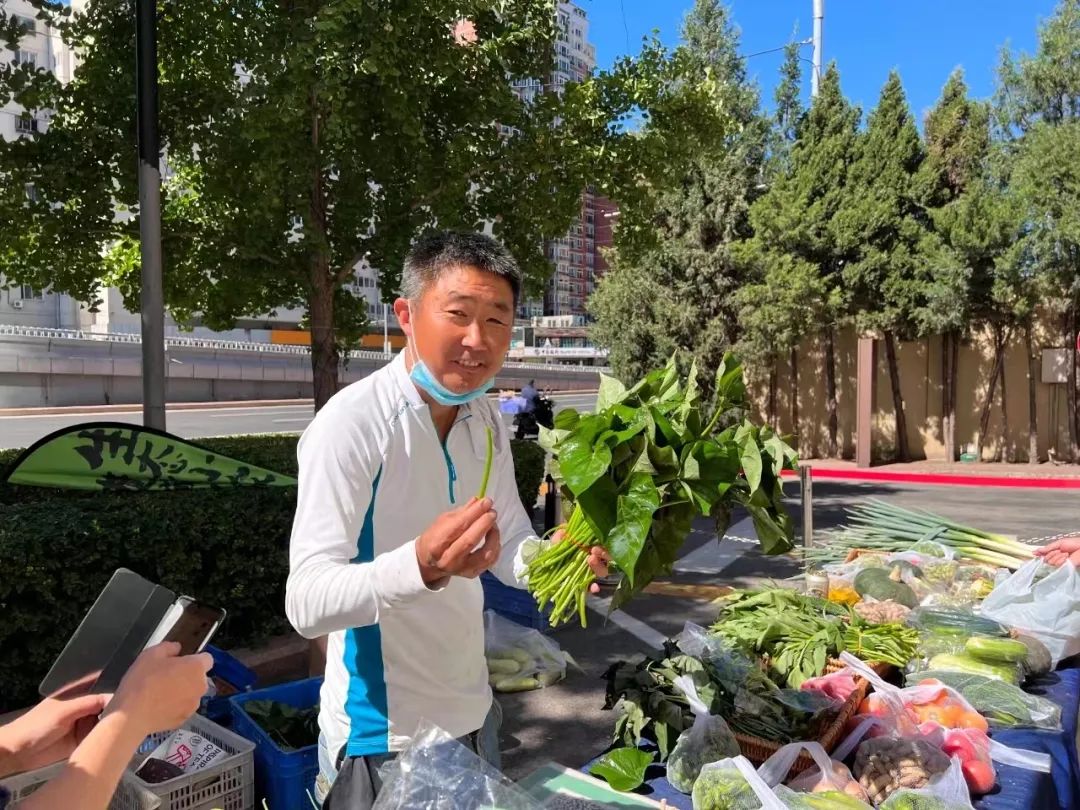
“I’ve spent a decade in agriculture and never seen anything like this,” said Liu Gang, manager of Little Willow Farm. “The soil became completely saturated, drowning numerous crops: outdoor-grown broccoli, celery, tomatoes, sweetcorn, kale… along with every short-cycle leafy green. It was a total loss.”
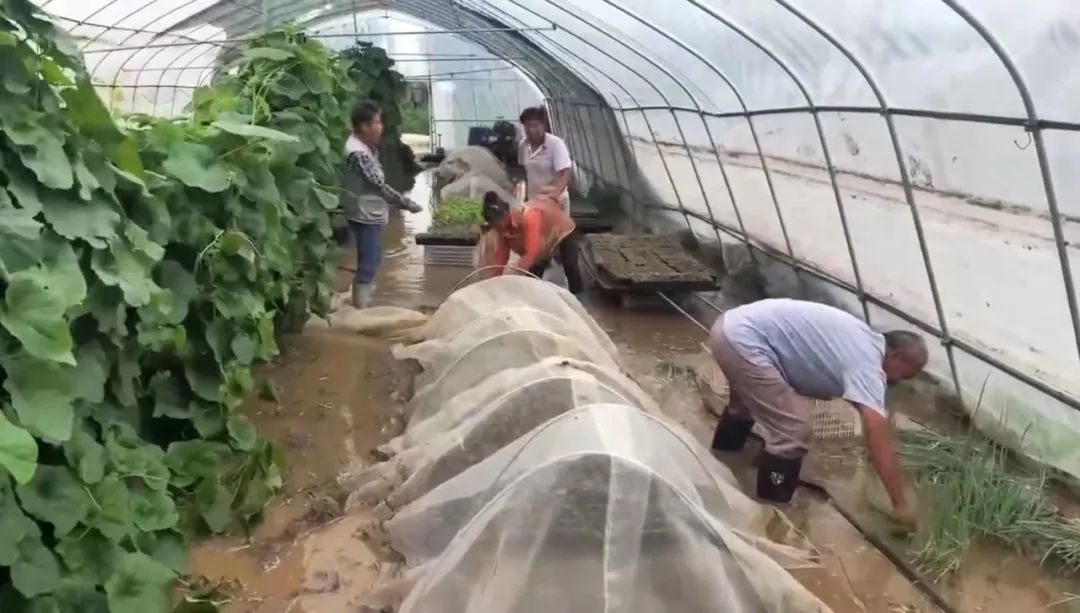
The propagation shed was submerged. As soon as the rain eased, Liu Gang and his team rushed inside to salvage the plants. Clad in knee-high wellies, every step sank deep into the sludge. The water swirled around their calves, steadily pouring into their boots.
“Even the ginger was drowned out,” Liu Gang said, struggling to believe it. “Ginger is sensitive to drought and needs to be kept moist. It’s never succumbed to rain like this before.” He estimated the losses from these vegetables alone at around 100,000 yuan.
The greenhouses also sustained damage from the storm. Primarily a vegetable producer, Little Willow Farm relies on both open-field plots and a mix of unheated and heated polytunnels. This time, the unheated tunnels bore the brunt of the damage; the sheer weight of rainwater pooling on the plastic sheeting simply crushed the structures flat.
Beyond the reduced yields, the flavour of the vegetables had noticeably changed. Liu Gang suspected acidic compounds in the rainwater had turned the crops astringent and bitter. “They just don’t taste right to me now,” he said. “I’d be embarrassed to recommend them to anyone.”
II. Were the Drainage Preparations Adequate?
Reflecting on the recent flooding, he believes the immediate priority must be proper waterproofing and drainage. For instance, the materials previously used to build his unheated greenhouse were substandard; the piping was too thin and will need to be replaced with sturdier alternatives. Furthermore, with the seedling nursery situated in a low-lying part of the farm, he will need to consider installing raised racks to keep the seedling trays on higher ground.
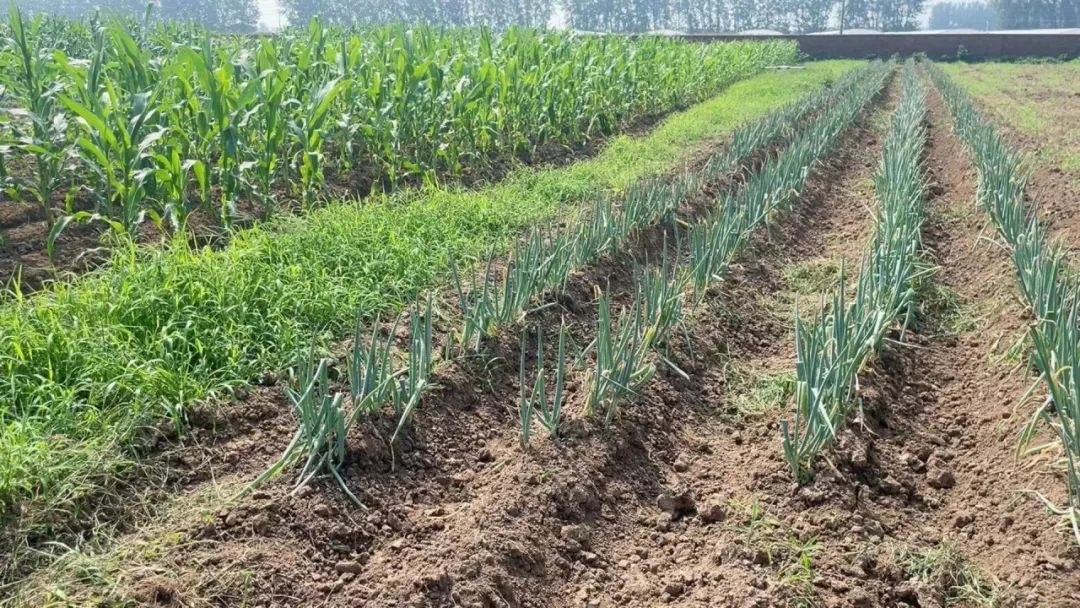
Little Willow Farm has been situated in Qijiawu Village, Shunyi District, for four years now. The surrounding area, which operated as a state-owned farm for three or four decades, features substantial drainage ditches running between the fields—over a metre wide and five metres deep. At the time, Liu Gang could not see the point of constructing such large ditches in an area as arid as Beijing. Not only would they consume arable land, but they would also hinder production efficiency.
This deluge made him fully appreciate the value of these ditches, which, maintained for a thousand days and put to use in a single moment, proved their worth. He plans to use this winter to draw up a proper layout: not only will he dig new ditches, but he will also install simple drainage structures in the farm’s low-lying plots, aiming to clear the water at the lowest possible cost.
In Liu Gang’s view, this is the core lesson from the floods; there is little else he can do. He will not alter his cropping schedule on account of it, and when it comes to the concept of “flood-tolerant varieties,” he remains noncommittal. As he explains, crops are either drought-loving or moisture-loving, but even the latter cannot withstand prolonged waterlogging. The crucial factor is simply to drain the water out promptly.
For smallholders, the value of a drainage ditch must be weighed against its cost. Their livelihoods depend on every inch of land yielding a harvest. Therefore, the expense of a ditch is not merely measured in the labour, machinery, and time required to dig it; it must also account for the cumulative cost of leaving that strip of land fallow year after year.
To some, dedicating a patch of land solely for an unpredictable flood is a luxury they simply cannot afford.
The 20 mu (1.33 hectares) of Chen Ziyu’s corn that was submerged this time was planted in an auxiliary flood diversion channel. Yet he says he will plant there again next year. The rainfall was too extreme, too rare; since the catastrophic floods that swept the Hai River basin in August 1963, the channel had not seen water flow through it like this. Put another way, keeping that channel empty for sixty years just to avoid a single year’s disaster simply is not worth the trade-off.
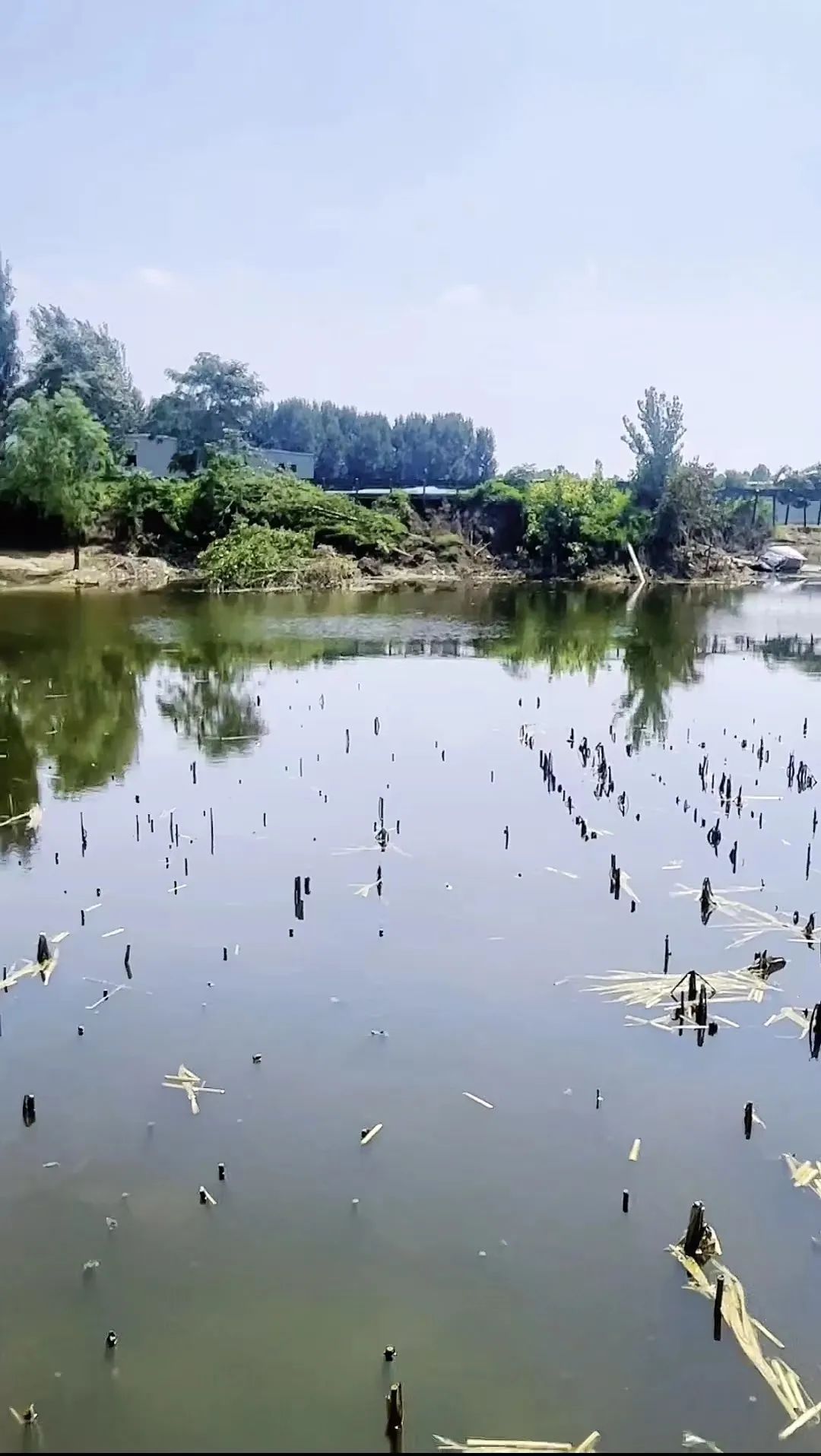
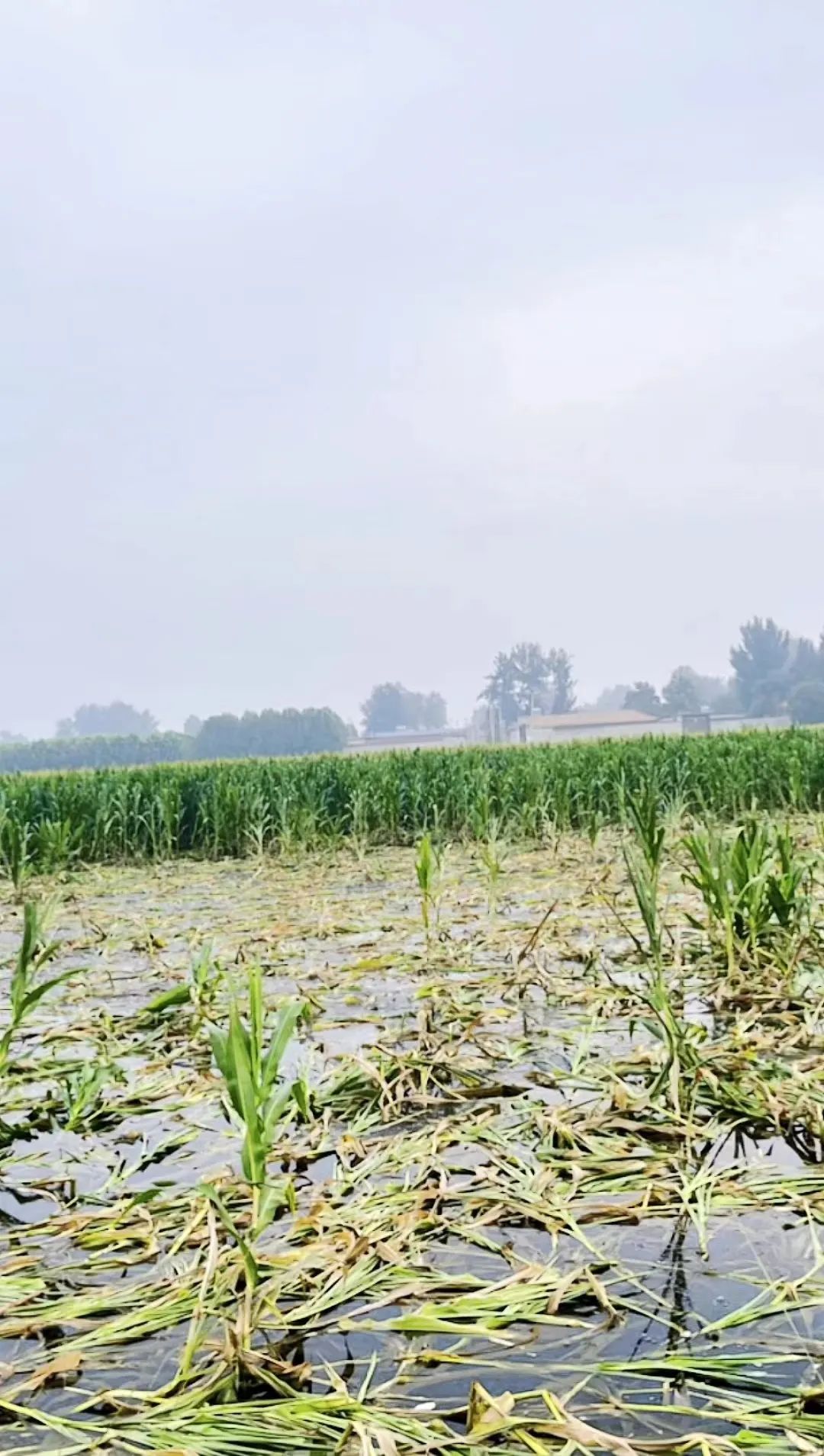
Chen Ziyu shot back: “If every downpour came like this, no precaution would make a difference—we would all have to relocate. When survival itself is on the line, what hope is there of worrying about the fields?”
III. What have farmers done to cope with extreme rainfall?
In recent years, China has experienced a pattern of northern flooding and southern drought, with rainfall during the rainy season across North China rising noticeably. For some farmers, adapting to wetter summers first shows in shifts to cropping patterns.
Take Beijing Organic Farmers’ Market, where Liu Gang and Chen Ziyu are active, as an example. Because the growers sell directly to urban consumers, they typically adopt a strategy of small-batch, multi-variety production. Some have already begun deliberately planting more water-loving ‘southern crops’. This time around, Liu Gang also observed that the taro crop not only escaped unscathed but thrived.
Secondly, soil improvement has likewise proven a highly effective strategy for weathering both drought and flooding.
Just days before this latest heavy rainfall, Beijing saw a downpour on 25 July, breaking a prolonged spell of high heat and dry conditions. After more than three hours of lashing wind and rain in Shunyi, the organically grown maize at Little Willow Farm was blown into a 45-degree lean, while the conventionally grown maize nearby lay completely flat.
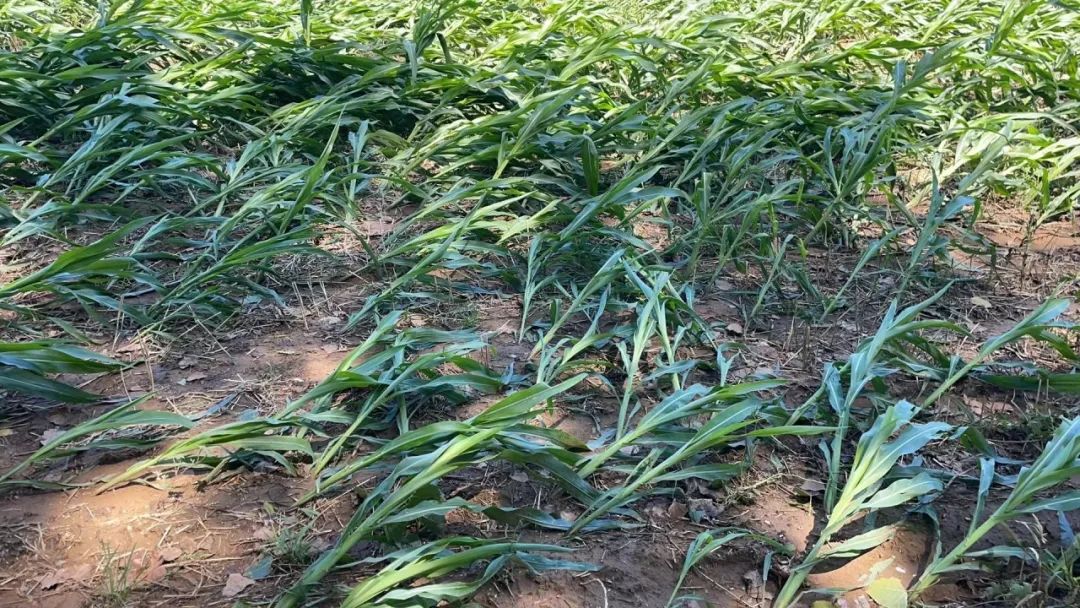
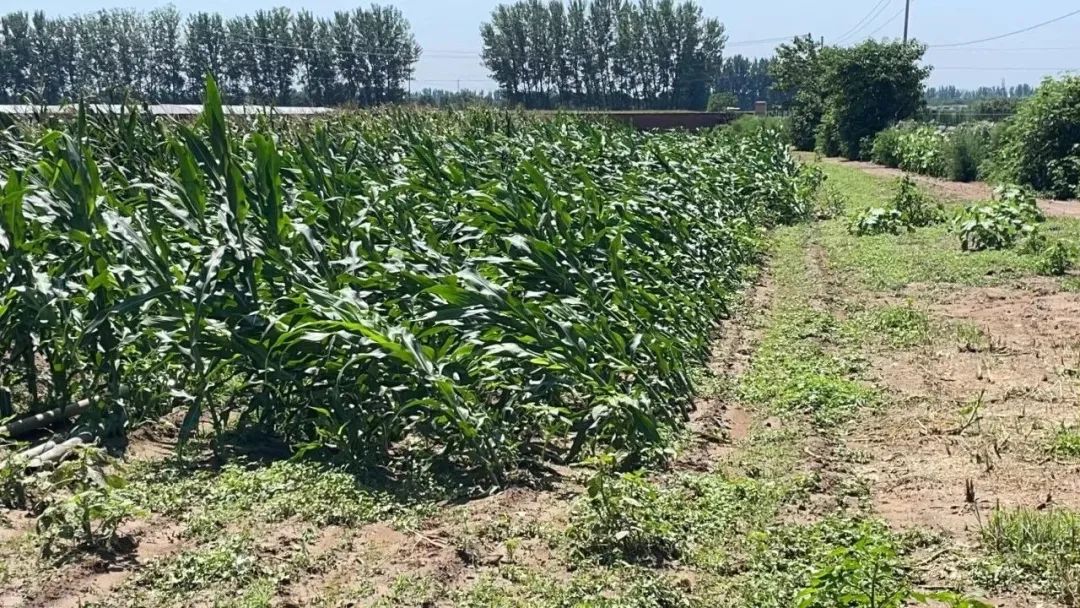
Liu Gang places particular emphasis on soil, arguing that the cornerstone of ecological farming is cultivating healthy ground. Having spent his early career in a Japanese-owned firm, he transitioned into organic farming and meticulously studied innovative agricultural methods from both Japan and the United States. He employs leaf mould composting to maintain a balanced nutrient profile, a loose structure, and optimal aeration and moisture retention in the soil. Such soil is resilient to both drought and waterlogging, buffers against temperature extremes, and serves as a vital tool for weathering abnormal climatic conditions.
While healthy soil can endure more severe droughts and floods than nutrient-depleted ground dependent on synthetic fertilisers and pesticides, its capacity is nonetheless finite.
Liu Gang takes pride in the fact that his farm’s soil is far more permeable than that of the surrounding area; he has never previously struggled with water failing to drain away. Yet as he celebrated the resilience of those corn plants leaning at 45 degrees, he could hardly have foreseen that, just a few days later, another torrential downpour lasting three or four days would completely swamp and kill his sweet corn crop.
IV. Challenges in Post-Disaster Management
In the aftermath, conventionally managed farms would typically resort to heavy herbicide sprays. Ecological smallholders like Chen Ziyu and Liu Gang, however, rely on a combination of machinery and manual labour to keep weeds at bay. But following the heavy rains, the fields were so waterlogged that Liu Gang’s small tractor became mired in the mud, taking three days to extricate. He was left with no choice but to work alongside his labourers, ploughing and harrowing the ground repeatedly. Consequently, the labour and time required for weeding tripled or quadrupled.
Another pressing issue was the way the torrential rain had altered the soil structure and microbial environment. Liu Gang explained that the soil, which had previously maintained a healthy aggregate structure, had become stratified after being saturated: sand floated to the top, while clay and stones sank to the bottom. This required manual mixing to restore the soil’s integrity; otherwise, the ground would crust over, resembling the cracked bed of a drought-stricken reservoir.
Once the soil surface crusts over, it creates a breeding ground for harmful pathogens. After this round of rain, a green layer of microbes developed on the farm’s soil. The only remedy was to harrow the ground, allowing air and sunlight to penetrate and help restore microbial balance.
“It’s all we can do. We’ve already turned the soil over twice. Ultimately, we need the sun to dry the land out,” he said.
Chen Ziyu kept a close watch on the shifting soil moisture levels. As soon as the ground recovered, he would need to race against the clock to sow cabbage. Following the disaster, large swathes of land in the village faced total crop failure. Everyone anxiously awaited the gradual receding of the water, and all were mulling over the same stopgap measure: planting cabbage.
At this point of the year, cabbage was the only viable crop for the devastated fields. Yet Chen Ziyu was already bracing for the old adage of cheap vegetables hurting farmers by year’s end. “We’ve seen this before. The selling price barely covers the labour costs of harvesting, and in the end, the crops just rot in the fields.”
Beyond the shift towards wetter summers, farmers in the Beijing-Tianjin-Hebei region have registered the fingerprints of climate change far more keenly than city dwellers.
Take cabbage, for instance. Chen Ziyu recalls that as a child, the whole village would plant it on the day of the Start of Autumn. “It had to be that exact day. Any earlier or later, and it wouldn’t work.”
But with warming temperatures, higher accumulated heat, and lengthened growing seasons, the planting window for cabbage has drifted later and later. Sow too early, and the cabbages will rot at the core. Locals have come to realise that aligning agricultural work with the traditional twenty-four solar terms is long out of step with reality.
The recent downpour also marked the first time Chen Ziyu had seen watermelons rot to the point of mould growth. On closer inspection, this too is tied to climate change. Unusually high temperatures in June and July drove ground heat to excessive levels. Just when the watermelons desperately needed moisture, rains failed to arrive, and irrigation could not keep pace. As a result, some melons perished from drought just as they were nearing ripeness, leading to an overall yield reduction of three-fifths compared to last year.
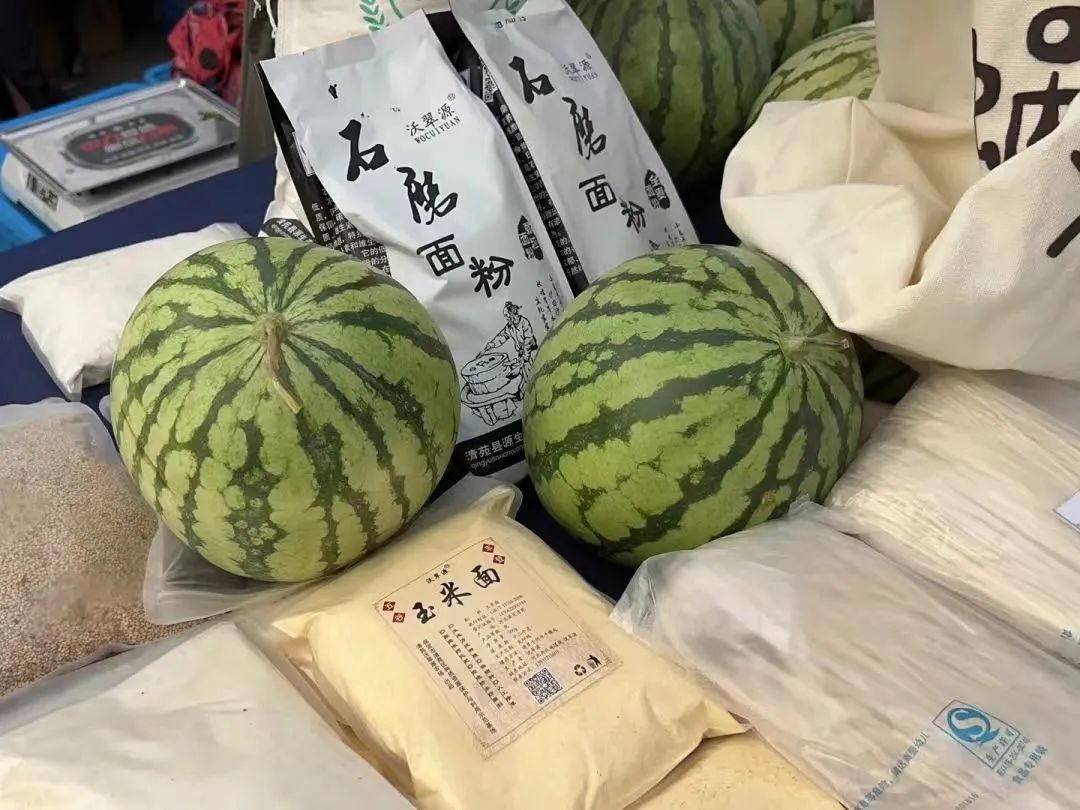
Chen Ziyu suggests this may be because the growing seasons for all crops are steadily shifting later. He plans to continue planting late watermelons next year and will begin keeping detailed records.
5. Who Bears the Cost of Climate Adaptation?
Adjusting one’s understanding takes time, and spotting new climate-driven opportunities demands chance, sustained observation, and a substantial base of knowledge.
There is a vast body of research on how climate change affects cropping systems, largely based on regional-scale modelling. Yet these studies fall short of offering practical guidance to farmers working the land on how to mitigate climate-related disasters or capitalise on emerging opportunities.
To counter the uncertainties brought by climate change, smallholders must invest extra time, labour, and capital simply to maintain production. How these adaptation costs are to be met, and who should shoulder them, remains an open question, blowing in the wind.