
This Chinese New Year’s Eve, Could You Accept a Table Full of Pre-Made Meals?
A Note from Foodthink
Yet, despite their surging popularity in recent years, opinions remain sharply divided on the merits of pre-prepared meals. How exactly should we tell them apart? What should consumers be keeping an eye out for?
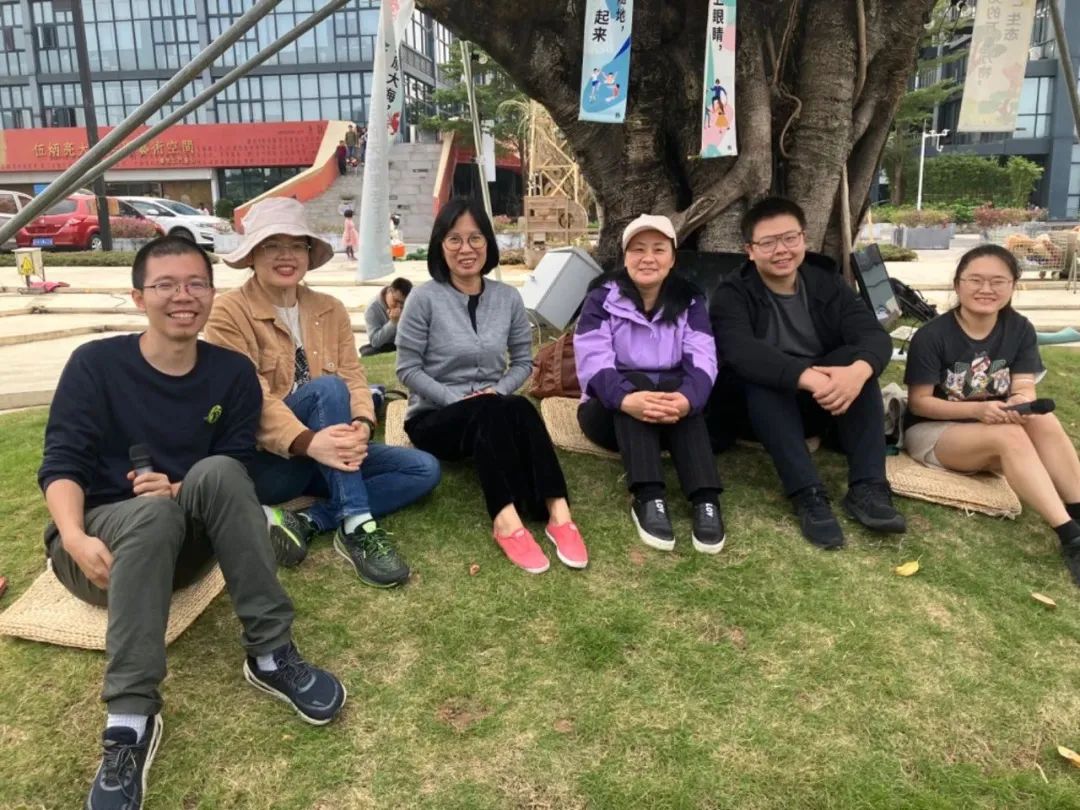
Towards the end of 2023, at the Harvest Festival in Guangzhou, Foodthink hosted a forum on pre-prepared meals, inviting consumers, academics, and hospitality professionals to discuss the topic together. Though the setting was unpretentious—attendees sat on the floor in an open space—it drew in quite a few curious passersby. What follows is a transcript of the discussion.
Panelists
Moderator
I. Encounters with Pre-prepared Meals
Song Tinghui: I have worked in restaurant and hotel kitchens for many years. I first heard terms similar to “pre-prepared meals” as far back as 2016, though back then we simply called them “semi-finished products”. After seeing news about “pre-prepared meals in schools” over the past six months, I have realised that what people now call “pre-prepared meals” has actually been around for quite a while—we have just used different names for it.
Zhong Shuru: Actually, pre-prepared meals can be categorised into several types. In the industry, there are four categories, also known as the “4R Principle”——
- ready to eat, i.e. ready-to-eat foods, which refers to items that can be consumed straight away, such as instant noodles;
- ready to heat, i.e. ready-to-heat foods, which refers to items that just need warming up, such as frozen dumplings or complete dishes ready to eat once heated;
- ready to cook, i.e. ready-to-cook foods, which refers to pre-cut ingredients that only require a quick stir-fry at home, such as marinated steak;
- ready to use, i.e. ready-to-use foods, generally referring to pre-portioned ingredients from central kitchens, which are the most common in the market.
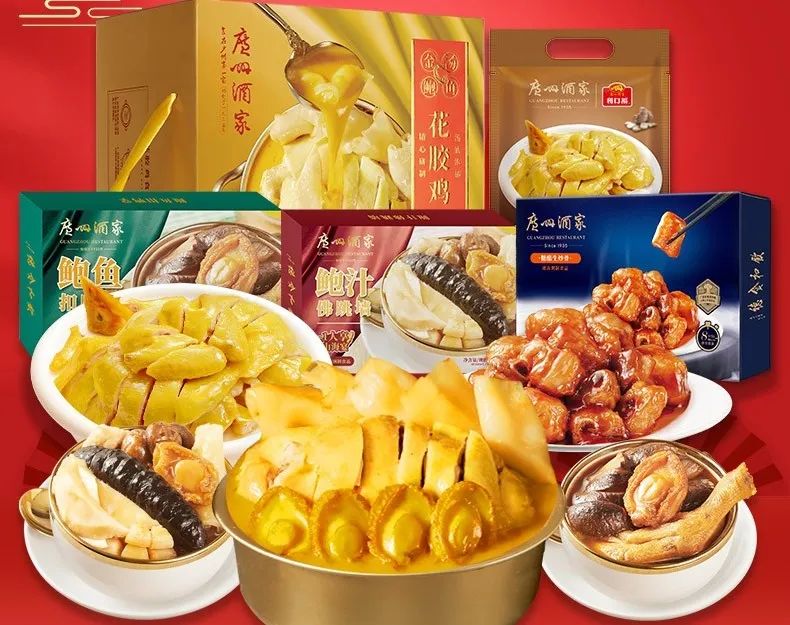
Yang Erma: I first came across pre-prepared meals during the pandemic, when I had to put together the New Year’s Eve dinner at home. With limited facilities and unable to cook proper set courses, my husband bought a po choy from outside, which was an absolute lifesaver. My child was so thrilled that night they exclaimed, “Mum, I’ve eaten eight abalone!” For quite a while after that, I kept buying these ready-meals. But after four or five times, we were both thoroughly fed up.
The texture and flavour are remarkably monotonous; even when I pair them with different sides, I can’t achieve a rich or layered taste. Since then, I’ve hardly ever bought them. In the long run, I certainly won’t be relying on pre-prepared meals in my everyday life.
Wang Hao: As a parent yourself, your child also has school meals. Have you encountered anything like the ‘pre-made meals in schools’ issue?
Yang Erma: My child attends a secondary school in Tianhe District, Guangzhou. The school used to have its own canteen, but it had to close for certain reasons, meaning they had to outsource meals to external catering firms. The parents’ committee poured a lot of time and effort into sorting this out, having to juggle issues like cost, taste, and food safety.
I’ve visited several meal-prep companies myself. The processing facilities looked decent enough, but in reality, there are quite a few issues. Take the transit times, for instance: it takes half an hour to move food from the kitchen to the delivery van, then another 40 minutes to drive from the company to the school. Picture this: hot food left sitting in plastic containers for over an hour. What happens? The leafy vegetables become practically inedible. Yet we have no real alternative. There simply aren’t any suitable catering firms available within a reasonable distance of the school. My son isn’t a fussy eater; even if he’s not keen on it, he’ll eat enough to stay full. But for some children, it’s genuinely unpalatable—they just won’t touch it and throw the whole meal away.
It was only during the search for a catering firm that I realised how difficult it is for a school canteen to balance affordability with quality. With students’ lunch allowances hovering between 15 and 18 yuan a day, it’s hardly surprising that running an on-site kitchen isn’t profitable. Supplying ready-to-cook or ready-to-heat dishes, which are then finished off at the school, actually makes a lot of sense.
Wang Hao: Qinyuan, could you share with us how you prepare pre-made meals at home?
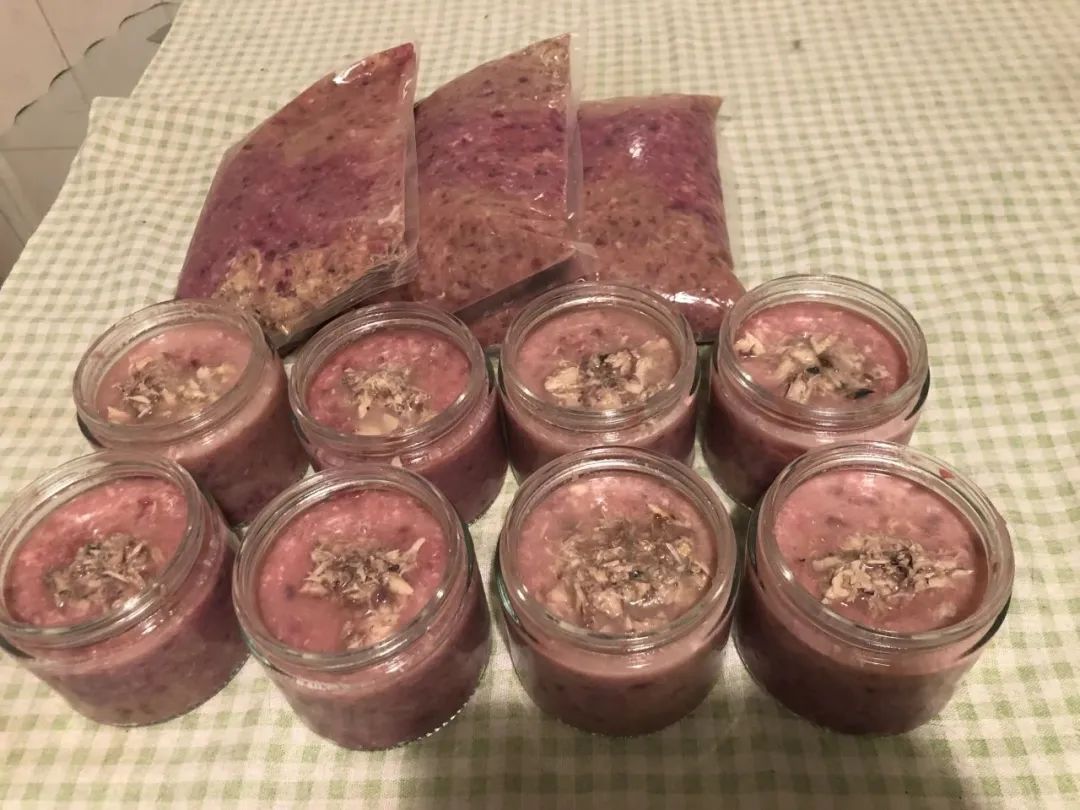
Qinyuan: Honestly, it began as a bit of a shortcut. I do love cooking, but I find it quite physically demanding. When you can’t stomach takeaway but also don’t want to slog through the kitchen every night, batch-cooking in a pre-made style lets you prepare a meal once and enjoy it over several sittings.
When you cook it yourself, you control every step. With a bit of trial and error, you quickly learn which dishes are fine in the fridge and which absolutely need to go into the freezer.
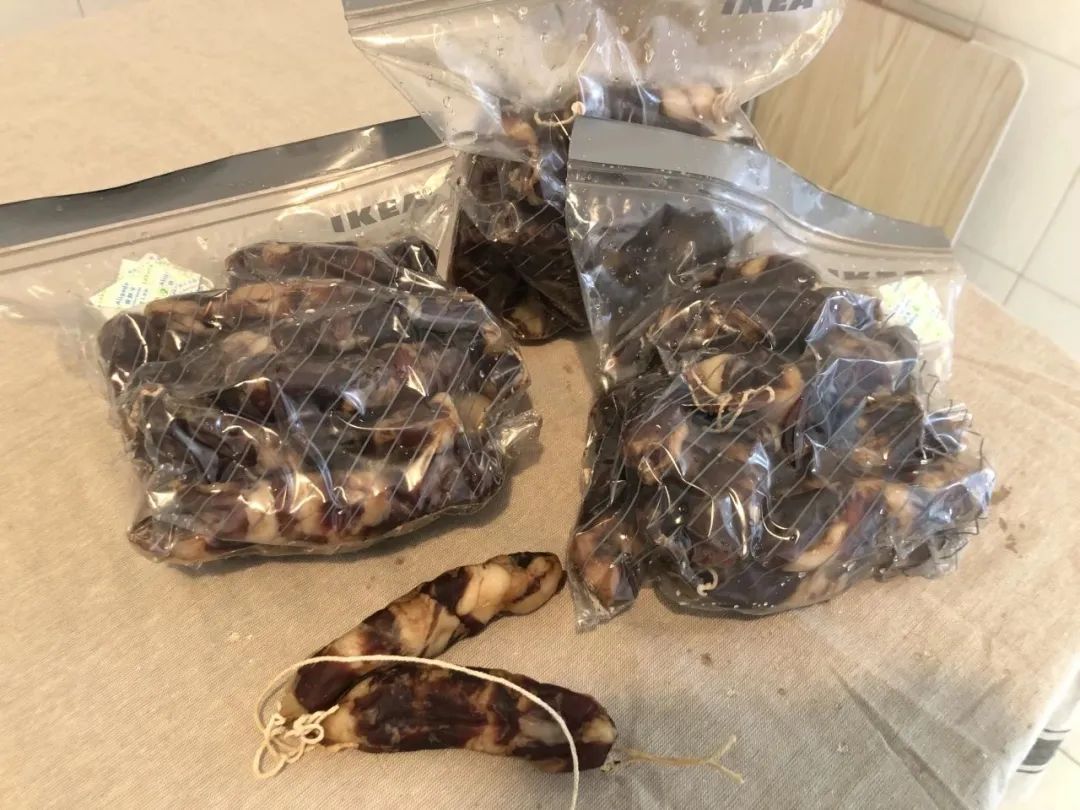
I once cooked five *jin* (roughly 2.5 kg) of beef shank in one session, which kept me going for about 15 meals. Certain foods hold up beautifully in the freezer; after a month or even three, the texture remains largely unaffected, and some won’t turn bad for six months.
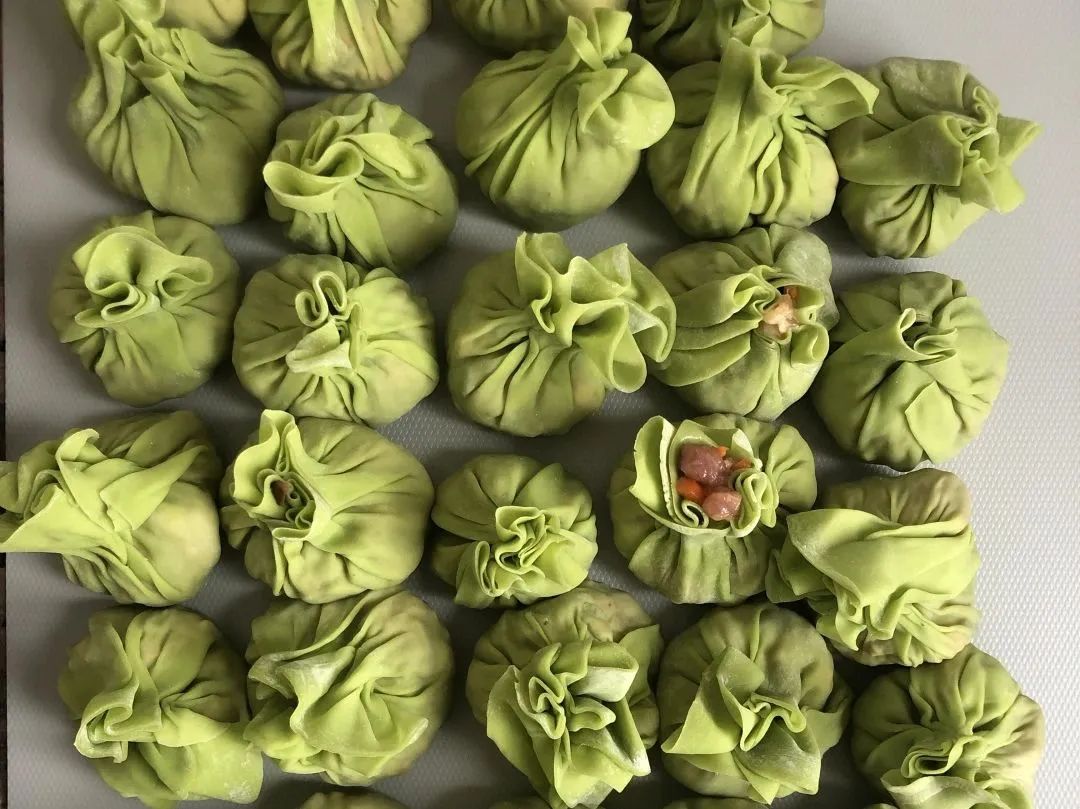
I’ll occasionally buy ready-made meals outright, usually for dishes I’m not confident making from scratch or find too fiddly for home cooking—frozen steamed buns, for instance. I did try a pre-made Buddha Jumps Over the Wall once, and it was frankly dreadful.

When I first started working, I hadn’t really come across the idea of ‘healthy eating’, so I just went for whatever I fancied. My takeaway orders tended to stick to a handful of regulars—fried meats, for instance. Looking back, those all fall under the category of pre-made meals. Back then, my palate felt completely hooked on that specific pre-made flavour; I’d often crave another round for my next meal, wanting nothing else. I’d say it was a pretty unhealthy pattern to fall into.
Part Two: How to spot pre-made meals?
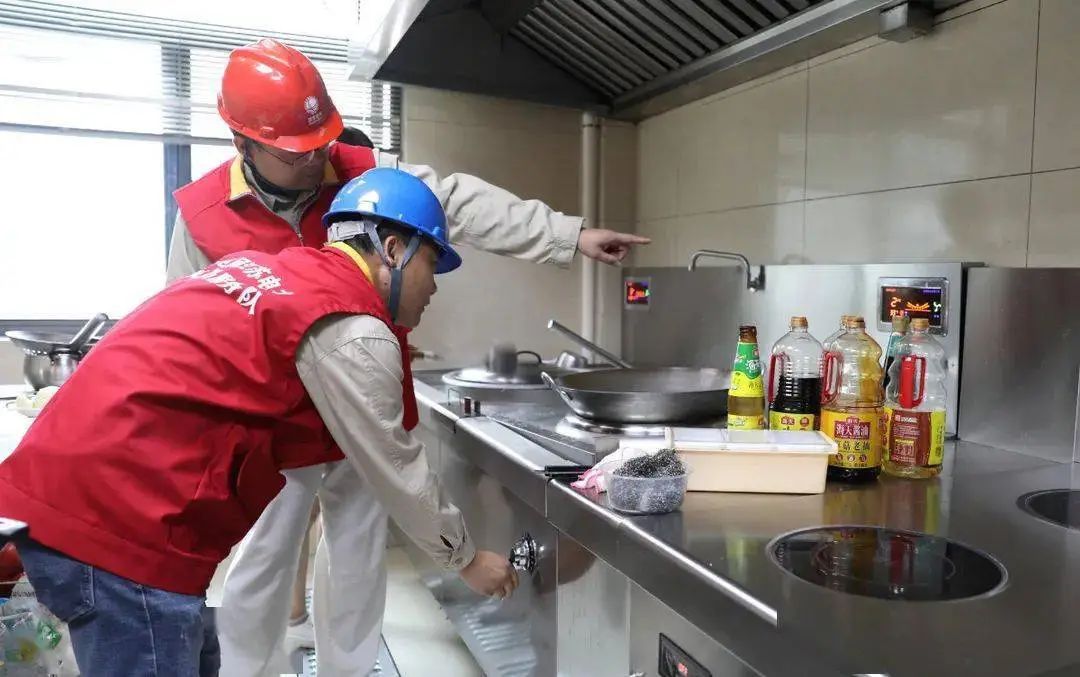
Song Tinghui: Having worked in the back of house, I’m fairly well-versed in this. Paying a premium doesn’t guarantee you’ll receive dishes straight off the stove. Even some upmarket restaurants don’t cook from scratch. I’ve actually seen high-end venues order takeaway from elsewhere, simply unpack the containers, and serve the food directly to guests.
Qin Yuan: I have a reliable way to spot pre-made dishes: if you understand how a dish is prepared and have made it yourself at home, you’ll know exactly what it should taste like when cooked properly. Once you’ve established that baseline, any pre-made version will taste distinctly different. Once you’ve mastered the techniques yourself, even if you don’t have the time or energy to cook every day, you’ll still be equipped to judge just how heavily processed a dish has been.
Yang Eima: I hardly ever visit chain restaurants these days, but from my experience, they rely almost entirely on pre-made dishes. By contrast, you’re far more likely to find food cooked from scratch by the chef in those small, home-style eateries specialising in stir-fries.
Yue Xin: When we got married, my partner and I hosted our families at a star-rated hotel, and I immediately suspected every dish was pre-made. Several plates arrived merely lukewarm, if not cold. Despite the elegant presentation and rapid service and table turnover, the whole experience left a distinct impression of being flavourless.
Zhong Shuru: These days, virtually all food served in shopping centre restaurants is pre-made. I’ve learned that some malls in Beijing prohibit open flames, which effectively strikes at the very heart of Chinese cuisine. Without the ability to stir-fry over an open flame, chefs are left with little choice but to simply reheat or minimally assemble dishes before serving them. Some establishments install open kitchens or CCTV cameras for exactly this reason; diners can actually check the feeds to see whether an open flame is in use.
III. Can We Trust Pre-Prepared Meals?
Zhong Shuru: The crux of the matter may not be whether the food is pre-made, but rather whether the processes behind it are transparent and trustworthy. For example, as Qinyuan just mentioned, she prepares ‘pre-made dishes’ at home herself. The entire process is highly transparent because she buys the ingredients and cooks the meals herself, so such pre-made food poses no problems. However, when dining out, quality isn’t necessarily guaranteed. You simply cannot verify the processed ingredients, the production methods, or even the origin of the plastic packaging.
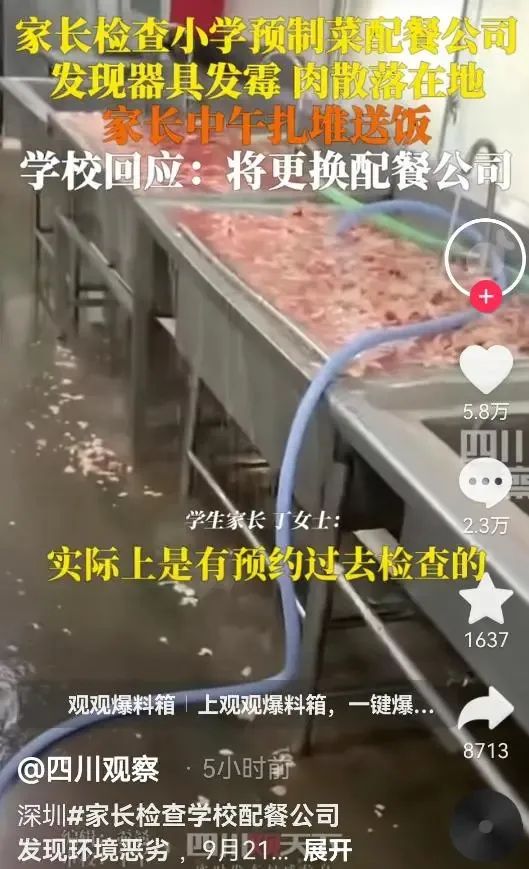
The significant backlash against ‘pre-made dishes in schools’ stems from a lack of transparency in the regulatory mechanisms behind them. The public doesn’t know which pre-made dishes are approved for schools and which aren’t, and the catering companies vary wildly in standards.
Yang Erma: Selecting meal providers for schools is genuinely complex. We attempted to find a few reputable restaurants near the school to handle it, but the list was rejected outright once submitted. These restaurants failed to meet the requirements set by the education bureau for catering services in schools. Some are small-scale operations that have never undergone the audits and certifications mandated by the bureau. Consequently, we are forced to follow the bureau’s guidelines and choose larger catering firms, which in turn suffer from their own transparency issues.
Qinyuan: Firstly, pre-made meals are often heavily flavoured. Their high fat content can cause lipophilic additives from the packaging to leach out more easily, creating health risks. Many food safety measures aren’t strictly enforced across the catering industry, and compliance is even harder to guarantee for low-cost delivery meals. Polypropylene (PP) is comparatively stable and safe among plastics, making it a more secure option for food contact, but its high cost means many restaurants rule it out. Another example is disposable tableware: once manufactured, it’s often coated with processing detergents and powders that require thorough rinsing. Yet we have no way to monitor or verify the cleaning process.
Song Tinghui: From my experience working in kitchens, the cleaning process inevitably adds to the workload for both manufacturers and restaurants, driving up labour costs. I’m inclined to think that strict safety standards are rarely, if ever, met.
Yue Xin: A view I strongly endorse is the need for clear labelling and grading of food, so consumers can make informed assessments. Secondly, I’d like to see more public education on this topic. After all, for working professionals, pre-made meals are virtually unavoidable.
Wang Hao: I’ve also noticed that pre-packaged foods and beverages comply with national regulations by displaying production dates, ingredient lists, and so on. However, meals from central kitchens lack such labelling, leaving a noticeable information gap.
Zhong Shuru: It really comes down to the sales channel. Pre-made meals bought from retail stores usually come with detailed ingredient lists and cooking instructions. But with food delivery, labelling is much harder to enforce. How, for instance, do you verify the fat content in a delivered dish? Consumers are left to rely on their own experience to gauge whether it’s healthy.
IV. Will pre-made meals destroy the food service industry?
Domestically, the penetration rate of pre-made meals remains modest at under 20%. By contrast, roughly 60% of dishes served in Japanese restaurants are pre-made. When placed side by side, the domestic market shows considerable scope for expansion. This is a foreseeable development, indeed an irreversible trend. However, it also means we will find it increasingly difficult to savour the authentic flavour of homegrown food.
Song Tinghui: When it comes to cost, pre-made meals are certainly not inexpensive. Take sour cabbage and fish as an example. If a chef prepares it fresh, their daily wage of a few hundred yuan can yield many portions. But if a restaurant buys pre-packaged versions, each box costs several dozen yuan, meaning just a few boxes equal a chef’s daily pay. From this perspective, the costs are quite high.
The rise of pre-made meals has undoubtedly dealt a significant blow to Chinese chefs. Taking pastry and dough-based items as an example, our kitchen previously relied on four skilled artisans handling everything from mixing dough and preparing fillings to rolling wrappers and shaping the pastries. Every step was done by hand to ensure freshness and flavour. Now, the pastry section has been reduced to just two staff members. The canteen has discontinued making steamed buns, baozi, and wontons from scratch, using the saved wages from the two redundant workers to purchase pre-made dough products instead, which simply need heating before serving.
Qin Yuan: Pre-made meals may not necessarily hold a price advantage. Their push towards mainstream adoption is driven primarily by business considerations. Restaurant staff have a certain turnover rate; people leave, demand raises, and labour costs inevitably rise with seniority. For a restaurant looking to scale, pre-made meals enable standardisation. Even if initial costs are high, economies of scale kick in once standardisation is established, driving costs down. This is precisely why resisting the pre-made meal trend is so difficult.
Wang Hao: This touches on the broader ecosystem of the catering industry. Do you aim for large-scale, corporate expansion, or stay small and operate independently?
Zhong Shuru: I once conducted a survey that revealed a central kitchen needs at least ten chain branches to bring costs down to an acceptable level. The current trend, however, is shifting central kitchens towards a B2B model, where they directly pitch to restaurants, supplying various pre-prepared ingredients or complete dishes.
If you’re running a takeaway outlet, a chef might only manage four or five meals an hour. With pre-made meals, you can heat up over a dozen, even dozens, in the same time. During peak dining hours, speed is what dictates competitiveness.
Wang Hao: Actually, many restaurants prepare their ‘house-made’ dishes in large batches, only to reheat and serve them for lunch. It’s somewhat akin to in-house pre-made meals, much like the ubiquitous Longjiang braised pork trotter rice bowls in Guangzhou.
Zhong Shuru: Exactly, which shows pre-made meals have been around for a while. Our objection isn’t to pre-made meals per se, but rather to the production and logistics behind them.
5. Would You Choose Pre-Made Meals?
Yang Erma: I’ve done my fair share of home prepping: slicing pork, seasoning it, portioning it into bags, and storing it in the fridge. For me, homemade meal prep has been a lifeline for families like mine, where life moves fast but we still prefer not to eat out.
Yue Xin: Office workers are easily swayed by their environment; when I first joined my company, I followed suit and ordered takeaway alongside my colleagues. Fortunately, I met my partner, who has quite a discerning palate. Her benchmark for a good meal is simply whether it sits well with her, and foods that do so tend to be healthy. Gradually, I took on a personal responsibility to source better ingredients. These days, I also attempt cooking dinner at home. I prep ingredients and keep them in the fridge, then just stir-fry them when I get back in the evening.
Song Tinghui: My current employer invites me over daily to prepare dinner at his home. I slice fresh ingredients and stir-fry them on the spot to ensure peak freshness. When it comes to freezer-friendly items like braised beef, steamed buns, and dumplings made at home, he still maintains that they are fresher and healthier than anything bought from outside.
Many families also wrestle with how to divide cooking duties and responsibilities at home. Just as Sister Song’s employer has the means to outsource this essential domestic chore, not every household can afford that luxury, nor does everyone have a partner who will step up and prepare meals.
So, how do we navigate these divisions of labour within the household? This is especially relevant when women work full-time during the day and still return home to cook in the evening. In some sense, do pre-made meals actually lighten the domestic load for women?
Yang Erma: In my household, my husband is the type who could eat instant noodles daily without a second thought. I simply can’t abide that. So I make it a habit to visit fresh markets, buy my own ingredients, and cook at home. But when I’m under the weather or just don’t feel up to it, we happily eat out or order delivery. We go with whatever feels most comfortable. I believe every family member needs to find a lifestyle that suits them.
There’s also a rather amusing dynamic in our family: every friend who’s shared a meal with us thinks my cooking is dreadful, yet my husband and children praise and encourage me every single day. When my son started craving better, more distinctive food, he simply taught himself to cook. He now turns out dishes far superior to mine, and we’ve just let things unfold naturally.
So, choosing an approach that brings you comfort is vital. I think: If you commit to cooking at home, don’t grumble about the effort. If you can’t change the circumstances, try to find joy in the process. If you don’t want to cook, take a rest. But if you go through the motions with resentment, you’ll only ruin the experience.
Song Tinghui: We work hard to earn a living precisely to safeguard our own health and that of our families. If we rely on pre-made meals and delivery every day, it can genuinely take a toll on our well-being. If you’re truly swamped, it’s perfectly fine to rest, but try to cook whenever possible—even something as straightforward as a quick noodle dish.

Compiled by: Shanwei
Edited by: Wang Hao