
Fluid Cultures, Interwoven People: If Our Language Were Kombucha
“People never enjoy fermented drinks alone.”
——Neither Raw Nor Ripe: A Civilisation History of Fermented Foods
I. First Encounters
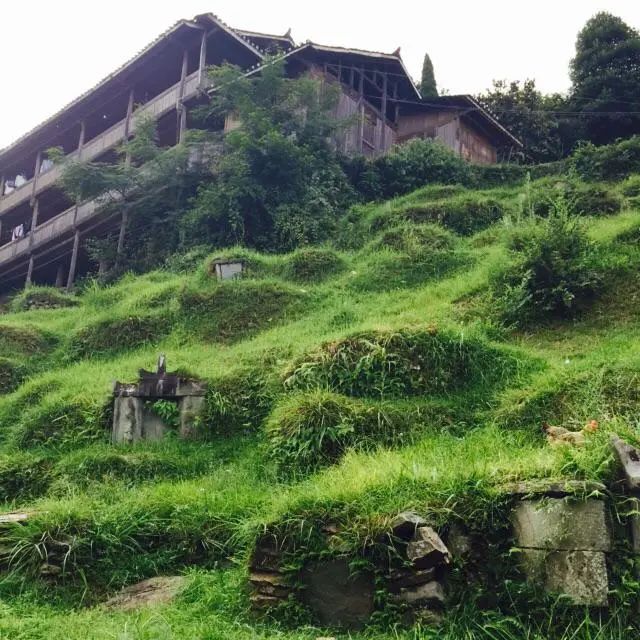
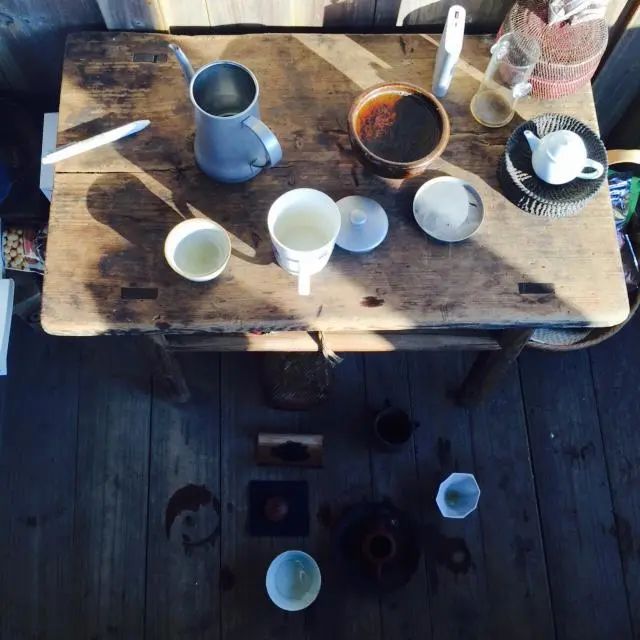
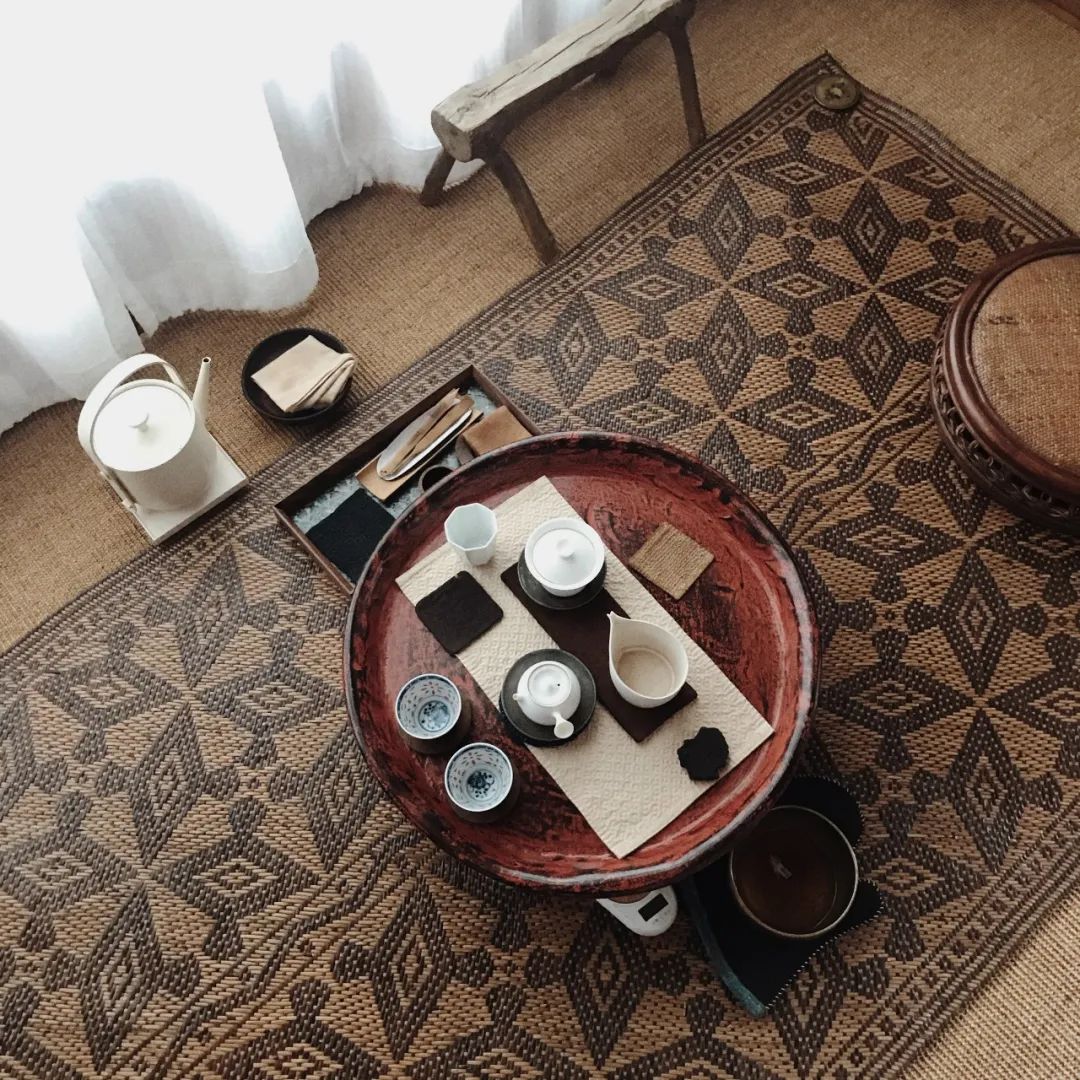
I first met Shuyu in southeastern Guizhou, where we worked together for a short time in a Dong village called “Tang’an”. At the time, she was the executive director of the local ecological museum, and we both stayed at a residency workstation built atop a cluster of ancient tombs. It was a stilt-supported earth building, rudimentary and seldom inhabited. Shuyu found joy in simplicity, transforming a wooden veranda—weathered by rain and steeped in deep, aged tones—into a small tea sanctuary. Between our visits to the local villages and hamlets, we would carry thermoses up the mountain in search of spring water, boiling water and steeping tea amidst the morning mist and night rain of the veranda, talking and drinking at leisure. The rising steam of the tea warded off the damp chill of Guizhou. It was she who inspired me to take up tea.
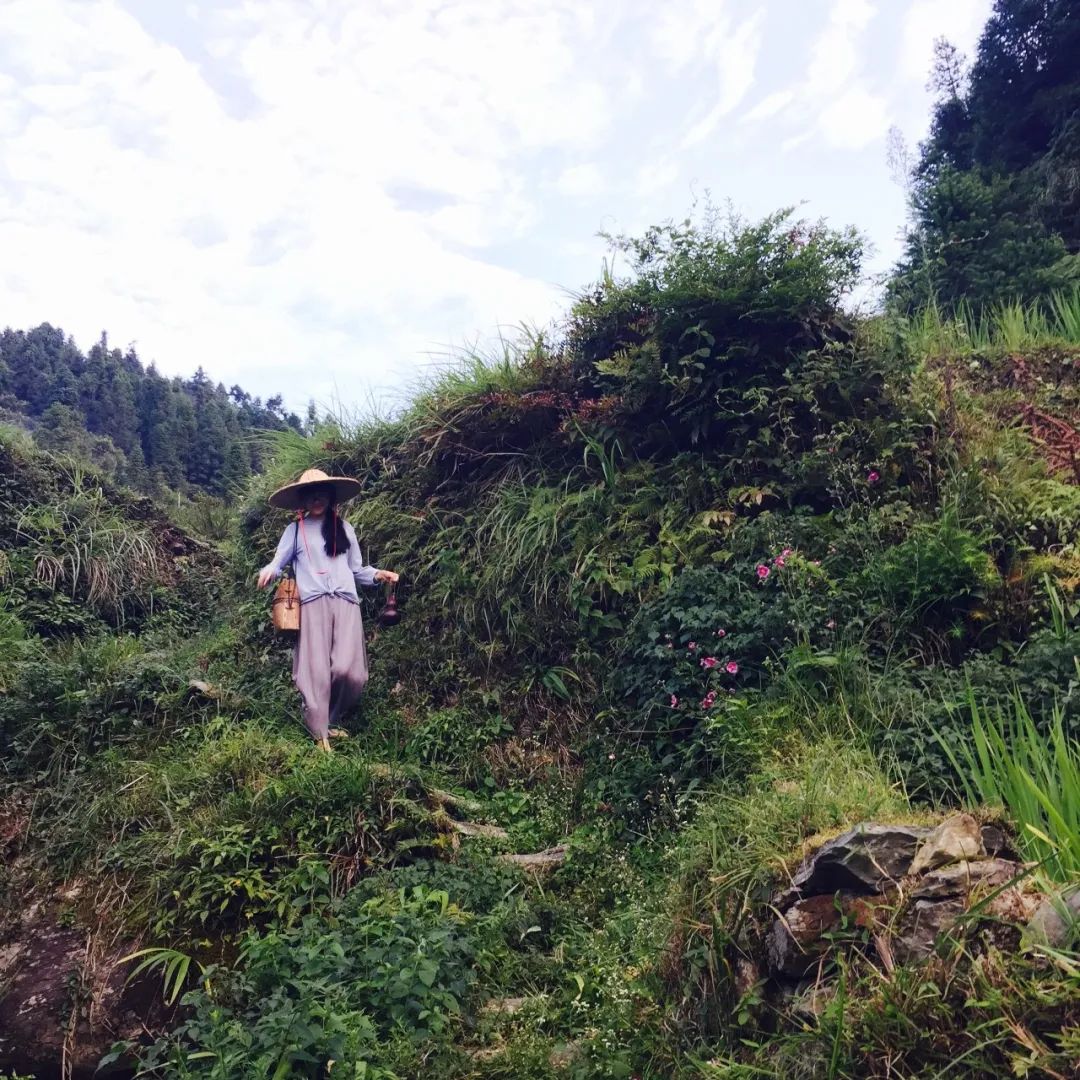
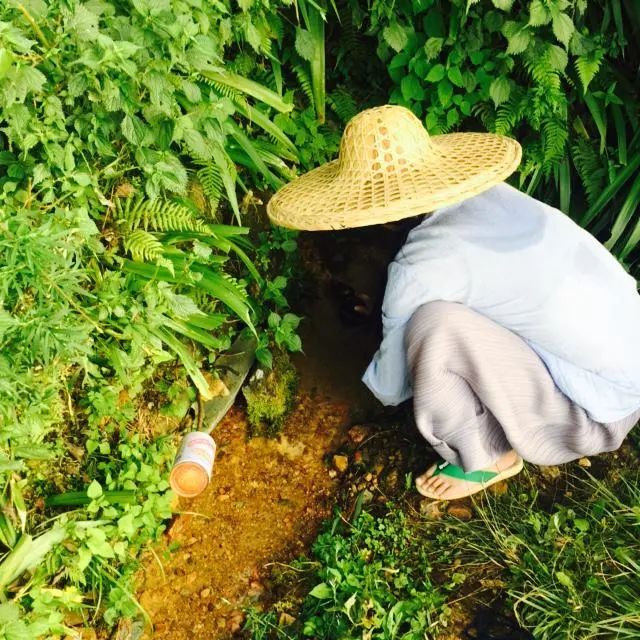
Once I left the mountains, tea became the bridge that maintained our friendship, and it was through tea that she was introduced to Kiwon. It was an encounter that crossed borders, languages, cultures—and perhaps even the universe itself.
Kiwon is a Korean-American astrophysicist from the United States with a passion for Chinese tea; through frequent travel between China and the US, he had established his own trans-Pacific tea exchange. Fate began with tea, and in the end, it was tea that sealed it: Kiwon settled in China, joining Shuyu in studying the universe within a cup.
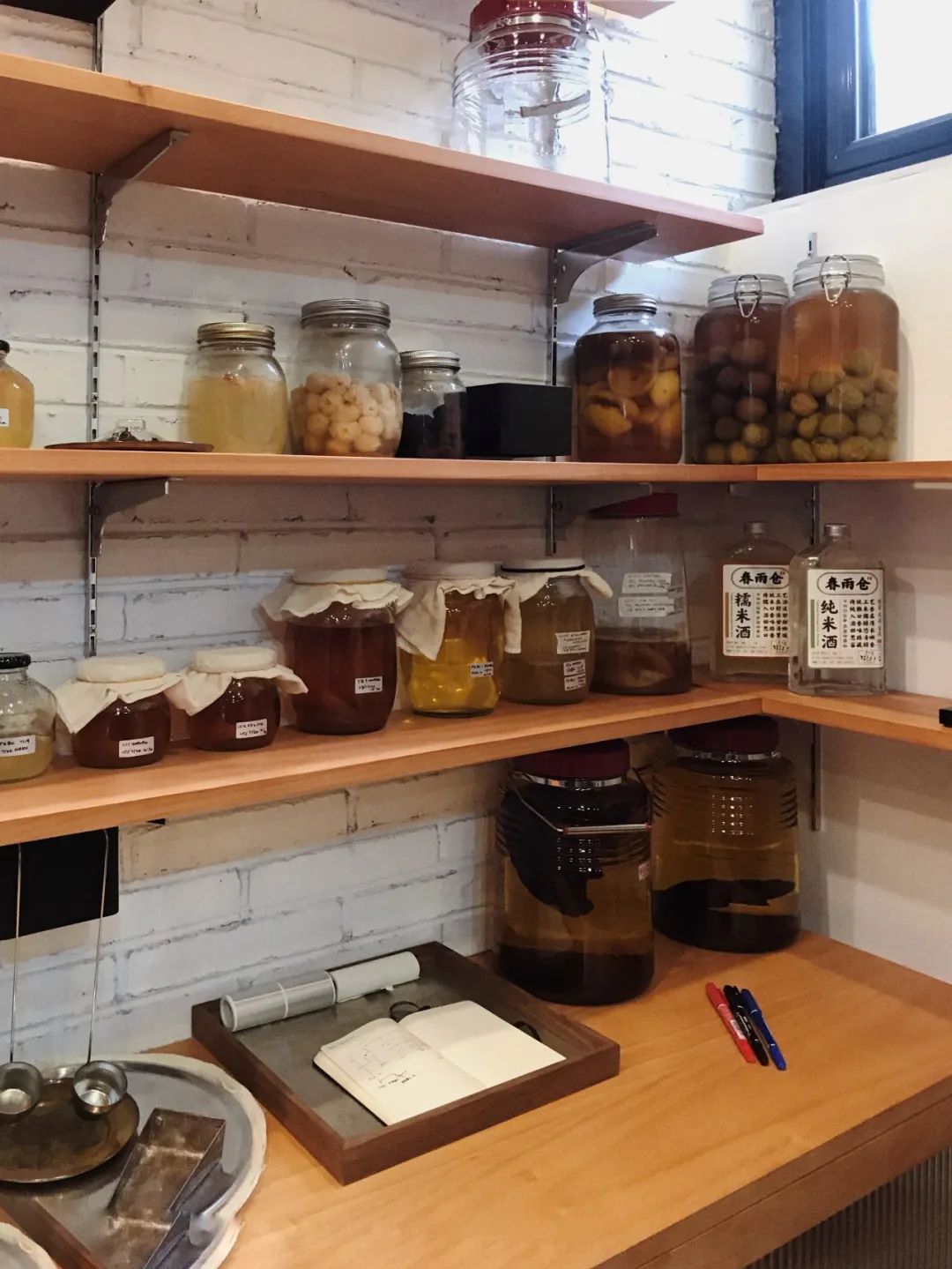
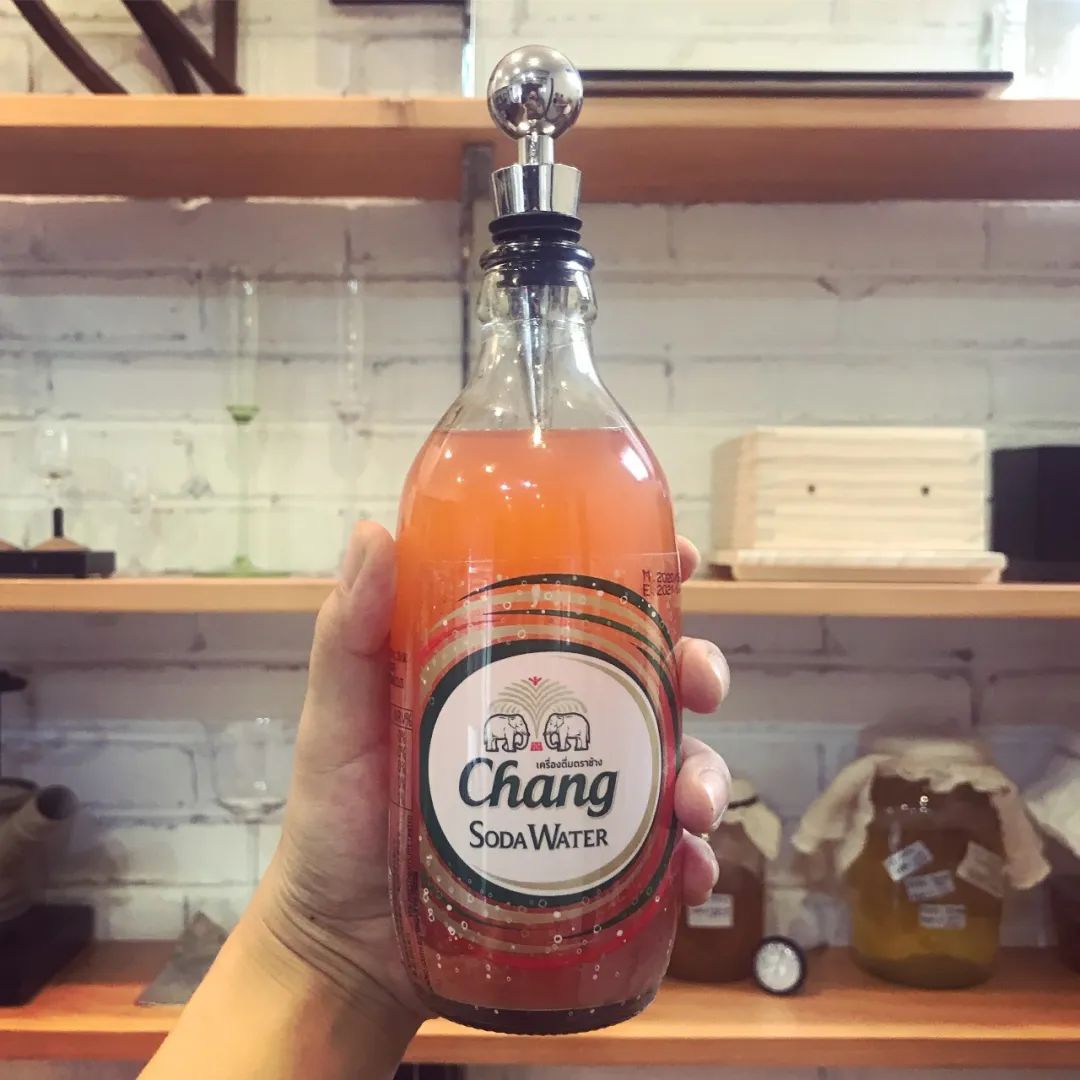
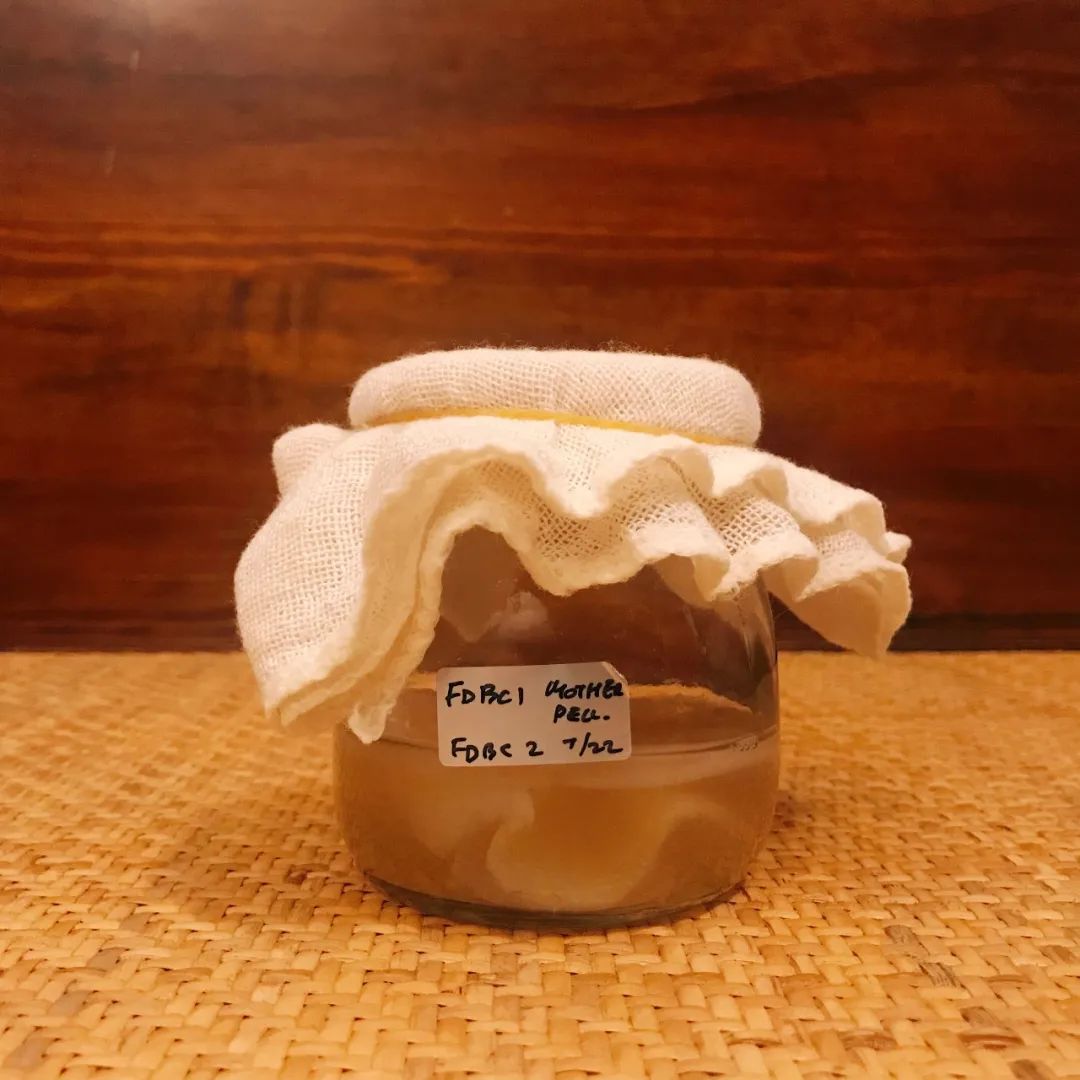
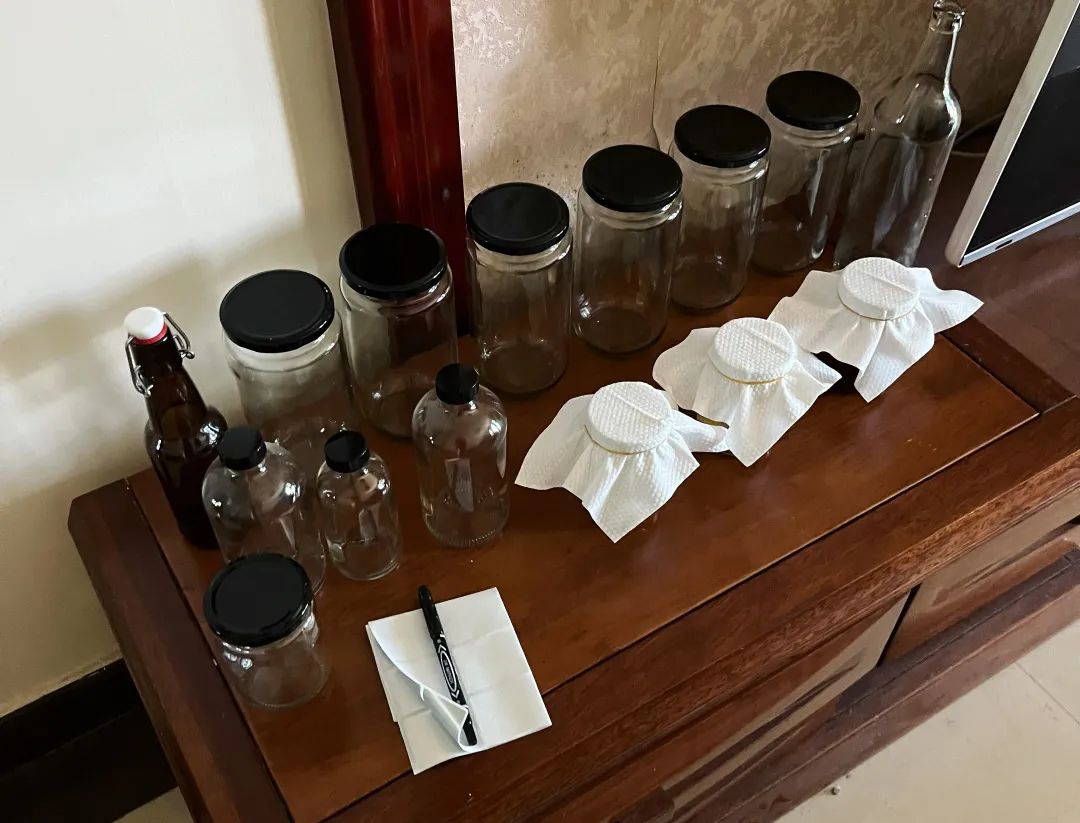
As with our usual gatherings, we shared good food, fine tea, and updates on our lives. After the meal, Shuyu and Kiwon produced two glass bottles from the fridge, introducing a “new friend” with an air of mystery and excitement. I had already noticed the glass jars arranged in staggered rows on the shelf; the dates and capital letters on the labels seemed like clues, one of which was marked “FDBC2 7/22”.
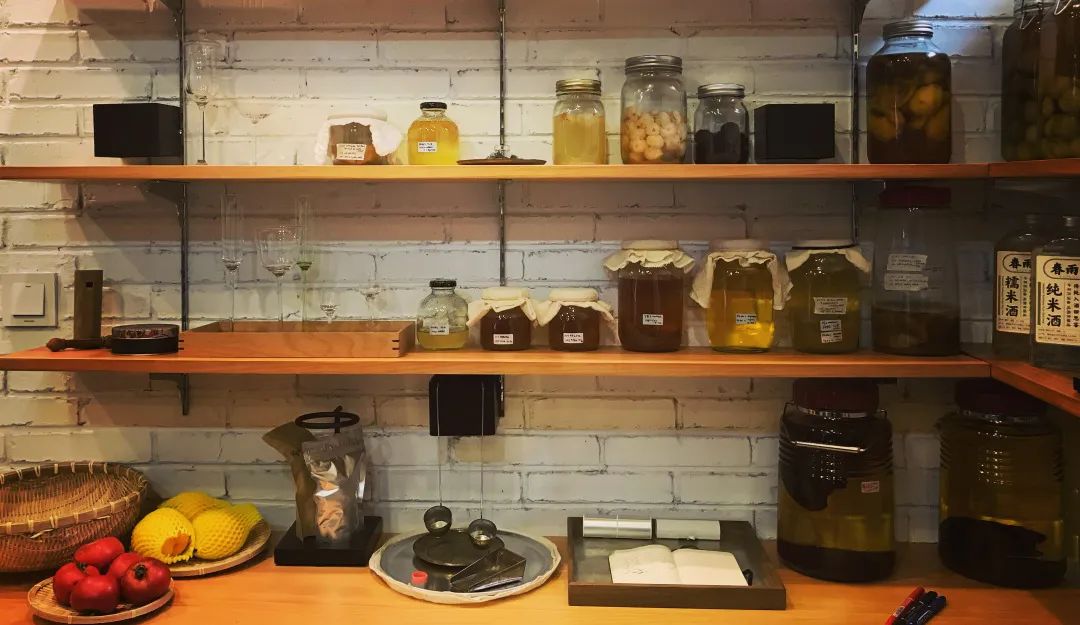
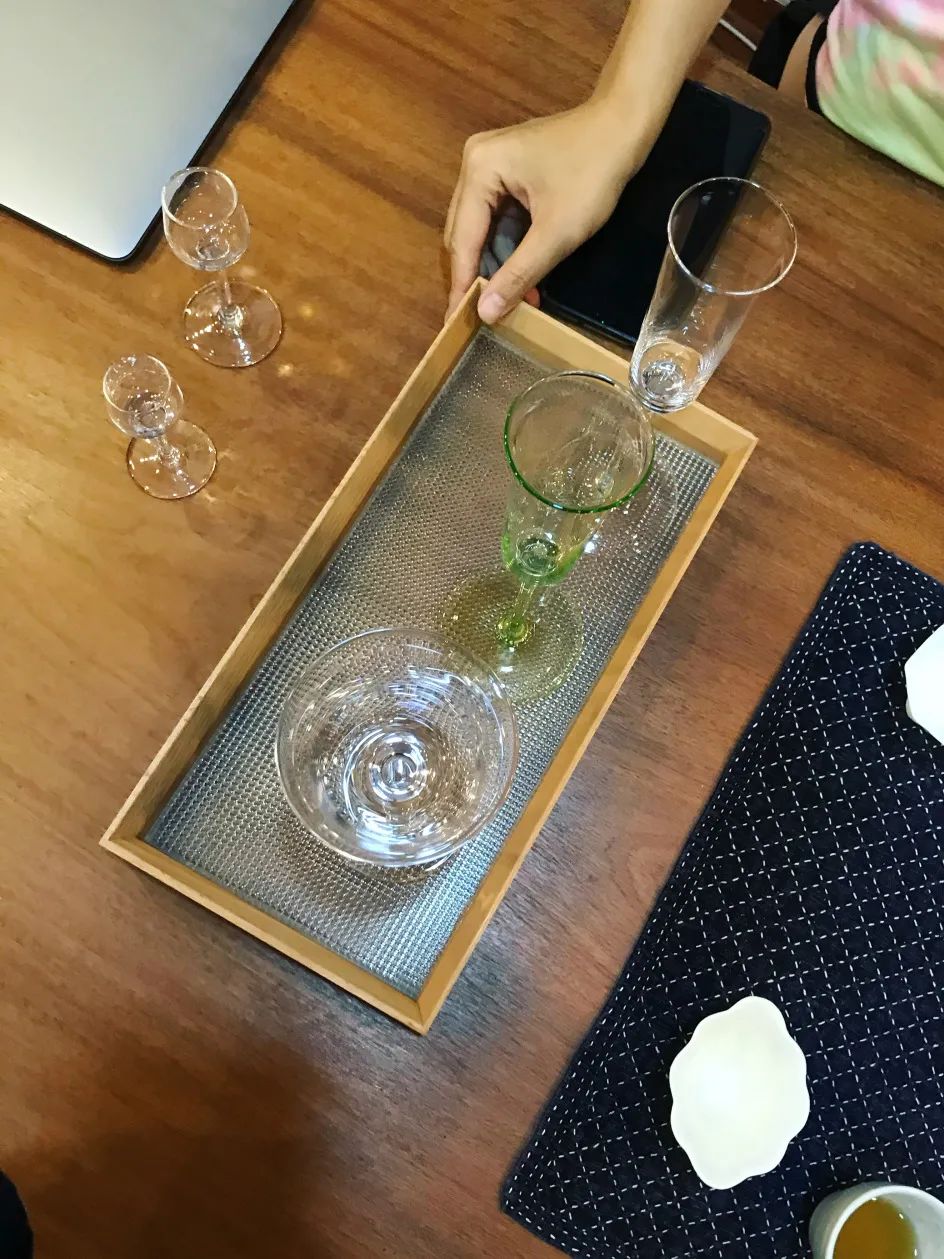
I will never forget that first sip—it was a long-forgotten sensory surprise. The chilled, pale apricot, crystalline liquid was sweet and tart upon entry, with fine bubbles popping one after another in a fizzy dance upon the tongue. Tea, flower, fruit, and fermented notes arrived all at once, almost overwhelming the senses. The acidity brought a fleeting sense of astringency, followed by the lightness and downy aroma characteristic of Bai Mudan (Fuding White Tea) unfolding and lingering in the mouth. As it turned out, “FDBC” stood for “Fuding Bai Cha”.
Clearly pleased with my reaction, they finally solved the mystery: this was “kombucha”, fermented using a base of tea and sugar, for which they had chosen Bai Mudan as the tea. The second glass, based on smoky Zhengshan Xiaozhong (Tongmu Guan Black Tea), offered a bright, crisp taste that was entirely different.
II. The Re-fermentation of Chinese Tea
At the time, I was tinkering with my pickling jars. Although the oxygen requirements for fermentation differ, I felt an immediate intuitive connection. I couldn’t help but marvel: those ethereal aromas that vanish into the steam of a hot drink are amplified and preserved through microbial metabolism and transformation, evolving into a deeper bouquet of scent and complexity.
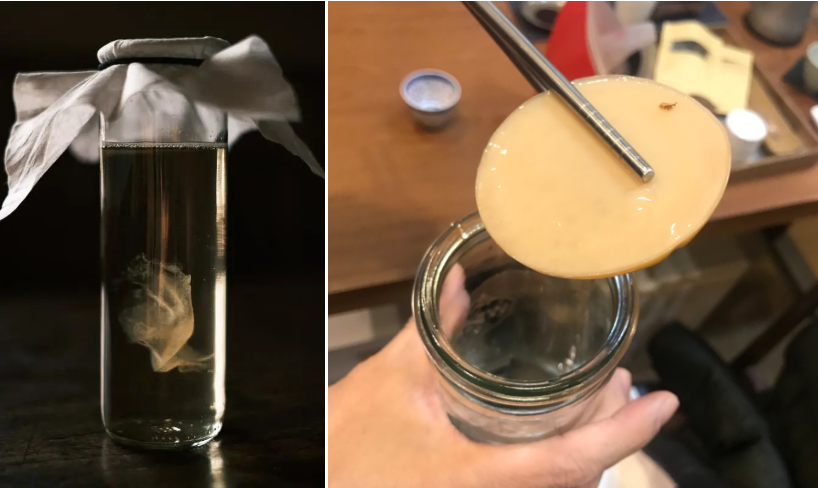
Shuyu first tasted kombucha at a vegetarian restaurant in the US; she remembered it as sweet, tart, and refreshing, leaving her feeling well and beneficial for gut health, with a wide variety of flavours to choose from. When she discovered that the original base for kombucha fermentation is tea, as a lover of Chinese tea, her instinct was: Chinese tea flavours are already so rich and varied; why add fruits or spices?
In the context of modern tea science, ‘tea’ is categorised by its degree of fermentation into six major types: green, yellow, white, oolong, red, and black. The flavour of tea arises from the organic fusion of cultivar, the age of the tree, altitude, terroir, garden management, processing techniques, and the skill of the brew. With so many variables and intersecting paths, tea contains an infinite universe of its own. Kombucha, by reintroducing fermentation into the drinking experience, allows these flavours to be extended and expanded once more.
Drawing on their own aesthetic tastes and their love for China, Shuyu and Kiwon’s kombucha fermentation experiments used only high-quality leaves. They tested various types and varieties of tea, with no intention of adding other aromatics to enhance the flavour. They were devoted to exploring the essence of tea, approaching it with a passion and rigour that bordered on the fundamentalist.
Today, kombucha has been co-opted by the food industry, with North America once again leading the way as food giants enter the market. No longer just a homemade fresh brew found in boutique restaurants, it now appears in a myriad of packaging styles across supermarket shelves and chillers.
Industrialised, standardised production has made the synthesis and processing of ‘flavour’ simpler and faster. While the choices available seem plentiful, they are in reality impoverished. Some ‘kombuchas’, in order to extend shelf life and ensure consistency of taste, undergo sterilisation, forcibly halting the fermentation process. Carbon dioxide is then pumped in to mimic the effervescence naturally produced during fermentation. Once the ‘kombucha’ has lost its vitality, it can no longer be used as a starter for home brewing. Like genetically modified seeds, it cannot be saved for the next crop; it can only be purchased again. For Shuyu and Kiwon, if they did not make it themselves, they would never again taste the flavours they loved. This was a choice and an act of reclaiming their ‘fermentation sovereignty’.
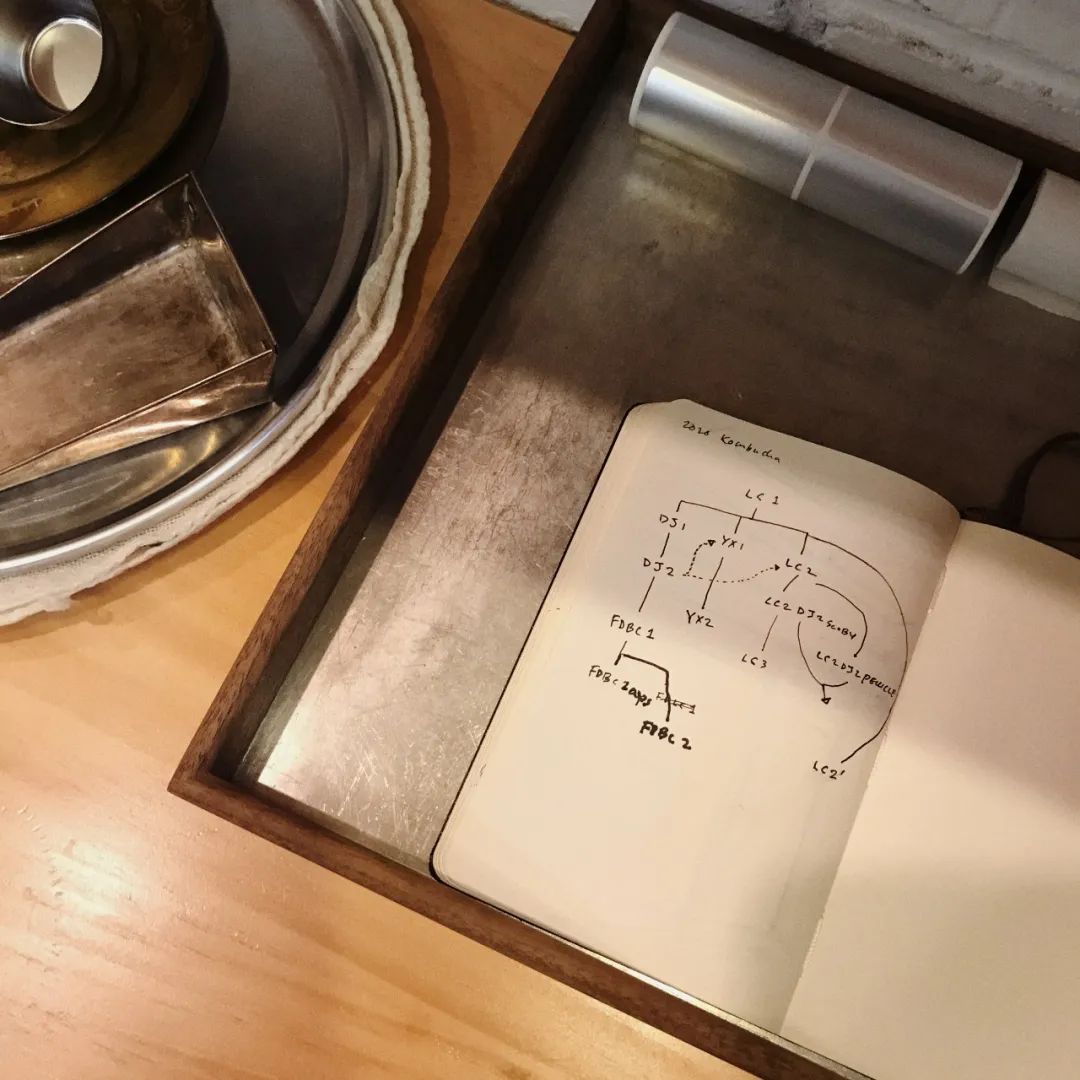
With a hint of excitement, Shuyu describes kombucha as their new ‘study’. She tells of how Kiwon tirelessly records the quantities, timing, and temperature of every batch, and how a single failed fermentation can leave him profoundly despondent. Her effortless spontaneity has met Kiwon’s relentless quest for answers: Shuyu accepts intuition and mystery, remaining open and honest toward the unknown, while Kiwon trusts in records and analysis, driven to question and resolve. The re-fermentation of the tea is also a re-fermentation of their relationship—this is, indeed, the new study.
III. Adoption and Domestication
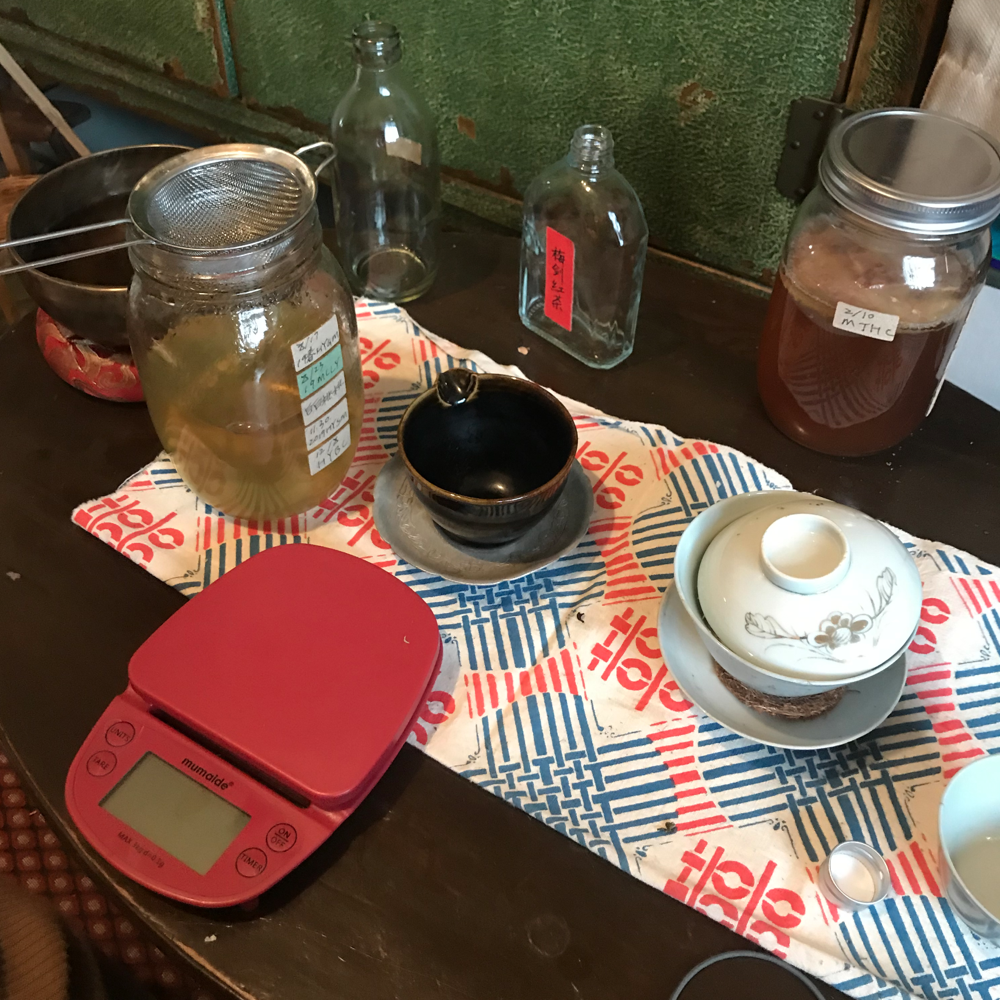
The tea, sugar, and water ratio they suggested was ‘1:10:100’. I had already encountered far too many ‘pinches’, ‘moderate amounts’, and ‘spoonfuls’ in various written and spoken recipes; ‘1:10:100’, by contrast, was an unambiguous parameter. Amidst a multitude of variables—the tea base, water quality, sugar source, temperature, time, humidity, air pressure, and the vessel—it served as a benchmark, allowing room for fluctuation and adjustment. It was not a dogmatic law, yet it became a golden ratio I came to trust implicitly, like a restaurant warmly recommended by a friend that eventually becomes a personal staple one never tires of.
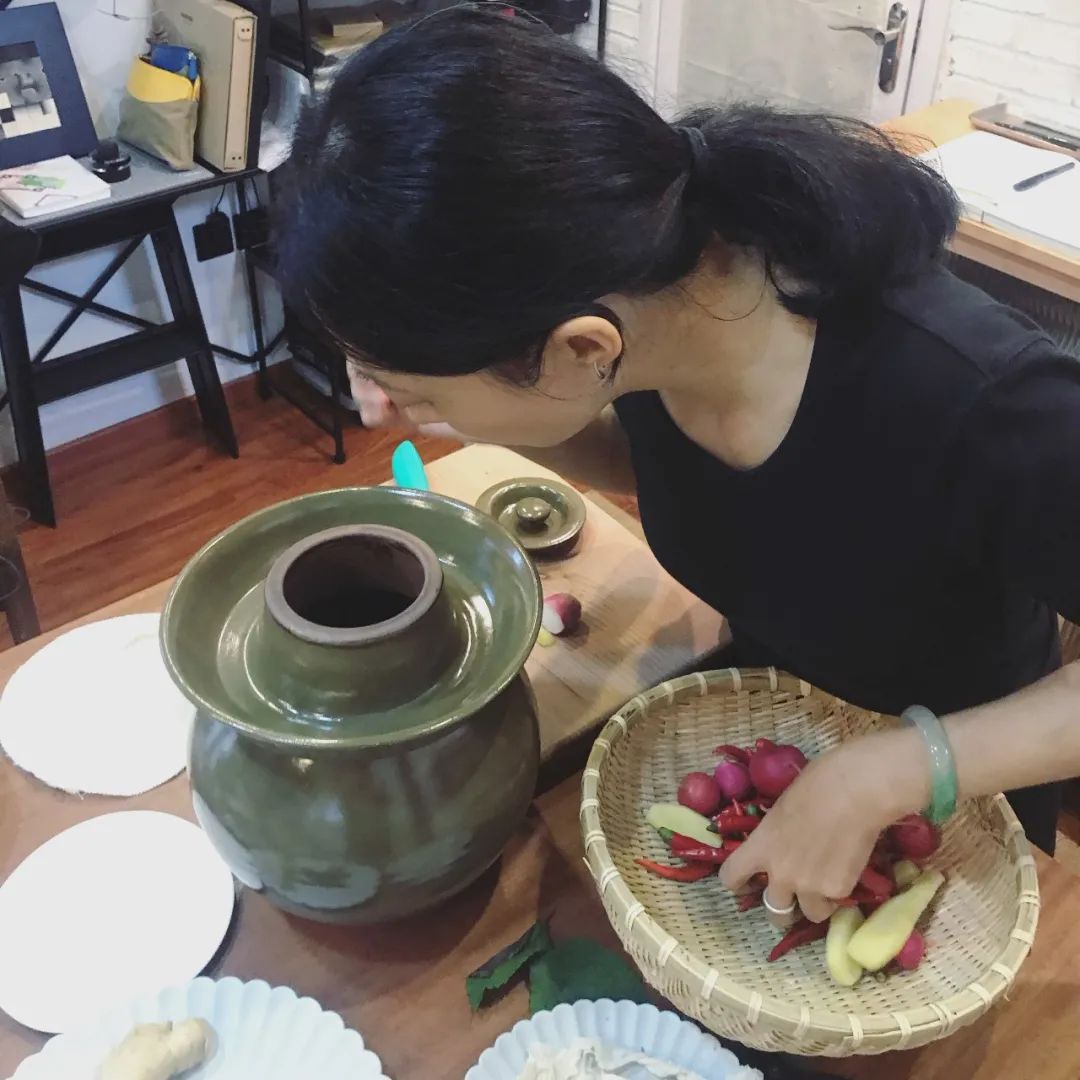
I was eager to begin the kombucha fermentation, yet fermentation demands patience; humans are merely assistants to time and microbes. The adopted culture entered the micro-environment of my home, encountering ‘indigenous’ microorganisms and gradually forming a new ecosystem. Microbes and I, sharing the same time and space, adapted to one another in a process of mutual domestication.
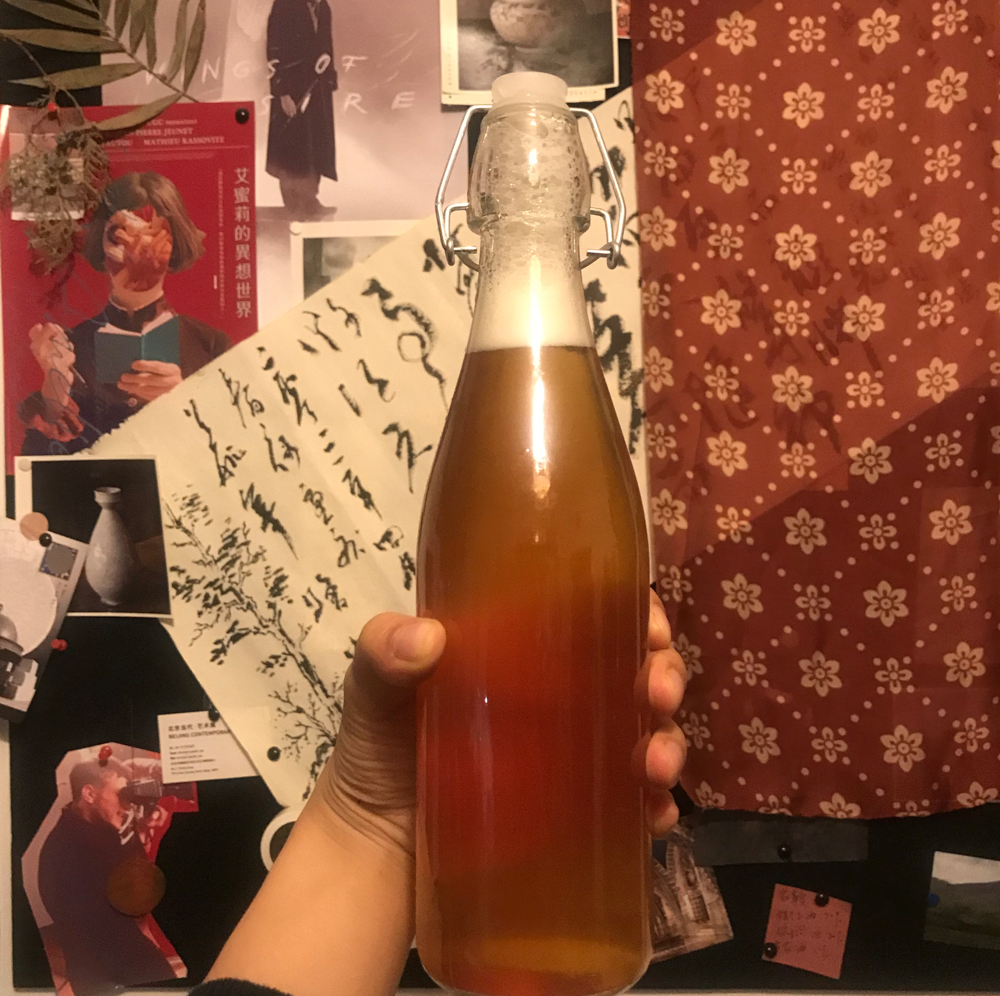
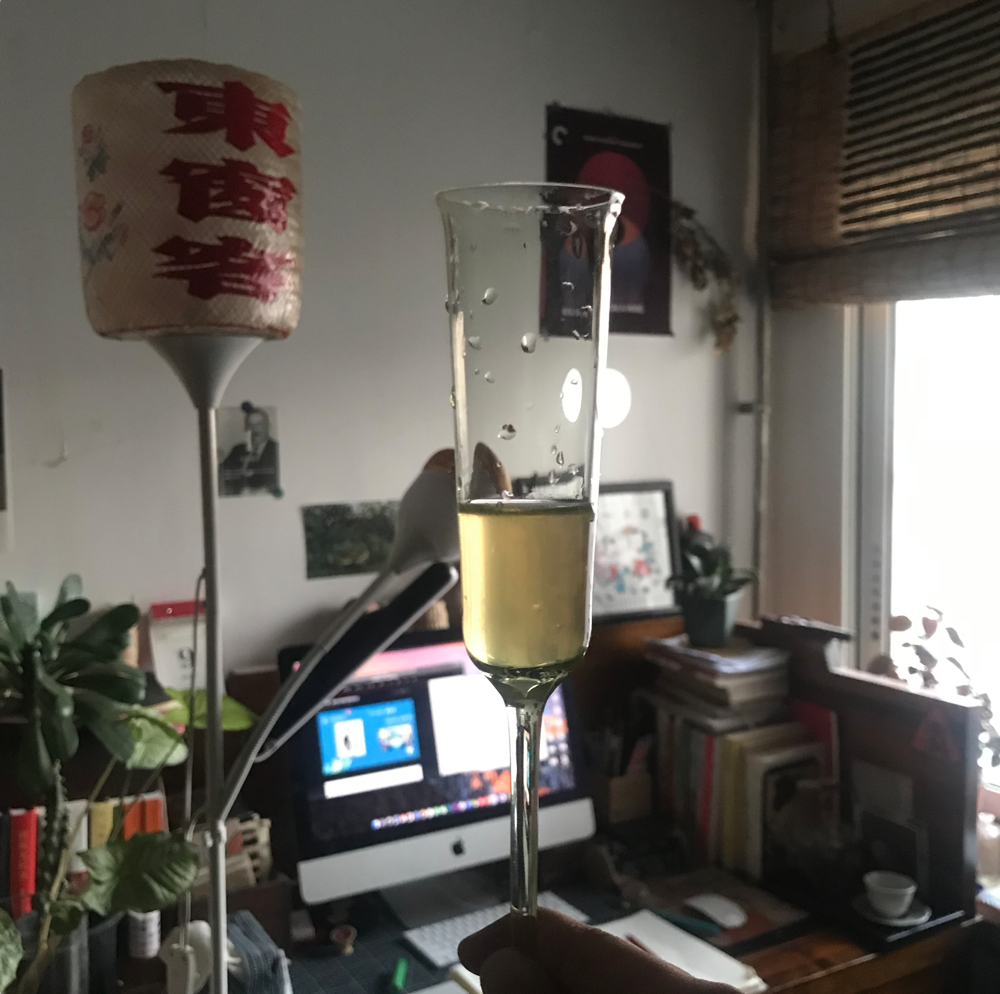
IV. Propagation and Sharing
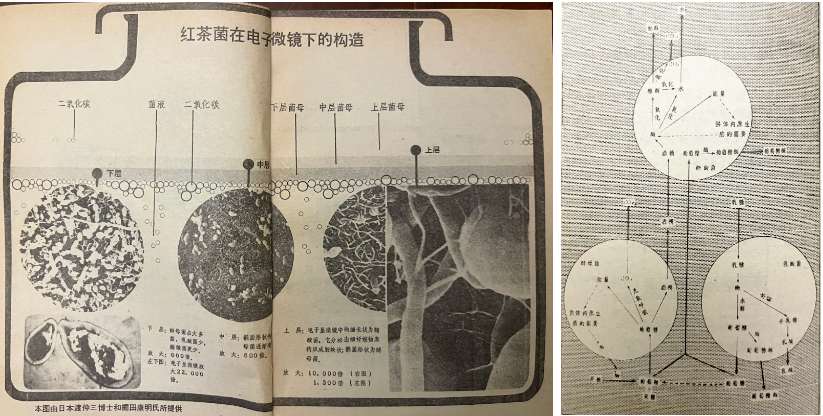
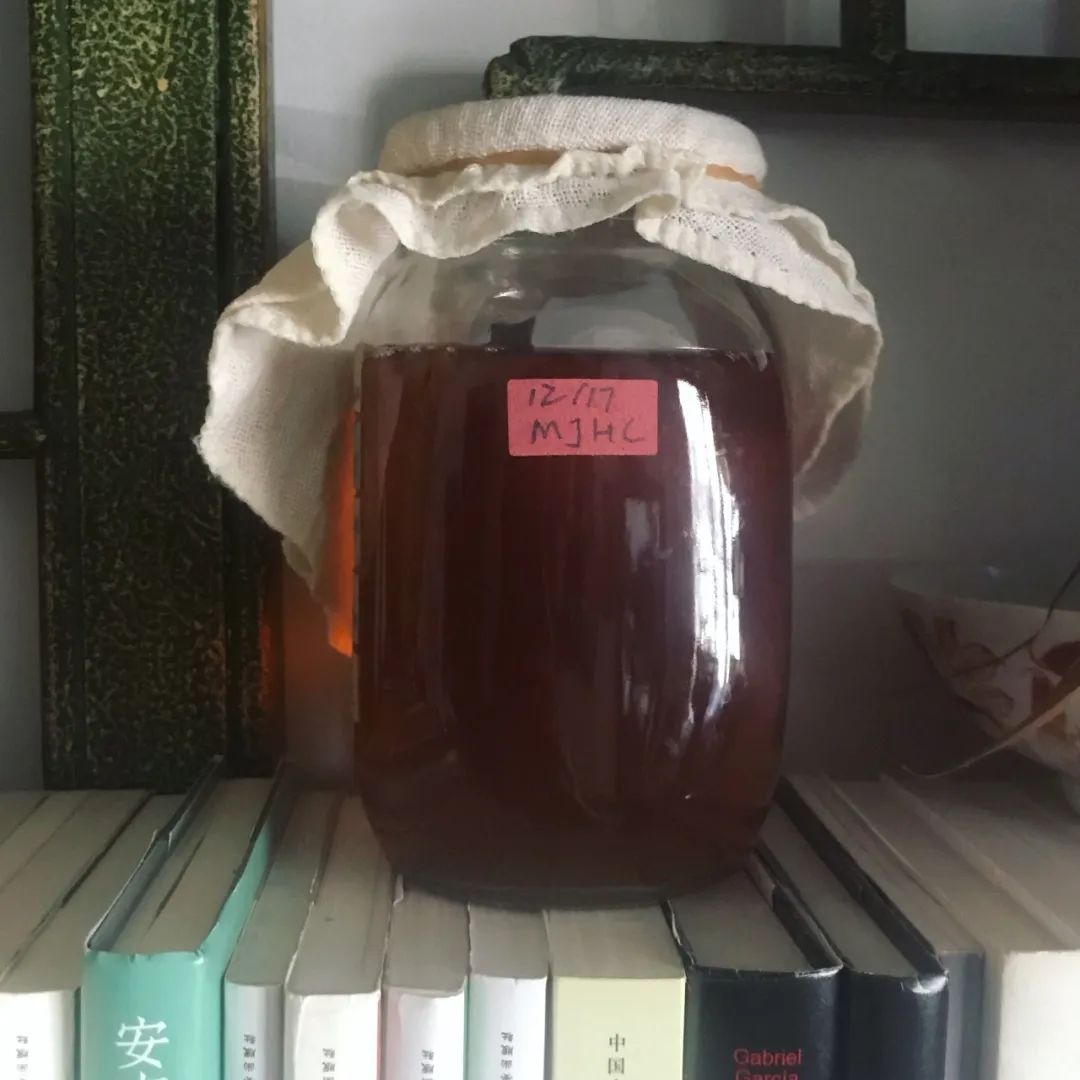
Kombucha is open. Because it is an aerobic fermentation, it can be seen and smelled. Rather than saying the container holds the microorganisms, it is more that the microorganisms envelop the container. I am reminded of what Neale Donald Walsch wrote in *Conversations with God*: “The soul is the container of the body”. Scent drifts and diffuses, joy drifts and diffuses, and then comes the diffusion of the culture.
Just as I first acquired the culture, I began to share it with others. Production and reproduction, sharing and re-sharing.
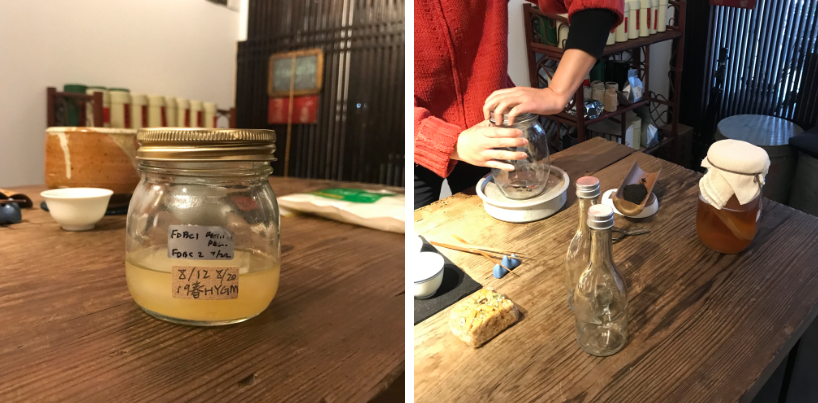
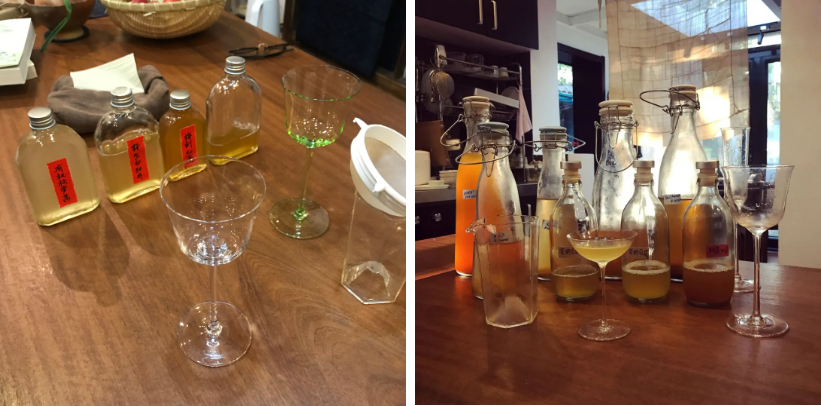
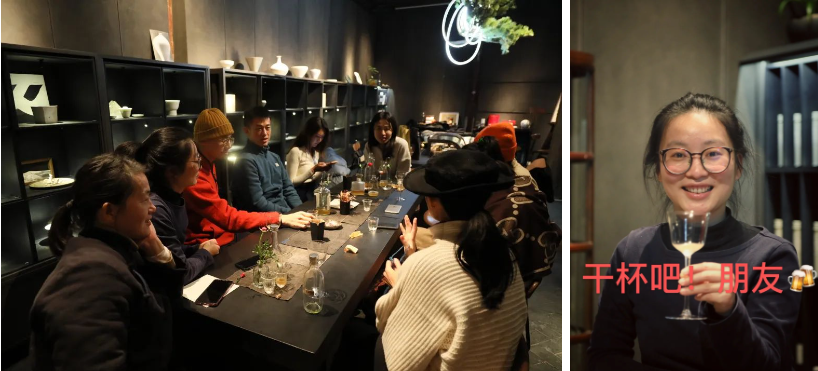
An increasing number of friends have joined this kombucha “symbiotic culture”, and we have begun visiting one another, bringing along our homemade brews. In the beginning, we jokingly referred to Shuyu as the “Mother Culture” and Kiwon as the “Father Yeast”. After all, the kombucha we all brew originated from the strains they cultivated, creating a “family tree” we could trace back. Simultaneously, we shared our own strains, as the cultures proliferated, spread, and intertwined. Eventually, this evolved into an impromptu sort of sensory board game: a blind kombucha tasting party.
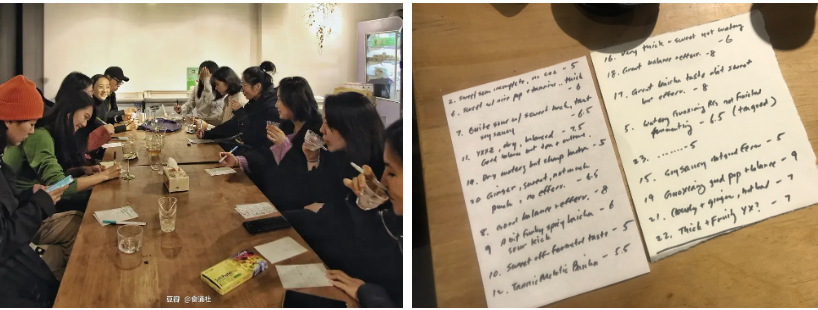
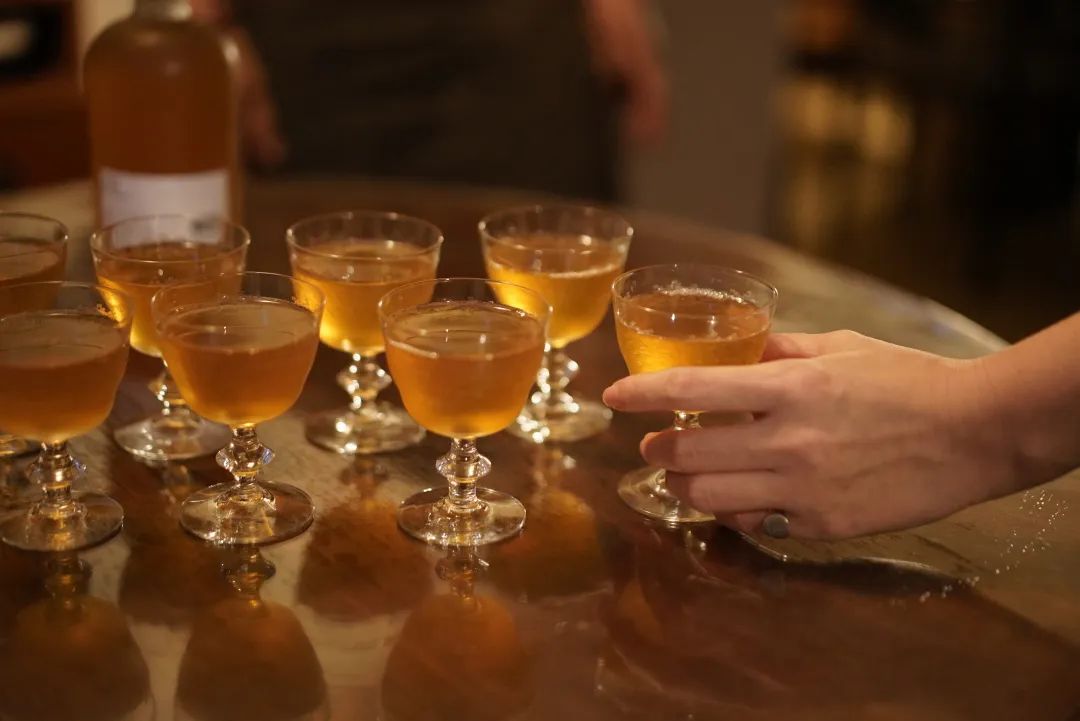
At these tastings, each bottle brought along is assigned a number to keep the maker anonymous. The kombucha is poured into a fairness cup and served in small portions; we record our impressions and scores on paper, ultimately selecting the top ten. The host, providing the venue, presents the “champion” with a small surprise gift.
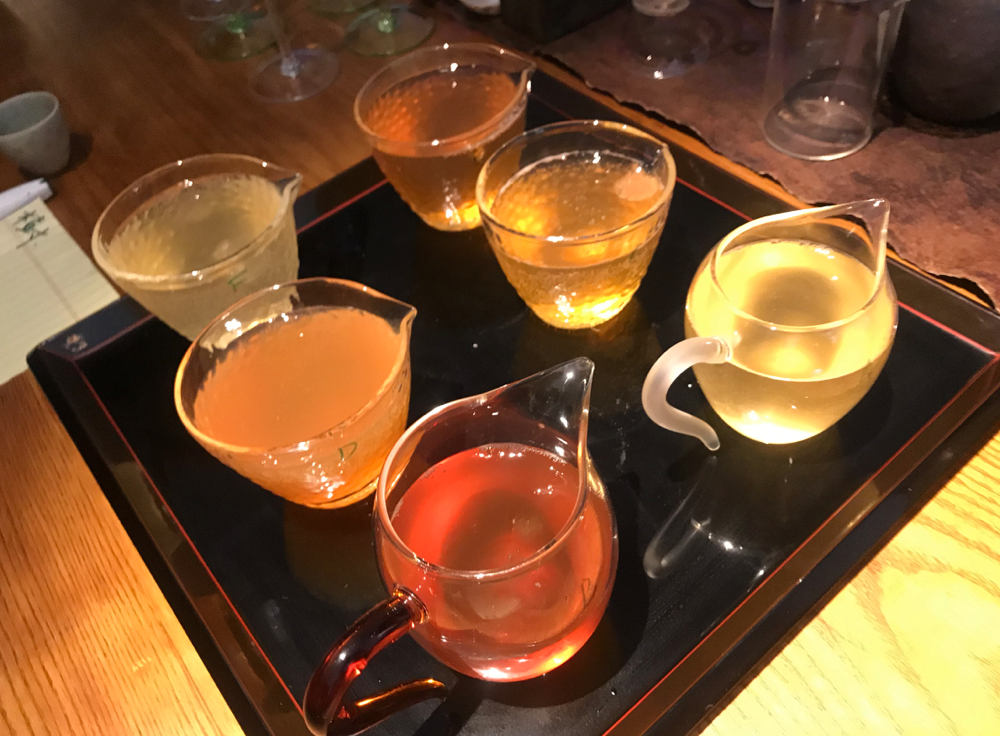
The ‘champion’ chosen is our final tacit agreement on ‘seeking common ground while reserving differences’—yes, we still believe in that phrase. In a world of increasing polarisation and conflict, we gather around a table to engage in an intellectual practice of ‘seeking common ground while reserving differences’ through kombucha. Within this sharing, exchanging, and dialogue, a microbial ‘blockchain’ is generated and proliferated, putting the ideal of ‘decentralisation’ into practice.
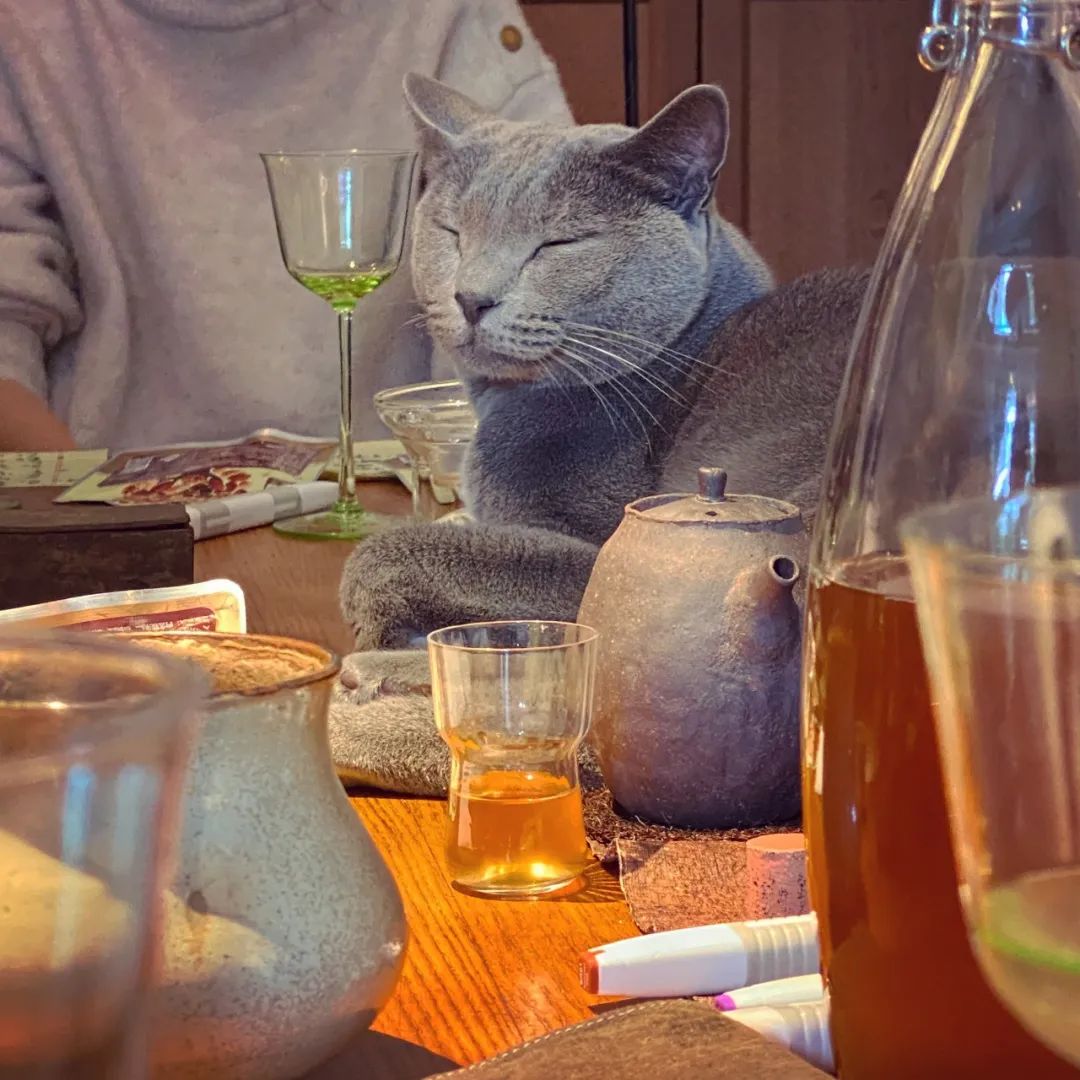
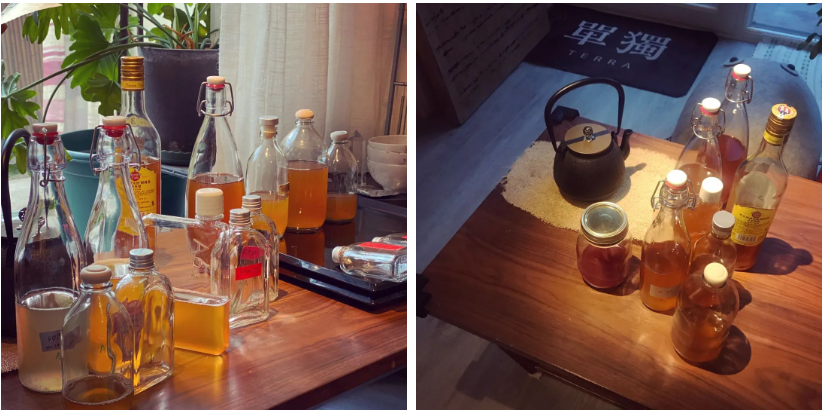
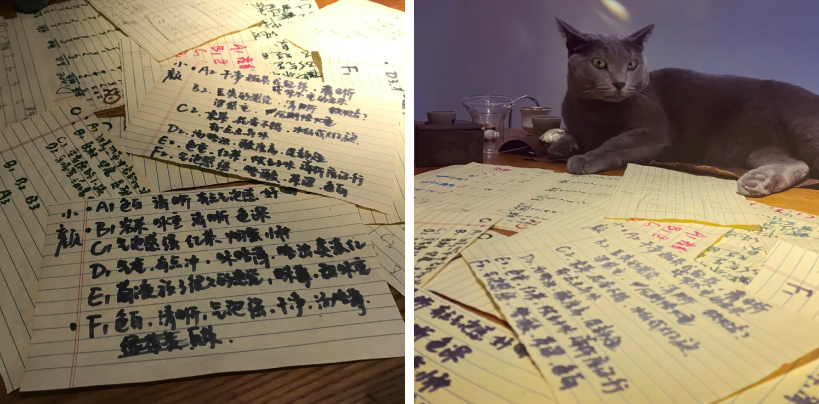
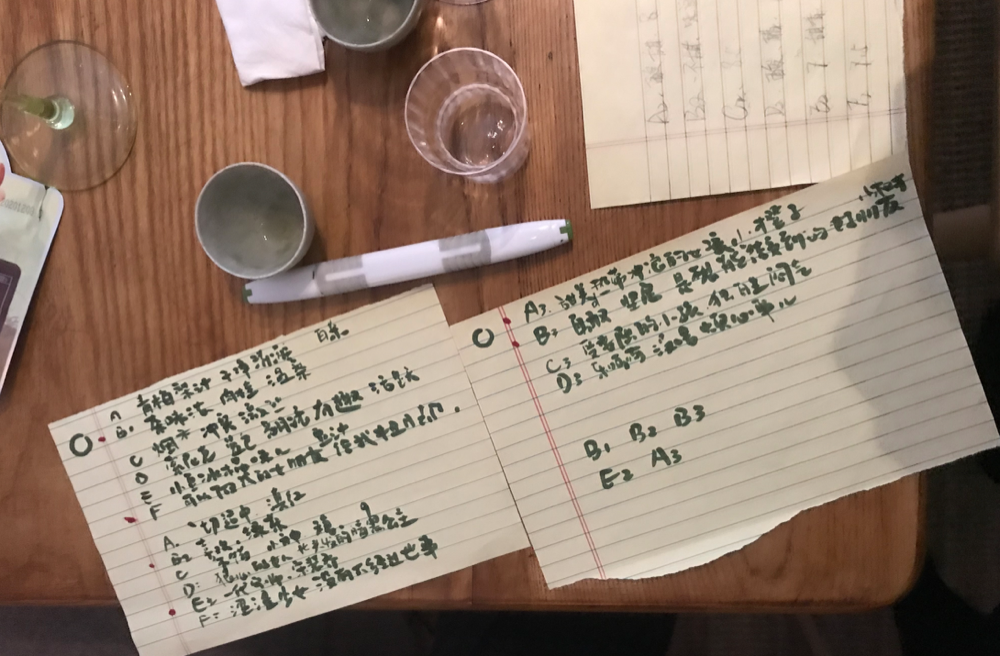
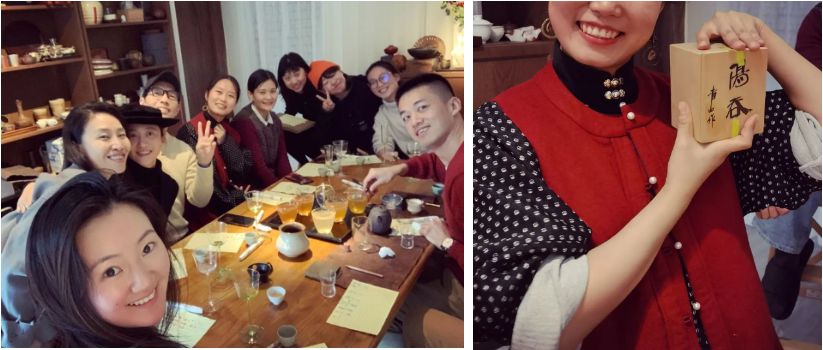
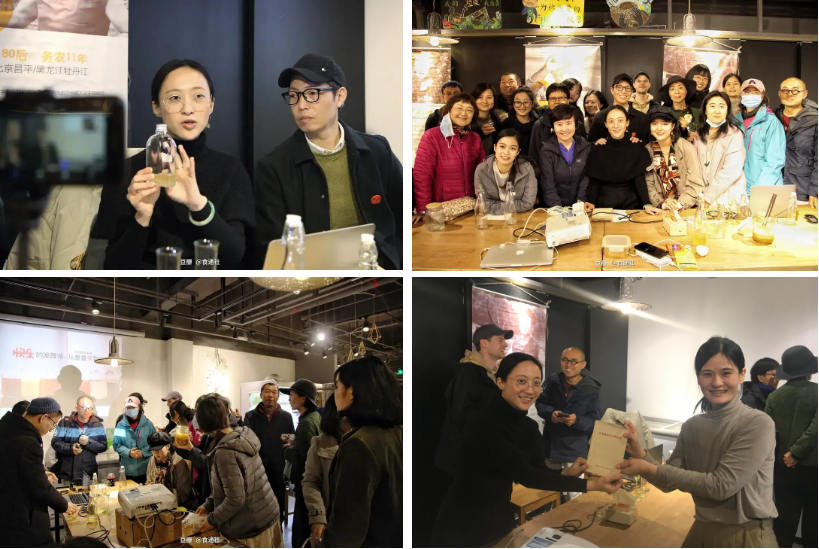
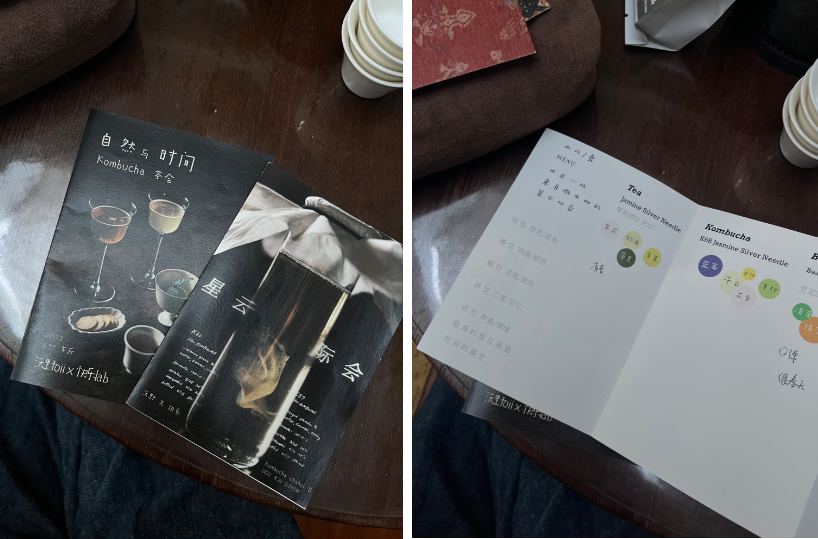
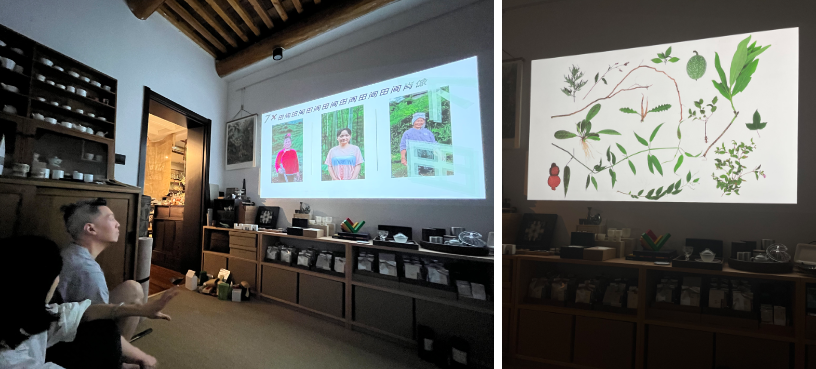
I brought the kombucha to the Foodthink office, where it became an occasional post-lunch treat. While there, my colleagues and I began brewing a kombucha-themed sharing session, officially inviting Shuyu and Kiwon to share their fermentation stories with the public.
While designing the event poster, Shuyu happened to point to a glass ornament on the table engraved with the word ‘Happiness’: ‘Let’s call it Happy Cultures’. It was simple, yet so apt; these cultures truly bring us sensory, emotional, and social joy. This logo was subsequently adopted and retained, becoming the official name of their fermentation studio.
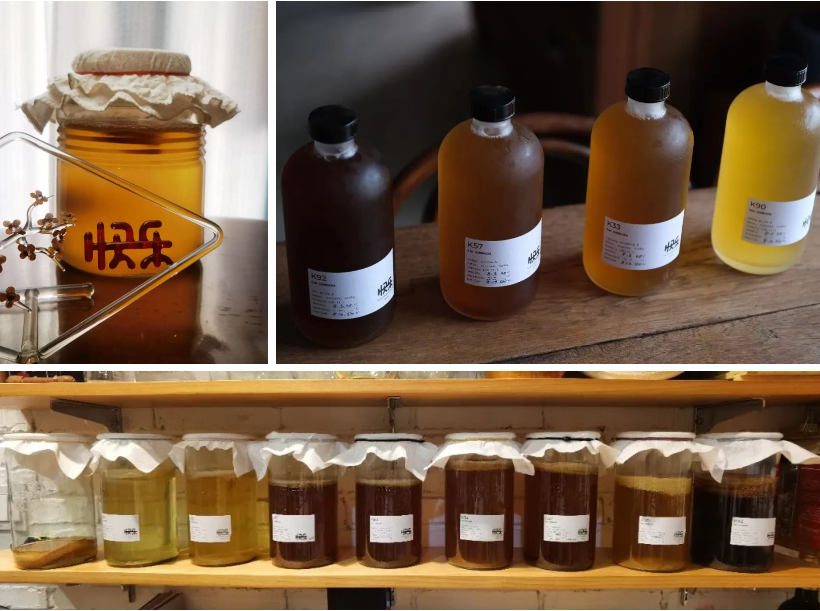
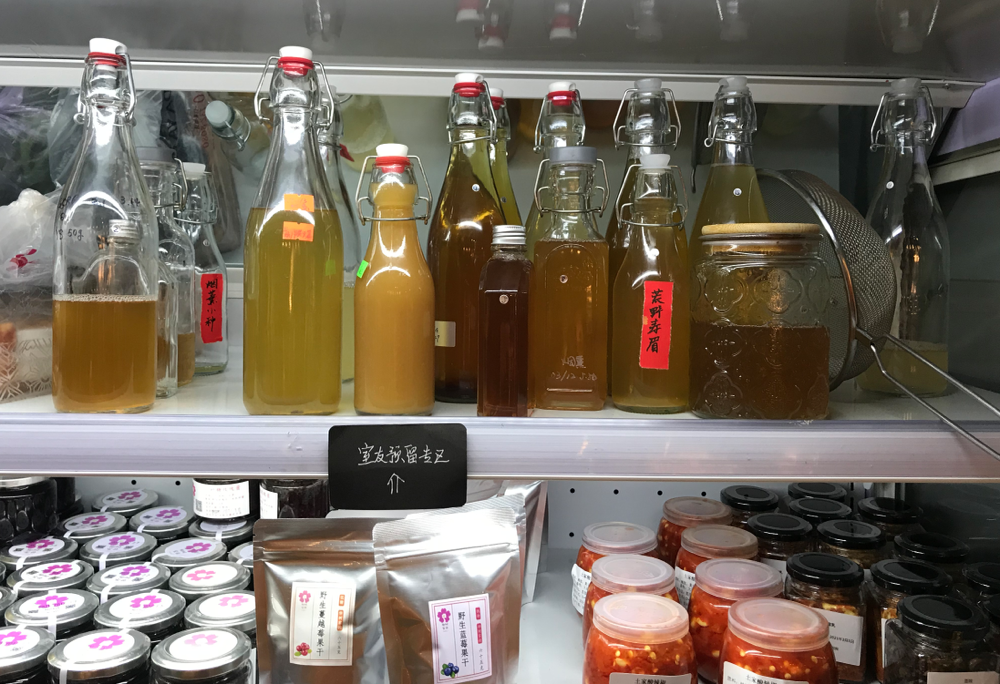
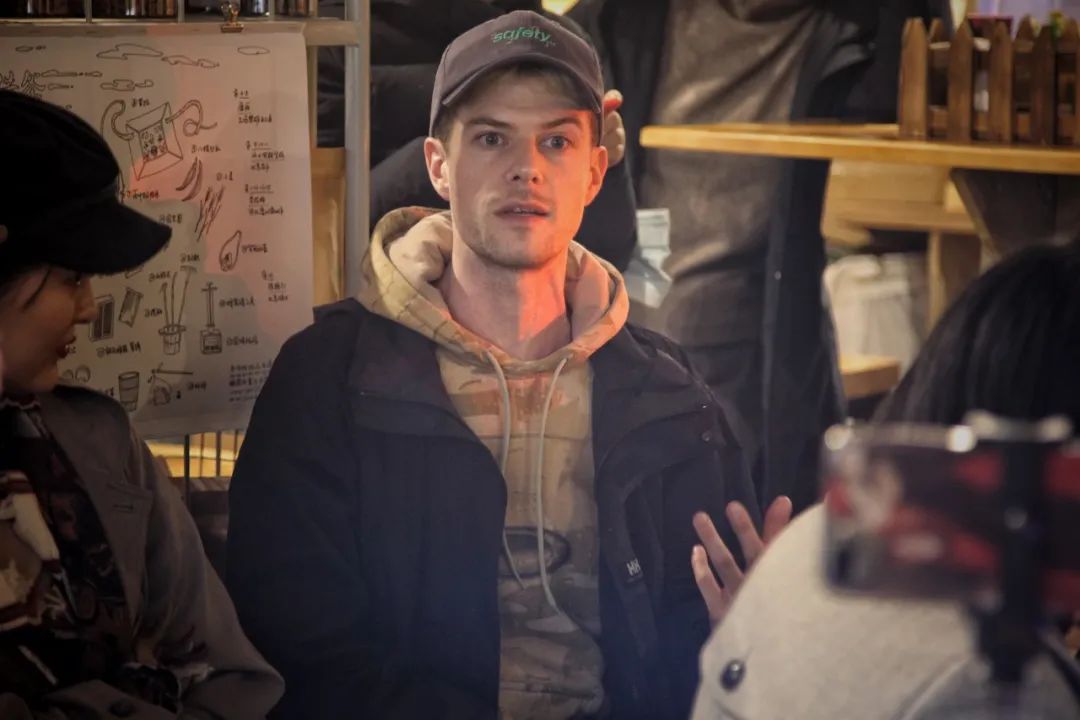
That day, before the sharing session officially began, friends from ‘Happy Flora’ brought along an array of bottles and jars of their recent ferments for a private tasting. On this occasion, Xiao Chao, a colleague from Foodthink and a complete novice, managed to win the top prize. In the unpredictable world of fermentation, there is always the delight of a ‘wild strain’ rising to the top. As for the remaining starter liquid, it was adopted and carried home by members of the audience who had brought their own glass containers.
V. Diaspora and Revitalisation
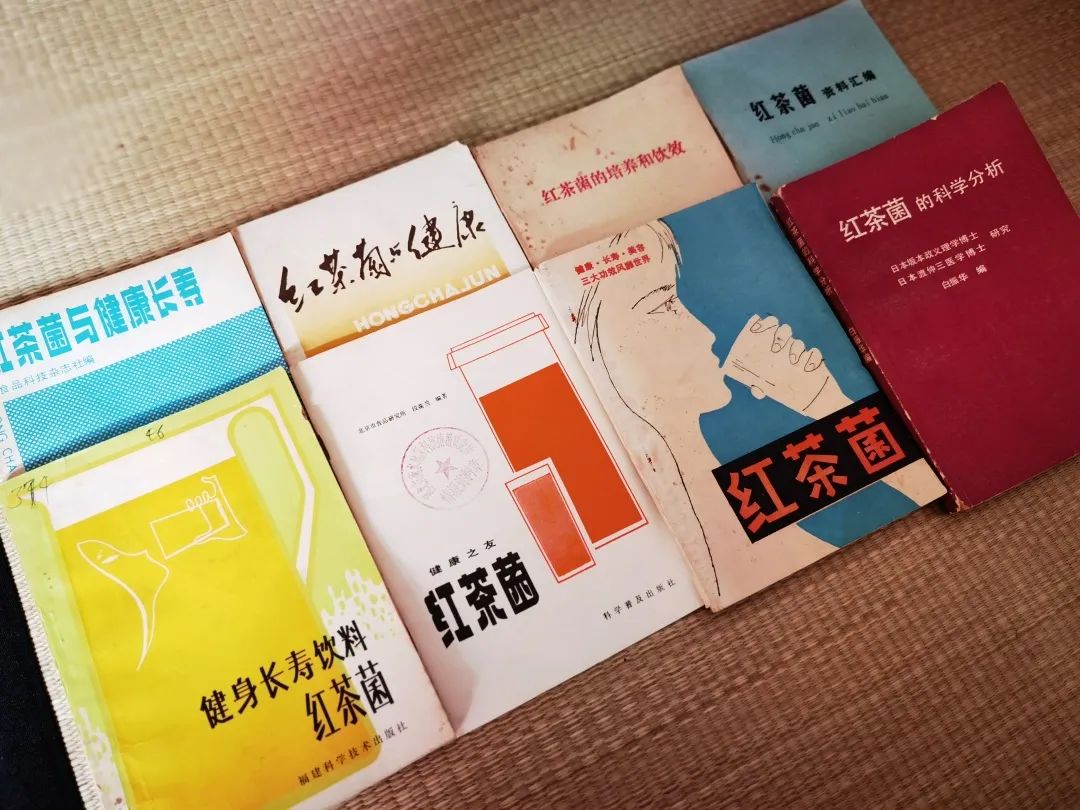
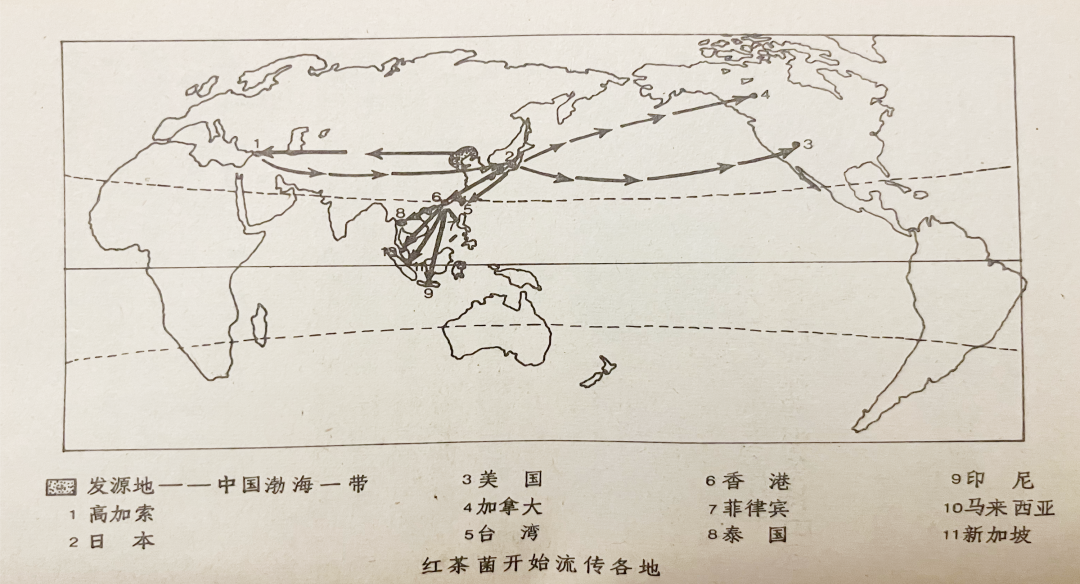
During this time, kombucha returned to the mainland several times. During the fermentation craze of the eighties, a series of books were published: demystifying the principles of fermentation, detailing its benefits, and listing folk cases… within these fragments, there were also vague mentions of its presence during the early Republic of China era and after the War of Resistance.
How did the ‘Haibaos’ of the eighties, once so fashionable, eventually fade? Perhaps the accelerating winds of Reform and Opening-up brought about the proliferation of wealth and the fermentation of consumerism, leading us into new myths. Kombucha has surged, vanished, returned, and surged again in China; its losses and triumphs have all resided within the shifting climates of the era.
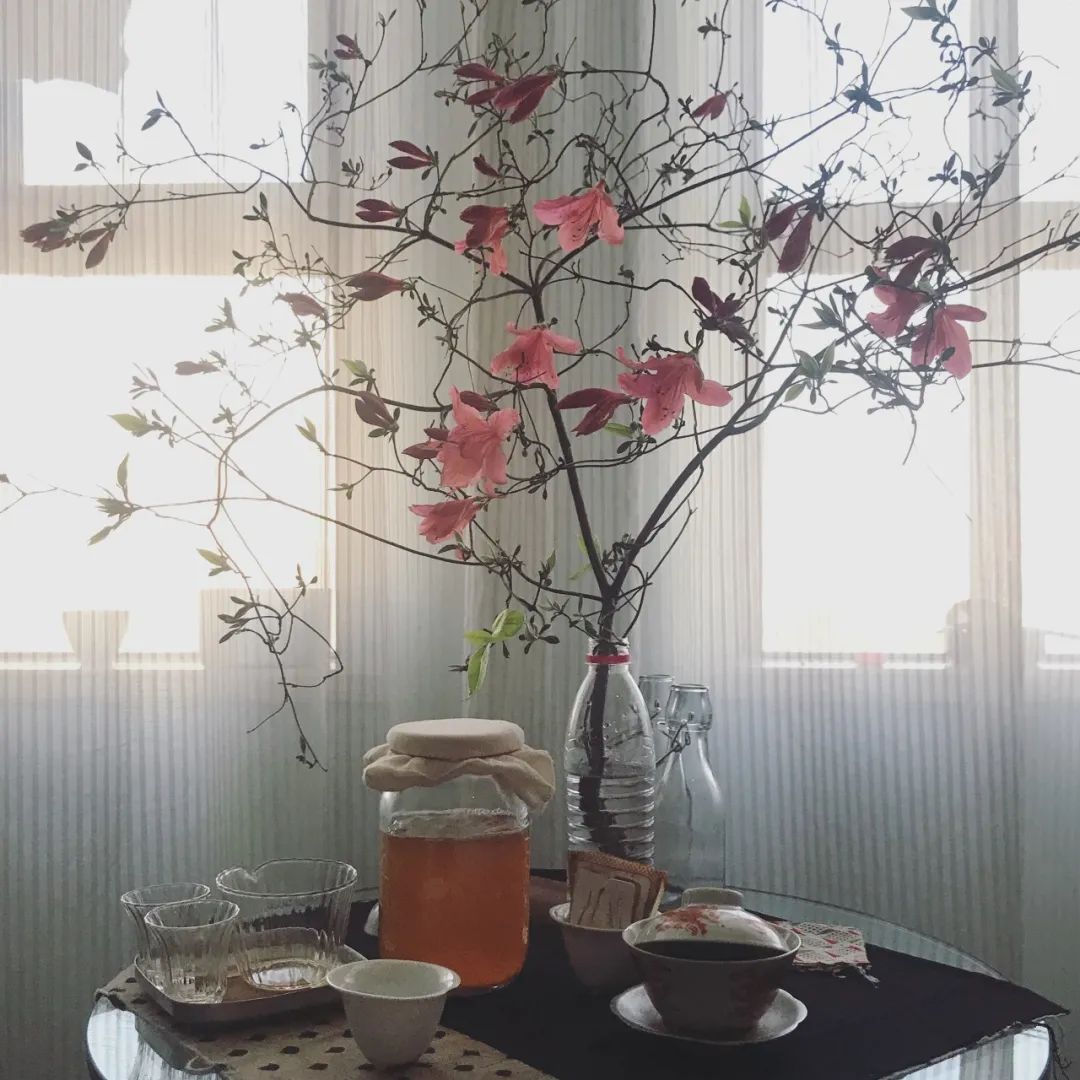
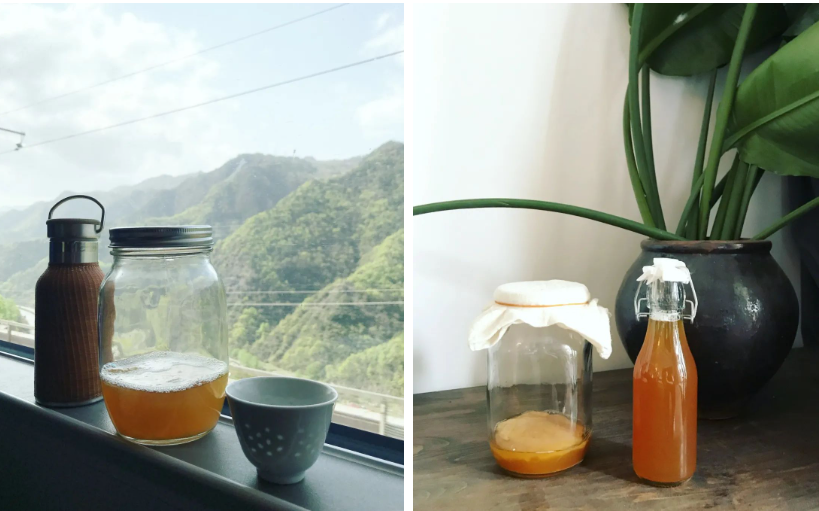
In the spring of 2022, once I had settled into life in the small town, I took out the SCOBY I had brought back from Beijing. After a long period of refrigeration, they had grown frail; the liquid was clear and still, the pellicle lying dormant at the bottom of the jar.
Together, we began a difficult process of adaptation; I confronted the conditions of their native environment, while they, with their flickering vitality, encountered a whole new place. Fermentation became hesitant and withdrawn; the liquid seemed stagnant, time almost froze, and my senses lost touch with the process. Two weeks later, flocculent strands finally emerged in the liquid, bubbles rose slowly, and the familiar sweet-and-sour aroma drifted back into the air. After round upon round of replenishing and nursing the tea and sugar water, the colony grew strong again, reuniting to form a dense pellicle.
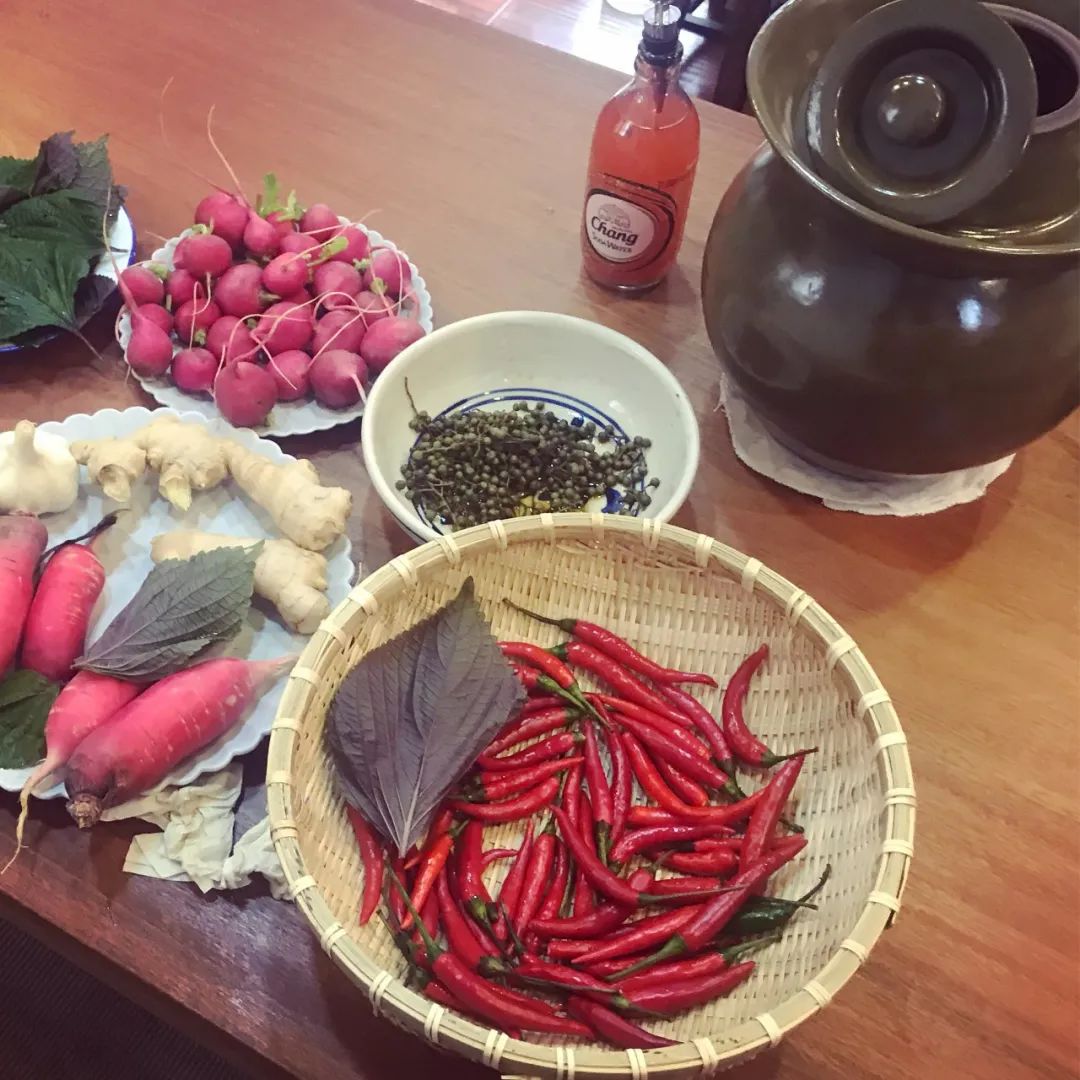
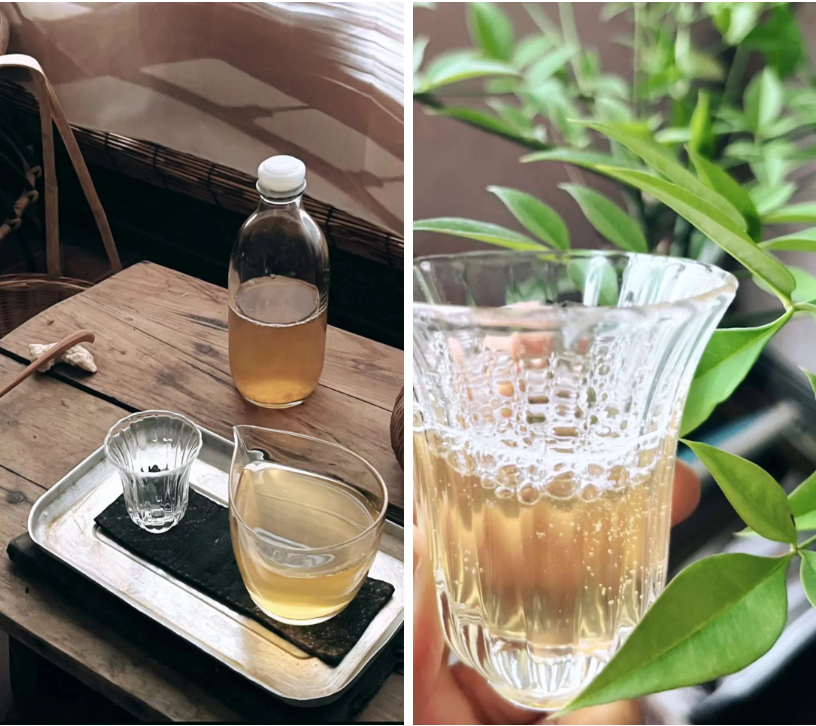
The first bottle ready for drinking matured during the sudden ‘silence’ of April. This time, I shared the drink with my mother. She had gathered bitter wheat and pokeweed from the neighbourhood. Through gathering and fermenting, we weathered the chaos and panic of that spring.
VI. Reunion
But there is no such thing as a quiet desk in this world, nor is there any fermentation in isolation. Successive lockdowns led to a loss of microbial control—at one point, due to delays in bottling materials, kombucha that could not be harvested in time ended up being poured down the sink.
The post-meal kombucha this time was a recently fermented Ancient Tree Ripe Pu-erh, its richness and velvety texture offering an entirely new experience and dimension. Kiwon once likened “tea” to a musical score; brewing or fermenting, then, is the “performance”, and everyone has their own way of playing. They are clearly becoming increasingly accomplished musicians. Those patient, meticulous records are the identity codes and taste memories of every bottle of kombucha, providing space for calibration and reflection in future fermentations. Just as they believed, the vast expanse of Chinese tea holds infinite possibilities; they have carved out their own style and path, and continue to delve deeper.
They are my genius friends who, amidst the various uncertainties inside and outside the jar—the macro and the micro—possess a steady, confident anchor as they forge ahead.
I always wish life could be like a perfectly fermented jar of kombucha: a balance of sweet and sour, a wonderful taste, dense bubbles, and a rich aftertaste. But how can fermentation be “perfect”? Life cannot be entirely controlled. I cannot provide these microorganisms with a stable environment for fermentation, just as I cannot provide one for myself. I have experienced many failed fermentations—bitter, cloyingly sweet, sour, or plagued by contaminant bacteria. At their root, these were ruptures in the colonies, ecological imbalances, where one strain dominated and the community collapsed. But in the end, it was simply a matter of starting the batch again. As long as the culture remains, there is possibility.
Within decay, turns and rebirth are brewing. Amidst the loss of control and confusion of life, we ferment our own quality and clues, continuously renewing and layering a new self through decay and entanglement. So-called growth is also a state of fermentation, with time as its vessel. Complexity and diversity become flavour; the pursuit of ideals and truth becomes nourishment.
The great teachers, dear friends, and close kin I have encountered in my life have preserved the culture for me. They taught me to constantly practise, to record, and to reflect. Only through practise can activity be maintained. Only through recording can we avoid forgetting. Only through reflection can we heal and move forward.
Enough of my rambling; this piece is the record and reflection on kombucha that I have brewed over these last three years. As for the stories of these microorganisms, they will continue to be updated, continue to ferment, and remain open for sharing.
*Kombucha and Health & Longevity*, edited by Food Science and Technology Magazine, Gongshang Publishing House, 1st Edition, Beijing, July 1981
*Scientific Analysis of Kombucha*, research by Dr Masayoshi Sakamoto (PhD) and Dr Nakazo Watari (MD), Japan, edited by Bai Zhenhua
When a Stanford astronomer and a Normal University designer make kombucha together, Black Rice Chatroom https://www.xiaoyuzhoufm.com/episode/63b8273cda83c49d996a5dcd?s=eyJ1IjogIjYwZDVjMDk5ZTBmNWU3MjNiYmM1ODIyMSJ9
“Research Progress on the Sensory Quality and Related Chemical Components of Kombucha”, by Tian Wenxin, Shen Jingjing, Dang Hui, Bu Xianpan, Tang Dejian, Zhang Baoshan, Zhao Yu, *Food Industry Science and Technology*, Vol 43, Issue 24, December 2022
Acknowledgements
Shuyu, Kiwon
and all the friends who participated in this open colony
Unless otherwise stated,
all images in this article were provided by the author
Editor: Wang Hao