
Is climate change in rural areas really just a ‘natural disaster’?
Foodthink’s Take
What kind of agricultural systems and rural realities do today’s farmers actually live in?
How should the macro-issue of climate change be situated within the micro, concrete realities of the countryside to be properly understood?
And how can social organisations rooted in rural communities align climate action with the actual needs of rural development?
These questions have far from been sufficiently discussed.
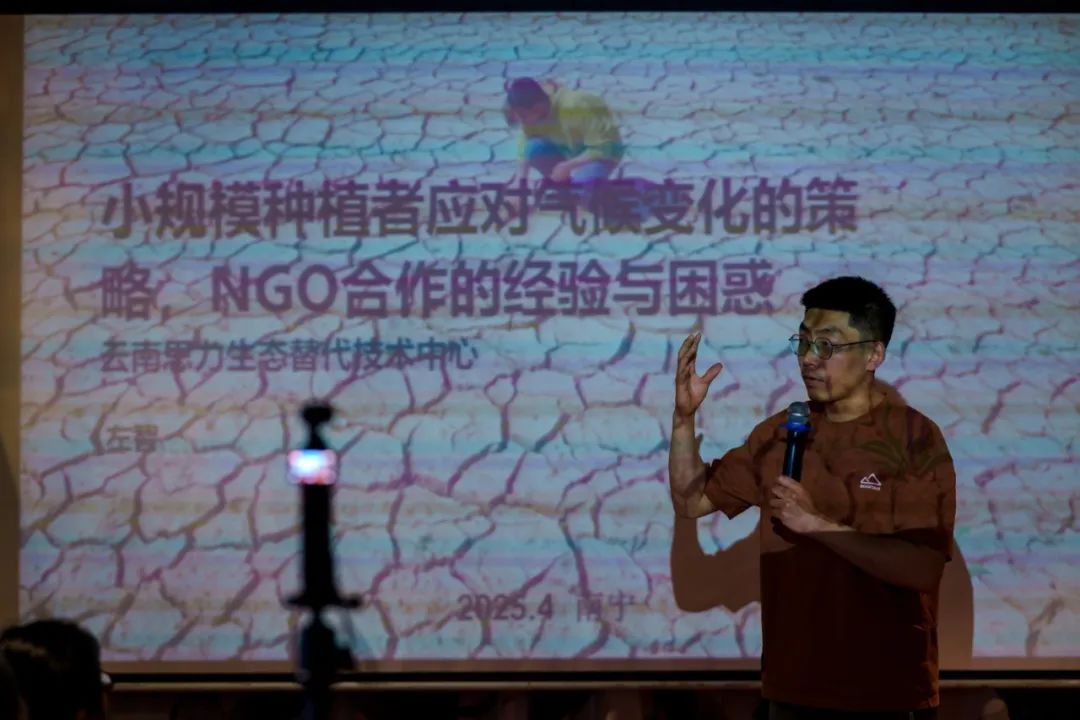
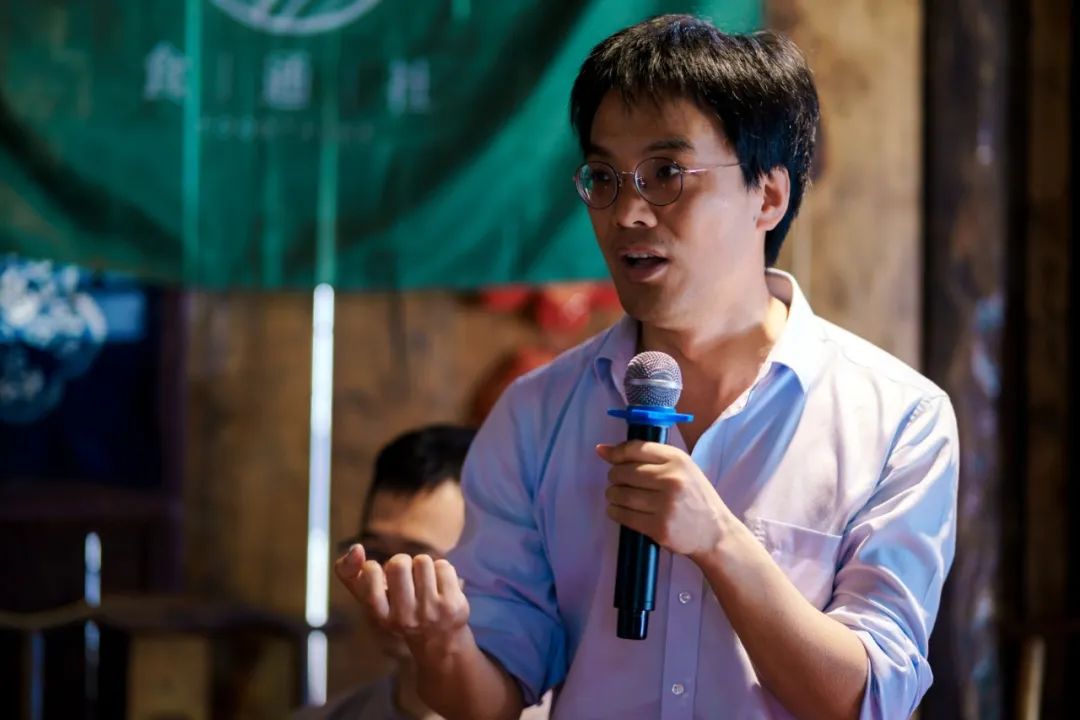
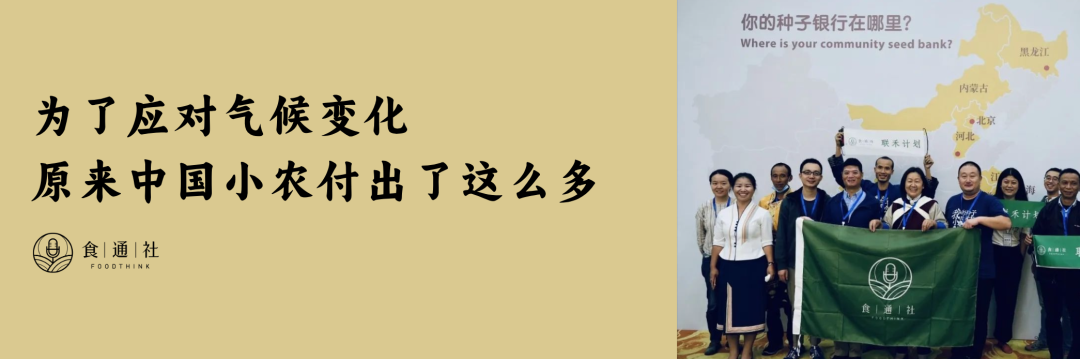
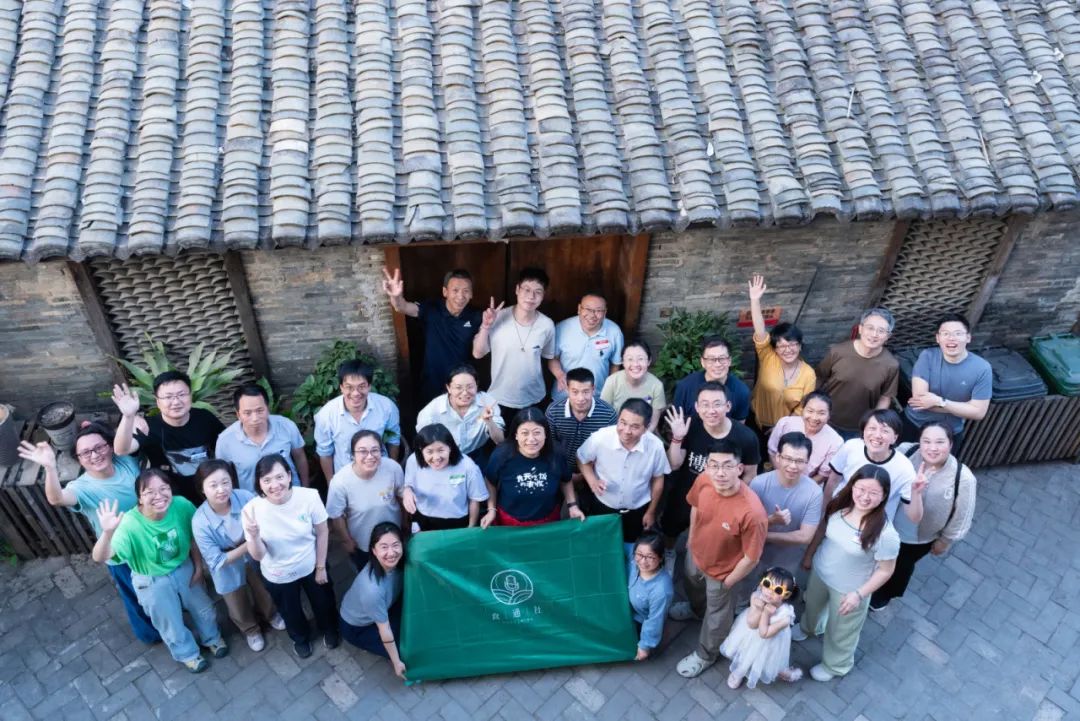
In April this year, with the support of the Oxfam Hong Kong Beijing Office, Foodthink joined forces with the Guangxi Climate Change Action Network to hold the “Rural Social Organisations’ Climate Change Response Workshop” in Nanning.
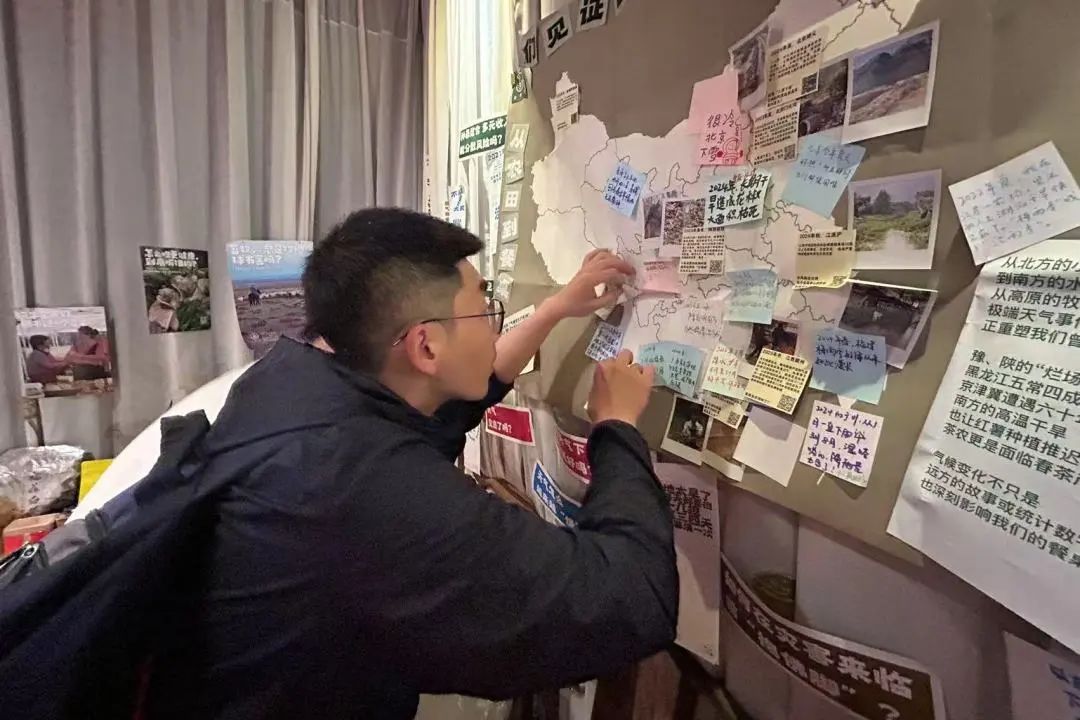
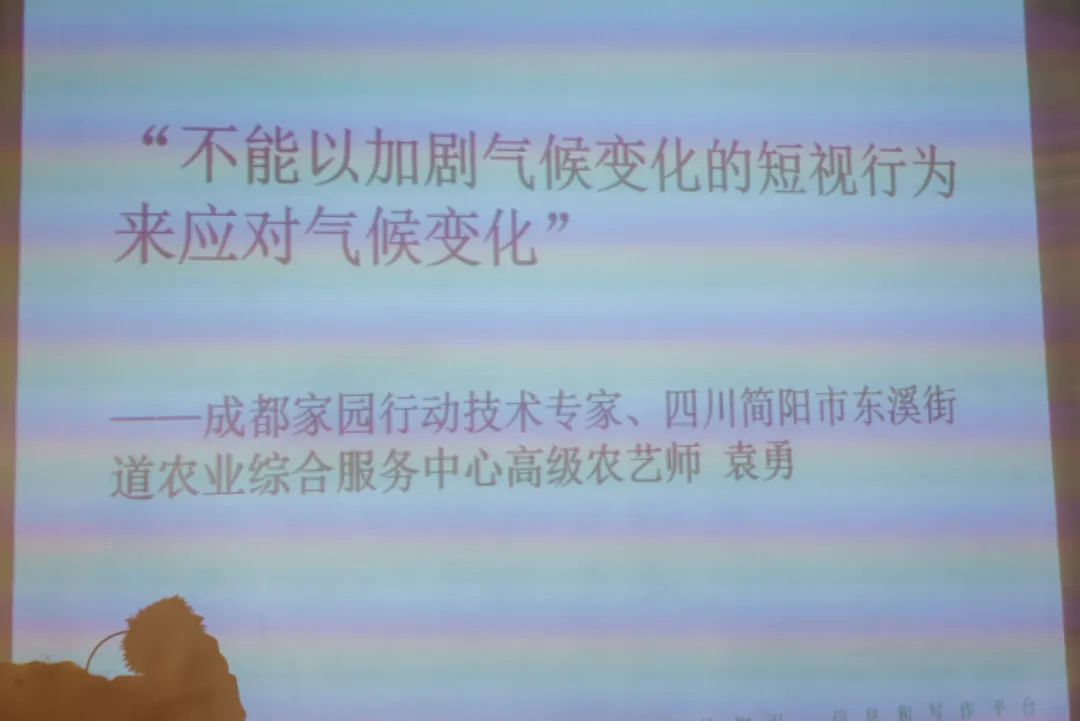
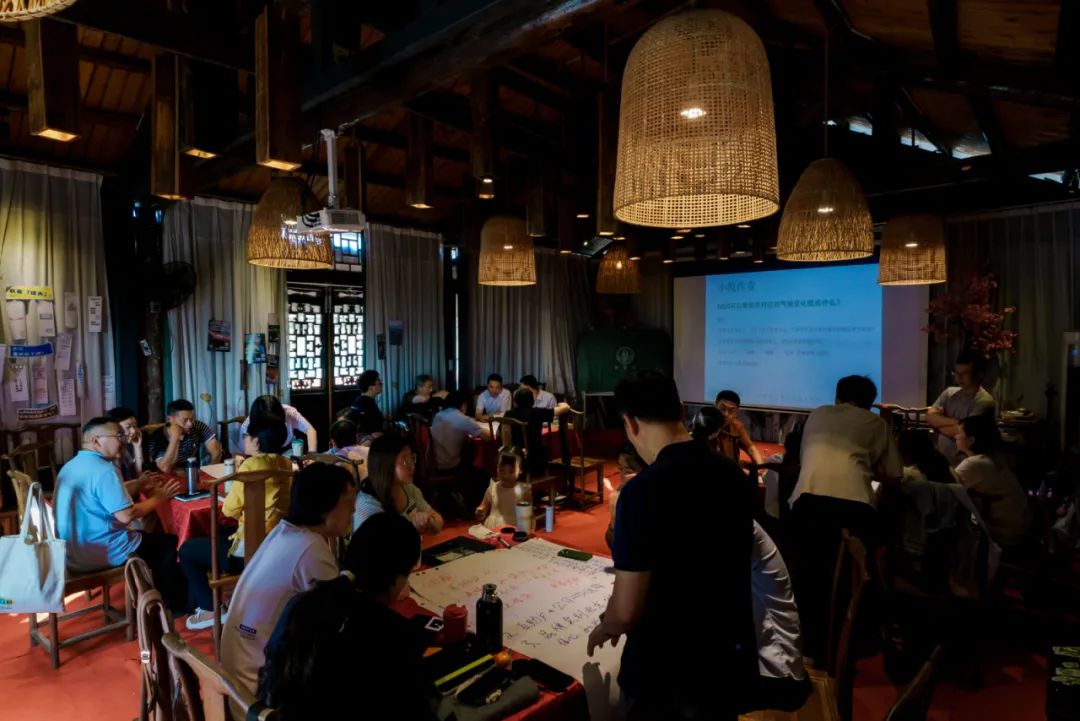
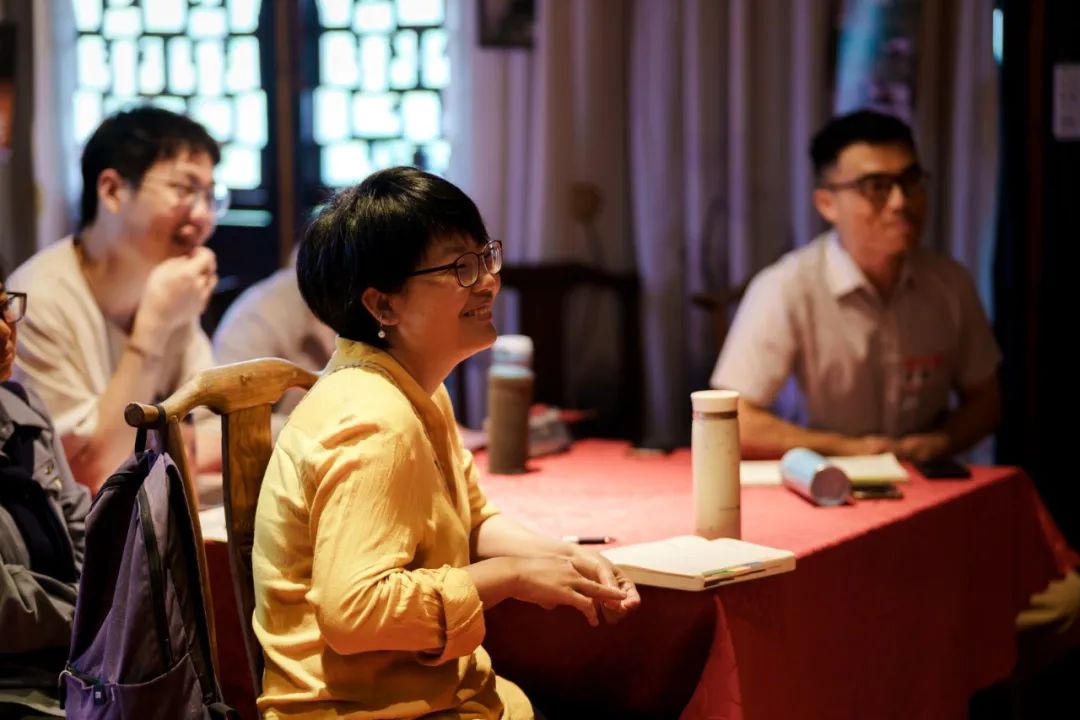
Under the theme “When the Heavens are Unfavourable, Humanity Aligns”, the workshop brought together participants from diverse backgrounds—farmers, village officials, returnee entrepreneurs, rural-based social organisations, researchers, and funders—to collectively explore the possibilities for social organisations working in the countryside against the backdrop of climate change. Let us look at some of the most insightful contributions and discussions from the two-day workshop.







I. Climate Change through the Eyes of Farmers
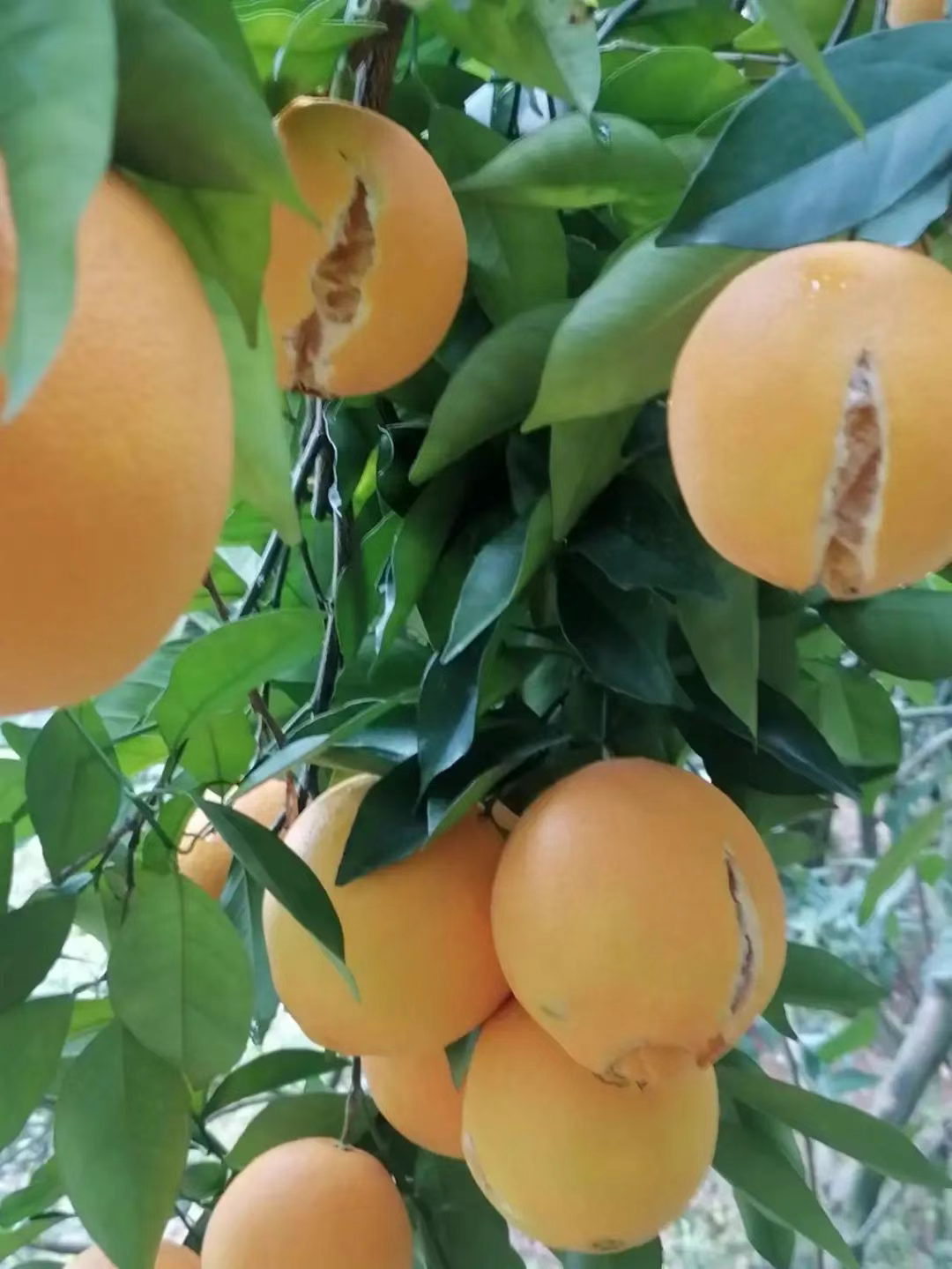
Feng Lian comes from Huichang County in Ganzhou, Jiangxi, where her village primarily grows navel oranges. In 2022, after four months of persistent high temperatures and drought, the village was suddenly hit by over a month of heavy rainfall. This rapid shift from drought to flooding caused the navel oranges, planted across large areas of the village, to absorb water too quickly, leading the flesh to expand excessively. More than half of the ripe oranges split open before they could be harvested; as the villagers put it, “the cooked duck had flown away”—their hard-won harvest had vanished in an instant. Other villagers mentioned similar phenomena: rice ears moulding due to consecutive days of rain during the ripening period, Wogan oranges being damaged by frost, and livestock dying from extreme heat.
Stories like these provide the human element that fills the void in abstract climate change narratives. Through these accounts, the workshop participants gained a more direct and concrete understanding of how climate change is narrated on the ground.
However, for farmers, these local experiences are not merely case studies used to illustrate macro-level climate issues. While farmers can only passively accept the onset of irresistible extreme weather—such as gales, torrential rain, or hail—they are often already taking action to adapt to climate change, whether consciously or unconsciously, as they solve practical problems, regardless of whether they frame it through the lens of “climate change”.
Related articles ▼
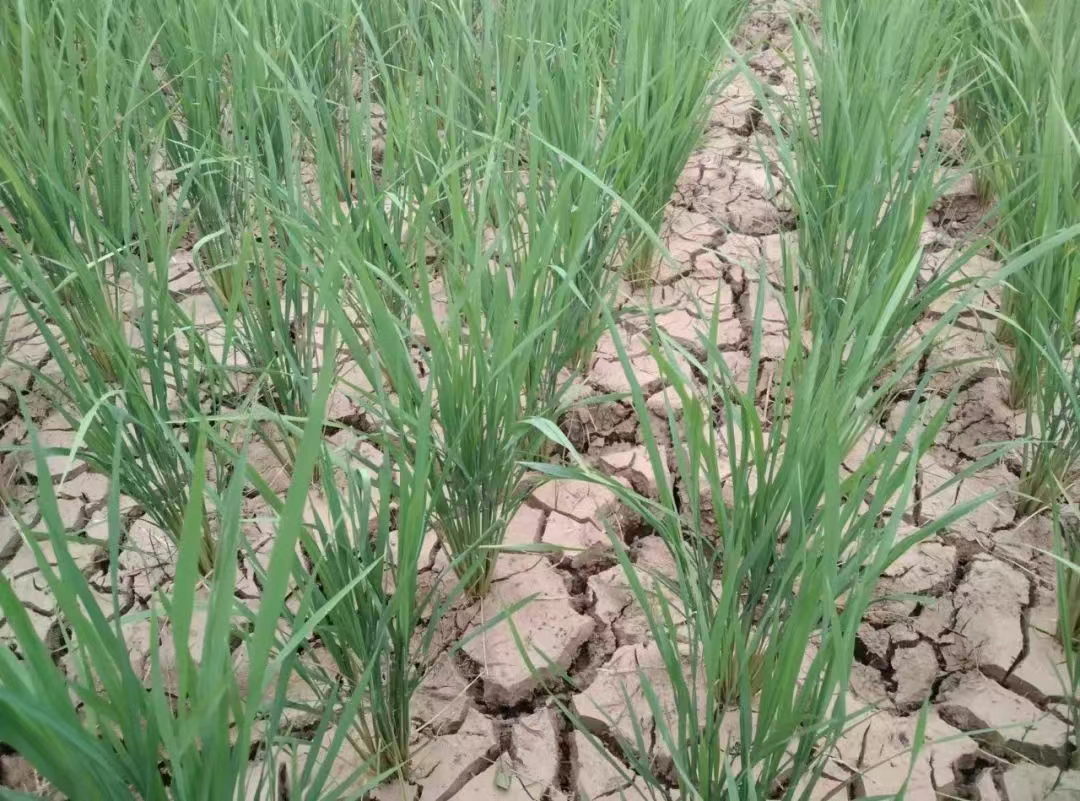
For instance, regarding drought, Dai Yunyun from Guliu Village in Xanshui Town, Quanzhou County, Guilin, Guangxi, suggested that planting traditional rice varieties, selected over time by the local natural ecosystem, can effectively improve drought and disease resistance. Feng Lian shared her experience of using straw mulching to retain soil moisture, helping fruit trees withstand months of drought. Meanwhile, Fan Hanquan, the village party secretary of Meitou Village in Liancheng, Longyan, Fujian, mentioned that diversified planting can defend against pest outbreaks triggered by high temperatures and drought.
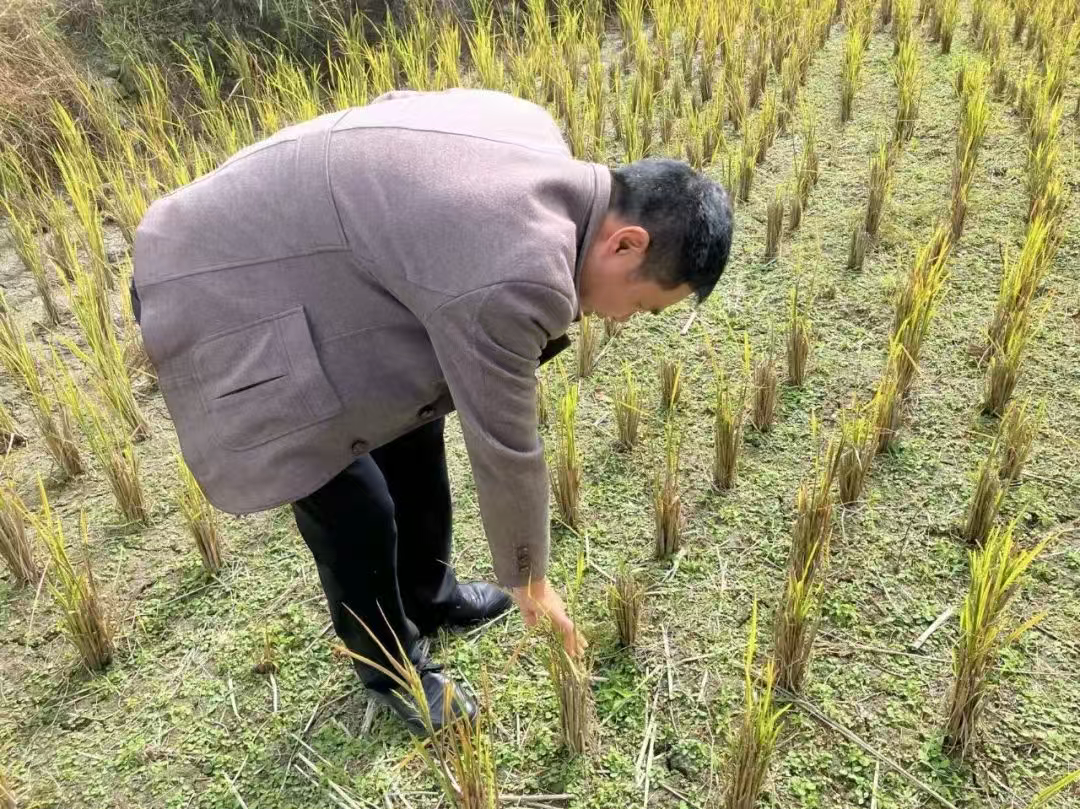
Yang Lan from the Sichuan Haihui Poverty Alleviation Service Centre believes that farmers often possess their own innate wisdom in perceiving and responding to climate change. She noted that some farmers not only use the traditional twenty-four solar terms to forecast the weather but can also predict future conditions based on the weather of specific terms—for example, winter snow predicting spring rain. She also described how her father, an apple farmer in Gansu, learned and mastered the “covering method” through agricultural technical training organised by a social organisation, successfully preventing soil erosion caused by hail by covering the soil with straw.
It is evident that farmers are not oblivious to climate change, nor do they lack the means to cope with it; where gaps exist, they can enhance their resilience through continuous learning. But the real issue is that when other practical factors overlap with climate change to pressure the livelihoods and lives of farmers, do they still have the confidence and energy to take action? The subsequent discussion focused on this very question.
Among the practical factors mentioned by the speakers, these can generally be divided into internal and external factors. Internal factors primarily relate to the manpower and financial resources of the village, while external factors point more towards the volatile agricultural markets. Often, these two are closely intertwined.
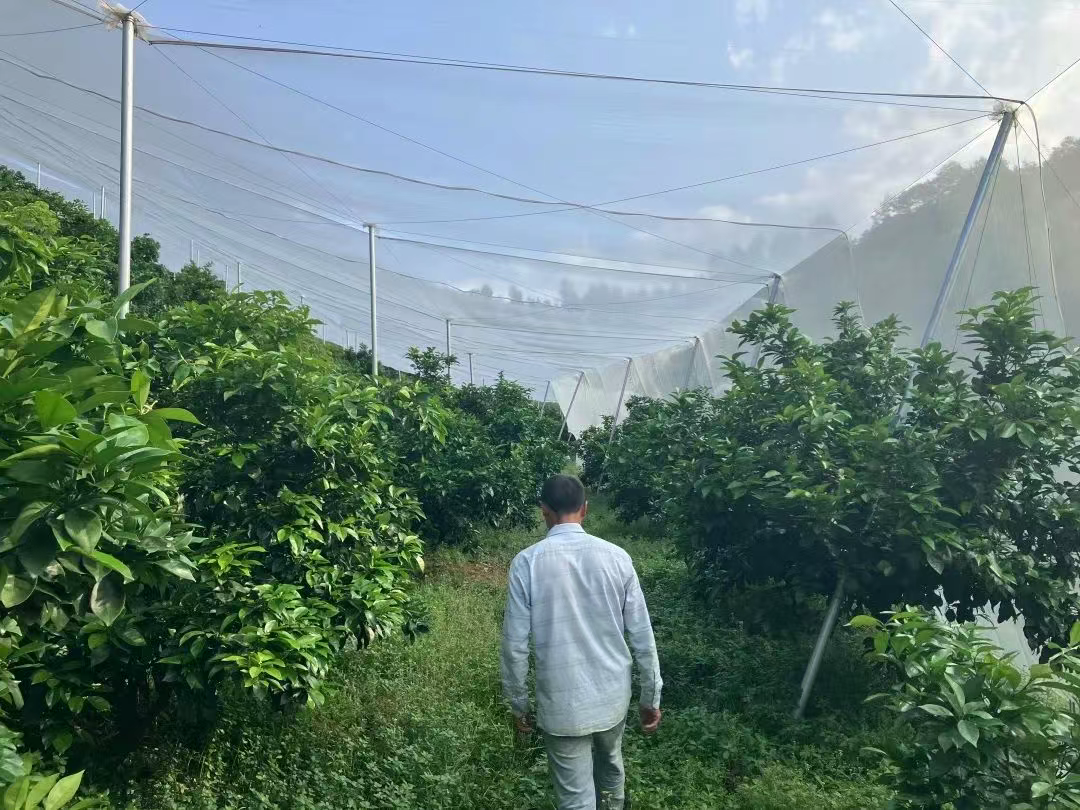
For Feng Lian, the most daunting problem is the widespread infestation of Huanglong disease (citrus greening) among the village’s navel oranges. Although scientific evidence suggests a strong link between the prevalence of Huanglong disease and climate change, Feng Lian believes that whether villagers can actively combat the disease depends not on their understanding of the causal chain between climate change and the disease, but on whether market prices give them the confidence to make micro-adjustments and adaptations. When market conditions are good, farmers can persist by cutting down infected trees, installing nets, or using antibiotics. However, the disastrous market trends of the past two years have eroded the villagers’ confidence to fight the disease.
Climate change is also leading to the degradation of grasslands in pastoral regions, which in turn affects the livelihoods of herders. Chen Jingjing from Tusheng Studio discussed the problems of reluctance to sell livestock and increasing debt among herders in a certain ga-cha in Chifeng, Inner Mongolia. But tracing the root of this issue reveals more market and human factors: falling prices for beef and mutton lead herders to hold onto their stock, relying on loans to maintain production and consumption; government policies promoting “more cattle, fewer sheep” restrict grazing, and the overlap between grassland protection zones and grazing lands affects livelihoods. Furthermore, herders often buy fodder on credit, facing excessively high actual interest rates.
Chen Jingjing believes the most viable solution is to organise the villagers from within: first, encourage 3 to 5 herding households to operate jointly, sharing grasslands and grazing in separate groups to increase the grazing radius; second, procure fodder at the township level to prevent individual herders from being “exploited” by the supply chain when buying on credit; and third, pursue a branding strategy to sell high-quality beef to Beijing.
Additionally, Yang Lan mentioned that hail is common in the Northwest during summer. The county government usually notifies two professionally trained villagers to use hail cannons to disperse hail clouds. However, once these two villagers left the village to find work in the city, this method of coping with extreme weather ceased.
These internal and external factors may seem to have little direct connection to climate change on the surface, but they are the primary difficulties farmers face and realistically hinder the implementation of climate adaptation actions in rural areas. These specific and complex links between climate change and rural reality require social organisations truly rooted in the grassroots of the countryside to strive to discover and identify.
II. How do social organisations rooted in rural areas take action?
Although in the previous discussion, Feng Lian appeared as a “local” from the navel orange producing region of Jiangxi, her professional role is as a project officer for a social organisation called “Shen Geng”. She spends much of her year working on climate change and community development projects in a mountain village in the Conghua District of Guangzhou. She mentioned that the collapse of water ditches and the resulting poor flow in the project village were caused both by weeds and silt accumulation following continuous rainfall, and by a lack of investment in water resource management due to rural depopulation. Therefore, the “prescribed” strategy was to clarify the stakes with the villagers and, from the perspective of the village’s public environment, encourage the community to collectively clear and repair the ditches. This is a solution that could never emerge from empty talk about climate change.
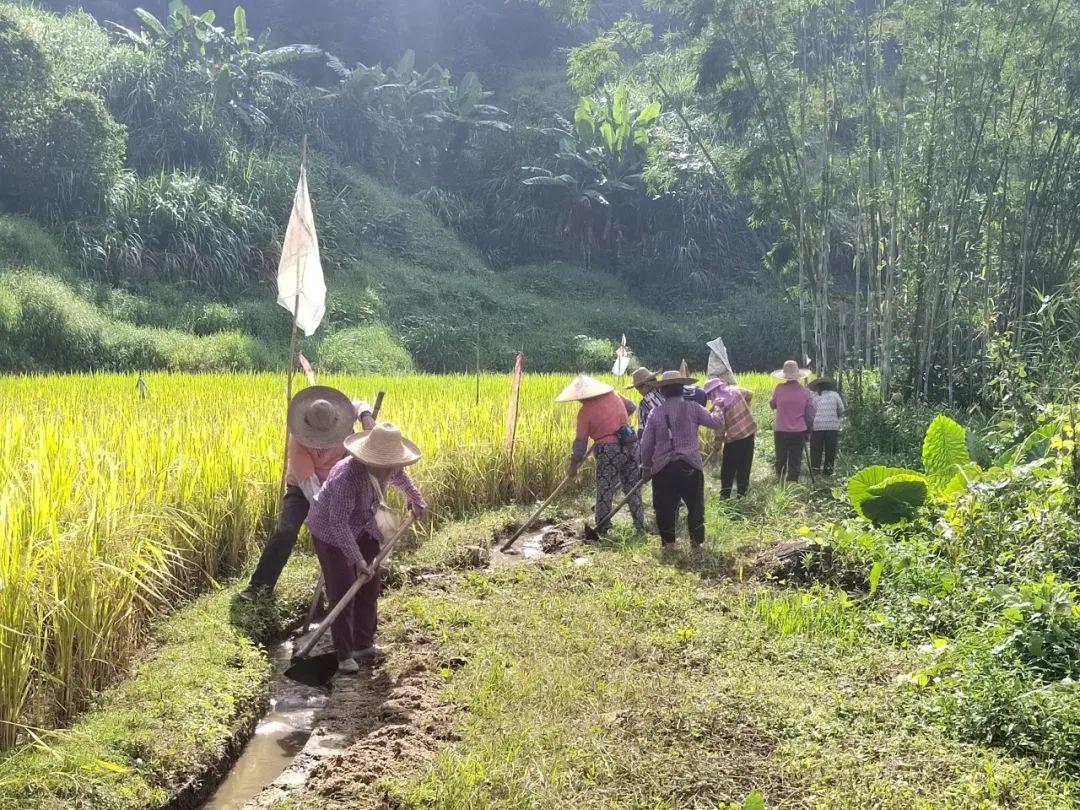
The phenomenon of ‘hollowed-out villages’ combined with the impacts of climate change has brought new challenges to rural communities. Yang Pei, from the Yongqing Rural Development Service Centre in Zhaotong, Yunnan, spoke about the current challenges of increasing droughts and frequent heatwaves. These include water shortages for agriculture and daily life, the exacerbation of chronic illnesses, social isolation, and mental health risks faced by left-behind elderly residents, and how the Yongqing Centre integrates various social resources to ensure these elders are cared for and have a quality of life.
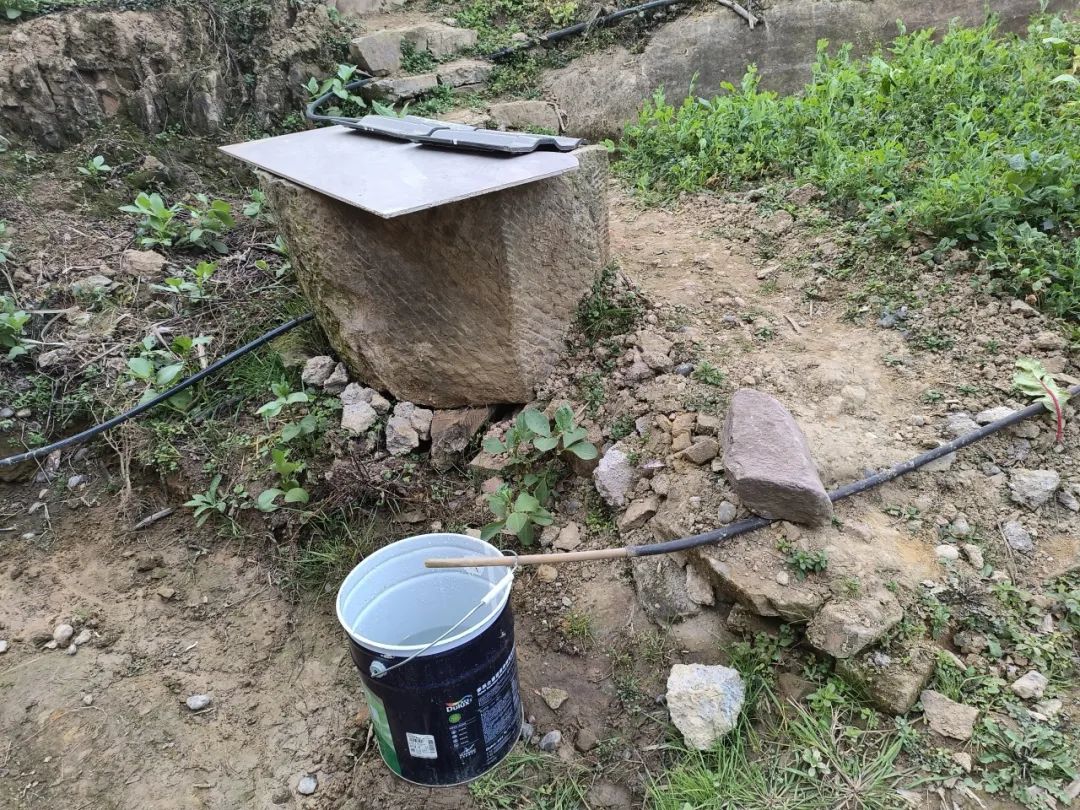
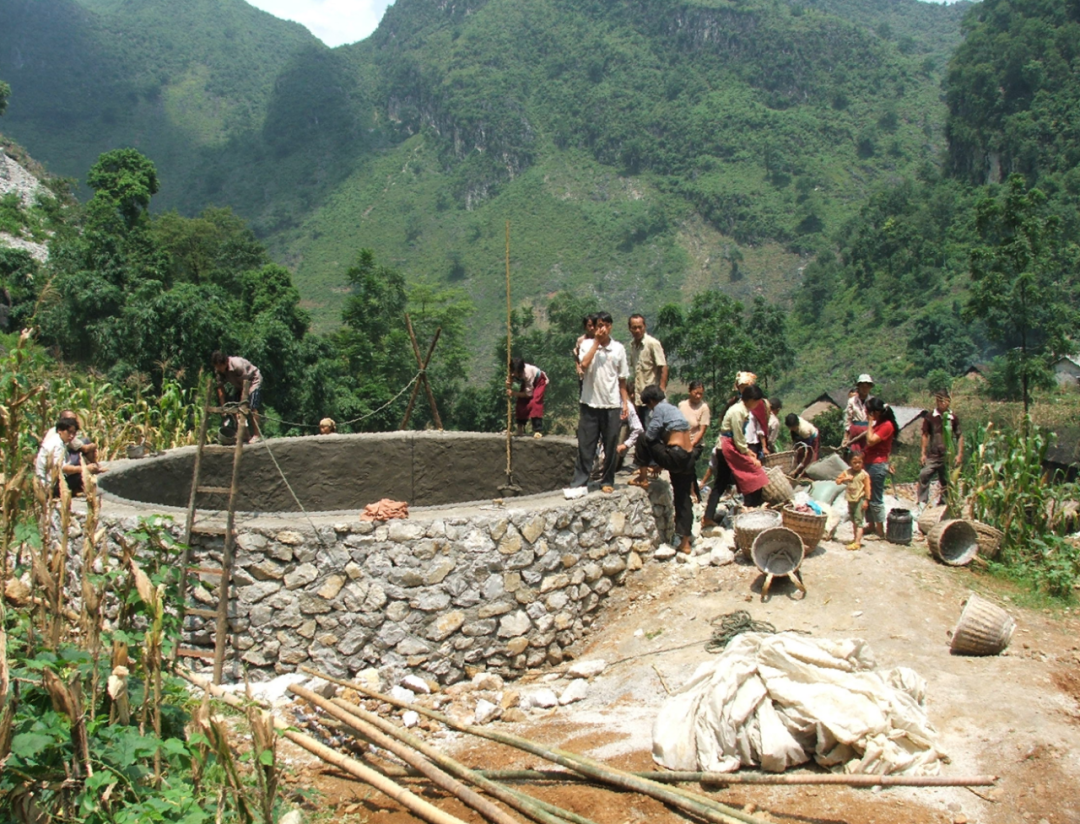
Guangxi has also seen intensifying drought in recent years. Huang Weiwei, from the Guoren Rural Poverty Alleviation and Development Centre in Guangxi, introduced traditional wisdom in karst rural areas, such as planting drought-resistant adaptive crops and using water cisterns for storage. She also discussed how Guoren builds on local experience to mitigate drought and flood disasters and treat rocky desertification through low-cost methods that encourage villager participation.
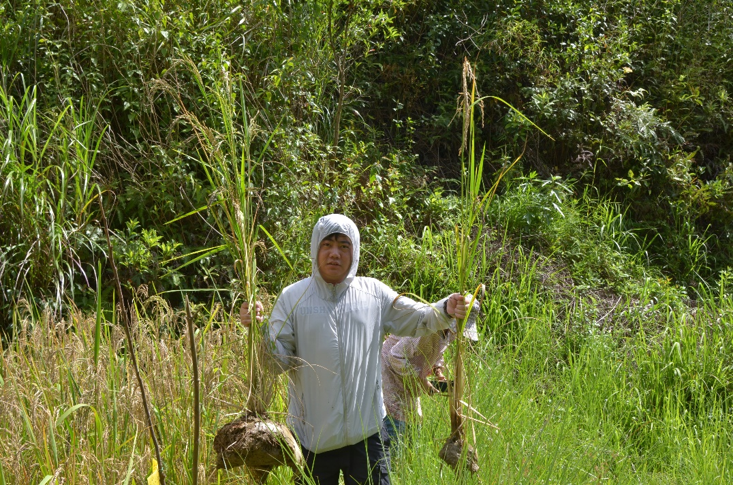
Representatives from the Farmers’ Seed Network and the Sili Technology Alternative Centre in Yunnan also discussed how to link the conservation of heirloom seeds and the research and development of agroecological techniques with the farmers’ indigenous culture.

There was a near-unanimous agreement that a climate change perspective is highly useful for social organisation workers in understanding the risk factors within rural communities. However, action must be combined with the specific perceptions and understandings of the villagers, and closely linked to the endogenous drivers within the villagers and the village itself, to lead to truly effective results.
Sometimes, this ‘linking’ is not only reflected at the level of action but also in the strategies employed by social organisations, particularly regarding collaboration with the government. Huang Weiwei mentioned that the ecological restoration methods for rocky desertification, developed through joint efforts between the local government and farmers, are worth emulating and that she actively seeks such collaboration. Zuo Zhi shared how the Sili Technology Alternative Centre in Yunnan seeks cooperation with local governments and national research departments to bridge the ‘last mile’ of scientific research, ensuring that technical frameworks are successfully implemented on the ground.
Drawing on years of experience in project collaboration with the government, Chen Jingjing from Tusheng Studio offered more direct advice: if a social organisation wants to secure government policy support to achieve its goals, it must first find a ‘small entry point’—transforming abstract concepts into concrete people and stories. Chen Jingjing illustrated this, saying: ‘If you want to address the deterioration of reservoir water quality, you should mention in your policy recommendations the livelihood struggles of elderly village women who must carry water by hand to irrigate their fields, or the public health issue of increasing cancer cases near the reservoir. Explaining the problem in this way is far more persuasive.’
‘Additionally, you must link it to the government’s needs, or rather, their KPIs. Simply talking about climate change might be ineffective, but if the county party secretary hears it is linked to ecological performance assessments, they might sign off on the project on the spot,’ he said.
Chi Jing, from the Boai Social Work Service Centre in Guilin, also mentioned while sharing her experience in rural disaster prevention and relief: ‘If other partners wish to replicate successful practices like the villager emergency response teams, they need to mobilise relevant departments during the process—such as the County Emergency Management Bureau, the Social Work Department, or even the Bureau of Veterans Affairs. By getting them to coordinate and provide support, the process becomes much smoother.’
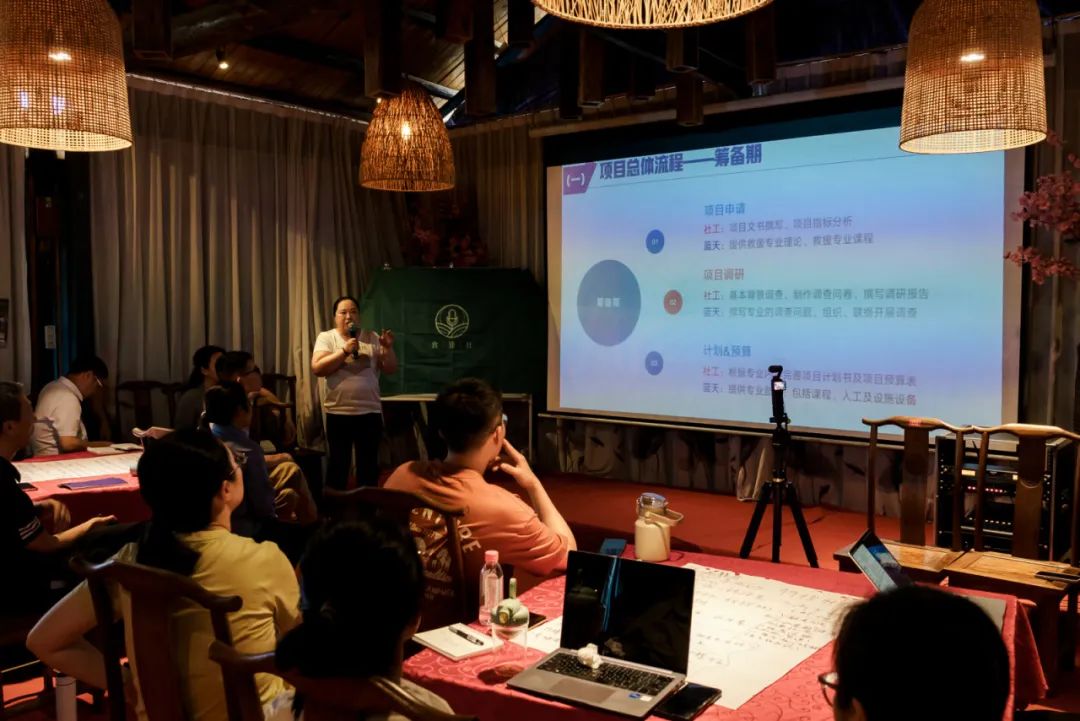
III. Addressing Climate Change: What Are Funding Professionals Thinking?
Shu Junsong of the Amity Foundation mentioned that Amity’s climate change projects focus on building resilient communities. He explained that, in terms of tangible outcomes, many activities in resilient community projects were already being carried out in community development projects twenty years ago; these might manifest as small-scale infrastructure, such as building an irrigation channel or a drainage ditch. “However,” he noted, “what is critical today is how we understand and implement the construction of resilient communities through the lens of climate change.”
He believes that the methodologies and tools for climate change risk assessment and action developed by some foundations and civil society organisations are very useful, as they help more agencies begin to understand rural development from a climate perspective. “If an organisation can diligently conduct climate change risk assessments and analyses using these tools, it shows, at the very least, that they have given serious thought to projects related to climate change. It is vital to enhance the community’s own capacity to cope with climate change through these projects.”
Hu Wei of Oxfam believes that, to date, many extreme weather events and climate disasters have caused immense losses to grassroots communities and ongoing projects; therefore, the risks brought by climate change must be prioritised. When civil society organisations attempt to integrate a climate perspective into their community work, they first need to clarify why they are adopting this perspective and how to do so. She also mentioned that different organisations have their own areas of expertise—such as focusing on women, the elderly, and children, livelihood development, or disaster prevention and relief—and further thought and exploration are needed on how these existing pathways can be merged with a climate perspective.
Chen Xuechong, also from Oxfam, shared his understanding of the relationship between the climate perspective and community work: first, one must understand not only the ‘what’ but also the ‘why’. For example, with dam construction, we should know both the relationship between the dam and climate change, and the actual impact the construction itself will have on the community. In other cases, one might not know the ‘why’, but must certainly know the ‘what’. “For instance, when promoting biological control methods for pests and diseases, we may not know the specific link between the pest outbreak and climate change, but as long as the control work itself is effective, it can be regarded as a climate adaptation action.”
In response to these discussions, philanthropic funding advisor Chen Shuqian offered her own view: often, the link between climate change and community work requires time to observe. For example, since concrete production generates greenhouse gas emissions and air pollution, if some agencies advocate for villages to use local lightweight materials to build houses, does this meet the application requirements for climate change projects? As for how the macro-issue of climate change should be implemented in specific communities, civil society organisations should be given some space—whether through collaborative learning, preliminary research, or general discussion. Funders should take a hands-on approach, exploring multi-dimensional practices for implementing climate change responses alongside civil society organisations.
Li Ziyue, a community partner, has supported smallholder development projects since 2004. “Over these twenty years, I have witnessed the struggles and growth of countless smallholders during the ecological transition.” In Li Ziyue’s view, while technology is important, the more long-term goal is to cultivate ecological consciousness in people. Facing the complex impacts of climate change, he believes that civil society organisations should strengthen their study of ecological perspectives and promote a dialogue between science and tradition, allowing more people to understand climate change from different angles and appreciate the value of every living organism.
Tianle, Founding Editor of Foodthink, mentioned two recent UN conferences on climate change she attended. What surprised her was that “every country was talking about the allocation of funds, and the figures were enormous, but when listening to what they actually intended to do, the connection to climate change seemed tenuous—it may not even be as valuable as the attempts being made by our smallholders.”
Smallholders, especially ecological smallholders, have made significant contributions to emission reductions, yet these have remained difficult to recognise due to a lack of sufficient data-driven evidence. “We have missed the opportunity to tell the story of the emission reduction efforts of ecological smallholders; we should learn from this and think about how to better combine ecological agriculture with climate adaptation,” she said.
Furthermore, Tianle expressed confusion regarding the current state of the climate funding sector: many civil society organisations specialise in community work; must these organisations necessarily be the ones to ‘translate’ climate change discourse? Or would it be more efficient for the industry if the funders handled this ‘translation’?
Tianle summarised her expectations for the philanthropic sector’s response to climate change in one word: common sense. “The general public has common sense about which measures are lower-carbon and more adaptable; we, as civil society organisations, should have that common sense too.”
Following these discussions, partners at the scene held group discussions themed around “what civil society organisations can do for rural areas”. Based on the basic conditions of the communities where the four ‘villagers’ reside, they discussed the primary problems faced, the potential compounding effects of climate change, which different groups and stakeholders would be involved in the actions, and how to obtain support, offering suggestions and strategies for the development of these four villages.
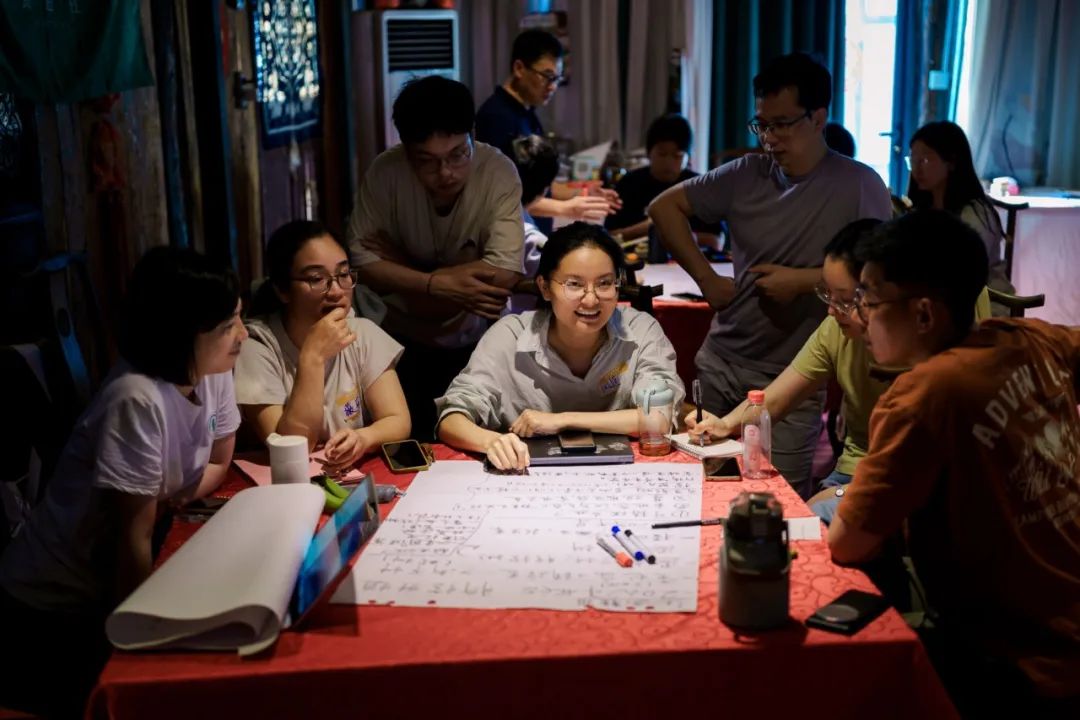

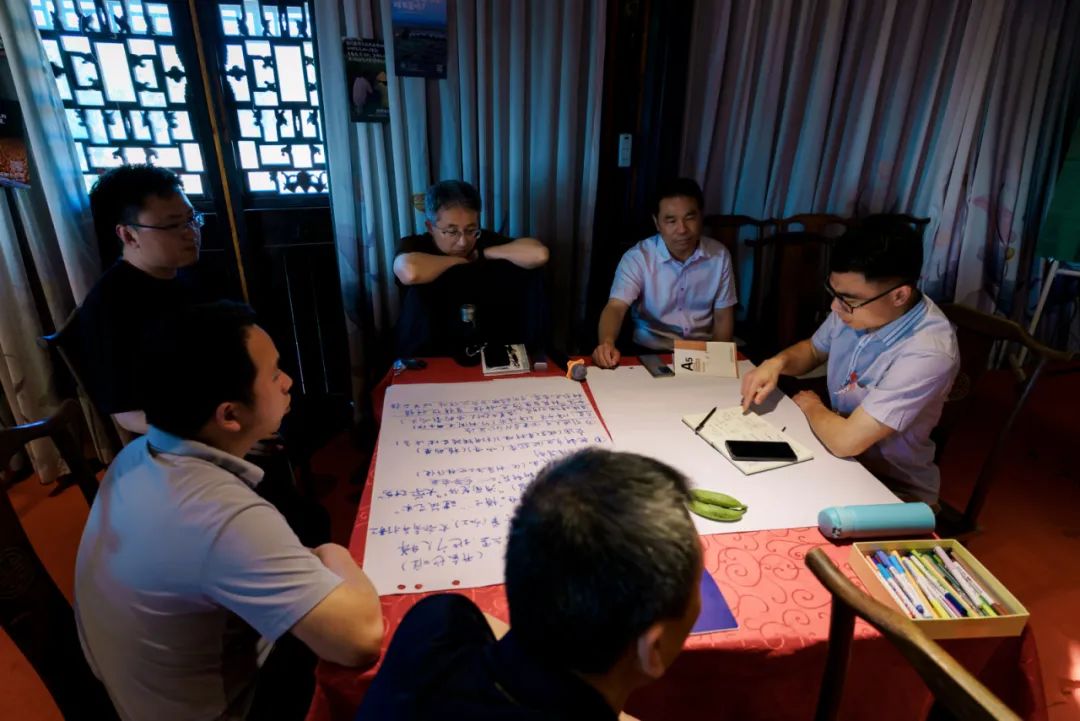
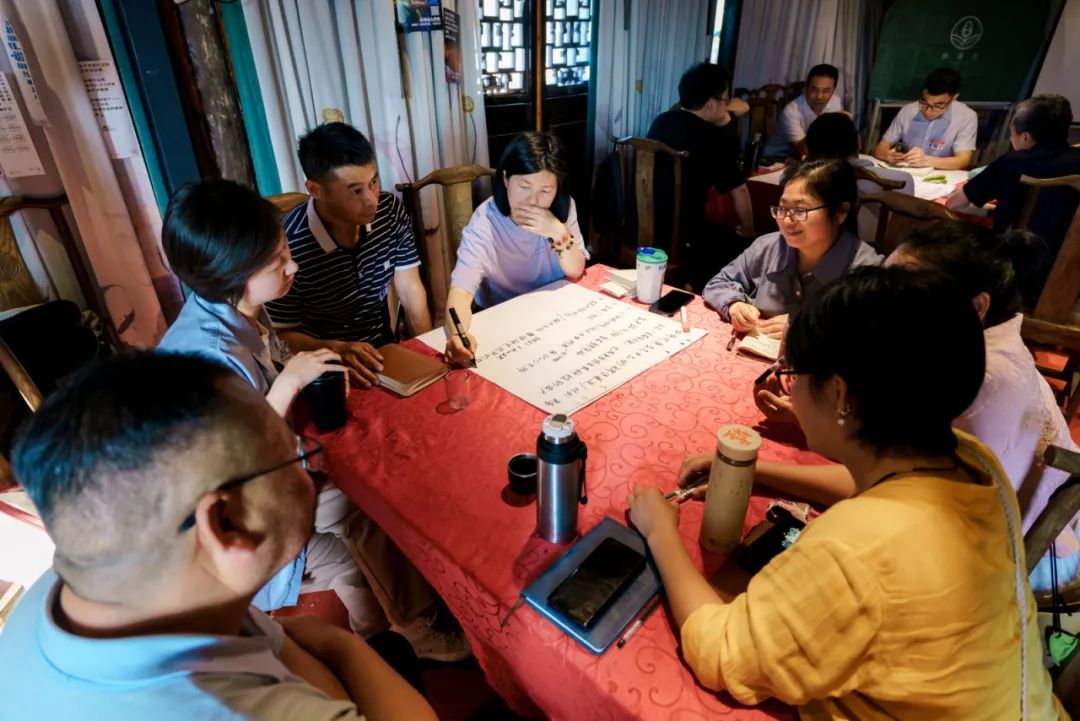
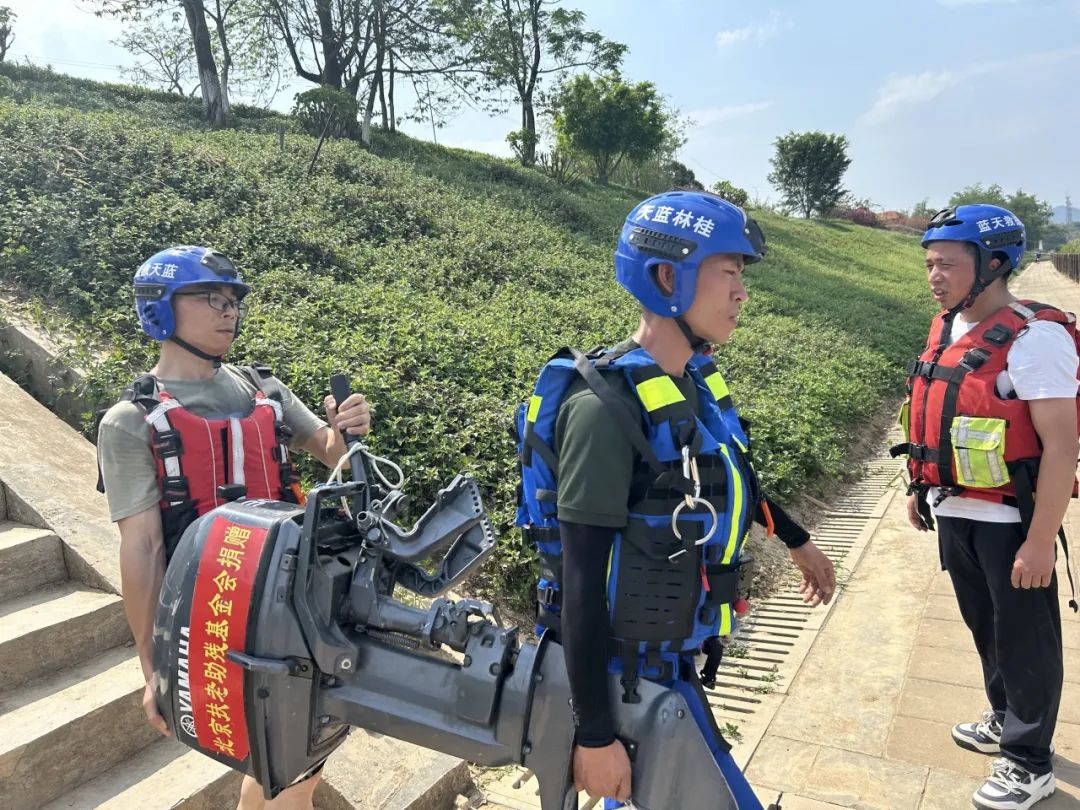
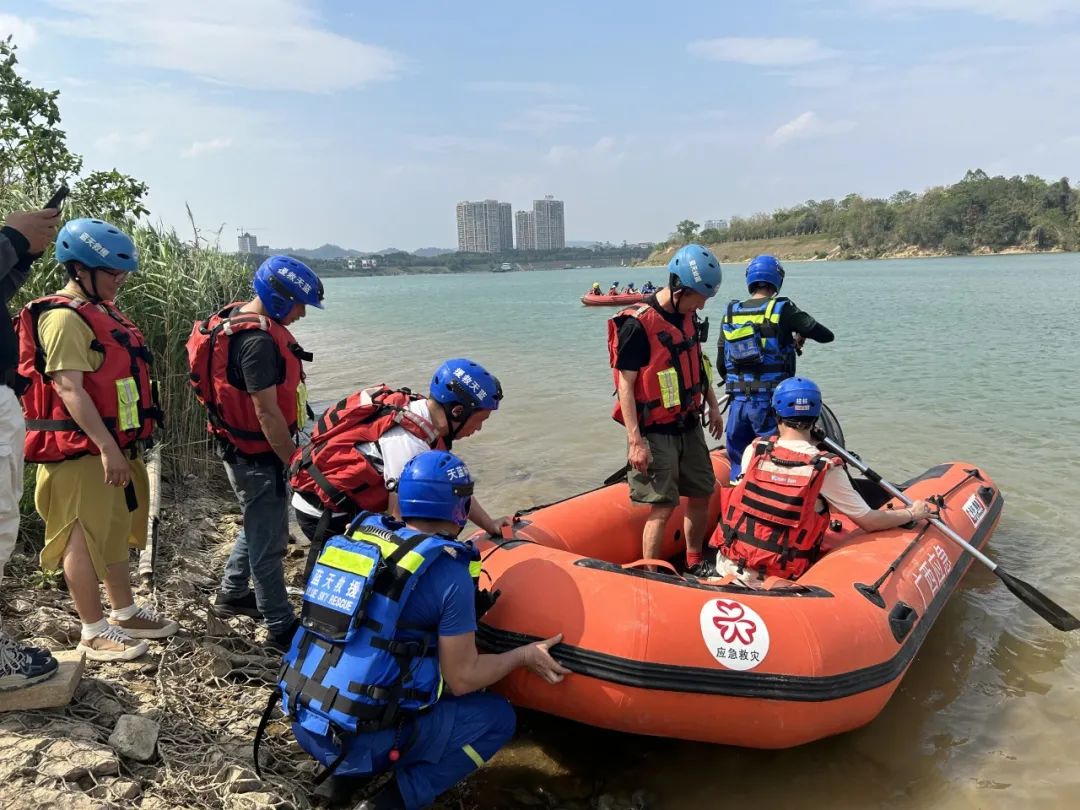
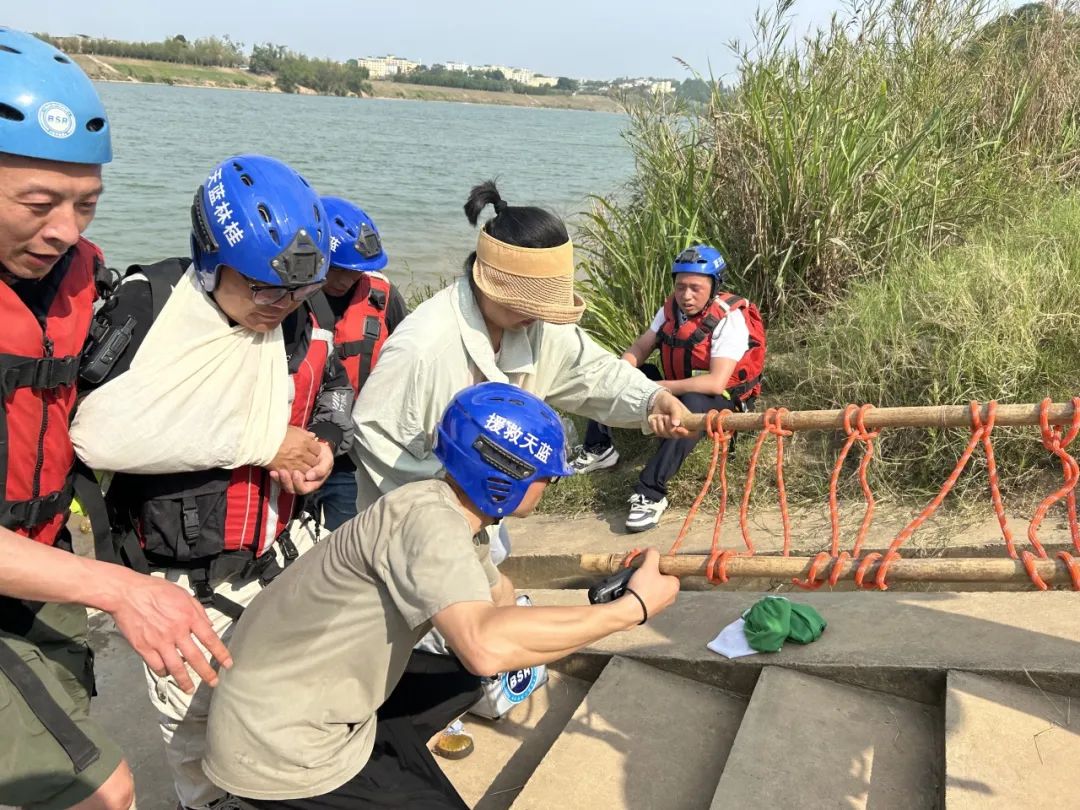
Finally, the workshop invited the Guilin Blue Sky Rescue Team to lead the participants in a water emergency rescue drill. The physical rigour of the exercise gave the partners a more tangible sense of the catastrophic consequences that climate change can cause.

Event Preview

Unless otherwise stated, images were provided by the speakers; photos of the event were taken by Mr Wang Jian of the Guangxi Climate Change Action Network. Our sincere thanks to them.
Compiled by: Yuyang
Edited by: Lingyu