
Microplastics Invading the Brain: How to Overcome Plastic Anxiety?
I. The Plastic Crisis: A Constantly Renewed Threat
After joining an environmental organisation a few years ago, I became far more mindful of the materials used in everyday household items. I often found myself, whether deliberately or not, warning friends about what to steer clear of. Over time, whenever they came across related content online, they’d forward it to me for a second opinion. Plastic consistently came up as their biggest concern: “Is it safe to store pickled vegetables in plastic containers?” “Is it true that all black plastic is made from recycled materials?”
I’m certainly not alone in feeling this way. It’s as if headlines about the dangers of plastic are periodic system notifications popping up in ‘Earth Online’, surfacing every few months like clockwork.
Then there are the recurring reports of large marine animals washing ashore, their stomachs invariably packed with plastic bags, or the seemingly endless litter you encounter on a hike, no matter how much you pick up. When anxiety mounts, it often gives way to frustration. Some people choose to tune out these reports entirely, reasoning that if all they can do is worry with no way to help, it’s better not to look.
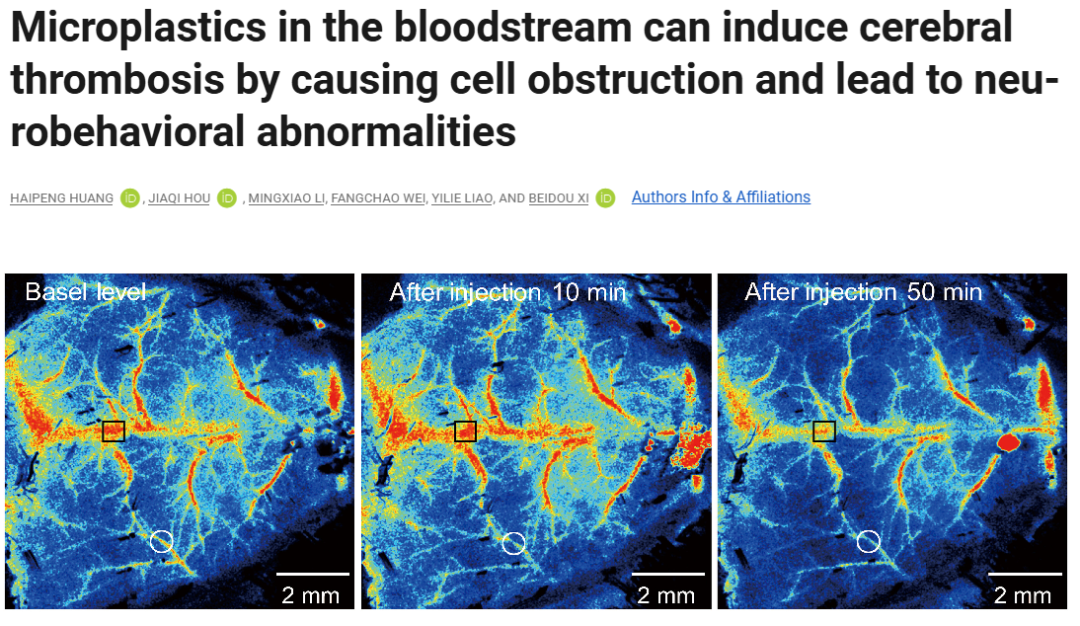
The recent news about microplastics reaching the human brain sparked another round of panic among my friends.
I initially wanted to calm them down: “Just because plastic has been detected doesn’t necessarily mean it’s harming the brain.” But I quickly recalled that researchers have already identified numerous links between microplastics and various human health conditions. In the end, I offered a rather feeble reply: “Microplastics are already in the air; we can’t completely shield ourselves from them just by trying to avoid them.” Predictably, this only left them feeling more anxious.
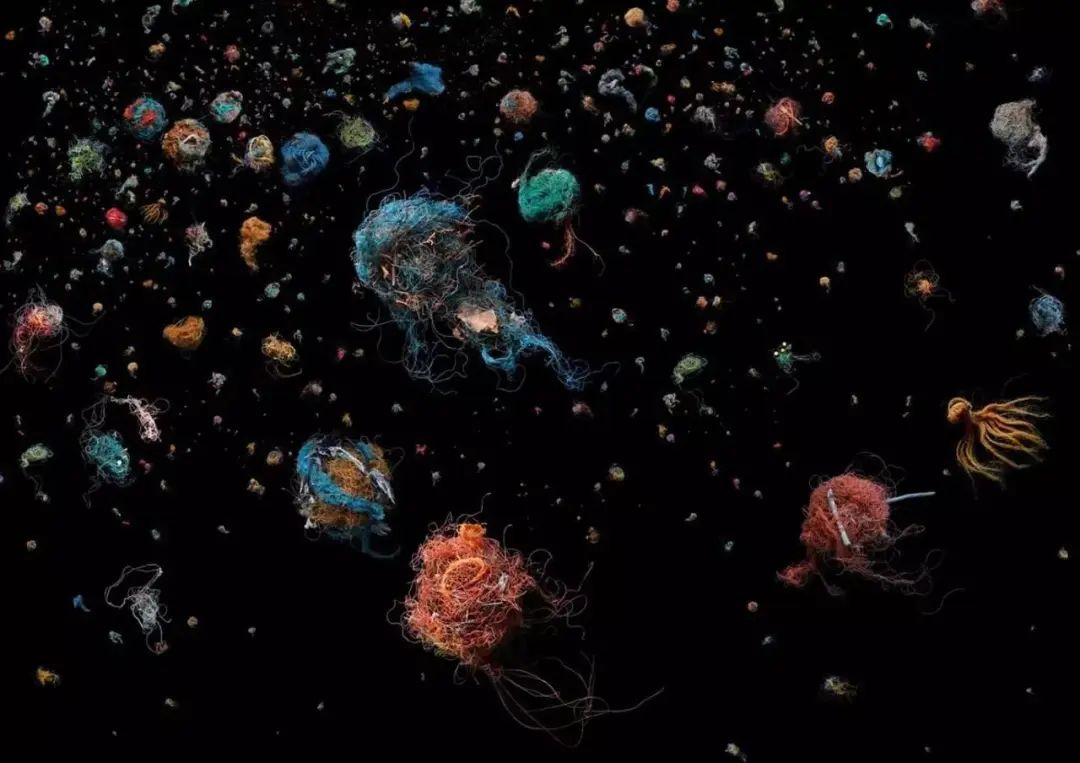
Although we know deep down that the proliferation of plastic products poses a serious problem, laypeople struggle to pinpoint exactly what the dangers are. We can scarcely tell which everyday items contain plastic and which do not. Rather than fear, this pervasive threat tends to breed feelings of helplessness, anxiety, and frustration.
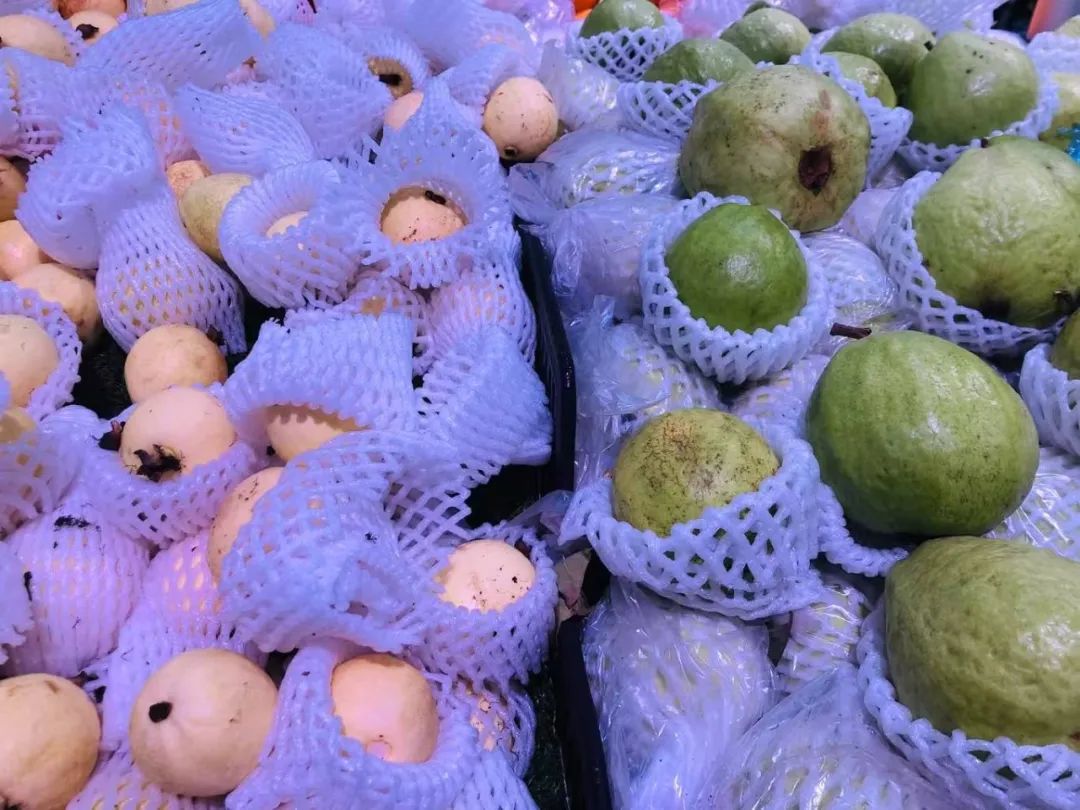
Is it actually possible to avoid plastics in everyday life? At the height of my plastic anxiety, I joined several short-term practice groups to track the plastic waste I generated daily and discuss elimination strategies with fellow members. We found that with intense focus, we could achieve a ‘zero-plastic’ run for a day or two, but no one could maintain it for twenty-one days. The day my streak finally broke, I received a box of peaches. Peeling back the plastic packing tape, I was met with over a dozen fruits, each encased in foam netting. That day’s log simply read: ‘Generated an uncountable amount of plastic waste today.’
I cannot fault farmers for bagging their produce, as they must compensate for every damaged item, just as they would when you purchase fruit from a physical supermarket.
But does “living with plastic” really mean we are entirely powerless? Is there a pragmatic alternative—a way to shield ourselves as best we can within the limits of what we can actually influence?
For me, the first step in confronting “plastic anxiety” was simply understanding what the actual harms of plastic are.
Two: What Exactly Are the Health Risks of Plastic?
When plastic items age and fracture, they do not instantly revert to their base monomers. Instead, they degrade into larger plastic fragments, microplastics, and a range of chemical additives.

For the general public, the primary health risks stem from microplastics and plastic additives. The less durable and more fragile the plastic, the greater the quantity of these substances it releases.
Microplastics are plastic particles with a diameter of less than five millimetres. Mounting research now suggests that they may pose a range of health risks. A study published last year found that, compared with patients whose carotid arteries showed no microplastics, those with microplastics present in their carotid artery plaques faced a 3.53-fold increased risk of heart disease, stroke, or all-cause mortality. Meanwhile, studies on other organisms have shown that microplastics can trigger inflammation, cause embryonic abnormalities, and reduce fertility. Furthermore, the highly porous physical structure of microplastics enables them to adsorb heavy metals, antibiotics, and other substances from the surrounding environment.
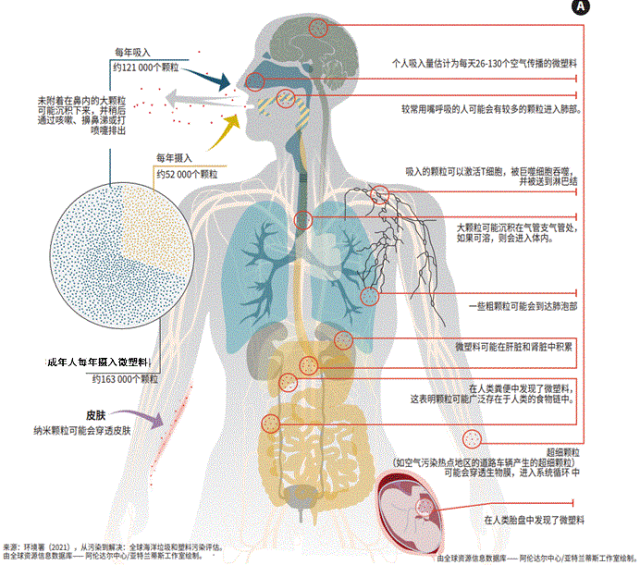
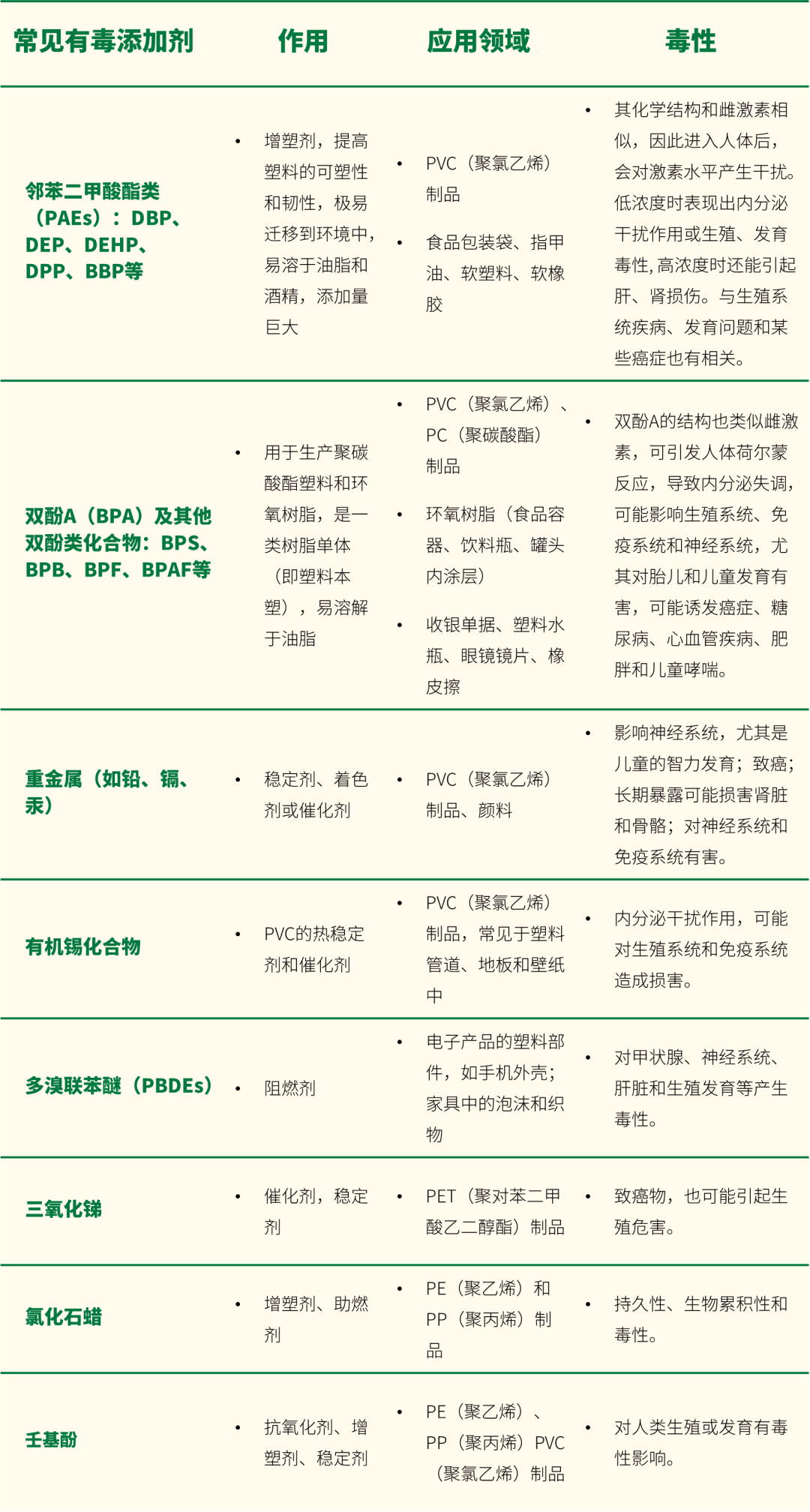
Many of these additives are inherently toxic, with the most prevalent being phthalates and bisphenol A (BPA).
Phthalates (PAEs) are typically used as plasticisers to enhance a material’s flexibility. The softer and more pliable the plastic, the higher the concentration of plasticiser it generally contains. Phthalates encompass a vast group of chemicals and are typically incorporated into plastics at concentrations between 10% and 60%, though this can reach up to 90%.
Bisphenol A (BPA) is a resin monomer applied across numerous everyday items: epoxy resins (found in food containers, beverage bottles, and the internal linings of canned goods), receipt paper, plastic water bottles, eyeglass lenses, and rubber erasers, to name just a few.
Because both substances share a structural similarity with oestrogen, they have been widely identified as endocrine disruptors.
III. Tips for Avoiding Toxins
Tip 1: Check plastic identification codes and steer clear of PVC and PS
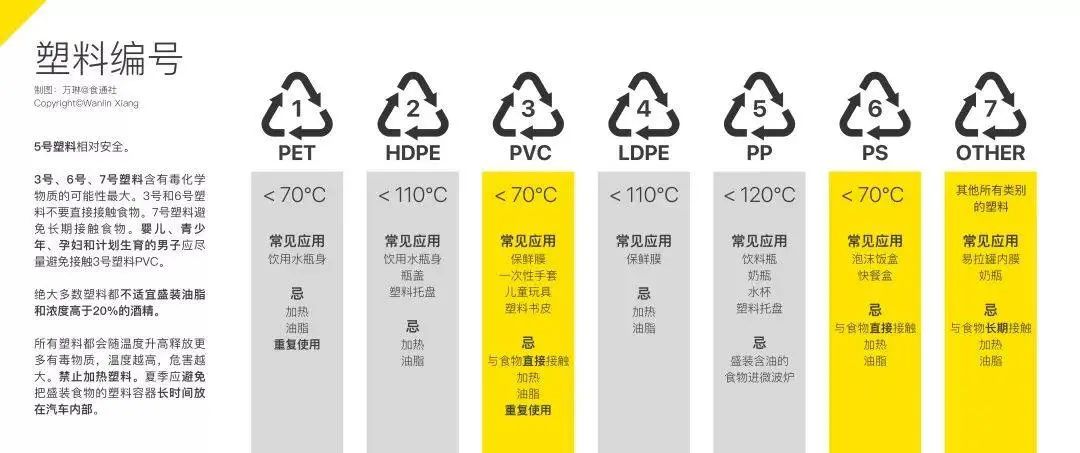
The first thing most people look for when learning about plastics is the identification code, which indicates different plastic compositions and corresponding uses. Once used outside their intended conditions, they can pose a health risk. Most people are already familiar with this principle—for instance, PET mineral water bottles are not designed to be heated.
Among these, two types are particularly prone to releasing toxins and require extra vigilance in everyday use:
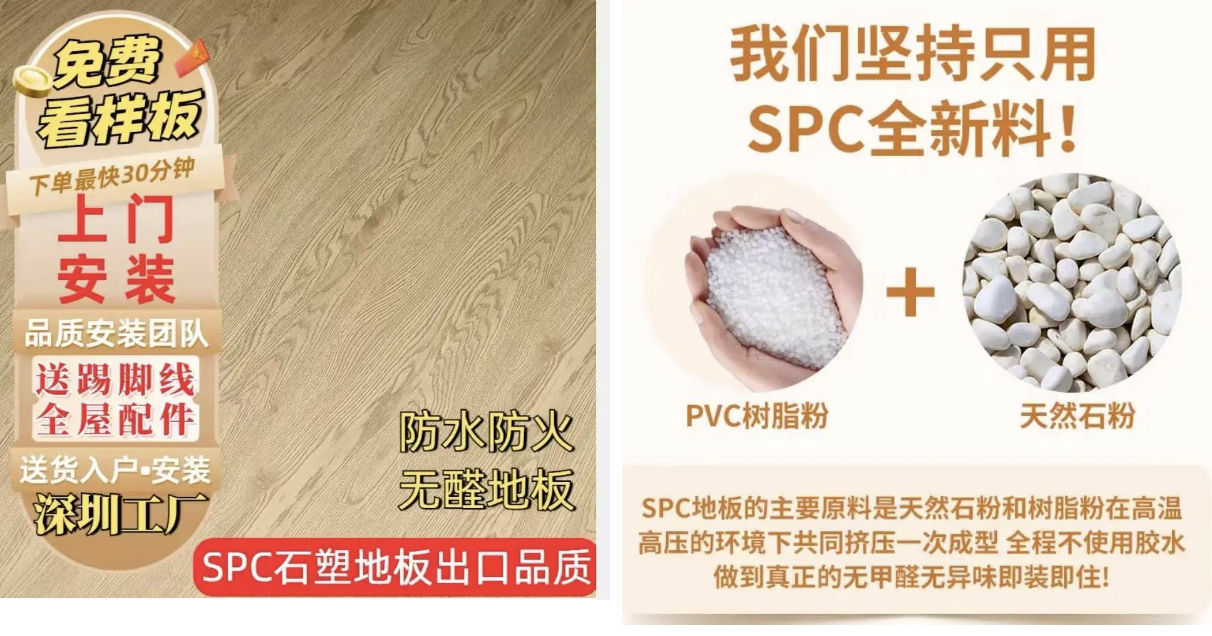
Type 3 plastic, PVC (polyvinyl chloride), stands out as the most hazardous plastic in everyday circulation. The reason is straightforward: pure PVC is inherently brittle and requires substantial additives to achieve workable durability. Flexible PVC products, such as shower curtains, can contain between 60% and 70% plasticiser. However, the base PVC material does not form a stable bond with these additives. Once manufactured, the additives continuously escape from the plastic at varying rates. This is also why most PVC products carry a distinct ‘rubber’ odour—the smell of these additives releasing into the air.
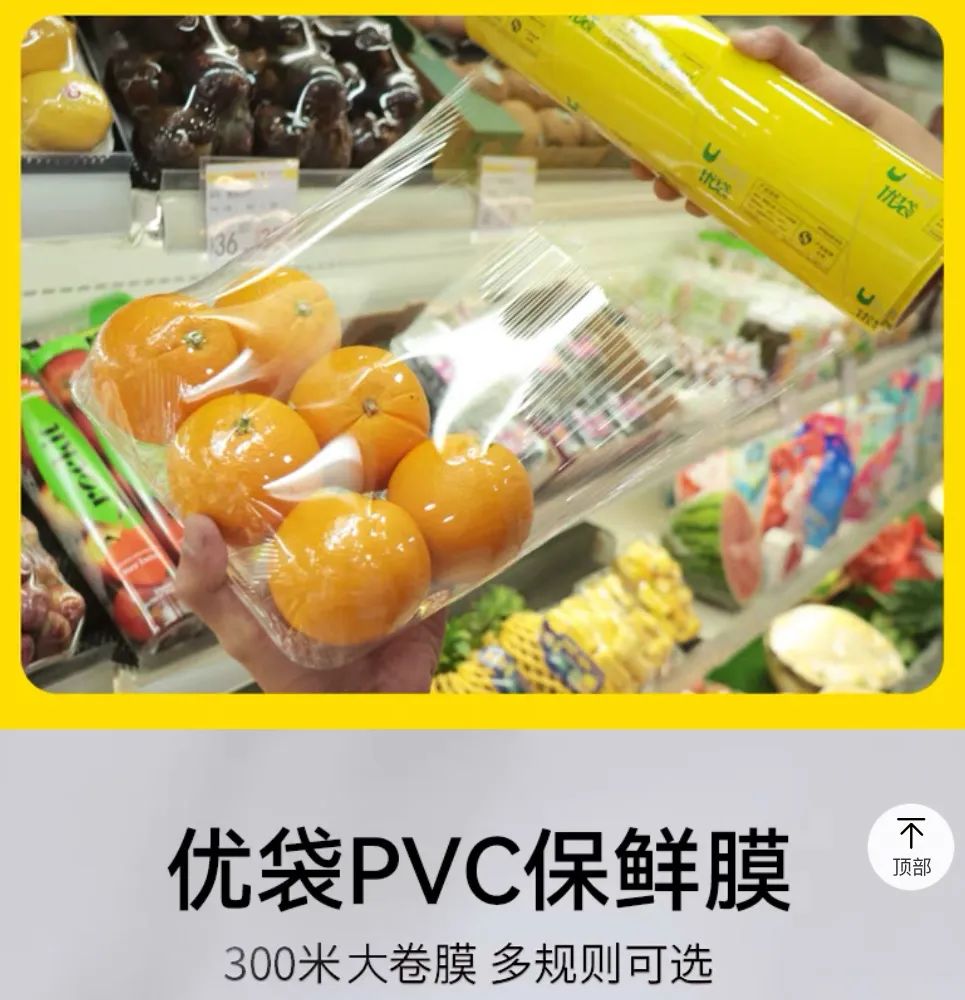
The most common PVC products include: plastic shower curtains, single-use packaging bags, plastic piping, stone-plastic flooring, cling film, various plastic cards such as credit cards, advertising boards, placemats, cleaning brushes, makeup sponges, children’s toy balls, stationery, and raincoats.
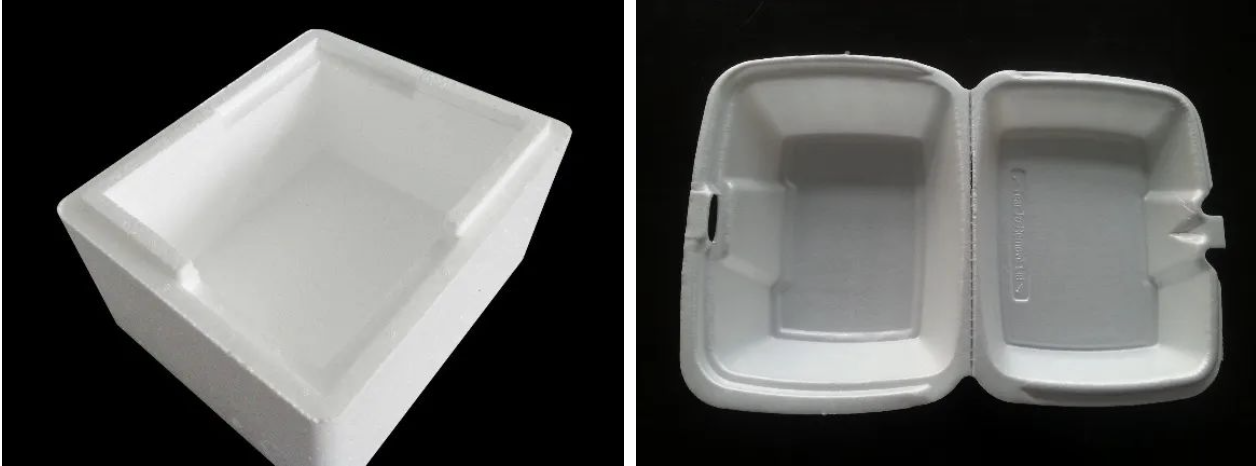
Plastic No. 6: PS (Polystyrene) Also known as foam plastic, expanded polystyrene, or Styrofoam, it is now most commonly found in insulated foam boxes used for transport.
The monomer styrene, which forms the basis of PS plastic, is a known carcinogen. While the plastic itself is non-toxic, it is highly heat-sensitive. Its safe temperature range is merely 70–90°C; at around 70°C, it begins to warp and soften, releasing styrene and various additives.
Foam food containers, once ubiquitous, carry significant health risks. China officially banned them in 2020. A search on Taobao will inform you that they are no longer for sale under the “plastic ban”, yet they remain visible in the market.
Recommendation Two: Exercise caution when using plastics for food packaging
However, these containers tend to be rather heavy. For the average office worker, hauling them on the daily commute can feel like an ordeal. As a practical compromise, bringing a relatively safer polypropylene (PP) plastic lunch box is still better than nothing. Compared with the disposable containers typically supplied by takeaways, they pose a significantly lower risk.
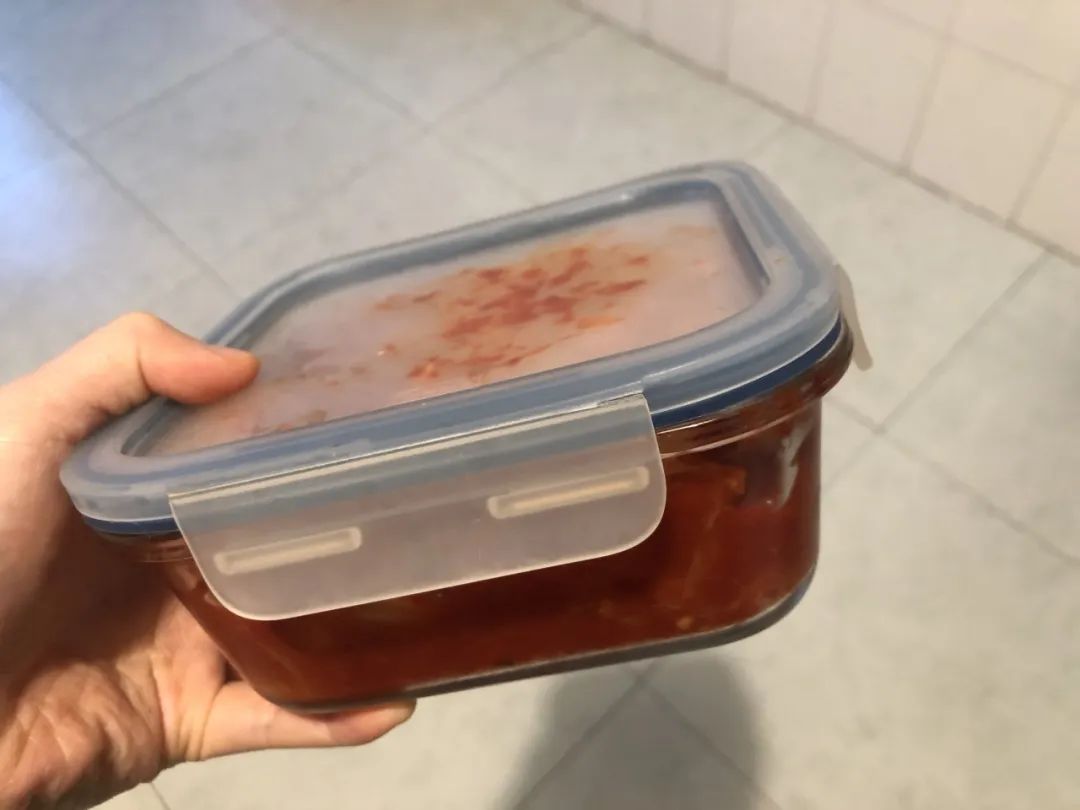
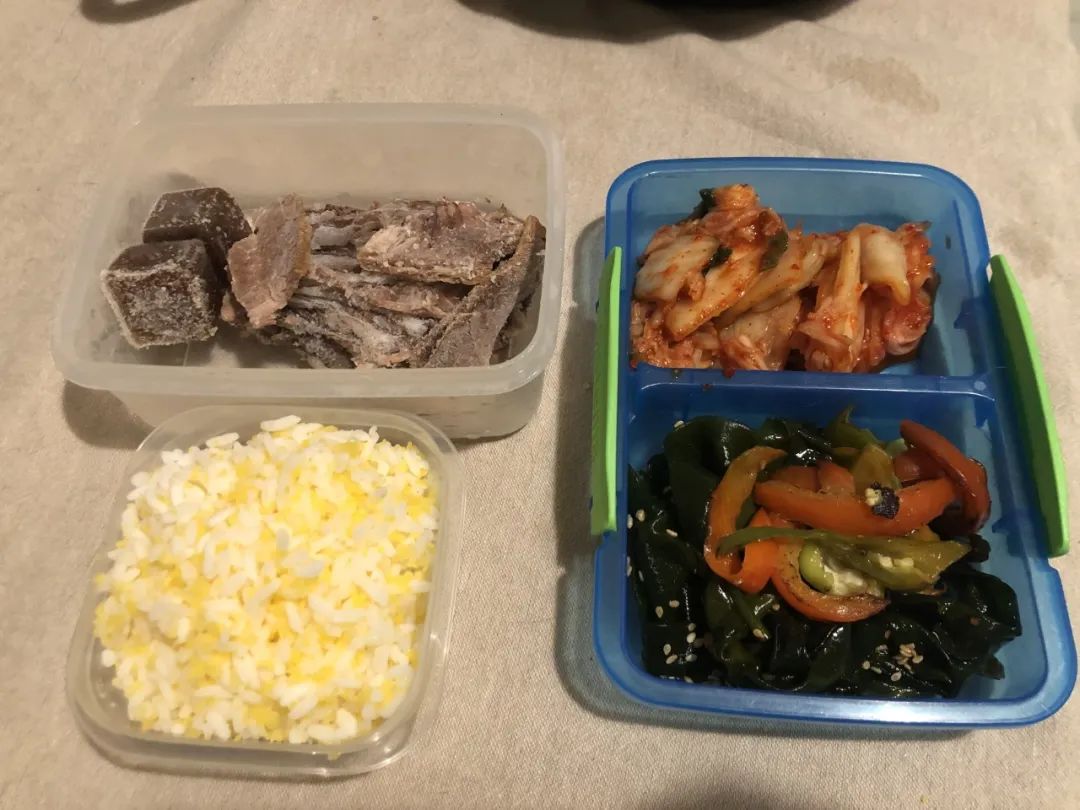

Furthermore, regardless of the type of plastic packaging your food comes into contact with, always adhere to the principle of “no alcohol, minimal oil, and no high heat”: avoid using plastic containers for alcoholic or high-fat foods, and never use them for high-temperature heating.
Although the theoretical deformation temperature of the PP (polypropylene) plastic commonly used in food containers is 120°C, steam can easily reach this threshold, and heated oils can readily exceed 170°C. It is therefore best to avoid placing plastic containers directly into a steamer or microwave.
In reality, PP plastic is also far from ideal for freezing, as it becomes brittle below 0°C and is highly prone to shattering. Before I knew better about plastics, I once bought a set of PP airtight containers for home use. More than half have already shattered, and I am gradually phasing them out.
If you must order takeaway, prioritise dishes served at lower temperatures with minimal fat, such as cold noodles or salads, or those with less sauce, like shredded chicken rice.
Recommendation 3: Do not reuse single-use plastics just to save money
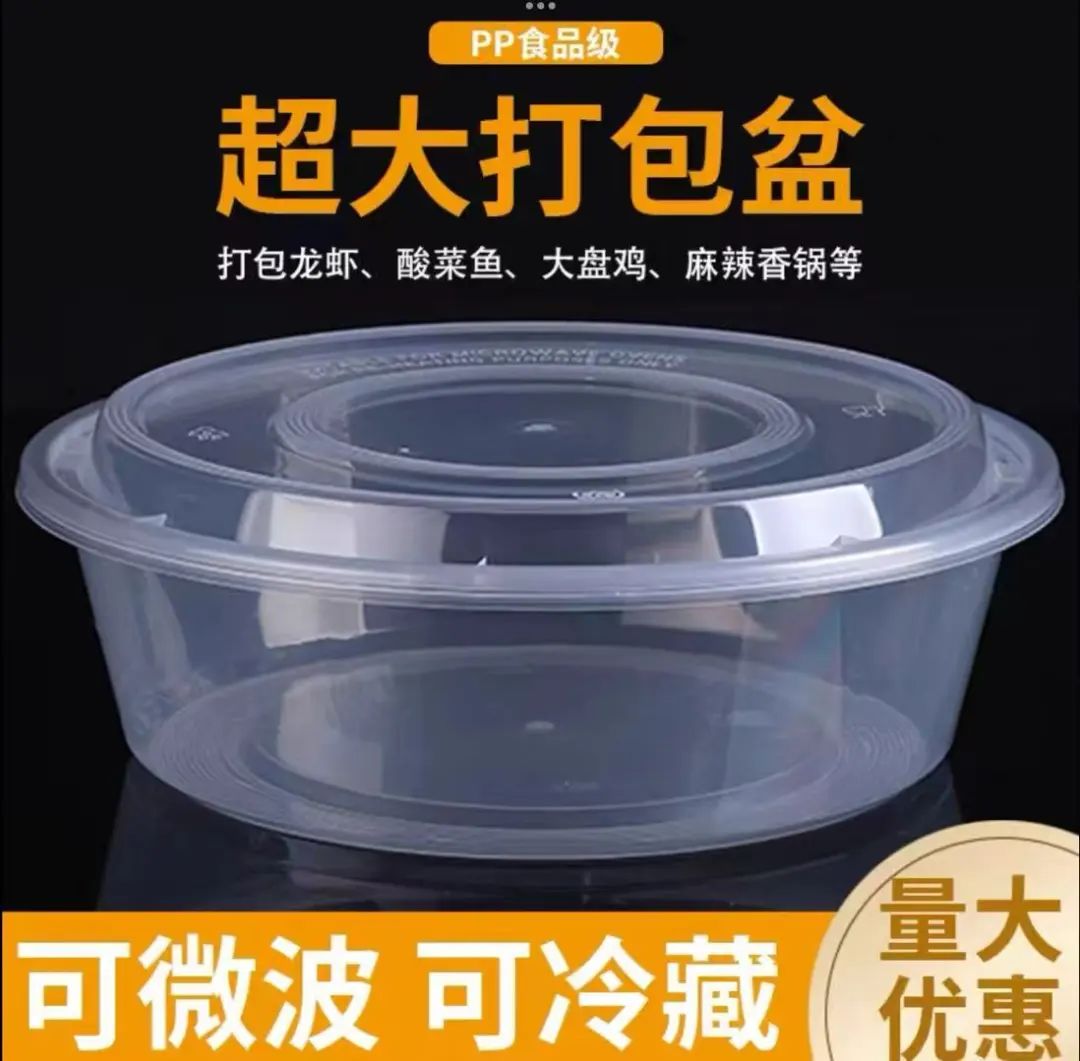
By contrast, more expensive durable plastics tend to be more stable and safer, as their standard testing protocols include requirements such as ensuring that leachates after 1,000 washes remain harmless to human health, and that surfaces stay intact without fracturing after 1,000 friction cycles.
Moreover, many single-use items do not undergo essential washing and sterilisation processes during manufacturing, meaning that even with tableware, complex dust and bacteria are highly likely to be ingested alongside your meal. The Cantonese habit of rinsing dishes with tea before eating out is not merely a psychological comfort. If you handle single-use plastics like courier packaging, it is also advisable to wash your hands.
In reality, for items designed to be used once and tossed, manufacturers and retailers often care less about quality and safety than consumers do. The recent 315 consumer rights exposé highlighting issues with disposable underwear and sanitary pads further underscores this point.
Many people are unaware that sanitary pads are plastic products. The top layer of a traditional pad consists of a perforated film (mesh) or non-woven fabric (cotton-like), while the middle absorbent layer uses fluff pulp, sometimes blended with superabsorbent polymers. The base layer employs a PE polyethylene film to prevent leakage. Liquid sanitary pads, meanwhile, have even less connection to plant fibres; their absorbent core is a patented polyacrylate foam, which is also a form of plastic.
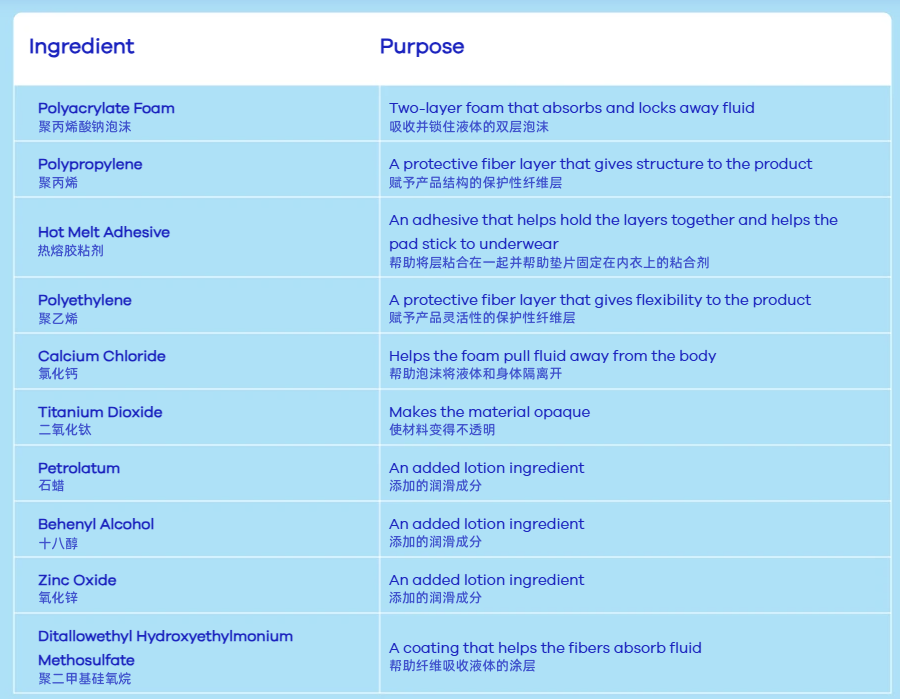
I switched to a reusable silicone menstrual cup several years ago. Given that there is still no trustworthy national standard for sanitary pads, readers concerned about this might want to consider this alternative, taking full control of the cleaning and sterilisation process themselves.
On another note, many single-use plastic items do not clearly label the type of plastic used, and distinguishing them by eye alone is notoriously difficult. If you cannot identify the material, it is best to avoid using them proactively. Should you receive one unintentionally, limit its use to a few occasions or simply avoid using it for food storage.
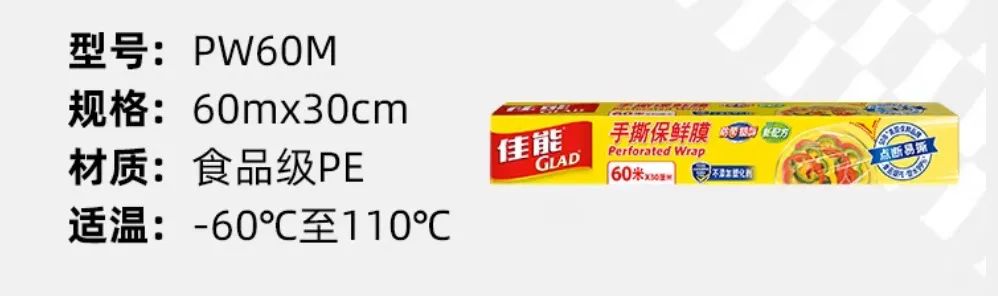
Recommendation 4: Avoid cling film and plastic bags
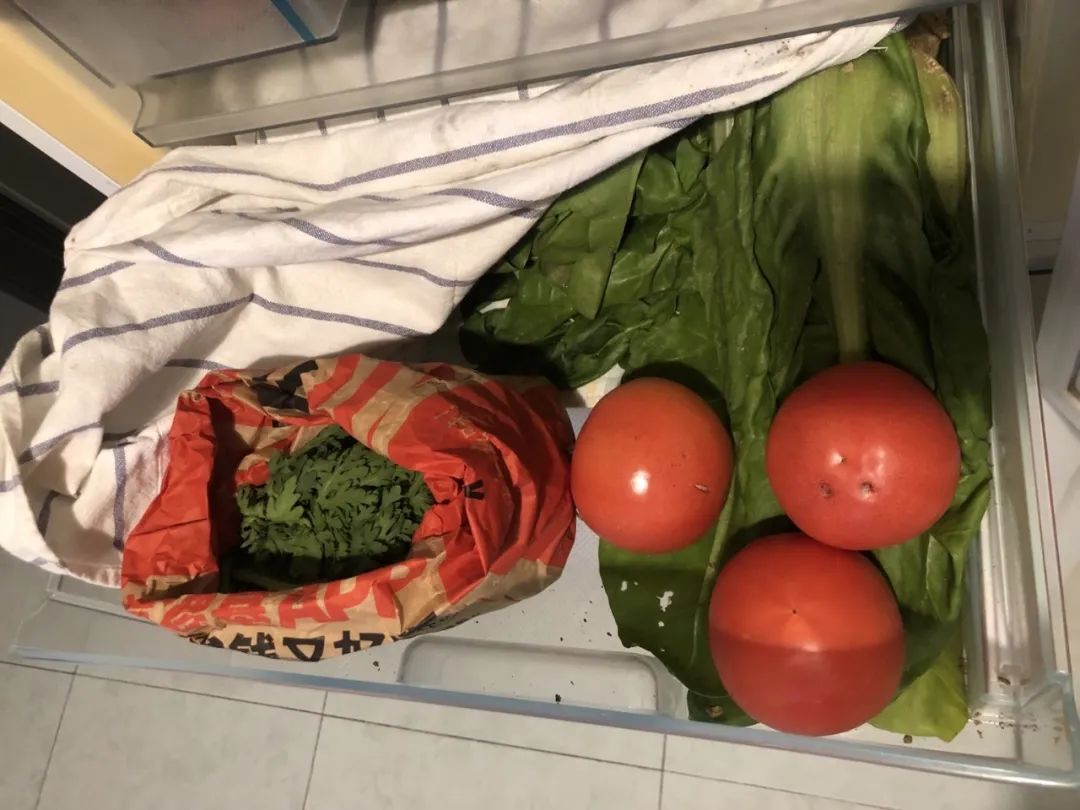
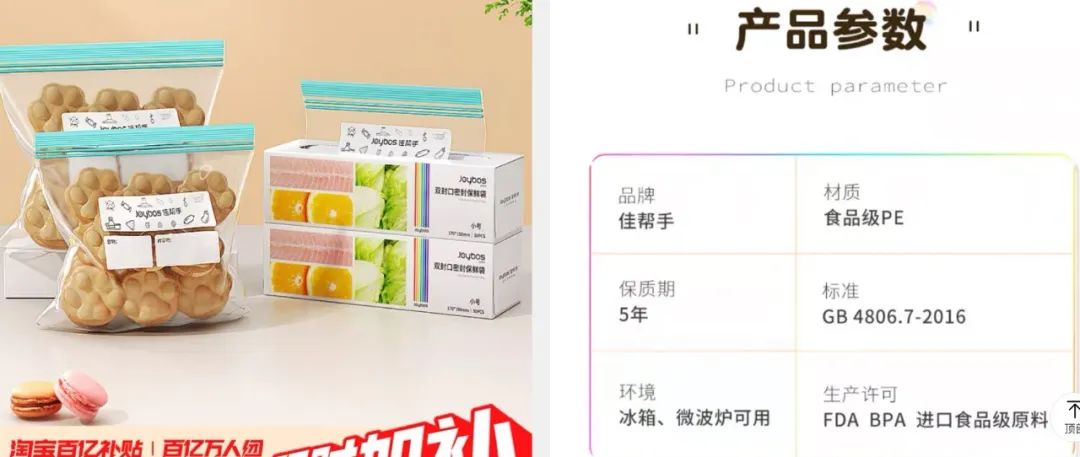
Furthermore, their supposed ‘preservation’ capabilities are far from foolproof. Cling film and plastic bags do not inherently offer any antibacterial or preservation benefits; they function mainly by blocking out air and contaminants. Yet, they can sometimes have the exact opposite effect—I am sure most readers recognise the familiar sight of leafy greens going soft and rotten inside a plastic bag. In my experience, vegetables placed directly in a fridge drawer actually stay perfectly fine for half a month.
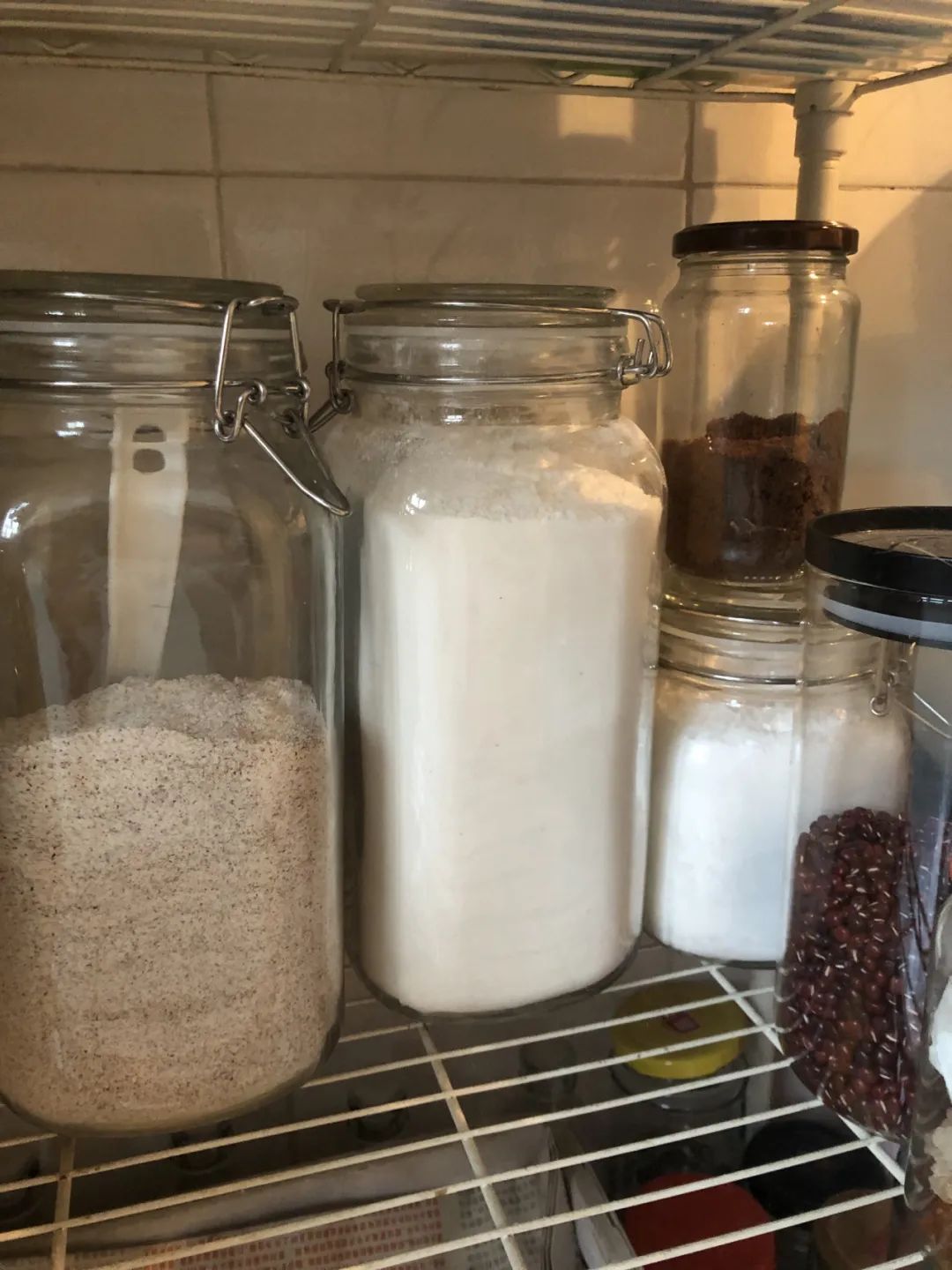
When it comes to portioning and storing food, stainless steel or PP plastic airtight containers are not only fully capable but highly recommended. Stainless steel freezes significantly faster, making it ideal for meat, and its rigid surface won’t freeze solid to the ingredients the way thin plastic films do. Even thick, heavy-duty storage bags simply cannot match their durability.
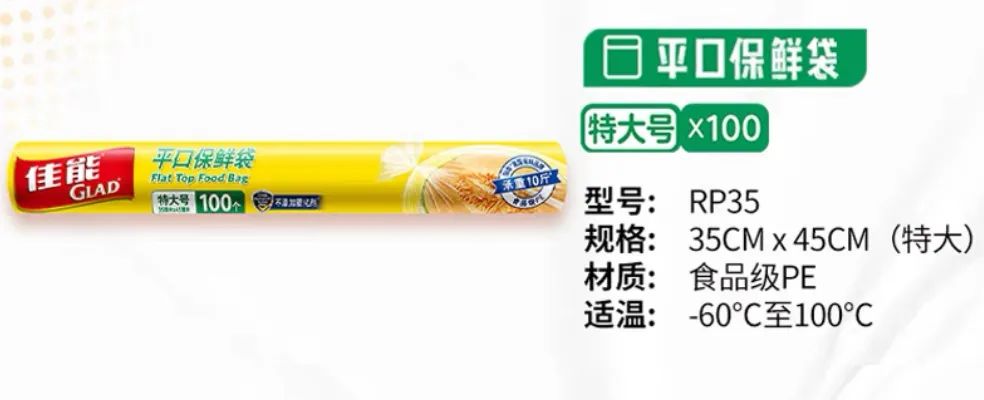
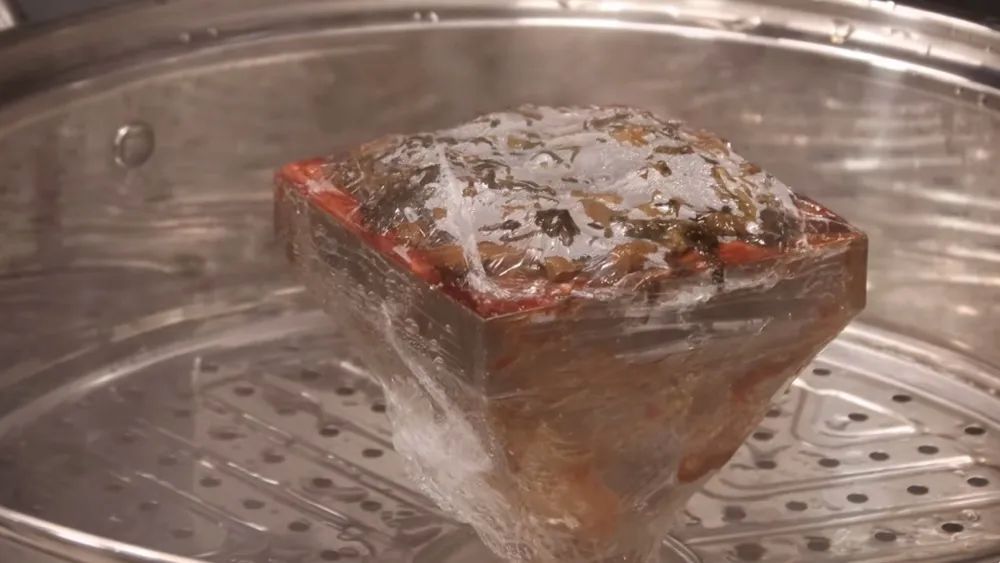
If you find it impossible to do without cling film and storage bags, I strongly recommend avoiding PVC at all costs. Under no circumstances should they be heated or come into contact with high-fat foods. Although I do use PE-based storage bags at home, I rarely use them for oily dishes. Pickled foods are always kept in glass airtight containers.

Recommendation 5:Reject ‘invisible’ plastics such as non-woven fabrics and laundry pods
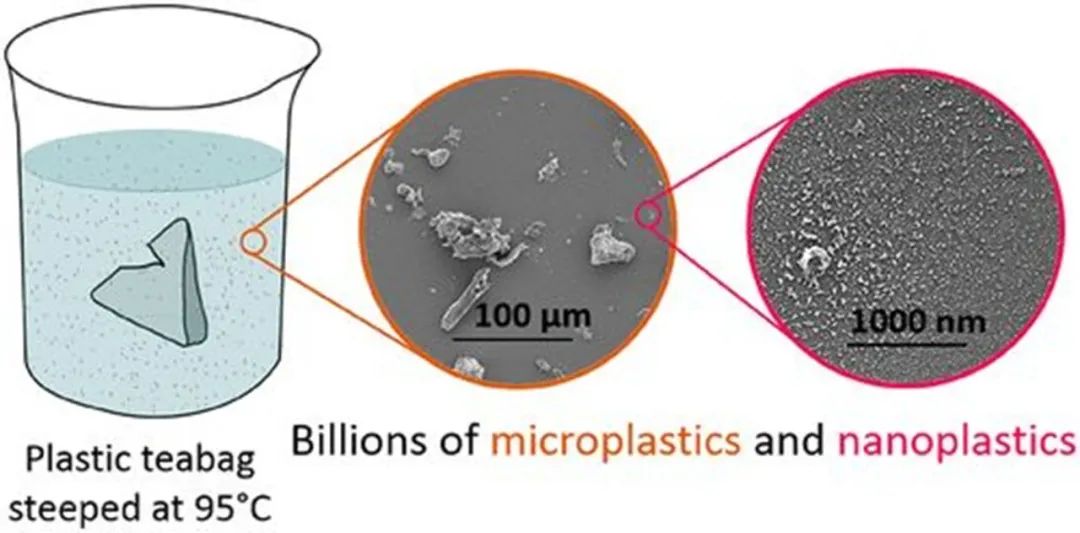

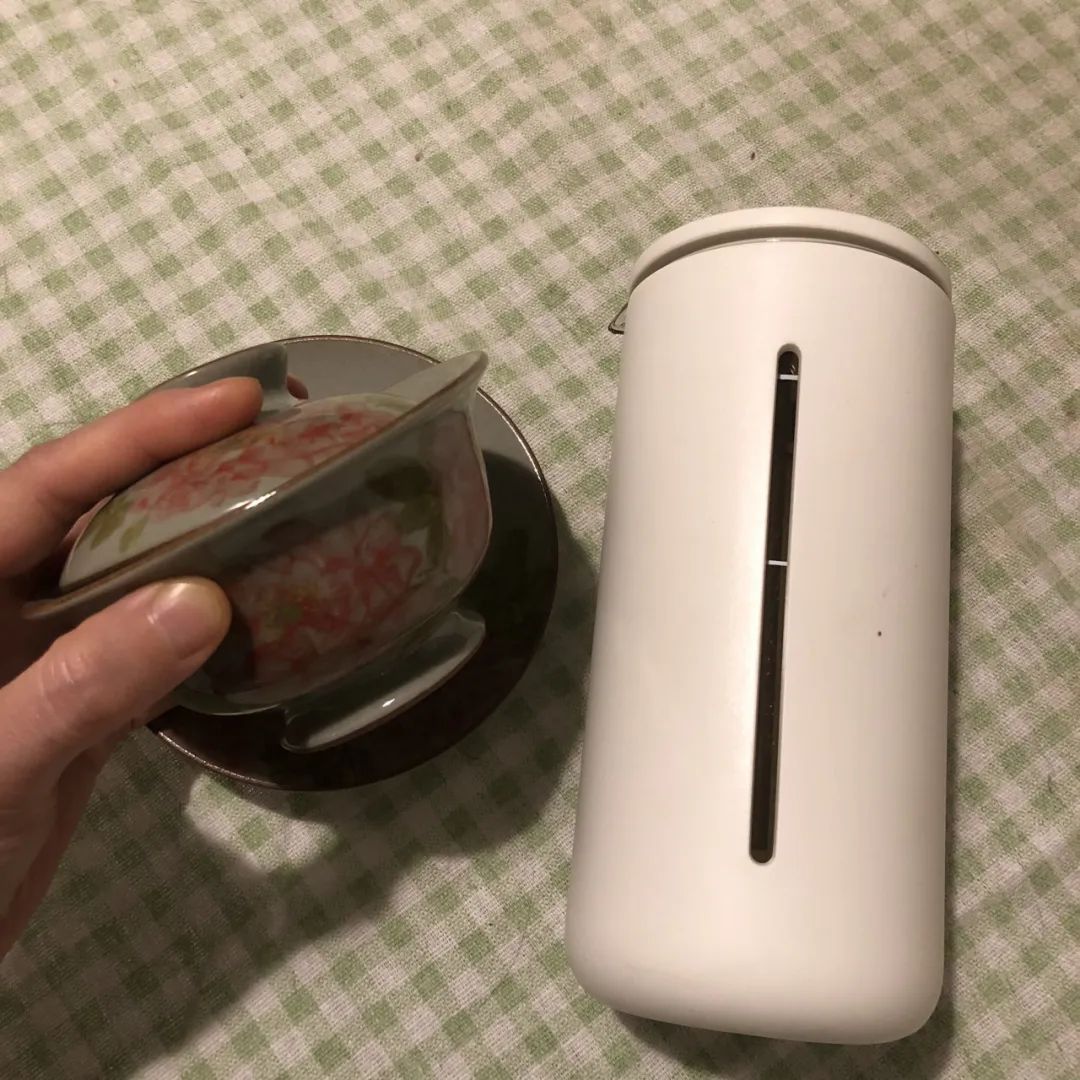
I cannot justify deliberately generating vast quantities of microplastics merely for a modicum of convenience. It is simply a poor trade-off. On top of that, their pre-measured format encourages overuse, and they carry a higher price tag than conventional detergents.
4. Keeping a Safe Distance from Plastic
Yet there is no need to let this fuel anxiety. Addressing plastic pollution is a highly specialised public issue, and the responsibility squarely lies with governments, corporations, and experts. When you realise that individual changes alone cannot solve the problem, but still feel overwhelmed by anxiety and powerlessness, remind yourself that “I am not the primary party responsible for the pollution,” and instead focus on urging those truly accountable to step up and do their job.
What remains within our control is keeping a safe distance from plastic and using it only within safe, limited parameters. Shifting our mindset is crucial: rather than treating plastic as a throwaway “convenience item,” we should view it as a durable material with specific use cases. Just as metal cutlery shouldn’t go in the microwave, or overglaze ceramics may carry heavy metal risks, plastic is likewise practical but requires careful attention to how and where it is used to maintain safety. The real danger lies in being surrounded by plastic in everyday life while remaining entirely ignorant of its properties and risks.
Modern society is littered with myriad risks to human health: antibiotic overuse, second-hand smoke, contaminated cooking oils… Plastic is merely one among many. At least evidence shows that ingesting microplastics won’t kill you outright or turn you into a “plastic person.” That said, there is still hope for peaceful coexistence with the material.
References
[1]Haipeng Huang et al. ,Microplastics in the bloodstream can induce cerebral thrombosis by causing cell obstruction and lead to neurobehavioral abnormalities.Sci. Adv.11,eadr8243(2025).DOI:10.1126/sciadv.adr8243
[2]Toxic-Free Vanguard, Foodthink. Decoding Archives – A Guide to Food Packaging [R]. 2020.
[3]BFFP. The Plastics Atlas – The World of Synthetic Polymers: Facts and Data [R] 2019.:11/17/34-35.
[4] From Pollution to Solution: A Global Assessment of Marine Litter and Plastic Pollution [R]. United Nations Environment Programme,2021. 1.1https://www.gdr-po.cnrs.fr/docs/UNEP_2021.pdf
[5]Marfella, R., Prattichizzo, F., Sardu, C., Fulgenzi, G., Graciotti, L., Spadoni, T., … & Paolisso, G. (2024). Microplastics and nanoplastics in atheromas and cardiovascular events. New England Journal of Medicine, 390(10), 900-910.
[6]Chen, J., Chen, G., Peng, H., Qi, L., Zhang, D., Nie, Q., … & Luo, W. (2023). Microplastic exposure induces muscle growth but reduces meat quality and muscle physiological function in chickens. Science of The Total Environment, 882, 163305.
[7]He Yan, Wang Jing, Zhao Man, et al. Adsorption Behaviour of Sulfadiazine by Biodegradable Microplastics [J/OL]. Environmental Science & Technology, 1-15[2024-04-15].http://kns.cnki.net/kcms/detail/42.1245.x.20240330.1555.008.html.
[8]5 Gyres Institute.BETTER ALTERNATIVES 3.0[R].2023.https://www.5gyres.org/betteralternatives.
[9]Fackelmann,G.,Pham,C.K.,Rodríguez,Y.,Mallory,M.L.,Provencher,J.F.,Baak,J.E.,&Sommer,S.(2023).Current levels of microplastic pollution impact wild seabird gut microbiomes.Nature ecology & evolution,7(5),698-706.
[10]Hu Hongmei, Li Tiejun, Zhu Yingjie, et al. Advances in Research on Pollution Status and Detection Methods of Phthalate Compounds [J]. Journal of Food Safety and Quality, 2021, 12(21):8573-8581.DOI:10.19812/j.cnki.jfsq11-5956/ts.2021.21.039.
[11]Liu Chunhong, Sun Yuanming, Yang Yichao, et al. Current Status of Pollution and Exposure Assessment of Phthalate Plasticisers [J]. Modern Food Science and Technology, 2012, 28(03):339-341+338.DOI:10.13982/j.mfst.1673-9078.2012.03.033.
[12] Wang Yongfeng, Yu Jingyuan, Zhang Hao. A review on the sources, distribution, and health risks of bisphenol compounds in environmental media in China [J/OL]. Shandong Science, 115 [2025-03-15].http://kns.cnki.net/kcms/detail/37.1188.N.20250313.1424.004.html.
[13] QADEER A, KIRSTEN KL, AJMAL Z, et al. Alternative plasticizers as emerging global environmental and health threat: Another regrettable substitution? [J]. Environmental Science & Technology, 2022, 56(3): 1482-1488. DOI: 10.1021/acs.est.1e08365.
[14] European Commission Regulation (EU) No 10/2011 [Z].https://eur-lex.europa.eu/legal-content/EN/TXT/?uri=CELEX%3A02011R0010-20250120.2025-01-20.
[15] GB/T 26572-2011, Limit requirements for restricted substances in electrical and electronic products [S].
[16] National Standards of the People’s Republic of China. Announcement on the approval and publication of 109 national standards including ‘Manganese Silicon Alloy’ and 4 national standard amendment sheets [OL].https://std.sacinfo.org.cn/gnoc/queryInfo?id=E2F76A3B449808FD198E132C41ADD96E,2024-6-29.
[17] State Administration for Market Regulation. Guiding Opinions on the Prevention and Control of Risks from Plasticiser Contamination in Food [OL].https://www.samr.gov.cn/zw/zfxxgk/fdzdgknr/spscs/art/2023/art_904e69afd8ea41c69e55509556db15f0.html,2019-11-03.
[18] United States Consumer Product Safety Commission. Phthalates Business Guidance [Z].https://www.cpsc.gov/Business–Manufacturing/Business-Education/Business-Guidance/Phthalates.
[19] Hua Yingdi, Xu Yiping, Zhao Gaofeng, et al. Environmental migration, toxicity testing, and risk screening of plastic additives: Progress and challenges [J]. Journal of Ecotoxicology, 2024, 19(02): 93-111.
[20] Annie Leonard. Things: A Story of Stuff [M]. Zhejiang People’s Publishing House, 2014-3.
[21] Greenpeace. Is expanded polystyrene plastic number 6? Is polystyrene (PS) toxic? Can it be recycled? [OL].https://www.greenpeace.org/taiwan/update/36710/%E4%BF%9D%E9%BA%97%E9%BE%8D%E6%98%AF6%E8%99%9F%E5%A1%91%E8%86%A0%EF%BC%9F%E8%81%9A%E8%8B%AF%E4%B9%99%E7%83%AF%EF%BC%88ps%EF%BC%89%E6%9C%89%E6%AF%92%EF%BC%9F%E5%8F%AF%E5%9B%9E%E6%94%B6%E5%97%8E/.2023-7-6.
[22] National Development and Reform Commission. Opinions on Further Strengthening the Governance of Plastic Pollution [Z].https://www.mee.gov.cn/xxgk2018/xxgk/xxgk10/202001/t20200120_760495.html.2020-1-19.
[23] Alonso-López O, López-Ibáñez S, Beiras R. Assessment of Toxicity and Biodegradability of Poly(vinyl alcohol)-Based Materials in Marine Water. Polymers (Basel). 2021 Oct 29;13(21):3742. doi: 10.3390/polym13213742. PMID: 34771298; PMCID: PMC8588384.
[24] Suzuki, M., Tachibana, Y. & Kasuya, Ki. Biodegradability of poly(3-hydroxyalkanoate) and poly(ε-caprolactone) via biological carbon cycles in marine environments. Polym J 53, 47–66 (2021).https://doi.org/10.1038/s41428-020-00396-5
[25] Lianhe Zaobao. Study: Microplastics found in human brain samples increase by 50% over eight years [OL].https://www.zaobao.com.sg/news/world/story20240901-4534890.2024-09-01.
[26] CCTV.com. Update on “Tanker Rollover Causes Crude Benzene Leak” in Yongzhou, Hunan: Water Quality Across All Sections Remains Stable and Meets Standards, Emergency Response Terminated[OL].https://news.cctv.com/2025/02/09/ARTIXRe9KRUkrpK32wRTqfGW250209.shtml.2025-02-09.
[27] Ministry of Ecology and Environment, People’s Republic of China. Case Study: Secondary Sudden Environmental Incident Following Tanker Rollover and Crude Benzene Leak in Xinjiang, Shanxi[OL].https://www.mee.gov.cn/ywgz/hjyj/yjxy/201912/t20191228_752089.shtml.2019-12-28.
[28] Zhejiang Provincial Administration for Market Regulation. How to Correctly Choose Sanitary Pad Products?[OL].https://zjamr.zj.gov.cn/art/2021/12/15/art_1228969910_59011990.html.2021-12-15.
[29] Always. Always FlexFoam: Made Differently, Works Differently[OL].https://www.always.com/en-us/about-us/what-are-always-flexfoam-pads-made-of.
[30] Jiemian News. 315 Gala Exposes Non-Sterilised, Handmade Disposable Underwear, Involving Brands Including Langsha, Beziyan, and Chu Yisheng | 3·15 Special Report[OL].https://mp.weixin.qq.com/s/k3VCukMVWur0V8dBerR3Sg.2025-03-15.
[31] Jiemian News. 315 Gala Exposes Use of Waste Scrap to Manufacture Sanitary Pads and Diapers, Involving Multiple Brands Including MiFi | 3·15 Special Report[OL].https://mp.weixin.qq.com/s/FWQwEjPGXR3ghsJUR9iyVg.2025-03-15.
[32] Hernandez LM, Xu EG, Larsson HCE, Tahara R, Maisuria VB, Tufenkji N. Plastic Teabags Release Billions of Microparticles and Nanoparticles into Tea. Environ Sci Technol. 2019 Nov 5;53(21):12300-12310. doi: 10.1021/acs.est.9b02540. Epub 2019 Sep 25. PMID: 31552738.

Editor: Wang Hao