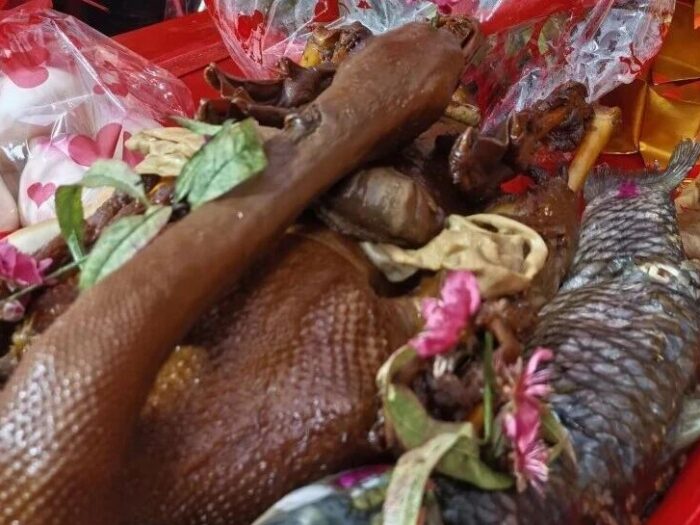
In 1946, Shen Dongyan in Malaysia sent a qiaopi simply to have his mother buy a braised goose for ancestral rites. In the Chaoshan region, braised goose is the offering of the highest grade on the offering table; this reverence has continued from the Nanyang to today.
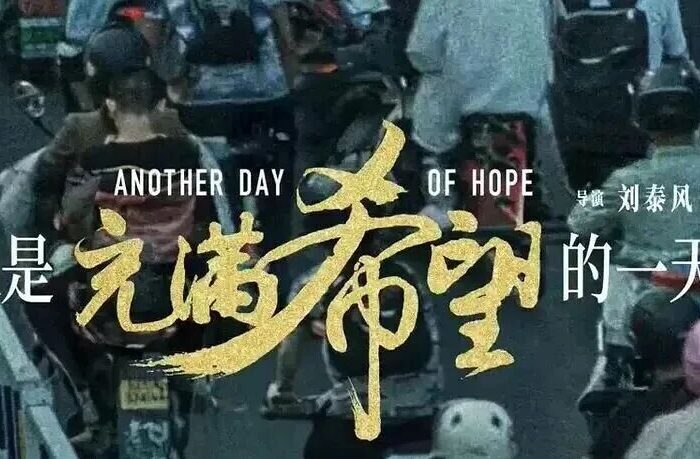
Foodthink screens four films about food and labour back-to-back at Tuanjiehu this June — from food-delivery riders to rice farmers, pastoralists and fermentation artisans. Each screening is followed by an in-person conversation with directors, protagonists and activists, and preceded by a farmers’ market.
Over a decade since the 2016 straw burning ban became a political priority in the three northeastern provinces, Heilongjiang’s Hulan, Bayan and Bin County farmers and cadres proved: ridges wrecked by outsiders, stubble after baling, rice stalks never fully cleared — all for one burning window before spring planting.
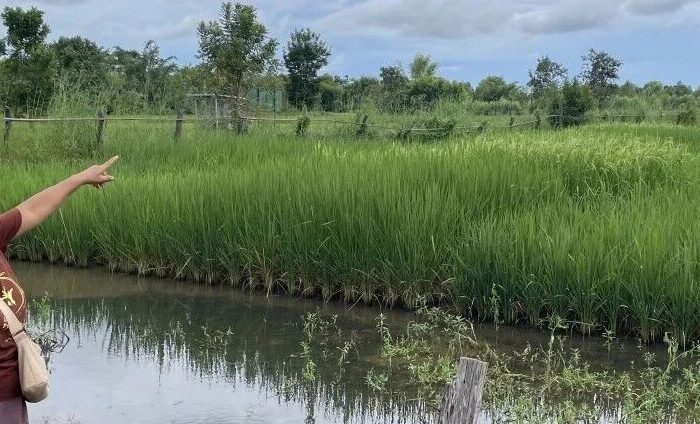
Farmers in Khok Sa-at village, northeastern Thailand, grow no export varieties. Self-breeding heirloom rice, owner-held land, and a credit co-op running for over forty years keep growing, borrowing, and spending within the community — a fall of about 30% in rice prices cannot touch them.
Ru Tongxue has run a shop in a small town in Exeter for six years, never joining a single platform subsidy campaign, and sets delivery prices uniformly 20% above dine-in: whoever enjoys delivery pays the bill—in complete opposition to the logic of China’s subsidy wars.
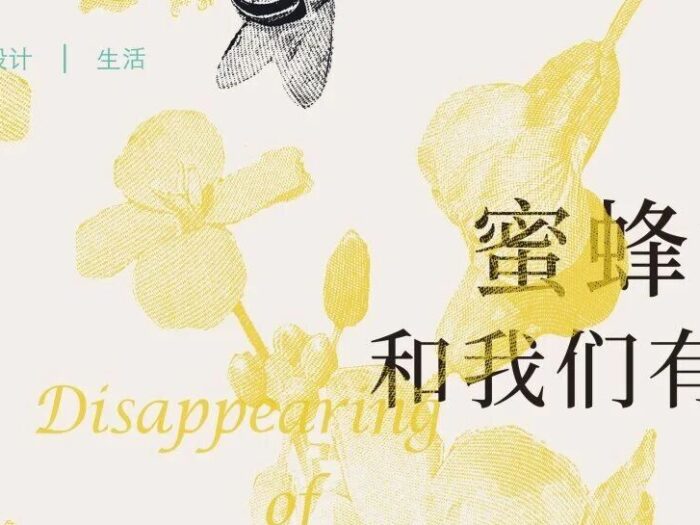
Author of The Vanishing Bees, Professor Lü Chensheng of Southwest University, begins with Colony Collapse Disorder at a Foodthink talk, discussing the ecological and health risks of pesticides entering the food chain from seeds, and seed companies’ influence on agricultural policy. 31 May afternoon, Beijing + online.
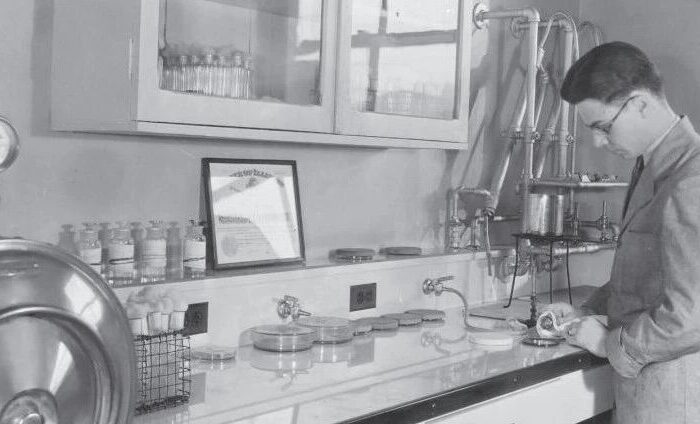
In 1922, eight tourists died from Clostridium botulinum in duck pâté at Loch Maree, Scotland, and panic spread. Microbiology and market forces converged: corporate advertising, hygiene certification and the Pure Food and Drug Act combined to push home fermentation, step by step, out of the kitchen.
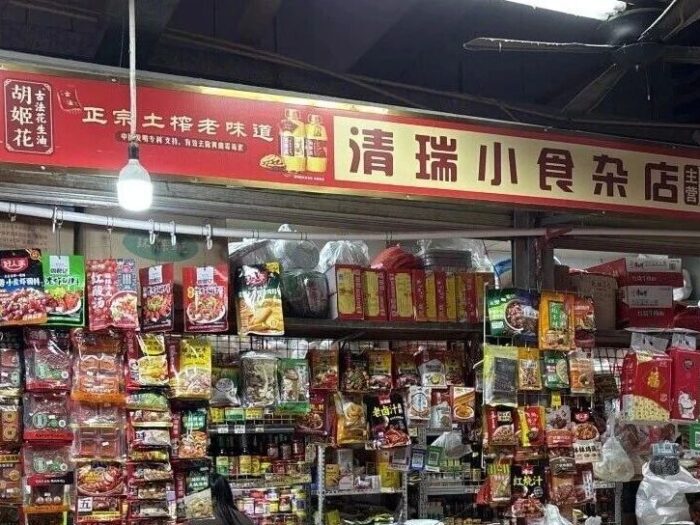
In 1995, my nan set up this sold-by-weight condiment stall at Yijing Market in Wuzhou. Since mum took over, she remembers each regular’s usual soy-sauce brand — and from dawn opening to late-night spice repacking, one busy stretch lasts twelve hours.
Oil-lamp cake, jin baoyin and roasted flour – the harvest festival children in hungry years once longed for all year. Now snacks are drenched in free sugars and refined oil. Back to the kitchen: roselle drink, yoghurt, dried pumpkin, nut toffee and jerky – sweetness and fragrance need no additives.
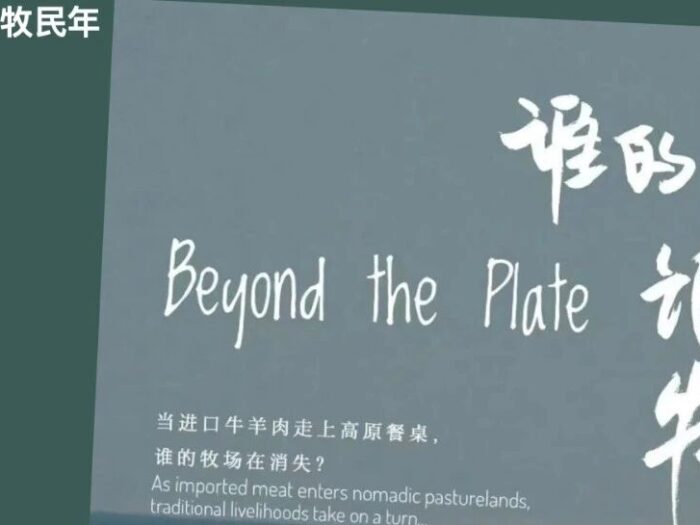
On 26 May at 19:00, Foodthink screens a field-research documentary at Toku Gallery, Qinhuai District, tracing how imported frozen beef and mutton flooding the market slashed buying prices for herders around Qinghai Lake, leaving them struggling to repay loans. Afterward, Tianle joins the audience for a discussion.