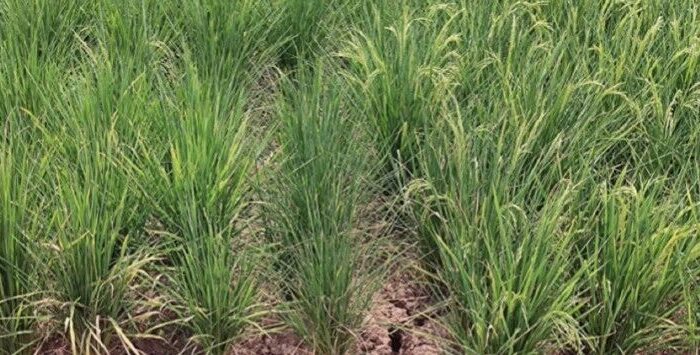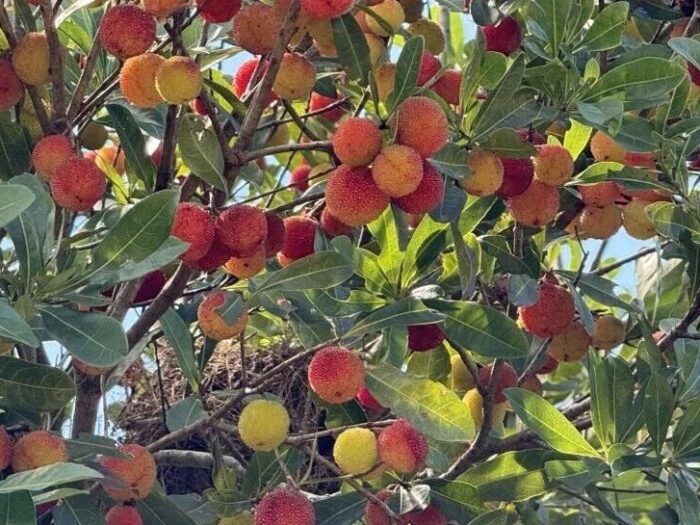
At Villain’s Valley, I grow fruit without spraying chemicals. Two bayberry trees burst with red fruit—”rivers of blood”—only for a parcel to Shenzhen to be dismissed by my son as sour and small. That hands-on season led to a cliff-edge quitting of buying fruit from outside.
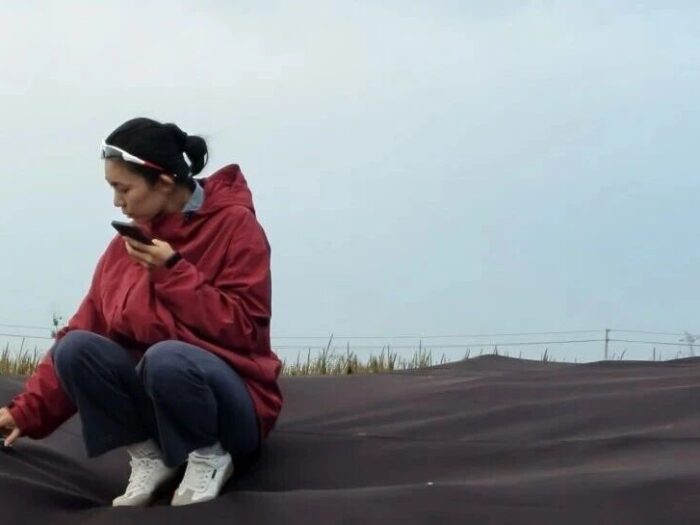
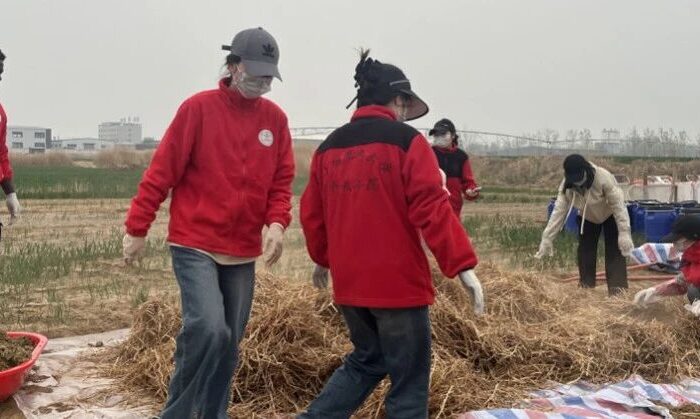
Xian Zi, a post-2000 graduate student at China Agricultural University’s Science and Technology Backyard in Quzhou, built an organic fertiliser plant with villagers to turn chicken manure that livestock keepers pay to clear back into field fertiliser – but found the barrier not technology, only reality’s “input and output” ledger.
Piling over ninety tonnes of organic fertiliser, racing the farming season through storms, begging villagers to drive a water truck — China Agricultural University Associate Professor Li Yangyang and second-year master’s student Xianzi at the Quzhou Science and Technology Backyard show agriculture goes far beyond planting. Jobs are another picture.
Foodthink invited readers to share old kitchen items they refuse to discard: a cast-iron pan used for decades, an enamel mug kept 33 years since military training, an ox-bone dumpling-filling spoon passed down three generations. Their worn marks carry the memories no family will let go.
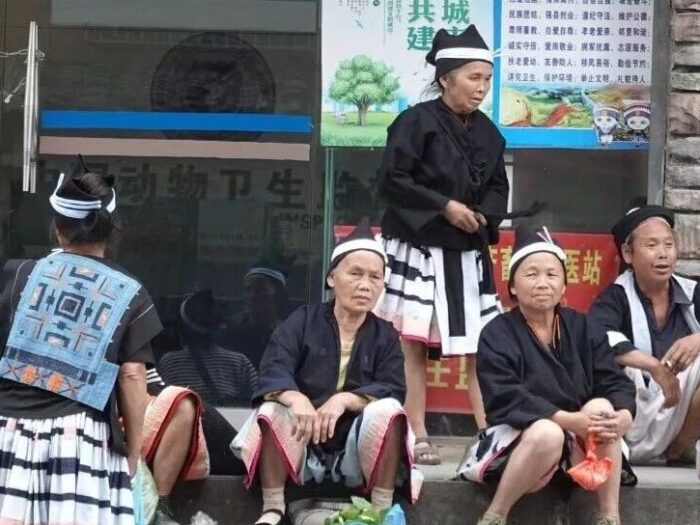
On a xu day in Lihu Yao Ethnic Township, I bought hemp seeds, sour meat and stuffed tofu with the White Pants Yao, then watched pao sha winding and golden silk silkworms spinning at the wall-less Ecomuseum — one market linking farming, weaving and the whole valley’s daily life.
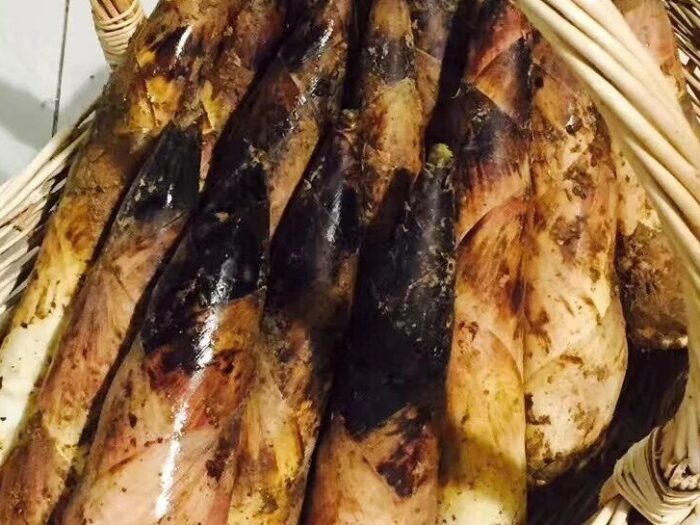
From Wuxi’s Yan Du Xian to Anji’s dried shoots and Peach Blossom dried bamboo shoots in Hunan’s groves, one season’s fresh bamboo shoots thread through generations’ hearths across Jiangnan and the southwest, and through vanishing rural flavours — the fire-baked bamboo shoot cake, Anji bamboo shoot and peanut snacks.
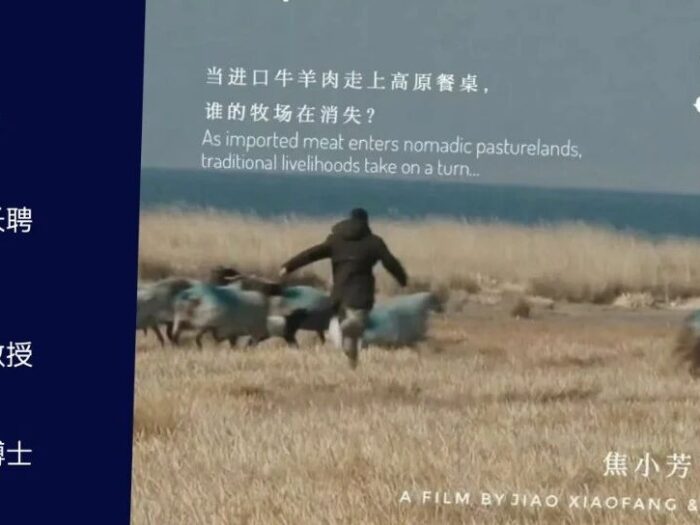
The award-winning documentary Whose Table, Whose Pasture documents the reality of plummeting cattle and sheep purchase prices and damaged livelihoods among herders after imported frozen meat flooded Qinghai’s markets. It will be screened at Zhejiang University on 12 June, followed by a discussion between food systems scholars and the audience.
A graduate of the University of Gastronomic Sciences, Pollenzo, recalls the days spent with Petrini in Bra, and the voices in the Slow Food movement yet to be heard.
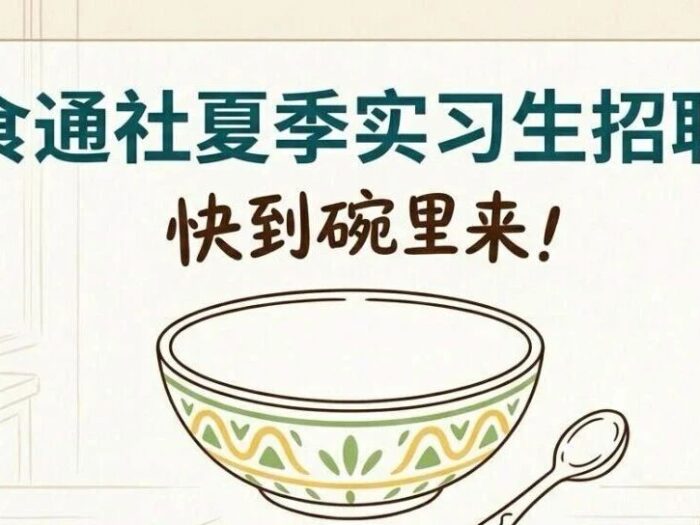
Foodthink has openings for content compilation, research assistant, and short video editing roles, focused on food and agriculture, environment, and public policy topics. Office-based positions are in Haidian, Beijing; part-time roles are remote.
One yak calf, one payout; after the downpour, some are compensated while others harvest nothing—97% smallholders mean claims rely only on “village-level sampling”. Whether agricultural insurance can shield against extreme weather is the puzzle Yi Fujin of Zhejiang University has long studied.