
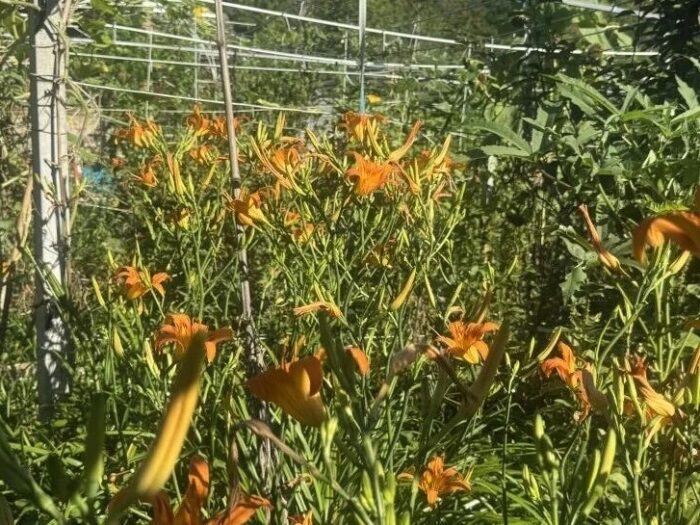
After her immune system collapsed at fifty, Kouzi came to Villains’ Valley and, over five years, built a self-sufficient solo farm entirely by hand – with health indicators now better than they were twenty years ago.
After her immune system collapsed at fifty, Kouzi came to Villains’ Valley and, over five years, built a self-sufficient solo farm entirely by hand – with health indicators now better than they were twenty years ago.
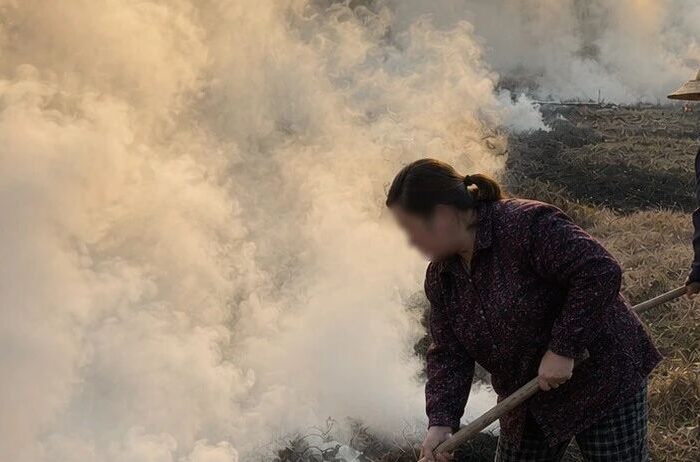
Autumn 2025: a village in Hunan’s Dongting Lake area enforced the strictest burn ban in history. Village cadres patrolled day and night for three months and spent 400,000 yuan — yet villagers still burned away nearly a thousand mu of straw in the blind spots of tower cameras.
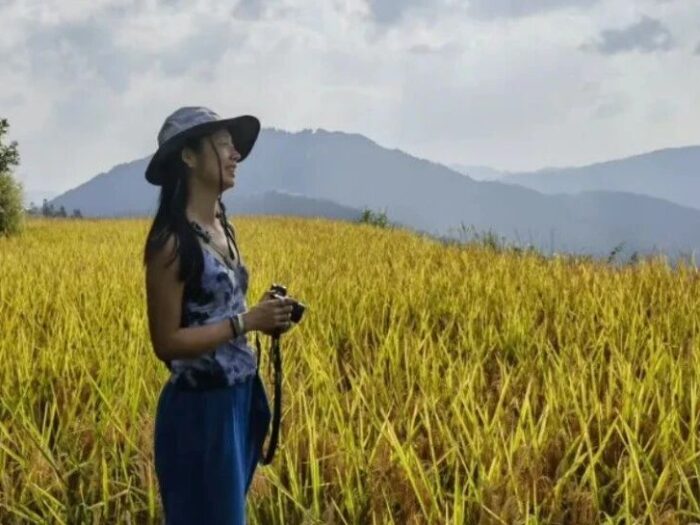
After eleven US years, Chen Xi quit Beijing and leapt into a Dong village in Qiandongnan — cabin, rice. Three years: barely a few dozen jin. Seven years on, Zhaoxi She stably grows nine heritage rice varieties. ‘The land taught me to give myself time — seven years, just entering our own summer.’
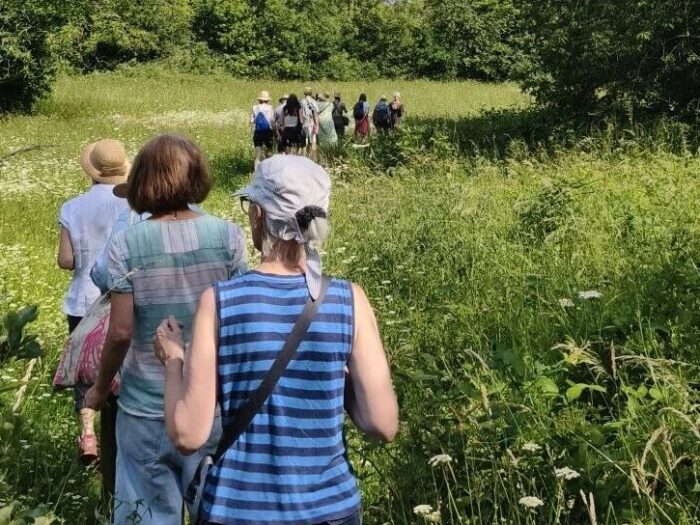
Dutchman Metske began with a vegetarian restaurant in the squatting movement. He farms roughly 6.5 acres of heavy clay in Kent, using wildflower strips to support ecological balance and grow seasonal vegetables – selling at north London’s organic farmers’ market every Saturday.
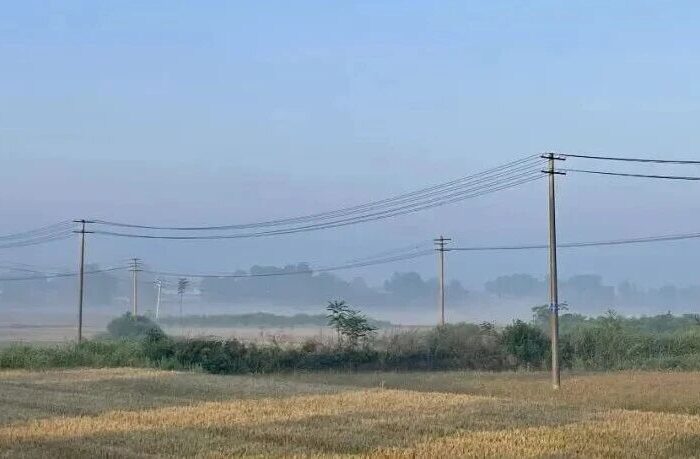
Smallholder farmers account for roughly 97% of agricultural production entities: one field officer often has to cover 40,000–50,000 mu and tens of thousands of households, making household-by-household loss assessment virtually impossible. “Wrong or missed claims” follow, while climate change steadily pushes up payout pressure on policy-based agricultural insurance.

A single banquet table holds the bustle of rural hospitality and thirty years of shifting ties and conventions. From a baby’s full-moon celebration to a school-admission banquet, from the big village pots to the Dragon and Phoenix Hall, Foodthink invites you to share your own banquet story.
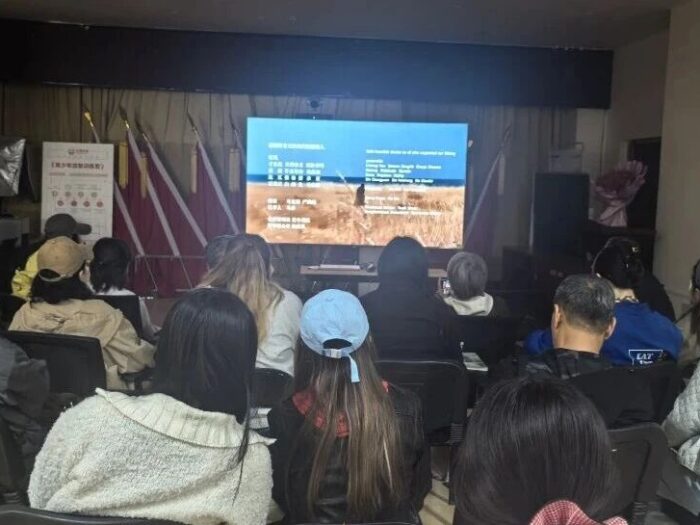
On 23 May, the documentary Whose Table, Whose Pasture screened in Urumqi, as Xinjiang university students, environmentalists, livestock experts, return-to-Xinjiang entrepreneurs and others shared their views on herders’ livelihoods and rangeland ecology under the impact of imported frozen meat.
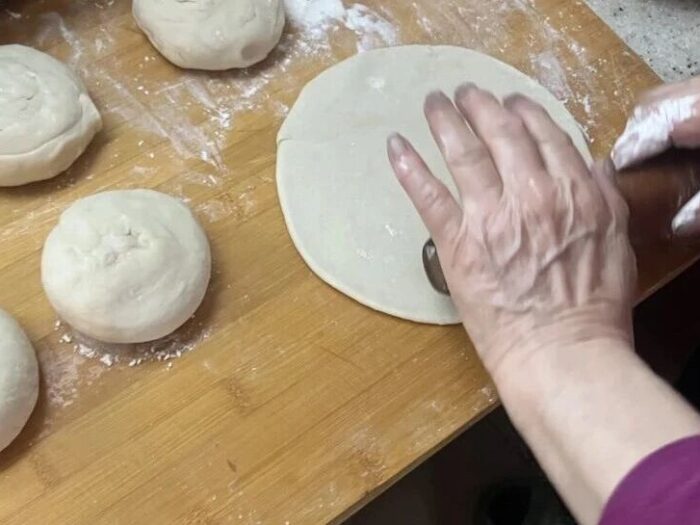
Suying, Huirong, and Qiuhua have spent over a decade in domestic work in Beijing, cooking for others every day yet unable to answer what they themselves love to eat. In a charity kitchen in Wangjing, they sit around together, trying to voice their own preferences.
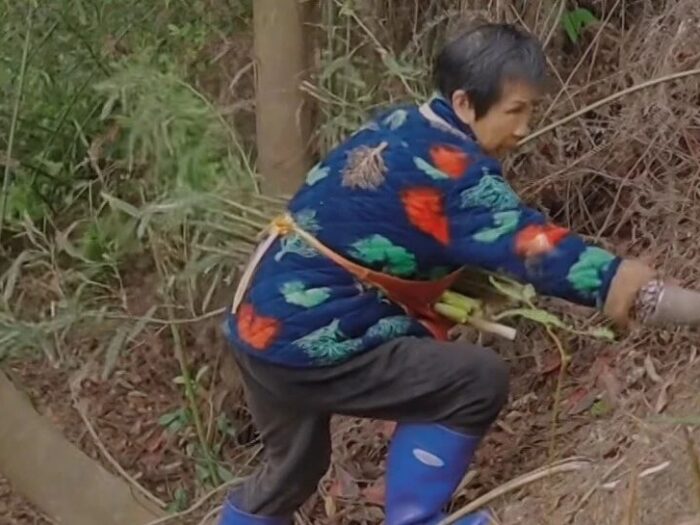
Pension unreliable, weather erratic, only six or seven women in the village left to climb the mountain. Through layer upon layer of loss – peeling, boiling, drying – Yang Xiuying of Hengyang, Hunan spent an entire shoot season earning back the self-assurance of not depending on her children.

In recent years, Foodthink has tracked e-commerce platforms’ impact on food and labour: “ghost-kitchen delivery” made by platform subsidies, order pickers at 30,000 steps for 3 fen, Guangzhou wet markets squeezed by fresh-food e-commerce, 100 million daily orders in layers of plastic, and worldwide practices exploring another possibility.