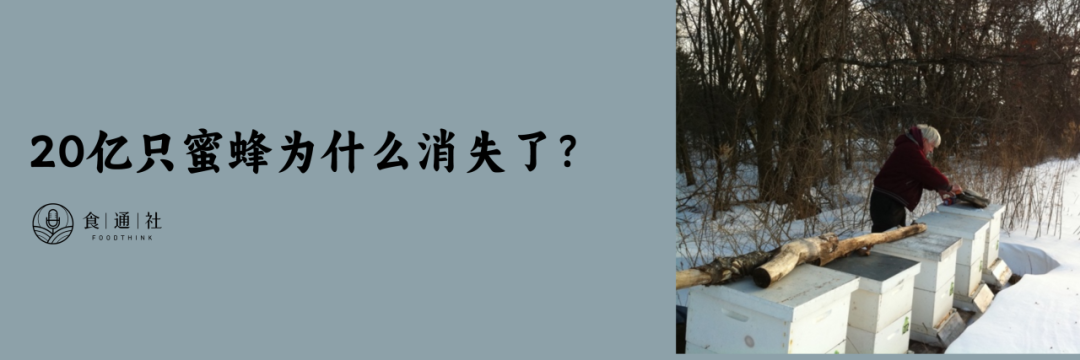
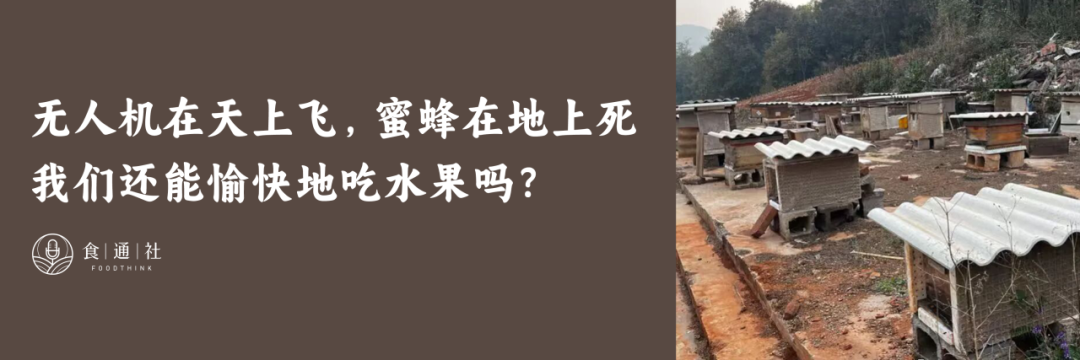
The Bees Have Vanished: Will We Be Next? | Event Registration

This March, concerns over beekeeper losses following pesticide spraying on oilseed rape crops sparked considerable discussion. As beekeepers witnessed vast numbers of dead bees, public attention increasingly turned to the impact of pesticides on pollinating insects. Yet beyond these visible deaths lies a more insidious disappearance: the bees do not perish within the hives. Instead, entire colonies vanish, leaving behind only empty boxes.
Professor Lü Chensheng of Harvard University and his research colleagues discovered that prolonged exposure to low doses of neonicotinoid insecticides can compromise bee mitochondrial health, ultimately leading to colony disappearance. This phenomenon was later termed Colony Collapse Disorder (CCD).
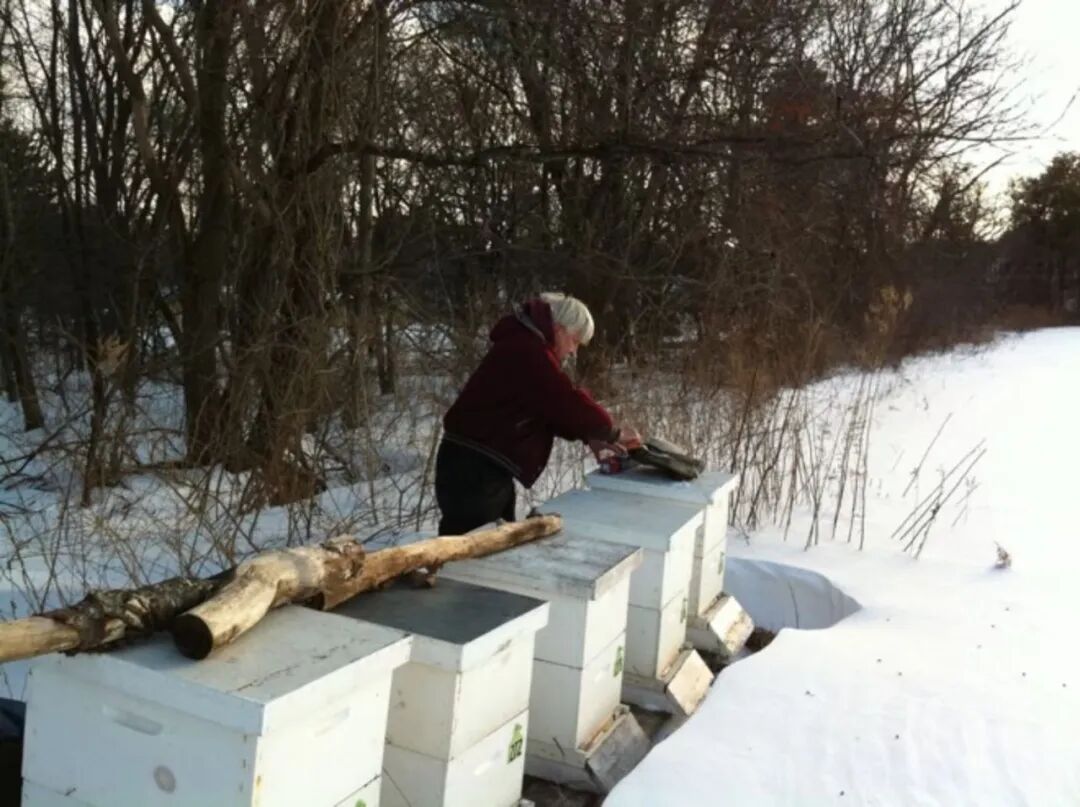
◉Inspecting experimental hives during overwintering. Photo: Richard Carahan
Furthermore, pesticides do not simply remain outside the hives; consequently, the impact extends far beyond the bees themselves.
With the widespread adoption of seed coating technology, systemic pesticides enter plants at the seed stage. During the growing season, they permeate the soil, water, pollen and air, affecting insects across the food chain. Ultimately, they find their way onto our plates and into our bodies. Testing conducted in China by Professor Lü Chensheng also revealed traces of neonicotinoids in water sources, soil, common fruits and vegetables, and even in the blood of pregnant women.
When a pesticide can travel from seed to plant, from plant to the environment, and from the environment to our plates, its ultimate impact extends far beyond agricultural production, intersecting directly with land, food and human health.
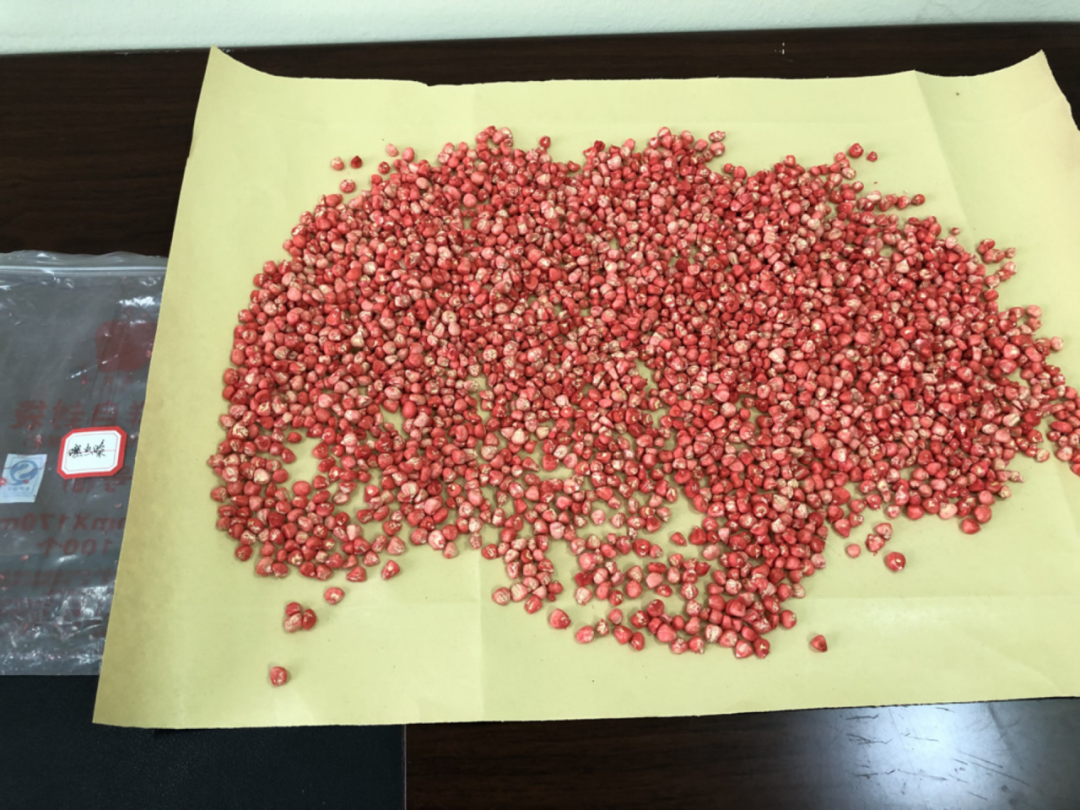
◉Maize seeds coated with neonicotinoid insecticides. Photo by Lü Chensheng
Seed companies such as Monsanto have tightened their grip on agricultural production by binding pesticides to seeds, a practice that introduces significant ecological and health risks. Yet regulatory oversight remains inadequate, with policies consistently favouring agribusiness. Why do governments fail to conduct comprehensive assessments before authorising new pesticides for widespread use, particularly to evaluate their impact on every organism within the ecosystem and on human health itself?
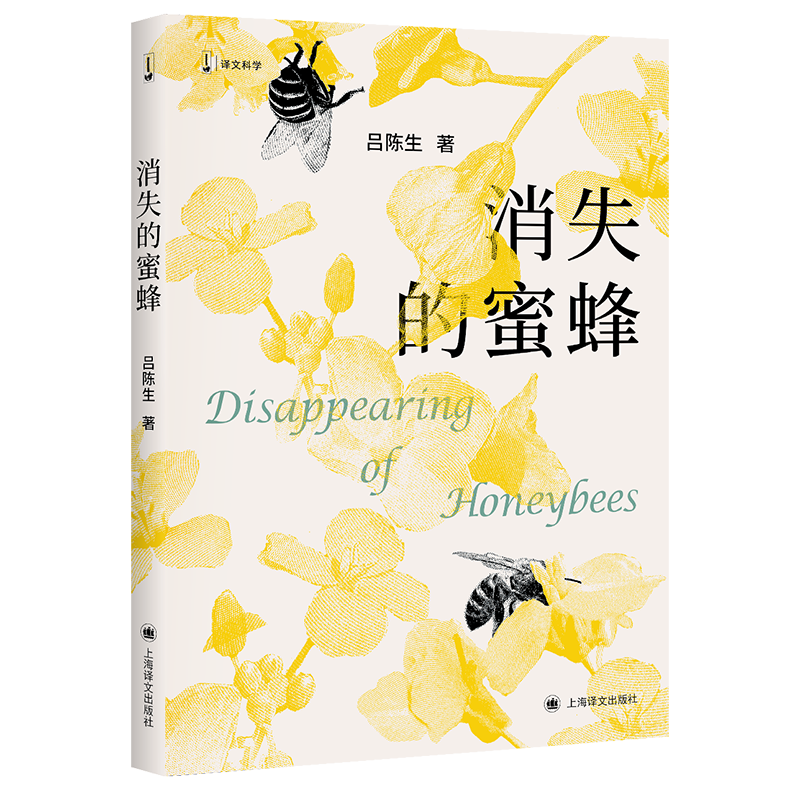
Bees and humans share the same environmental systems; the issues that first emerge for bees may well be challenges humanity will inevitably have to confront. Drawing on his research and subsequent reflections, Professor Lü Chensheng authored *The Vanishing Bees*, a popular science book that uses the disappearance of bees as a warning, urging humanity to better weigh the benefits and drawbacks of pesticide use.
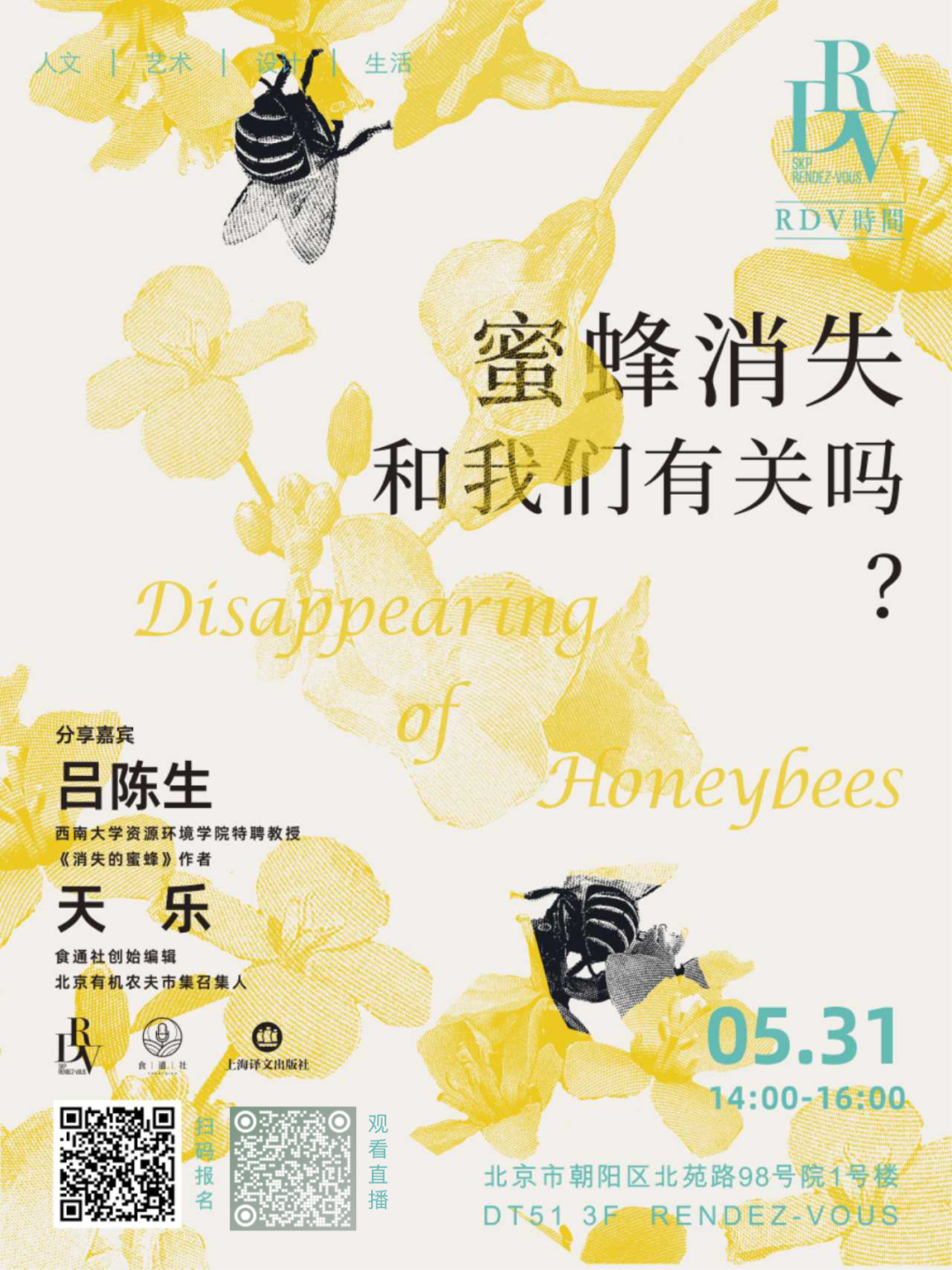
Sunday, 31 May at 2:00 pm, DT51 RENDEZ-VOUS Bookstore, Beijing | Foodthink invites Professor Lü Chensheng, author of The Vanishing Bees, to join a discussion beginning with bees, exploring the ecological and health impacts of widespread pesticide use and how seed companies influence agricultural policy and regulation, while reconsidering the relationship between food, people, and the environment in modern agriculture.
– Featured Speakers –

Lü Chensheng | Currently a Distinguished Professor and Doctoral Supervisor at the College of Resources and Environment, Southwest University, a Distinguished Expert in Chongqing Municipality, and an Adjunct Professor at the School of Public Health, University of Washington. Before returning to China for full-time work in 2018, he served as a Professor at the Harvard T. H. Chan School of Public Health and an Associate Professor at the Rollins School of Public Health, Emory University. His primary research areas include human pesticide exposure and health risk assessment, the survival and safety of pollinating insects in stressful environments, and the development, detection, and application of biomarkers for transgenerational toxic inheritance.
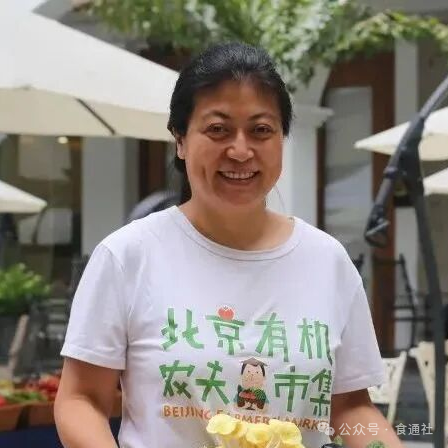
Tian Le | Founding Editor of Foodthink and Convener of the Beijing Organic Farmers’ Market.
– How to Join –
Format
In-person (Beijing) + Live online stream
Date & Time
31 May (Sunday)
14:00–16:00
Venue
RENDEZ-VOUS Bookshop
3rd Floor, DT51
Building 1, Courtyard 98, Beiyuan Road, Chaoyang District, Beijing
How to Register
The in-person event is free
Scan the QR code below to visit the registration page

Live Online Stream
Planning: Z X
Layout: Xiao Shu
▼
Click the image to read related articles