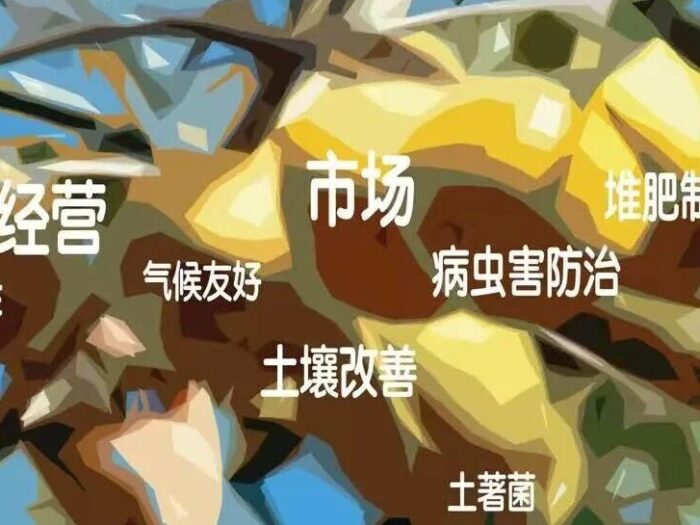
Foodthink’s three-day co-learning camp (4–6 June, Yangqiao Village, Lianhua County, Pingxiang, Jiangxi), featuring two technical advisors with over twenty years in ecological agriculture, threads soil, plants and animals as theoretical lines through hands-on composting and liquid fertiliser, plus market discussion, for 20 small- and medium-scale ecological farmers.

Brazil’s Landless Workers’ Movement (MST) built Concentra in Belo Horizonte, pooling market support work — compliance certification, warehousing, logistics — so dispersed smallholder produce can reach market at scale. Not easily transplanted, the experience points to a key path: turning what no individual can shoulder alone into collective capacity.
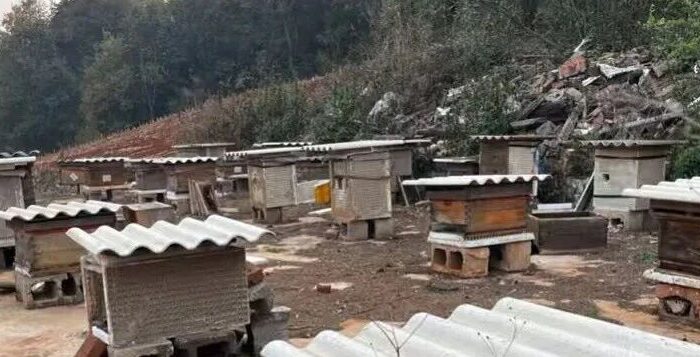
China’s dependence on pollinating insects is twice the global average, and drone spraying is leaving migratory beekeepers at a disadvantage – who gives notice, who yields, who pays for the bees’ pollination services: a new strategic contest in the fields.
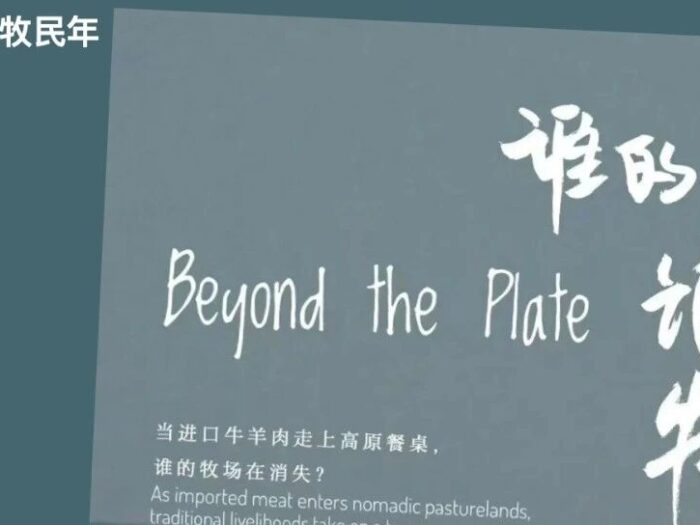
Foodthink will screen the documentary Whose Table, Whose Pasture in Ürümqi, documenting the livelihood impact on herders around Qinghai Lake after imported frozen meat flooded the market. After the screening, local Xinjiang organisations and guest speakers will discuss pastoral and herder issues.
Experiments by Harvard professor Chensheng Lu, beekeeper Kenneth Walhol and entomological toxicologist Richard Callahan confirmed that low doses of neonicotinoid insecticides enter soil, water and the food chain through seed coating, causing entire bee colonies to vanish and ultimately reaching human dinner tables.
Yu Jiangang (Yugang), a Tongxiang silkworm farmer who returned to the land fourteen years ago, recounts drone pesticide drift damage poisoning mulberry silkworms on a large scale, the squeezing of the rice–mulberry–silkworm symbiotic tradition, and his attempt to rent 15 mu of rice paddies to save them.
In the comments on Foodthink’s previous warehouse-picker article, workers described the daily reality of 0.01-yuan piece-rate pay, −20 °C cold stores and management through fines; consumers challenged who exactly the three-minute time limit rushes for, and discussed actions such as off-peak ordering and ordering fewer heavy items.
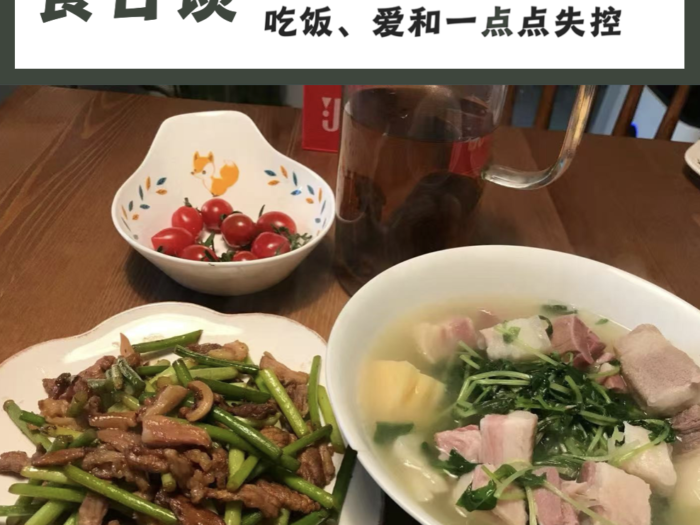
Three mothers chat from the childhood trauma of eating nothing but dumpling wrappers to the sweet burden of an adolescent child who eats “three dinners a day”, unpacking the generational memory, invisible emotional labour and self-identity behind “eating”.
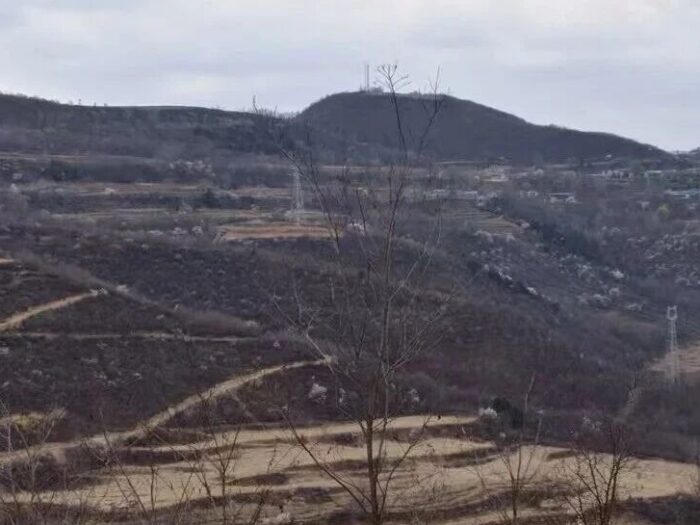
In Tongchuan, Shaanxi, Hongxia and her husband farm around 100 mu of hillside plots, having invested some 150,000 yuan in farm machinery. As returning villagers reclaim the land they had rented out, that outlay becomes a sunk cost, and the land is fragmenting from consolidation once more.