
From the System to a Grassroots NGO: An Idealist in Yunnan
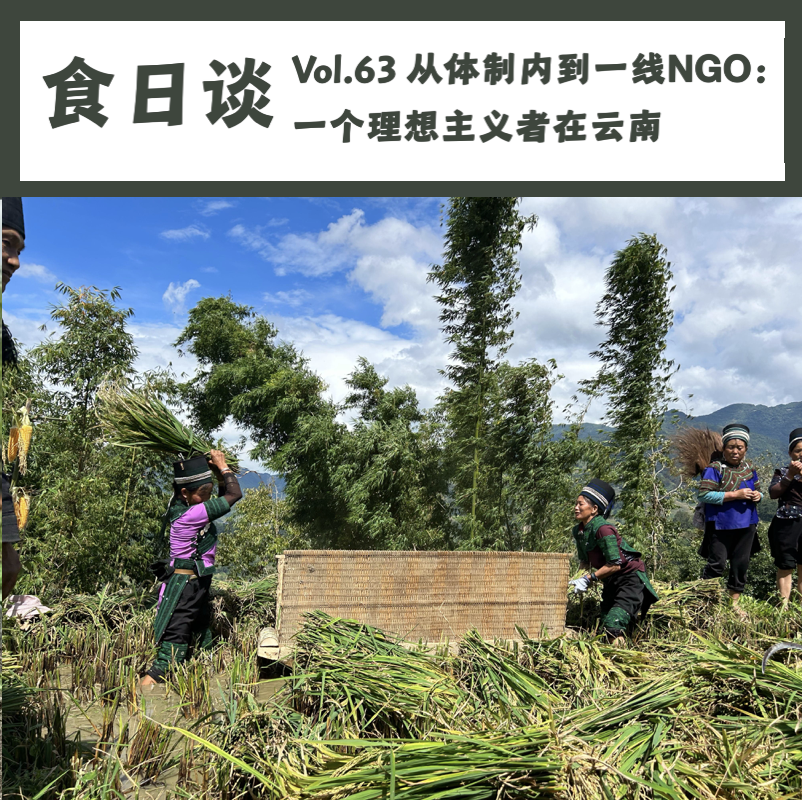
How did an organisation focused on insect ecology start caring about farmers’ livelihoods? And how did an organisation focused on livelihoods end up writing a “Song of the Fly“?
How did a man from Shanxi become a “male Women’s Director” in a Yunnan village? Why is a top genetic engineering graduate spending his time in the fields persuading farmers to ditch pesticides and chemical fertilisers?
How have these seemingly unrelated people and events been woven together?
In this episode, we are joined by Zuo Zhi, Executive Director of the Yunnan Sili Ecological Alternative Technology Centre. A post-85s native of Shanxi who moved to rural Yunnan, he chose to leave the stability of the state sector after university to join an NGO called “Sili”. There, he does something quite difficult to explain: teaching farmers to use fewer pesticides, planting heirloom rice varieties, and attempting to build a bridge between the government, the farmers, and technical expertise.
You will hear some counter-intuitive details: flies acting as the ultimate “matchmakers” in mango groves, and the discovery that the first step to promoting ecological agriculture is to drink a glass of liquor with the farmers. From the Transplanting Festival in Dali to yield measurements in the Hani terraces, Zuo Zhi takes us through the tug-of-war between agricultural supply stores, technical extension stations, and grassroots organisations, breaking down what “climate-friendly rice”—which maintains yields while reducing emissions—actually is.
In this episode, we join Zuo Zhi in documenting how an idealist manages to get deep into the fields by “speaking the same language” as the locals. This is more than just a primer on “climate-friendly rice”; it is a true account of how trust is built and rural communities are watched over through small changes within the constraints of reality.
Guest
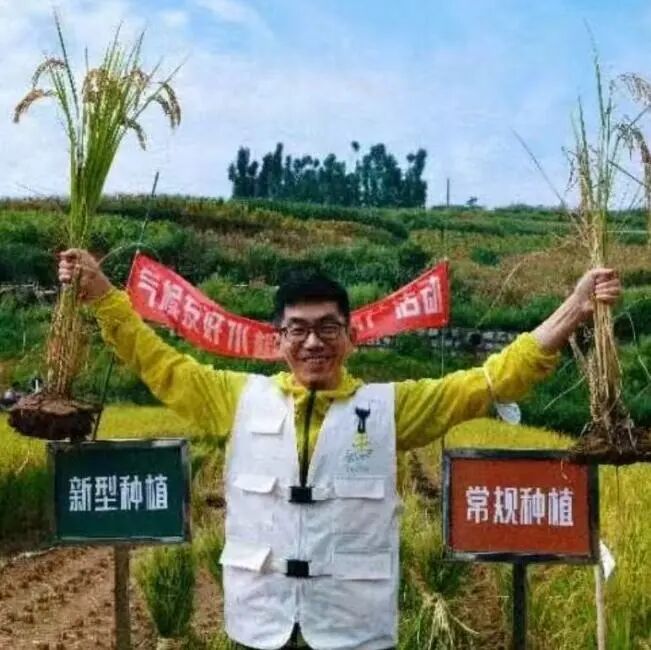 Zuo Zhi
Executive Director of the Yunnan Sili Ecological Alternative Technology Centre. Currently focusing on the research, promotion, and practical application of climate-friendly paddy field management strategies and technical integration, driving the development of practical networks for climate-friendly agriculture.
Hosts
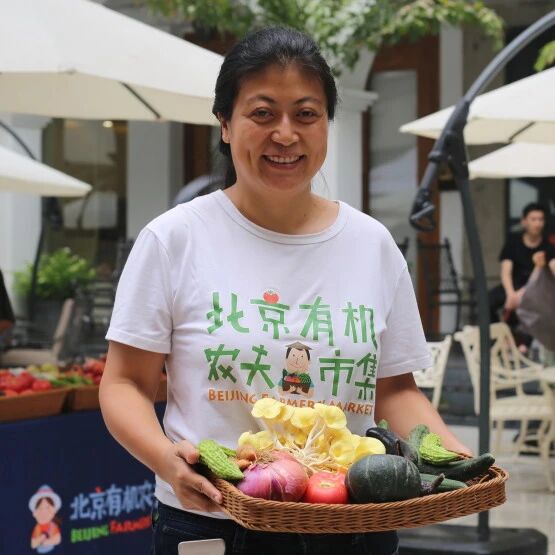 Tianle
Founding Editor of Foodthink and organiser of the Beijing Organic Farmers’ Market.
 Pei Dan
A writer who has returned to the “right path”, focusing on climate change, the ecological environment, and the individuals affected by these shifts.
Timeline
07:13 From the “safety” of the state sector to the frontline: Why move to an NGO?
12:20 In the village, technology is secondary; trust comes first
23:47 Never refuse a drink, never speak too harshly: “Rustic” ways of dealing with farmers
27:09 Restoring an heirloom variety, recovering a festival
30:21 Government, supply stores, NGOs: Who really influences how farmers plant?
38:50 Climate-friendly rice: More than just farming, it’s “working in tandem” with the weather
44:18 It’s not strange for salespeople to run training; it’s strange when they aren’t selling anything
49:15 Drought in Yunnan is more complex than just “a lack of rain”
58:22 Yield measurements, control plots, and the wisdom of grandmothers: Keeping technology “grounded”
68:46 If you too want to get closer to the land
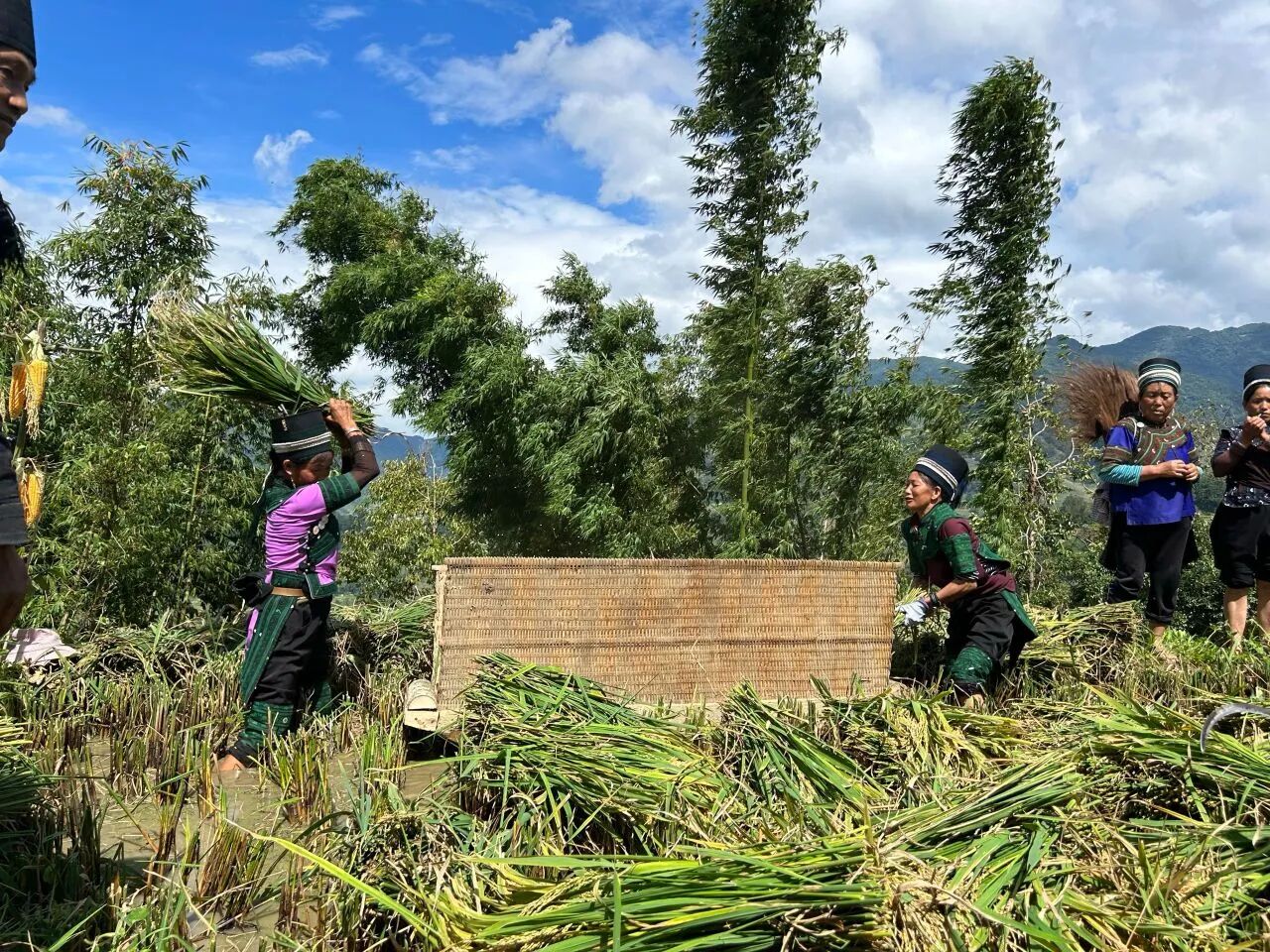
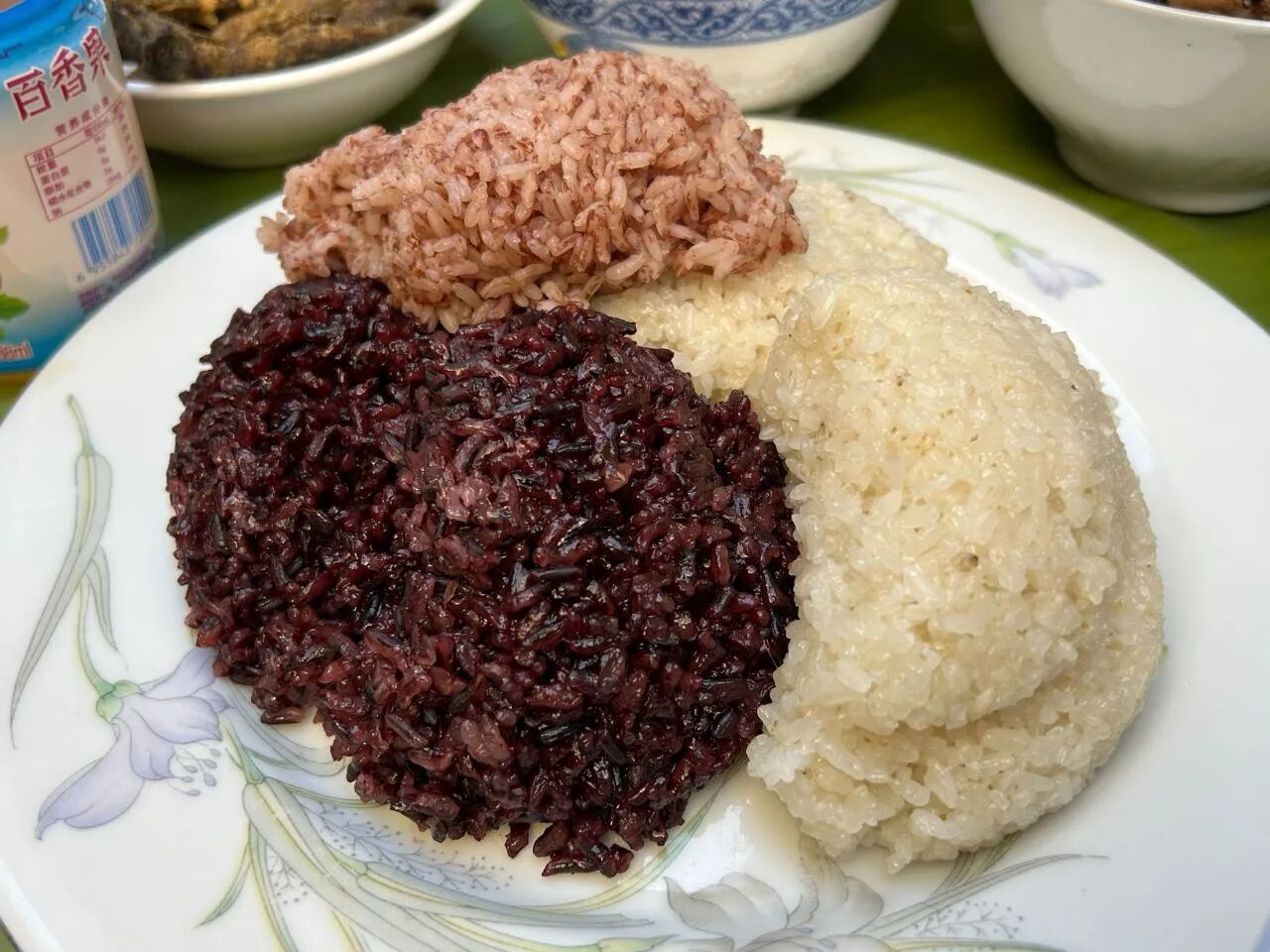
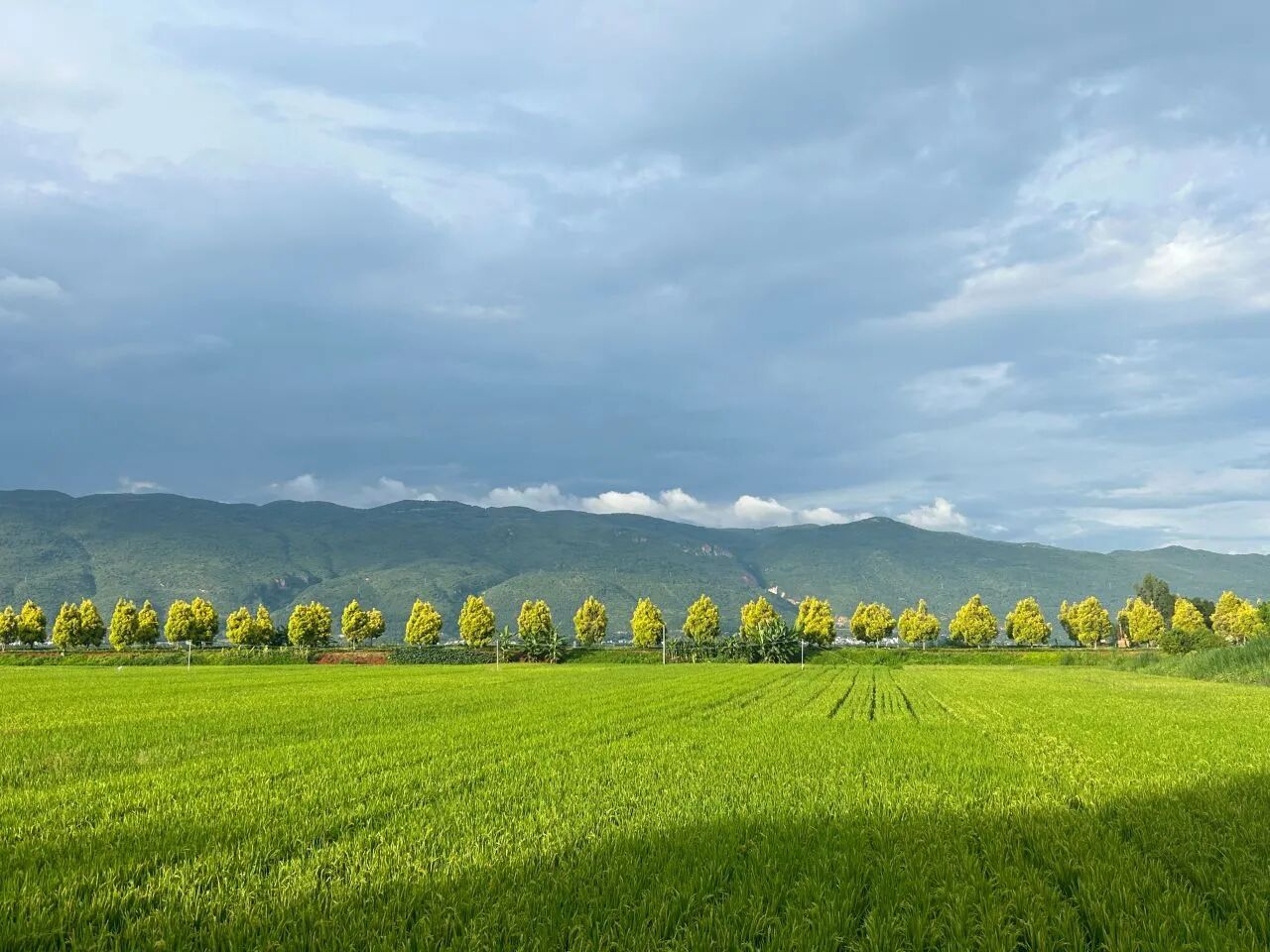
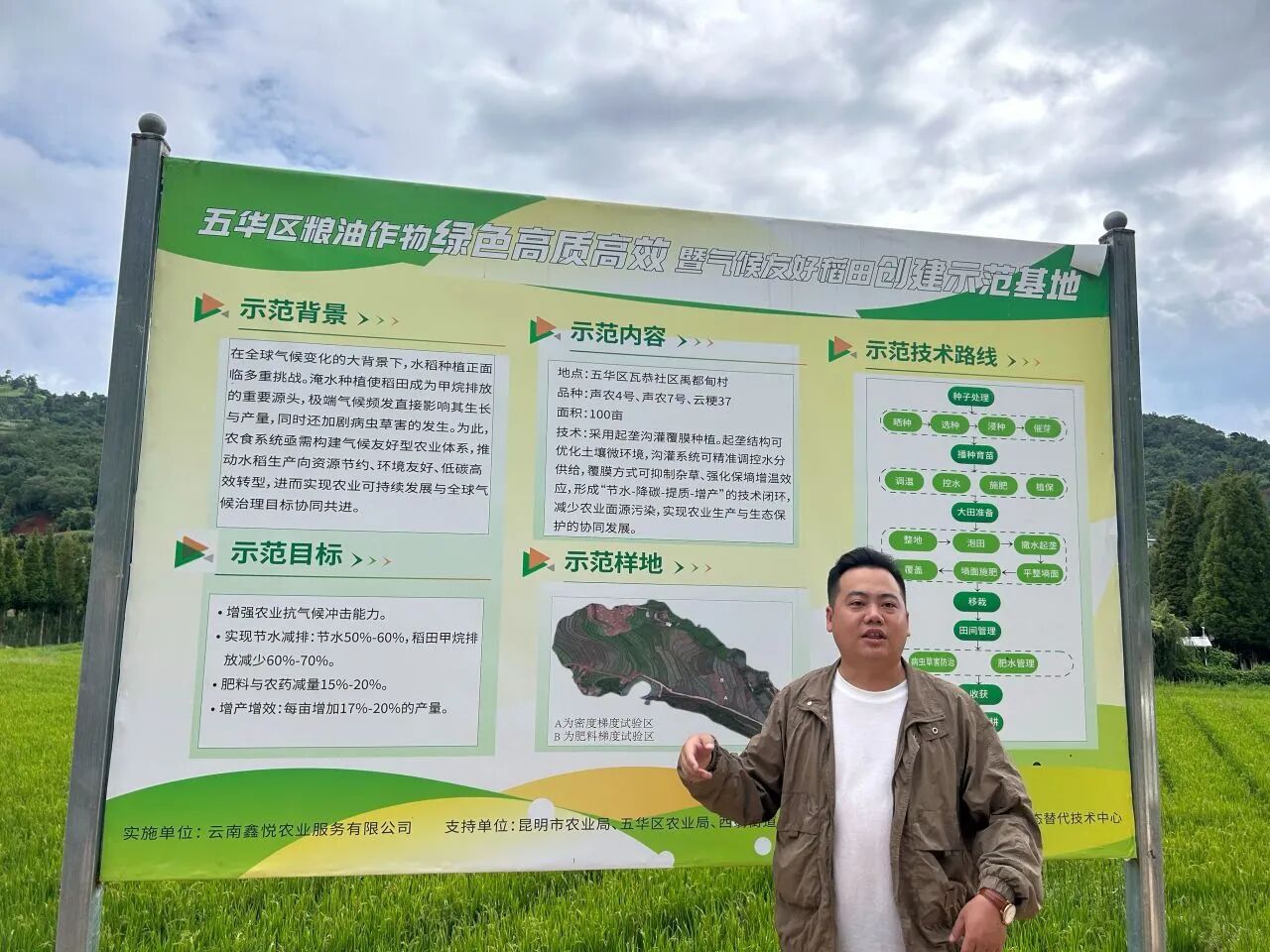
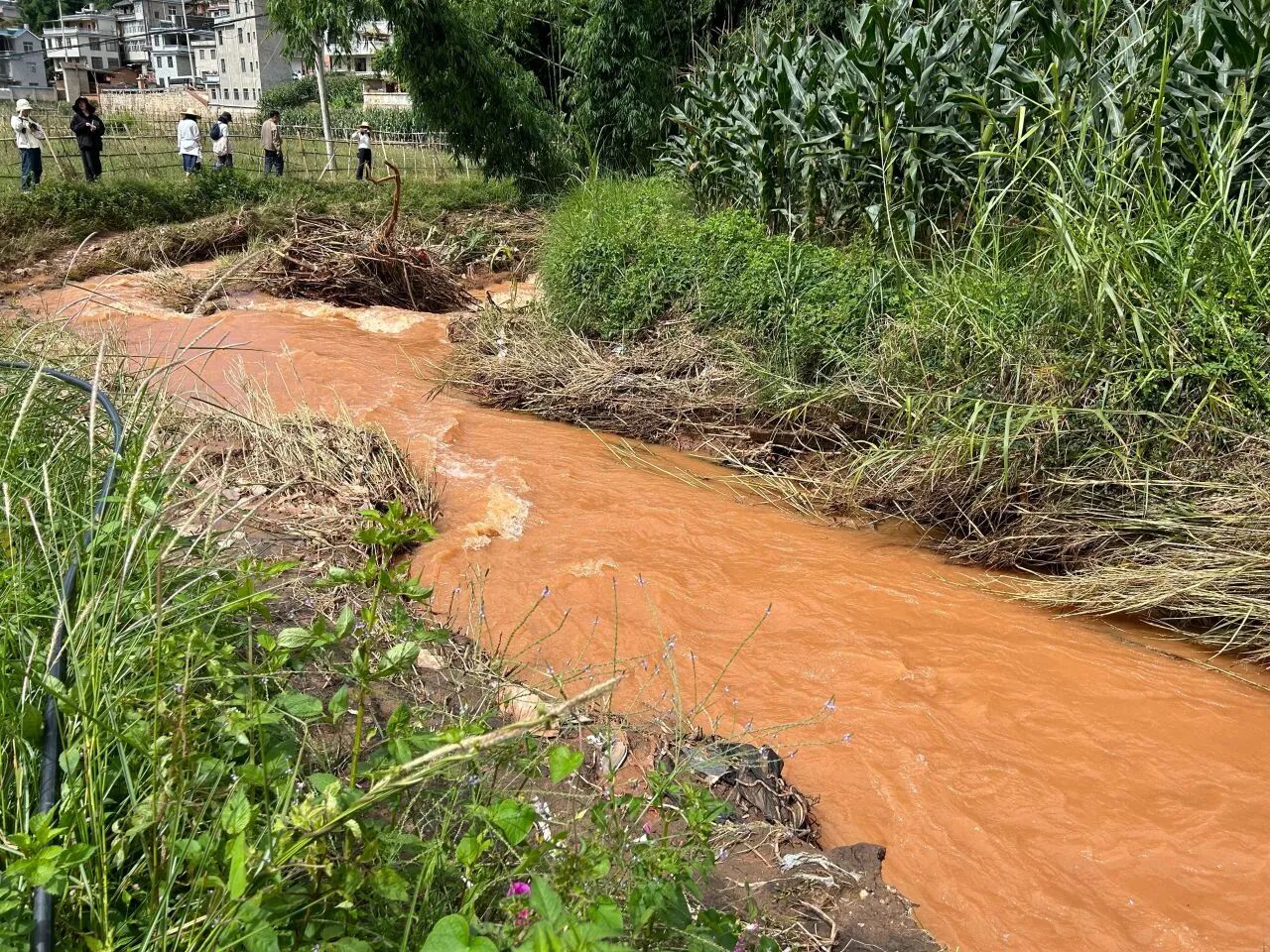
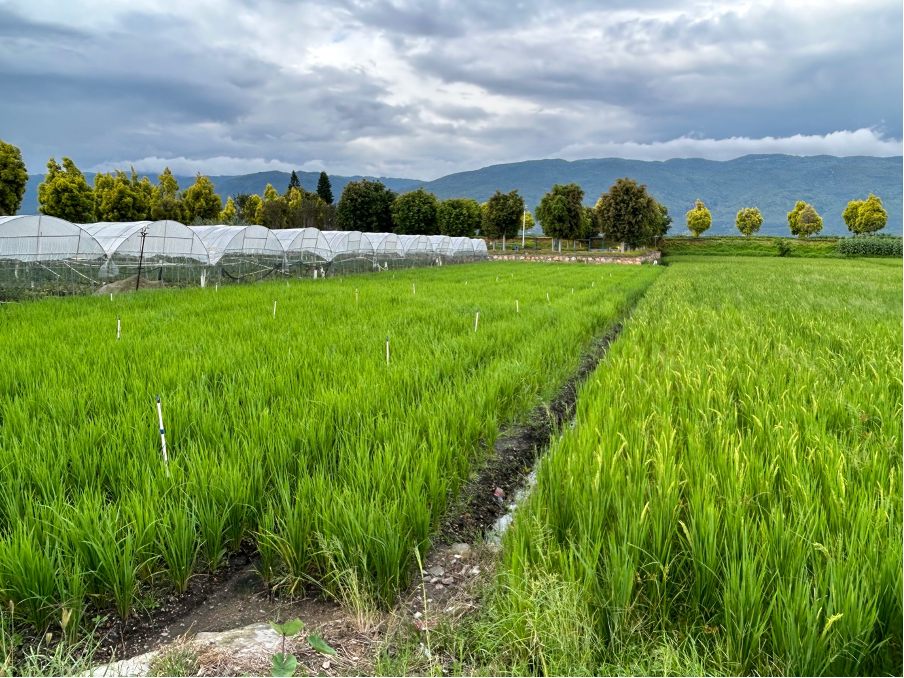
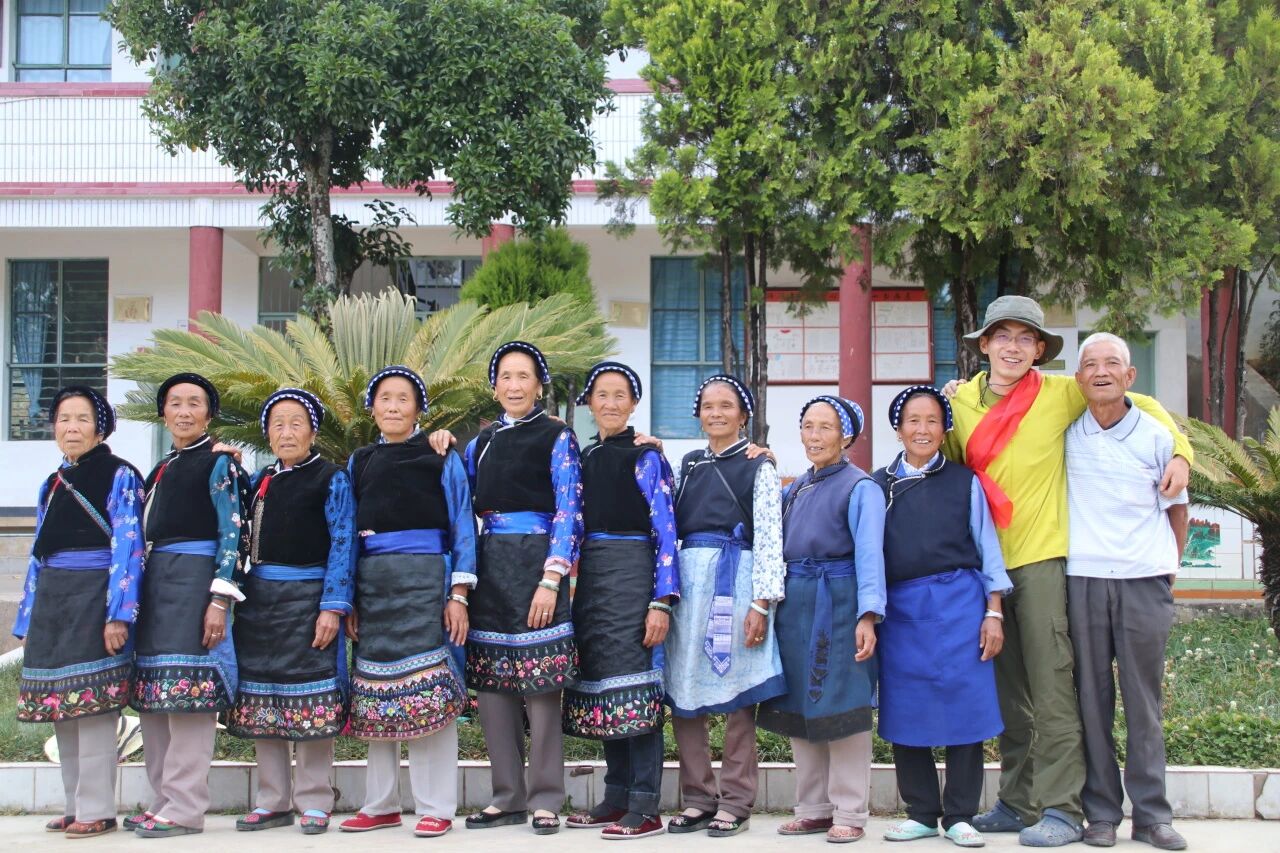
The Yunnan Sili Ecological Alternative Technology Centre (hereafter the “Sili Centre”), founded in 2002, focuses on sustainable agricultural development. It carries out work in community pesticide risk management, the research and promotion of ecological and climate-friendly application technologies, and agricultural biodiversity conservation and science popularisation, aiming to promote the synergistic reduction of pollution and carbon emissions in agriculture to foster sustainable social and economic utilisation.
Related Reading ▼
As the weather grows drier, how else can rice be grown?
The people have gone, the water has dwindled; who is left to grow the rice?
Human food security is, surprisingly, held in the grip of a group of insects
Understand the fundamental issues of the countryside before discussing climate change mitigation
Scan the QR code below
on Xiaoyuzhou | Ximalaya | Lizhi | Apple Podcasts
to subscribe to the ‘Food Talk’ podcast

We welcome your comments in the sections of your preferred podcast platforms; we will reply from time to time. Scan the QR code below to add the Foodthink WeChat secondary account, noting “Food Talk” to join the listener community group.

Unless otherwise stated, all images were provided by this episode’s guest
Podcast music: Binong
Production: Xiaojing
Planning: Tianle, Pei Dan
Editing: Yuyang
Contact email: xiaojing@foodthink.cn