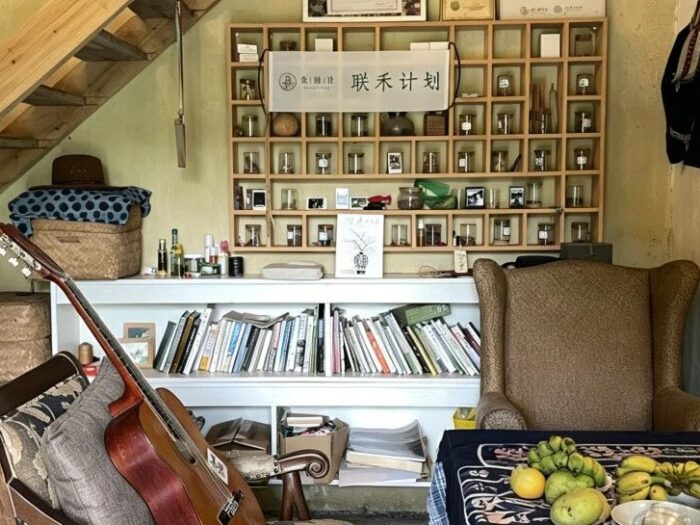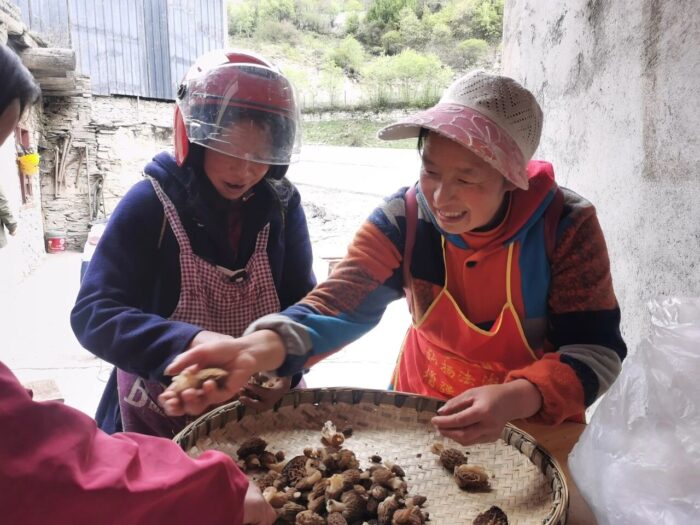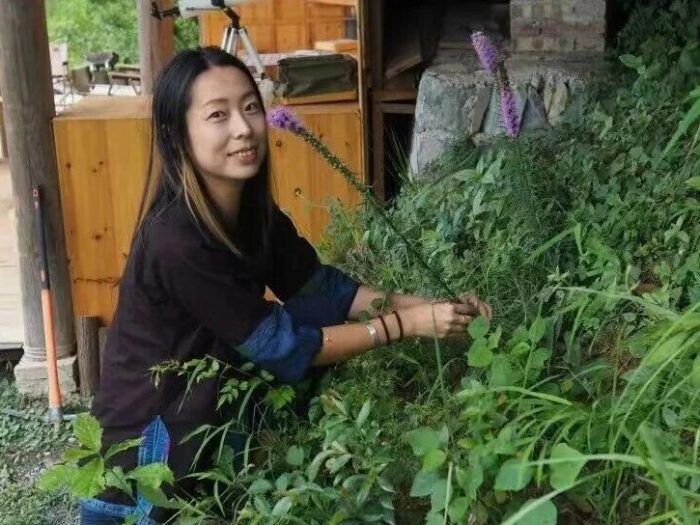
In six years rooted in Yangdong Village, Guizhou, former consultant Chen Xi and husband Bangrong preserved over twenty Dong heritage rice and grain varieties, built Qiandongnan’s first non-profit children’s library through Yanzhi Purple Rice sales, and relearned “living” amid rice–fish–duck co-cultivation.

Can’t do without food delivery, can’t put down the “digital side dish”, going to the market less and less, yet starting to try fermentation — young working people’s predicaments and little tips for eating well, gathered by Foodthink over two years of open calls.
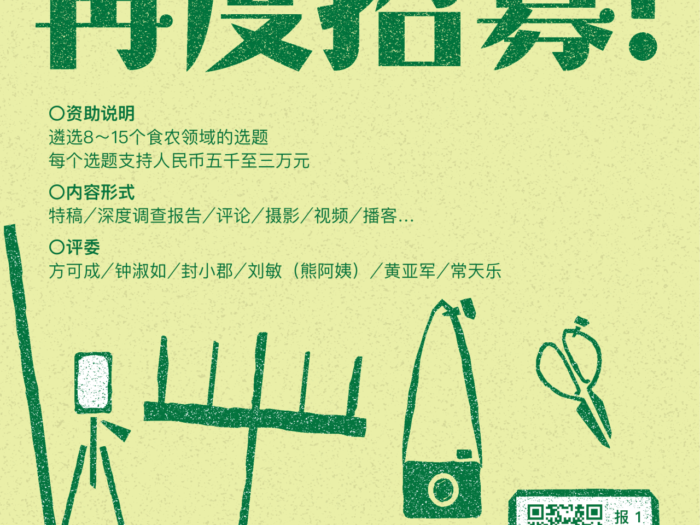
Foodthink’s sixth round of the Lianhe Programme small action grants is open to farmers, cooperatives, community self-organisations and others. Priority goes to local projects helping smallholders on the front lines of climate change. ¥5,000–¥30,000 in funding plus communications resources; applications close on 17 May.
Grandma Kouzi, over sixty, built Valley of Villains – a one-person farm in Yilan – for 500,000 yuan, inspired by Lishan fruit farmer Abao farming alone for over twenty years. In year five, food is fully self-sufficient apart from salt; by seventy she aims for self-sufficient water, electricity and permaculture.
The second Lianhe Creative Programme received 197 applications, with 20 projects ultimately selected. Topics range from Southeast Asian fruit supply chains and mountain villages where the Sichuan pepper boom has ebbed, to digital fish ponds, wild boar conflicts in Tibetan regions, and farmers’ livelihoods under climate risk.
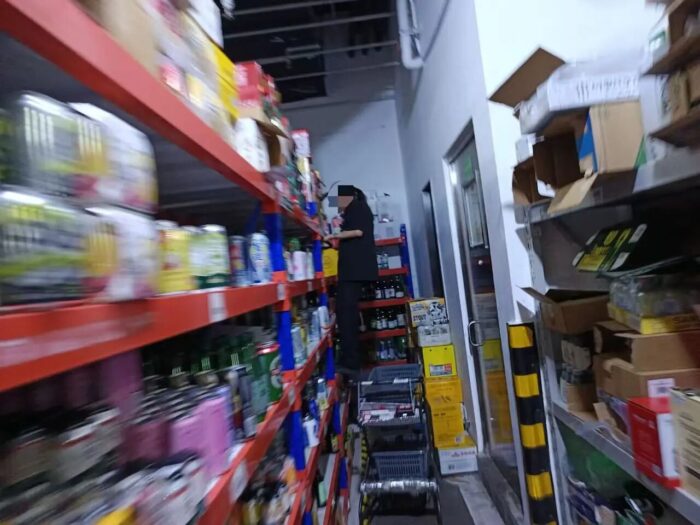
Working part-time as a Picker at Xiaoxiang Supermarket: three minutes per order, pay based on “effective working hours”, and continuous sprinting between the sub-zero freezer and tall shelving units. Mis-picks and omitted items are inevitable structural problems under this speed regime.
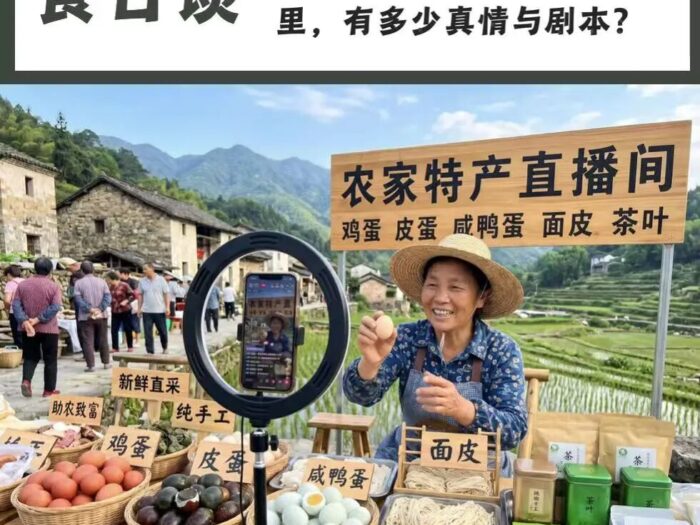
After four years “infiltrating” e-commerce livestream teams and nine months merchandising, Duan Shichang found rural livestream rooms hiding a tug-of-war between ‘new-generation farmers’ and the algorithm: the grandmother selling salted duck eggs might be an actor, suffering is commodified, and “algorithm lore” is their path to breaking through.
Foodthink ends two weeks of silence as Grain Rain arrives, reintroducing itself to readers: a food and agriculture platform founded in 2017, focused on smallholder livelihoods and the conditions of food and farming workers. This year it turns its focus to women farmers, herders and climate resilience.
New harvesters with large grain tanks have left Fourth Uncle, the village’s last “bag catcher”, completely out of work. Small-scale farmers have done the sums: one smart machine costs as much as two or three conventional ones, so they still opt for second-hand Dongfanghong diesel tractors.
The year grandmother opened the shop, customers still brought empty drink bottles to fill with loose soy sauce; now mother hands regulars their usual brand from memory, while the daughter far off in Wuxi returns each Chinese New Year for a few days as the stall’s “second-in-command”.