
The Potato Throwers
Foodthink Says
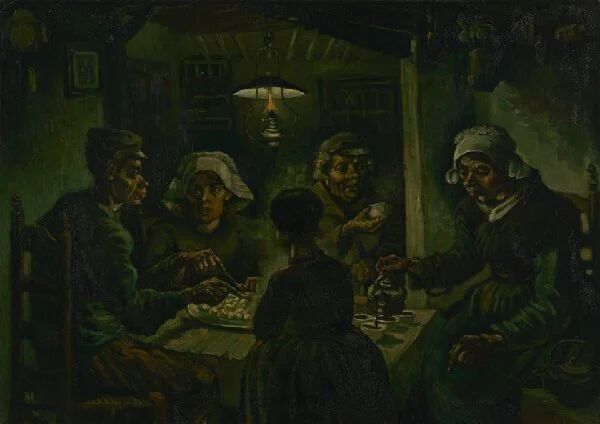
Last winter, at the Van Gogh Museum in Amsterdam, I saw his celebrated painting *The Potato Eaters* (1885). Under a dim glow, a family gathers round the table for supper; on the table lies little more than a plate of steaming boiled potatoes and a few cups of coffee.
The potato was once the hallmark of European rural livelihoods and a symbol of dignity for working-class labourers. To this day, it remains one of Europe’s most vital agricultural crops. It is precisely this reality that Van Gogh sought to capture. As he put it: “These people, eating their potatoes by oil-lamp light, have been hoeing the fields with the very same hands that reach into the dish; and so it speaks of manual labour, of how they have honestly earned their food.”
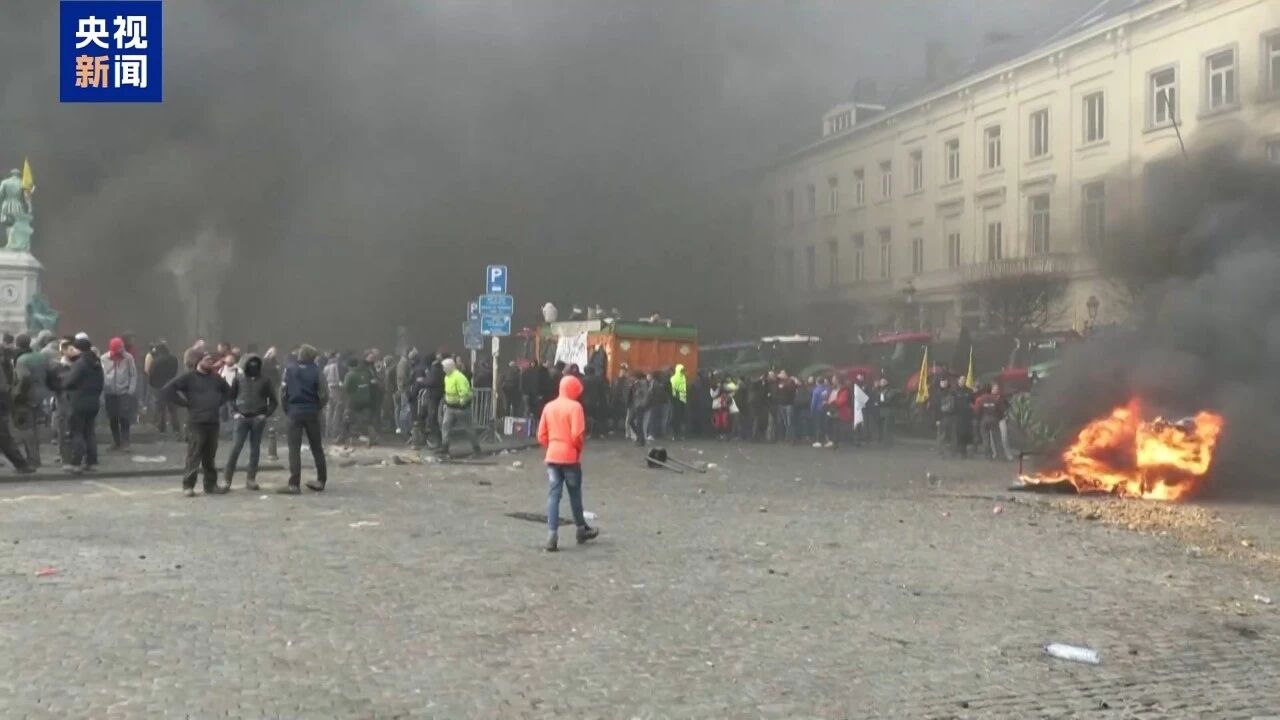
As I left the museum, still reflecting on the painting, a breaking news alert suddenly flashed on my phone. Just two hundred kilometres away, on the streets of Brussels, nearly ten thousand farmers from across the EU were staging a protest. And the “weapons” in their hands were none other than the potatoes cultivated in their own fields.
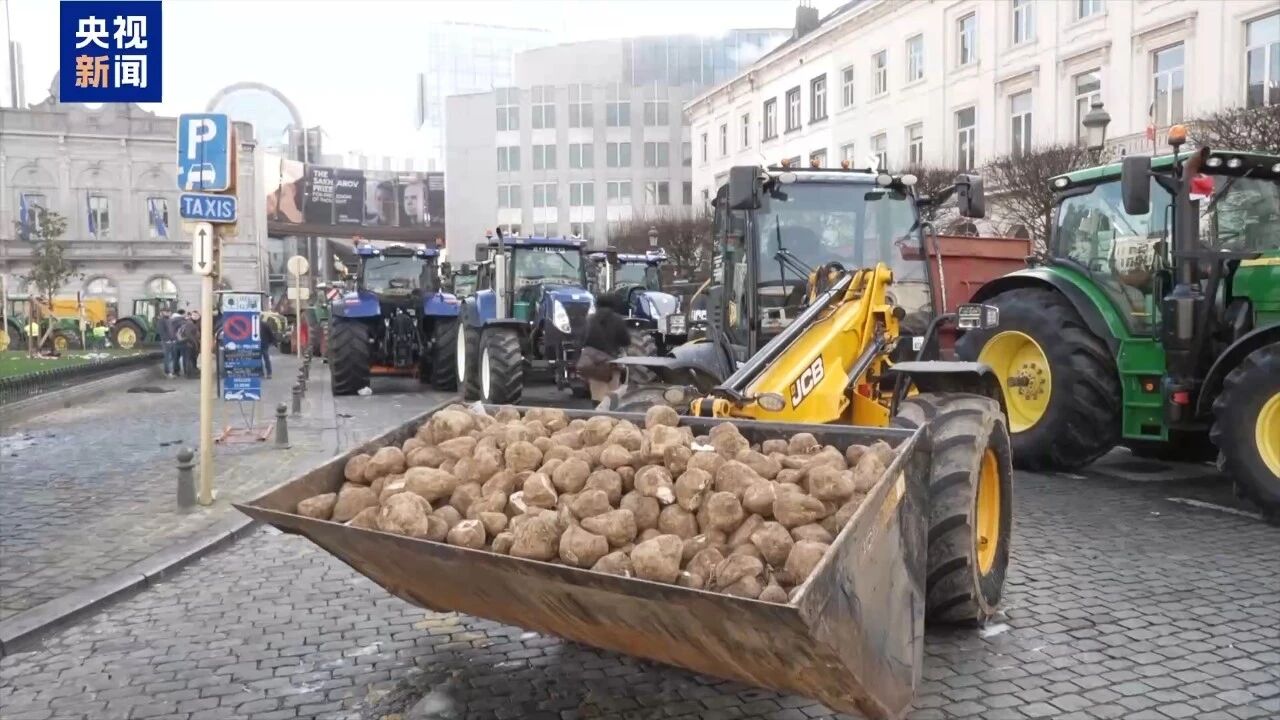
What drove EU farmers to anxiety and into the streets was the EU-Mercosur Trade Agreement, which was then being negotiated and poised for signature inside the EU headquarters. Opposition and protests from EU farmers have been unrelenting ever since talks on the deal began in 1999.
Why have EU farmers opposed this agreement so fiercely and for so long?
I. The Lingering Trauma of Grain Prices
This trauma traces its origins to the shelling over the Black Sea. Following the outbreak of the Russia–Ukraine conflict, maritime shipping routes for Ukrainian grain across the Black Sea were severed, forcing exports to pivot towards inland European nations. In response, the European Union introduced “Autonomous Trade Measures” (ATMs) from June 2022 onwards, temporarily suspending import tariffs and quota restrictions on Ukrainian agricultural produce. Although these measures were formally concluded in June 2025, the initial goodwill gesture of lifting tariffs yielded unintended consequences.
With land transport proving more costly, vast quantities of Ukrainian grain, poultry and other agricultural produce did not reach more distant markets. Instead, they were sold in Eastern European neighbouring countries such as Poland and Hungary, where transit costs were lower. The sudden influx of cheap produce inevitably depressed local market prices across Eastern Europe, yet the EU failed to offer adequate market protection or financial compensation.
During the recent protests in Brussels, Polish demonstrators told interviewers: “Wheat prices in Poland have been halved, dropping from over 1,000 zloty to 600 zloty per tonne (roughly ¥1,300 at the time). And this isn’t limited to wheat; it extends to poultry, honey, and a wide range of other farm produce.”
This EU policy of opening its markets, prompted by the Russia–Ukraine conflict, inflicted more than just an economic shock on farmers; it sparked a profound crisis of trust. Beyond the volatility of market prices, what left farmers most aggrieved and disillusioned was the sluggishness and inefficiency of the Union’s subsequent support mechanisms.
Consequently, when the EU–Mercosur Trade Agreement came into view, Union farmers perceived not an opportunity, but the dread of history repeating itself: a looming “market invasion” on a far larger scale than the influx of Ukrainian grain, arriving at lower costs, under looser regulations, and entirely predictable.
II. Dual Environmental Standards
Negotiations on the pact began in 1999 and have now spanned more than 25 years. In the early rounds, deep divisions persisted due to the EU’s stringent environmental standards and Mercosur’s determination to shield its domestic industries. Although talks advanced on several occasions, they repeatedly deadlocked over “environmental protection” and “agriculture”.
Over the past two years, global geopolitical uncertainty driven by the United States has paradoxically intensified the drive to finalise the deal. While successive waves of farmers’ protests had previously delayed the signing, this time the resistance proved futile. The agreement was formally signed on 17 January 2026 in Asunción, the capital of Paraguay, but it still requires approval from the European Parliament and ratification by the parliaments of all Mercosur member states before it can come into force.
For EU farmers, this is far more than a routine trade document. On the agricultural front, under the terms of the deal, the EU will open 82 per cent of its tariff lines for imported farm produce in exchange for Mercosur reducing tariffs on 91 per cent of high-value-added EU exports, such as cars and machinery. At the core of these negotiations is the EU’s strategic use of agricultural market access as leverage to carve out new growth space for its dominant industrial sectors.
Once the agreement takes effect, the arteries of the EU’s agricultural economy—cereals and livestock farming—will bear the brunt first, and European agriculture will suffer severe blows. This has been the main catalyst behind the repeated protests by EU farmers in recent years.
Argentina, Brazil, Paraguay, and Uruguay are all major livestock producers. What troubles EU farmers most is undoubtedly the influx of beef from these core Mercosur nations. The pact has even been vividly dubbed a “cars for beef” trade-off.
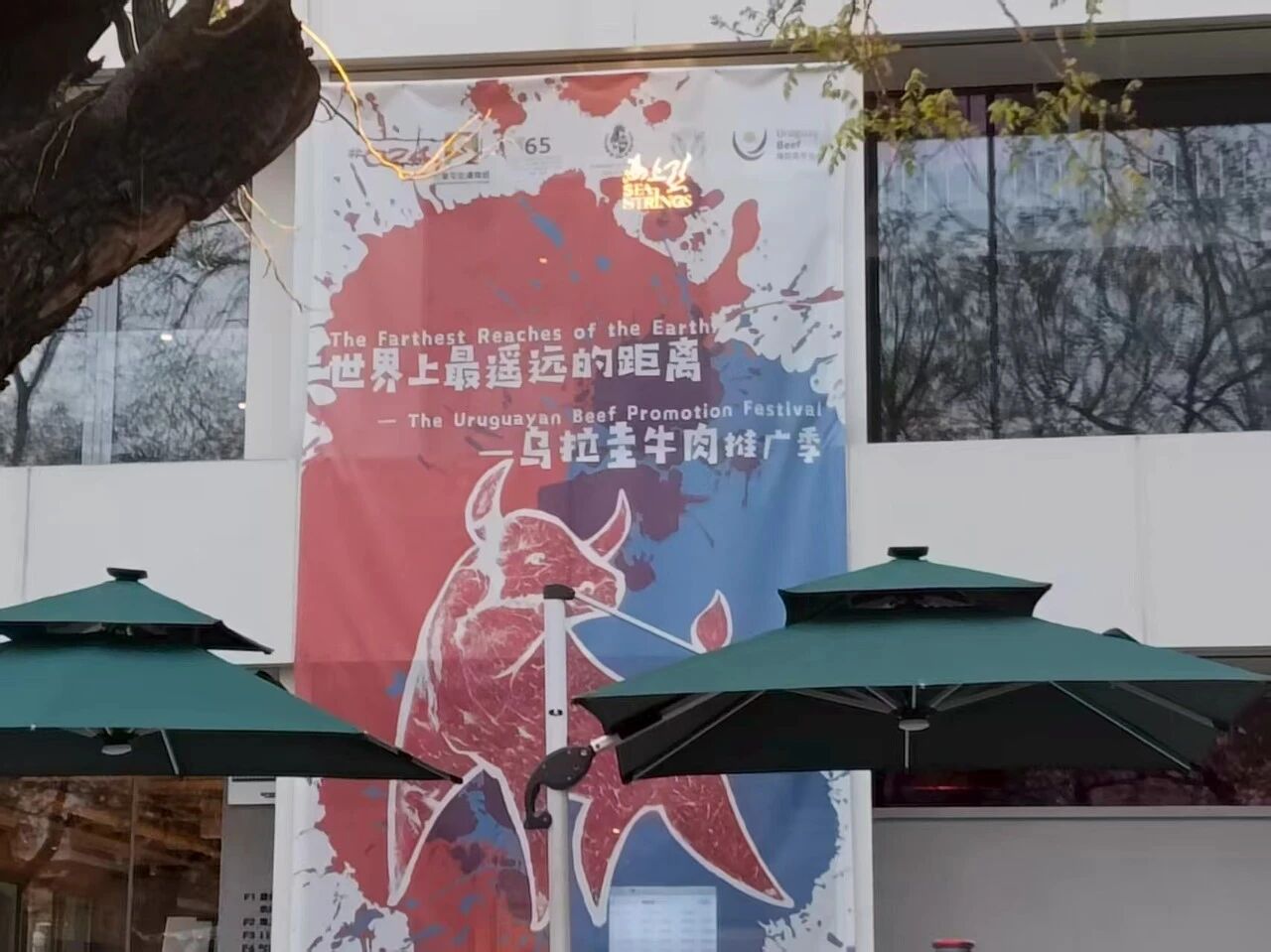
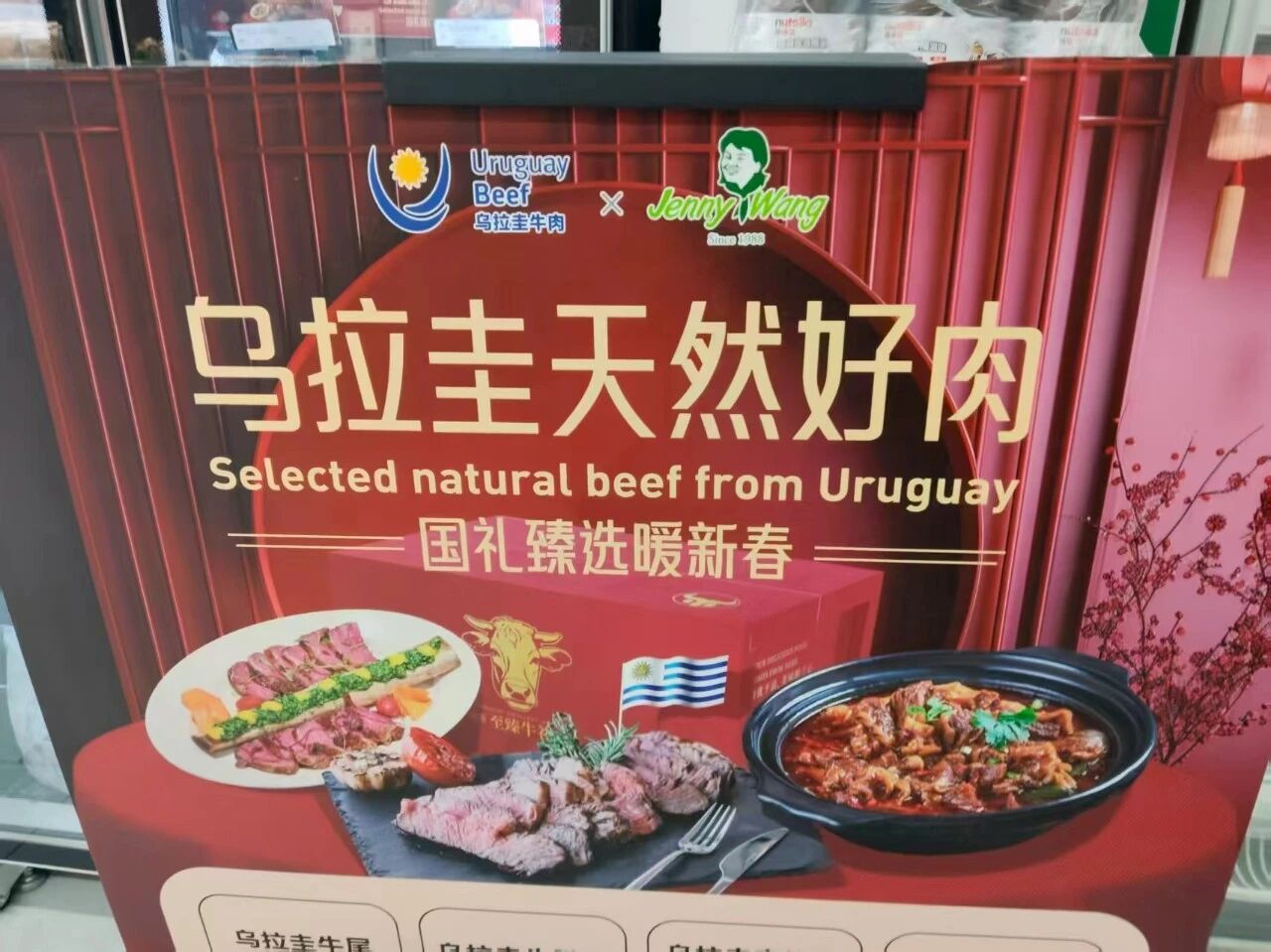
To quell opposition from farmers in EU member states such as France and Poland, the agreement imposes strict quotas on the most sensitive agricultural commodities. For instance, the annual beef quota is capped at just 99,000 tonnes. Shipments within this quota benefit from a preferential tariff of 7.5%, while imports exceeding it remain subject to steep duties. This volume represents only around 1.5% of the EU’s domestic beef output and falls short of half its current imports from Mercosur. Comparable quota limits apply to poultry, pork, and other products.
Yet, beneath its ostensibly free and fair surface, the agreement has left EU farmers unable to compete with Mercosur’s livestock sector from the very beginning, owing to stark disparities in production resources and regulatory standards.
Hidden behind Mercosur’s formidable livestock capacity and export competitiveness is an environmental and regulatory cost that is too often overlooked.
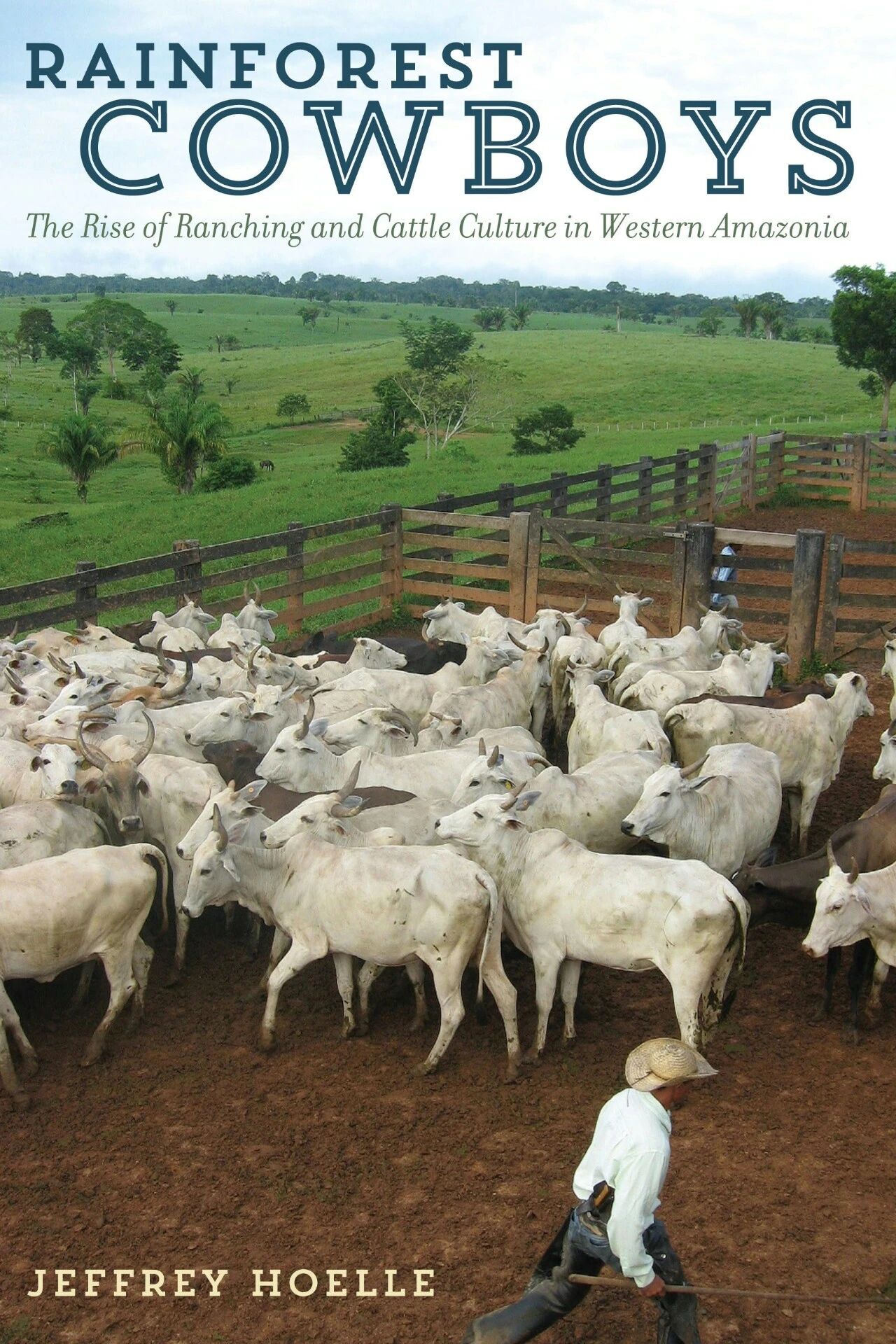
South America’s beef price advantage stems from the region’s expansive pastures and industrial-scale farming, yet this natural endowment has been relentlessly overexploited. In Brazil, approximately 70% of deforested Amazon territory is converted into cattle pasture. Beyond grazing expansion, the large-scale monoculture planting of legumes for feed is steadily eroding the biodiversity of the Cerrado savannah. Meanwhile, continuous deforestation and livestock farming generate substantial carbon emissions, further accelerating global climate change. In 2025, Brazil overtook the United States to become the world’s largest beef producer for the first time.
III. The Noose of the Agricultural Green Transition
Yet farmers will bear the steep costs of this transition. They must invest in new machinery, switch to more expensive organic inputs, and set aside portions of their land to qualify for ecological subsidies.
Although the EU’s Common Agricultural Policy channels subsidies into the transition, practical issues such as ongoing disputes and lengthy implementation periods persist. The crux of the matter is that EU subsidies largely cover ongoing operational support rather than the initial capital required to kickstart the process. The World Business Council for Sustainable Development (WBCSD) estimates upfront costs at between €2,000 and €5,000 per hectare, with a payback period stretching to nine years. Even with subsidy support, farmers still face a funding shortfall. Furthermore, regarding the goal of halving chemical pesticide use, modelling studies on transitioning grain and oilseed production to greener methods indicate a tangible risk of reduced yields. Farmers find themselves trapped between environmental mandates and the imperative to make a living.
More critically, the allocation of subsidies suffers from structural flaws. Data reveals that 80% of agricultural subsidies flow to just 20% of farming businesses. This policy tilt, which favours large, technologically advanced agribusinesses, leaves small and medium-sized farms—the very ones that stand to benefit most—with empty hands. Compounding this, market uncertainty driven by volatile energy prices and trade competition further erodes farmers’ confidence in pursuing a green transition, given that it represents a long-term, high-risk investment.
IV. The Green Transition Cannot Be Shouldered by Farmers Alone
The heart of the EU farmers’ protests lies not in outright resistance to agricultural transformation, but in a pointed question: who should bear the cost of this transition? When market liberalisation and high environmental standards advance in tandem, the costs too often fall first on the producers.
Yet this is not a dilemma exclusive to the European Union. Following the first inclusion of “green agriculture” in the 2016 Central Document No. 1, the 2026 edition introduced the term “low-carbon agriculture” for the first time. Chinese agriculture, too, has embarked on its own path of transformation.
A report released this February, titled *The Green Transition in Agriculture Against the Backdrop of Chinese-style Modernisation*, authored by state-affiliated experts and scholars in collaboration with multiple social organisations, observes that China has pursued rapid agricultural modernisation and a green transition simultaneously over a short period. This has created a “parallel-track” effect, resulting in the coexistence of conventional chemical-intensive farming and green agriculture, alongside a gap between the formulation and implementation of green agricultural policies. The pace and direction of the green transition vary across different agricultural operators, regions, and farming models, displaying marked diversity. Meanwhile, tensions persist between standardised large-scale farming and diverse smallholder operations during this shift. Compounding these challenges, China also faces a large population, upgrading consumption patterns, and scarce per capita resources.
When policy aspirations reach the furrows of the field, can “green” truly become an affordable, comprehensible, trustworthy, and sustainable choice for farmers? Or will it once again become a passively accepted mandate?
In practice, green agricultural inputs carry a steep price premium over conventional alternatives. For instance, the cost of fully biodegradable mulch films often exceeds twice that of standard plastic mulch, while the procurement and transport costs of organic fertilisers continue to rise year on year. For fragmented smallholder operations, this translates into a sharp escalation in individual input costs.
Yet against the broader backdrop of low grain prices and limited arable land, farmers have grown accustomed to a singular growth model reliant on “high input, high output”. On one side, chemical fertilisers and pesticides deliver immediate results, visible within the very same season; on the other, the green transition demands a protracted wait, with returns only materialising after three to five years. Faced with the imperative of food security and livelihood, farmers have little room for hesitation.
Simultaneously, the green transition in agriculture faces a significant barrier in technology extension. Breaking the reliance on agrochemicals, improving soil health to boost yield and quality, and mastering complementary cropping techniques all require systematic, experience-based guidance. Farmers’ capacity to adapt varies widely. In particular, the current backbone of grain cultivation—shaped over decades by agro-input suppliers and policy incentives—has, in a sense, become “deskilled” through lifelong dependence on chemical fertilisers and pesticides. Retraining them to adopt ecological and green farming practices proves exceedingly difficult.
Along China’s path toward a green agricultural transition, farmers face not only frontline production challenges but also “invisible” hidden costs. When the blanket ban on straw burning eased apparent environmental pressures, the labour and machinery costs of straw management were quietly shifted onto individual households, without a corresponding compensation mechanism. In response to this thorny issue, several regions have begun experimenting with alternative approaches, seeking to transform straw handling into a collaborative framework guided by government and driven by market participation.
Even so, a deeper issue remains unresolved: the green transition is far more than a matter of technology and subsidies; it is fundamentally about the structure of returns.
Within the current agricultural commodity market, a stable mechanism for green product premiums has yet to fully take root. The signal that consumers are willing to pay more for “green” produce is often diluted layer by layer through the supply chain, rarely reaching producers with precision. Farmers absorb the upfront investment and risk directly, yet are not guaranteed stable market returns. Consequently, green agriculture in practice remains driven more by policy than by market forces.
Moreover, the generational composition of producers is shifting. New forms of agricultural operators, epitomised by the “new-generation farmers”, are more inclined to recognise the long-term value of ecological agriculture, more willing to embrace and proactively learn new technologies, and better positioned to access information on policy subsidies. Yet they too confront practical hurdles: high land lease costs, financing difficulties, and unstable operational scales. By contrast, older generations bring vast experience but tend toward caution and conservatism.
Therefore, the crux of a green agricultural transition may lie not in how advanced the underlying philosophy is, but in whether a “risk-sharing and benefit-sharing” mechanism can be established, involving government, producers, enterprises, and consumers alike. If costs materialise solely at the production end while returns remain trapped in the supply chain or buried in policy documents, the transition will inevitably be fraught with rupture.
The “potato projectiles” hurled through the streets of Brussels serve as a reminder: any structural transformation must ultimately answer the same question:
How, precisely, should the cost of an ideal be fairly distributed within our institutions?
https://www.vangoghmuseum.nl/en/collection/s0005V1962
【2】Live Dispatch | Tens of Thousands of Farmers from Across Europe Gather in Brussels to Protest
https://news.yunnan.cn/system/2025/12/19/033788429.shtml
【3】EU Potato Sector: Production and Trade in 2023
https://www.patafest.eu/news/eu-potato-sector-production-and-trade-2023
【4】Farmers Harvest 2,000 Tonnes of Potatoes Only to Discard 400 Tonnes? Germany Faces ‘Potato Surplus Crisis’, Experts Say It Is Not an Isolated Incident
【5】Mercosur and the EU Officially Sign Free Trade Agreement
https://www.news.cn/20260118/f31218c5b1c244fb84b7938ac343bc59/c.html
【6】After 25 Years of Negotiations, Trumpism Catalyses EU–Mercosur Free Trade Agreement
https://www.thepaper.cn/newsDetail_forward_32399943
【7】Polish Farmers: EU Support for Ukraine Must Not Undermine Poland’s Interests
http://news.cnhubei.com/content/2023-12/14/content_17104820.html
【8】EU Scraps Tariff-Free Treatment for Ukrainian Agricultural Products
https://m.gmw.cn/2025-06/06/content_1304052885.htm
【9】Refusal to Absorb Ukrainian Grain! Black Sea Corridor Disrupted, Prompting Poland and Five Other Nations to Issue a ‘Self-Protection’ Declaration
https://m.cls.cn/detail/1410106
【10】Brazil Overtakes the US to Become the World’s Largest Beef Producer
https://swt.fujian.gov.cn/xxgk/jgzn/jgcs/mzdyzc/gbxx_553/202601/t20260119_7081982.htm
【11】Halting the expansion of pasture in the Brazilian Amazon
https://www.sciencedirect.com/science/article/pii/S2590332224005360#bib1
【12】Long-term relationships of beef and dairy cattle and greenhouse gas emissions: Application of co-integrated panel models for Latin America
https://agris.fao.org/search/en/records/6748c35c7625988a3720a48b
【13】What the European Green Deal means when exporting to the EU
【14】Italy Secures Protection for 58 Food Products in Mercosur Deal as Geneva Act Expands Geographical Indication Safeguards
【15】The European Green Deal
https://commission.europa.eu/strategy-and-policy/priorities-2019-2024/european-green-deal_en
【16】Pesticide reduction targets – Progress
【17】Trends in the use and risk of chemical pesticides and in the use of more hazardous pesticides
【18】European Green Deal: Commission prepares new initiatives to boost the organic farming sector
【19】Closing the Gap: An analysis of the costs and incentives for regenerative agriculture in Europe
【20】The impact of the EU’s farm-to-fork strategy on member states’ economies: which countries will suffer the most?
https://link.springer.com/article/10.1186/s40100-025-00354-w
【21】Country Watch · EU | Dispatch: Agricultural policy ‘out of touch’ risks pushing European politics rightward ‘over farming’
https://www.news.cn/world/20240411/ee5f8c36b27f4a0b8a3427cf63941f84/c.html
【22】How to steer agricultural development onto a ‘green track’
https://caas.cn/xwzx/mtxw/0ad3c984ed494885994c7431969f437a.htm
【23】Reviewing four years of China’s No. 1 Central Document: How have ecological requirements evolved?
https://sthjj.km.gov.cn/c/2023-02-21/4677027.shtml
【24】Bridging the ‘last mile’ in promoting green agricultural technologies
https://xczx.fjsen.com/2025-05/19/content_31906595.htm
【25】Growing fruit: Why are growers reluctant to use organic fertiliser?
【26】Why is uptake of organic fertilisers and biological pesticides so slow? Unpacking the reality and solutions behind green agriculture’s ‘high praise, low adoption’ paradox
https://mp.weixin.qq.com/s/kKBxxQmmXCpPV6sHj-sA-w
【27】*The Sower* – Van Gogh Museum Official Website
https://www.vangoghmuseum.nl/en/collection/s0029V1962

Editor: Xiaodan