
People gone, water dwindling: who grows the rice?
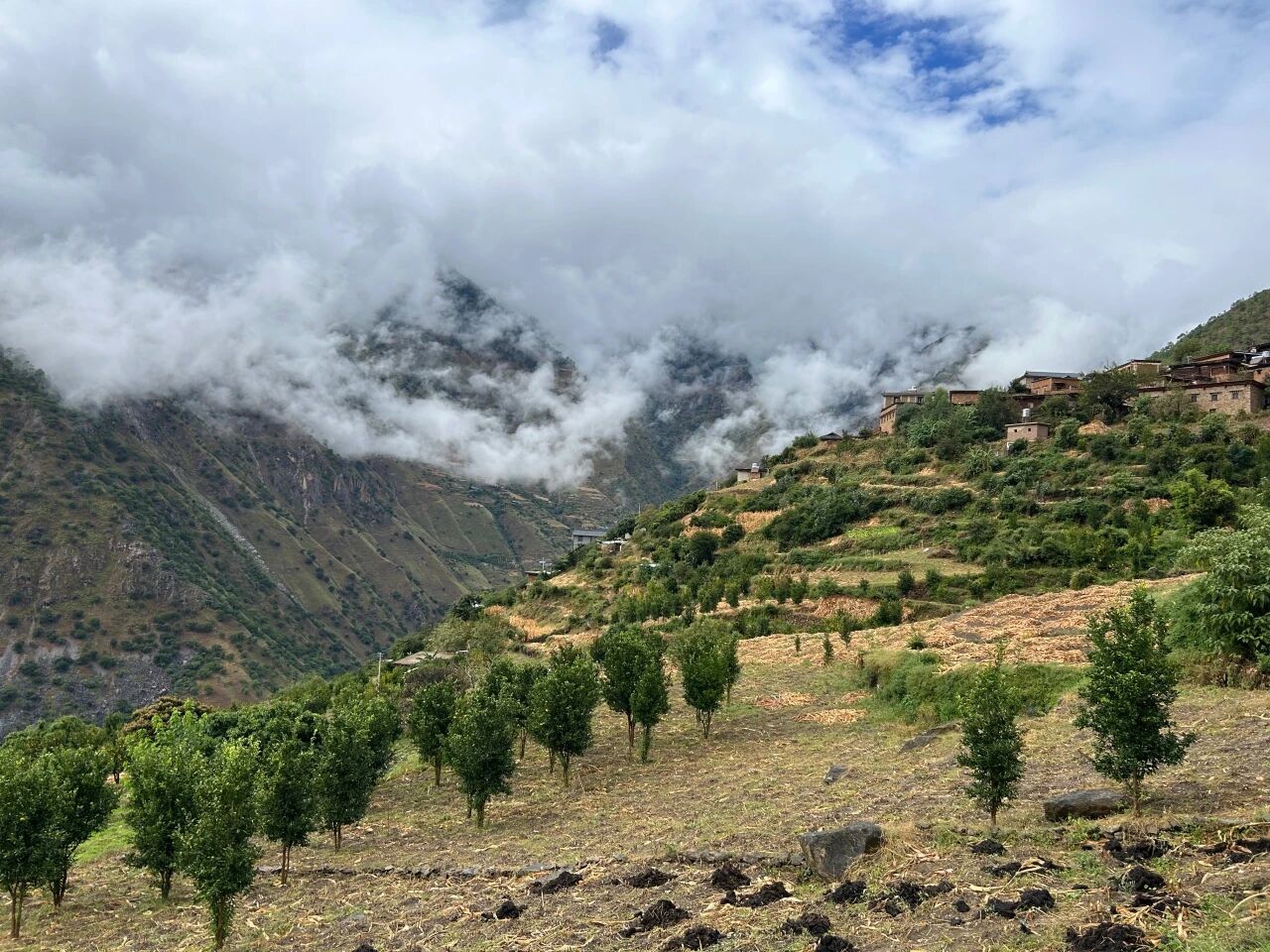
Last year, on the banks of the fields in the mountains of Yunnan, I saw rice for the first time that grew directly from the levelled soil, without any flooding or irrigation trenches.
For many, rice is inextricably linked to paddy fields. In reality, however, it can be grown on dry upland slopes without the need for flooding or intensive agricultural management. This method of cultivation has already begun to be adopted by several traditional rice-growing villages.
Last spring, I met a man in a village in eastern Sichuan who had begun experimenting with upland rice in a small plot in his backyard, driven by consecutive years of spring drought.
Three months later, in Youmi Village, nestled deep in the mountains of northwest Yunnan, I encountered the same variety. The first in the village to trial this method were the women who had remained behind. With most of their husbands away working in cities, these women stayed to care for the elderly and children while tending the land. Last year, they experimented with more than one variety.
For this Mosuo settlement, secluded deep in the mountains, rice is more than just a vital staple; it carries a deeper significance. It is used in rituals and is the base for their everyday wine; every year, the harvest is celebrated with the New Rice Festival.
Furthermore, upland cultivation is part of an ancient slash-and-burn farming tradition among some ethnic minorities in southern Yunnan: on the hillsides, rice can grow relying solely on natural rainfall, with the harvest’s abundance or scarcity left to the heavens. An old variety of upland rice trialled in Youmi Village last year came from partners of the Jino people in Xishuangbanna.
I. Rice stalks grow again in the village
Nestled on the border between Sichuan and Yunnan and falling under the jurisdiction of Lijiang, Youmi Village sits across the river from Erya Village in Liangshan Prefecture. The villagers often describe Youmi as a village in the ‘belly of the mountain’—it is bordered by a river on one side and steep mountains on the other.
Rice was once the most important food crop for this Mosuo settlement. However, since 1990, the area under cultivation has steadily shrunk due to the intensive labour required and a lack of water, until 2019, when no one in the village grew rice at all.
Most young people have left for work, and Yuting’s husband is also away. The rice in the fields was replaced by maize, which is more drought-tolerant and less labour-intensive.
Climate is another reason people have been reluctant to grow rice. Youmi is situated in a hot, dry river valley; in recent years, rainfall during the wet season has decreased, making water even scarcer. Yuting recalls that villagers used to clash frequently over rice cultivation. During the irrigation period, some families would keep watch by their fields all night to prevent others from stealing their water.
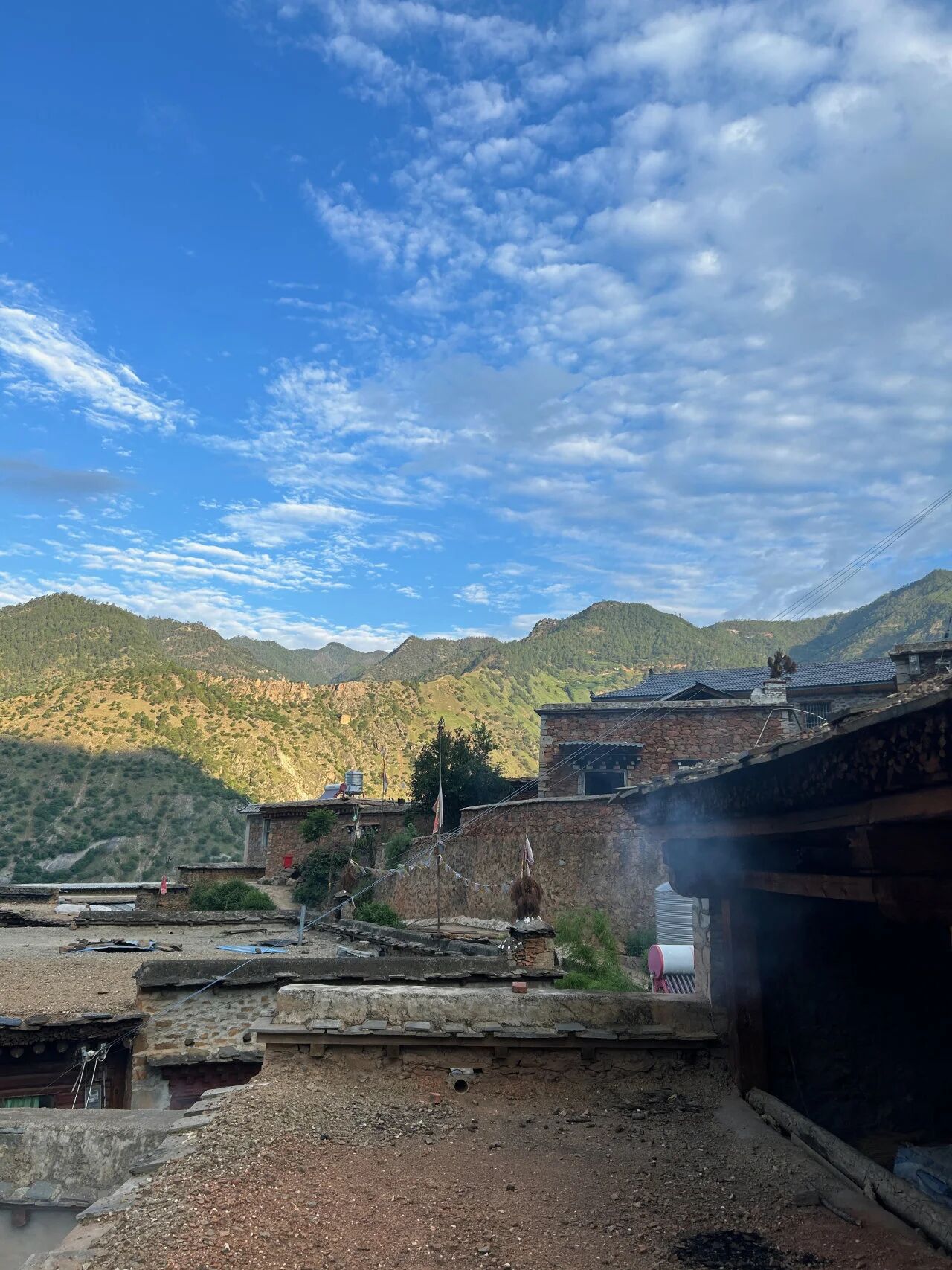
Once rice was no longer grown, the disputes ceased, but the rice in the bins was replaced by imports from the Northeast.
In *Guarding the Dongba*, a memory from an old Dongba priest records the gradual disappearance of rice from the village: “In the past, when we grew our own rice, we had to give some to the Tusi or as public grain to the state. We could only eat rice four times a year: once for the new rice tasting, once for pig slaughtering, and once each for the New Year and the Spring Festival… Now we don’t grow rice, yet we can eat store-bought rice every single day.”
In recent years, through her contact with the non-profit Farmer Seed Network, Yuting began to think about growing rice again. After all, it was once a highly valued food in the village. Even now, customs related to rice are preserved; every year on the first day of the tenth lunar month, at harvest time, the people of Youmi still eat new rice according to tradition.
When Yuting heard that rice could be grown in dry soil, she asked the Farmer Seed Network to help her find some upland seeds. Of the six varieties they trialled last year, two were old, seed-saving varieties from southern Yunnan—Mojiang Purple Rice and Ban Na sickle-shaped grain—while the other four were from the ‘Lu Chu’ series developed by research institutes and provided by the Sili Ecological Alternative Technology Centre in Yunnan.
At the end of July, I visited that upland rice field in Youmi for the first time.
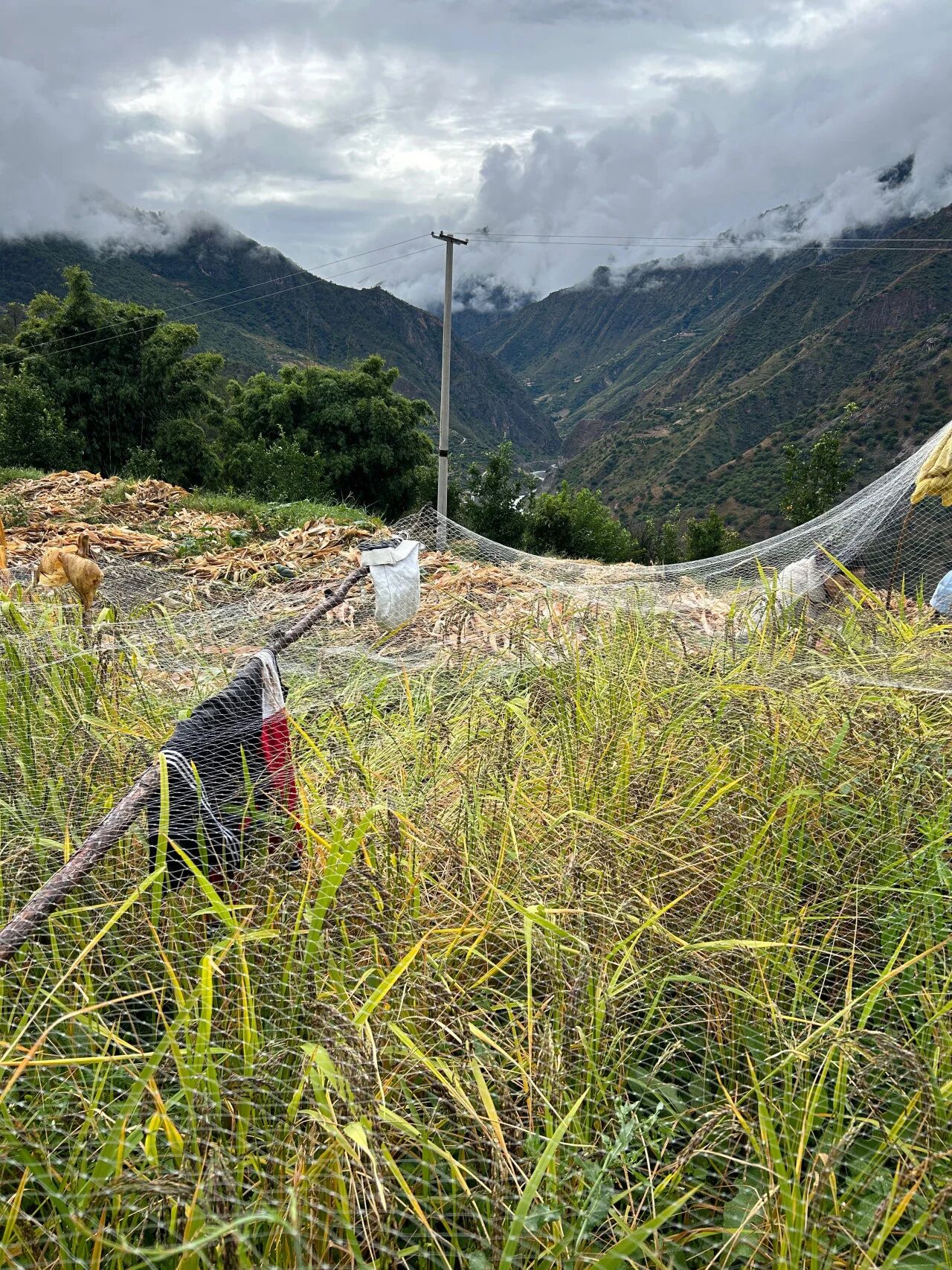
At that point, the upland rice had been planted for three months. In a terraced plot of less than 10 square metres, the rice and weeds grew together, reaching roughly knee-height. Looking down from Yuting’s house, this tiny plot of rice was completely hidden by the surrounding dense, towering maize fields.
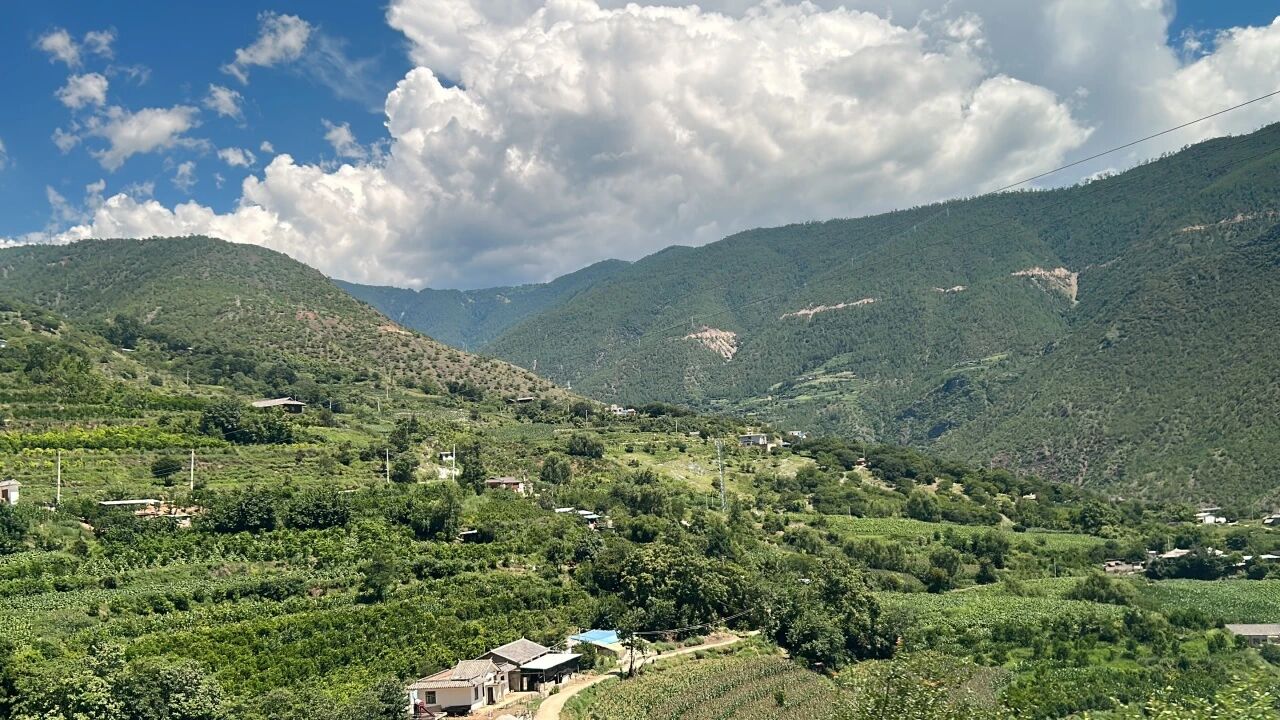
By the time I reached the field, the sky had cleared. The rice had grown to chest-height, with plump, mature grains. That day, we harvested over 5 kilograms of grain; peeling back the husks revealed a deep purple core. This was a type of glutinous upland rice—Mojiang Purple Rice.
Another old variety, a red rice known as sickle-shaped grain, was planted in a higher terraced plot.
This variety was being trialled by Gatu, planted on a small patch of land next to her orange grove. Compared to the plump grains of Mojiang Purple Rice, which did not shed easily, the sickle-shaped grain suffered more from lodging and shattering.
Lijiang is in northwest Yunnan, where light and heat conditions are suboptimal, which is why traditional paddy rice was historically the main crop. But when asked if she would plant it again this year, Gatu gave a firm yes.
Upland rice is far easier to manage. Over the five-month growing period, Gatu only watered the crop twice—once after direct seeding and once before the harvest. Aside from a small amount of pig manure and weeding two or three times, the land was virtually left to itself.
For these women returning to rice cultivation, upland rice allows them to grow grain in their own fields despite the increasingly arid climate, and with far less labour. Having fresh grain from the field reduces the burden of buying supplies—Youmi Village is remote, and the road connecting it to the outside world was only completed in 2020. Even with the road, most daily necessities must be bought at the nearby Jiaze Village Committee. From the village, the quickest trip to Jiaze by car takes around forty minutes.
In the coming year, Gatu, Yuting, and the others want to try a few more varieties to see which are the most adaptable. “If they are good, we can save the seeds directly,” Yuting said.
II. Preserving an old variety for childhood memories
Southern Yunnan, where Xishuangbanna is located, is one of the main producing regions for upland rice in China and has a long tradition of its cultivation. Today, some ethnic minorities living in Ban Na, such as the Dai and Jino people, still maintain the tradition of growing upland rice. Although the number of old varieties is dwindling, they still circulate within small circles. At the Jino Township market, which is held every other week, old farmers can still be seen selling sickle-shaped grain from gunny sacks on the street.
This is one of the red upland rice varieties traditionally grown by the Jino people; the Farmer Seed Network obtained this variety through one of its members, Haimei.
Haimei runs a restaurant in Jinghong City themed around traditional Jino cuisine—’Jino Style’. Since the restaurant opened, sickle-shaped grain has been the primary staple rice used in the kitchen.
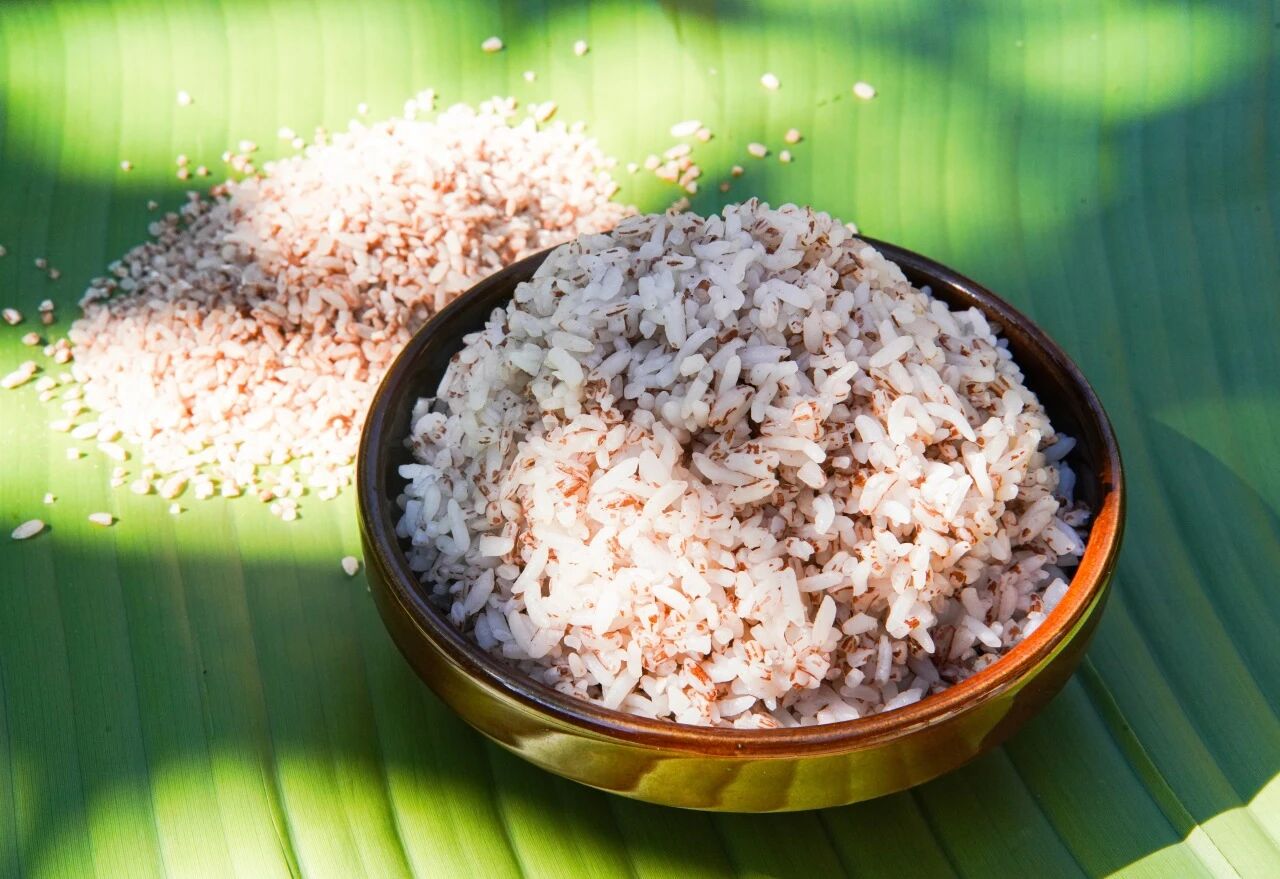
The scientific explanation is that upland rice generally has a higher amylose content than lowland rice. This provides a stronger sense of satiety and leads to slower blood glucose fluctuations, though it also means the rice is harder to digest. To balance the texture and make the rice softer and easier to digest, Sister Haimei does not use Sickle Rice exclusively in her restaurant, but blends it with ordinary white rice.
For the Jinuo people, Sickle Rice was a crop choice made over generations for the sake of survival. The firmer texture and filling nature of upland rice met the needs of mountain dwellers working and surviving in the wild. Compared to lowland rice, it requires less water and is particularly suited to the steep slopes and dry lands where farming is more difficult.
Sister Haimei says that the number of households growing upland rice in Xishuangbanna is dwindling, and it is becoming a childhood memory for the Jinuo people.
Her insistence on using upland rice as a staple in her restaurant stems largely from an emotional connection. She still vividly remembers climbing the mountains as a child to plant upland rice with her elders. After starting her restaurant, she frequently visited various villages in the Jinuo township to rediscover preserved local ingredients and heirloom varieties.
By chance, Sister Haimei spotted upland rice at a market and became a buyer for that village. Today, the Sickle Rice in her shop comes from Baya Village, an hour’s drive from the Jinghong city centre. Last year, she ordered two tonnes of Sickle Rice from farmers there.
Occasionally, guests ask about the rice; some wish to buy the milled red rice from the shop, while others ask for seeds. In the restaurant’s storehouse, she keeps a special stock of unhulled Sickle Rice, so that when someone inquires, she can give the grain away as a gift to those who share a special connection to it.
Guests ask about more than just the Sickle Rice; they also inquire about the heirloom Banna winter melon and pumpkin used in the restaurant’s signature winter melon chicken. Located not far from Xishuangbanna Gasa Airport, the restaurant has been transformed by Haimei into a window for diners to understand Jinuo culture and a small exchange hub for heirloom seeds.
In the second half of last year, following a suggestion from the Farmer’s Seed Network, Sister Haimei decided to establish a seed bank in her shop specifically to showcase heirloom varieties and facilitate seed exchanges. She plans to place the display cabinet behind the tea table outside the private dining rooms.
III.Cooking Jinuo Cuisine: Like Writing a Cultural Diary
As an adult, she lived in the Jinuo township for a long time. There, she made close friends and mentors, and found opportunities for her career to grow.
Over the last two years, after training a skilled head chef to take over the kitchen, Sister Haimei began spending more time travelling to learn, exchange ideas, and promote Jinuo culture. Now, as a provincial-level Intangible Cultural Heritage successor for the Jinuo dish ‘Winter Melon Chicken’ in Xishuangbanna, she frequently attends events as a representative of the Jinuo people and has been invited to appear in food programmes for CCTV and regional media.
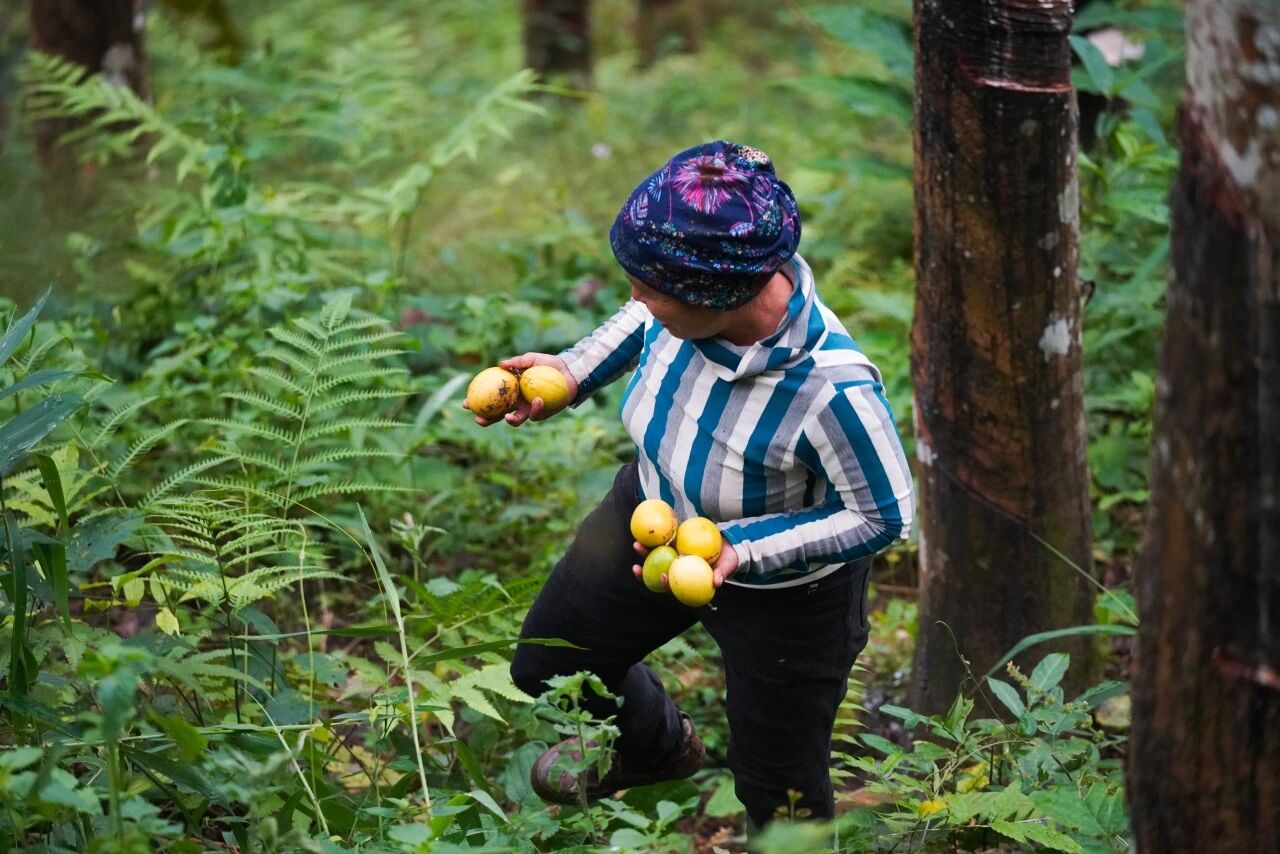
In November, she took me to visit her mentor, Ziqie. According to Haimei, the former head of the Jinuo township culture station is “a connoisseur of food and an even better storyteller”. Despite being over seventy, he spoke passionately for an hour at his front gate when the conversation turned to Jinuo culture.
Traditional Jinuo upland rice cultivation follows two patterns: slash-and-burn fallowing and crop rotation. Because there is little human intervention in the management of upland rice, it relies heavily on the natural fertility of the land; therefore, the same plot cannot be planted continuously. Under the fallow model, after a plot is planted with upland rice in the first year, it must remain fallow for thirteen years to allow the forest ecosystem to recover before it can be planted again.
Another model is crop rotation, where upland rice is combined with other crops. For instance, in the first year when the soil is most fertile, the people often first plant glutinous upland rice, such as purple rice; in the second year, they plant “Spear Rice”. Ziqie says this is an heirloom variety with the best quality among red rices, though its yield is low. In the third year, other upland rice varieties like fine red rice are planted; in the fourth year, nitrogen-fixing legumes such as peanuts and soybeans are grown to nourish the soil; and in the fifth year, maize or rice is planted.
After such a five-year cycle, the land must lie fallow for fifteen years before it can be cultivated again.
“Once, there were so many varieties of upland rice among the Jinuo,” the old man recalled, but many have since vanished. When he heard that Sister Haimei’s restaurant still uses Sickle Rice, he took her hand with emotion and said, “Sickle Rice is the lifeblood of the Jinuo people!”
Ziqie became even more animated upon hearing that the restaurant still preserves Grain Soul Porridge. This is a rice porridge made by simmering chicken broth with pumpkin and red rice.
Ziqie recalls that in the past, after the autumn harvest and once the rice was stored in the granaries, the Jinuo people would return to the fields with chickens, food, and offerings to perform the ‘Calling the Grain Soul’ ritual, praying for a good harvest the following year. After the ritual, they would use the chicken broth to cook a porridge with pumpkin and the newly harvested grain. This was called Grain Soul Porridge.
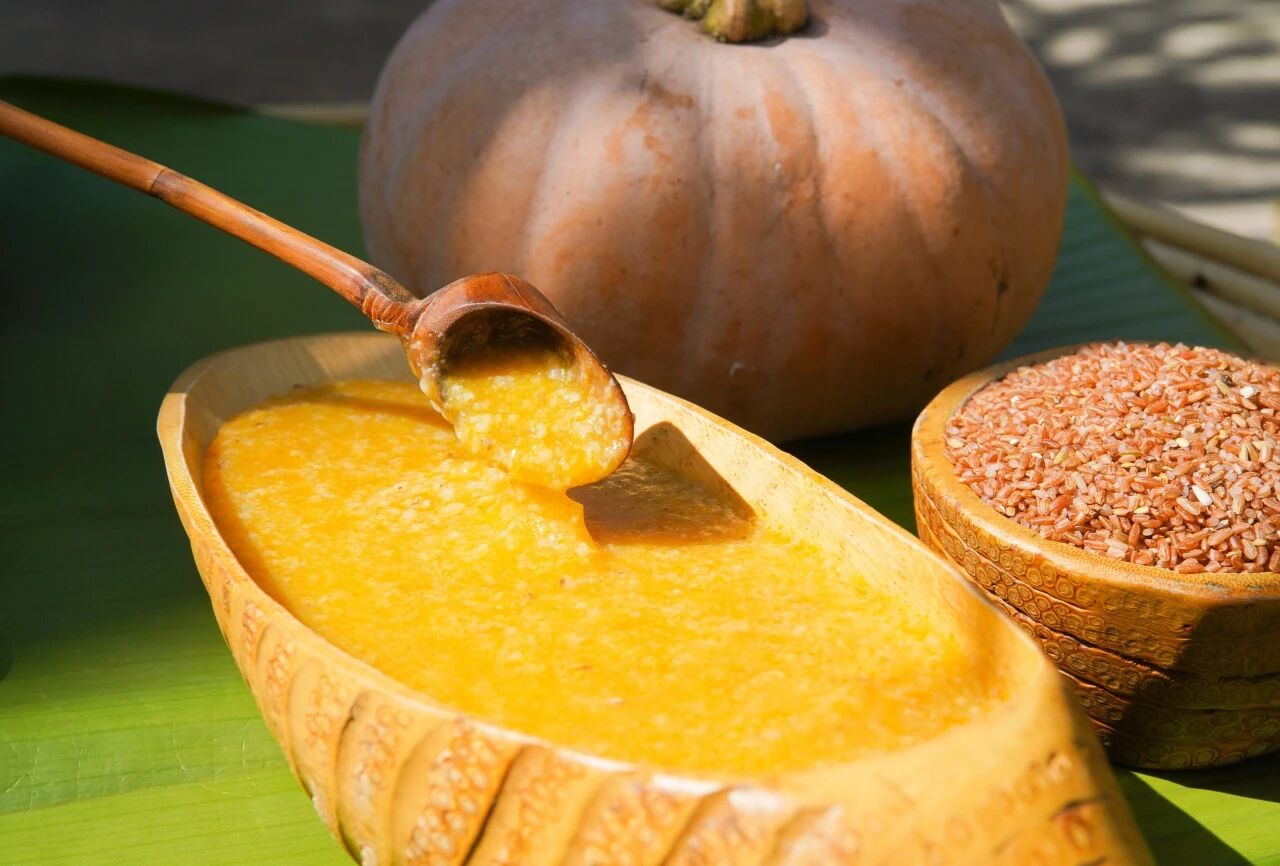
Today, few people in the village still perform such rituals. However, Grain Soul Porridge has been preserved in the restaurant through Sister Haimei’s culinary intuition.
Last year, while attending the Farmer’s Seed Network annual meeting, Sister Haimei brought some Sickle Rice with her. A woman in her seventies from Sichuan spotted it and immediately approached her to ask for seeds. “She held my hand and said, ‘My dear, could you give me some seeds? We used to grow this variety over thirty years ago, but now it’s nowhere to be found.’”
At the end of October last year, after the new crop was harvested, Sister Haimei sent five kilograms of seeds to the woman. These five kilograms of seeds, like a gift, were passed on to more villages that had abandoned lowland rice due to drought or labour loss, eventually reaching the hands of the women who remained behind.
For Sister Yuting, who lives on polished rice, upland rice does not necessarily mean a full return to the rice paddies.
However, water- and labour-saving upland rice is a way to reduce the burden of providing staple food for the family and to cope with an increasingly arid climate, while simultaneously preserving traditional culture. Though the new rice of 2026 has not yet been milled, Sister Yuting and her friends are already discussing how to prepare it. Beyond simply cooking it for meals, they want to use the purple glutinous rice from this new batch to recreate the yoghurt purple rice dew that has become popular in the cities in recent years.
Behind the “city-style” preparation of this bowl of purple rice dew is a planting method that once vanished and is now being reclaimed: with less water and fewer hands, the women remaining in the mountains are gradually bringing the rice back.
Editor: Pei Dan