
Smaller Farm, Happier Life: A Couple’s 11-Year Journey Back to the Land
Departing Xizhimen and passing through Nankou, the high-speed train crosses the high peaks of the Yanshan Mountains before reaching the Huailai Basin. Though less than an hour from Beijing, the landscape is entirely different: wide, flat plains, sprawling cornfields and vineyards, dotted with the massive towers of wind turbines.
The aim of this visit was to accompany consumers from the Beijing Organic Farmers Market to Happy Returning Youth Farm. I had previously met the farm’s owners, Huang Lifeng and Li Yuxia, at markets in the capital. On warmer days, they made the weekly trip into the city to sell their homegrown tomatoes, potatoes, onions, pumpkins and assorted vegetables, sometimes bringing along their lovely young daughter. This time, it was our turn to retrace the route they take home after market day.
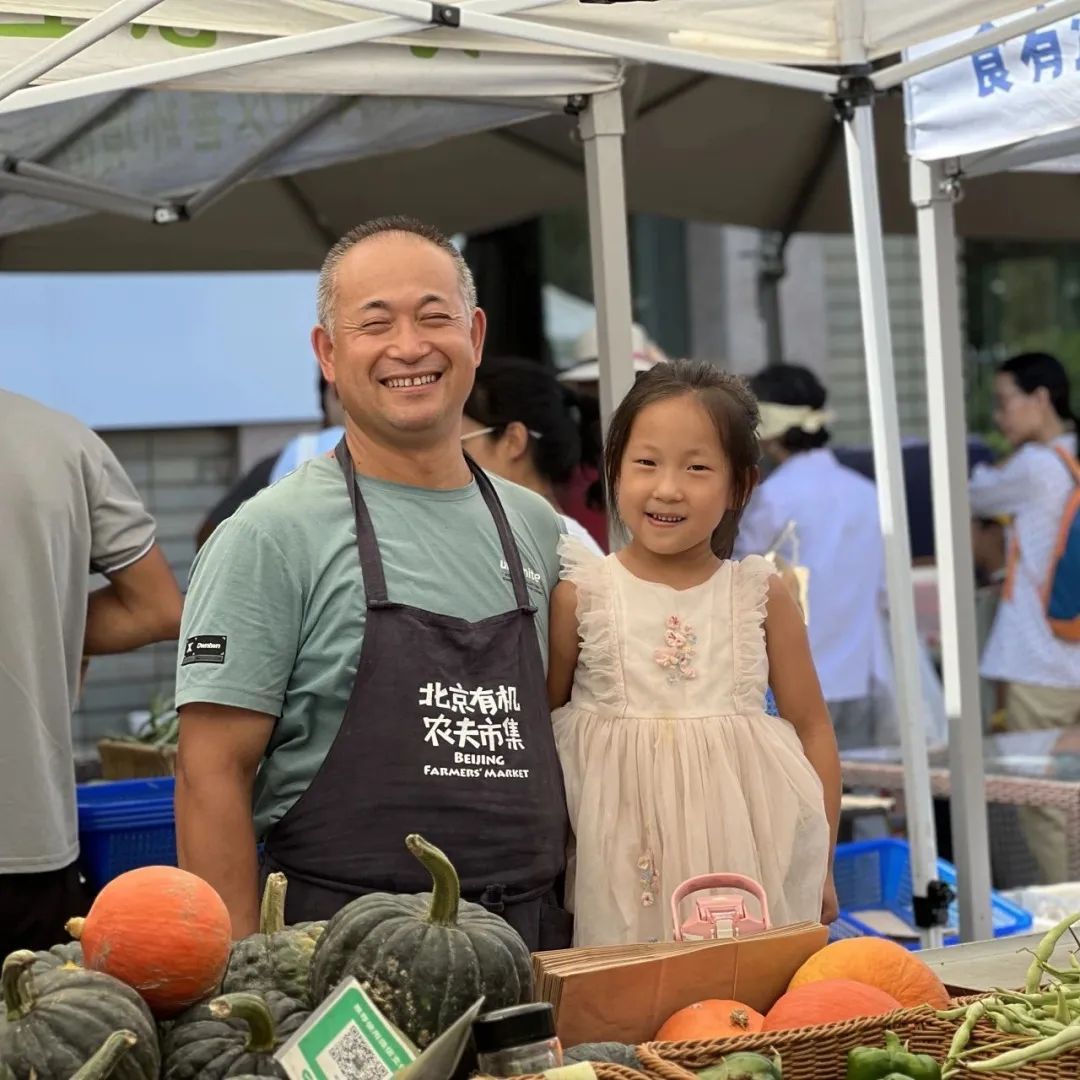

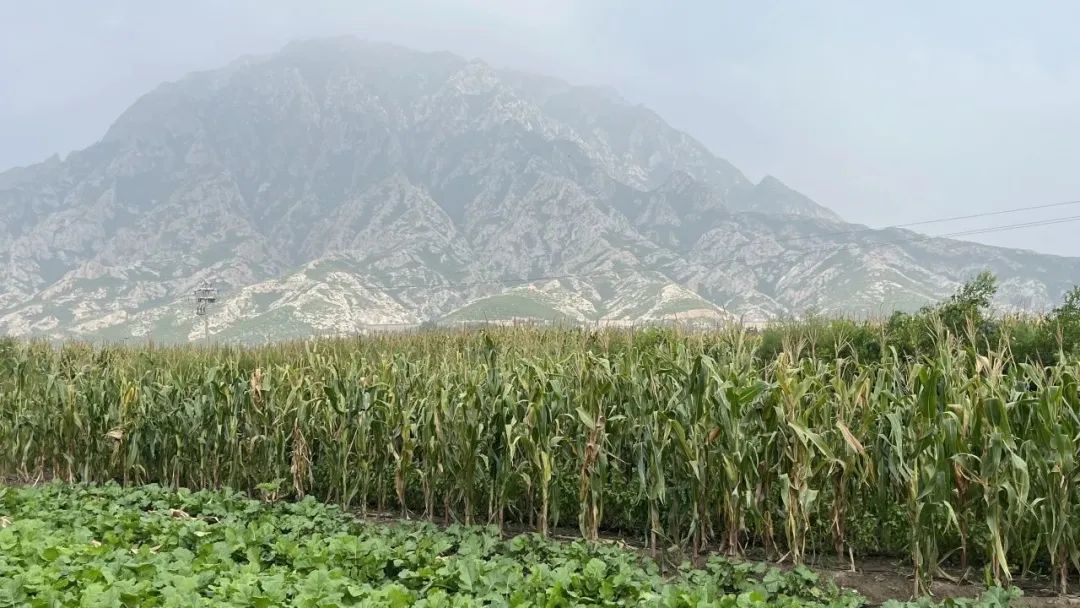
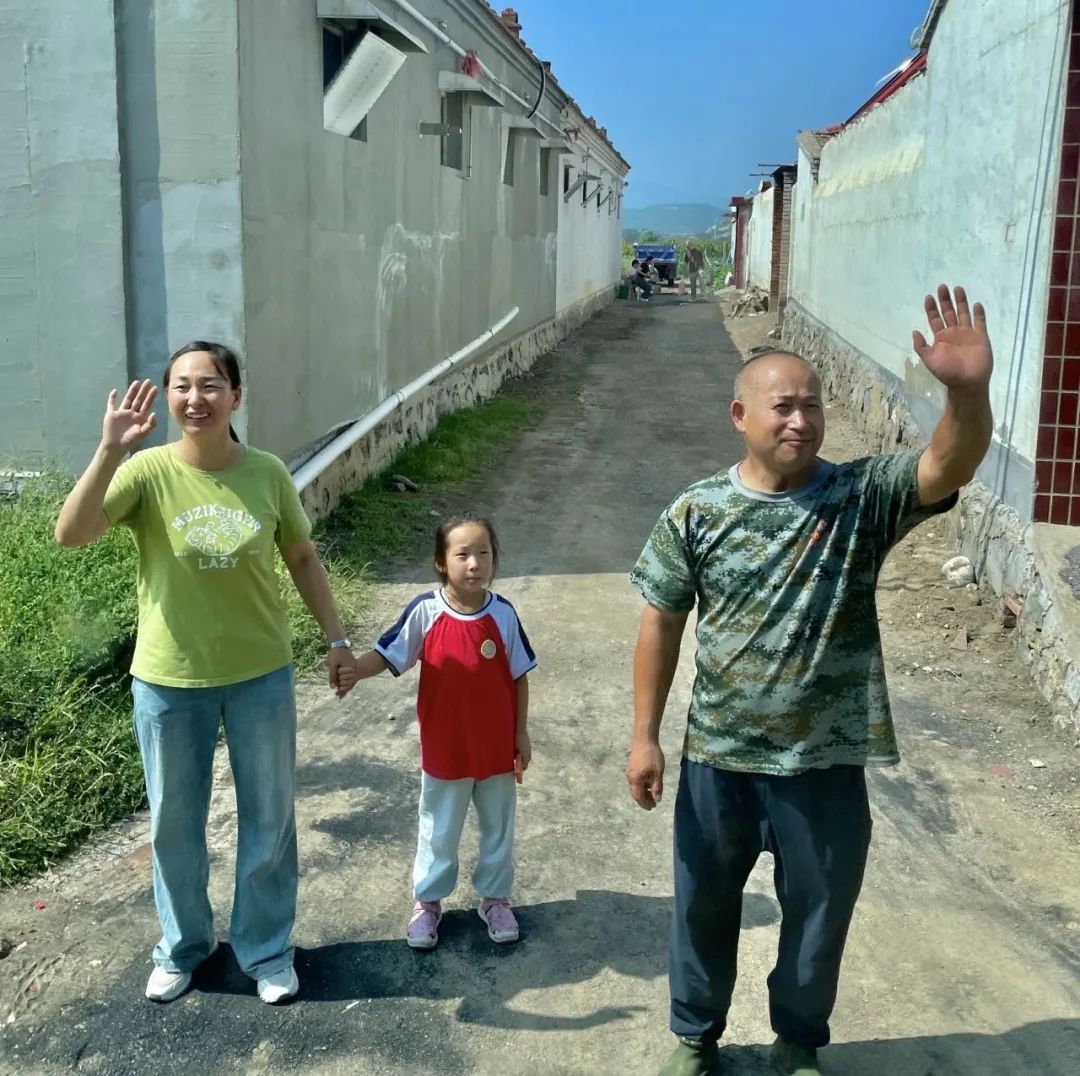
Switching to a car, we drew closer to a towering mountain rising dramatically into view. Our fellow market-goers all marveled at the scenery: what a splendid spot! Looking back, Huang Lifeng was already on the main road waiting to welcome us. Six years ago, this young couple, having moved back to the countryside, found their new home in a village at the foot of the mountain.
I. Two returns to the countryside: From the highlands to the lowlands
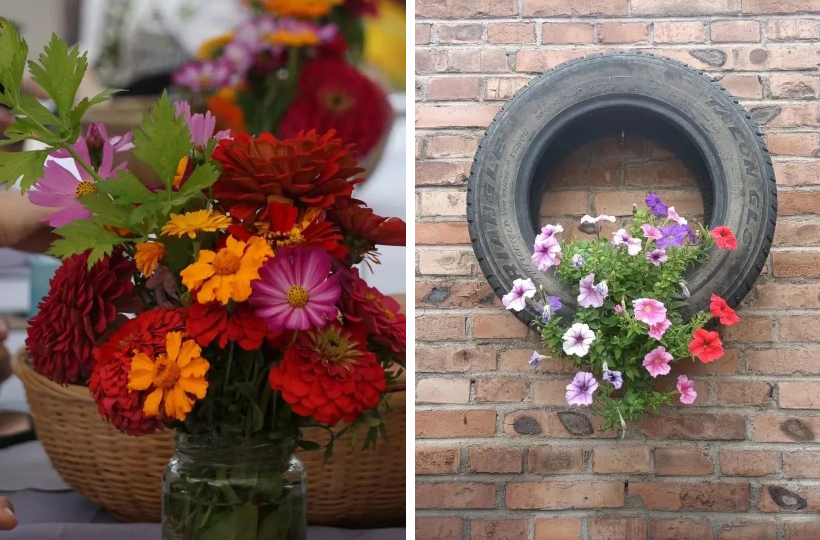
Using celery leaves as a garnish for zinnias in floral arrangements was the hostess Li Yuxia’s idea. She is busy in the kitchen alongside several older village women, preparing steamed oat flour dumplings for our lunch, while Huang Lifeng stands in the yard and begins to recount their story of returning to rural life.
Huang Lifeng and Li Yuxia were classmates, both trained in landscape design and horticulture. After graduating from Hebei North University in 2007, they lived up to the saying ‘putting their studies to practical use’, taking their first jobs at a floriculture company where their skills matched the role perfectly. Part of Huang’s duties involved spraying pesticides on the flowers. He carried a knapsack sprayer every day; though layers of clothing shielded his back from direct contact with the chemicals, he soon developed allergic reactions and began losing patches of skin.
These were merely the visible effects. What might the inhaled pesticides be doing to his internal organs? Troubled by the unseen risks, Huang decided to distance himself from agricultural chemicals altogether, while still hoping to remain in work connected to the land and plants.
By chance, they discovered an ecological farm in Beijing called Derunwu. They headed straight there to work. Huang soon progressed from an intern to a key figure overseeing production, while Li managed consumer relations. Together, the couple had stepped into the world of ecological farming.
A few years later, Yuxia fell pregnant. After a few visits to the hospital, the couple were taken aback by the costs of establishing a maternity record and giving birth in Beijing. Around the same time, Huang had been entrusted by Derunwu to arrange for family members in their hometown of Kangbao County, Hebei, to grow potatoes without pesticides or chemical fertilisers. This sparked the idea of starting their own venture back home.
The couple promptly resigned and returned to their hometown, planning their own farm while Yuxia awaited the baby’s arrival. Having witnessed numerous ‘pioneers’ who returned to rural life only to face grueling agricultural work that yielded neither profit nor family approval, they decided to name their venture ‘Happy Returnee Youth’.
Shortly after, their eldest son, Taotao, was born safely, and the farm officially launched, beginning with a 10-mu plot of family land in Kangbao County. Initially, they aimed to run a diversified operation growing vegetables and rearing chickens; Huang even moved into a shed next to the poultry coop. They quickly discovered, however, that poultry farming and vegetable cultivation demand entirely different skill sets. After barely a year of hard labour, having managed to raise very few chickens, they swiftly shelved the poultry project to focus exclusively on crop production.
Over the following years, the farm’s acreage gradually expanded to 300 mu, focusing on potatoes, carrots, oats, and wheat. Their produce quickly became a standout at the Beijing Organic Farmers’ Market.
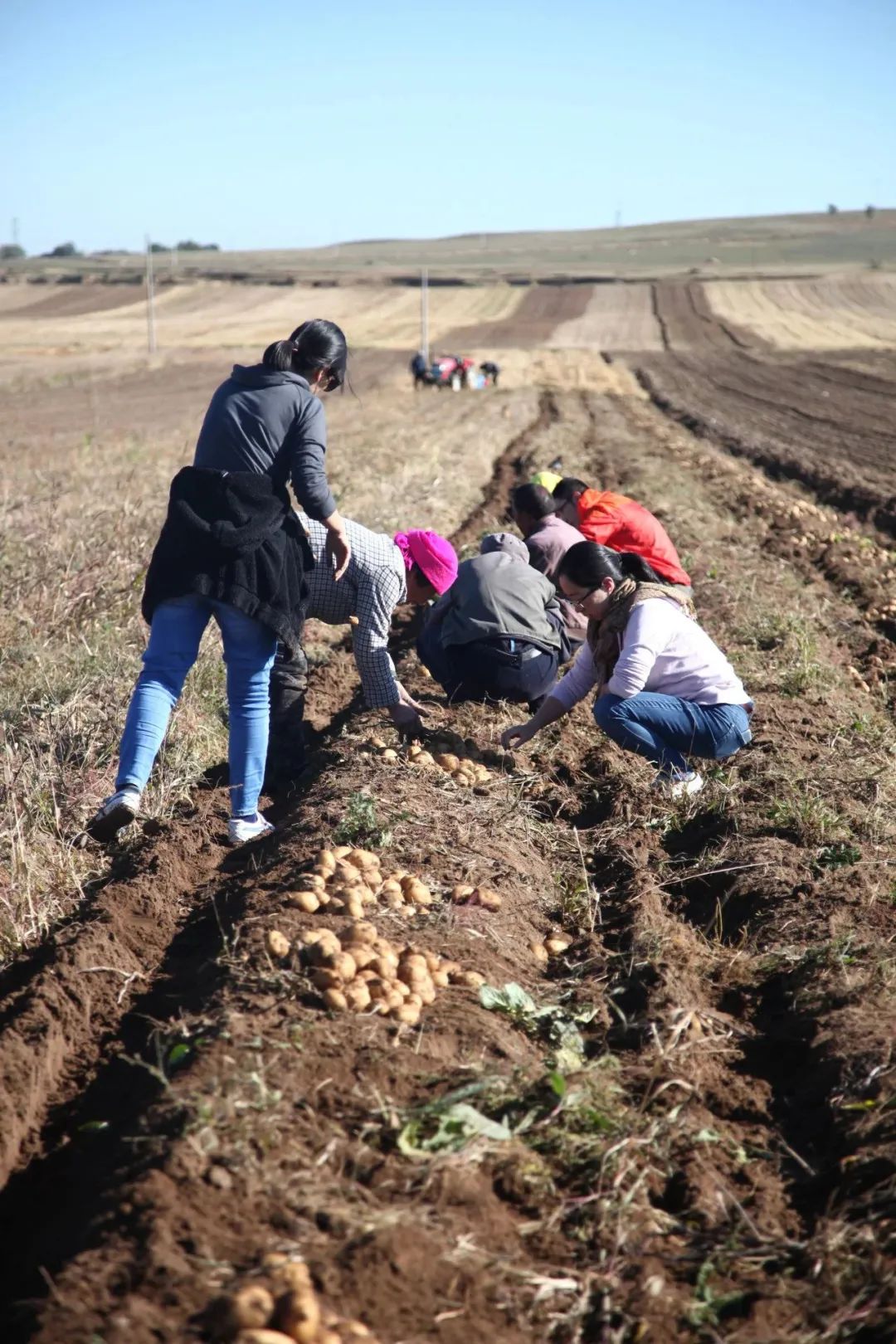
‘Do not let the size of the land fool you; the yield per unit area is actually quite low,’ Huang Lifeng added. ‘We get a maximum of 150 jin (75 kg) of wheat per mu, and the oats yield around 100 jin (50 kg).’
Kangbao County lies within Hebei’s Bashang region, situated on the southern fringe of the Inner Mongolia Plateau. It is a classic agro-pastoral ecotone and a marginal zone for crop production. With an average elevation of 1,486 metres, long winters, and bitterly cold, windy conditions, the annual accumulated temperature reaches only 2,000°C. The growing season is simply too short, and the region’s inherent lack of adequate warmth and moisture remains the primary constraint on crop yields.
Despite the lower yields, the cool climate offers an irreplaceable advantage for cultivating potatoes and oats. At the Beijing Organic Farmers’ Market, Happy Returnee Youth’s tri-colour potatoes and steamed oat flour dumplings have consistently been fan favourites.
In recent years, the local government has seized the opportunity to drive the industrialisation of potato farming, with agricultural companies contracting thousands of contiguous mu of land in the village. While potato fields have multiplied, the number of smallholder farmers has dwindled. ‘The big companies have snapped up all the land,’ Huang Lifeng remarks in disbelief. ‘Just to grow potatoes, they use aerial spraying over twenty times.’ The pesticides drift dozens of metres, sometimes much farther, wreaking havoc on farmers working adjacent plots. Some have even seen their entire crops wiped out by drifting herbicides.
Sandwiched between the corporate estates, their own plots were left in a precarious position. To completely avoid contamination from aerial spraying and chemical drift, they have steadily reduced their landholdings in the Bashang region over successive years, down to just 30 mu this year. Looking to the long term, the couple resolved to secure a new piece of land elsewhere.
In 2017, they leased two small courtyards and a 9-mu plot in a village just below the Bashang plateau in Huailai County. The climate and soil conditions here are warmer and moister than those up north, making it far better suited for vegetable growing. It is also only a dozen kilometres from Li’s family home, and with both children attending school nearby, dropping them off and picking them up is much more manageable.
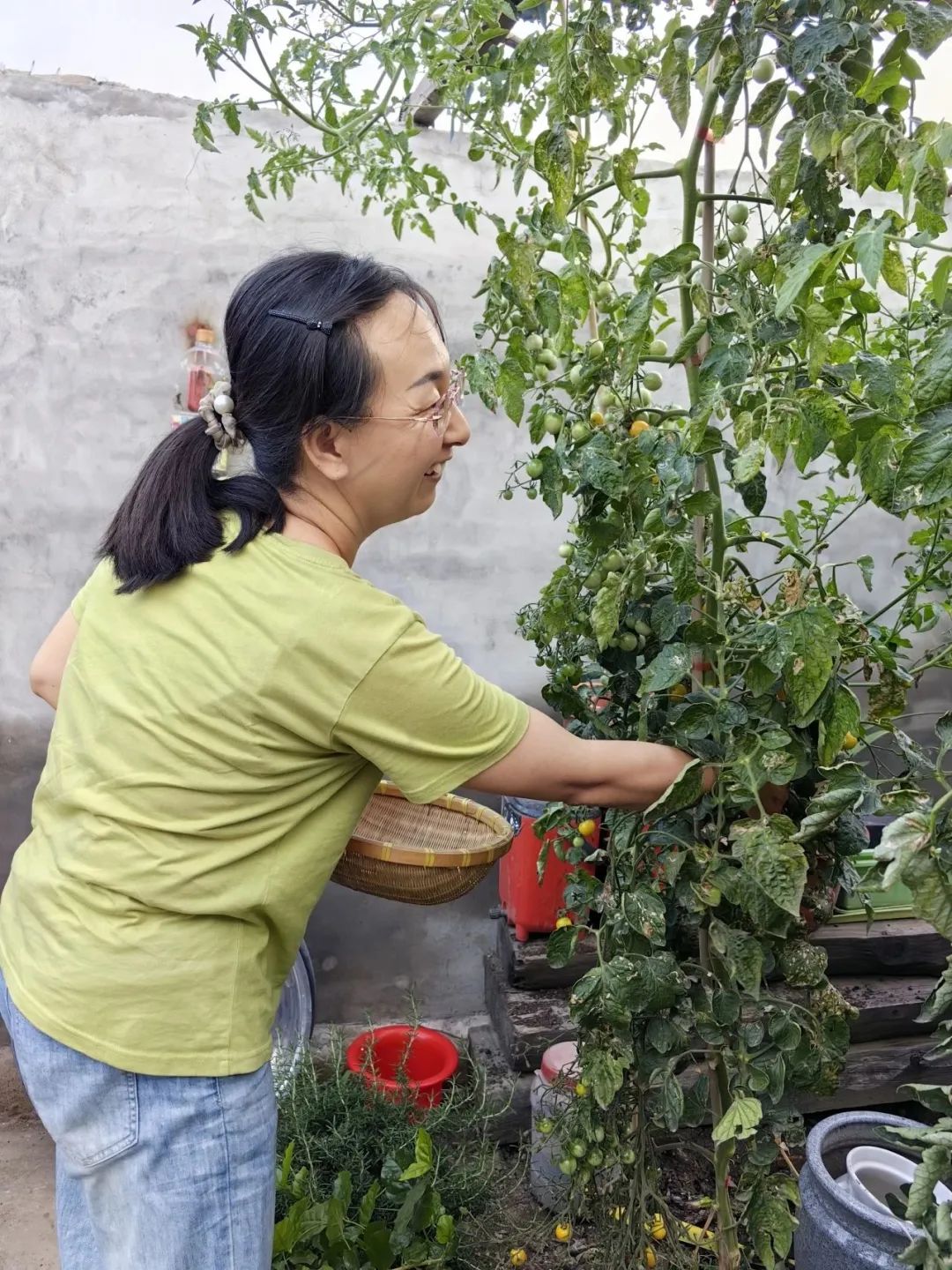
During the harvest seasons, they set up a stall at the Beijing Organic Farmers’ Market every weekend. ‘Moving here has put us much closer to the city. If we wake up at four or five in the morning, we can drive into central Beijing by six or seven.’
Compared with Kangbao, which lies 320 kilometres away, Huang Lifeng believes that running an ecological farm here brings them closer to Beijing’s consumers and aligns more closely with the principles of short supply chains and organic consumption. Though the plot is smaller, the yields from intensive, careful cultivation provide more than enough for their family of four throughout the year.
II. Conserving Land and Water: Meticulous Cultivation on a 0.6-Hectare Family Farm
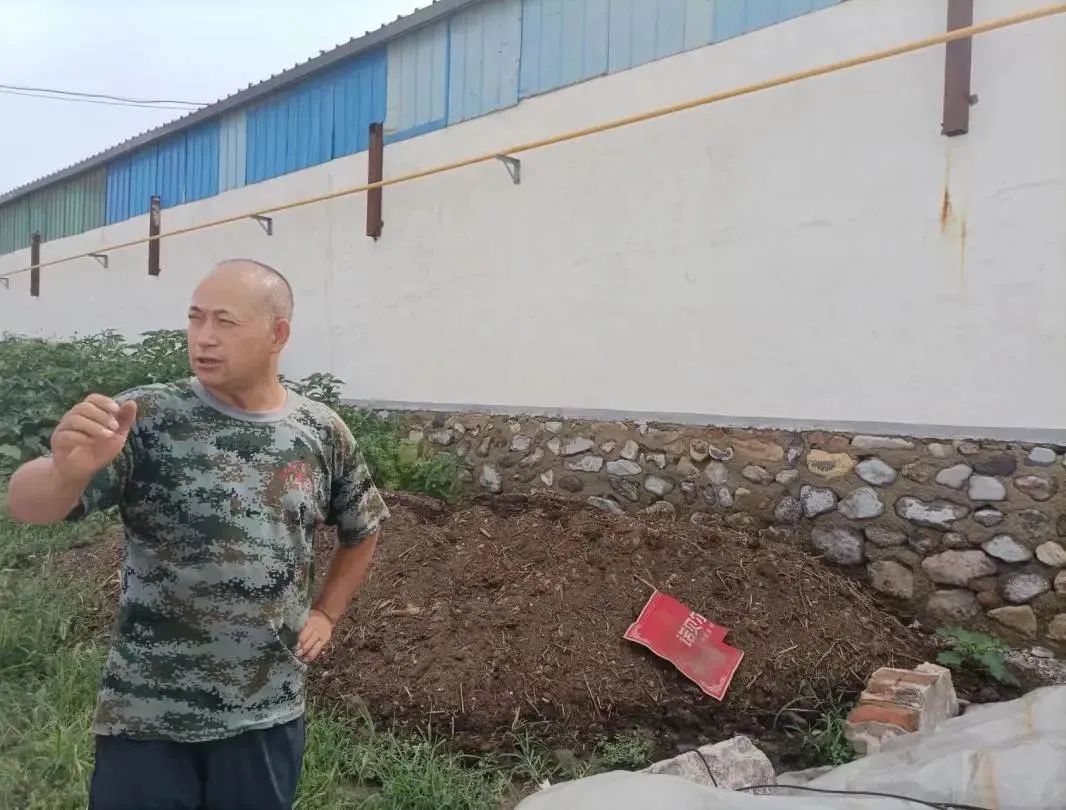
Where did the composting knowledge come from? Alongside his earlier experience at Derunwu Eco-Farm, Huang Lifeng also mentioned the Wotu Farming School, and even studied Australian biodynamic techniques for growing green manure. However, green manure is typically sown after the first crop is harvested, left to mature before being turned back into the soil for the next planting. That kind of fallow period, stretching over several months, simply isn’t economically viable for a small-scale vegetable operation like Happy Return Youth Farm.
Huang Lifeng was well aware of this drawback: “The cost of green manure is particularly high. Our climate is cold, so we only get one growing season a year. If we grow green manure, we can’t grow vegetables, and the whole year is wasted.” For this reason, he opted for fermented compost based primarily on sheep manure. It usually takes about a month and a half to fully decompose, or just a month if covered with plastic to speed up the heating process. This allows composting and planting to run in parallel without tying up valuable land.
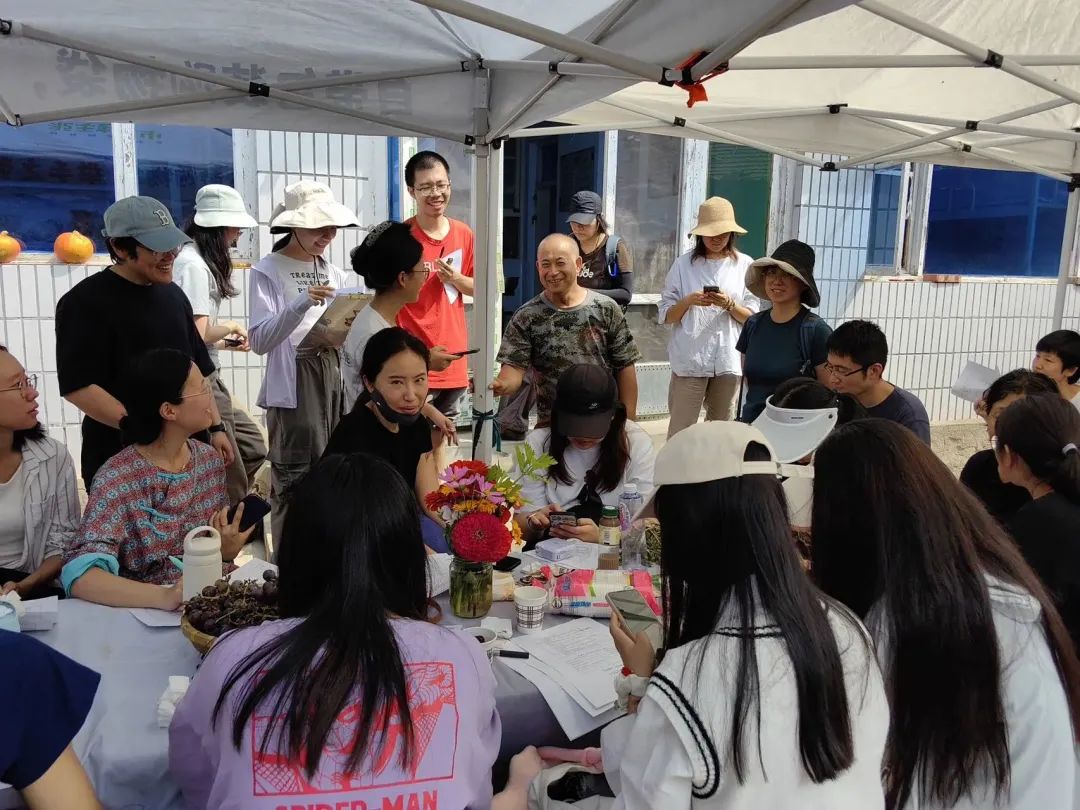
“So where does the sheep manure for the compost come from?” a visitor asked earnestly, consulting a printed information sheet.
Huang Lifeng pointed to the imposing Jiming Mountain rising behind them: “People graze sheep up there. We buy the manure straight from those local sheep farmers.” This drew waves of envy from the group. To source clean animal manure, many organic farms are forced to spend a fortune transporting sheep manure from pastoral regions. Being in a semi-agricultural, semi-pastoral zone, however, spared them that particular hassle.
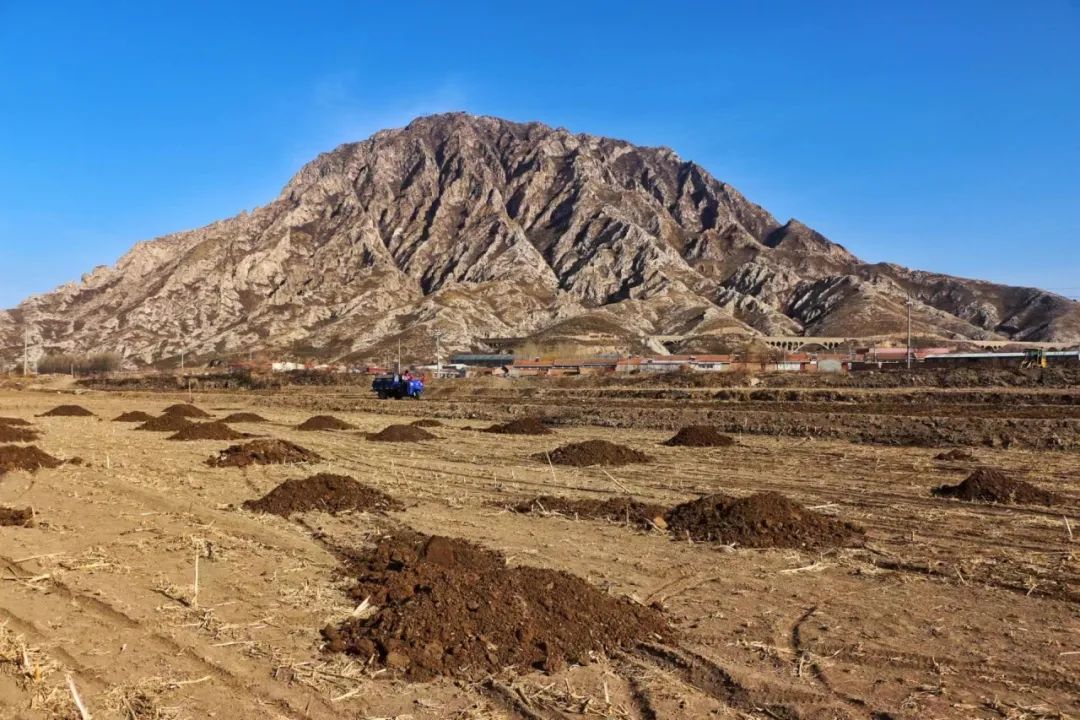
Crop straw and grass chaff are also excellent for returning to the soil to enrich it. Dahei, a fellow farmer from Shaanxi who grows wheat using ecological farming methods, gave Huang Lifeng a tip: treat weeds as green manure, heap them outside to compost first, and then transport them into the fields. After testing grass chaff returned to the soil and finding it effective, Huang Lifeng spent 40,000 yuan this year to successively acquire a front-end loader, a three-wheeled truck, and a forage chopper. He intends to keep experimenting with this “space-saving green manure”.
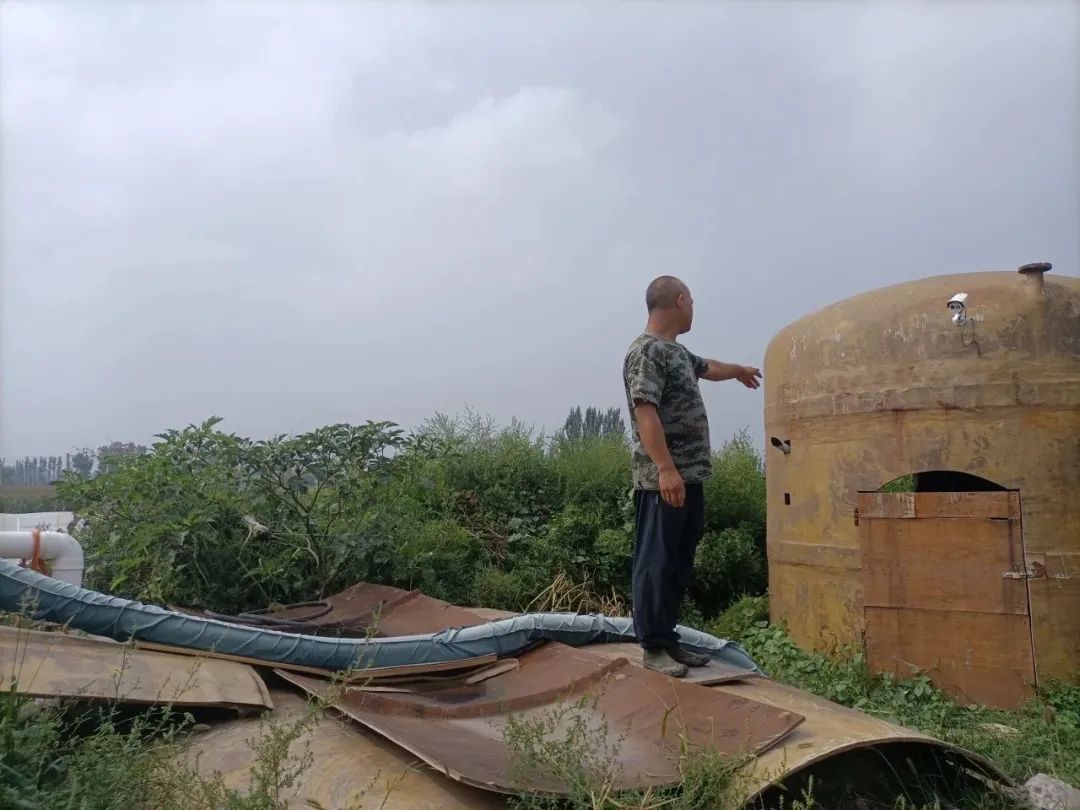
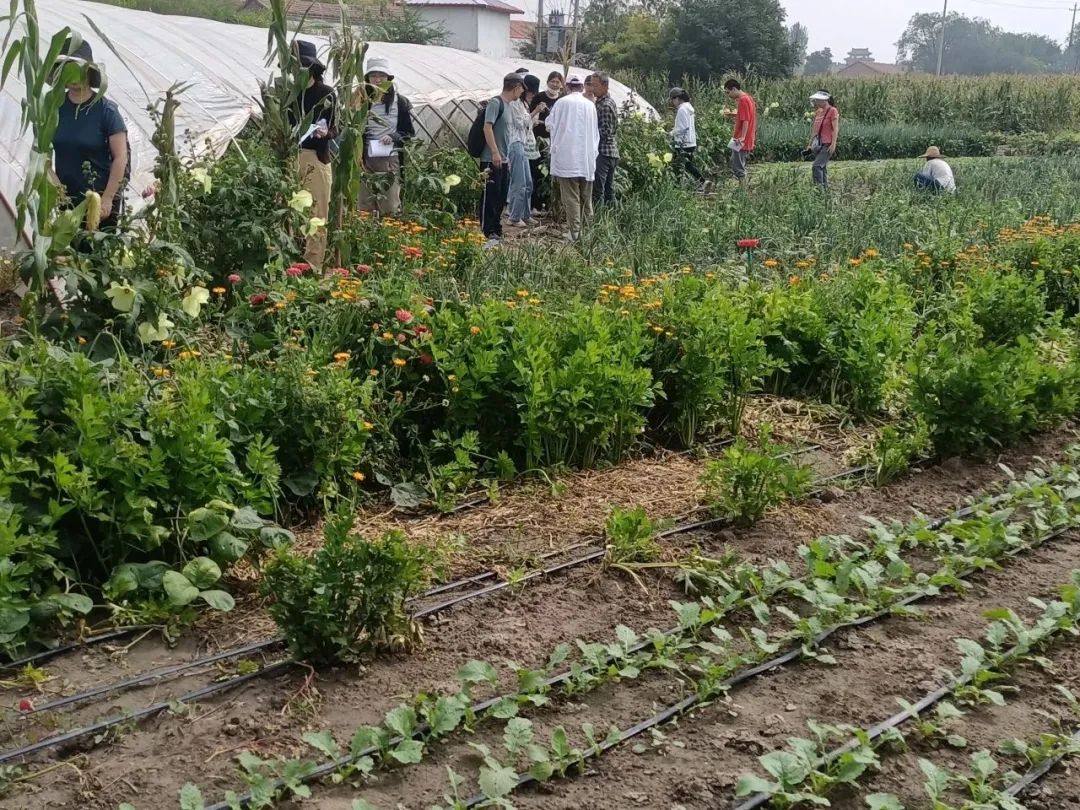
Just a few dozen metres from the nine-mu vegetable plots runs the Yongding River irrigation canal. Many villagers draw water from it simply to cut costs, but the Huangs steer well clear—there was once a pesticide factory upstream. One year, water laced with pesticide runoff wiped out a fellow villager’s entire rice crop. To avoid contamination, the family pumps water from a village mechanical well that plunges more than 100 metres underground.
The Zhangjiakou region is arid. Strong winds strip moisture from the soil, and evaporation rates far exceed rainfall. Traditional flood irrigation demands too much water and degrades soil aeration, which is why they opted for drip irrigation. Out in the fields, Huang Lifeng shared his hard-won lessons with us: next year, he plans to grow onions in raised beds, laying the drip tapes at intervals in the furrows. This will maintain consistent soil moisture while keeping the root systems on the ridges constantly aerated.
Choosing drip irrigation is driven by sustainable resource management, but it is also a shrewd economic calculation. Huang Lifeng has done the maths: pumping for an hour costs over 30 yuan. Thoroughly flood-irrigating a single mu would cost 80 to 90 yuan, whereas drip irrigation achieves the same result for just 22 yuan. The initial investment in the drip infrastructure was recovered long ago.
III. Collaborating with Nature
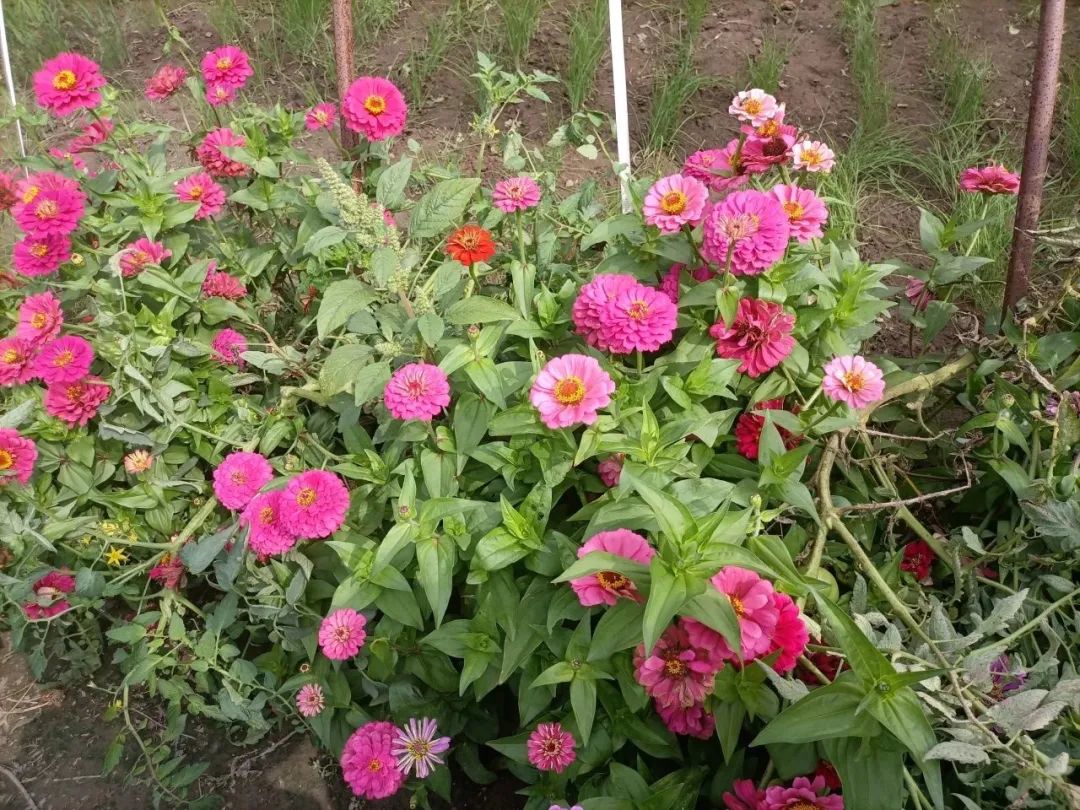
Planting flowers was Li Yuxia’s idea. With a background in horticulture and a passion for blooms, she hoped to attract bees to pollinate the tomatoes. Huang Lifeng finds the outcome somewhat amusing, if slightly exasperated: “I’m not sure we attracted many bees, but we certainly drew in hordes of cabbage white butterflies. And those, of course, are just adult cabbage caterpillars.”
The swarms of butterflies prompted complaints from neighbouring vegetable growers. Huang’s own cabbages took a significant beating from the caterpillars, and what little survived the larvae completely rotted in the soil following a heavy downpour in early August.
Yet, these losses fell well within their expectations. The reasoning is straightforward: farming in an open, natural environment means reaping the benefits of its ecosystem services, but it also requires accepting the occasional dip in yields.
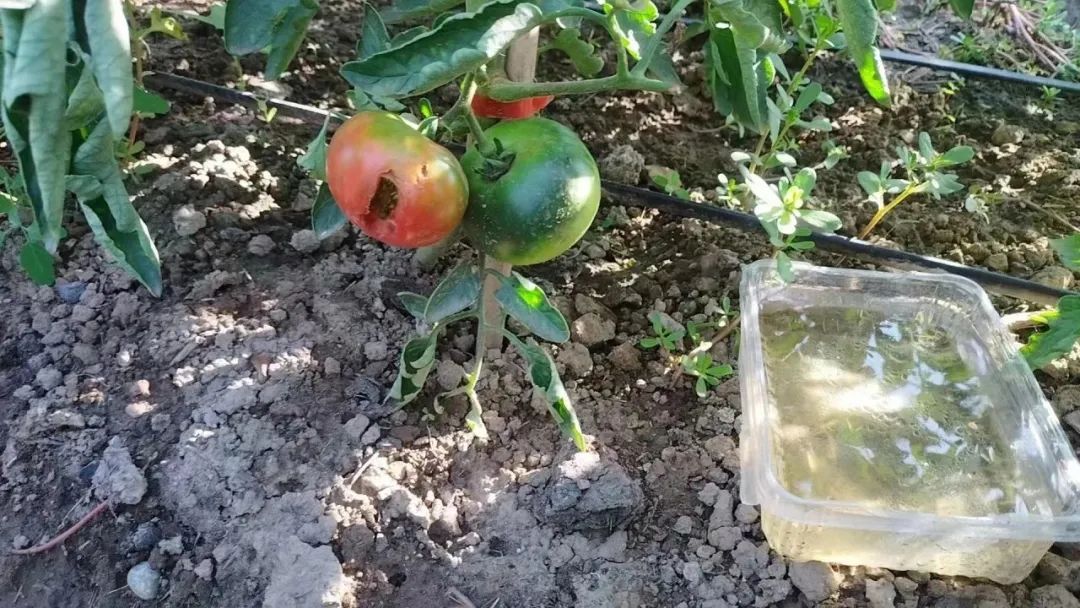
Take tomatoes, for instance. The guiding principle at Happy Returning Youth Farm is simple: “birds take half, we take half.” This summer, magpies kept pecking at their tomatoes. Huang explains that during that period, most other fruit and vegetables were still unripe, so the birds zeroed in on their ready crop.
At first, he assumed the magpies were just thirsty and lined the beds with plastic tubs of fresh water, but the tomatoes were still thoroughly pecked. “It doesn’t matter,” he says. “You can just peel away the damage and eat the rest.”
As the farm’s first “consumers”, birds can be quite particular. Huang planted a batch of heritage corn varieties, which the birds adored, while completely ignoring the hybrid strains grown in neighbouring fields that were treated with pesticides.
Some customers suggested putting up bird netting, an idea Huang firmly rejected. The only intervention he’s considering is a simple plastic rain shelter over the tomato beds—the heavy rains in August caused cracking in most of the harvest.
In his mind, the shelter would have a plastic roof but remain open on all sides for ventilation, and it would need to be retractable. He acknowledges that while bird netting and permanent shelters would certainly reduce crop loss, they would also shut out beneficial elements of the local ecosystem. “We absolutely need to maintain the cycle of the food chain,” Huang emphasises repeatedly.
He has also developed his own insights into leveraging the interplay between different species on the farm. Beds cleared of garlic make an ideal next planting for cabbage, as the pungent garlic scent deters pests that target leafy greens; basil and cabbages are intercropped among the maize; and nightshades like tomatoes, aubergines, and peppers are planted at a moderate density so their leaves provide mutual shade.
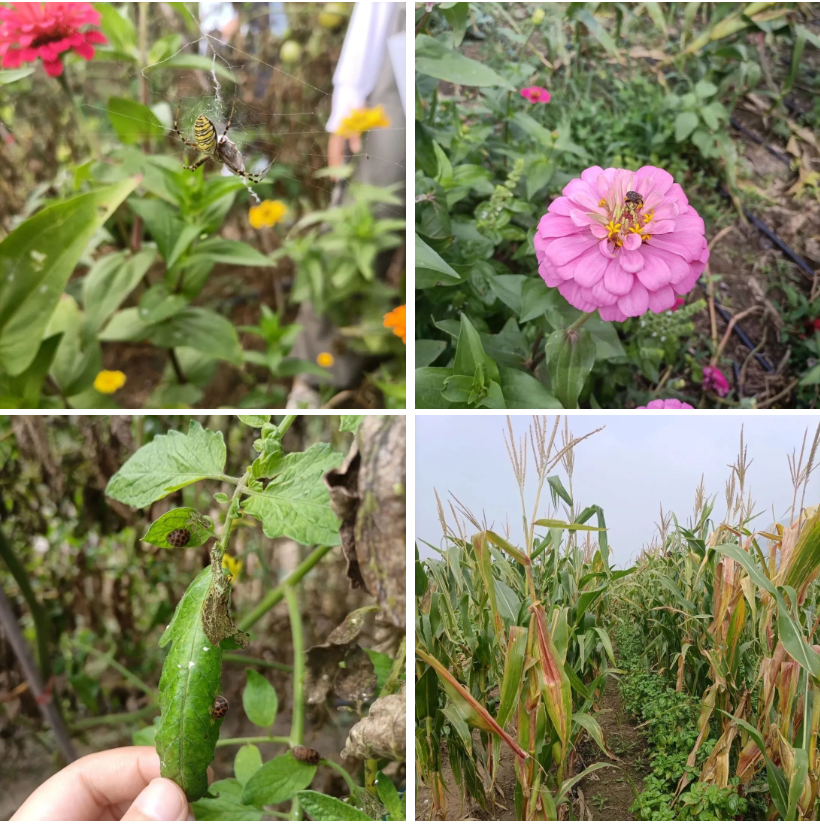
“Let me tell you, my aubergines and peppers this year have been absolutely brilliant! Not a single sign of disease, and the yield is exceptionally high,” Huang says, clearly pleased with the little tricks he’s refined.
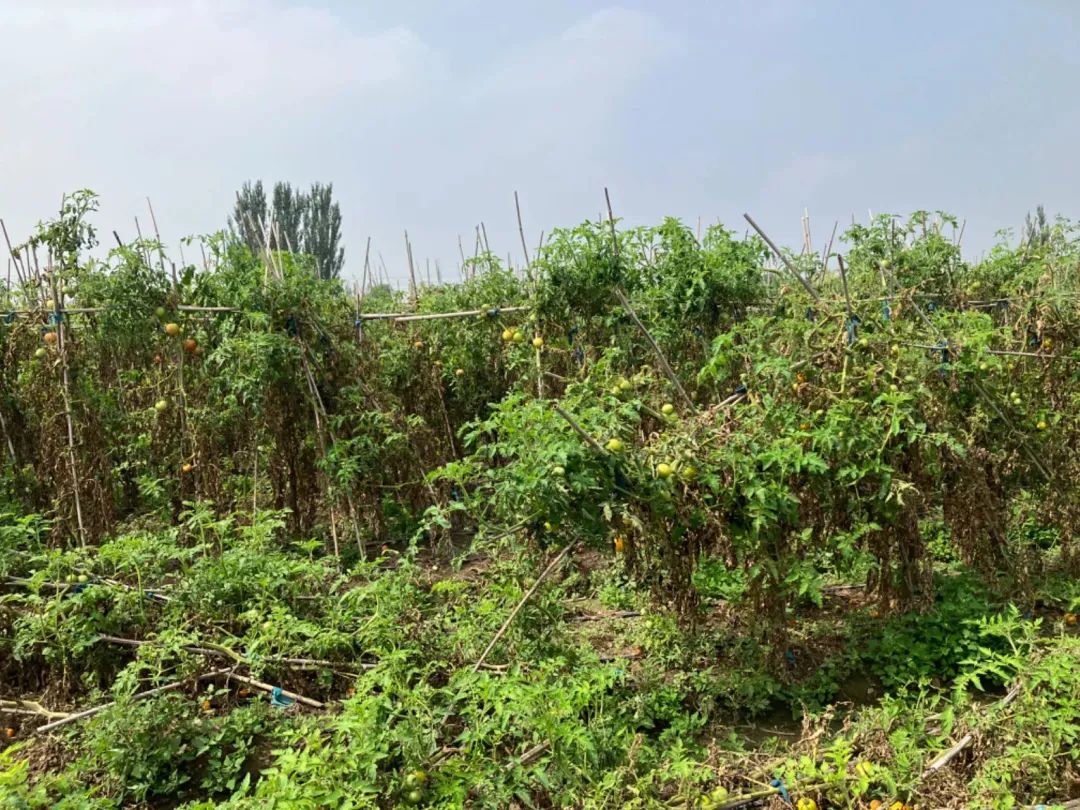
Thanks to the strong winds sweeping down from the pass, open-field cultivation suffers almost no aphid damage. But as with most things, there are trade-offs. Recently, those same gales knocked over all the tomato stakes. Huang complains with a laugh: “I can hardly stand the wind here—it’s fiercer than on the ridge itself, and at its peak, it can snap power lines. I’d highly recommend everyone take turns staying with us to experience it firsthand.” The remark draws a round of laughter from the group.
IV. Finding Joy in Hardship
Huang Lifeng ran through the figures again. Every week they head to Beijing to sell vegetables at weekend markets. Unsold stock is sent to the farmers’ market’s physical shops, and a portion is absorbed through their own WeChat mini-store. Between all these channels, the farm comfortably covers the household’s daily needs for food, clothing, and essentials.
Since the focus of production shifted to the lower fields, the plots in the upper area have largely been tended by Huang Lifeng’s mother. Her passing last year was a significant blow to the family and posed a more pressing question: who would take care of the upper fields?
After hosting this PGS visit, Huang Lifeng planned to head back to the upper fields the very next day to harvest oats. But splitting time between the two locations isn’t sustainable. For one, smallholders struggle to survive in the narrow margins left as large corporations consolidate land. For another, divided attention inevitably leads to management oversights. With this in mind, the couple—dubbed “joyful returnees”—have mentally prepared to let go of the upper fields.
Huang Lifeng shared a heartfelt reminder: “Whether you’re running a farm or anything else, you have to do it yourself and bear the hardship yourself.” Relying on parents or hired hands will never feel as grounding as tending the soil with your own hands. That, he noted, is the realisation of a smallholder.
As noon approached, a generous lunch was served from the kitchen. The highlight was the long-awaited steamed dumplings made from oat flour, prepared from the oats they grew in the upper fields. Yuxia, who had been bustling all morning to host us, could finally sit down and chat. At that moment, their eldest son, Taotao, came home from school for lunch, pestering his mother for a turn with her phone. Born the year his parents returned to the village, he is now in Year 5.
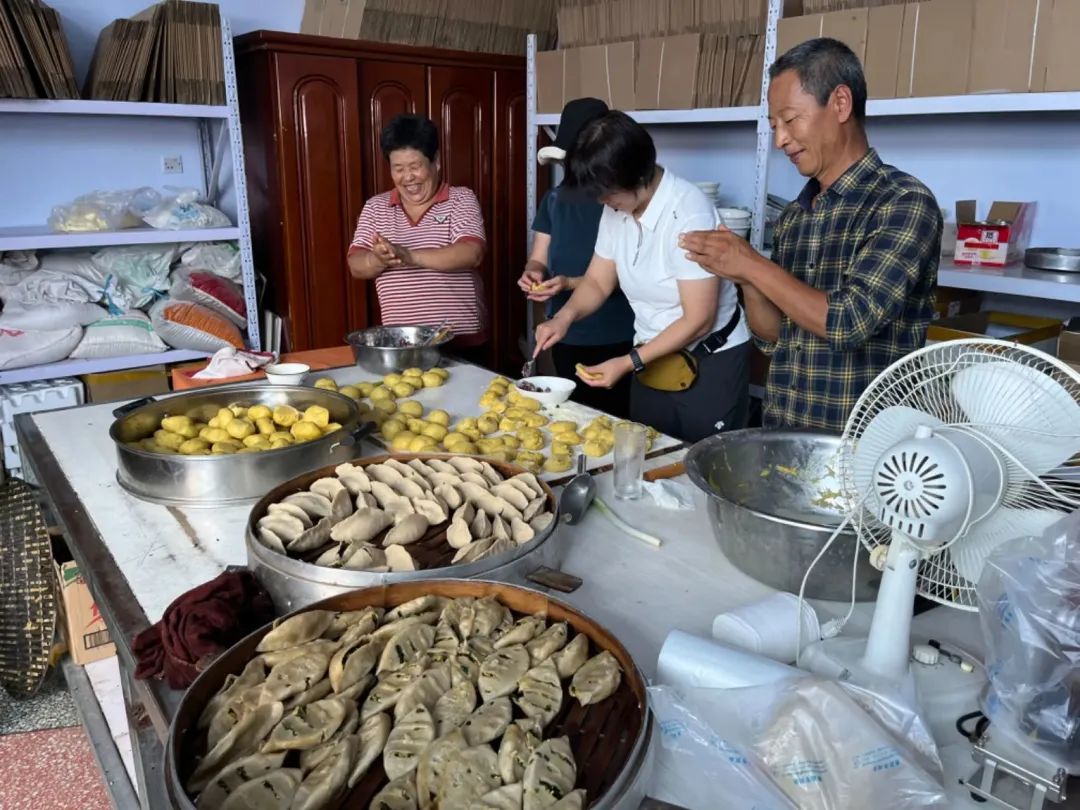
Though only they know the true hardships of farming, the couple maintained their characteristic cheerfulness and optimism, just as they always do. Amidst the busyness, they earn a decent living through ecological agriculture, eat the organic vegetables they grow themselves, find time to care for their family, and put down firm roots in their hometown. It is a life rich enough to inspire envy.
Perhaps they have already found the happiness they originally sought.
Editor at Foodthink, born and raised in a small county town in the northwest. Special skills associated with being from Shaanxi include, but are not limited to: dining from a large traditional bowl, pairing a bowl of noodles with two cloves of garlic, and possessing a keen palate for sour flavours.
Editors: Wang Hao, Tianle