
The Invisible Labour of Natural Farming
However, after starting my internship here, my perspective began to shift.
The counter-intuitive practices of natural farming—such as leaving fruit on the trees, allowing grass to grow, and composting—were detailed one by one in the article “Counter-intuitive Natural Farming”. Yet, sustaining this ecosystem requires a great deal of invisible labour.
I. Production: Restoring the Soil
When transitioning from conventional farming to ecological methods, it can take three to five years to restore a healthy ecosystem. Take Yan Ping’s orchard as an example: in 2019, she began experimenting with a completely pesticide-, fertiliser- and herbicide-free approach on six rows of fruit trees, only scaling up to full ecological cultivation once she had proven it viable. During those initial years, she invested considerable time and resources into learning how to produce compost and organic enzymes to nourish the soil and the trees—processes that themselves demand intensive manual labour.
Furthermore, even once the soil has been restored, short-term crops and vegetables still require ongoing composting and enzyme treatments. These plants are not naturally dominant species in the wild and need nutrient supplementation to survive the onslaught of aggressive weeds. Securing a harvest also means competing for food with local wildlife—a lesson I learned firsthand during my internship when hundreds of sunflowers bloomed, only to be completely raided by rodents.
We experimented with several sowing methods—broadcasting seeds into the grass, direct-dropping into holes, and clearing weeds to sow in furrows—which significantly improved the germination rates of the beans and sorghum. However, given the rich biodiversity of the orchard (particularly the abundance of birds and rodents), much remains uncertain until the crop is safely harvested. Yan Ping recently shared her bean and sorghum yields; they seem promising, and she appears genuinely pleased. I believe this sense of fulfilment is inextricably linked to her philosophy of coexistence and sharing with all living things.


II. The Sales End: The Additional Labour of Harvesting, Shipping, and After-sales Care
Regarding sales, entering ecological sales platforms requires the orchard to undergo a rigorous audit. Likewise, fellow eco-farmers and consumers involved in collaborative distribution need time before they can truly trust a new farmer and their produce.
Throughout the sales period, there is an immense amount of communication. Constant liaison with eco-platforms and fellow eco-farmers is necessary to keep order volumes stable and avoid either stock build-up or long periods without orders. When shipping, it is common for consumers to cancel their orders last minute even after the status has changed to ‘shipped’, requiring the orchard to urgently contact the courier to amend or recall the shipment.
The direct-shipment model means the farm must handle after-sales for every single order, which is a gargantuan task. Furthermore, different platforms use different online systems and document templates, leading to mountains of paperwork. During the Wukan citrus sales season, Sister Yan Ping was often still dealing with after-sales issues in the middle of the night.
Moreover, under the direct-shipment model, the farm bears the risks of courier transport. For instance, if fruit is damaged during transit, Sister Yan Ping must absorb the loss. This became even more severe during the COVID-19 lockdowns, where excessive delivery times or failed deliveries led to entire boxes of fruit rotting—losses that fell primarily on the farm. Even the partnership with the courier company only became smooth after a long period of trial and error.
For ecological produce to gain recognition from all parties, a great deal of work in industry development, platform building, and consumer education must happen behind the scenes—much of which falls on the farmers themselves.
For example, in just a few short months, we met various visitors to the ‘Little Wooden House’—consumers, inspectors from eco-platforms, fellow eco-farmers, and learners like ourselves. All of these required the farm owner to dedicate a vast amount of time to coordination.
During my internship, I had the opportunity to accompany Sister Yan Ping to the Nanning Urban Farmers’ Market, the Guigang He Cheng Farmers’ Market, and other learning visits. Through these activities, I felt the strong desire among fellow eco-farmers for learning and exchange, and saw the vital role they play in the development and communication of industry platforms.
In daily life, we often heard Sister Yan Ping communicating via WeChat calls with eco-platforms, fellow eco-farmers, consumers, and learners. These conversations ranged from the philosophies and techniques of ecological agriculture to product sales and platform development; at times, she would even act as a confidante, providing emotional support to her partners.
I could sense that she sometimes lamented that this was not the farming life she had originally imagined, and that some activities drained too much of her energy. She hopes for more time to devote to actual labour in the orchard. Thus, finding a balance is a challenge she continues to face.
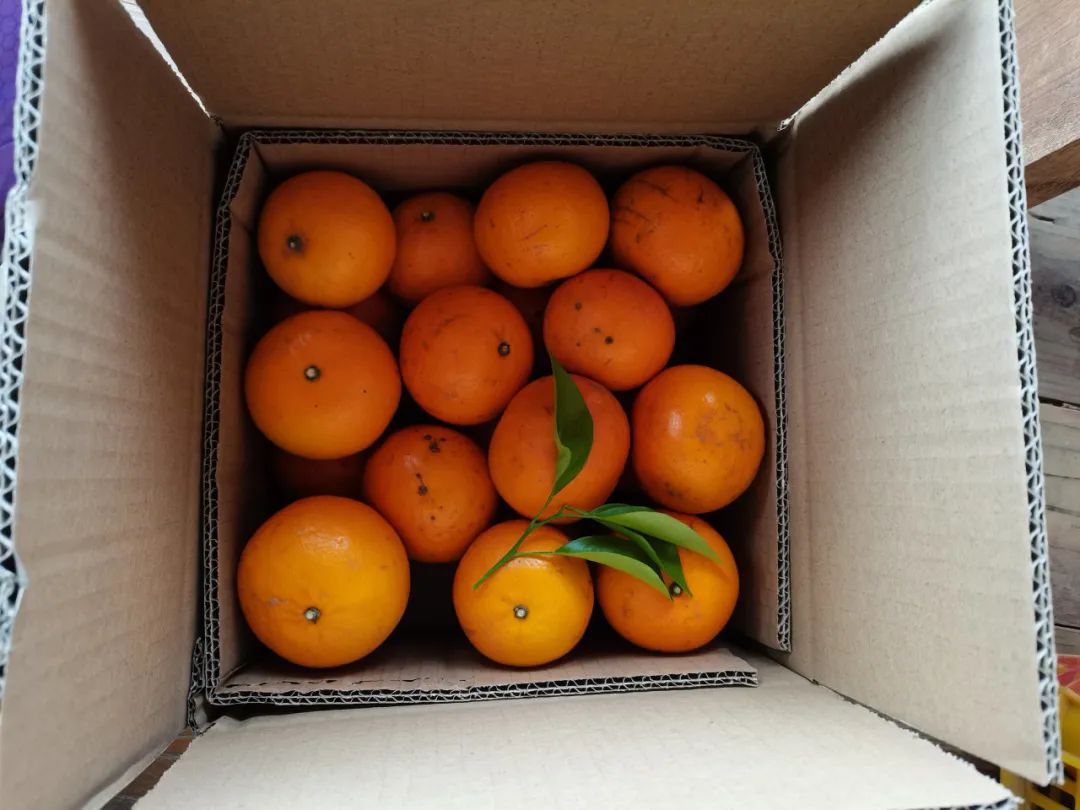
It is worth mentioning that the design of Sister Yan Ping’s packaging boxes has undergone several iterations. She wanted to ensure the safety of the fruit during transport while also achieving plastic-free packaging. Ultimately, she settled on a square double-layered cardboard box; the Wukan citrus can be packed directly without any plastic packaging. This is rare for couriered fruit and demonstrates Sister Yan Ping’s determination regarding environmental protection.
III. In Daily Life: The Invisible Labour of Eco-friendliness
Take the delivery packaging design mentioned previously: by using double-walled cardboard boxes, additional protective materials are unnecessary. Aside from the sealing tape, for which a viable alternative has yet to be found, the packaging is entirely plastic-free.
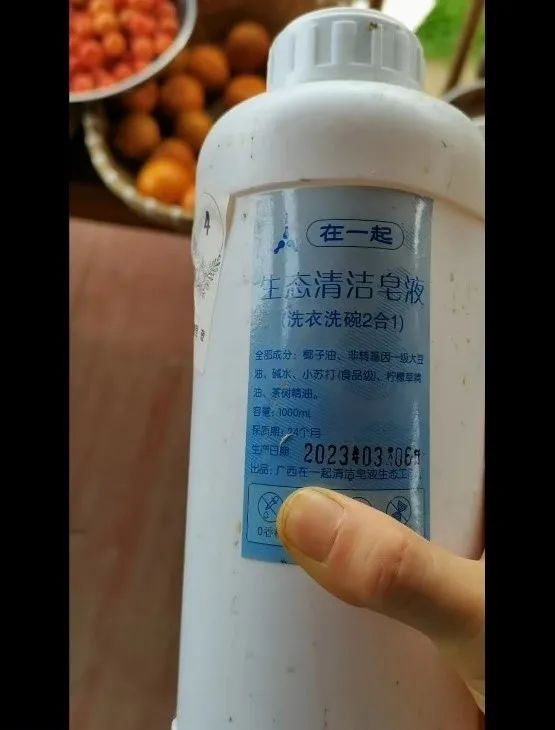
In our daily lives, most of the fruit and vegetables we consume are grown right here in the orchard. Although staples, cooking oils, and condiments must be purchased, Sister Yan Ping is extremely discerning about her ingredients, sourcing them almost exclusively through purchases or trades with fellow eco-farmers. The same applies to our toiletries; as greywater is discharged directly into the orchard, we use almost exclusively ecological and organic products, which naturally comes at a higher cost.
Another form of invisible labour is the proper management of domestic waste. Since we live and eat within the orchard, we handle all kitchen waste and sewage on-site. Kitchen waste is kept in buckets, and the toilet is an ecological dry toilet—essentially a bucket system—where sawdust is added after each use to ensure it remains virtually odourless. Both the kitchen and toilet buckets are emptied daily. During my internship, Hezi and I took turns using a carrying pole to transport the waste to the composting area.
IV. The Pastoral Idyll
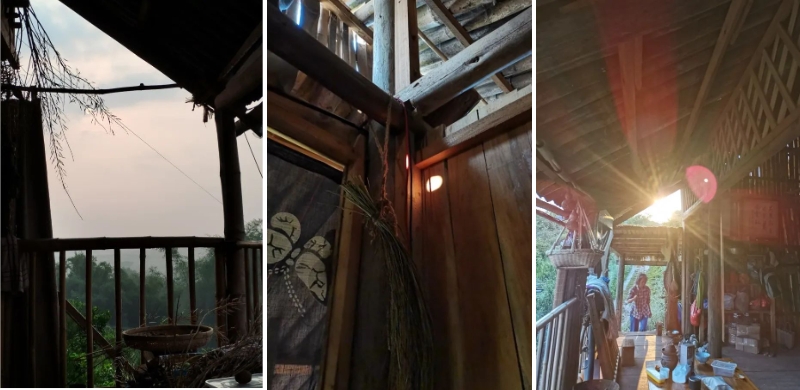
We shared the cabin with various creatures from the orchard: mice, bullfrogs, spiders, mosquitoes, fleas, ants, cockroaches, and so on. While these little animals initially filled me with horror and discomfort, I gradually grew accustomed to their presence. Outside the cabin, even more creatures kept us company, their calls forming a concerto that became the background music to my sleep. The light of the sun and moon would stream in from shifting angles, in a constant state of flux.
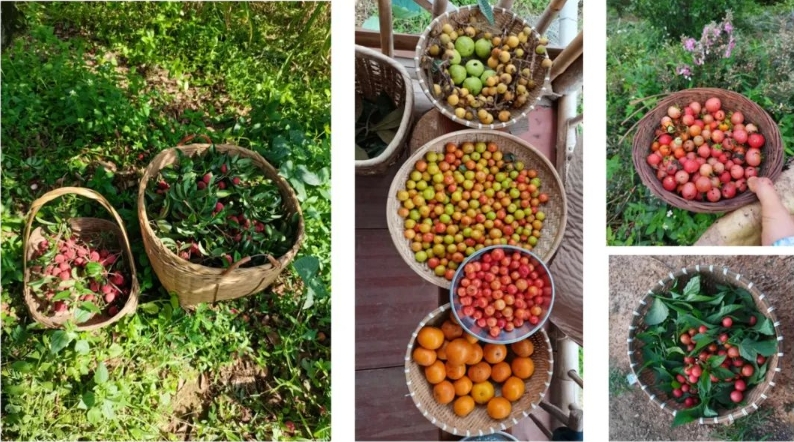
In spring, during the flowering season of the Wogan and Emperor oranges, the entire orchard is suffused with a fragrance unique to citrus blossoms; if we never left the grounds, it would be easy to forget how wonderful it is. I remember one evening at the end of March, returning from the Nanning agricultural fair; the moment we opened the car doors, we were enveloped by that familiar floral scent—a feeling that is simply beyond words. On summer nights, swarms of fireflies would flicker throughout the orchard; it is perhaps the most romantic sight I have ever seen. Sometimes, they would pulse in the darkness of a room after the lights had been extinguished. The natural evening breeze also tempered the sultry heat of the summer nights.
During these few months, as someone from the north, I tasted many foods and seasonings I had never tried before: cassava, ash-water zongzi, cauliflower, beggarticks, wild tubers, tender pea shoots, young pumpkin shoots and leaves, taro stalks, steamed buns fermented with Wogan oranges, tender broom grass leaves, hemp seeds, Huangpi sauce, turmeric powder, and tender mountain pepper leaves…
A vegetarian diet was maintained in the orchard. To ensure that Hezi and I had enough protein, Sister Yanping bought free-range eggs from the sister-in-law; we each had one egg a day. For me, already a vegetarian, this was plenty, but for Hezi, who was used to eating meat, it was still a bit of a challenge. Whenever she craved meat, she would occasionally visit the sister-in-law’s house to treat herself.
Thanks to the sister-in-law, we also unexpectedly enjoyed an abundance of loquats, lychees, and Huangpi.
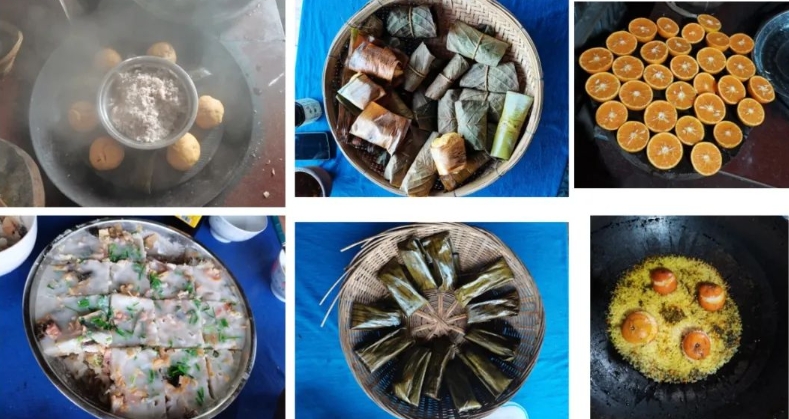
Working on the farm also reshaped my understanding of certain phrases, such as “no waste” and “effortlessness”.
When I first started grading Wukan oranges, I struggled to be decisive. I felt every fruit was so good that throwing them back into the compost felt like such a waste. With a soft heart, I put fruits that looked fine but wouldn’t survive the rigours of courier delivery into the “second-grade” pile. My sister-in-law would always scold me: “You accept the criticism, but you never change.” Eventually, she comforted me: “I was like that too; I always felt it was a pity to throw these fruits away, until the boss’s wife [her name for Sister Yan Ping] told me off. After hearing it enough times, I finally changed.” Come to think of it, if I can’t bear to discard them now, and the customer receives a rotten fruit that’s inedible and demands a refund, isn’t that an even greater waste?
I remember first hearing the term “effortless” at Baicao Garden while splitting wood for the fire. Sister Yan Ping told me not to use brute force, to relax my wrists, and to let the natural weight of my arm do the work. She demonstrated, I followed, and it was indeed much easier than using brute force. While weeding, my sister-in-law also mentioned this, saying Sister Yan Ping had repeatedly taught them by example how to weed without strain. Later, the practice of “effortless” wisdom permeated every aspect of our labour and life during the orchard internship.
V. Returning to the City
During the four months in the orchard, I reread *The Revolution of a Straw* and noticed a shift in myself: I moved from being attracted by the techniques to being attracted by the mindset.
Just as in my internship, what truly remains after the passage of time is not the fragmented observations and experiences described above, but the people I met and the serendipitous encounters we shared. The natural farming practiced by Mr Fukuoka and Sister Yan Ping cannot be summarised by technical terms like “no tilling, no fertiliser, no pesticides, and no weeding”. It is an unspeakable wisdom woven into the fabric of daily labour and life. Perhaps once one truly embarks on the path of natural farming, they will experience more of what Mr Fukuoka wrote in the poem at the end of his book: “This is an aerial journey of a wandering soul, which then becomes the fields, and becomes the hills.”
Regarding how to begin my own eco-agriculture journey, I have imagined a few models. The ideal way would be to find a small plot of land for trials, nurturing both the soil and my own skills, then expanding to a moderate scale. Ultimately, I hope to create a system that includes cultivation, processing, and a comprehensive community shop in the city.
I might return to the corporate world for another three to five years to accumulate more funds before starting. This would allow me to live a “half-farmer, half-X” life without having to leave the land entirely, though I still don’t know what this “X” might be.
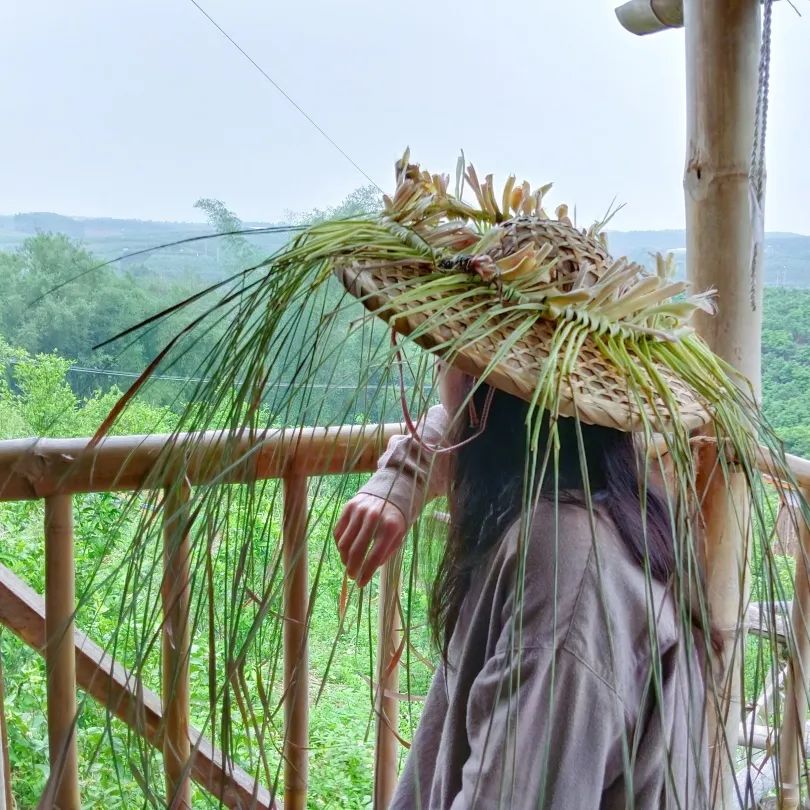
To date, two recruitment cycles have been completed, with over 40 participants placed in more than 10 eco-farms across the country for internships lasting between two months and a year. The second cohort of interns will “graduate” at the end of 2023, and public recruitment for the third cohort will begin in January 2024! Stay tuned for more updates on Foodthink’s “Eco-Agriculture Intern” project!
Unless otherwise stated, all photos in this article were taken by the author
Editor: Xiong Yi