
A carpenter who can’t farm isn’t a proper electrician: What kind of talent does an eco-farm need?
I am Xiaomi. In December 2021, at the age of 26, I resigned from a civil service training company. Without a clear idea of what job to look for, I headed home to prepare for the Lunar New Year. During the holiday, I began to think about my future; I realised I wanted to return to my original area of study: agronomy.
Looking back at the career choices of my classmates, some had entered scientific research, while others had gone into sales for seed or agricultural supply companies. None of these paths interested me. Just as I was struggling with this dilemma, I saw a recruitment call for Ecological Agriculture Interns posted by Foodthink, an organisation I had been following for some time. I filled out the application form that same day with great excitement.
After passing the interview, I arrived at Letian Haiwan Farm in Fengxian, Shanghai, on 8 March 2022 to begin my internship. It felt as though I were setting sail once again.
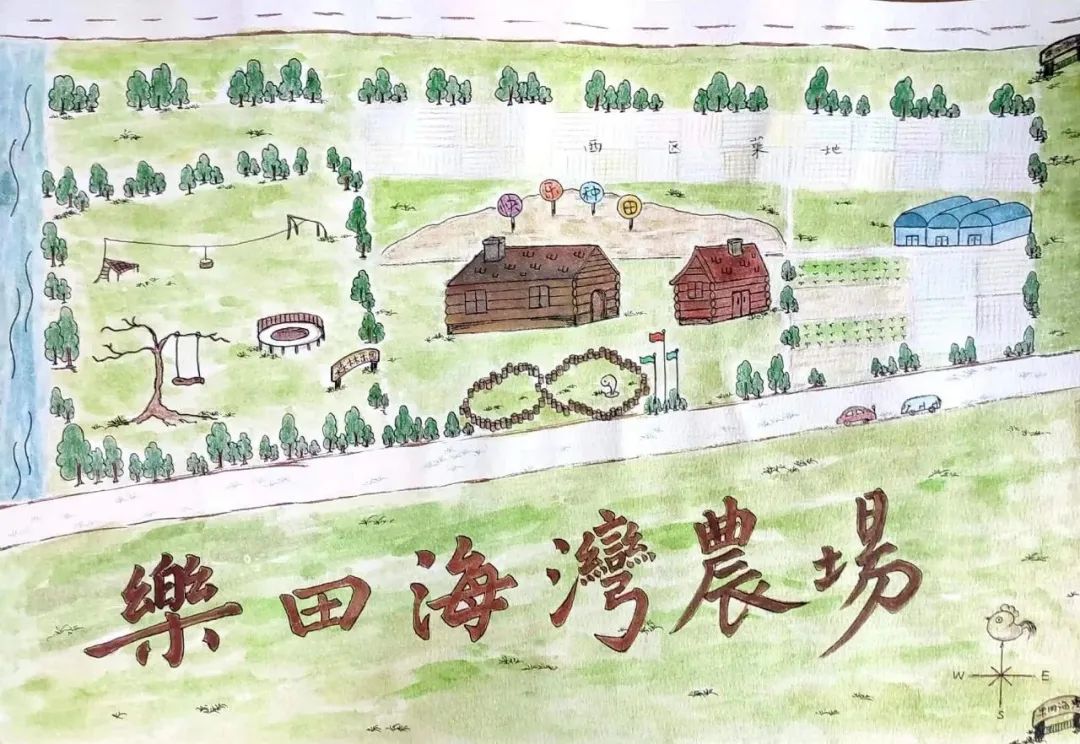
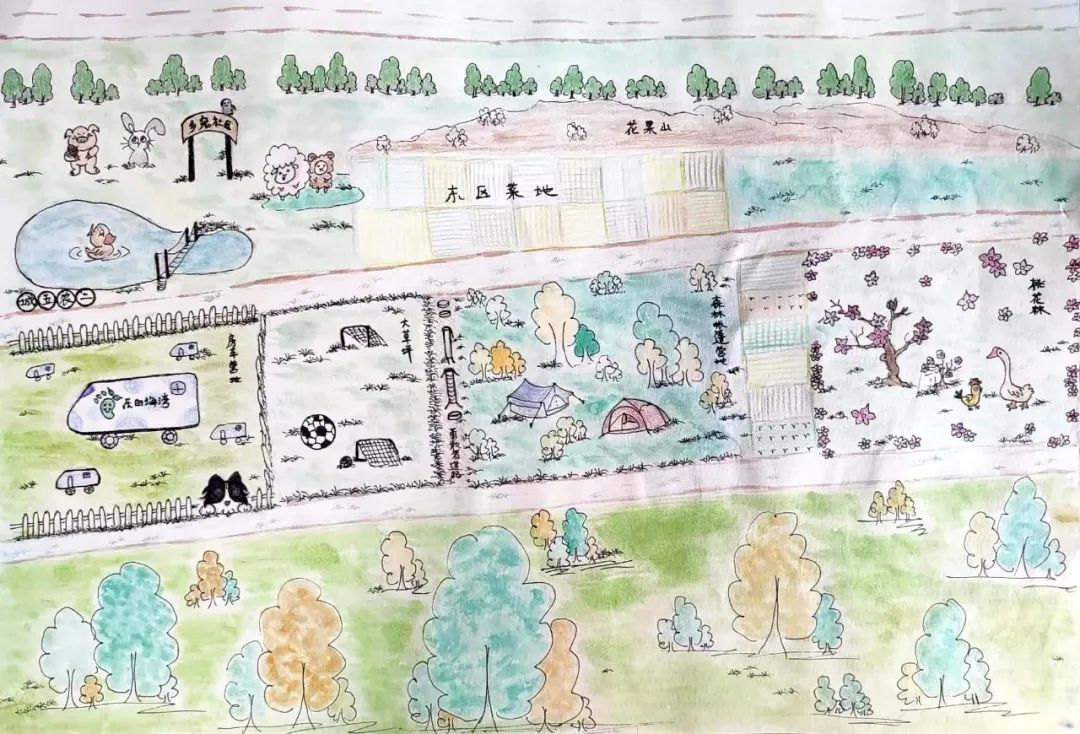
I. Sharing Rewards and Burdens
Unlike farms where members simply prepay for vegetables, this land-rental model gives urban members a sense of ownership, making them feel like ‘landlords’. Instead of merely waiting for deliveries to arrive, they visit their plots regularly to observe, manage, and harvest, gaining a deeper understanding of the entire journey from soil to table.
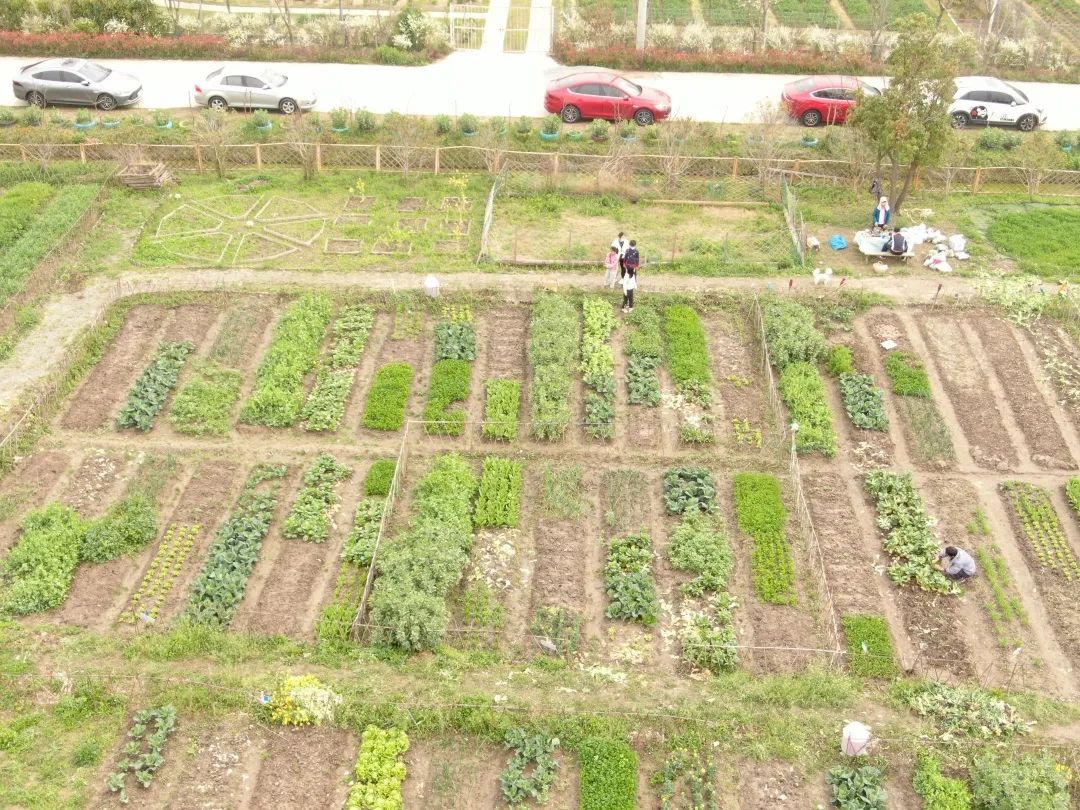
Furthermore, the membership system means that risks and rewards are shared between the farm and its members. Agriculture remains largely at the mercy of the elements, as the weather directly impacts the quality and yield of crops. Risks such as reduced vegetable yields caused by typhoons, pest outbreaks triggered by droughts in the south, or the inability to harvest and deliver produce during last year’s pandemic were borne by both the farm and its members, which helped alleviate the farm’s operational pressures.
Of course, members and the farm do not only ‘share the hardships’. When yellow peaches ripen in summer, or radishes and cabbages come into season in winter, the farm provides free portions to its members. In return, members donate unwanted books or office equipment and offer suggestions for the farm’s development during the annual Member’s Festival. During the pandemic, many member families stayed at the farm, exchanging their labour for food, which solved the farm’s labour shortages. In short, the farm and its members share a close bond of ‘sharing rewards and burdens’.
II. What kind of talent does an ecological farm need?
Overgrown vegetables and kitchen waste are mixed with maize feed for the farm’s pigs; bruised yellow peaches are turned into peach enzymes; and chickens are raised beneath the yellow peach trees, which suppresses weeds while providing the soil with rich fertiliser. Goats are rotated daily across different grazing areas. The farm also boasts a vast forested area; in winter, fallen dry branches are used for huddling round the hearth to roast sweet potatoes or cook meals on traditional earthen stoves, infusing the food with a woody aroma.
The farm has also designated specific areas for recycling plastic bottles, cans, and glass. Plastic bottles are repurposed into gabion benches for resting, while glass bottles—cleaned and stripped of labels—are decorated with acrylic paint to create various ornaments, or placed inside bread ovens as effective insulation materials.
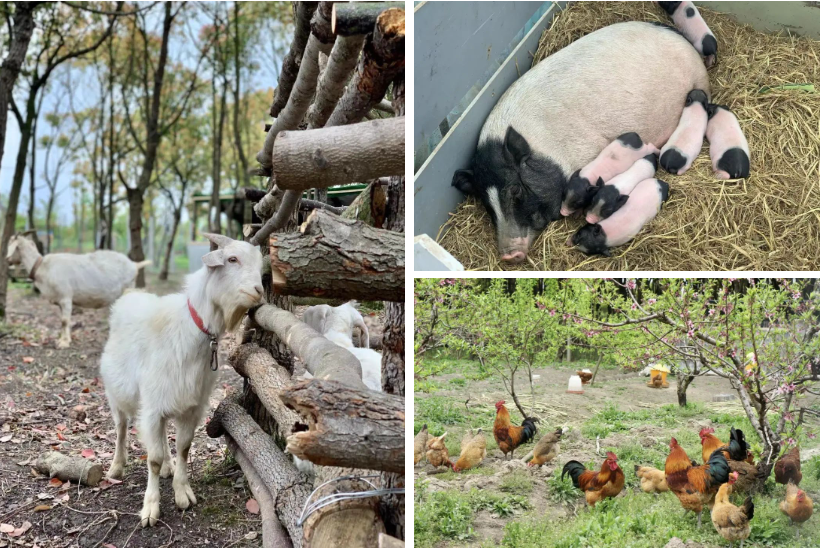
Letian Bay is largely able to achieve a closed-loop system of material output, requiring very little external input, but this places high demands on the farm’s managers. While working in a city firm requires specialised talent, an eco-farm like Letian Bay needs versatile, multi-skilled individuals.
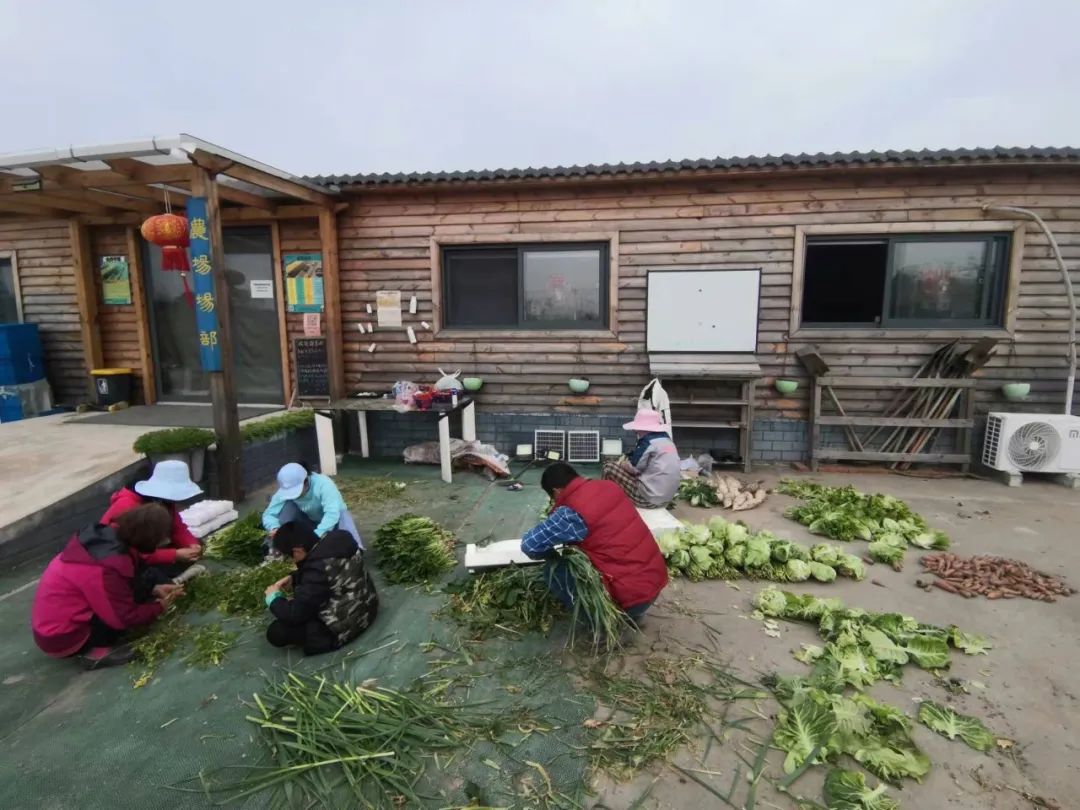
Teacher Yuan is exactly the kind of multi-talented person the farm needs; he could be described as “a carpenter who can’t farm isn’t a good electrician”. In such a vast farm, unexpected situations arise frequently, so a farm owner can never have too many skills. Watching Teacher Yuan in his element, you would hardly guess what he is up to without asking; one moment he is repairing a tricycle, the next he is sawing timber to fix a fence, and then he is out in the fields answering members’ questions… For the most part, it is only in the evening that he can finally settle down to handle the paperwork.

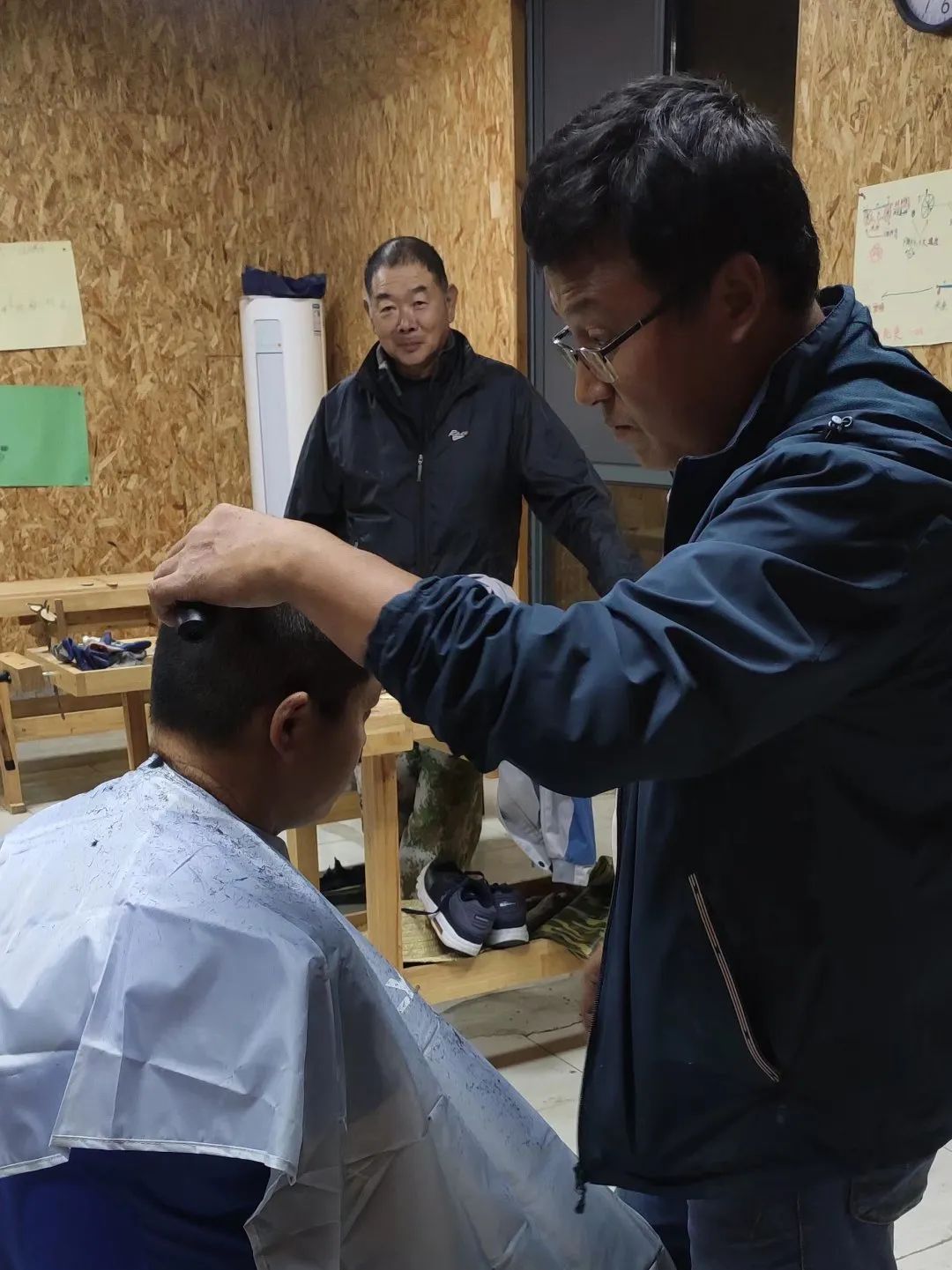
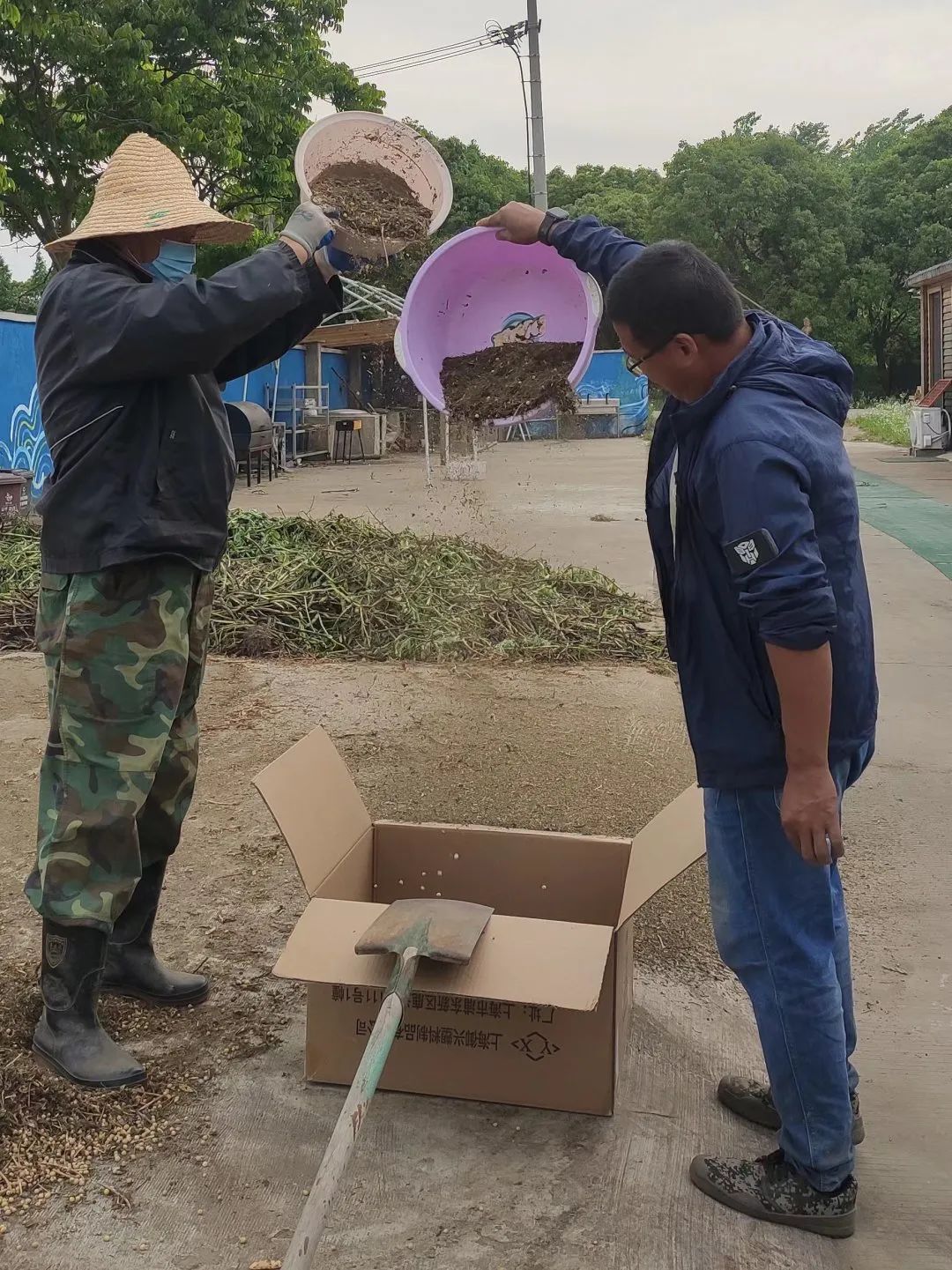

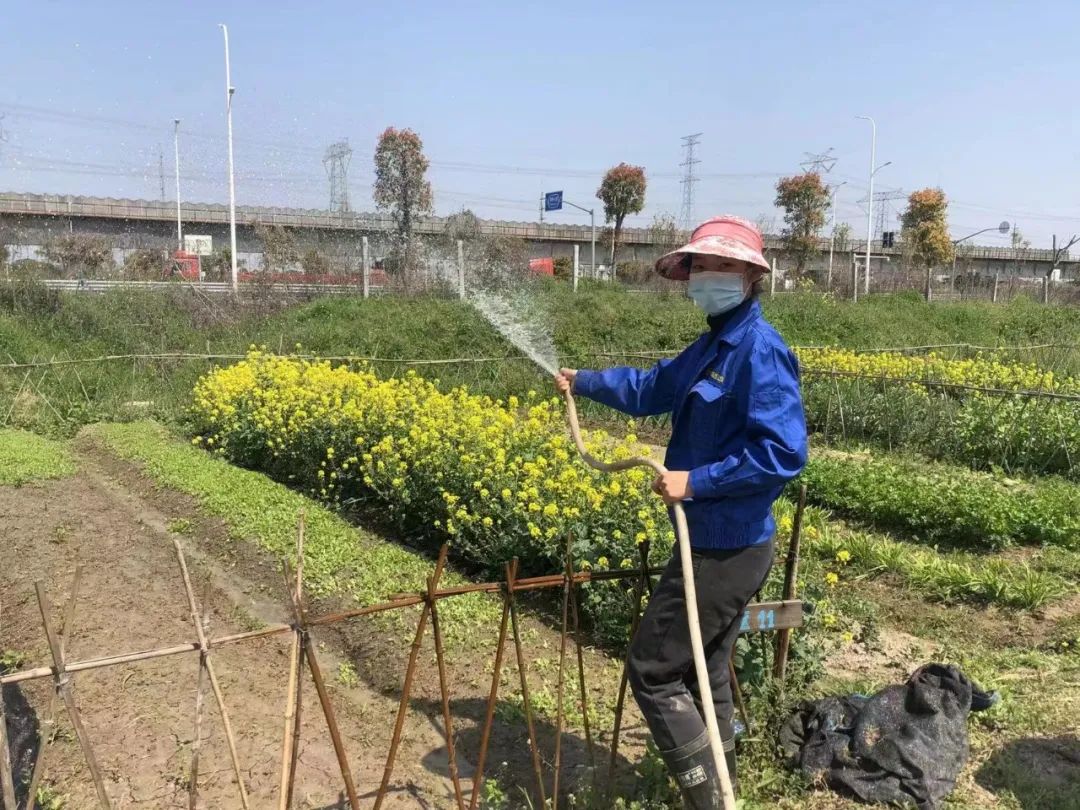
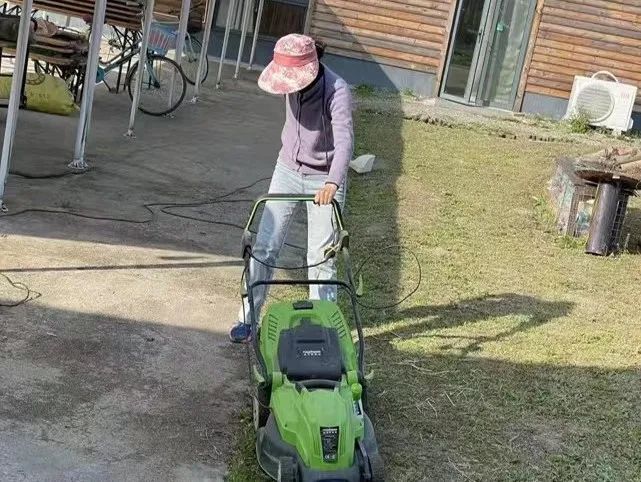
Farm staff also typically wear many hats. During my internship, I was responsible for welcoming members and visitors, planning and executing parent-child activity programmes, managing the WeChat public account, and harvesting and delivering vegetables. In the summer, I would use a lawnmower to clear the grass, set up supports or netting for nightshades, and lead children in picking yellow peaches.
This work cannot be done from a desk, nor can it be carried out by simply following a set plan; it requires constant movement, and the unexpected is always around the corner. Yet, this flexible way of working has many benefits: no more prolonged sitting, which reduces the risk of cervical spine issues; close contact with nature helps relieve stress; and being a jack-of-all-trades provides a wealth of varied experience—the farm, as a vast open-air classroom, has taught me a little bit of everything.


III. Can nature education exist in the countryside?
Throughout this experience, I noticed that parents from Shanghai are deeply concerned with their children’s physical and mental well-being. They place great importance on labour and holistic education, encouraging their children to take craft, food education, and farming courses. By letting children grow up in nature, they aim to enrich their sensory experiences and practical, hands-on skills.
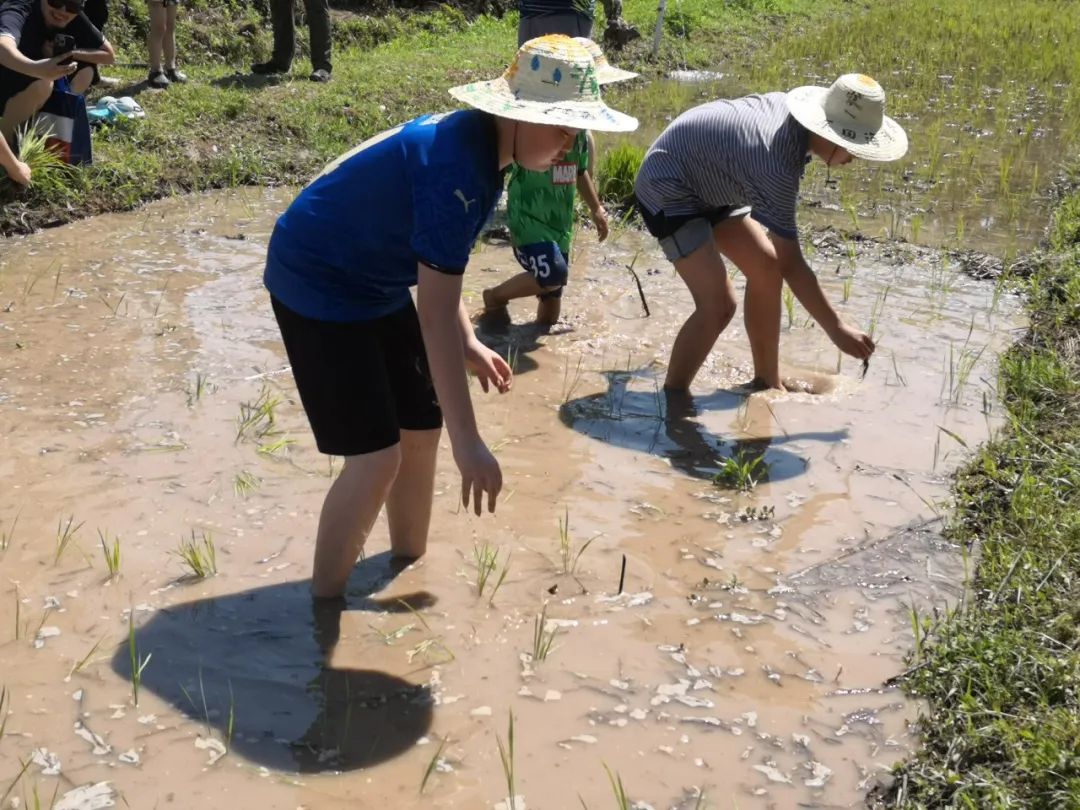
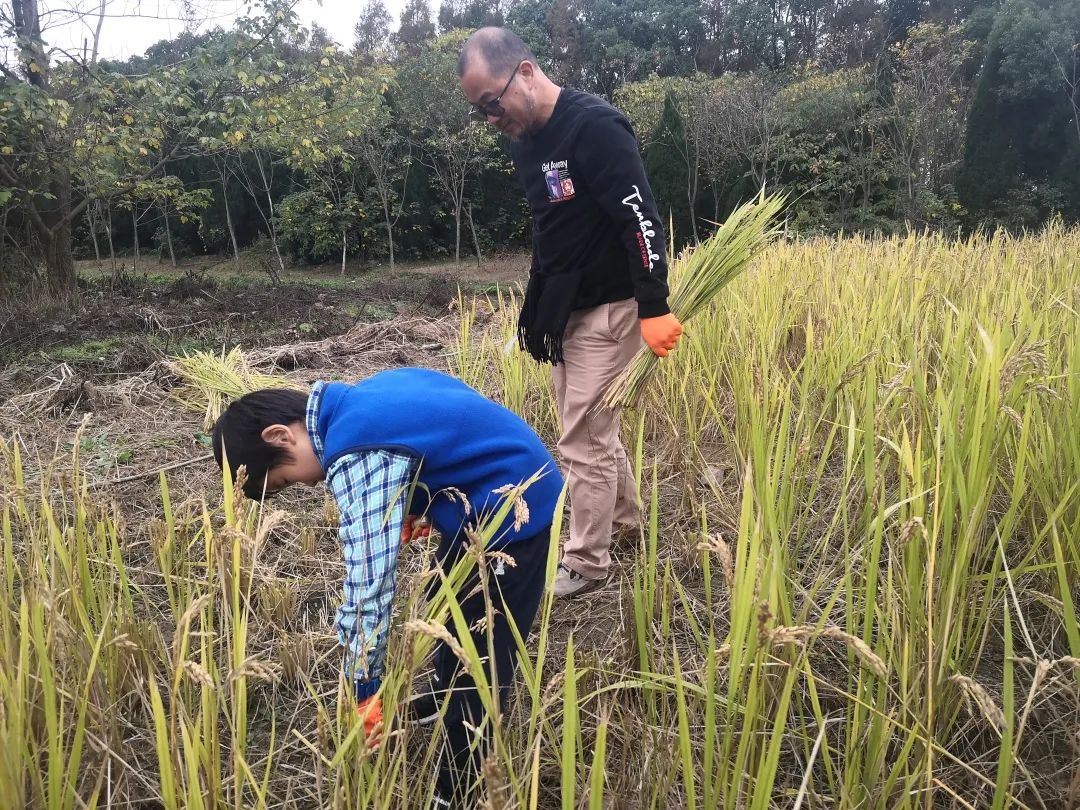
Returning home for the Lunar New Year this year, I realised that while children in the countryside live in closer proximity to nature, they often lack the opportunity to truly enjoy its bounty.
My niece, for example, usually spends her after-school hours and holidays watching television or on her phone. She was naturally curious about many things, but because her parents were either too busy or lacked the guidance to support her, her curiosity was eventually extinguished. She longed to try her hand at making dumplings or kneading dough, only to be heartlessly shut down by her parents with a “Don’t make a mess”. Then there is the vegetable garden: we have a 20-square-metre plot in front of the house, but apart from my mother, almost no one is involved in its care, let alone my little niece. Consequently, while she recognises many vegetables, she has no idea how they are grown; this is likely one of the reasons why she dislikes eating them.
In truth, the countryside offers ample space and rich resources for children, preserving traditional agricultural and food cultures that make it an ideal outdoor classroom. They could learn to use tools, cook, create crafts from recycled materials, or even try their hand at woodworking. If more nature education resources were directed towards rural areas, and if parents could shift their perspectives, children would surely look beyond their small screens to discover the more beautiful world outside.

IV. Setting Off Once More
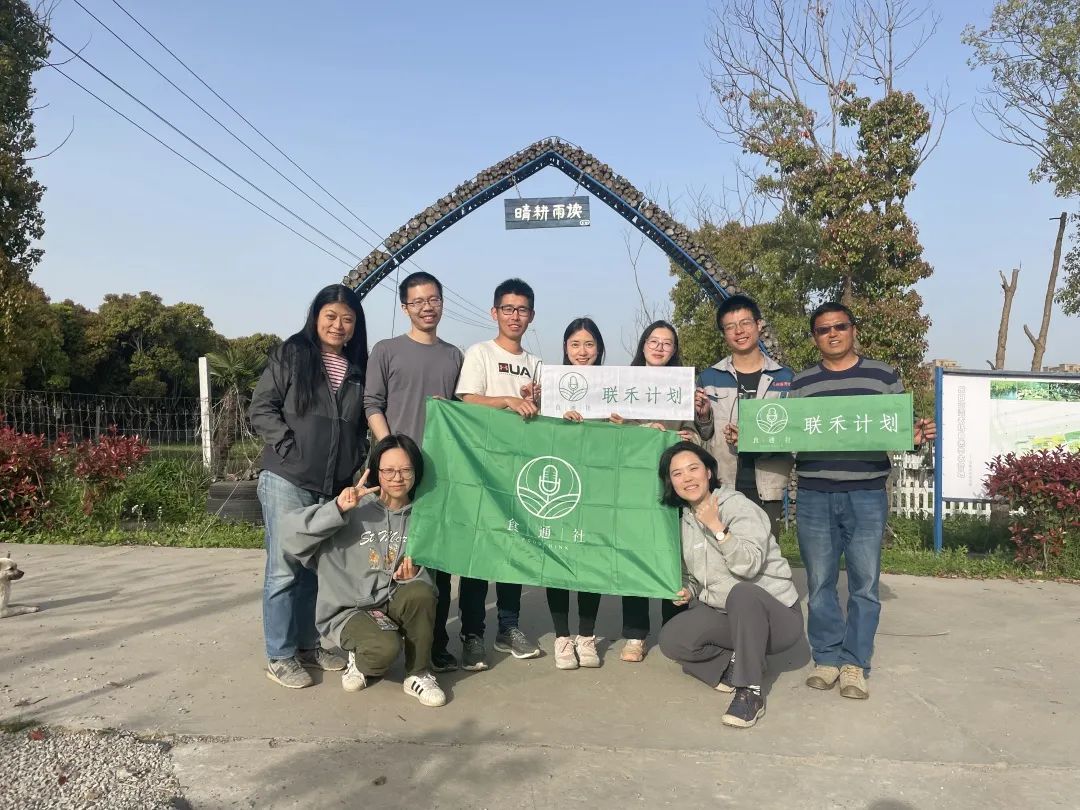

We hope that the ecological farm can systematise its valuable experience in farm management, production techniques, and sales and promotion, providing a reference for young people who wish to return to the countryside to engage in ecological farming. Meanwhile, interns from diverse backgrounds can contribute their unique strengths, bringing new vitality to the farm while reducing the learning curve and the cost of trial and error for their own future rural entrepreneurship.
Unless otherwise stated, all images in this text were taken by the author
Editor: Ze’en