
Can farm walks cure the city dweller’s nostalgia for the countryside?
Before starting my internship at Letian Bay Farm, I had imagined that the customers here were all fervent environmentalists; otherwise, there was no way to explain why these urbanites would travel to the countryside. In an age where everyone is flocking to the cities, taking a path in the opposite direction seems somewhat peculiar.
For an ordinary citizen like me, my vision of life in Shanghai was this: spending that precious free time after finishing work in Lujiazui with a ‘city walk’ along the Bund, sipping some coffee, and visiting museums and art galleries. To experience a Mediterranean diet, I’d carry a Coach tote bag to large retailers like Sam’s or Costa, picking up a few boxes of certified organic avocados.
In the city, everything is orderly and the prices are clearly marked. Why, then, drive two hours round-trip to the countryside?

I. What is it that city dwellers come to the countryside to find?


Without an ecological motivation, there also seems to be a lack of professional understanding of ‘organic’ itself, leading consumers’ choices to appear as acts of extreme self-interest: focusing only on what they can personally gain. Yet, they aren’t even entirely sure about the health benefits. When I mention the relationship between organic certification standards and health, consumers respond: ‘I’m not an expert; I don’t know the specific indicators for organic food, I just feel it’s healthier.’
So, why exactly do consumers choose to rent land here?
II. Is ecological farming a form of nostalgia-driven consumption?
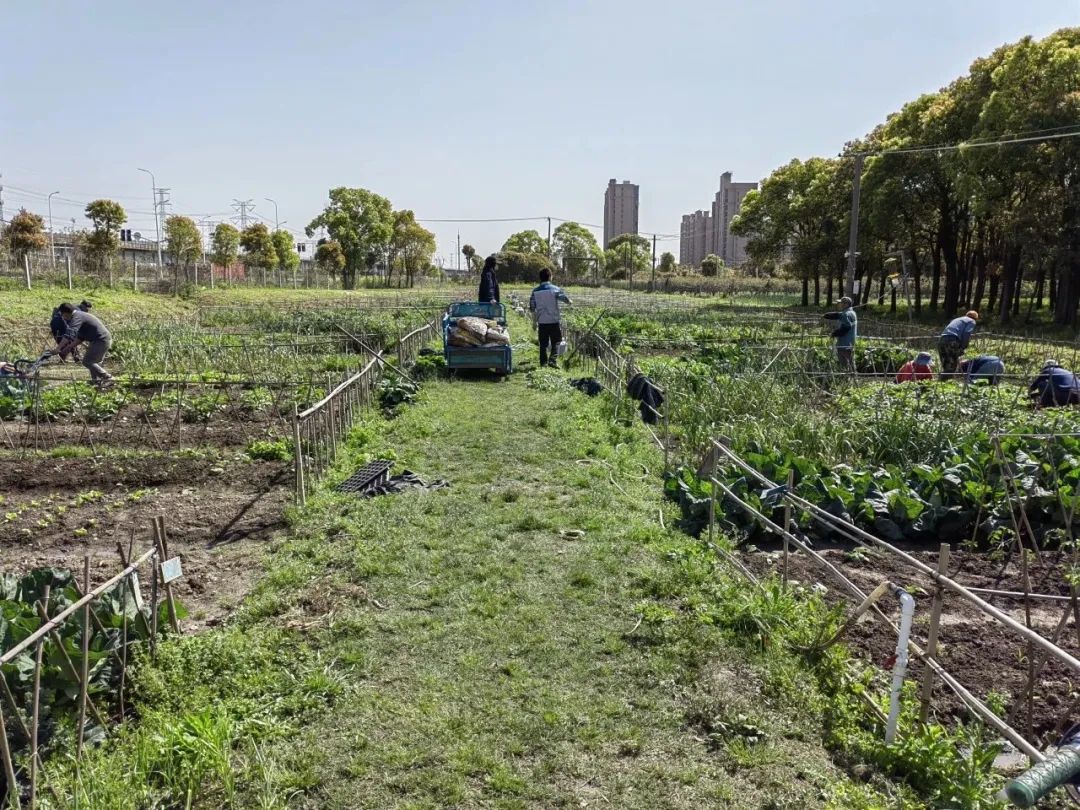
This pursuit of nostalgia manifests at the farm as a desire for harmonious neighbourhood relations like those in the countryside, and the harvest of vegetables that can be eaten without quality checks. The most direct experience is even found in the nostalgic spaces; members frequently mention meals cooked on wood-fired stoves, the experience of feeding small animals, and so on. One consumer was particularly fond of the wood-fired stove: ‘(This place) is different from other farmstays; it captured my attention immediately, and I decided right then and there to lease a plot here.’ Mothers place more emphasis on the sense of security provided by familiar spaces and people. One mother specifically highlighted how peaceful life is here: ‘You don’t have to be as tense as you are in the city, worrying about competing for resources. In the city, everything is limited; you even have to scramble for a spot in the park on weekends. But here, there is plenty of space, it’s all enclosed, and we’re familiar with the environment. So, I feel very relaxed when the children run around; I don’t have to watch them every second. Both adults and children can unwind… it’s like a community, it feels like home… we don’t even peel the cucumbers, we just rinse them and eat them because we trust the source.’

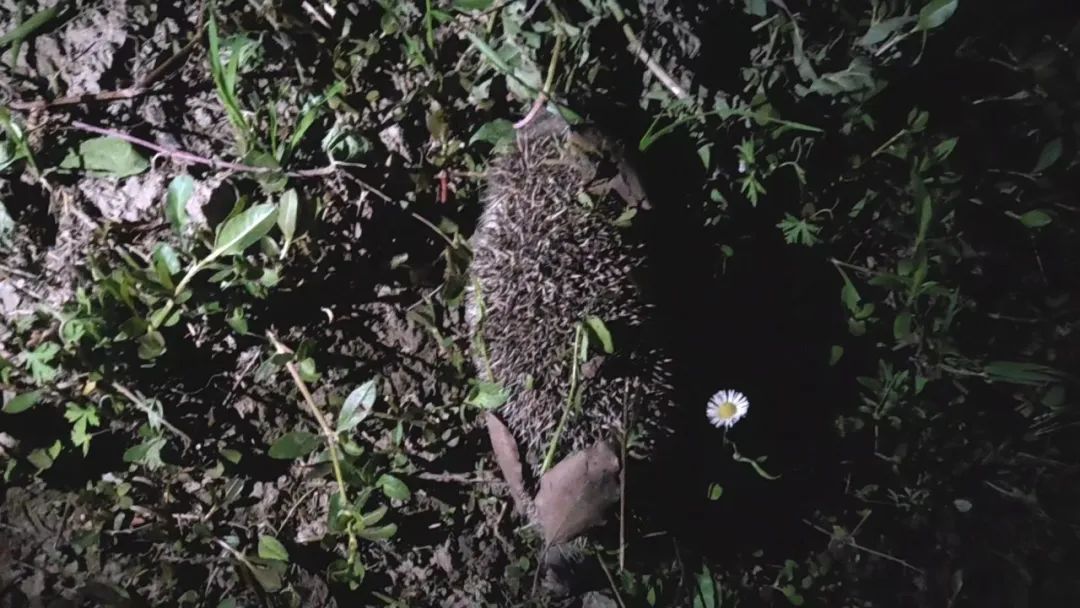
Everything the farm presents is like a complex. The land isn’t entirely developed into vegetable plots; instead, a large amount of space is preserved for recreation, accounting for about two-thirds of the total area. Therefore, besides the cultivated land, you can see many green trees and water sources, children running everywhere, and even hedgehogs at night. In modern terms, this mash-up could be called ‘Eco + Food + Parenting + Elder care + Camping + Nature Education + other activities’. It caters to the diverse needs of different people: children’s play, elder care, leisure for the working class, and the maintenance of friendships for middle-aged adults. Some mothers specifically emphasise how peaceful life is here.
On a farm, however, the opposite is true. An organic label, which can explain everything quickly and simply, is not the most critical factor, because here, consumers can observe and imagine everything they have no time to experience in the city.
III. How do consumers judge their food?
But does everyone possess the experience to judge the quality of food? In *The Omnivore’s Dilemma*, there is a passage that is quiet yet profound: “In current American food culture, ancestral local wisdom has gradually vanished, replaced by confusion and anxiety. A basic question like ‘what to eat’ now requires the help of numerous experts. We rely on the investigations of professional journalists to tell us where our food comes from, and we need nutritionists to help us decide on the dinner menu. How did it come to this?” Knowing what to eat and how to eat it was once almost self-evident; now, it requires expert guidance.
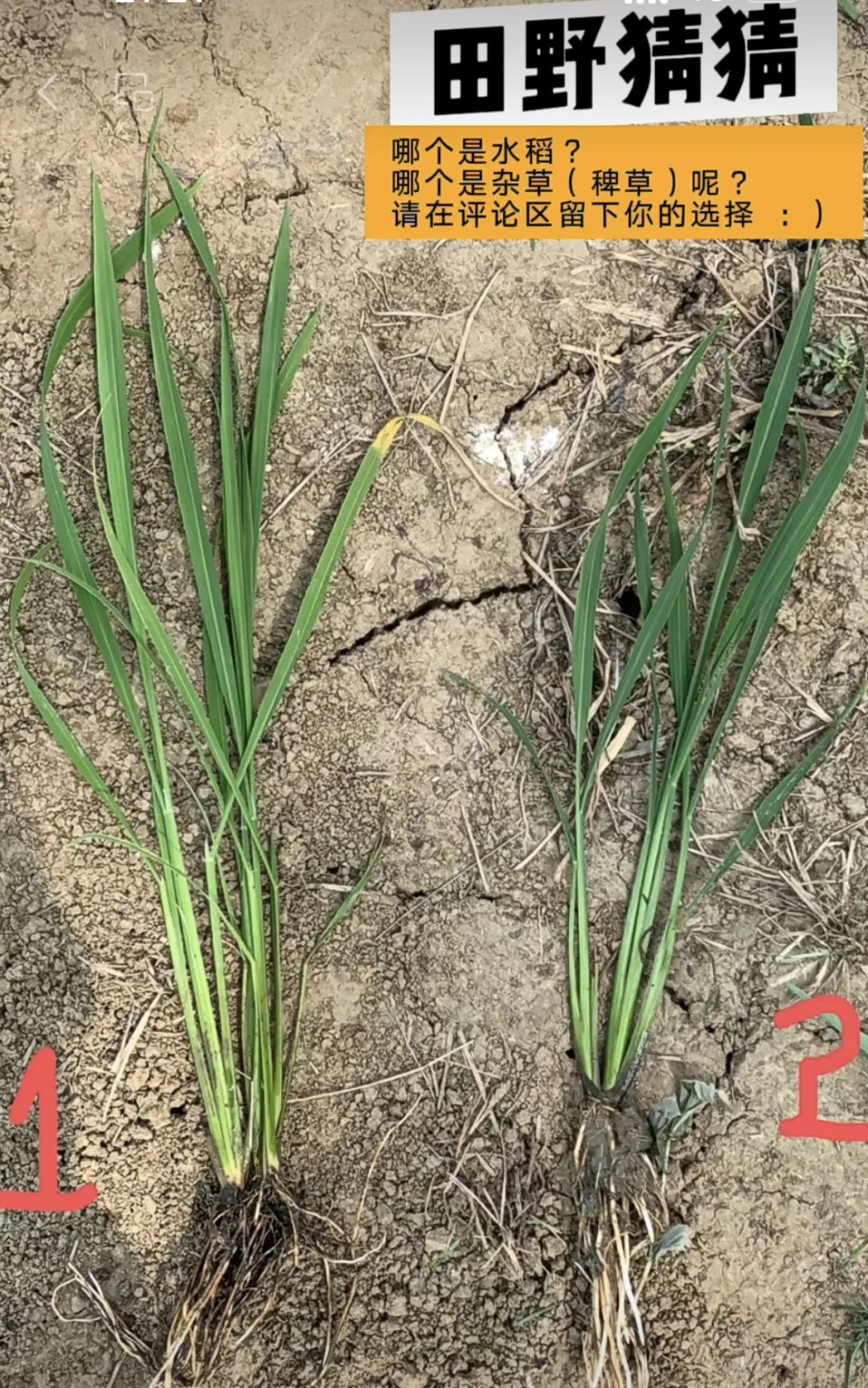
Answering questions about food is particularly difficult for children raised in the city. They do not know how the world they interact with every day actually works, nor do they understand the mysteries of how a corn cob grows. Some children may know from poetry that there is a difference between rice and weeds, yet they have no understanding of what either actually looks like.
Middle-aged visitors tend to rely on memory to imagine what vegetables *should* look like: holes from insects, inconsistent sizes, a few imperfections. If it aligns with the images and tastes of their childhood, it is seen as “healthy”, “organic”, or “ecological”.
For the younger generation, a break in this “heritage” can occasionally make judging food a challenge. I remember a woman holding a cauliflower that looked a bit over-mature, asking me: “Is this still edible?” You wouldn’t encounter such a question in a supermarket, where produce with poor aesthetics or that is too mature is simply not stocked. On a farm, however, one must deal with plants growing naturally—much like a wilderness survival show, except the consumers lack the protagonist’s extensive knowledge of nature.
Whether this is a tacit “sense of ritual” for urbanites, or simply because I genuinely didn’t know, I would reply that I wasn’t sure. I would then watch them—clutching a cauliflower or a cucumber—wandering the garden like newly-hatched chicks in search of the farm manager. While they may lack certain basic instincts, one can glimpse the need for interaction and communication that arises from this.
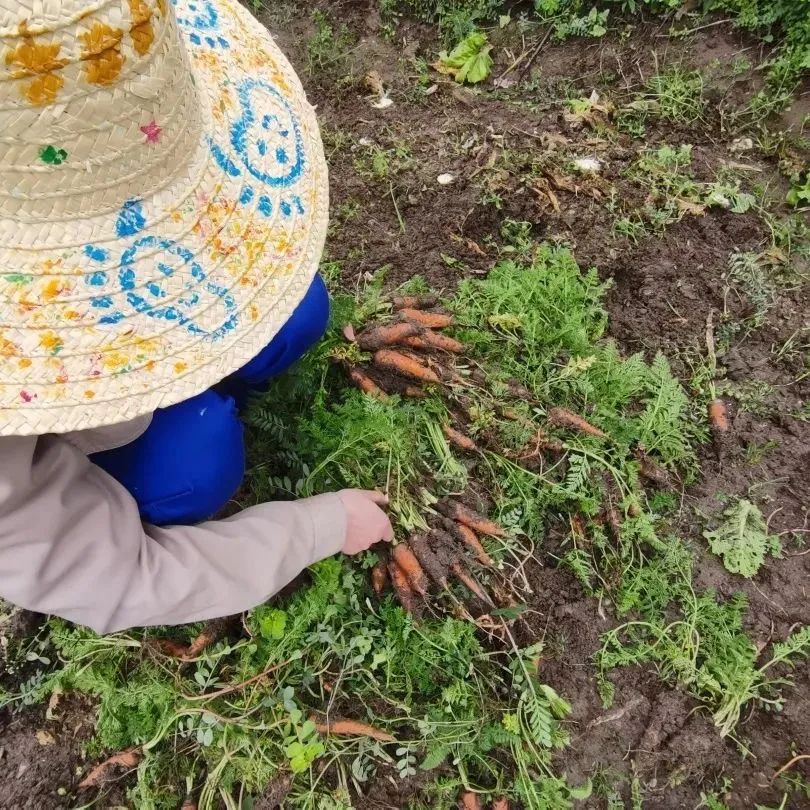
Through the repeated process of confirming whether a crop is ripe or past its prime, consumers build a firmer bond of trust with the producers and gradually recalibrate their perceptions: a cauliflower that has started to flower slightly is still edible; an over-mature cucumber can be pickled; and if they visit every week, there is no need to rush picking green tomatoes, as those that ripen naturally taste better.
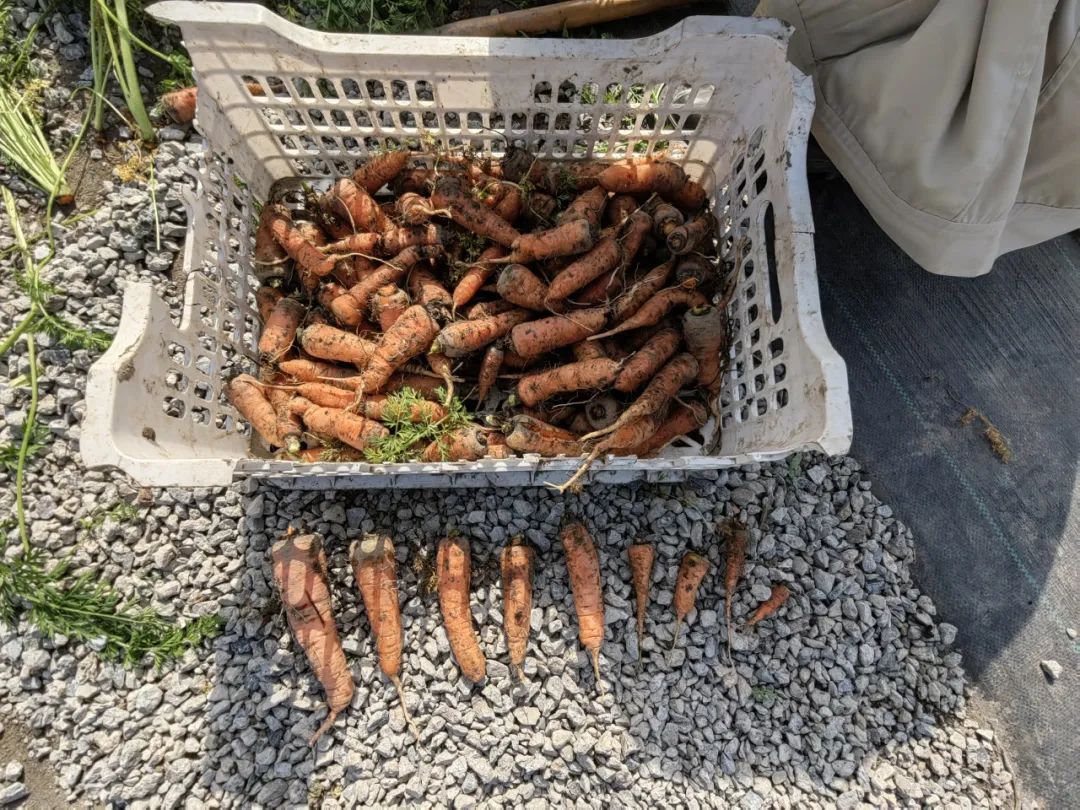
For older generations, however, the criteria for judgement are different. Some, relying on their past experiences, believe that if produce looks too perfect, it must be a fraud.
I once met a woman who had farmed her own land. “Your vegetables must still be treated with some pesticides,” she told me. “I used to grow my own; these vegetables…” she paused, gesturing with her chin towards a nearby cabbage that had been riddled with holes, “…you can’t eat anything you grow at home; the bugs eat it all.” I was deeply struck by the sheer confidence she had in her area of expertise; though I wanted to argue, I could only respond in a hushed tone: “We use biological pesticides, and occasionally we pick the insects off by hand.”


IV. Possibilities Beyond Nostalgia
It might be argued that the consumer’s scientific understanding of food and their concern for the environment have not yet reached a certain threshold. Yet, even in the absence of a profound scientific narrative, consumers turn to ecological farming in pursuit of trust and rural culture—things that are increasingly slipping away. In this context, the consumer is not acting out of self-interest; they long for the beautiful vistas of the past to be reimagined in today’s society.
When I asked why they brought their children here, they simply told me: “Getting in touch with nature is better for children… they haven’t seen the things we used to see… we don’t expect them to learn anything in particular, we just want them to see it…” It is like those self-evident traditions found in myths: you may not understand the scientific principles behind them, but you do not question the validity of doing so.
How to extend this nostalgia for a better past into broader values, such as reducing food waste, is a question worth considering. Frequently using yield to answer criticisms of ecological farming seems to lead into a self-defeating trap: whether it is a waste for a vegetable to be eaten by an insect, or a waste for it to end up in a bin in human society, seems easy enough to define. It is little wonder that many practitioners of ecological farming remark: “the bugs eat half, and I eat half.”
While the nostalgia of an idyllic, old-world countryside attracts consumers, the emotional connection between people is more important than the physical space. For those who keep returning, feeling a sense of care and sincerity is paramount. To this end, they have even partially stepped away from the label-driven narratives of modern society; they no longer describe a vegetable by its “organic” status, its size, or its variety. Instead, they strive to harvest and utilise everything their plot produces, even if it means eating the same vegetable five days a week.
As for the farm staff, they arrive filled with the desire to change the current state of agriculture, believing that land serves a purpose beyond merely producing food—it also encompasses social interaction and education. When these two pursuits meet, both consumers and producers seem to find peace within the sanctuary provided by the farm, embracing a slower pace of life. For young people weary of the cubicle, this is the starting point for a new way of living.

We aim to connect young people aspiring to work in ecological agriculture with established farms. This enables interns to master farming techniques and knowledge while allowing the wisdom of veteran farmers to be synthesised and passed down, thereby addressing the shortage of skilled labour on these farms. We invite you to stay tuned for further updates on the Ecological Agriculture Internship Programme!
Editor: Wang Hao