
Can Farm Walks Cure Urbanites’ Countryside Nostalgia?
Before starting my internship at Letian Bay Farm, I often pictured the customers here as a bunch of dedicated environmentalists. Otherwise, how could one explain why city dwellers would make the trek out to the countryside? In an age when everyone is rushing towards urban centres, going against the current feels rather unusual.
My own rather conventional daydream of Shanghai life went something like this: after clocking off from Lujiazui, you’d enjoy a rare slice of free time for a stroll along the Bund, grab a coffee, visit a museum or two. If you were craving a Mediterranean-style meal, you’d sling your Coach tote over your shoulder and head to a major supermarket like Costco or Sam’s Club to pick up a couple of packs of certified organic avocados.
When everything in the city is orderly and clearly priced, why bother with a two-hour drive out to the countryside and back?
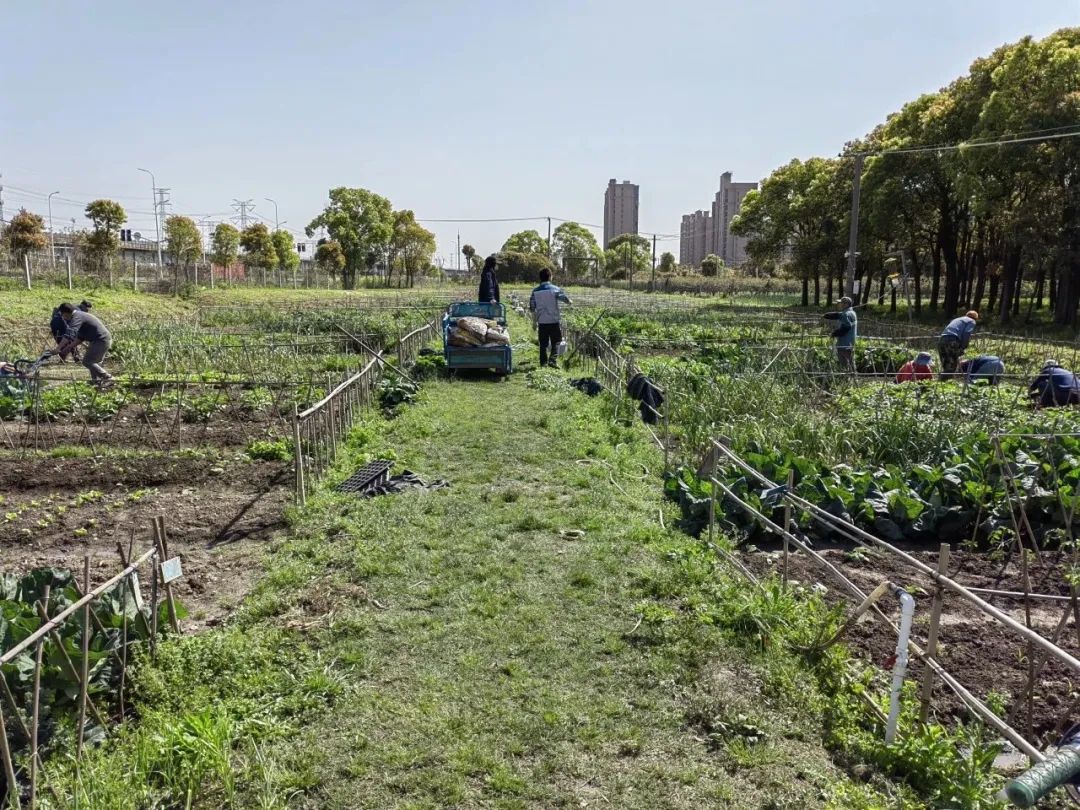

I. What is it that cities must seek out in the countryside?


Driven neither by ecological stewardship nor by a professional understanding of what organic farming entails, consumer choices appear to border on stark self-interest: a focus purely on what they can extract from the arrangement. Yet they are hardly certain of the health benefits either. When I mention the link between certified organic standards and health, consumers typically reply: I’m no expert myself, and I don’t know the specific metrics for organic food; I just get the feeling it’s healthier.
So why, exactly, do consumers choose to lease land here?
II. Is eco-agriculture a form of nostalgic consumption?
This pursuit of nostalgia at the farm manifests in the desire for harmonious, village-like neighbourly relations, the ability to harvest vegetables ready to eat without needing quality checks, and, most tangibly, in the creation of nostalgic spaces. Members frequently mention experiences such as cooking over a wood-fired stove or feeding small animals. One consumer expressed a strong fondness for the wood-fired stove: “It’s completely different from other places (like typical agritourism venues), and it caught my attention immediately. I decided on the spot that I wanted to lease a plot here.” Mothers tend to emphasise the sense of security brought by familiar surroundings and people. One mother specifically highlighted how at ease she feels living here: “You don’t have to be as tense as you are in the city, constantly worrying about competing for resources. In the city, everything is scarce; you have to fight for a spot in the park on weekends. But here, there’s plenty of space, it’s enclosed at both ends, and we’re familiar with the environment. So I’m comfortable letting the children run around without keeping a constant eye on them. Everyone, adults and kids alike, can relax… It feels like a community, like being at home… When we eat cucumbers, we don’t even peel them. A quick wash and they’re ready to eat, because we trust they’re safe.”

Everything the farm presents feels like a multifaceted composite. Rather than converting the entire site into vegetable plots, it retains extensive recreational areas, accounting for roughly two-thirds of the total acreage. Beyond the cultivated fields, you will find lush trees and water sources, children running about freely, and even hedgehogs making nighttime appearances. In trendy industry parlance, this hybrid model is billed as “ecology + food + family bonding + eldercare + camping + nature education + supplementary activities”. It fulfils a wide array of needs: play for children, retirement living for the elderly, leisure for working professionals, and social connection for middle-aged adults. Some mothers specifically emphasise how at ease they feel here.
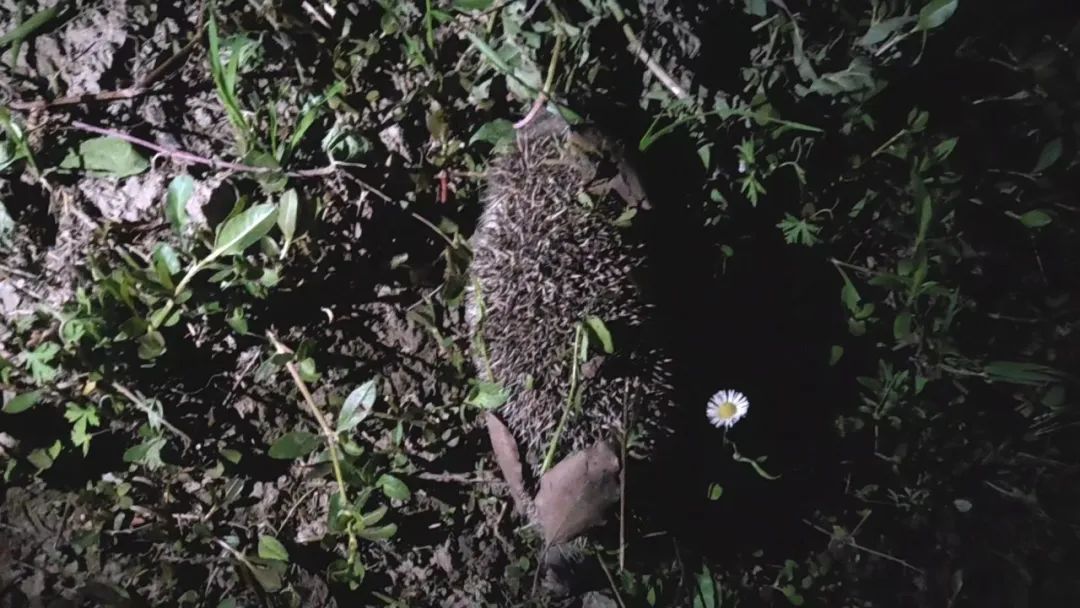
On a farm, the situation is exactly the reverse. An organic label that offers quick, blanket reassurance is far from essential, because consumers can see for themselves—and draw connections to—everything the city leaves no time to experience, right there in the soil.
III. How Do Consumers Judge Food?
But does everyone possess the experience needed to judge food quality? In *The Omnivore’s Dilemma*, a passage speaks quietly yet carries a powerful impact: “In America’s current food culture, traditional local wisdom has gradually vanished, replaced by confusion and anxiety. Basic questions like ‘what should we eat?’ now require the help of numerous experts. We rely on investigative journalists to tell us where our food comes from, and dietitians to decide what’s on the dinner menu. How did things come to this?” Knowing what to eat and how to eat it was once virtually self-evident; now, it requires expert guidance.
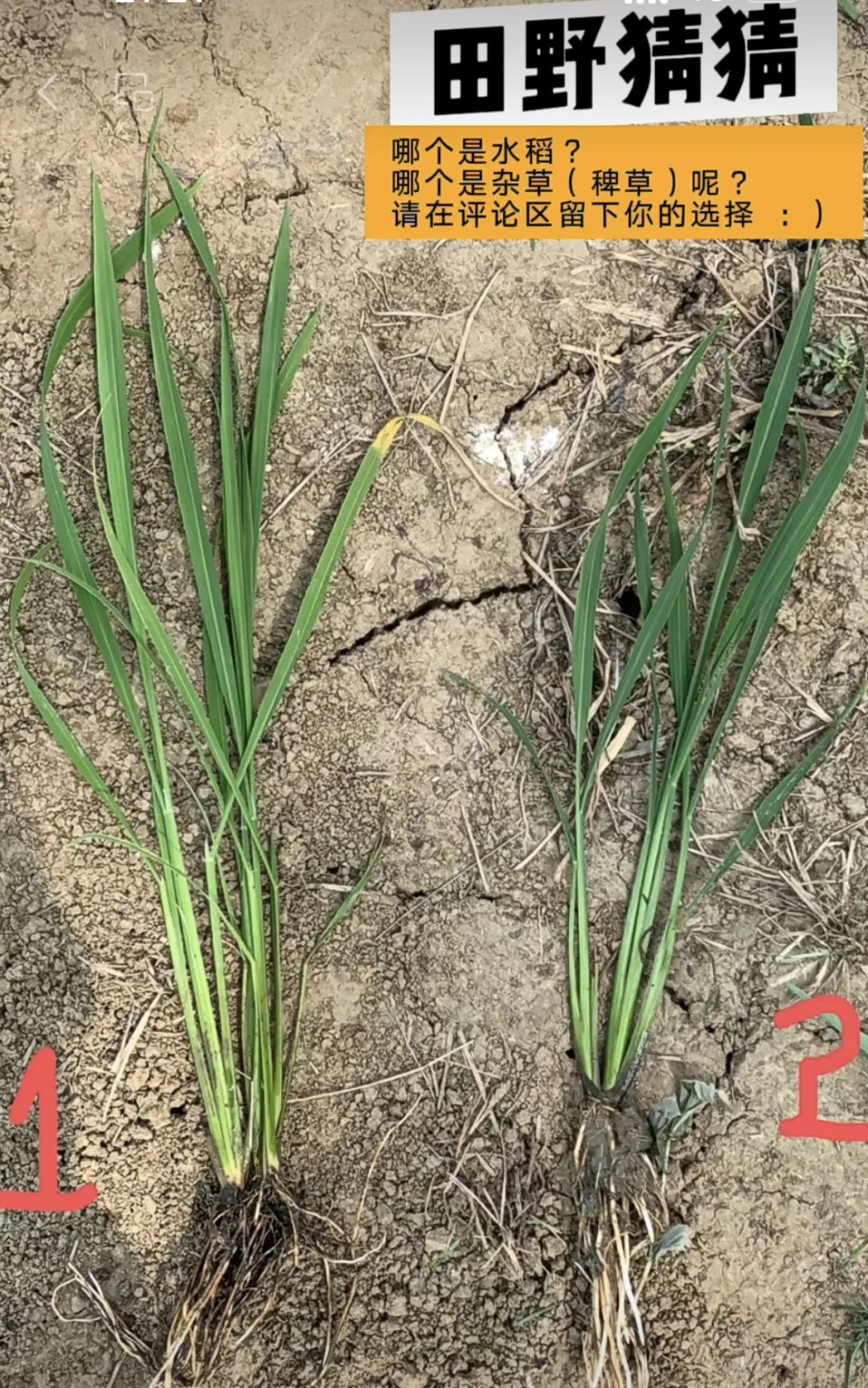
Answering questions about food is particularly difficult for children raised in cities. They do not know how the world they encounter daily actually works, nor do they understand the mysteries behind how a single ear of maize grows. Some children learn from poetry that rice and barnyard grass are different, yet they have never seen what either actually looks like.
Middle-aged visitors tend to picture what vegetables ought to look like through the lens of memory: holes from insect bites, inconsistent sizes, and certain imperfections. If they match the sights and tastes of childhood, that is what qualifies as “healthy”, “organic” and “ecological”.
For younger people, the break in certain culinary traditions means they sometimes struggle to judge whether food is good to eat. I still remember a woman holding up an aging cauliflower and asking me whether it was still edible. You would never encounter such a question in a supermarket, where produce that looks unappealing or is overripe simply isn’t sold. On a farm, however, you have to deal with plants as they naturally grow. It’s rather like those wilderness survival shows set in primeval forests, only the consumers lack the hosts’ extensive knowledge of nature.
I’m not sure whether this counts as an unspoken “ritual” among city dwellers. Given that I genuinely don’t know either, I’ll just tell them so, then watch them wander across the entire plot clutching a cauliflower or a cucumber, bustling about like hatchlings as they seek out the farm manager for advice. Though they may lack practical know-how, it underscores a real need for dialogue and connection.
Through the repeated process of checking whether crops are ripe or have passed their peak, consumers build a firmer bond of trust with growers while gradually recalibrating their own expectations: a cauliflower that has started to bolt is still perfectly edible; an overgrown cucumber can be turned into pickled cucumber; and if you visit every week, there’s no rush to harvest green tomatoes, as they taste far better when left to ripen naturally.
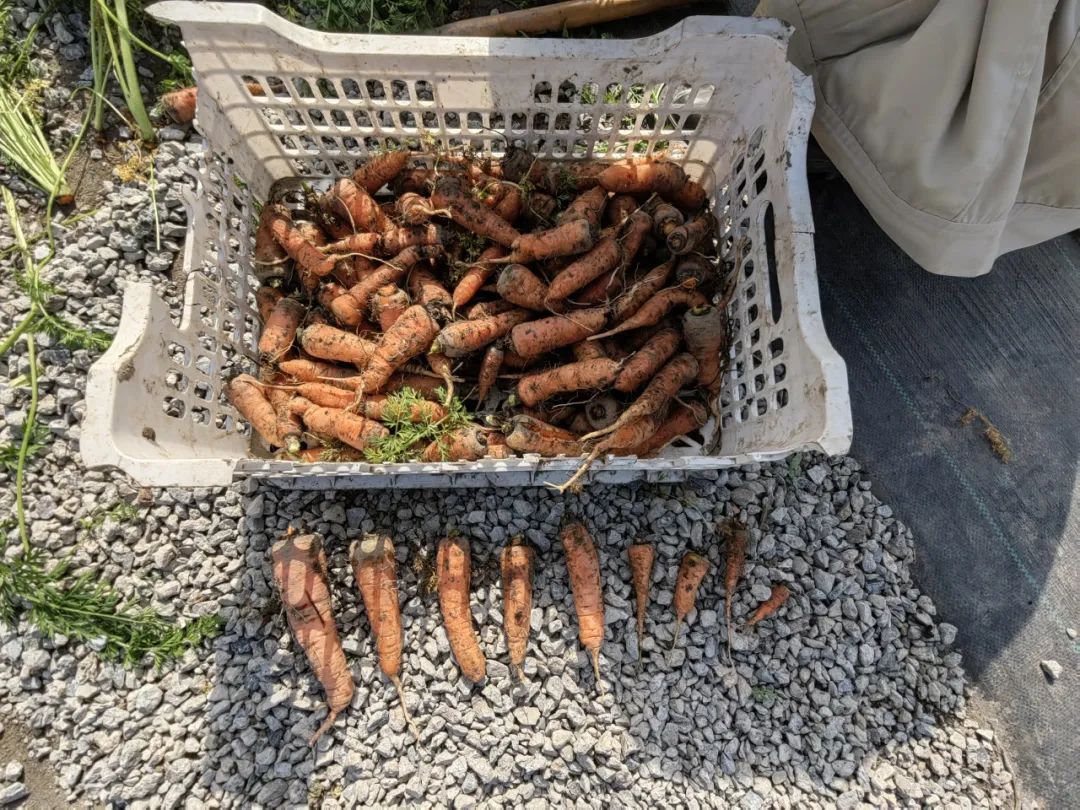
For older visitors, though, different standards apply. Drawing on their own past experiences, some actually assume that “if it looks so perfectly tended, it must be a façade”.
I once spoke to a woman who had grown her own produce. She told me, “You must still be spraying some pesticides on your vegetables. I used to grow my own, and your vegetables…” She paused, turned her head slightly, and nodded towards the cabbage patch next door, which was riddled with holes. “When I grew them at home, there was nothing left to eat—all the bugs would take it.” The sheer, unshakeable confidence she displayed in her own experience left me momentarily speechless. Though I wanted to argue, I could only reply quietly: “We use biological pesticides, and sometimes we pick off the insects by hand.”


IV. Possibilities Beyond Nostalgia
It’s fair to say that consumers’ scientific understanding of food, and their environmental awareness, may not yet be deeply rooted. While we may lack that kind of rigorous scientific narrative, consumers are turning to agroecology in search of eroding trust and vanishing rural traditions. Within this framework, their motives extend beyond self-interest; they yearn to see the lost landscapes of the past reborn in contemporary society.
When I asked why they brought their children along, the response was simple: “Being out in nature is better for them… We’ve seen these sights in the past, but the children haven’t… I’m not expecting them to learn anything specific, I just want them to see it…” It mirrors those unspoken conventions found in folklore: you may not grasp the underlying logic, yet you accept the practice without question.
How might this nostalgia for a simpler, pastoral past be extended to broader values, such as reducing food waste? That is certainly worth considering. Constantly defending agroecology by pointing to yields risks falling into a trap of self-justification. The distinction is not hard to draw: is a vegetable wasted when insects eat it, or when it ends up in a bin in the modern world? It is hardly surprising, then, that many practitioners of agroecology adopt the mindset: “Half for the bugs, half for me.”
While the nostalgic, pastoral setting draws visitors in, what matters far more than the physical space is the human connection it fosters. For regular visitors, the sense of care and sincerity is paramount. In embracing this, they even step away from modern society’s labelling culture: they no longer define produce by certifications, size, or variety, but instead seek to harvest and use everything their plot yields—even if it means eating the same vegetable five days a week.
For the farm’s team, arriving with a strong desire to reshape modern agriculture, the land represents more than just food production; it is a space for community and education. When these two aspirations converge, both consumers and producers seem to find a sense of calm within the sanctuary the farm provides, embracing a slower pace of life. For young professionals weary of the corporate cubicle, this becomes a starting point for a fresh chapter.

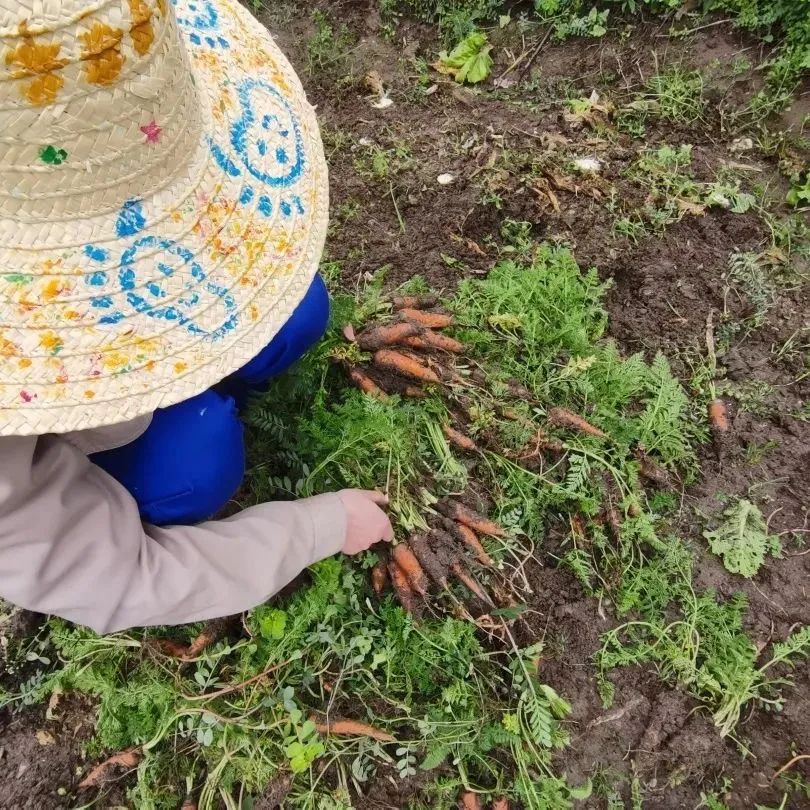
We aim to connect young people keen on ecological farming with established ecological farms. This will enable the former to master agricultural knowledge and skills, allow seasoned growers to consolidate and pass on their experience, and help address the shortage of skilled labour on farms. Please stay tuned for updates on the Ecological Agriculture Internship Programme!
Editor: Wang Hao