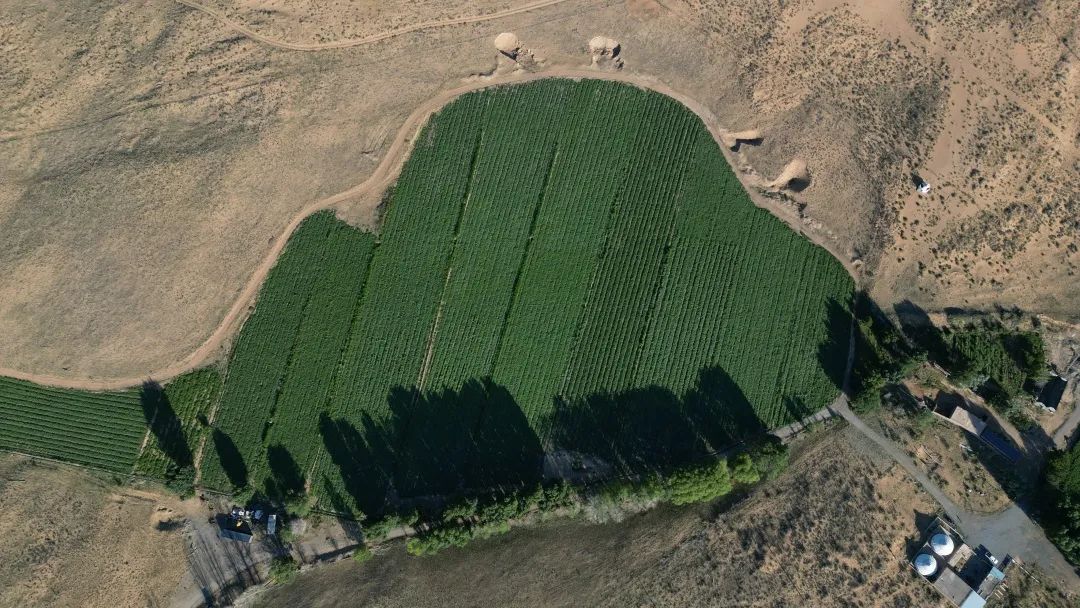
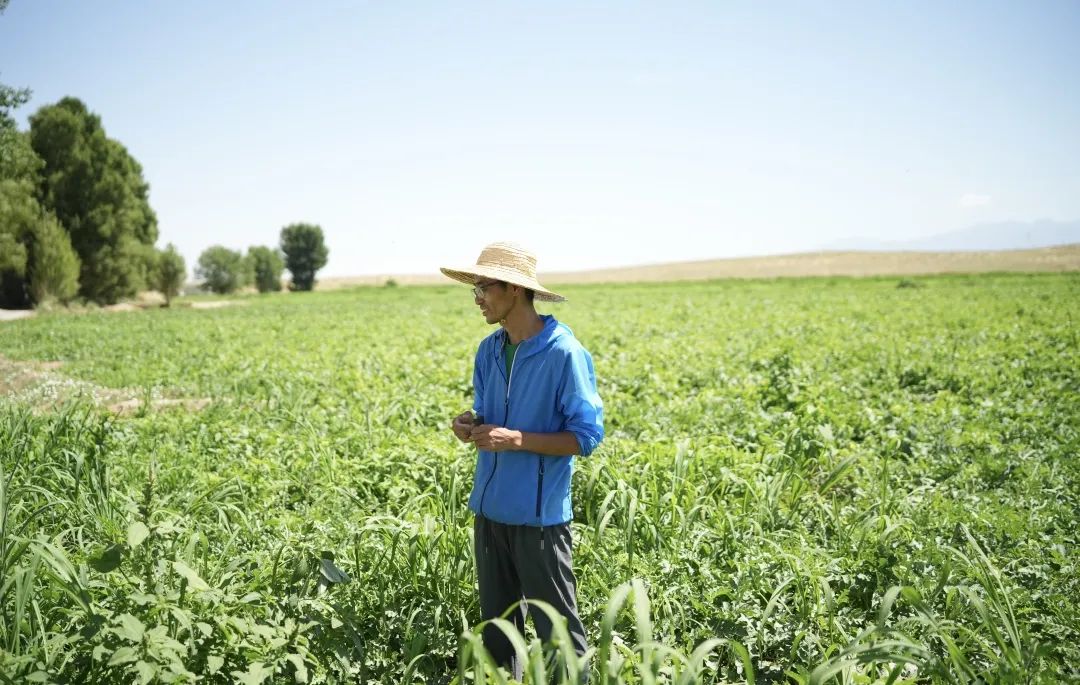
● Located on the edge of the Tengger Desert, Zhi Liang Tian Eco-Farm is a partner farm of Foodthink’s Ecological Agriculture Internship Programme. If you wish to learn about ecological farming and are interested in desert and nomadic cultures, click here to apply for the internship! Photo: HebaodanAt the end of 2021, I left Shanghai and the new media industry, where I had lived and worked for eight years, to embark on a gap year, feeling a more liberating force calling to me from deep within. I believe the seed for this was planted when I read *The Omnivore’s Dilemma*. Once, my interests were limited to gourmet food and cooking, but *The Omnivore’s Dilemma* sparked an intense curiosity about food, opening the doors to disciplines such as ecology, anthropology, politics, economics, agriculture, and religion. It was while reading this book that another seed was planted in my mind: I absolutely had to go to a farm—to a farm, to a farm. By chance, last year I came across Foodthink’s Lianhe Project, just as I had four and a half months of free time, and just as I discovered the Alxa Zhi Liang Tian Farm. That is where my farm internship began.
I. An Eco-Farm on the Desert’s Edge
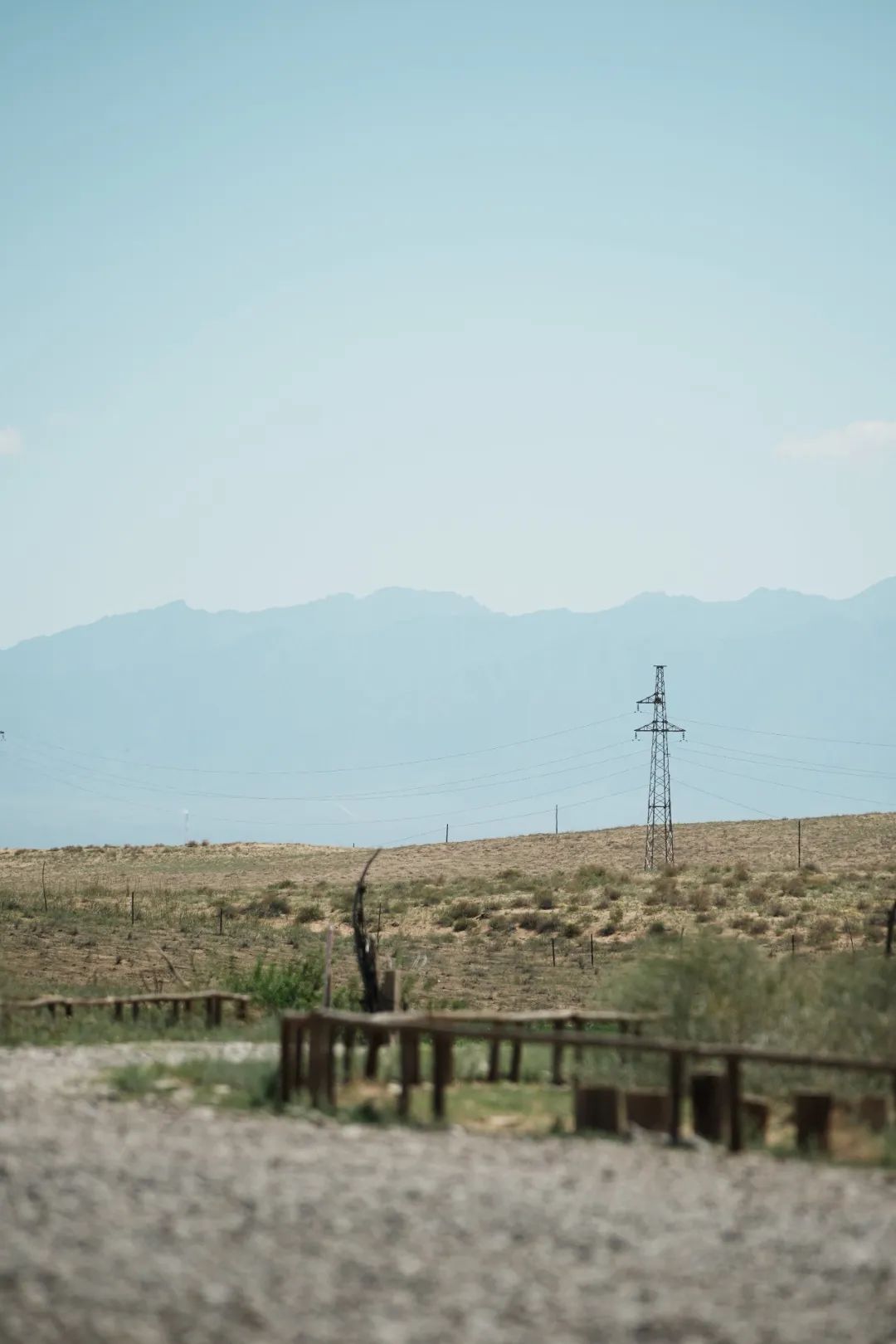
● The road through the Tengger Desert. Photo: He Baodan
Before visiting, my only real knowledge of Alxa was that it was home to many Haloxylon trees. I’ve often heard people say, “Oh, Alxa is in Inner Mongolia? I thought it was in Xinjiang.”
Situated in the westernmost reaches of Inner Mongolia, Alxa spans 248,100 square kilometres—roughly fifteen times the size of Beijing—yet it is home to only some 200,000 people. Three of China’s eight major deserts—the Badain Jaran, the Ulan Buh, and the Tengger—encircle the region. In Mongolian, Alxa means “the colourful land”, and it is on the fringes of the Tengger Desert that the Zhiliangtian Farm is located.
The arid climate and scarce rainfall have made this one of the most severely desertified regions in China. Consequently, the primary mission of Zhiliangtian Farm is to reclaim degraded cropland within these desertified areas, restoring it to fertile soil, improving soil quality, and conserving agricultural water, with the aim of inspiring more farmers to do the same across more land.
Farm owner Ma Yanwei notes: “Since the very first year of Zhiliangtian, we have consistently emphasised that producing healthy, safe ingredients is merely the result. What truly matters is the continuous improvement of the soil and ensuring that the groundwater here remains sustainable.”
● With a background in ecology, Ma Yanwei joined the Alxa SEE Ecology Association in 2005. After leaving in 2015, he settled in Alxa and founded the Zhiliangtian Ecological Farm.Following the trail of food exploration, I began to discover ecological farming, desertification, and nomadic culture. By actively engaging in environmental conservation, I came to understand exactly why people speak of Alxa as a place one can never truly leave.
II. The Romance of the Fields
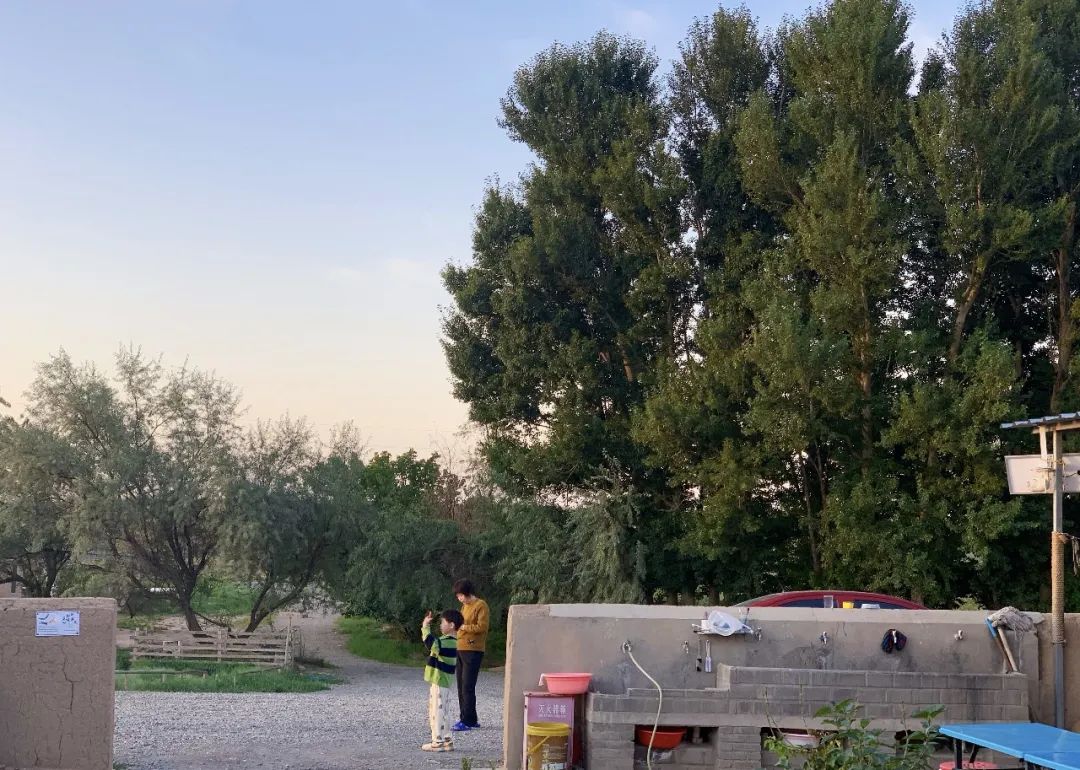
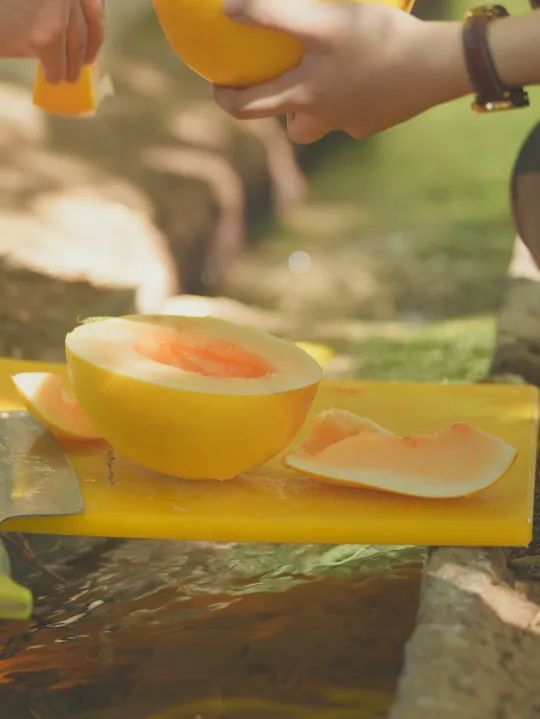
● The washing station.
There is an open-air washing station in the farm’s courtyard. Much like an office breakroom or a village square, it serves as a vital social hub. During busy periods, a dozen or so people gather there in the morning—sometimes farmhands, sometimes students and teachers from the educational study tours. As new faces join in, they greet the rising sun with a simple ‘Good morning’.
Calls of ‘Morning!’ and ‘Good morning!’ echo back and forth; this is my favourite moment of the day. Every day is a fresh start, just like the cycle of sunrise and sunset. Each day deserves to be lived mindfully, and the joys and sorrows of yesterday are simply left behind as we turn the page.
●农场的番茄红
●农场的西梅紫。
●农场的南瓜黄
●农场的蜜瓜黄
I love wearing light-coloured clothes and have a habit of sitting right on the ground. I often wander through the vegetable gardens, so almost every garment that has visited the fields is stained with grass and fruit juices. At first, I used to scrub them diligently, but eventually, I just let it be. After all, they are such lovely patterns—gifts from nature. Tie-dye is all the rage online these days, but mine are dyed with purely natural pigments; I ought to cherish them.
Later, an artist came to the farm. One day, while I was simmering plum jam, he asked me to save some of the juice for his painting. Come to think of it, our farm’s palette is incredibly rich: plum purple, apricot yellow, tomato red, mint green… it reminds me of the ‘Pale Scallion’, ‘Iris’, and ‘Fallen Chestnut’ hues in *Traditional Colors of Japan*. There is a true romance to be found in the fields.
While cooking apricot jam in the evening, I might be lured by the purple sky and run off to watch the sunset; while washing up at night, I might look up to see the twinkling stars and the Milky Way, then wander into the courtyard with my toothbrush still in hand, just to lose myself in the view. Sitting on the undulating sand dunes to do a bit of yoga, I feel as though the world is treating me with tenderness.
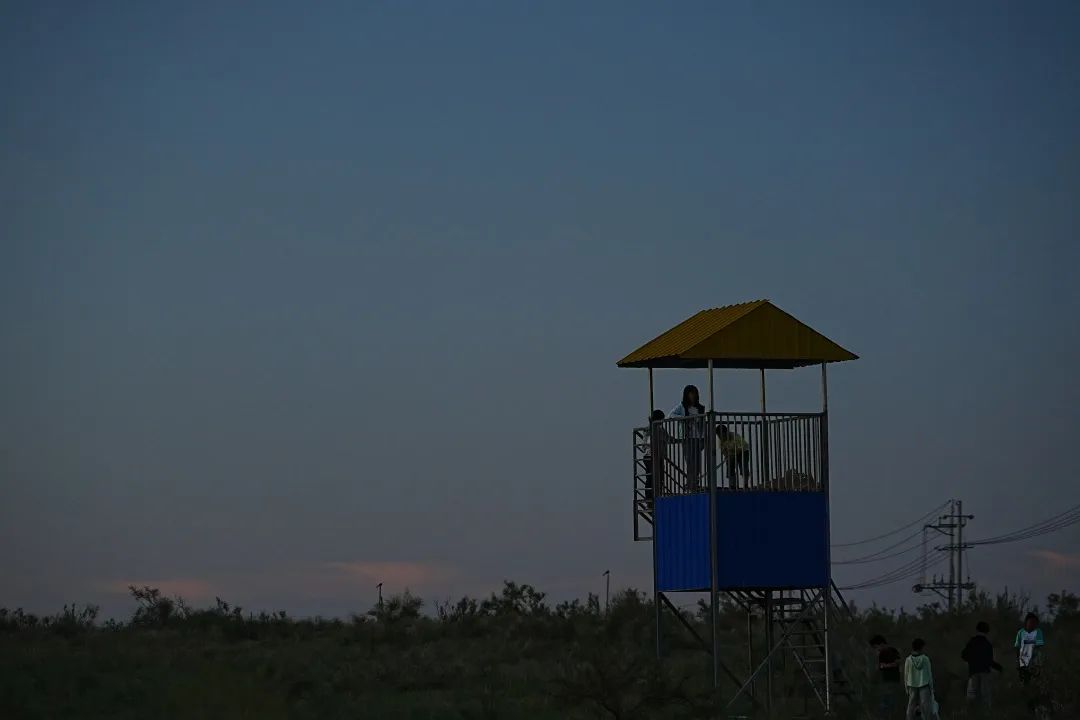
● At sunset, parents and children attending the farm’s study camp admire the view from the lookout. Photo: Fried Egg
III. Wild Children, Unafraid of the Rain
Mid-June last year brought the first rain to Alashan. The moment the raindrops touched the earth, I felt as if an electric current had surged through me, activating every cell; I stamped my feet in joy, for we were so desperately short of water! First, I ran to the sandy plains to see the saxaul trees; after several severe dust storms in spring, they could finally enjoy a thorough wash. Then I hurried to the millet fields. Standing on the ridge and looking around, not a soul was to be seen across thousands of mu of farmland. Raindrops the size of beans pelted my face, making it almost impossible to keep my eyes open. With no cover in the fields, gale-force winds pierced straight through me from chest to back; the sky turned dark, and the wind howled.
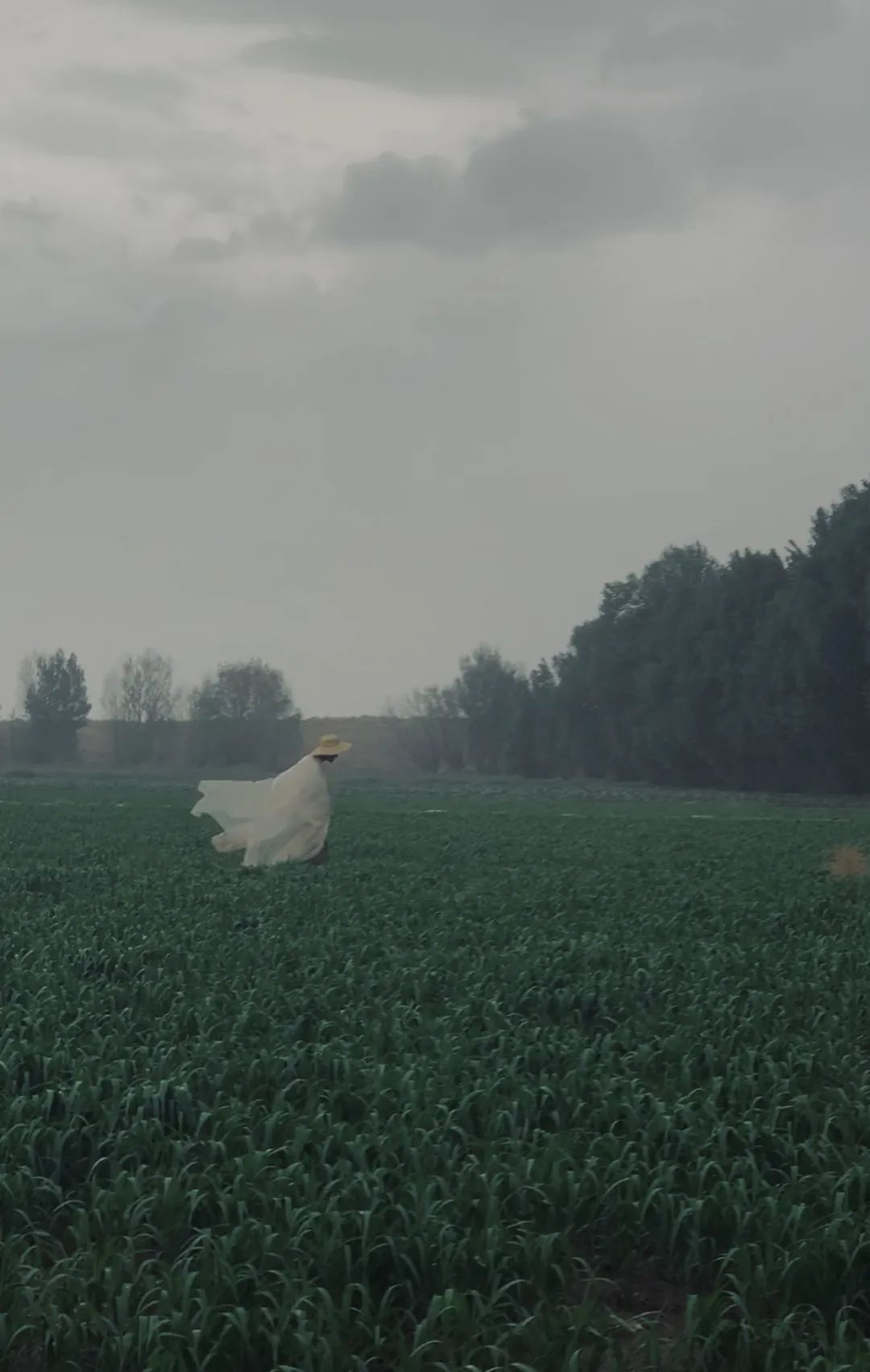
● Zhang Bin, an intern with the Lianhe Project, sprinting through the rain draped in a plastic sheet.At first, I felt a sense of dread, but then the excitement took over. Feeling that celebrating alone wasn’t quite enough, I ran to the courtyard to call another intern, Zhang Bin, to join me in taking photos in the fields. We laughed and snapped photos all the way, feeling like wild children again; it was pure joy. This sudden downpour washed away some of my “fragility”. Accustomed to a life spent within concrete walls, I had assumed I wasn’t cut out for this. But in truth, I am more resilient than I imagined. When faced with uncontrollable environmental changes, we should not be quick to doubt ourselves or complain; we should allow them to happen, and then find a way to step out, for we are, after all, a part of nature. This is what Alxa taught me.
IV. “Together, safeguarding the land and our tables.”
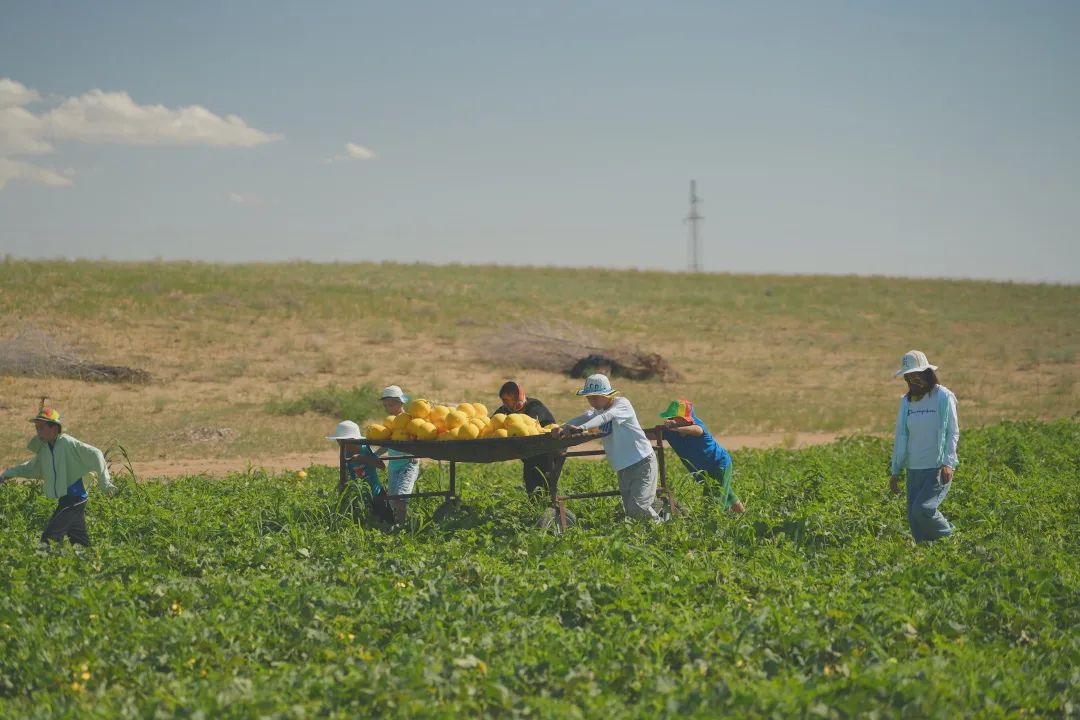
● Children from the study camp harvesting muskmelons together. Photography: Hebaodan
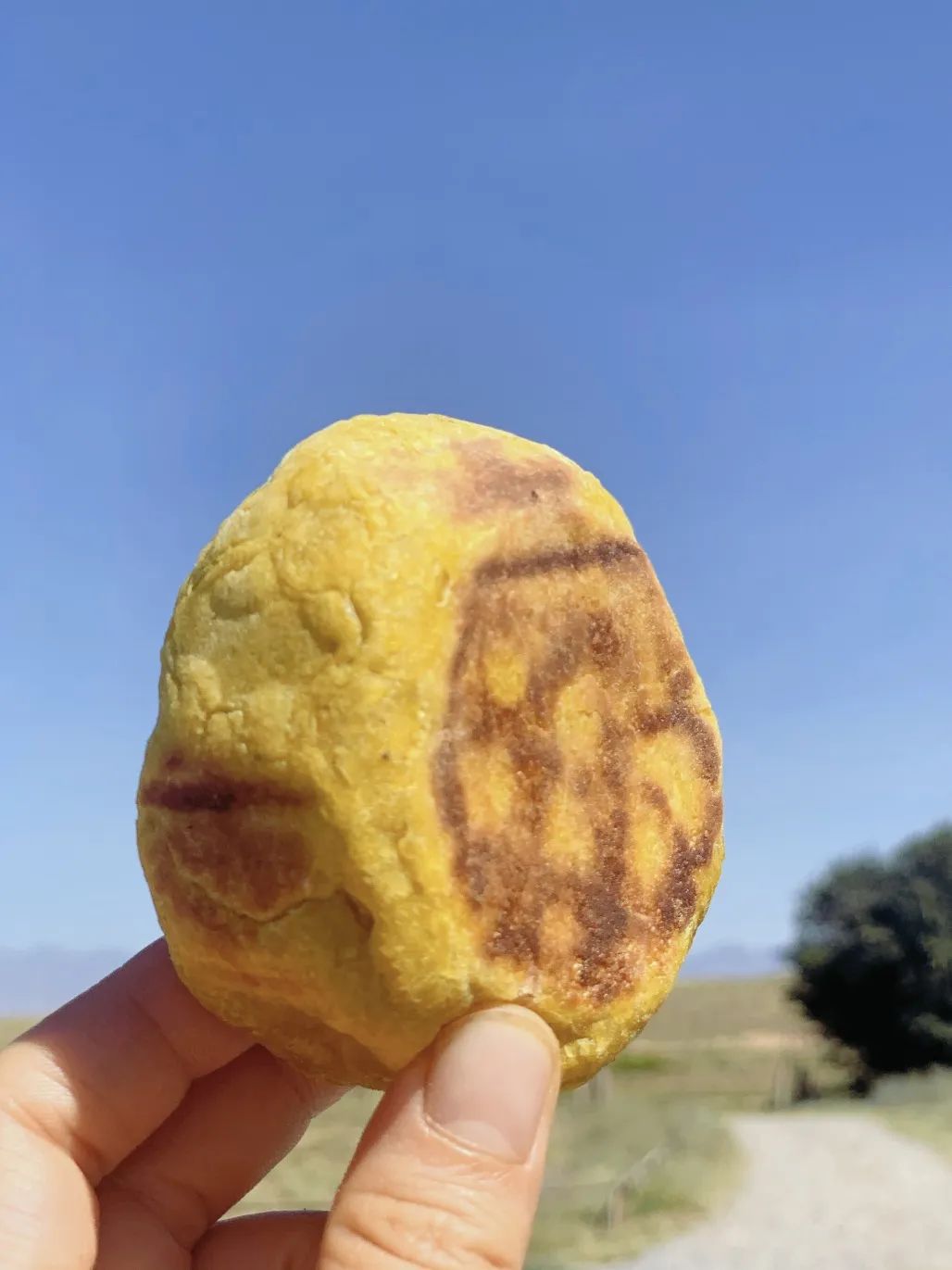
Desert muskmelons are the primary cash crop of Zhi Liang Tian Farm. Every July and August is the harvest and peak season, with the fruit sold nationwide primarily through online channels.
Consumers often ask, “Why are your muskmelons so expensive?” Indeed, to the average consumer, for melons that look virtually identical, our prices are twice as high as others.
What they do not see is the immense investment of manpower and resources Zhi Liang Tian Farm pours into protecting the environment and improving the ecosystem. The fertilisers used are clean sheep manure from the grazing lands and homegrown green manure, with weeds removed by hand three times a year. We leave only one melon per vine; while others may sell four or five thousand catties per mu, we only produce one thousand two hundred.
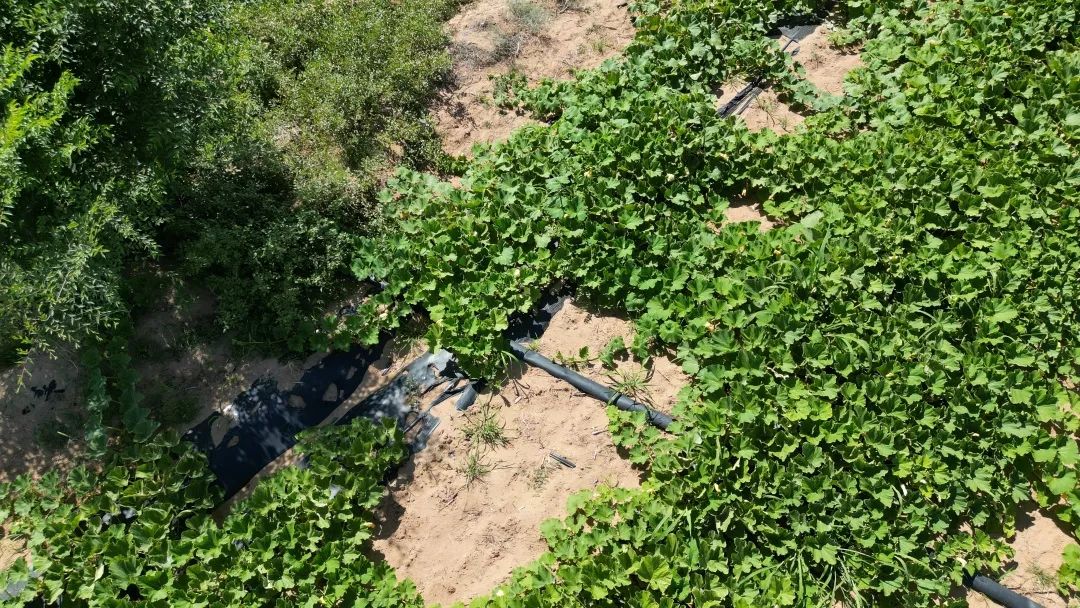
● The farm’s drip irrigation tapes. Unlike the traditional method of planting in furrows, Zhi Liang Tian employs surface drip irrigation for its muskmelons, saving a vast amount of irrigation water.And these thousand-odd catties are first “inspected” by magpies, then sorted by hand, and after weathering the bumps of courier transit, those that finally arrive intact in the consumers’ hands are the absolute cream of the crop from every field. Such muskmelons have a richer flavour, are kinder to the environment, and are better for health. Eating is an agricultural act; every purchase is a vote. We hope more consumers will become aware of the environmental and agricultural issues behind their food and support producers who are truly ecologically friendly.
V. Going Out: The Answer Lies on the Road
In Alashan, I witnessed the grandeur of “a lone plume of smoke in the vast desert, the setting sun round over the long river”; I could truly feel that “wherever the heart is at peace, there is my home”. When I first read these words, they seemed either beautiful or profound; now that I have come to the fields, they exist in every breath I take, indelible. I am grateful to the food that led me here, and grateful for this encounter.
● On clear days, the Helan Mountains are visible from the farm.
Foodthink Author | Tian She Lao Weng
A proponent of Slow Food and nomadic living, for whom weeding the fields and cooking are unfailing ways to relieve stress. Under the pen name “Tian She Lao Weng”, he dreams of being neighbours with the poet Su Dongpo.
About the Eco-Farm Internship Programme
Recruitment for the second cohort of Foodthink’s Ecological Agriculture Internship Programme is now open, with applications closing in two days! In 2022, 18 young people from diverse backgrounds participated in the first cohort, heading to 12 eco-farms across the country to successfully complete internships lasting from three months to a year. We hope that eco-farms can systematise their valuable experience in farm management, production techniques, and sales promotion for the benefit of young people wishing to return to their roots and pursue ecological agriculture. Meanwhile, these interns with their diverse backgrounds can contribute their unique strengths, injecting vitality into the farms while reducing the learning curve and the cost of trial and error for their own future rural ventures. If you also wish to be a returning youth and engage in ecological agriculture, hurry and fill out the application form!
Unless otherwise stated, all images in this article were taken by the author