
The Village’s Last Acre of Hangzhou White Chrysanthemum
“I have a thought, though I’m not sure if it will be of any use?” The grandmother and the former steward simultaneously fixed their gaze on her.
She explained, “Our household is busiest in the spring and largely idle in autumn. Why not take this opportunity to trade in Hangbai chrysanthemums? They are just as well suited for brewing, and some folks even prefer them to tea!”
“We haven’t exactly overlooked that idea before. The trouble is, Hangbai chrysanthemums are mainly cultivated in Tongxiang. Who would take charge of such a venture?”
“I have a relative who happens to grow them in Tongxiang. Handing all the arrangements over to him would suffice.”
—— Wang Xufeng
“Southern Tea Garden”, from the Tea People Trilogy

I. A Chrysanthemum Land Without Chrysanthemums
The protected growing region for Hangbai chrysanthemums is defined with remarkable precision: 30°28′18″–30°47′48″N, 120°17′40″–120°39′45″E. This area covers ten towns, townships, and sub-districts within Tongxiang’s administrative boundaries in Zhejiang Province, including Tudian Town, where our chrysanthemum garden is situated.
When my generation, born in the 1980s, was at primary school, we studied from a textbook titled *Local Knowledge*. It captured the essence of our hometown in sixteen characters: “A Realm of Silk, a Land of Fish and Rice, a Plain of a Hundred Blooms, and a Hub of Culture.” The “Plain of a Hundred Blooms” specifically refers to the breathtaking spectacle of Hangbai chrysanthemums in full flower.
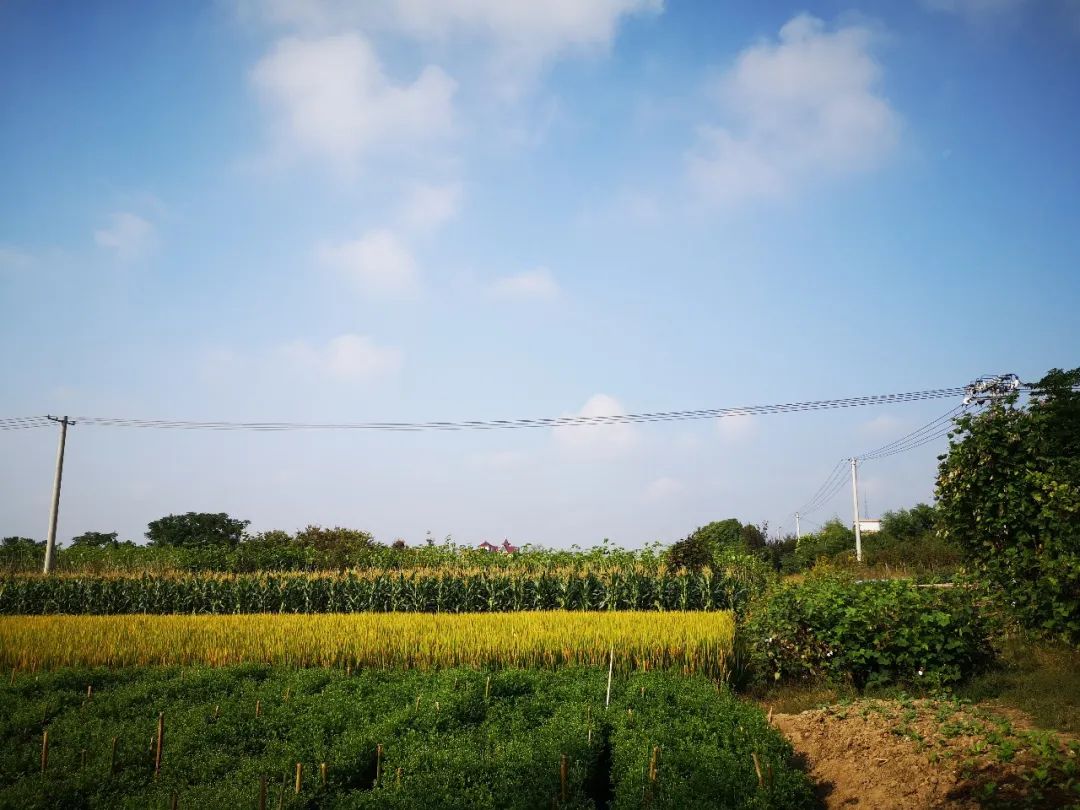
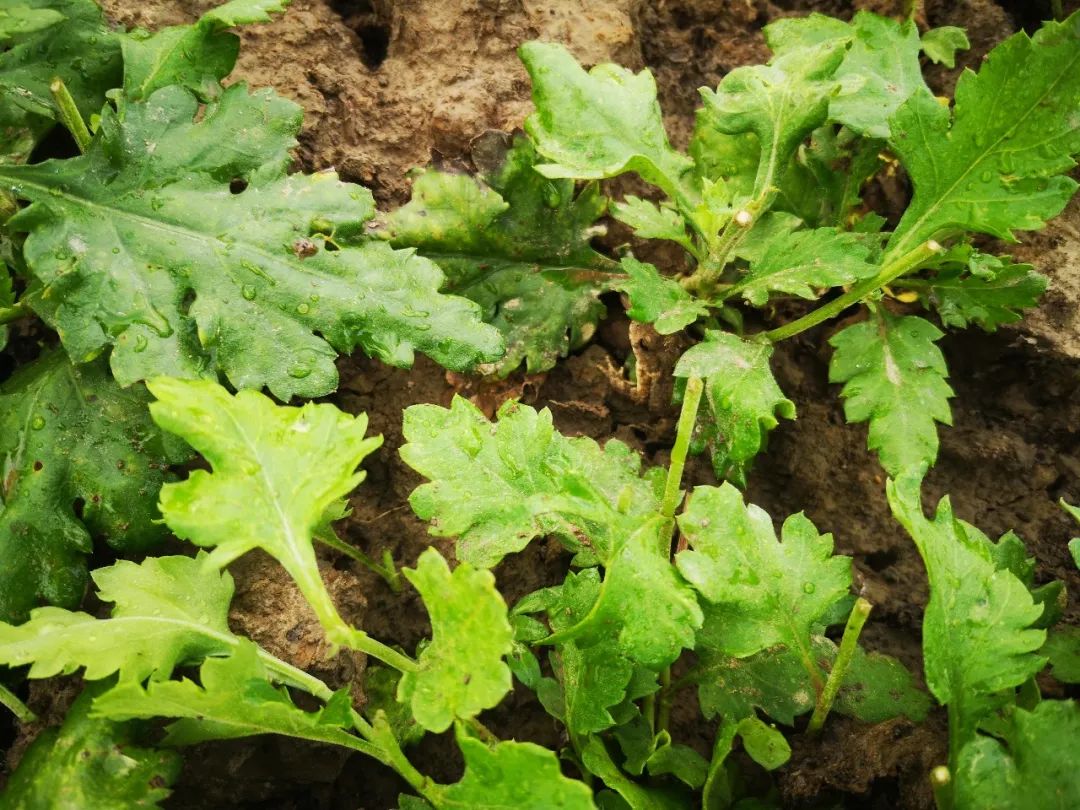
The chrysanthemum roots weather the harsh winter cold of minus five degrees Celsius, and come spring, fresh green shoots emerge once again from the blackened, withered vines. Year after year, this resilient and graceful plant has thrived on the lands of Jiangnan for centuries.
The techniques and processes involved in producing authentic Hangbaiju are highly intricate.
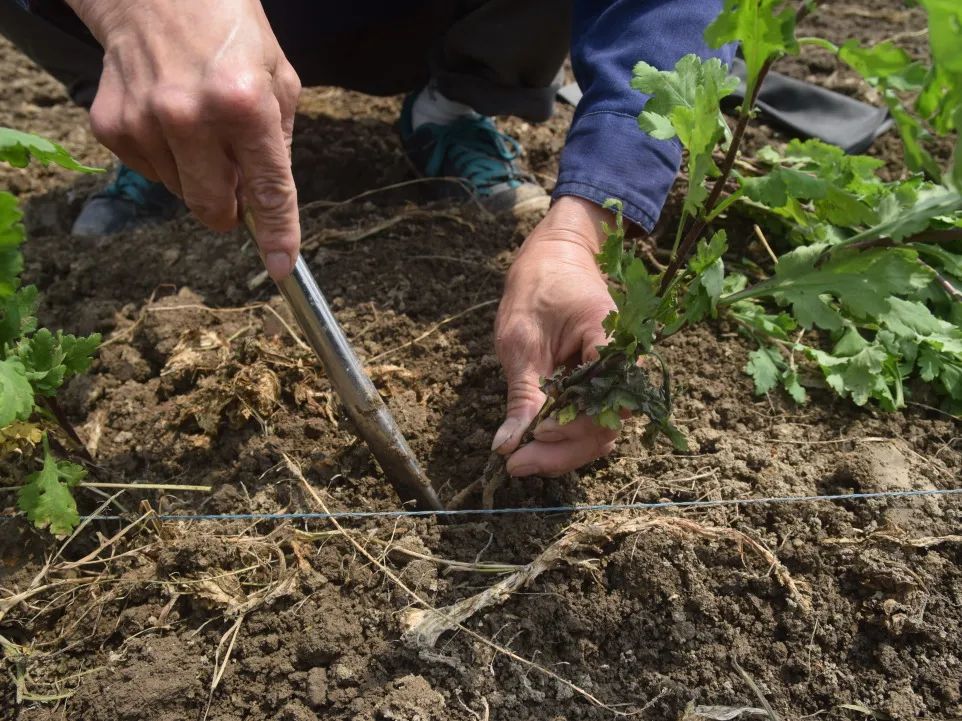
Unlike tea bushes, Hangbaiju is an annual herb that requires fresh planting and propagation by cuttings every year. Labour and maintenance in the chrysanthemum fields stretch across nearly the whole year, from March to November: turning the soil in March, planting cuttings in April, layering in May, pinching back the growing tips in June and July, weeding in August and September, and harvesting from October through November.
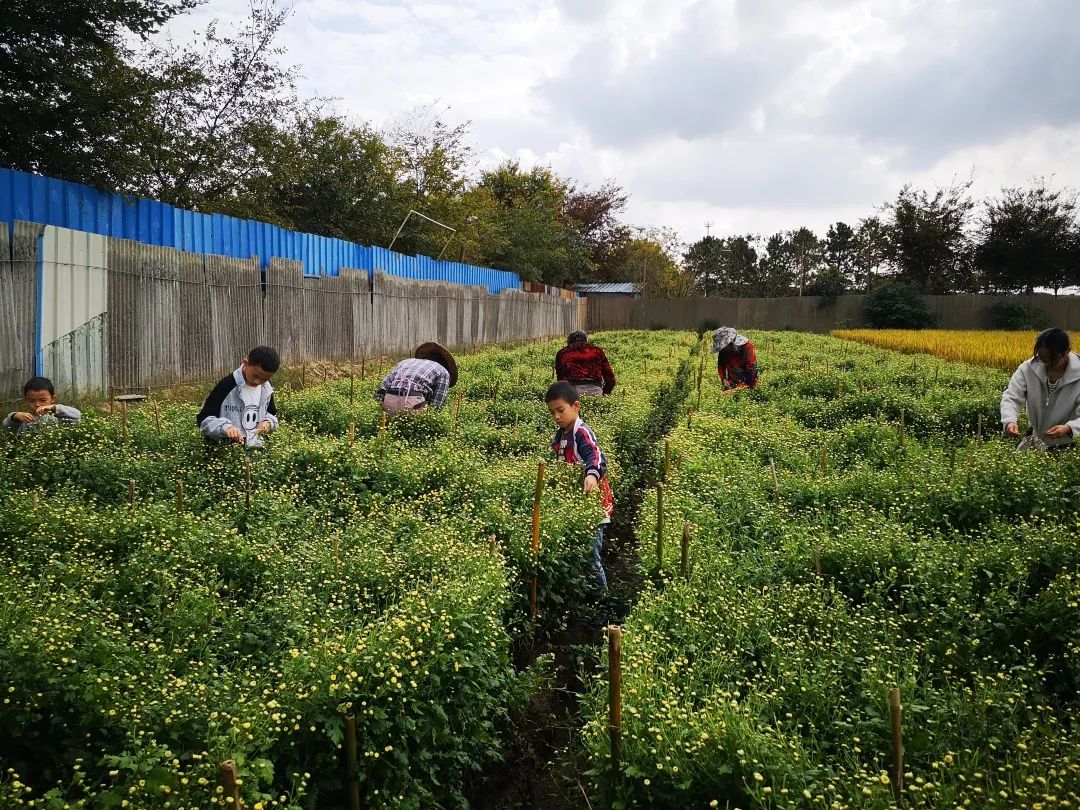
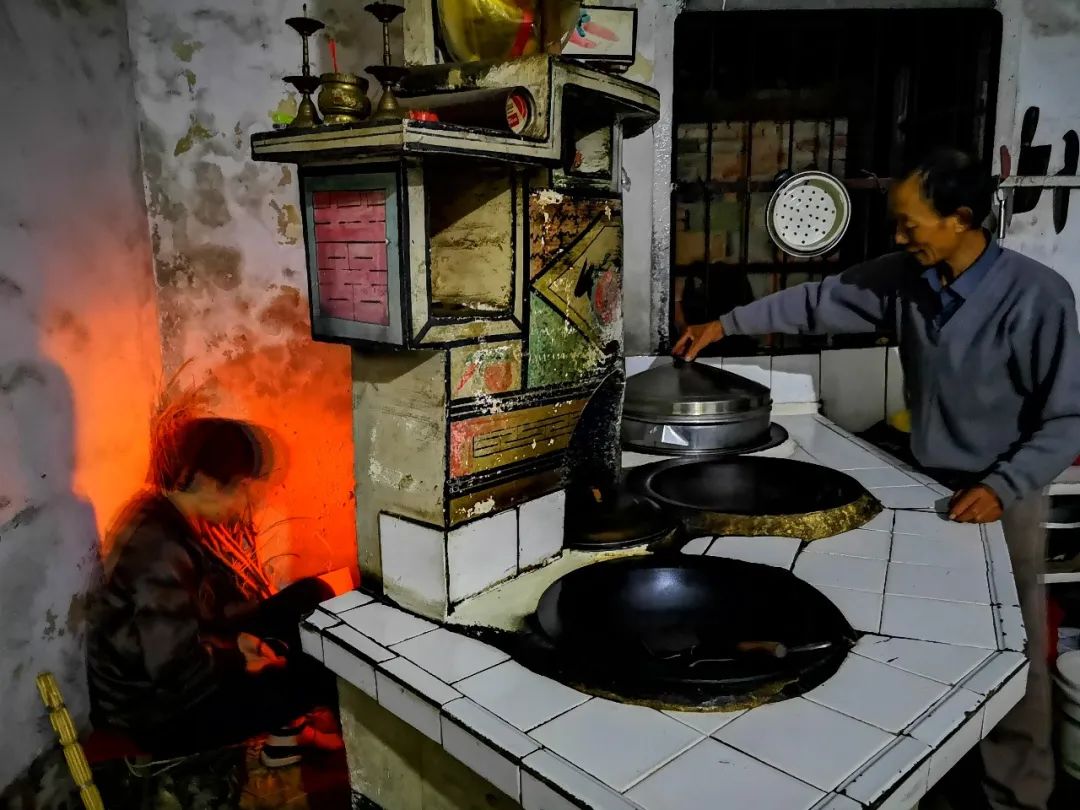
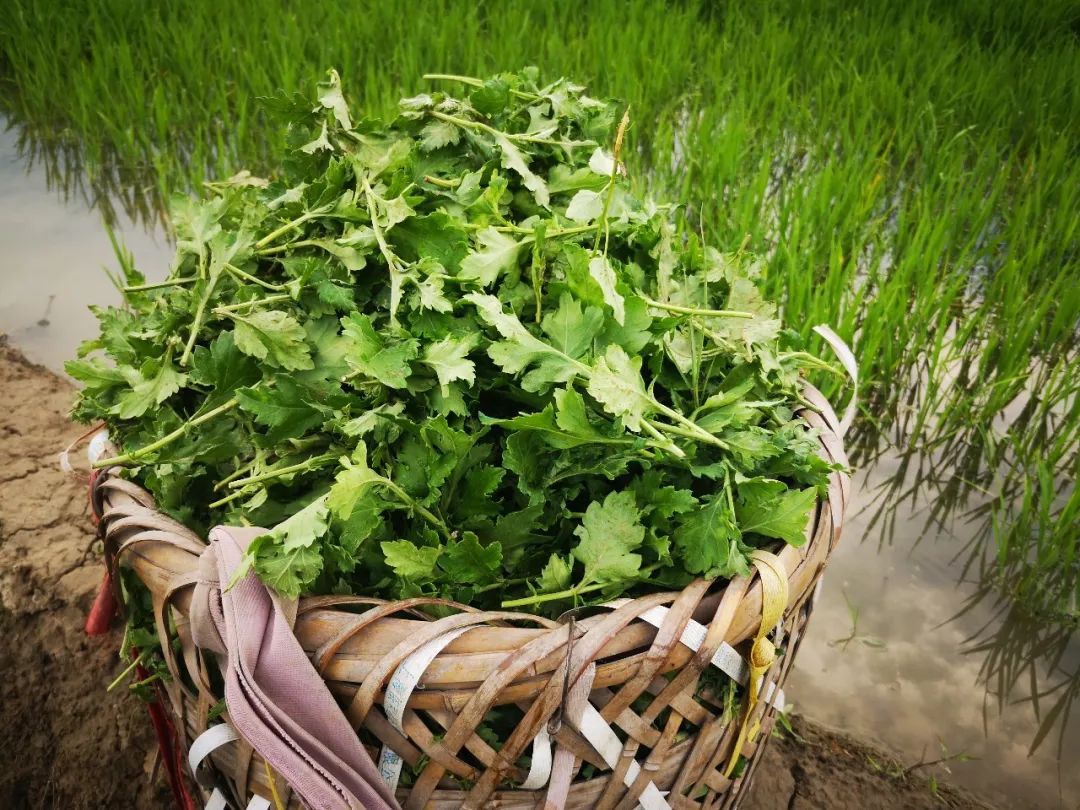
The reality of harvesting chrysanthemums lacks the serene leisure evoked by the poet Tao Yuanming; gathering the flowers from a single acre of Hangbaiju demands four or five pickers. The blossoms are gathered during the day and processed into tea after dark. Processing the tea involves tending wood fires, fixation, air-drying, and oven-drying, alongside various other steps. It is a month-long undertaking, from dawn until dusk.
Tongxiang Hangbaiju’s traditional processing techniques were listed on Zhejiang Province’s Representative List of Intangible Cultural Heritage as early as 2012; its cultivation system was also added to Zhejiang’s inaugural list of Important Agricultural Cultural Heritage resources last year.
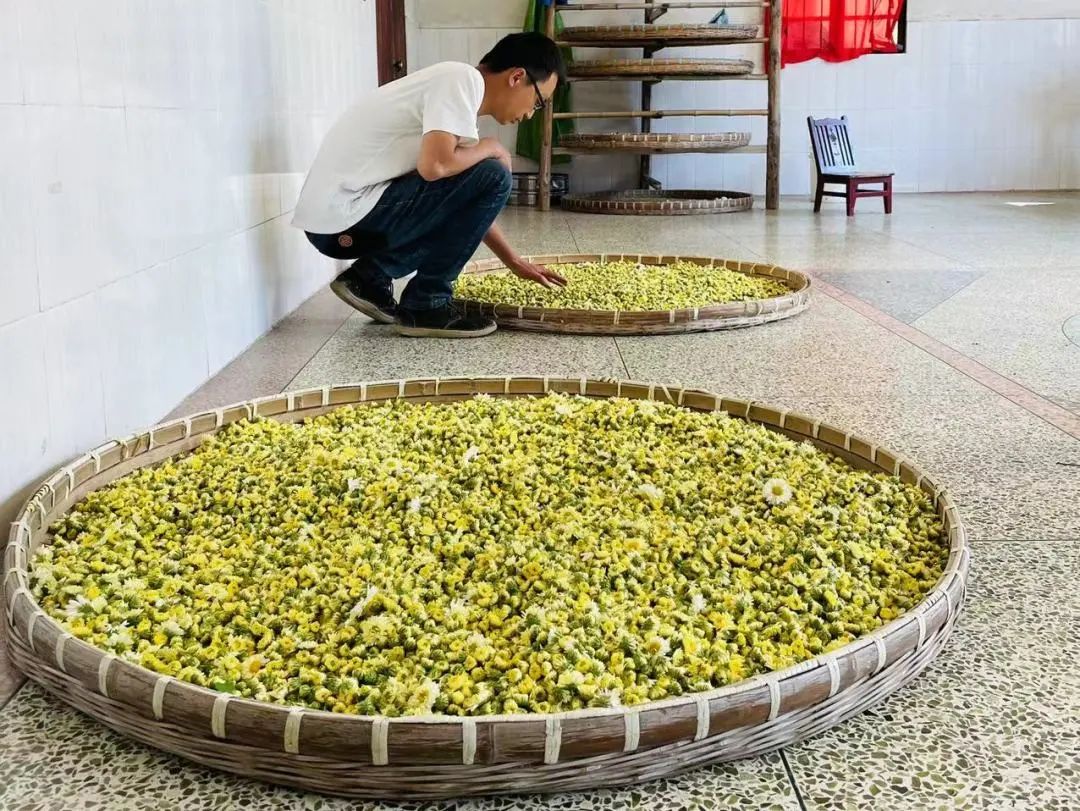
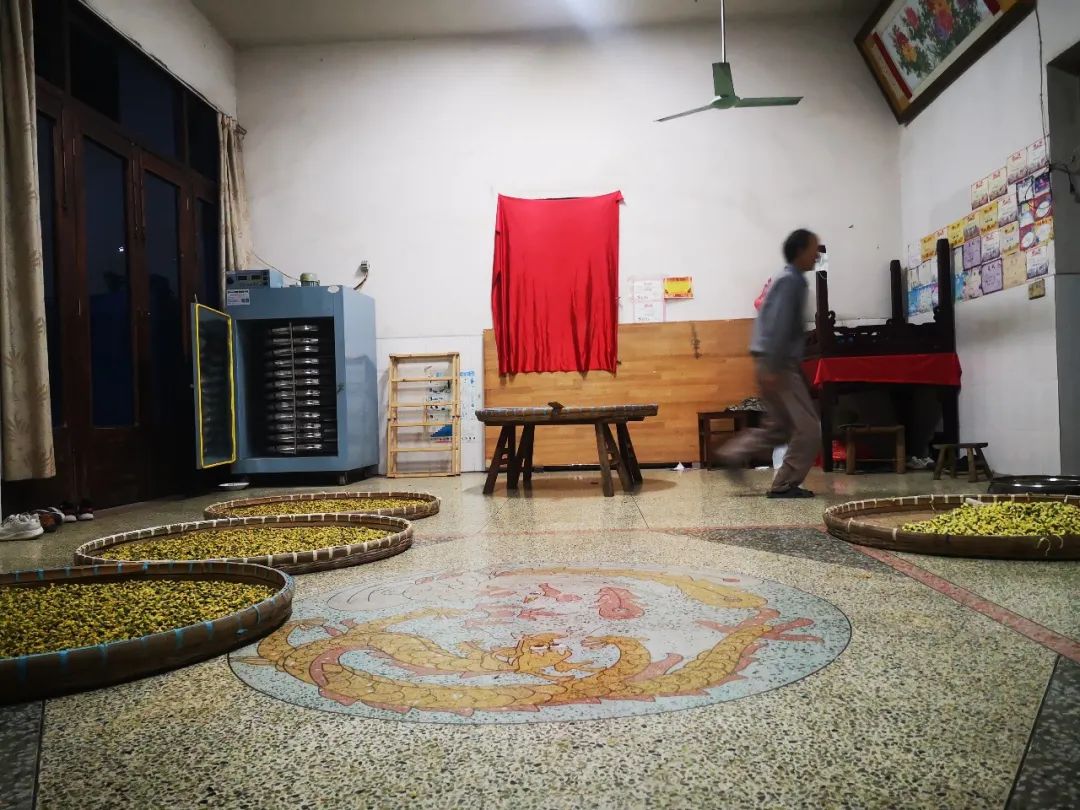
Processing plants were receiving fewer and fewer authentic Hangzhou white chrysanthemums. Much like the “bath-taking” Yangcheng Lake hairy crabs—where crabs from elsewhere are briefly kept in the lake before being sold as genuine—bringing white chrysanthemums from other regions for a one-day trip to Tongxiang to pass them off as authentic Hangzhou white chrysanthemums had long become an open and commonplace industry practice.
II. The Disappearance of Culture and the Collapse of the Agrarian System
“What is taken from the farmer is not merely their land, but their homeland, their past, their roots, and even their identity. If you remove what they have grown accustomed to seeing and expect to see, then, in a sense, you are taking away their eyes.”
— Isak Dinesen
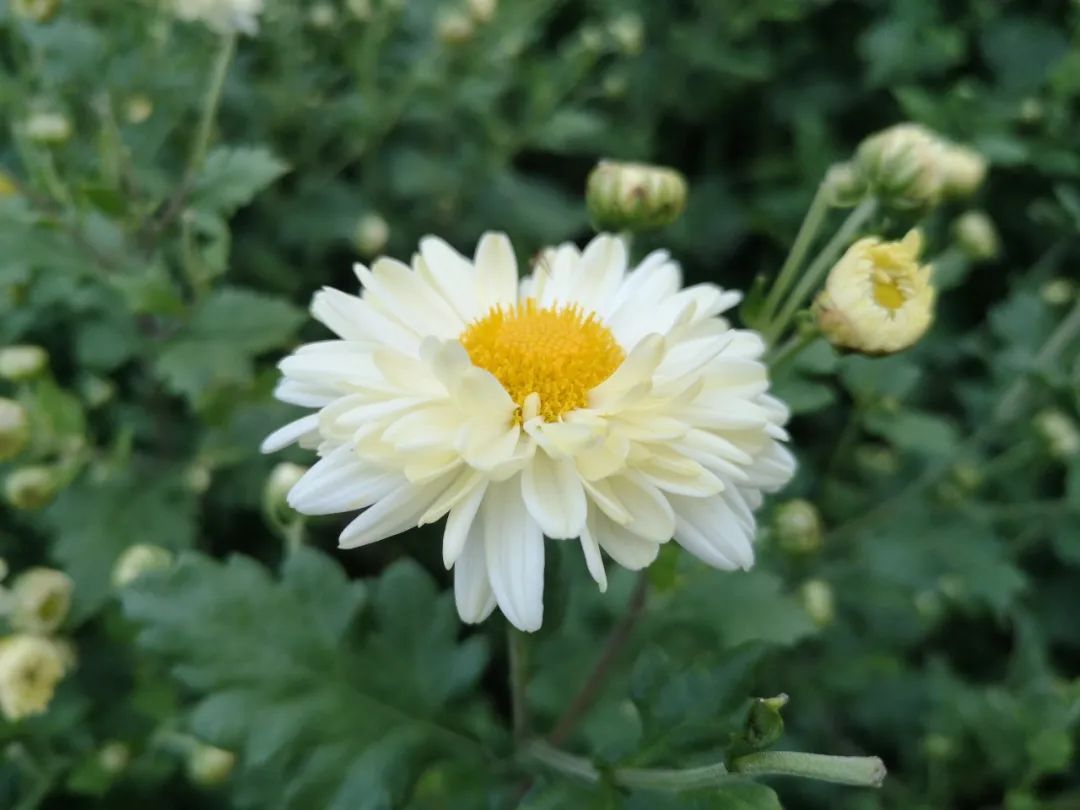
In fact, Hangbai chrysanthemum has never existed in isolation; its disappearance marks the loss of an entire system and a culture.
The diverse cultivation of mulberry and silkworms, Hangbai chrysanthemum, Hu sheep, mustard tubers, rice, and pond fish, alongside their internal energy cycles, formed a long-standing and stable agricultural system and way of life across the Hangjiahu Plain. This integrated model is extensively documented in *An Agricultural Testament*, a foundational work in ecological farming.
Yet over the past twenty years, and particularly in recent years, this sustainable agricultural system has been crumbling at an accelerating pace.
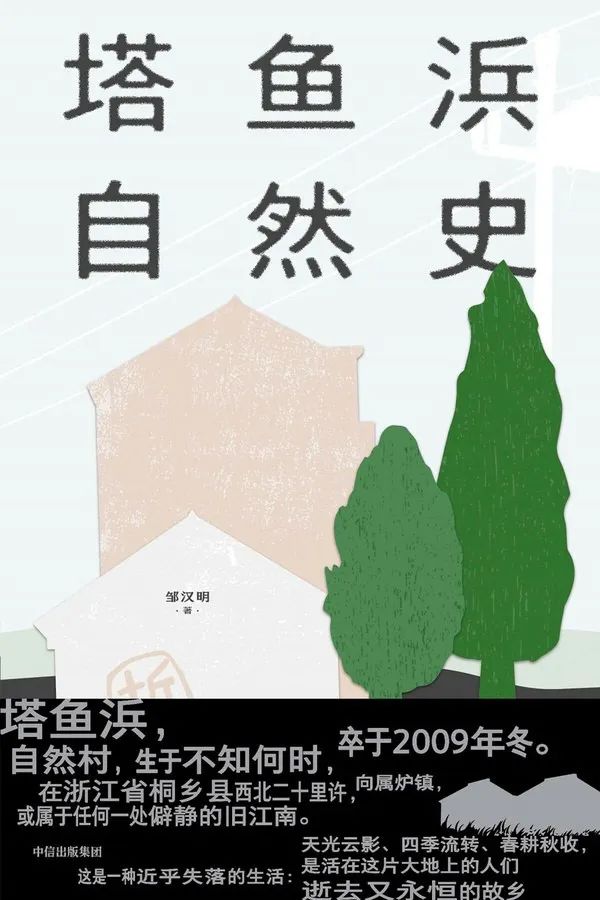
The most striking manifestation of this shift is the disappearance of traditional villages. “Tayubang” stands as a quintessential example.
Those familiar houses,
as if they had grown from the earth,
are uprooted by excavators.
The land that nurtured generation after generation
is swiftly levelled,
sown with rapeseed,
and next spring
will gleam golden just the same.
— Written in a year, after the villagers’ homes were demolished
III. Six Years of Chrysanthemum Cultivation
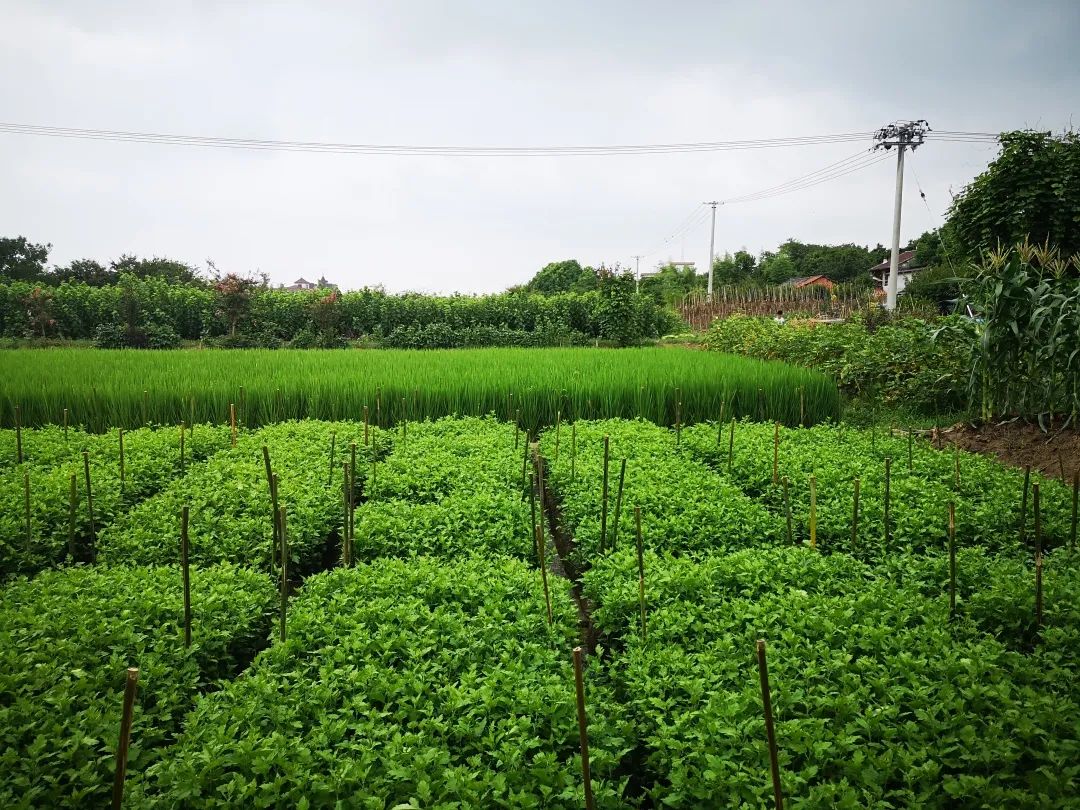
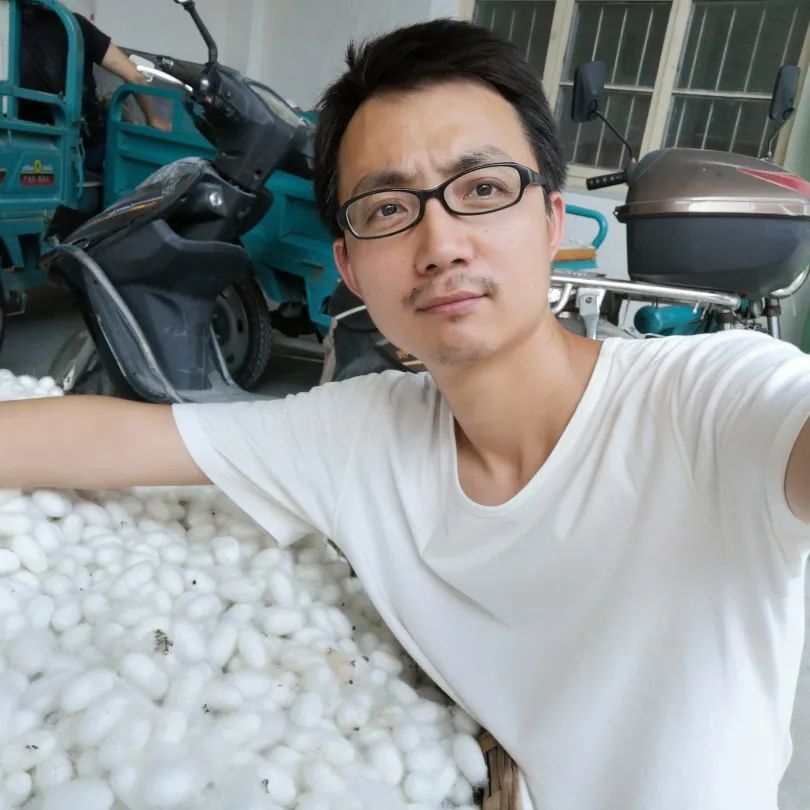
We began with silkworm rearing and crafting silk quilts, and in 2017 turned to the ecological cultivation of Hangbaiju chrysanthemums. With local cultivation long abandoned, we could initially only manage to source a handful of chrysanthemum seedlings.
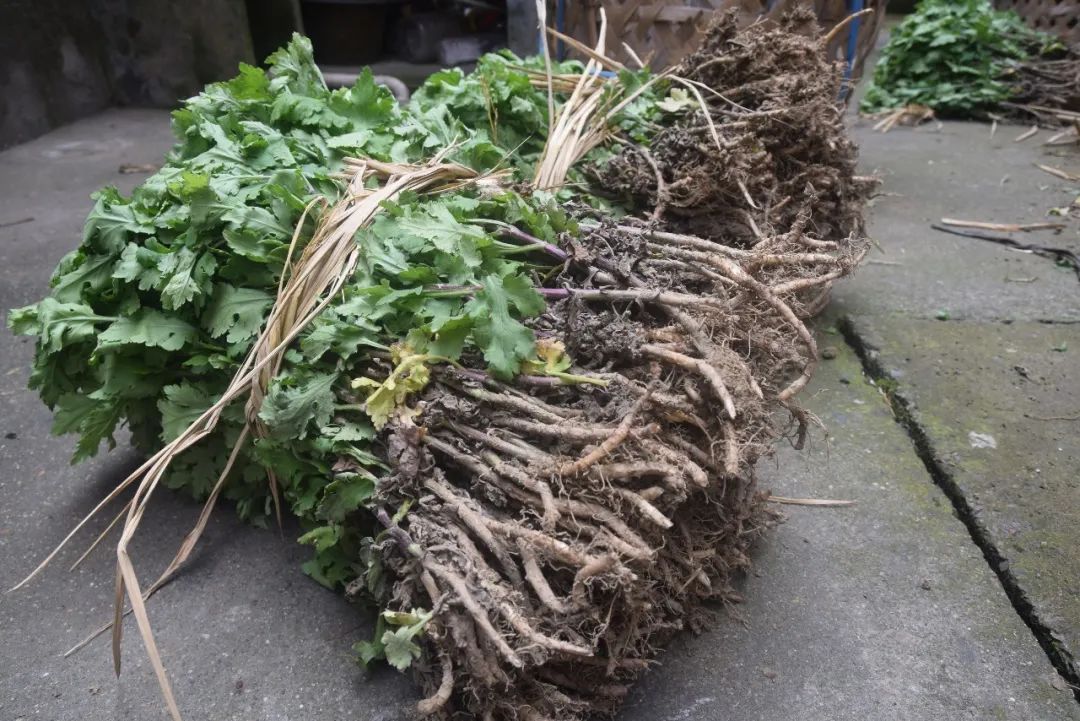
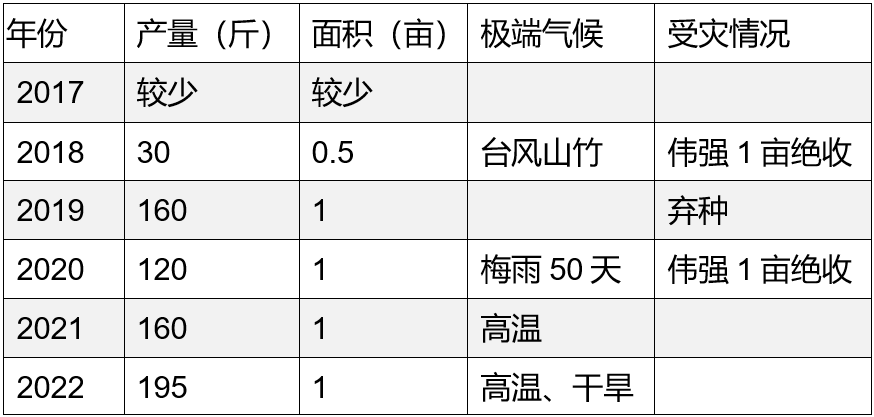
In 2018, I sourced a bundle of chrysanthemum seedlings from my classmate Weiqiang in the neighbouring town, and we agreed to experiment with ecological farming practices together. I cultivated half a mu, while Weiqiang took on one mu. Then Typhoon Mangkhut struck. Weiqiang’s crop was entirely wiped out by flooding. My plot, benefiting from higher ground and better drainage, survived but yielded a mere 15 kg (30 jin).
In 2019, I expanded my plot from half a mu to one mu.
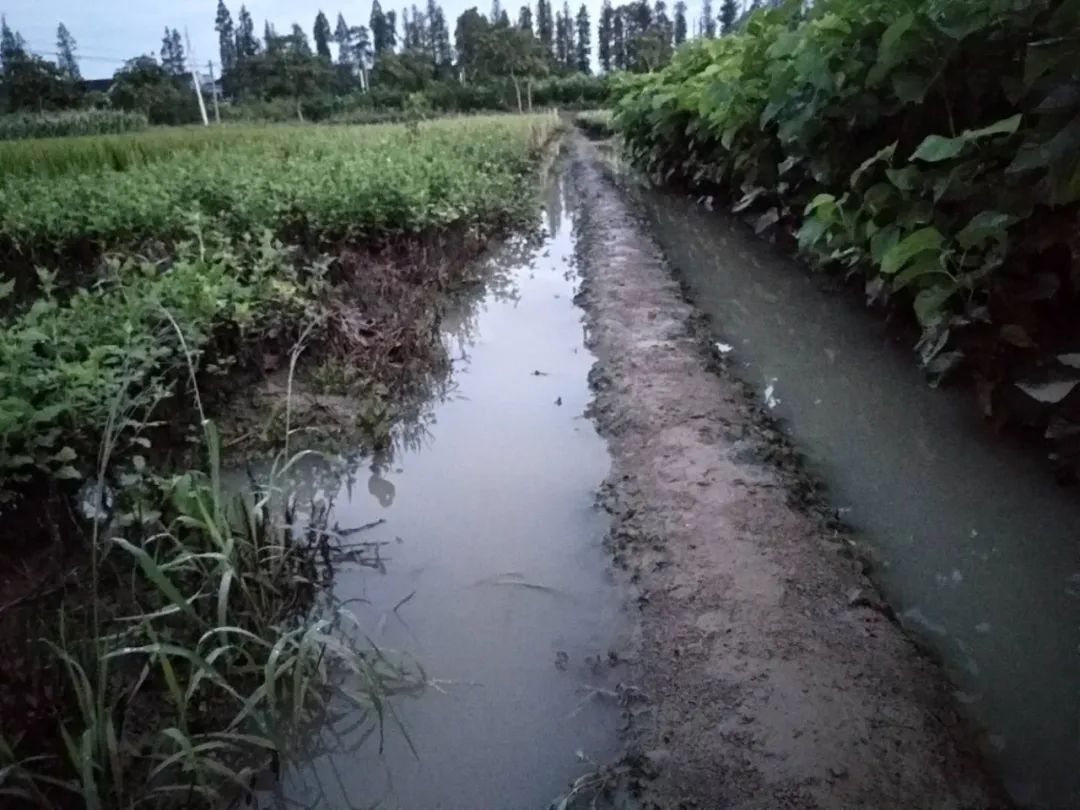
By 2020, weather conditions across the Jiangnan region had become unusually extreme. The plum rains persisted for over 50 days (compared to the usual 30), followed by sweltering heat, then a typhoon, and then drought. Weiqiang’s one-mu Hangbai chrysanthemum crop was completely lost for a second time, and he subsequently abandoned cultivation.
Over the past two years, extreme weather has primarily manifested as intense heat, yet our Hangbai chrysanthemums have performed comparatively steadily.In our assessment, this resilience is intrinsically linked to our ecological cultivation methods.
IV. Re-establishing the Connection Between Humans and Nature
Consider the highly specific naming of local waterways: lakes, streams, branch canals, pools, channels, shallow lakes… never simply lumped together under the blanket term “river”. Behind each name lies a precise definition denoting a particular geographical feature, which in turn guides corresponding environmental practices. For instance, a “dead-end stream” typically marks the terminus of a watercourse, well-suited for village settlement; a “major channel” denotes a wide river, connected to the outside world with a deep draught capable of carrying large vessels.
Traditional farmers were intimately attuned to this land, piloting boats as effortlessly as walking on level ground. South across the Chang’an Dam to Hangzhou, west to Changxing, spending nights beneath the bridges of Nanxun, or north along the shores of Taihu to Suzhou. Wherever the web of waterways extended, locals knew every inch of the plain’s terrain.
If this precise, granular observation and understanding of nature constitutes culture as a legacy of early local pioneers’ practical partnership with the natural world, then to revitalise the intangible cultural heritage of Hangbaiju today, we must re-establish the connection between people and nature.
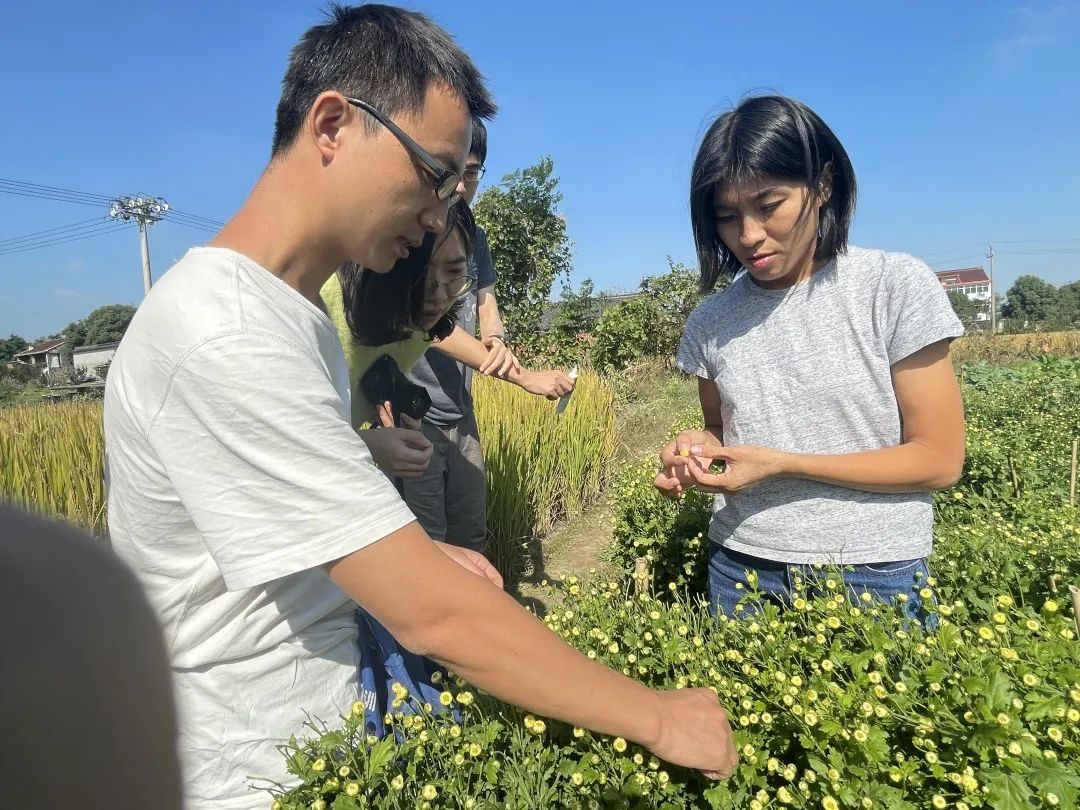
In a sense, it serves as a response to the paradox of ‘a chrysanthemum homeland without chrysanthemums’, aiming to secure a baseline yield.
Yet, when we consider the ecological core of agricultural cultural heritage, such industrialised agriculture is ill-equipped to shoulder the task of preserving culture.
To sustain the traditions of the chrysanthemum homeland, merely listing it on the intangible cultural heritage register, designating protected zones, or relying on conventional farming is not enough. What matters most is restoring the culture, reconnecting with nature, and rebuilding the bond between people and the land.
V. In the fields, culture lies in how you apply fertiliser and how you weed
Compared with the market’s flood of ‘bathed’ Hangbai chrysanthemums, our insistence on local cultivation is already rare; adopting ecological methods makes scaling up all the more difficult.
Yet we are convinced that ecological cultivation of the Hangbai chrysanthemum is the essential pathway back to its culture.
Local sourcing of organic fertiliser
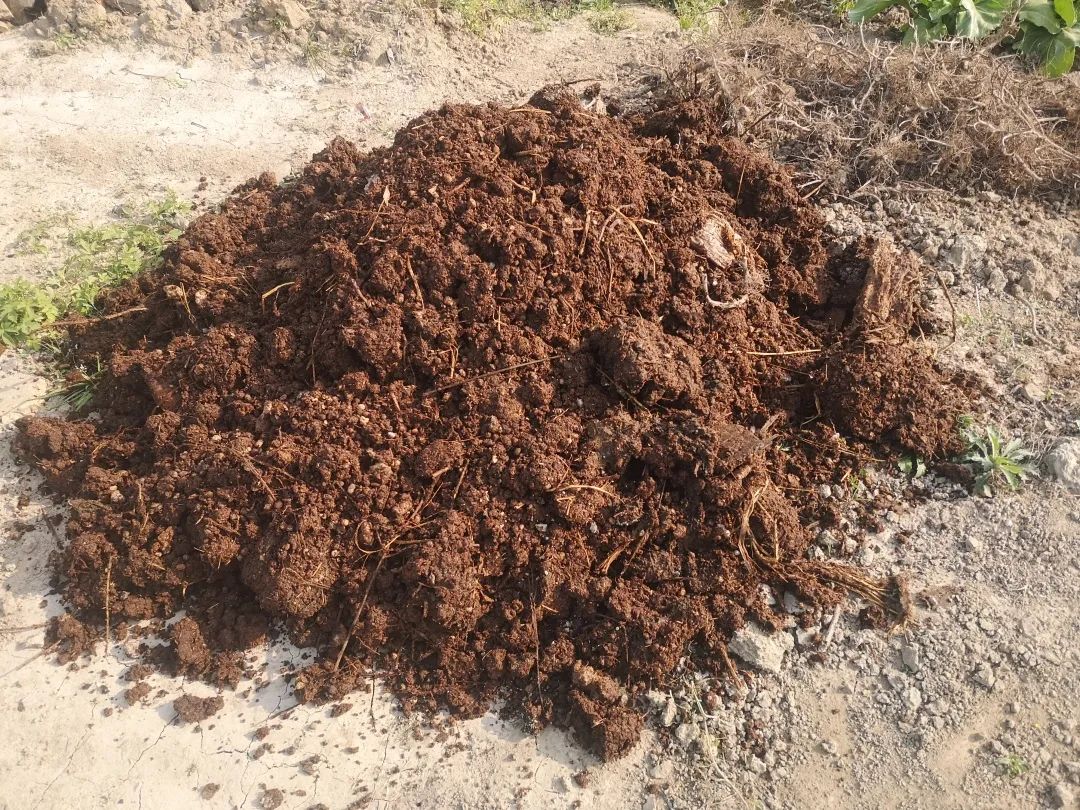
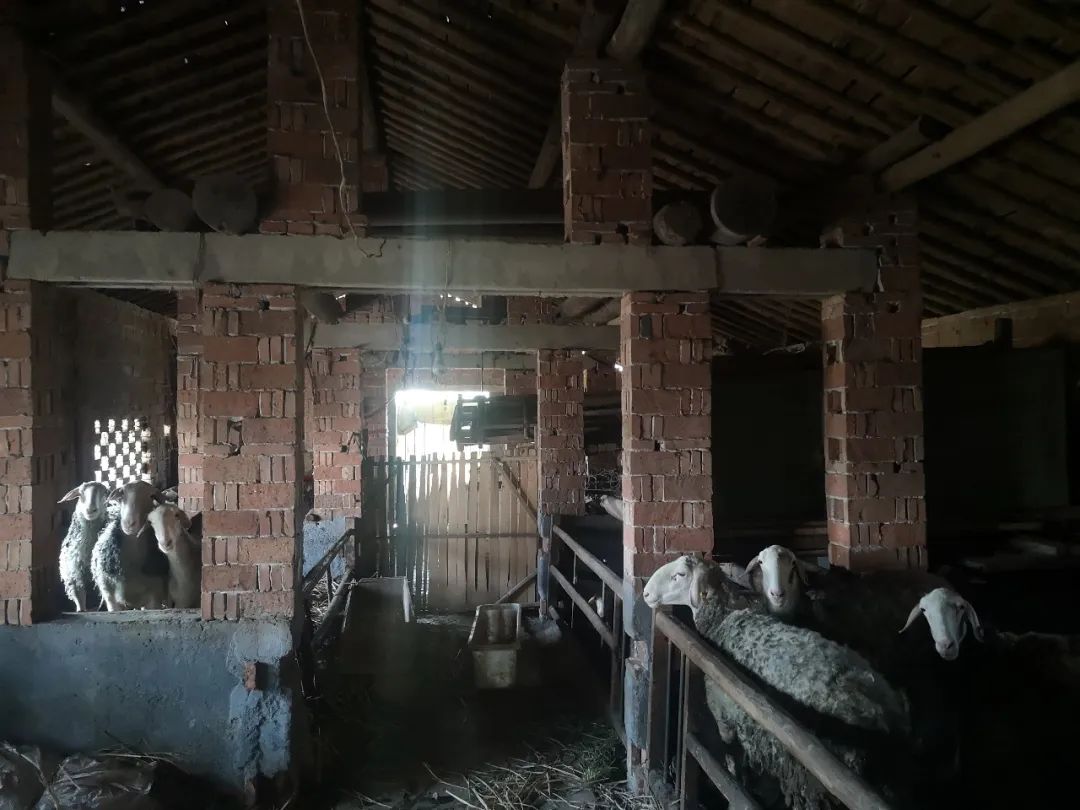
As traditional farming and sericulture practices vanish, local silkworm rearing and conventional Huzhu sheep breeding have dropped sharply, making silkworm frass and sheep manure increasingly hard to come by. Until recently, the Huzhu sheep manure used for spring planting came from my aunt’s holding in a neighbouring village, but she sold off her flock last year.
Eventually, I tracked down a Huzhu sheep breeder near my uncle’s home. They keep twenty head, none of which are given commercial feed. The owner cuts grass by hand to graze them, guaranteeing a clean and reliable source.
If the chrysanthemum plots are to expand in future, securing a steady supply of organic fertiliser will prove a significant challenge.
Chicken manure is available locally, but we avoid it due to the potential heavy metal residues from intensive poultry farming.
We also have an ecological pig farm nearby. The pig manure is free from heavy metal contamination and has already been processed into a biochar organic fertiliser, making it a viable option.
In 2019, we travelled to Huangshan to learn modern composting techniques from 84-year-old Hideo Ikeda. We hope to build upon traditional composting methods that use sheep and silkworm droppings, while exploring new possibilities.
Mulching and Climate Resilience
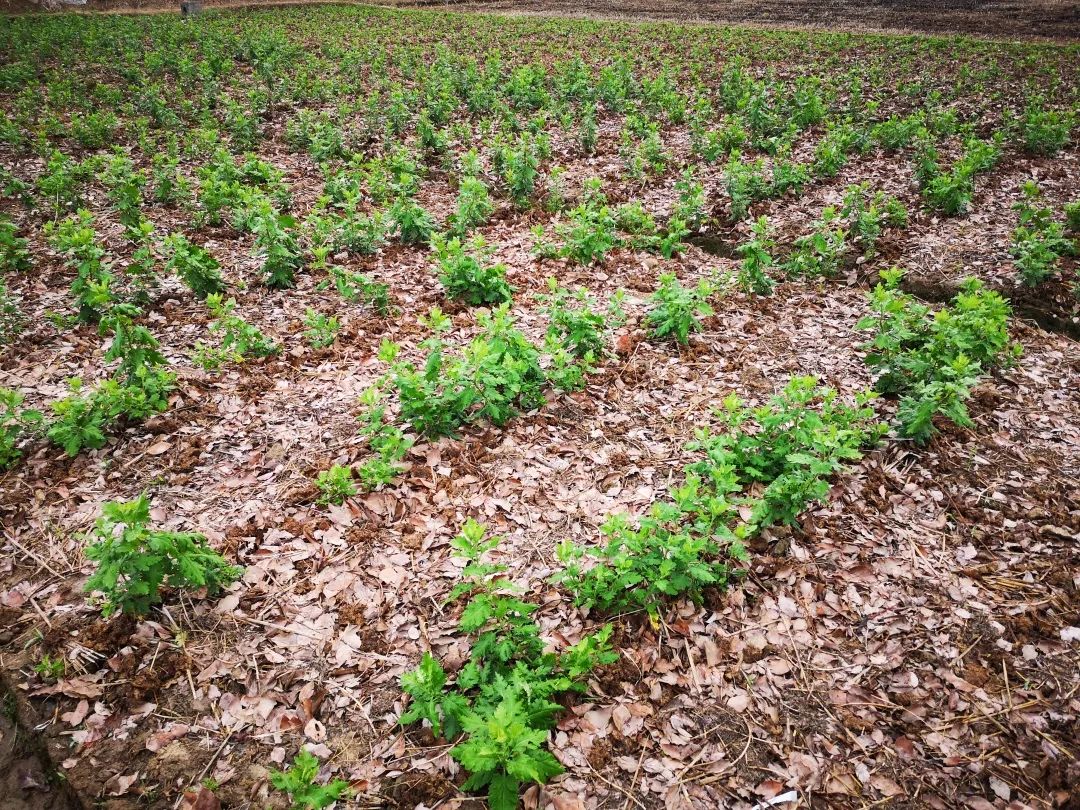
Traditional cultivation methods place great emphasis on layering and topping, requiring two rounds of layering and three of topping. Beyond encouraging flower buds and conserving land, I later realised these practices hold distinct ecological value.
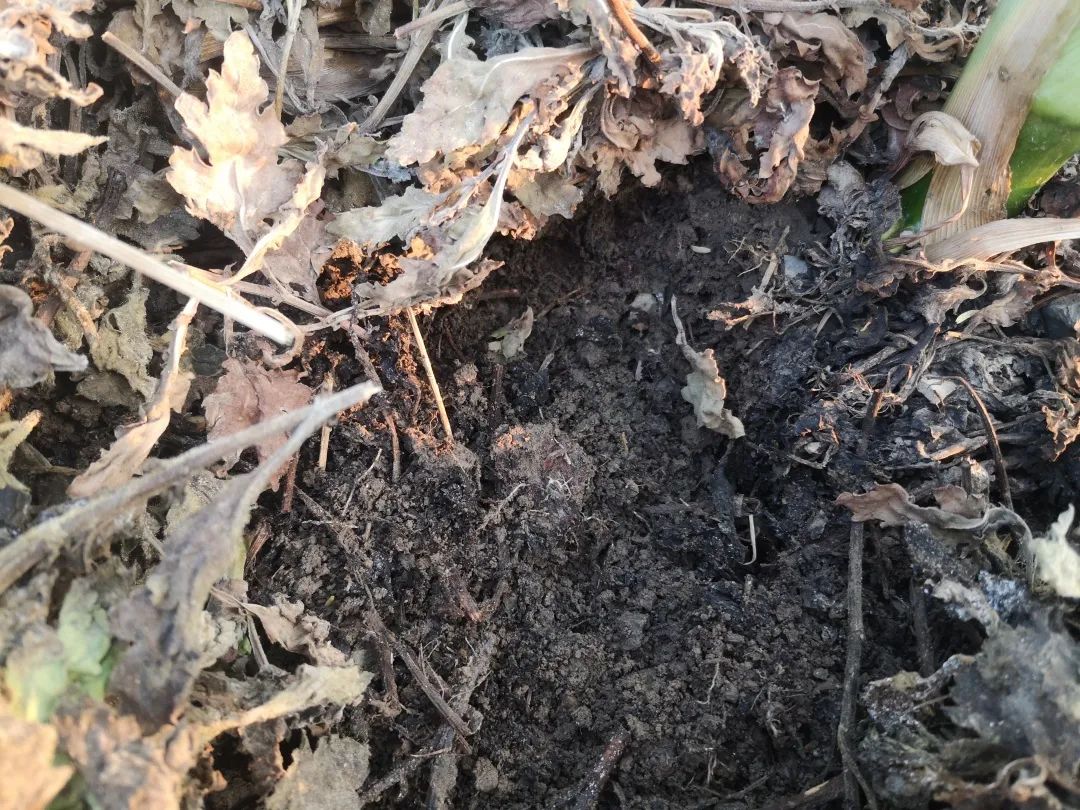
Layering allows the chrysanthemum stems to spread across the ground, forming a protective layer over the soil. Topping is timed to coincide with Jiangnan’s hot, humid rainy season, a period when chrysanthemums are particularly prone to pests and diseases. By topping, the overly dense upper foliage is removed to improve air circulation. The clipped chrysanthemum leaves can then be spread as mulch over neighbouring crops. Lifting the cover reveals thick networks of white mycelium, a clear sign of fertile soil.
Once the rainy season ends, autumn tends to bring dry conditions. By then, topping has ceased, and the chrysanthemum plants form a complete ground cover. Serving a dual purpose—acting as both the main crop and a cover crop—the soil beneath remains consistently moist.
This is precisely why, even when temperatures linger at 40°C, our Hangbaiju fields require very little irrigation, demonstrating strong climate resilience.
Wet and Dry Crop Rotation
Biodiversity and Landscapes
Yet traditional farming and sericulture foster rich biodiversity, holding beauty even before the flowers bloom.
Thanks to ecological farming practices, we’ve also discovered toads in the chrysanthemum fields. Toads appear more sensitive to environmental changes than frogs. While frog calls arrive reliably each year, toads had not been seen here for over a decade.
They are hunting millipedes – many-legged creatures resembling centipedes that swarm in the Hangbaiju fields, gnawing on young shoots. It seems the millipede outbreak has drawn back the long-lost toads. Though small, the ecological planting in these fields has quietly sparked a positive shift in local biodiversity.
VI. This Year’s Hangbaiju
This year’s crop was destined to be anything but ordinary.
Scrolling through my WeChat moments to look up planting records, I was struck by how long it feels since these events, even though they happened barely a year ago:
In early spring, around the time the Hangbaiju cuttings were planted, we faced the outbreak of the Russia-Ukraine war and the lockdown of Shanghai;
In May and June, while layering the chrysanthemums, the village experienced intermittent lockdowns and frequent mass nucleic acid tests. Meanwhile, the plum rain season, which usually lasts a full month, delivered not a single drop, becoming what’s known as an “empty plum rain” period;
In August, as we were topping the Hangbaiju plants, extreme temperatures soared to 40°C;
followed by the drought of September and October.
Despite these hurdles, we managed to harvest 97.5 kilograms in total.
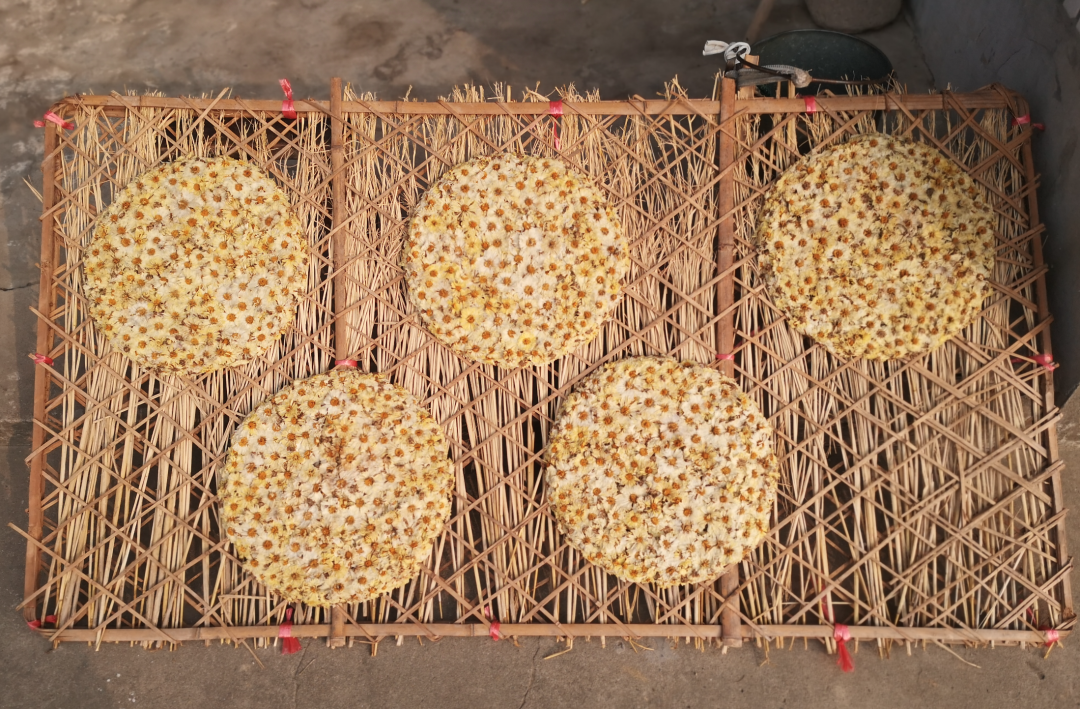
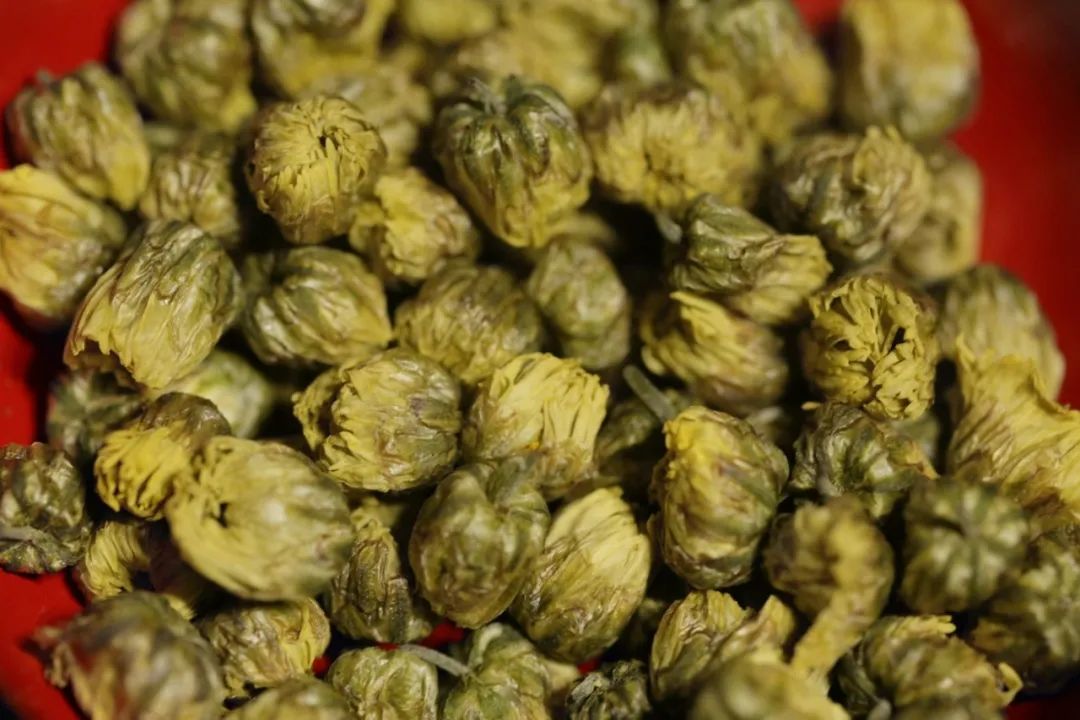
The 2023 Hangbaiju is expected to be planted around Qingming Festival, still confined to just one acre. This patch of land is now not only the village’s sole remaining Hangbaiju crop but also the only plot still farmed by local villagers – earlier this year, all the village’s fields were leased out to large-scale agricultural operators.
Unless otherwise credited, all images are provided by the author.
Editor: Tianle