
The Village’s Last Plot of Hangzhou White Chrysanthemums
“I have an idea—though I don’t know if it will be of any use?” Her mother-in-law and the former housekeeper both stared at her.
She said, “We are at our busiest in spring, but the autumn is quiet. Why not take this time to trade in Hangbai chrysanthemums? They are brewed and drunk just like tea; some people even prefer them to tea!”
“We have considered that in the past, but Hang chrysanthemums are primarily grown in Tongxiang. Who would handle the arrangements?”
“I have a relative who happens to grow Hang chrysanthemums in Tongxiang; we could leave the matter entirely to him.”
—— Wang Xufeng
“The South Has Beautiful Trees” from *The Tea-Maker’s Trilogy*

I. No Chrysanthemums in Ju-xiang
The boundaries of the Hangbai chrysanthemum production area, protected under national geographical indications, are precisely defined: North Latitude 30°28′18″ to 30°47′48″ and East Longitude 120°17′40″ to 120°39′45″. This covers ten towns, townships, and sub-districts within the administrative region of Tongxiang, Zhejiang Province, including Tudian Town, where our chrysanthemum garden is located.
When those of us born in the 1980s were in primary school, we had a “Local Knowledge” textbook. In it, our hometown was summarised in sixteen characters: “The home of silk, a land of fish and rice, a plain of a hundred flowers, and a realm of culture.” The “plain of a hundred flowers” refers to the magnificent spectacle of the Hangbai chrysanthemums in full bloom.
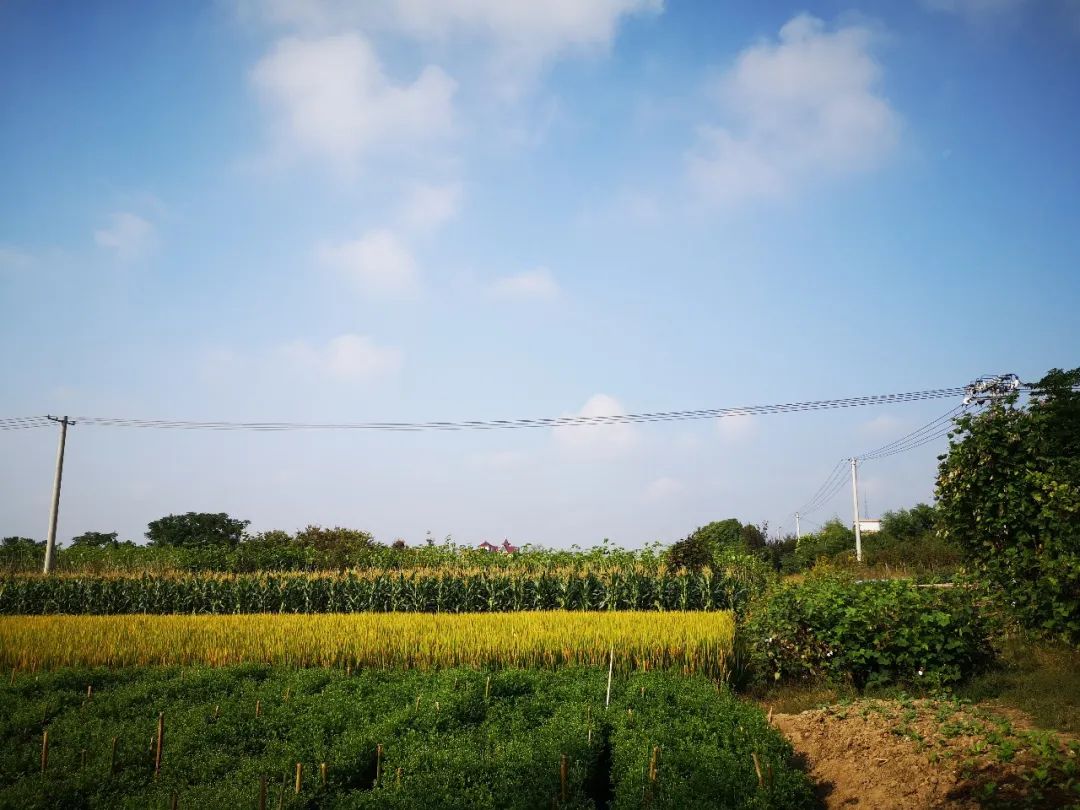
Chrysanthemum roots can weather the winter chill of minus five degrees; when spring arrives, vivid green shoots emerge once more from the withered, blackened vines. Year after year, this resilient and exquisite form of life has endured across the lands of Jiangnan for centuries.
The processes and techniques required for authentic Hangbai chrysanthemums are intricate.
Unlike tea, Hangbai chrysanthemums are annual herbaceous plants that must be replanted and propagated via cuttings every year. The labour and management of the chrysanthemum fields span almost the entire year, from March to November: ploughing in March, cutting in April, layering in May, heading (pinching out the tips) in June and July, weeding in August and September, and harvesting in October and November.
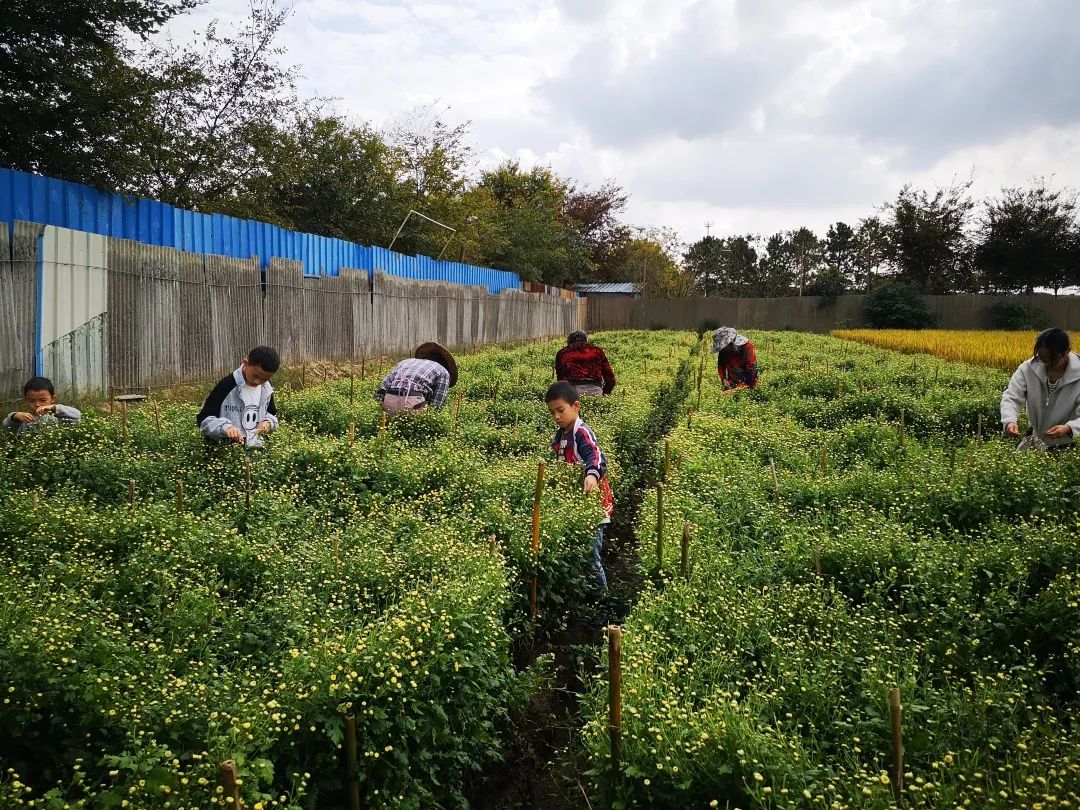
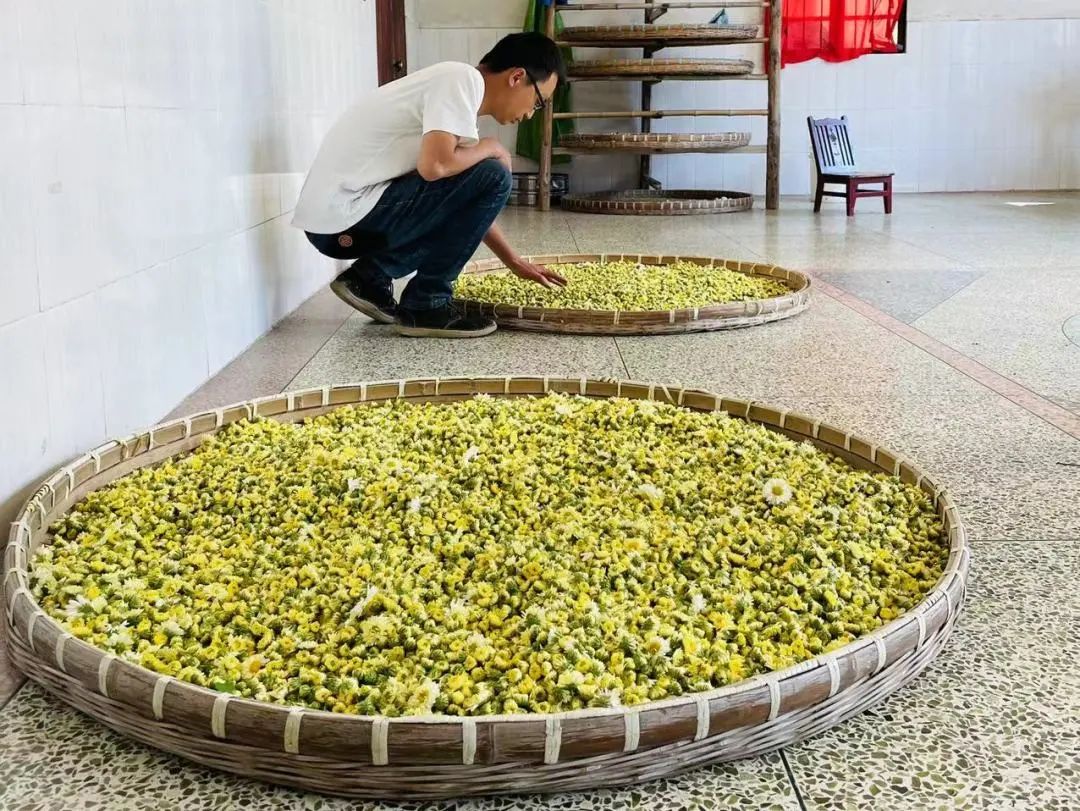
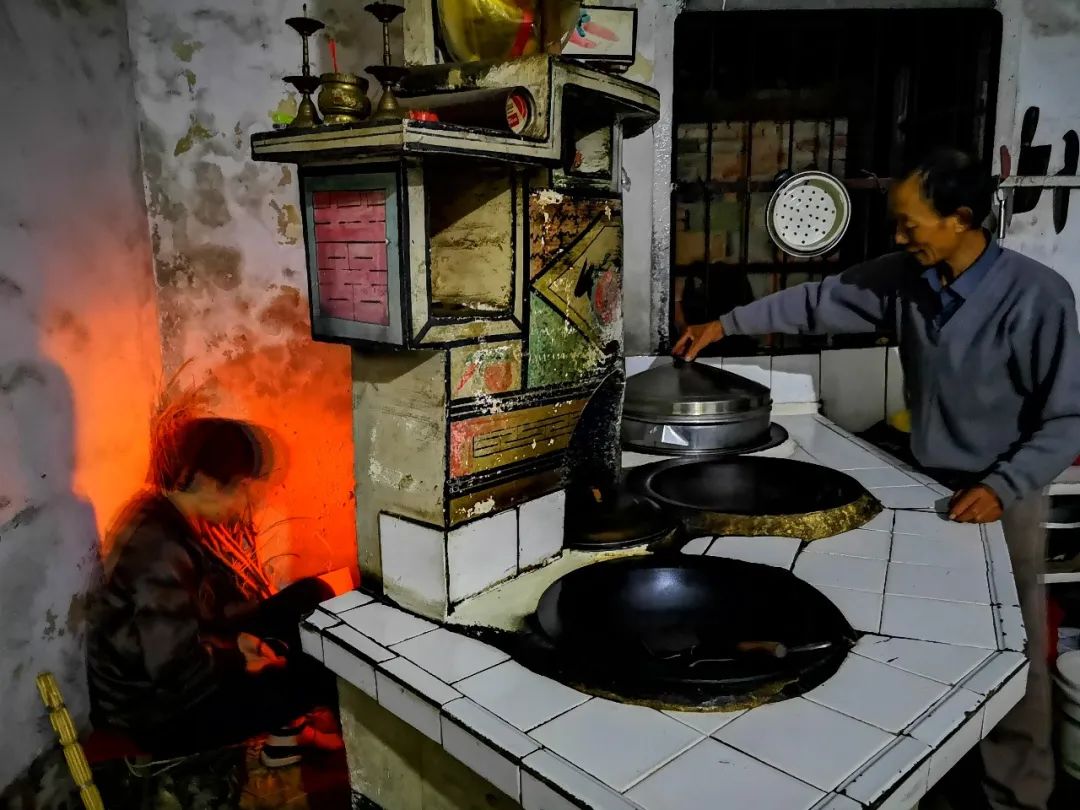
In reality, picking chrysanthemums is far from the leisurely pursuit depicted by Tao Yuanming; a single mu of Hangbai chrysanthemums requires four to five workers. They pick by day and process the tea by night. The production involves firewood, fixing (shaqing), air-drying, and kiln-drying. It is a month of relentless toil from dawn till dusk.
The traditional processing techniques of Tongxiang Hangbai chrysanthemums were added to the Zhejiang Provincial List of Representative Intangible Cultural Heritage projects as early as 2012; its cultivation system was also included in the first batch of Zhejiang’s ‘Important Agricultural Heritage’ resources last year.
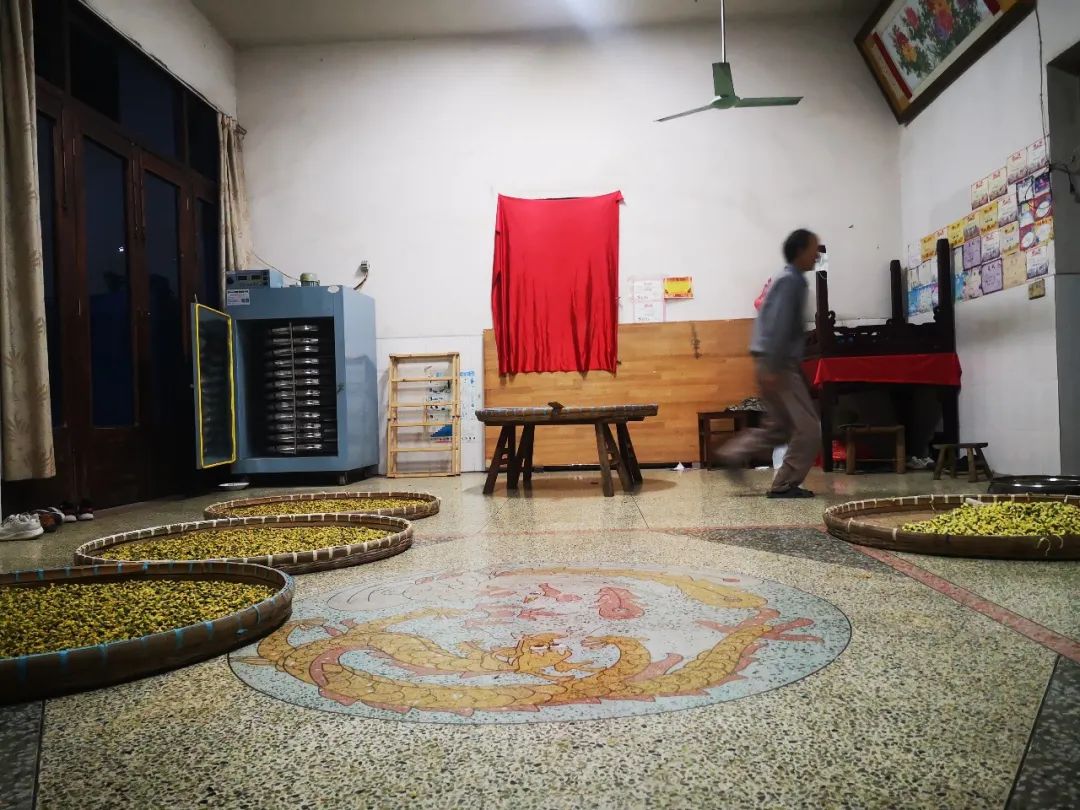
Tea factories were receiving fewer and fewer authentic Hangbai chrysanthemums. Much like the ‘bathed’ Yangcheng Lake hairy crabs, chrysanthemums from other regions would take a ‘one-day tour’ of Tongxiang before being sold as authentic Hang chrysanthemums; this had long since become an open and widespread industry practice.
II. The Disappearance of Culture and the Collapse of the Agricultural System
“What was taken from the farmers was not merely their land, but their homeland, their past, their roots, and even their identity. If you take away the things they have grown accustomed to seeing and expecting to see, in a sense, you have also taken away their eyes.”
— Isak Dinesen
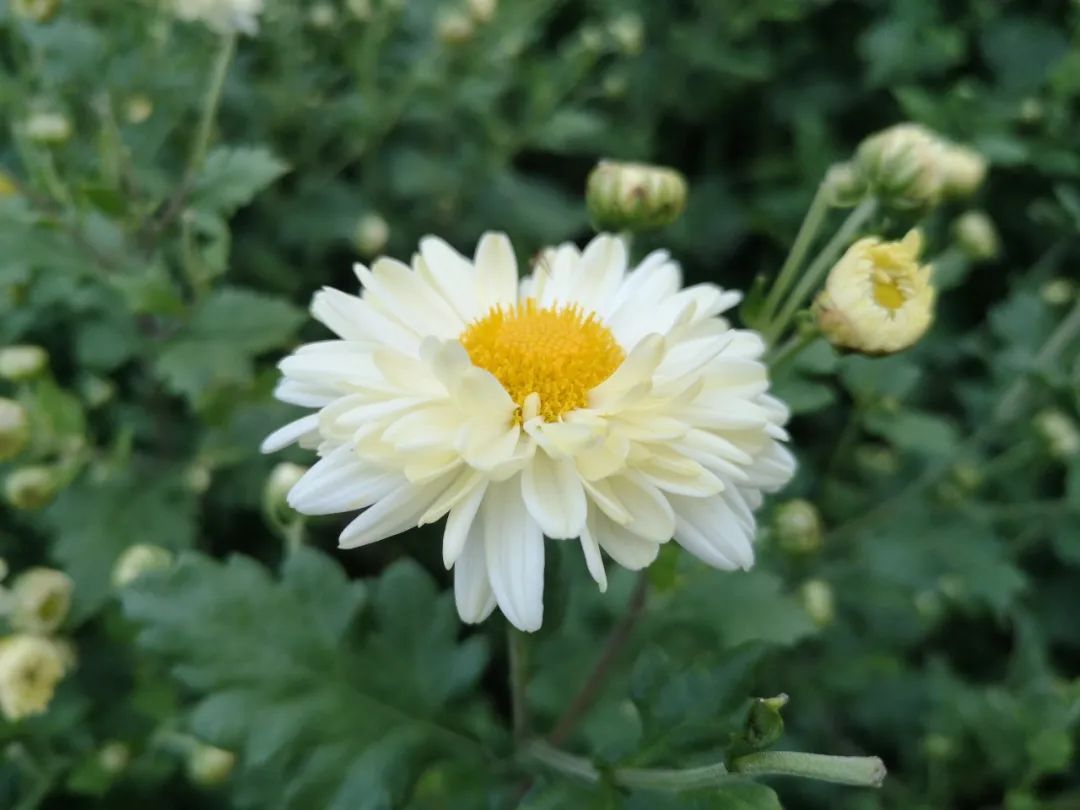
In reality, the Hangzhou White Chrysanthemum has never existed in isolation; its disappearance is the loss of an entire system and a culture.
Silkworms, mulberry, Hangzhou White Chrysanthemums, Lake Sheep, pickled mustard tuber, rice, and pond fish—these diversified crops and their internal energy cycles constituted the enduring and stable agricultural system and way of life of the Hangzhou-Jiaxing-Huzhou plain. This system is discussed extensively in *The 4,000-Year-Old Farmer*, a seminal work on ecological agriculture.
But over the past twenty years, and particularly in recent years, this sustainable agricultural system has been collapsing at an accelerating pace.
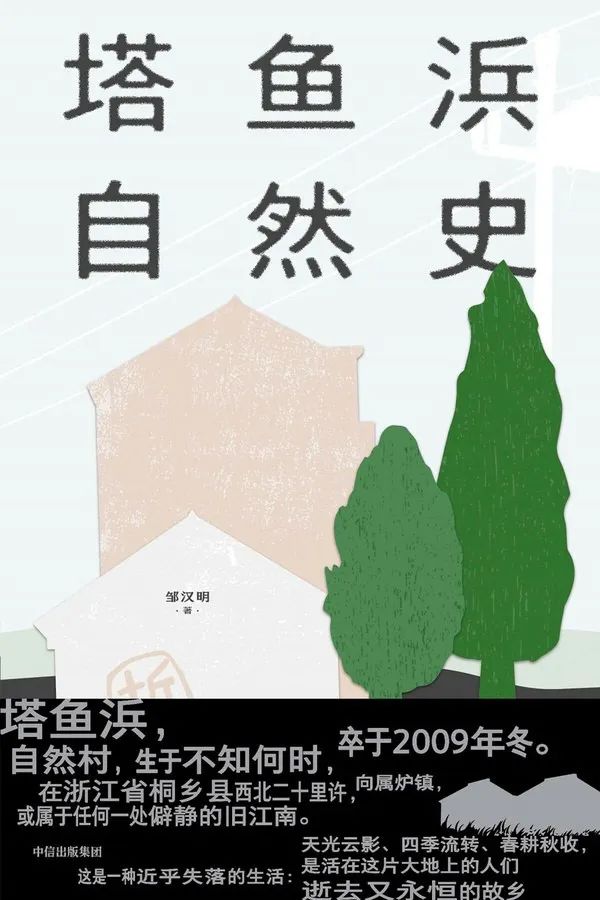
The most striking manifestation is the disappearance of natural villages, such as Tayu-bang.
Those familiar houses
Houses that seemed to have grown from the earth
Uprooted by excavators
The land that nurtured generations
Swiftly levelled
Sown with rapeseed
When next spring comes
It will shimmer in gold once more
——Written one year, after the villagers’ houses were demolished
III. Six Years of Growing Chrysanthemums
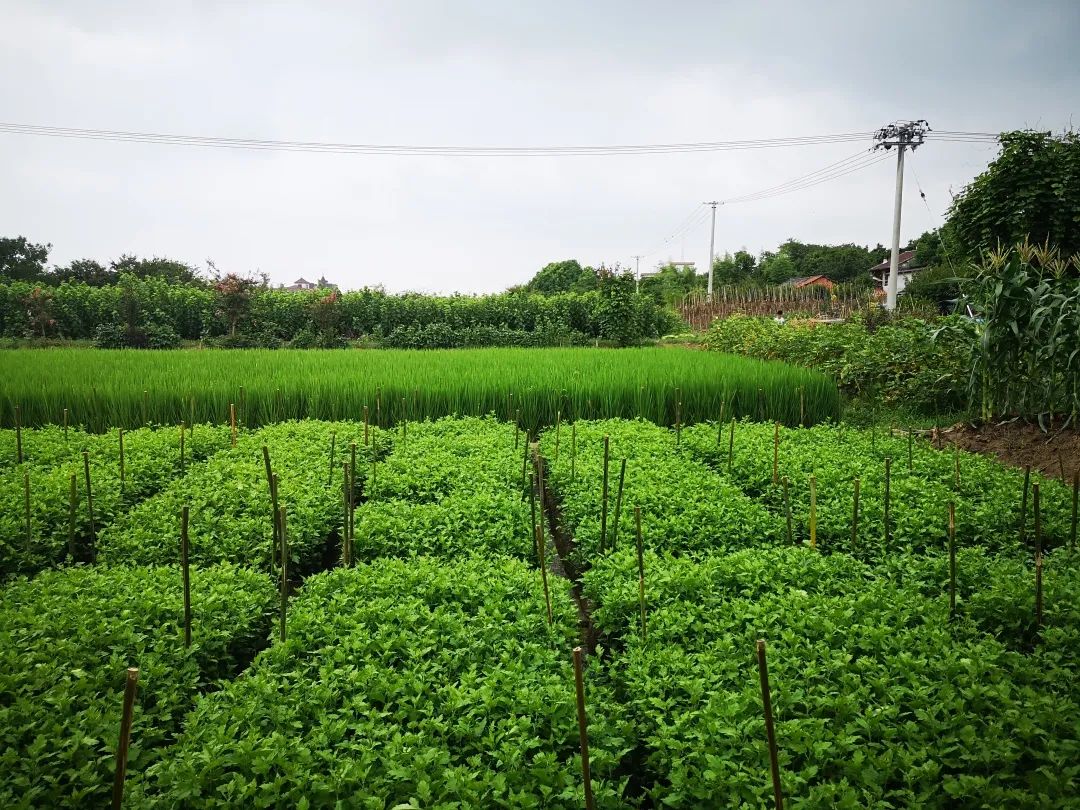
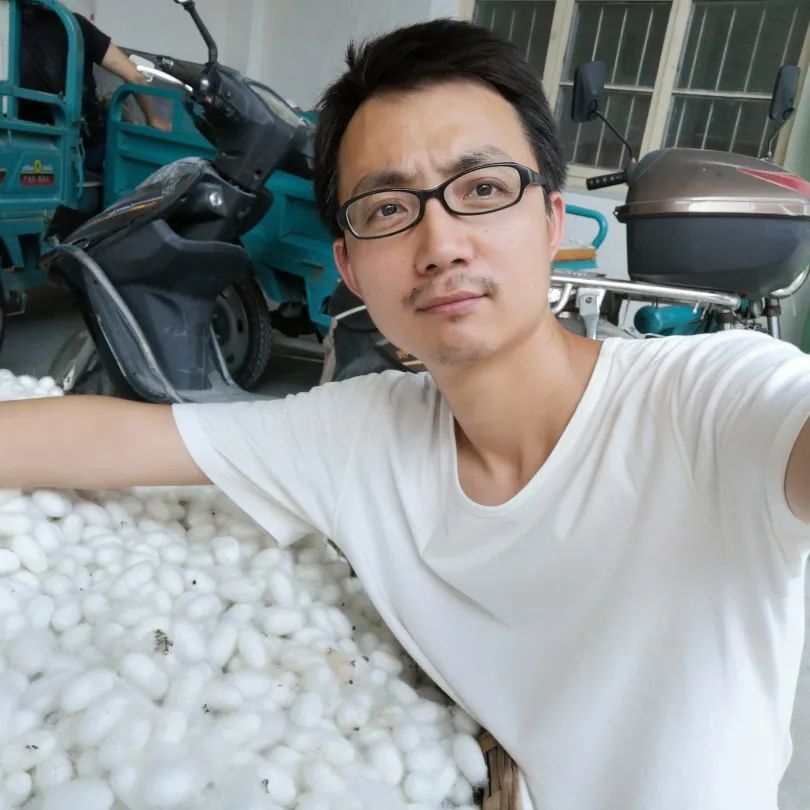
Starting with silkworm rearing and the making of silk quilts, we began the ecological cultivation of Hangbai chrysanthemums in 2017. No one in the village had grown them for a long time; at first, we could only find a few seedlings.
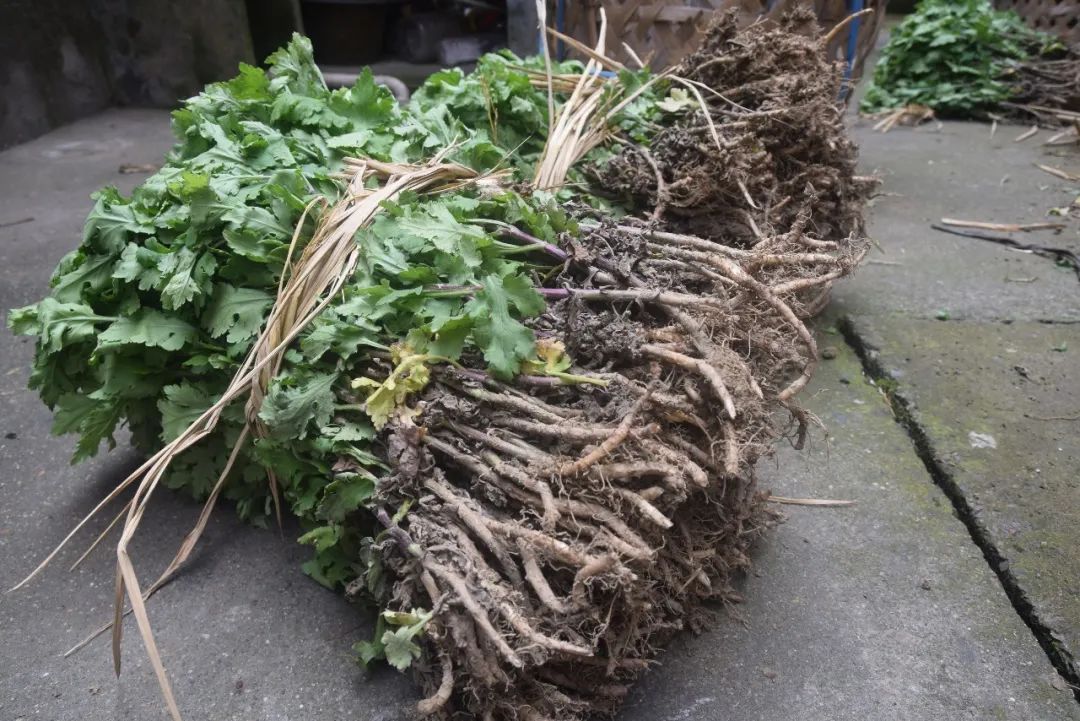
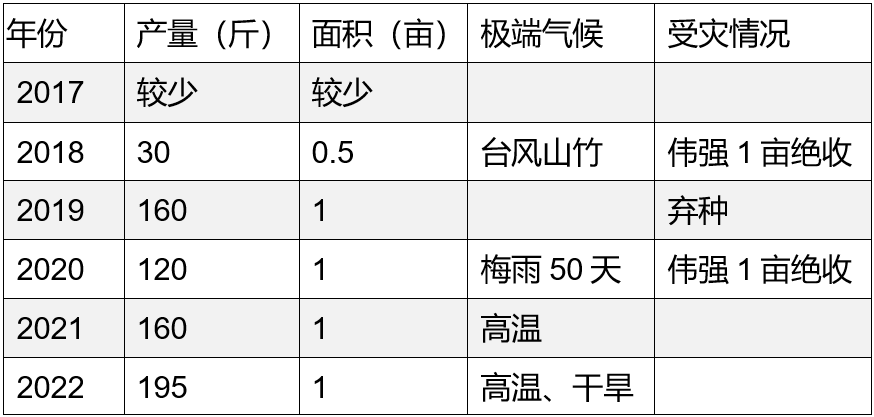
In 2018, I brought a bundle of chrysanthemum seedlings from the home of my classmate, Weiqiang, who lived in the neighbouring town, so that we could carry out an ecological farming experiment together. My family managed 0.5 mu, while Weiqiang’s family had 1 mu. Then came Typhoon Mangkhut; Weiqiang’s crop was entirely lost to flooding. Ours survived thanks to better terrain and drainage, though we only harvested 30 jin.
In 2019, we expanded the plot from 0.5 mu to 1 mu.
In 2020, the weather in the Jiangnan region was exceptionally extreme. The Plum Rains lasted for over 50 days (compared to the usual 30), followed by intense heat, typhoons, and then drought. Weiqiang’s 1 mu of Hangbai chrysanthemums suffered another total crop failure, and he gave up planting after that.
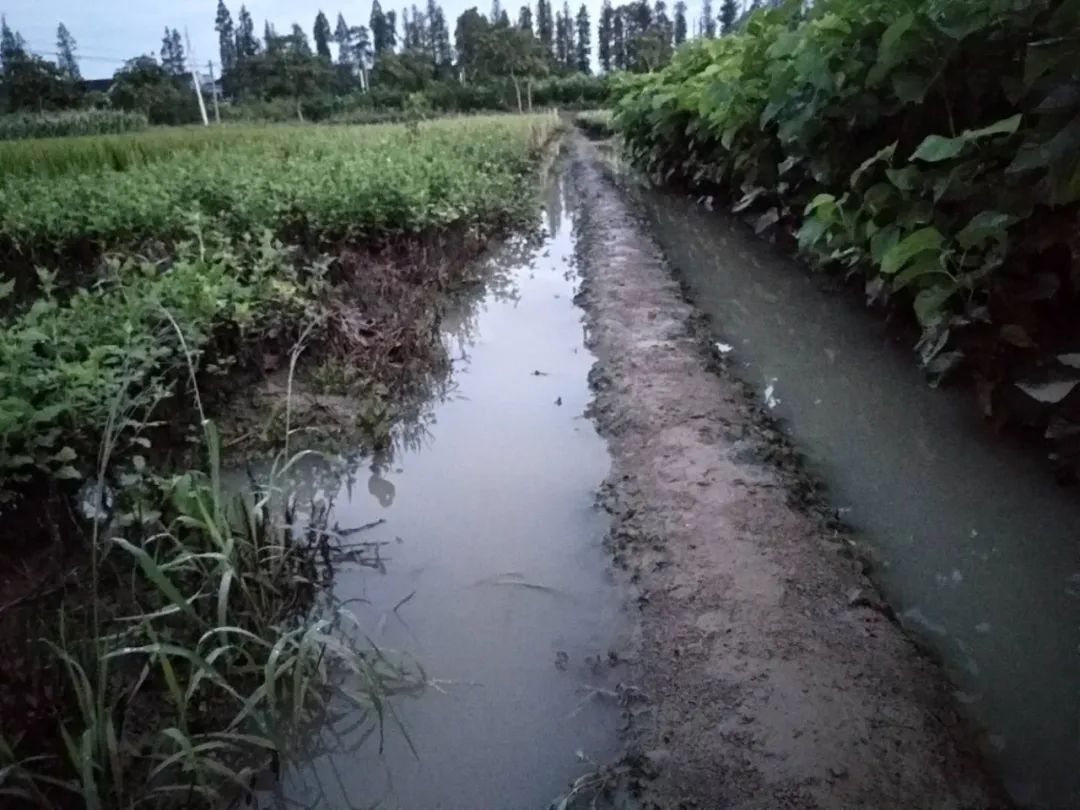
Over the past two years, the extreme weather has mainly taken the form of high temperatures, yet our Hangbai chrysanthemums have remained relatively stable. Our analysis indicates that this is closely linked to our ecological farming methods.
IV. Rebuilding the Connection between Humanity and Nature
For instance, the local waterways are named with meticulous precision. *Hu, bang, lou, tan, gang, yang*… rather than being generically referred to as “rivers”. Behind each term lies a specific definition referring to a particular geographical feature, allowing for appropriate environmental management. For example, *bang* refers to a “dead-end river”, typically the terminus of a waterway, making it suitable for village settlements; *gang* refers to a larger river that connects to the outside world and has a deeper draft, capable of accommodating larger vessels.
Traditional farmers lived in harmony with this land, navigating their boats as if walking on solid ground. From heading south past Chang’an Dam to Hangzhou, west to Changxing, spending a night beneath a bridge in Nanxun, to travelling north along the shores of Lake Tai to Suzhou. Wherever the tentacles of the water network reached, the people knew every inch of the plain’s skin.
If this concrete and meticulous observation of and understanding of nature constitutes a culture—the result of early ancestors’ collaborative practices with the natural world—then to revitalise the intangible cultural heritage of the Hangbai chrysanthemum today, we must rebuild the connection between humanity and nature.
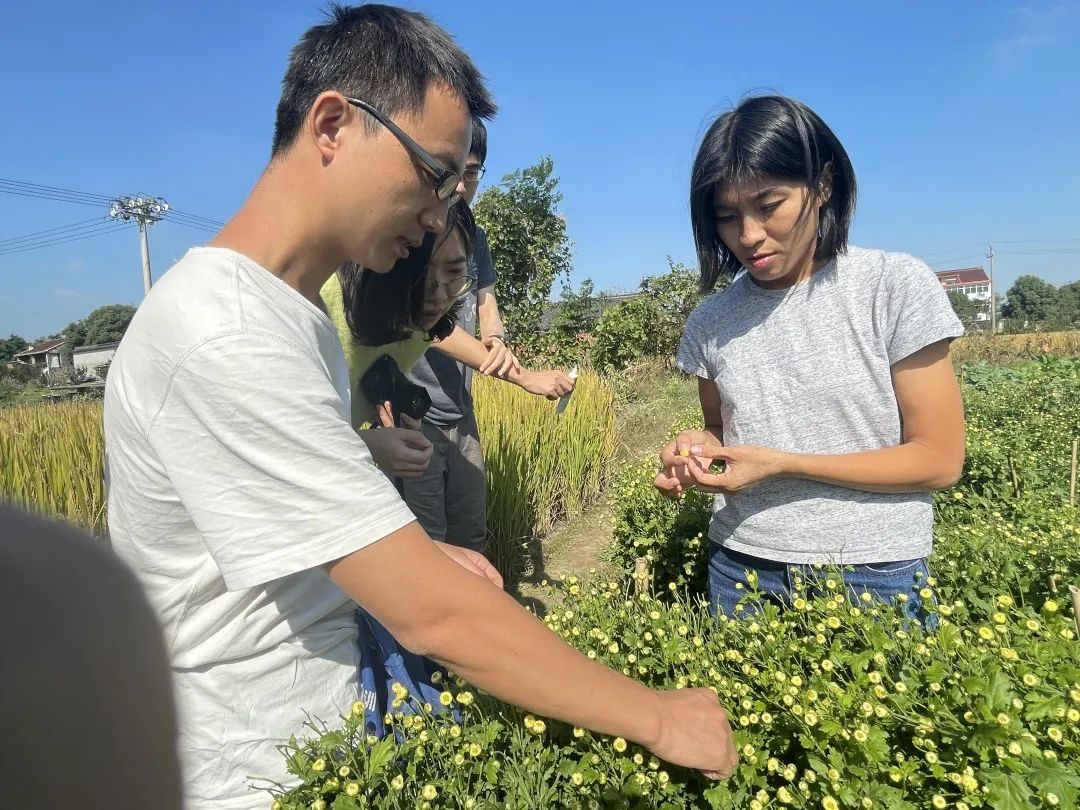
To some extent, this was a response to the irony of a ‘Chrysanthemum Town without chrysanthemums’, ensuring a guaranteed yield of Hangbai chrysanthemums.
However, when we return to the ecological essence of agricultural cultural heritage, this type of industrialised farming is incapable of fulfilling the mission of cultural preservation.
To sustain the traditions of the Chrysanthemum Town, it is not enough to simply list them as intangible cultural heritage, designate protected areas, or engage in conventional farming. The key lies in restoring the culture and reconnecting it with nature and people.
V. In the fields, culture is found in the way we fertilise and weed
Compared to the vast quantities of ‘treated’ Hangbai chrysanthemums on the market, our commitment to local cultivation is already a rarity; to do so using ecological methods makes scaling up even more challenging.
Yet we remain convinced that ecological cultivation is the essential pathway to preserving the culture of the Hangbai chrysanthemum.
Localising the Sourcing of Organic Fertilisers
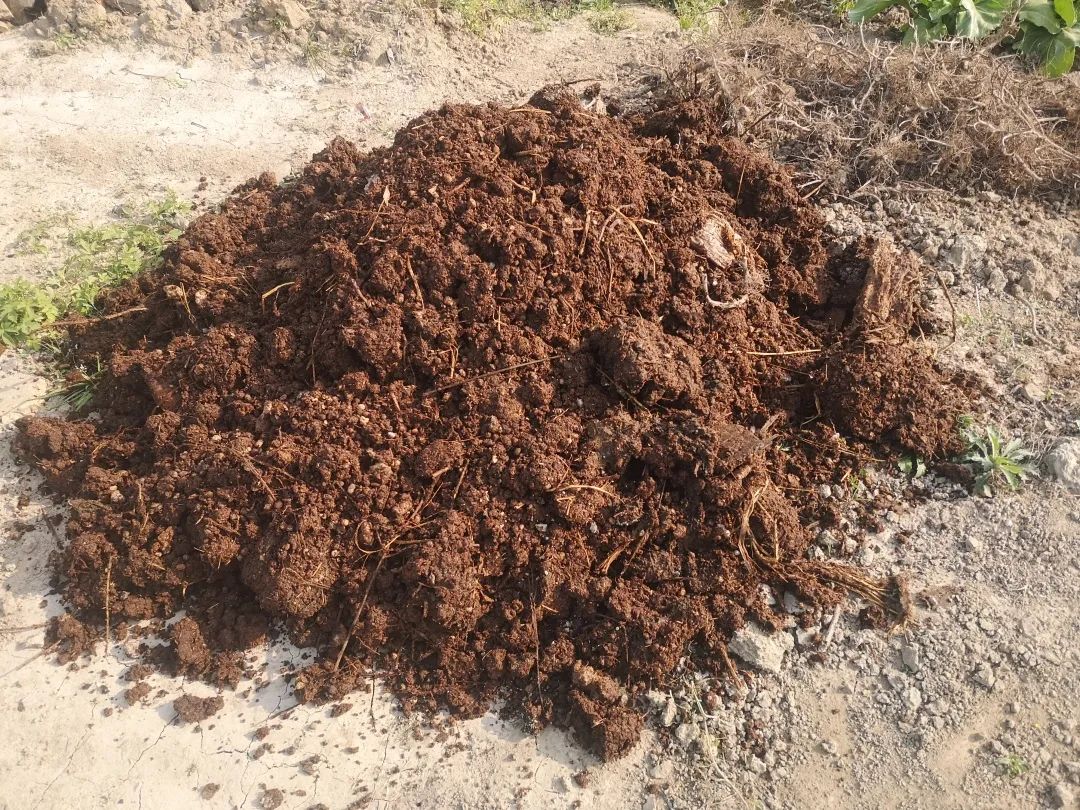
With the disappearance of traditional farming and sericulture lifestyles, local silkworm rearing and traditional Hu sheep breeding have declined sharply, making silkworm frass and sheep manure increasingly difficult to obtain. Previously, the Hu sheep manure for spring ploughing came from my aunt’s home in a neighbouring village, but they sold their sheep last year as well.
Eventually, I found a Hu sheep breeder near my uncle’s house. They keep 20 Hu sheep; they are not fed commercial fodder but are grazed on hand-cut grass, ensuring a reliable source.
Should the chrysanthemum garden expand in the future, sourcing organic fertiliser will be a challenge.
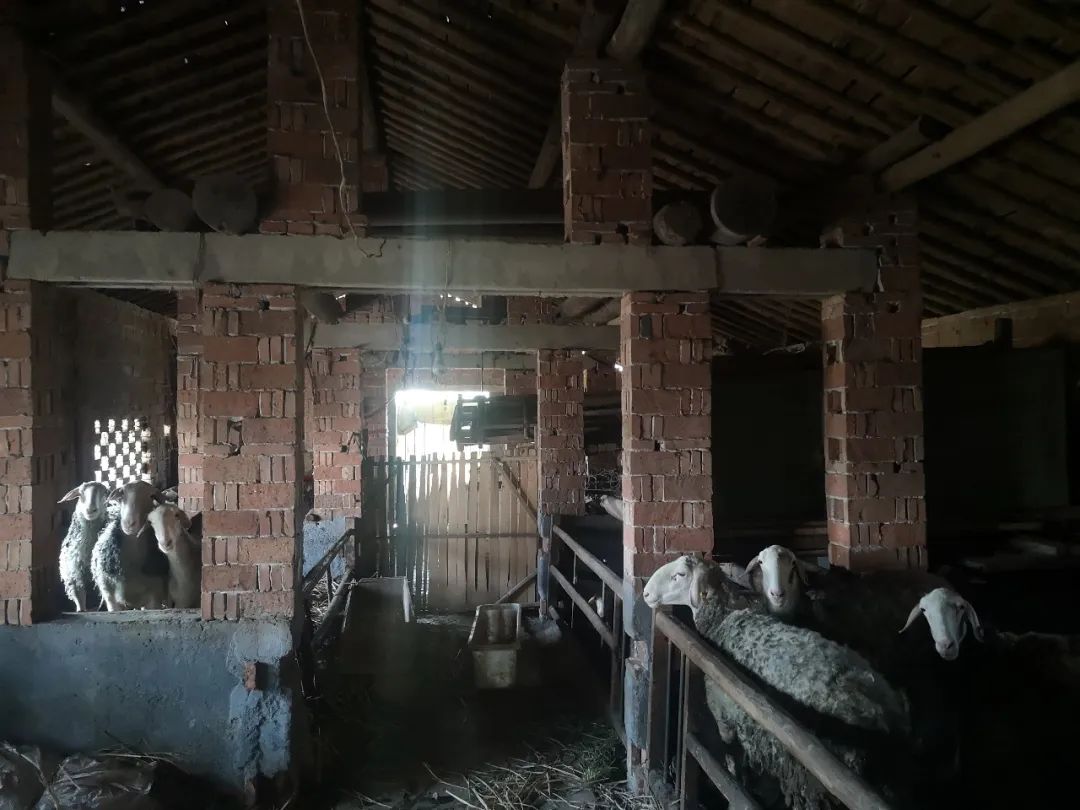
Chicken manure is available nearby, but we cannot use it due to the potential for heavy metal residues associated with industrial-scale poultry farming.
There is, however, a local ecological pig farm; their pig manure is free from heavy metal pollution and has already been processed into biochar organic fertiliser, making it a viable option.
In 2019, we also visited Huangshan to study modern composting techniques with 84-year-old Mr Hideo Ikeda, hoping to explore new possibilities for composting beyond traditional sheep and silkworm manure.
Mulching and Climate Resilience
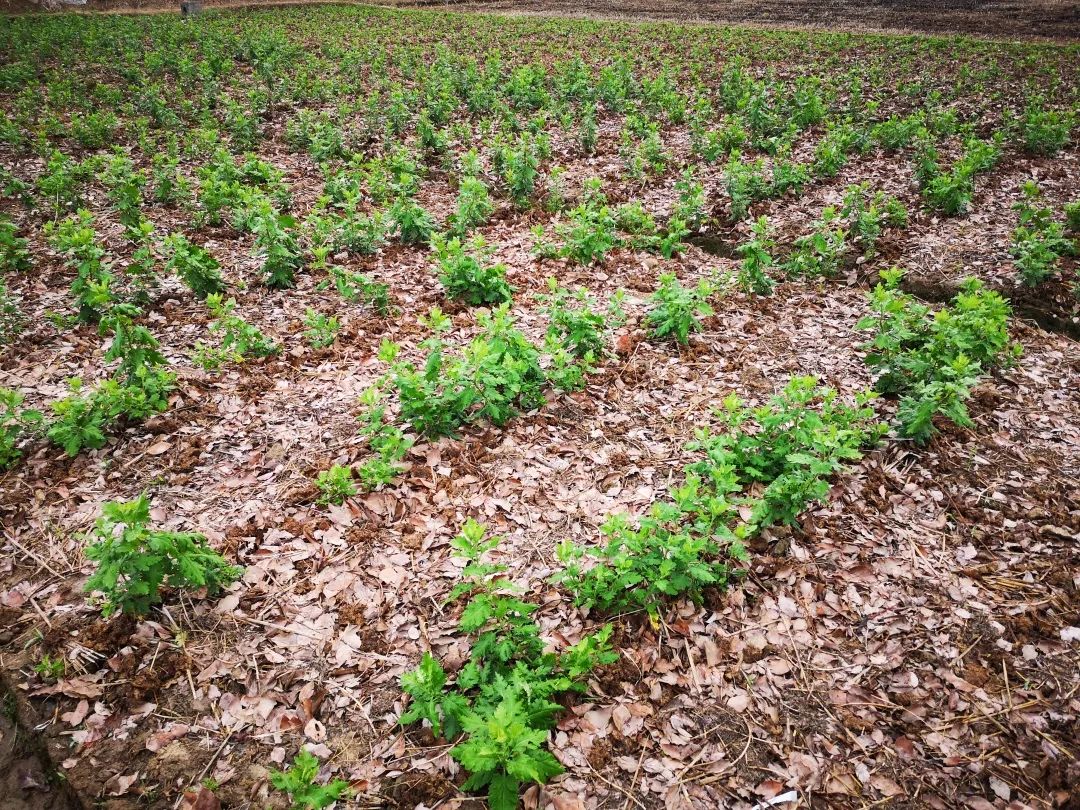
Traditional cultivation methods place great importance on the practices of pinning and topping, requiring the stems to be pinned twice and topped three times. Beyond increasing flower buds and saving space, I later discovered that these techniques hold particular ecological value.
Pinning allows the chrysanthemum plants to spread across the ground, thereby protecting the soil. The timing of topping coincides exactly with the hot and humid rainy season of the Jiangnan region, a period when chrysanthemums are particularly susceptible to pests and diseases. By topping the plants, overly dense upper foliage is removed, which improves ventilation. The leaves pruned during this process can then be used as mulch for other crops; when lifted, they reveal an abundance of white mycelium, a sign of fertile soil.
As the rainy season ends, autumn often brings a risk of drought. By this stage, topping has ceased, and the chrysanthemum plants completely cover the ground. They serve a dual purpose—acting as both the primary crop and a cover crop—which keeps the soil moist.
This is why, even during sustained temperatures of 40°C, our Hangbai Chrysanthemum fields require very little watering, demonstrating remarkable climate resilience.
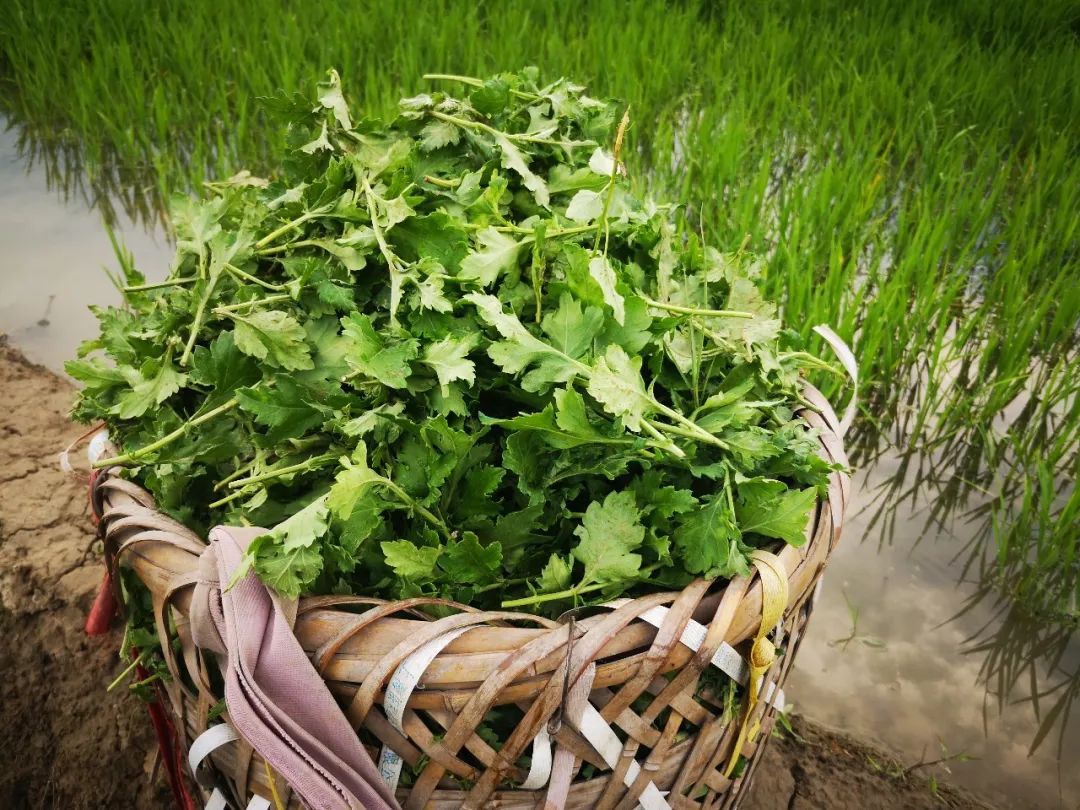
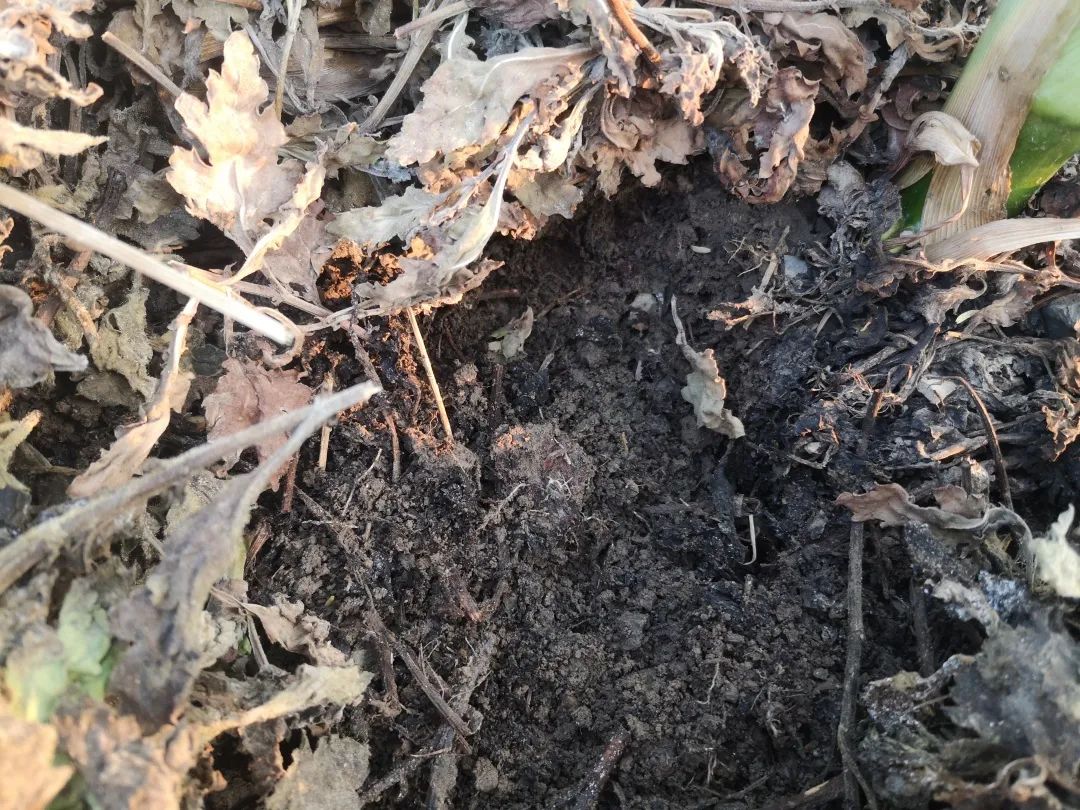
Wet-Dry Crop Rotation
Biodiversity and Landscape
Yet, traditional farming possesses a rich biodiversity; it is beautiful even before the blossoms arrive.
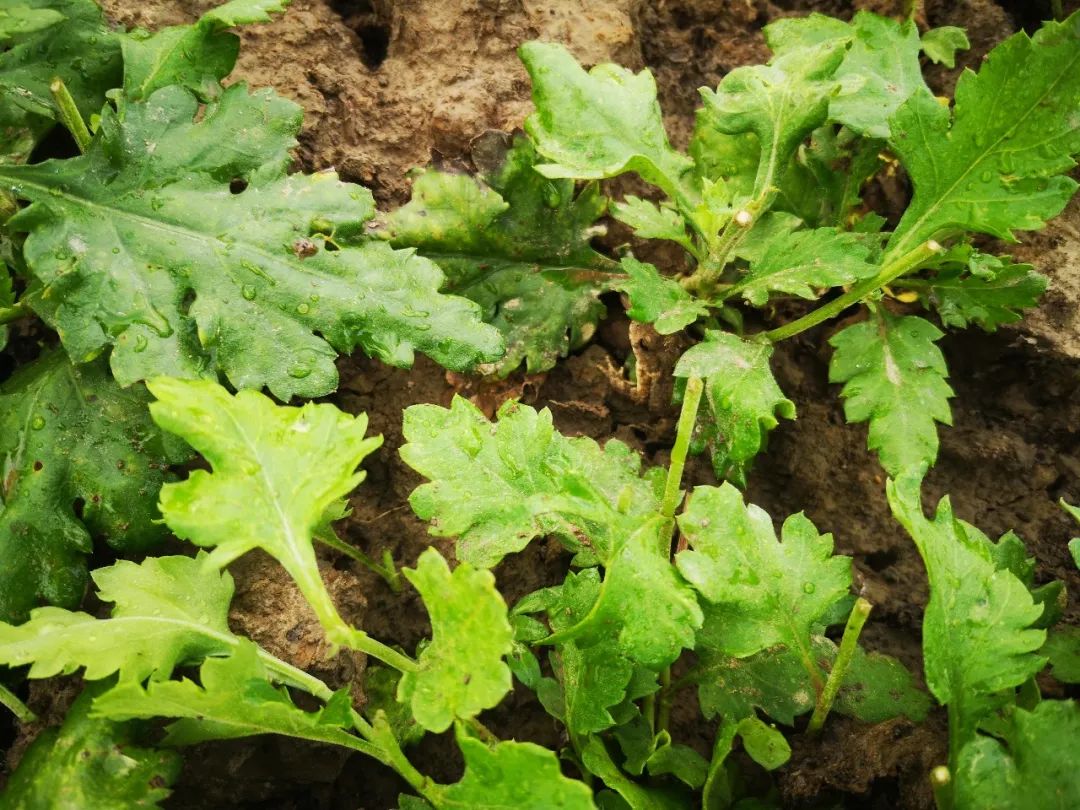
Thanks to ecological farming, we have discovered toads in the chrysanthemum fields. Toads seem more sensitive to their environment than frogs. While the chorus of frogs returns every year as expected, we hadn’t seen a toad here for over a decade.
They were preying on millipedes—multi-legged insects similar to centipedes that appear in swarms in the Hangbai chrysanthemum fields to devour the seedlings. It turns out that an outbreak of millipedes attracted the long-absent toads. Though the fields are small, ecological farming has sparked a positive shift in biodiversity.
VI. This Year’s Hangbai Chrysanthemums
This particular vintage was destined to be “unusual”.
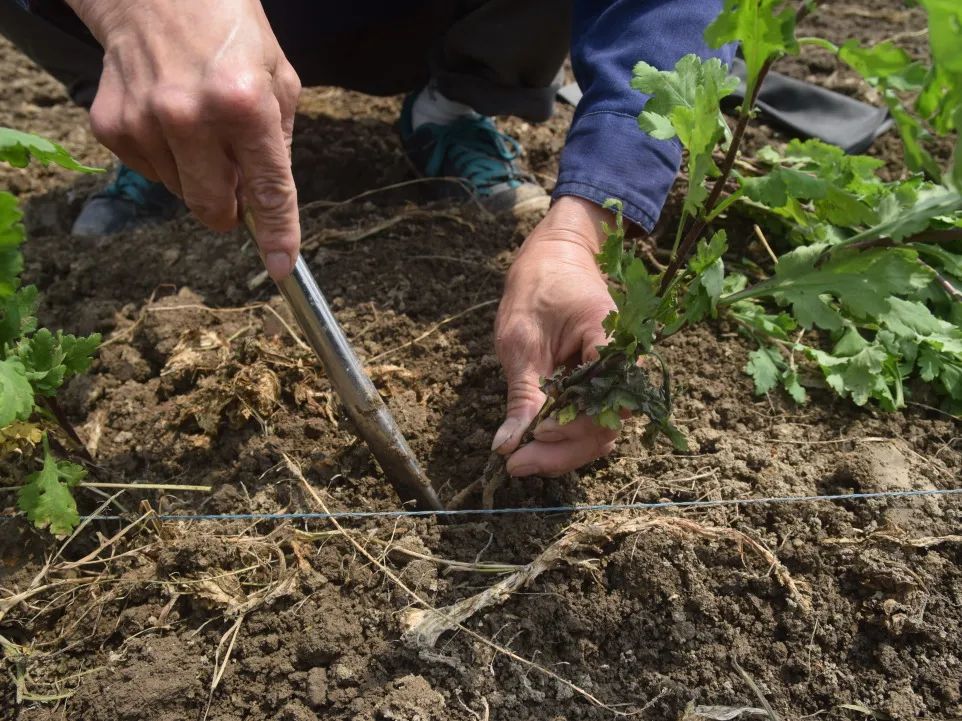
Scrolling through my social feed to find the planting records, I was surprised by how much time seemed to have passed, even though it was only a year ago:
Around the time of the initial cuttings in early year, the Russia-Ukraine war and the Shanghai lockdown broke out;
In May and June, during the layering process, the village faced intermittent lockdowns and frequent mass PCR testing. Meanwhile, the plum rain season, which usually lasts a whole month, failed to bring a single drop, resulting in an “empty plum rain”;
In August, during the hooding stage, we faced extreme temperatures peaking at 40 degrees;
Followed by droughts in September and October.
Despite these challenges, we managed to harvest 195 jin.
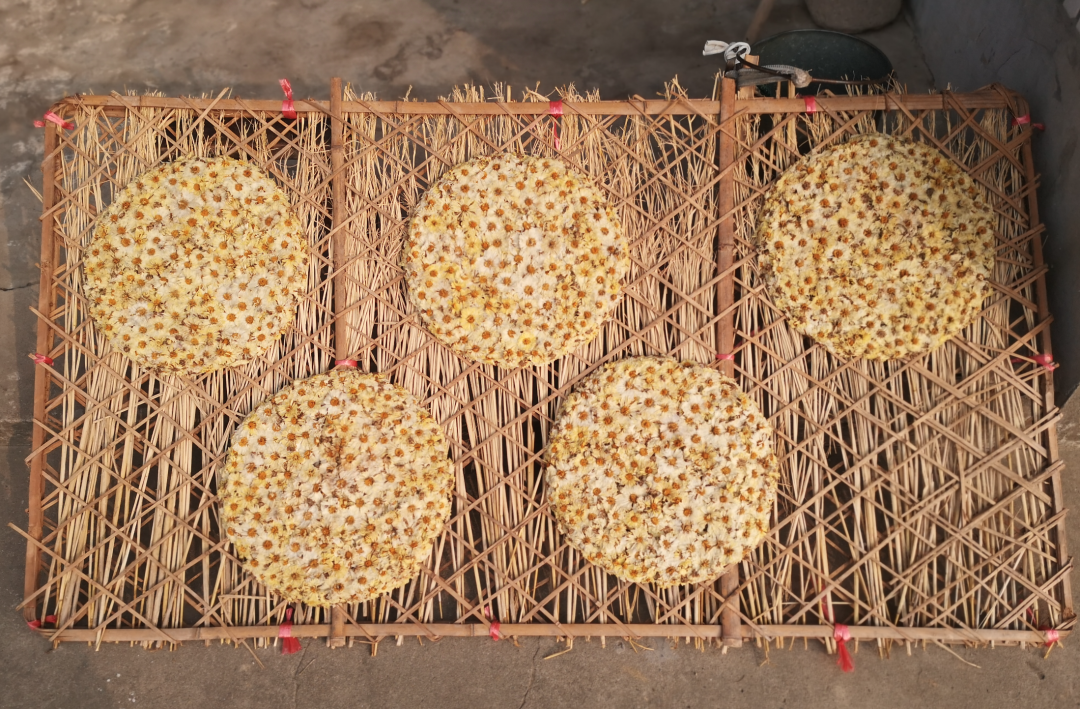
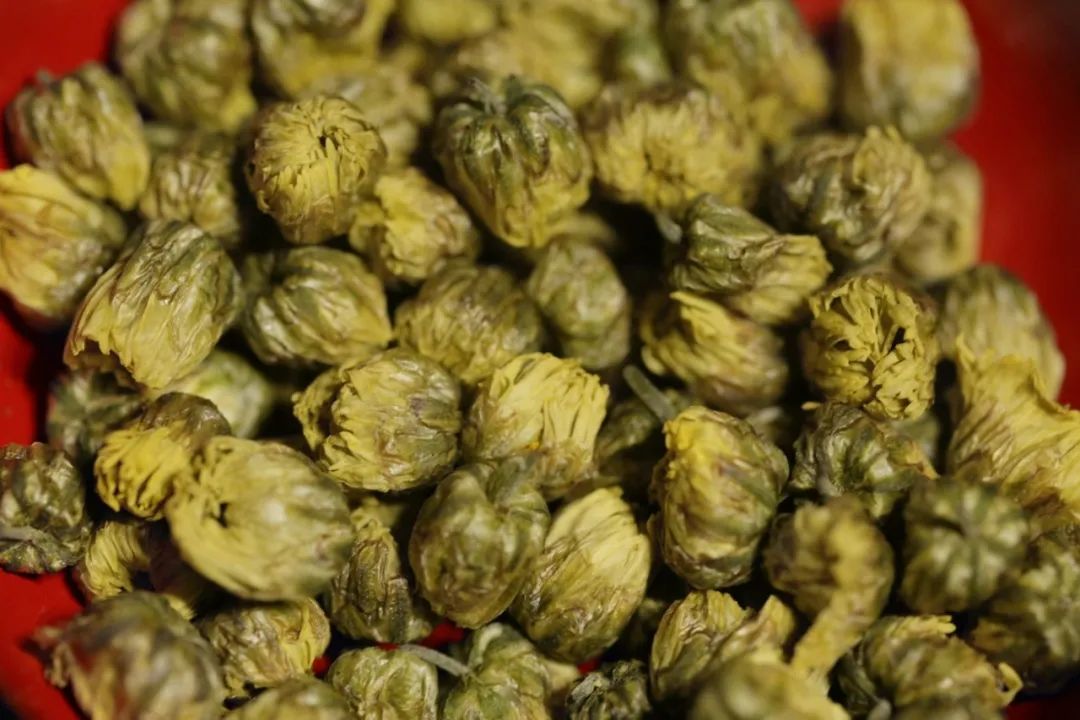
The 2023 Hangbai chrysanthemums are expected to be planted around the Qingming Festival, and the area remains just one mu. This single mu is now not only the only plot of Hangbai chrysanthemums in the village, but also the only piece of land still farmed by a villager—at the start of the year, all other fields in the village were leased to large-scale commercial farmers.
Unless otherwise noted, all images are provided by the author
Editor: Tianle