
The Wanderer’s Journey: So Many Surprising Ways to Enjoy Yogurt!
I.
Driven by curiosity, I turned my attention to dairy fermentation, particularly yoghurt. Commercially produced yoghurt typically relies on a single bacterial strain, purified in a laboratory and freeze-dried at low temperatures (most commonly thermophilic streptococcus and Bulgarian lactobacillus). While relying on a single strain ensures food safety and a consistent flavour in mass production, it also strips away the culture’s ability to continue fermenting, a natural process that traditionally preserved the product for longer periods.


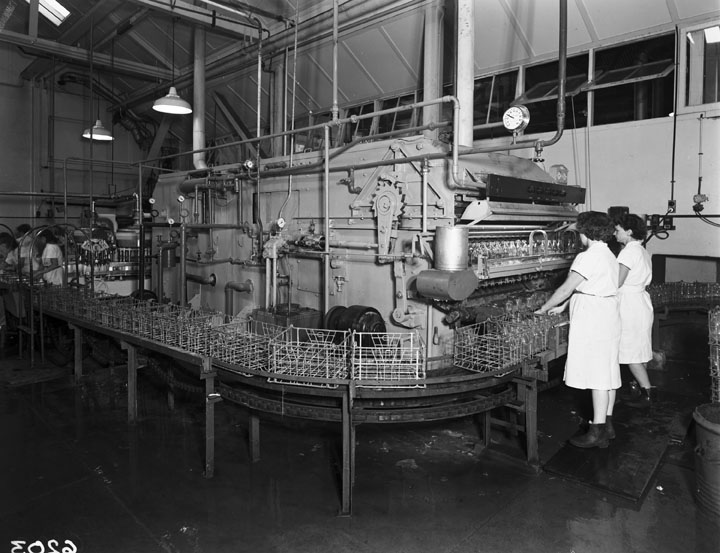
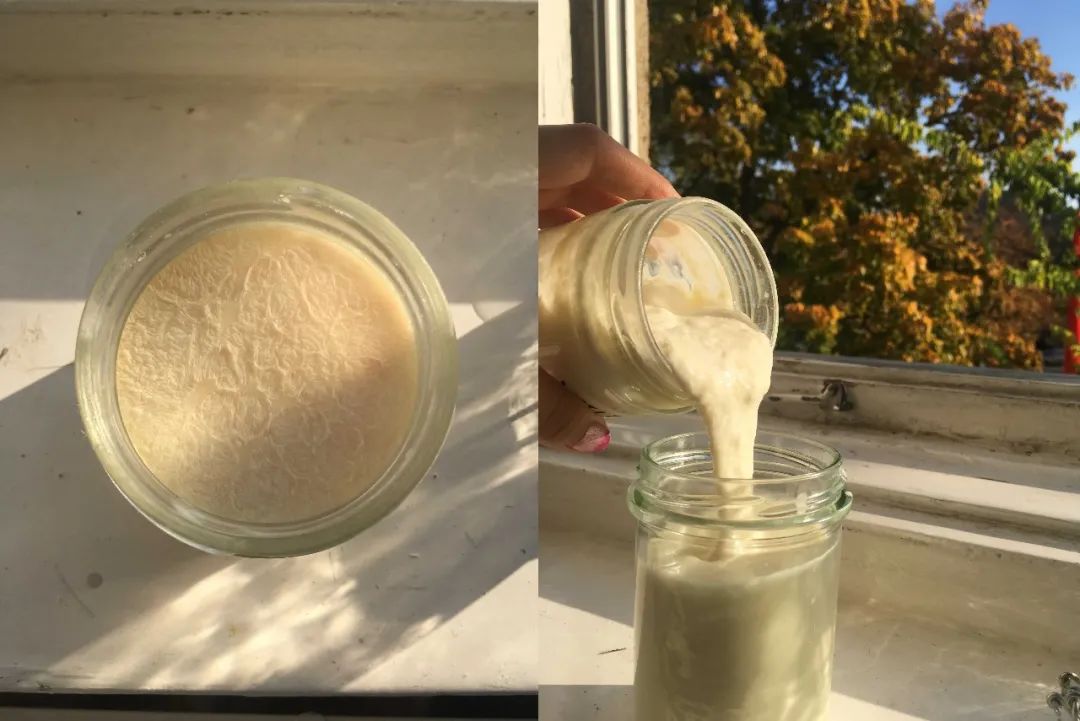
In contrast stands naturally fermented yoghurt (sour milk): a small amount of pre-fermented yoghurt (starter culture) is stirred into fresh milk and left at room temperature. This provides the microorganisms within the starter with an ideal environment for growth and reproduction (the warmth of the room) along with the nutrients they need (the fats in the milk), gently coaxing the milk into yoghurt.

To draw an analogy, the process resembles an ancient army laying siege to a city and gradually assimilating its native inhabitants. Across different regions, distinct varieties of yoghurt are “crafted” by unique microbial communities. Fermentation enthusiasts endlessly preserve and share these ancestral starter cultures, though the precise makeup of which microorganisms constitute them has long since become impossible to dissect or fully analyse.
Even when starting from the exact same source, yoghurts of the same variety will develop different colony compositions and levels of microbial activity depending on who cultivates them, where they are kept, and how they are stored. Through the passage of time and shifts in environment, they have evolved into resilient, highly adaptable micro-ecosystems. They tirelessly maintain and subtly transform the yoghurt’s flavour profile.
Gradually, I too embarked on my own modest journey of collecting starter cultures, tending to our miniature microbial “pets” alongside colleagues in the studio. Through this process, I have come to realise that the pleasure of fermenting food extends far beyond the final flavour alone; it lies largely in the exchanges and conversations shared with fellow fermentation enthusiasts.

II.
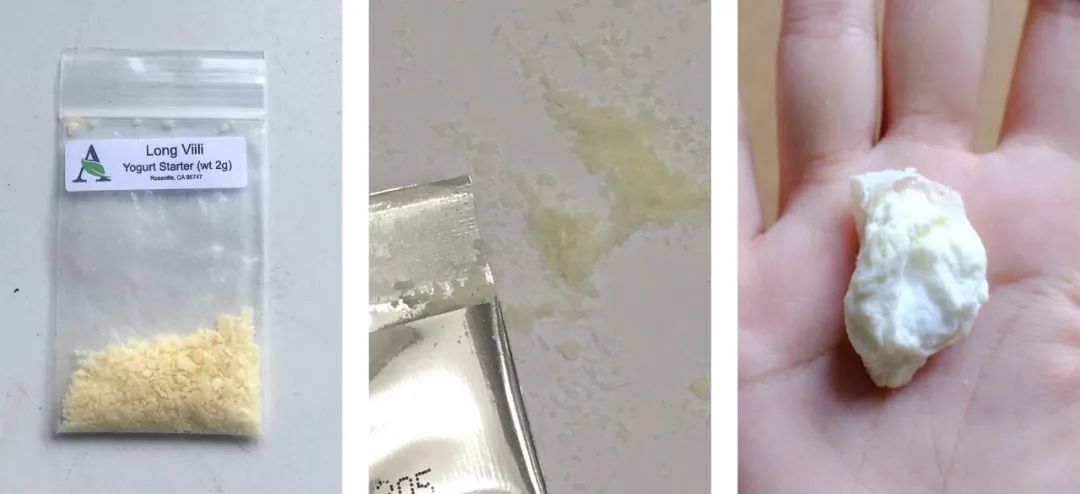
Rather amusingly, during my search for various starters, I have come across an array of makeshift “culture vessels” born of folk wisdom. Some soak cotton wool in yogurt before dehydrating it; others post little bags of dried yogurt flakes… These tiny microbes seem invariably to find a secure nook within the interstices of modern industrial civilisation, carrying on quietly in their own little world.

Author: Sandor Ellix Katz (US)
Series Planning: Lake Shore Culture
Publisher: CITIC Press Group
Translator: Wang Binghui
Publication Date: 20 April 2020
III.
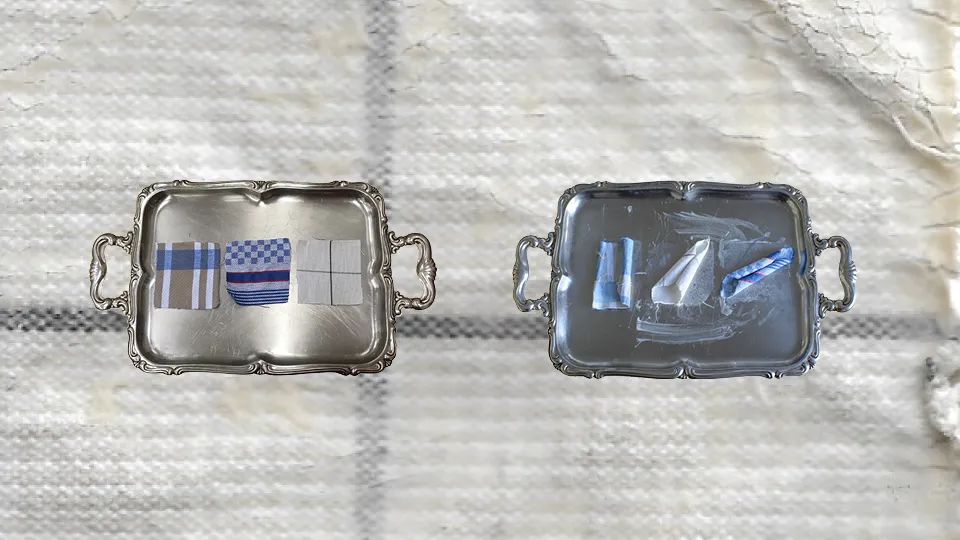
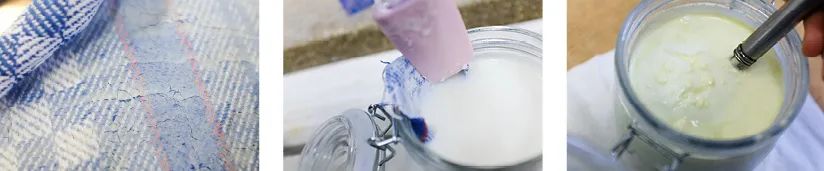
In both Germanic and Romance language families, the word ‘culture’ carries a dual meaning: it refers both to the cultivation of civilisation and to the cultivation of microbial colonies.
When it comes to fabric, we typically identify its cultural origins through the visual style of its weaving techniques or dyeing methods. In this sense, fabric serves as a medium for expressing ‘culture’ at a civilisational level.
Yet in the story of the Finnish immigrants, fabric became the literal carrier for microbial ‘culture’. This linguistic duality is quite intriguing, prompting me to consider how I might use fabric as a medium to simultaneously convey the multiple meanings of the word.
If spreading yoghurt onto fabric and letting it dry transforms the fabric into a ‘medium’ or ‘container’, can the yoghurt, as the ‘content’, be arranged or aesthetically refined within this fabric ‘container’?
If fabric acts as a carrier for yoghurt cultures, can it be repurposed after fulfilling its transport role? I turned my attention to the pristine, thick yoghurt itself—could this semi-liquid substance also serve as a pigment to depict the microorganisms within?
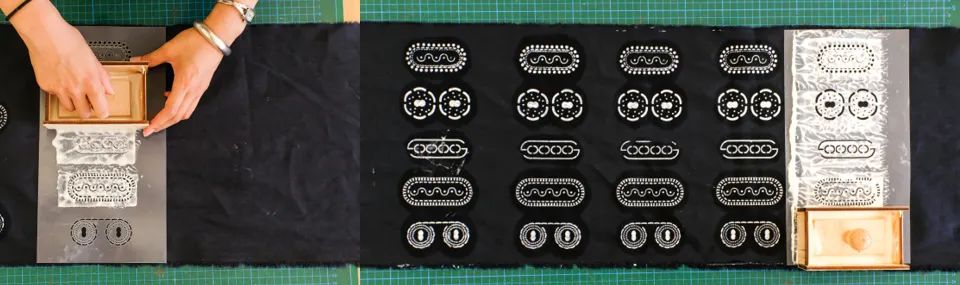
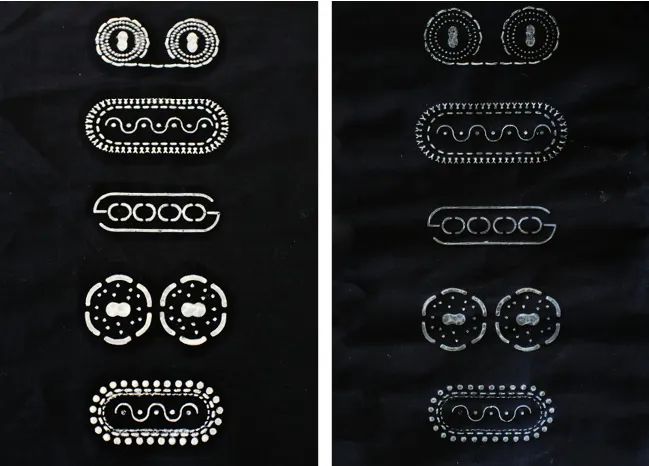
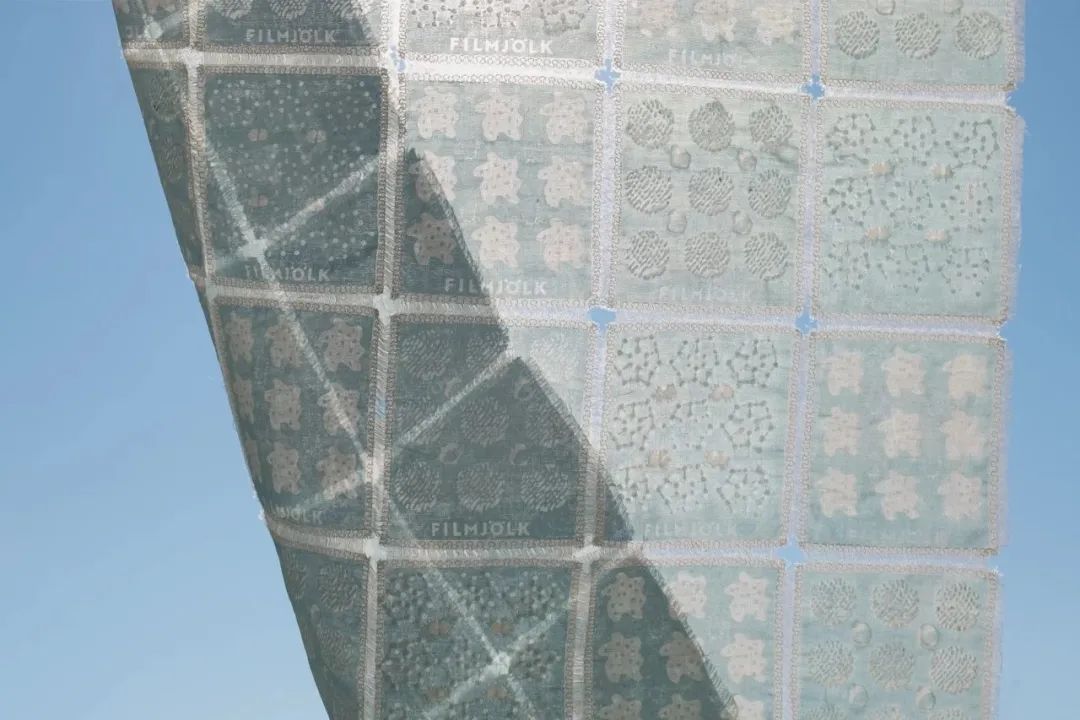
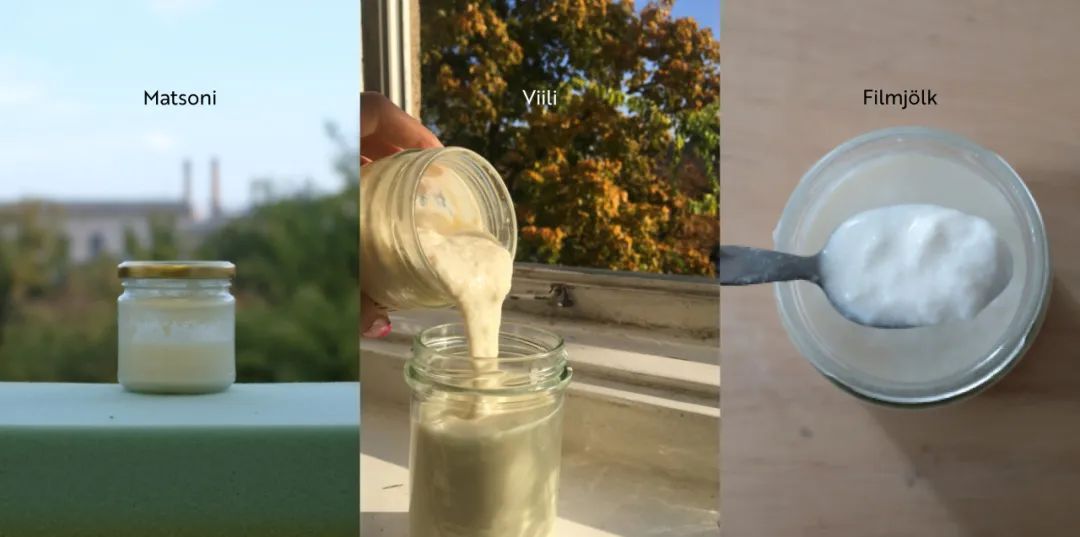
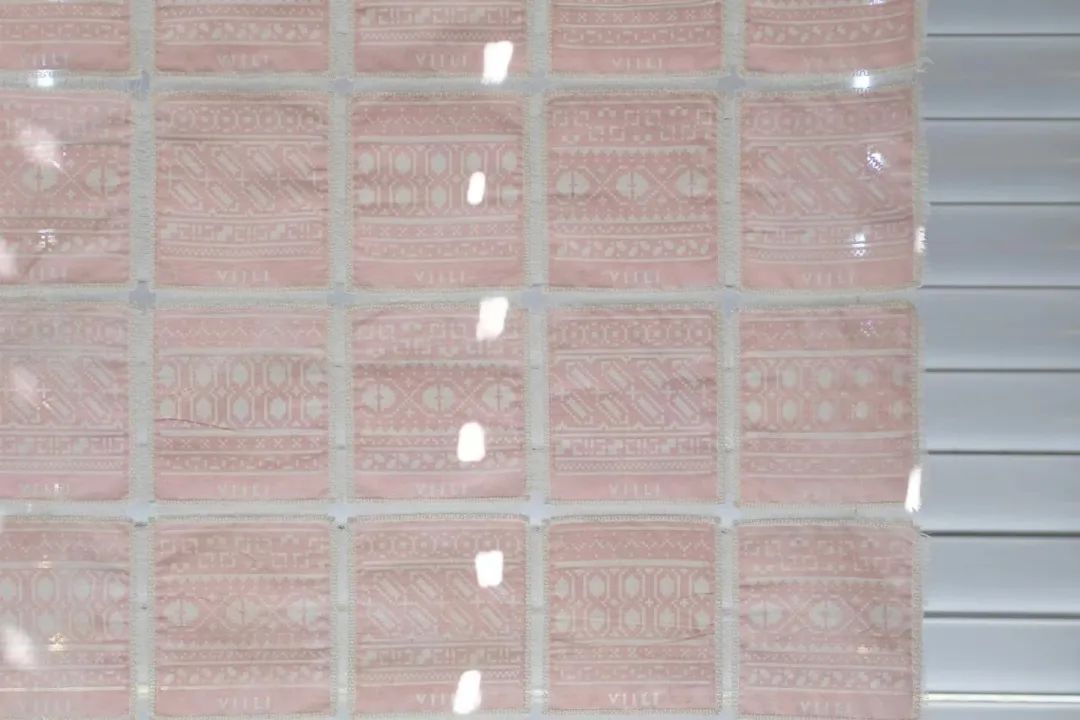
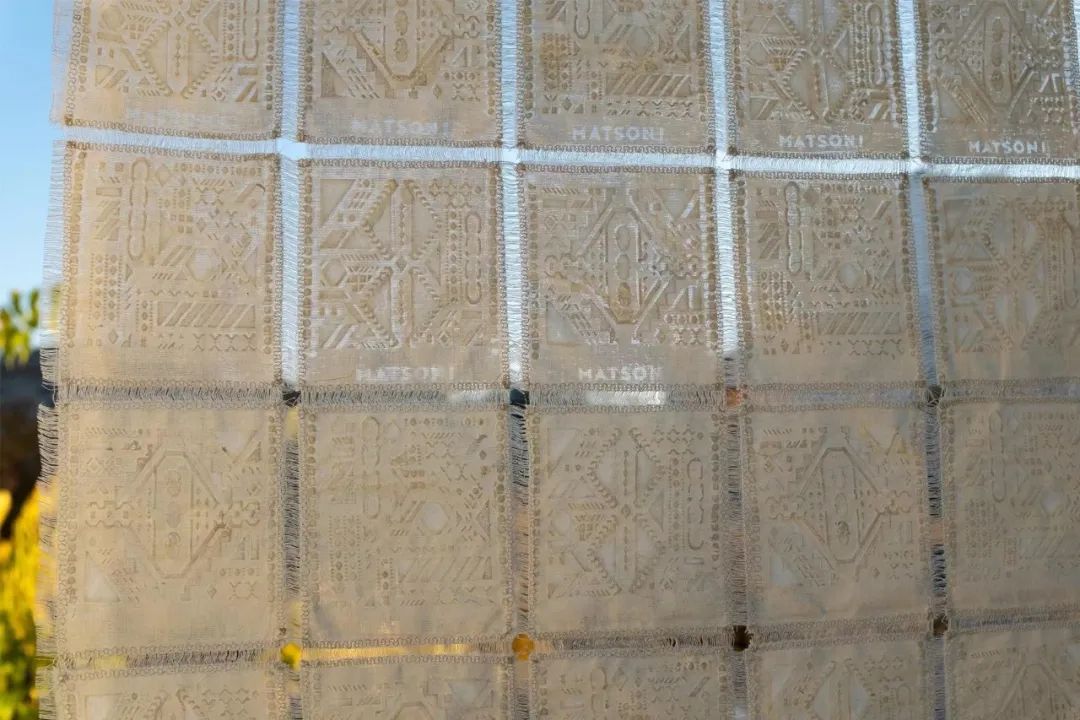
I selected three distinct yoghurts, each from a different cultural tradition: Finnish Viili, Georgian Matsoni, and Swedish Filmjölk. Each culture’s textiles possess a striking individuality: the geometric patterned carpets of Georgia, the checkered fabrics of Finland, the Kurbits motifs of Sweden……
I extracted the most representative visual elements from each culture to design three distinct graphic patterns, one for each yoghurt. The fabric acting as the container was divided into 10×10 cm squares. On each square, I used screen printing and food-grade dye to print the negative space of the pattern along with the corresponding yoghurt’s name. I then applied the yoghurt itself to fill in the positive space of each pattern and left it to dry.
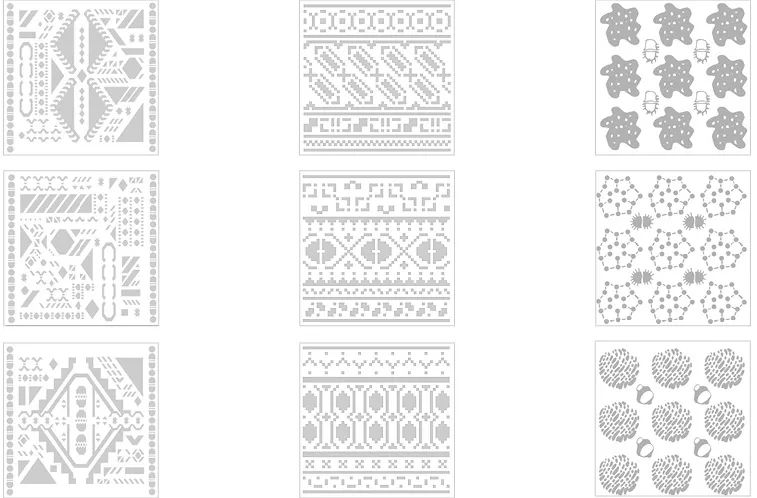
Once washed, the fabric sheds the milk pigment, leaving behind the screen-printed negative design. It can then be reused in subsequent fermentations as the cloth fastened across the jar opening, serving as a subtle reminder of which yoghurt variety is inside.
Making Process
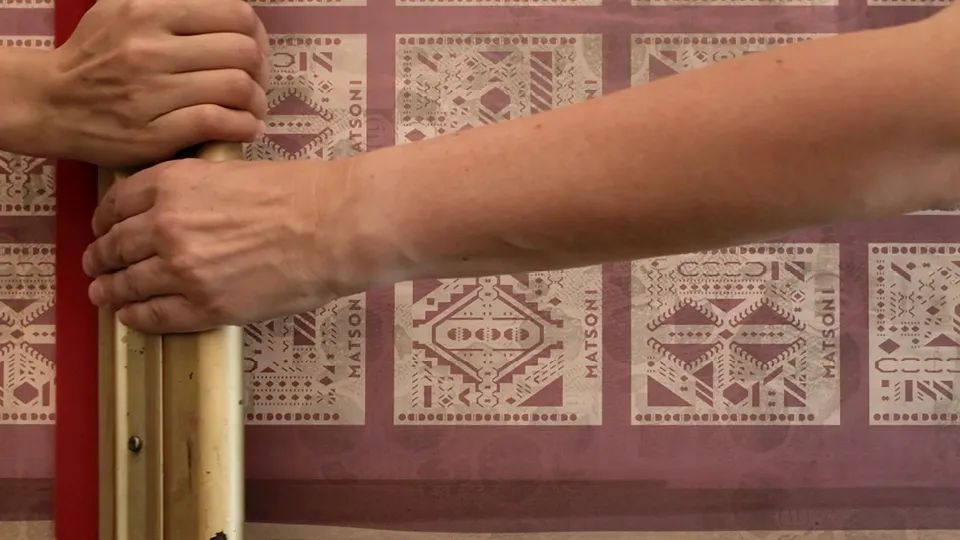
2. Sewing: Overlock the edges of each small square, then carefully unpick the threads between the overlocked lines;

3. Apply the dairy.
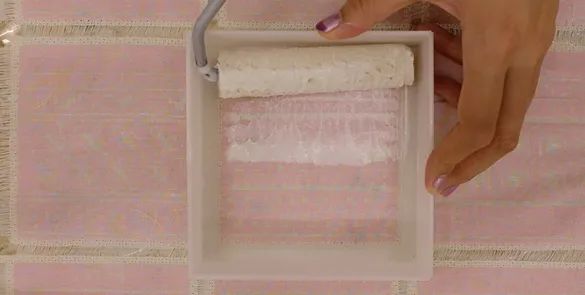
The way the fabric is treated makes it straightforward to cut the cloth used as a ‘Starter’ container into small squares. Its lightness means it can be tucked into any corner within reach. In this sense, the culture not only holds the potential to extend infinitely along the axis of time, but also roams freely across different spaces, following the movements of people.
I cut the prepared starter containers into individual pieces to share with friends—some posted in letters, others handed over in person. Carried on a swatch of lightweight fabric, the tiny lactic acid bacteria complete their journey as wanderers.
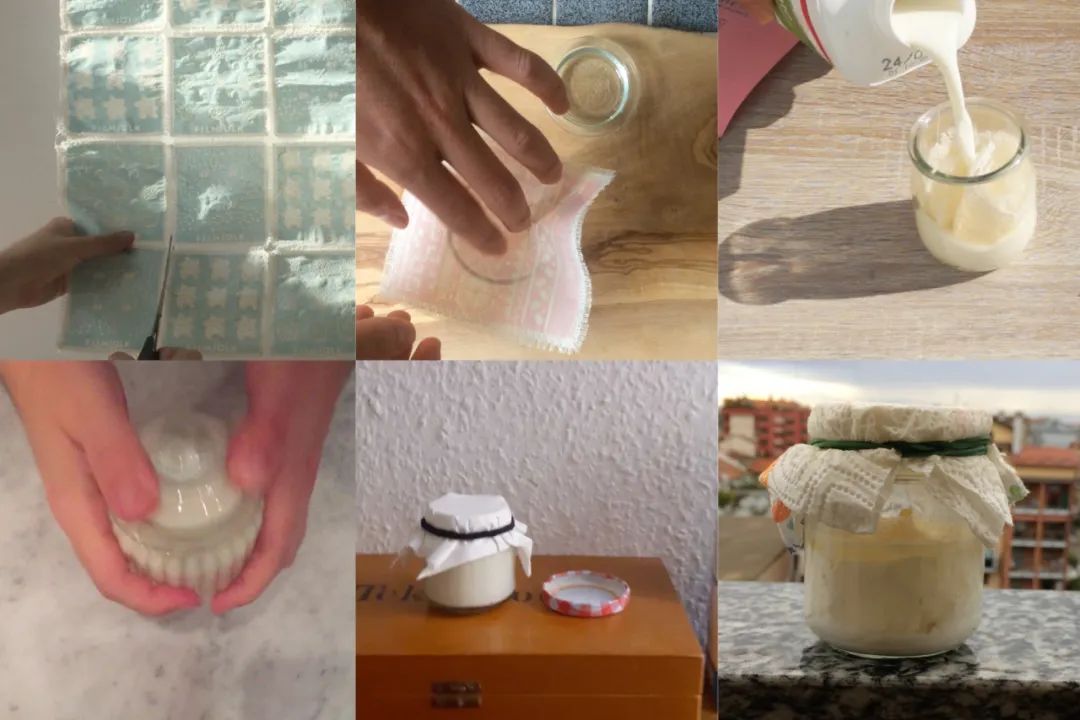
From feedback from friends, it’s clear that natural fermentation remains inherently unpredictable; not every little vessel turns out perfectly. But as one friend put it, “At least I had a good time playing around with it.” I think that’s precisely where the joy lies for people cultivating starter cultures, swapping them, and enjoying fermented foods in their day-to-day lives.

This article is republished with permission from the author’s blog.