
A Carpenter Who Can’t Farm Makes a Poor Electrician: What Kind of Talent Does an Ecological Farm Need?
I’m Xiaomi. In December 2021, aged 26, I resigned from a civil service training company. Unsure of what kind of work I wanted to do next, I returned home to prepare for the Chinese New Year. Over the holiday period, I began to reflect on my future direction, realising that I still wanted to return to my original field of study: agronomy.
Reflecting on my former classmates’ career paths, I saw that some had gone into scientific research, while others were in sales for seed or agricultural supply companies—none of which sparked my interest. In the midst of this uncertainty, I noticed a recruitment notice from Foodthink, an outlet I had been following for some time, for an ecological agriculture intern. Thrilled at the prospect, I submitted my application that very day.
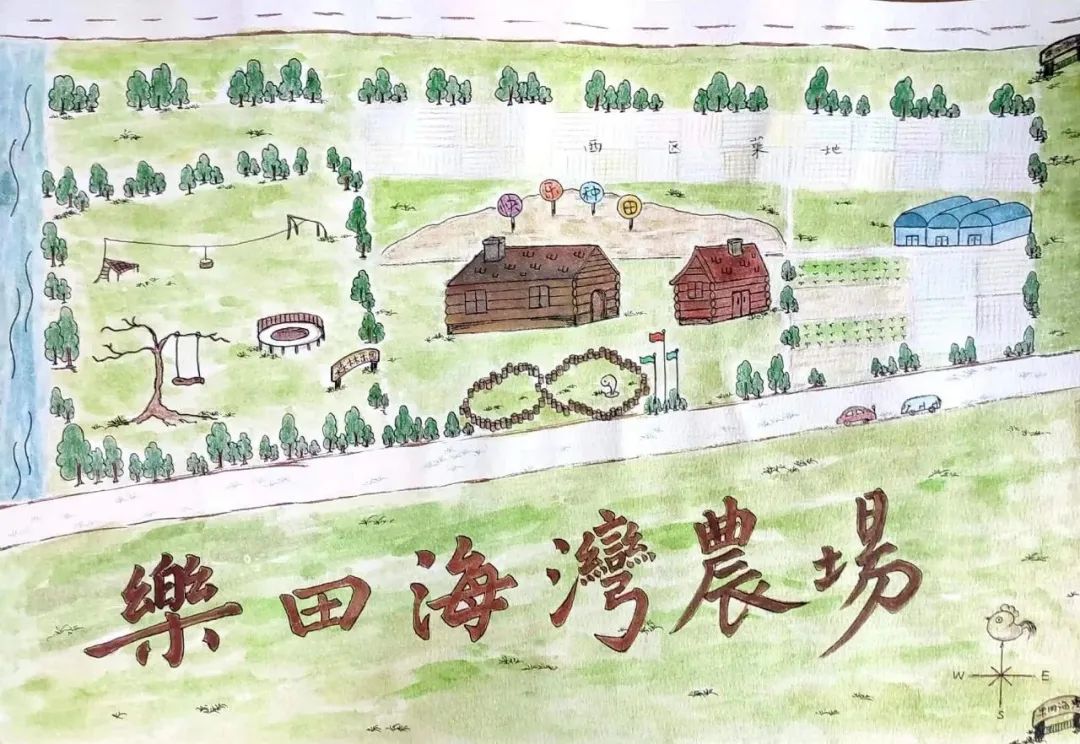
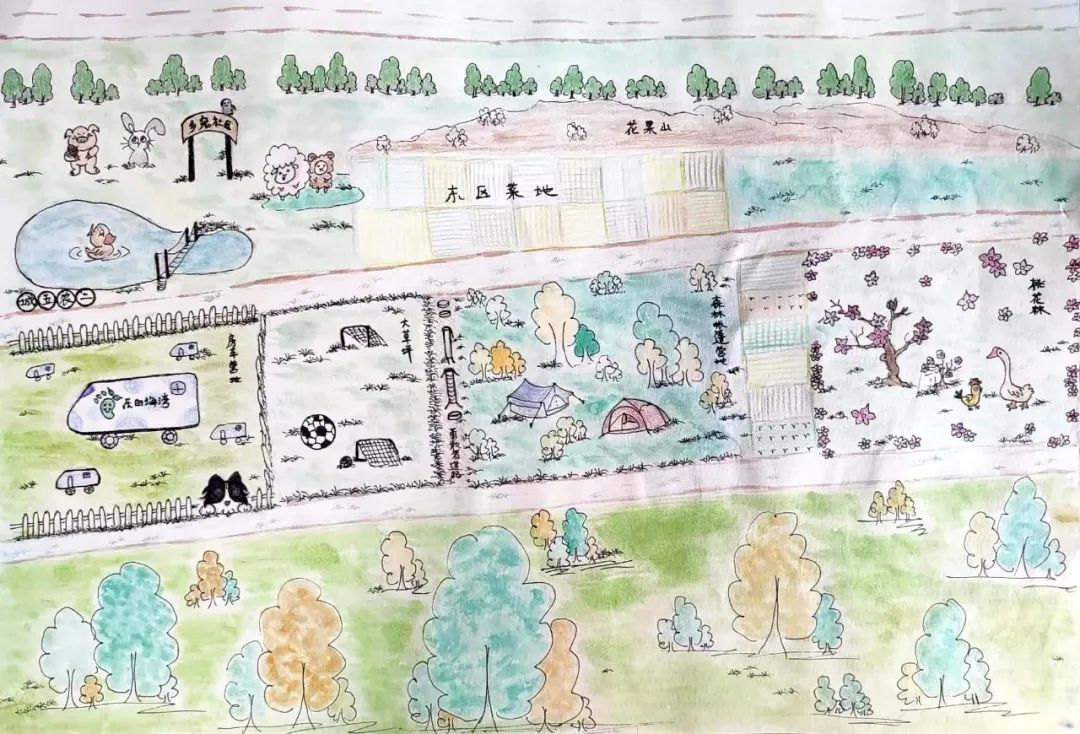
Following a successful interview, I arrived at Letian Haiwan Farm in Fengxian, Shanghai, on 8 March 2022 to begin my placement. It felt as though I were setting sail on a new journey.
I. Sharing Fortune and Hardship
Unlike farms where members merely prepay for their vegetables, renting a plot gives members a tangible sense of ownership, akin to becoming a ‘landowner’: rather than passively waiting for deliveries to arrive, urban members visit their plots regularly to observe, manage and harvest. This hands-on involvement allows them to truly understand the entire journey from soil to plate.
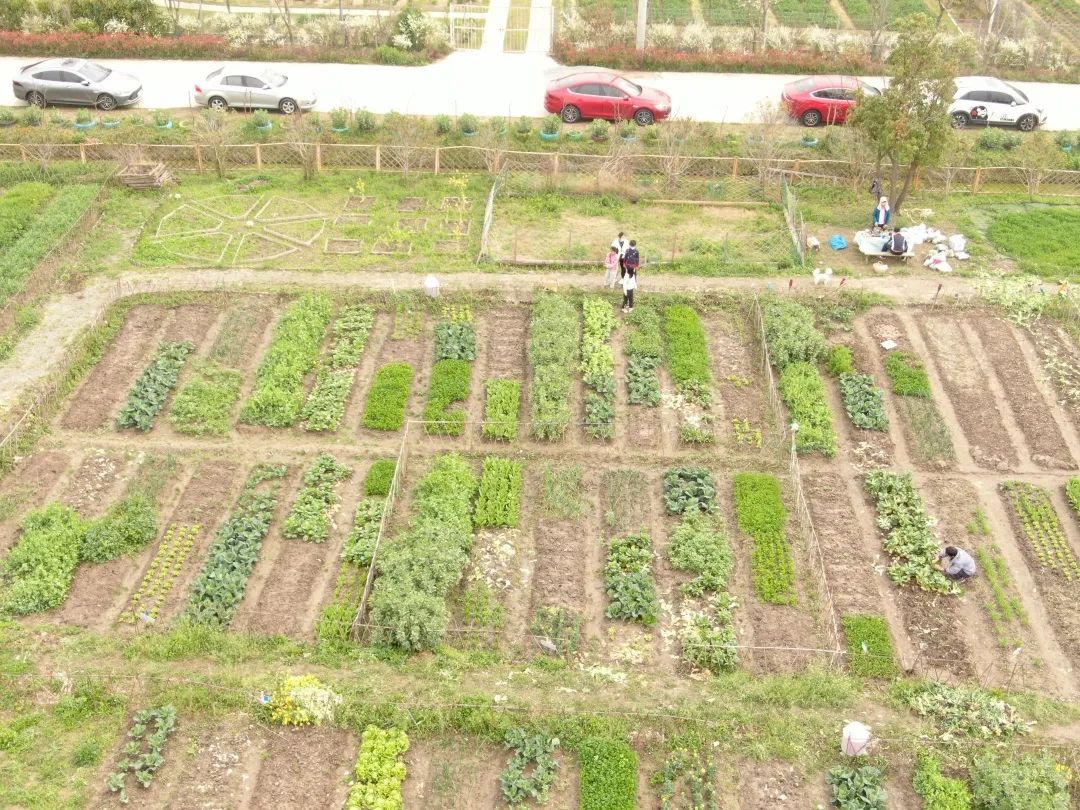
Furthermore, the membership model means that the farm and its members share both risks and rewards. Agriculture remains heavily dependent on the elements, and weather conditions directly impact crop quality and yield. Risks such as reduced vegetable output due to typhoons, pest outbreaks triggered by southern droughts, or the inability to harvest and deliver produce during last year’s pandemic restrictions, were all shared by the farm and its members. This collective bearing of risk has helped alleviate the farm’s operational strain.
Naturally, the arrangement is not solely about weathering storms together. When yellow peaches are ready in summer, or radishes and Chinese cabbage come in during winter, the farm shares a free harvest with its members. In turn, members donate unwanted books or office equipment to the farm and contribute ideas for its development at the annual Members’ Festival. During the pandemic, numerous member families even remained at the farm, exchanging labour for food, which effectively addressed the farm’s labour shortages. Ultimately, the bond between the farm and its members is a tightly woven partnership, rooted in sharing both fortune and hardship.
2. What Kind of People Does an Ecological Farm Need?
Wilted vegetables and kitchen waste are combined with maize feed to nourish the farm’s pigs; subpar yellow peaches are used to brew a fermented yellow peach extract; chickens are kept under the peach trees to suppress weed growth while naturally fertilising the soil; goats are rotated through different grazing zones daily; and the farm’s extensive woodlands yield fallen dry branches that, in winter, are used for campfires, roasting sweet potatoes, or cooking over an earthen stove, lending a subtle woody fragrance to the food.
The farm has also designated specific areas for recycling materials like plastic bottles, aluminium cans, and glass bottles. Plastic bottles are upcycled into gabion chairs for visitors to rest on. Glass bottles are thoroughly washed, stripped of their labels, and decorated with acrylic paint to create various ornaments, or placed inside the bread oven to act as an excellent heat-retaining material.
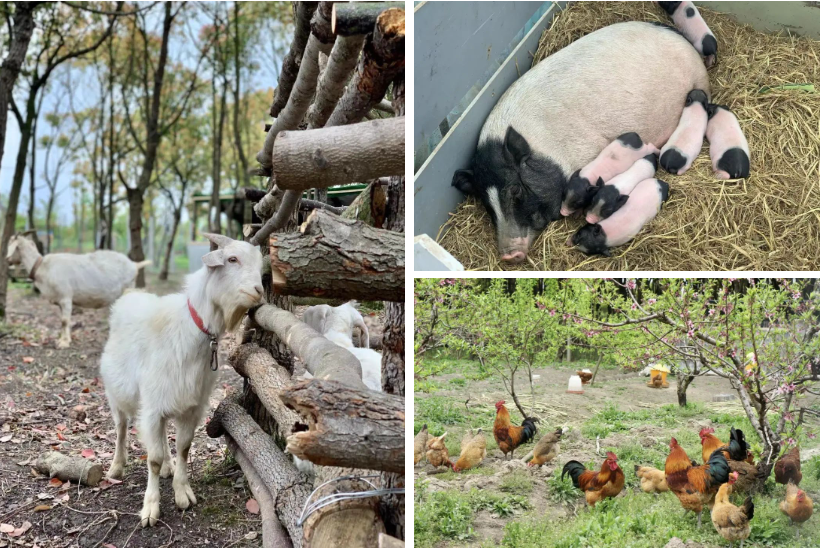
Letian Haiwan is largely self-sufficient in its material output, requiring little external input, yet this places high demands on its management. If urban office jobs call for highly specialised professionals, then an ecological farm like Letian Haiwan requires versatile, multi-skilled individuals.
Mr Yuan is exactly the sort of versatile talent the farm needs; you might describe him with the phrase, “A carpenter who can’t farm isn’t a good electrician.” On a farm this size, unexpected hiccups crop up constantly, and there’s never such a thing as too many skills for the person in charge to master. Watching Mr Yuan dart from task to task, you’d likely struggle to guess what he’s doing without asking: one moment he’s fixing a three-wheeler, the next he’s sawing timber to mend a fence, and soon after he’s down in the fields answering members’ questions… It’s only in the evenings, most nights, that he can finally settle down to some writing.

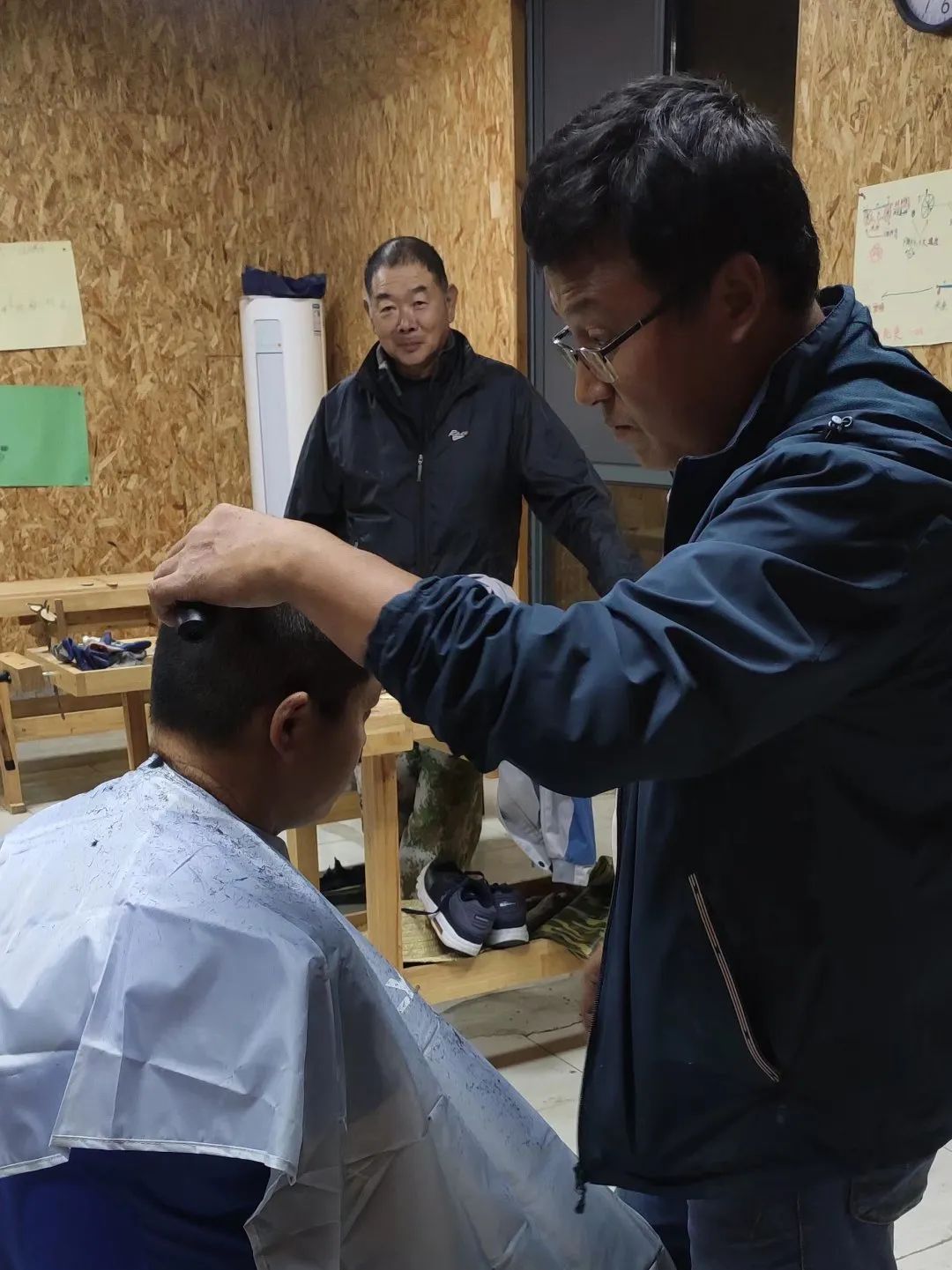
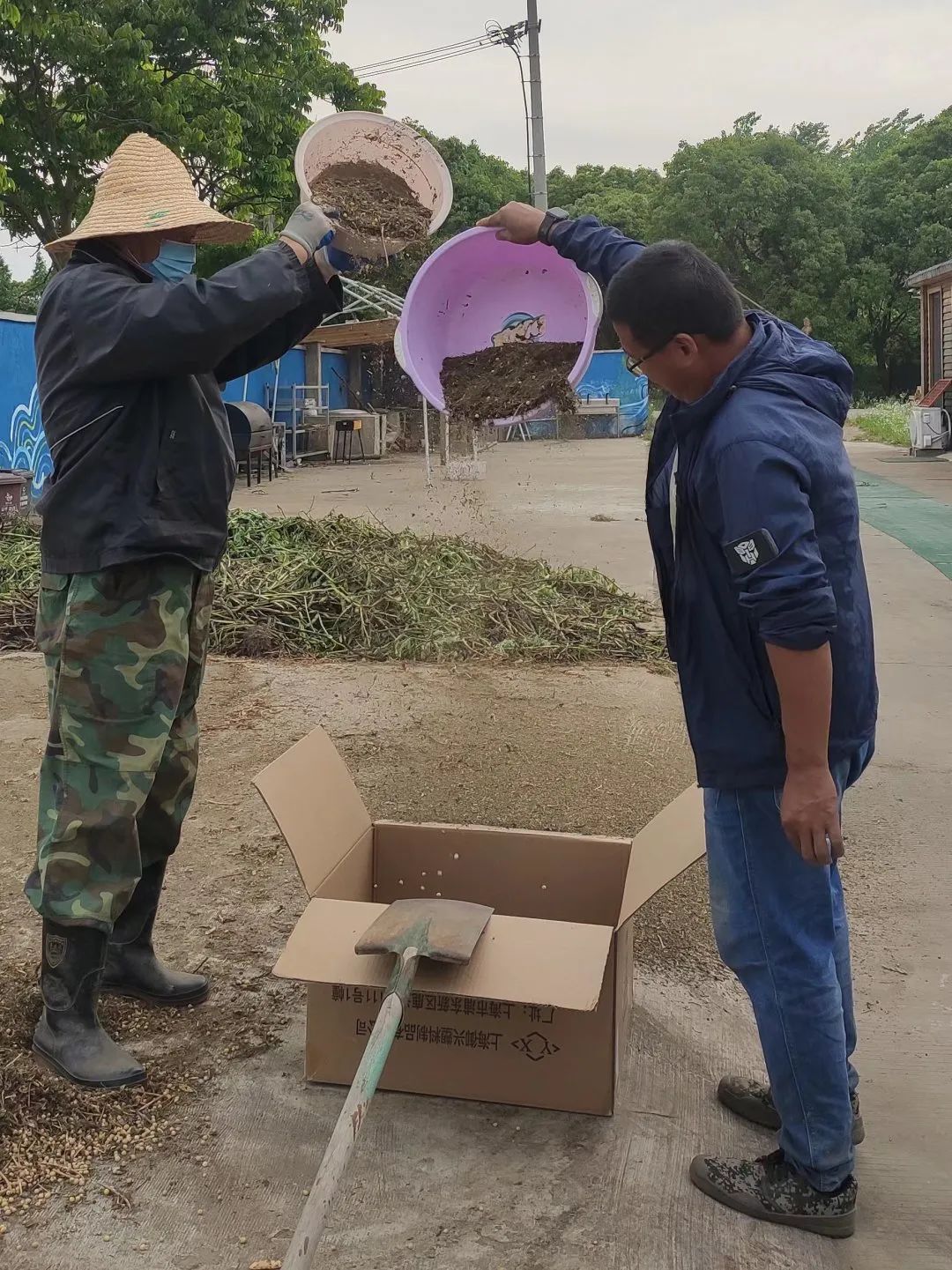

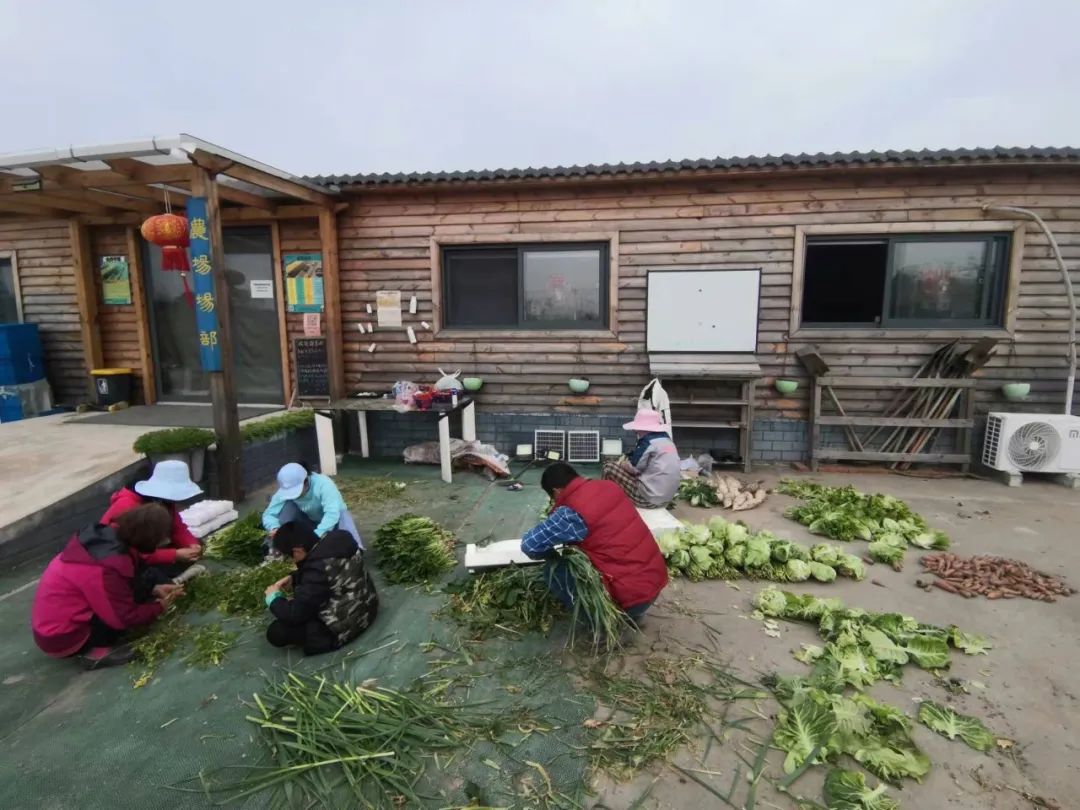
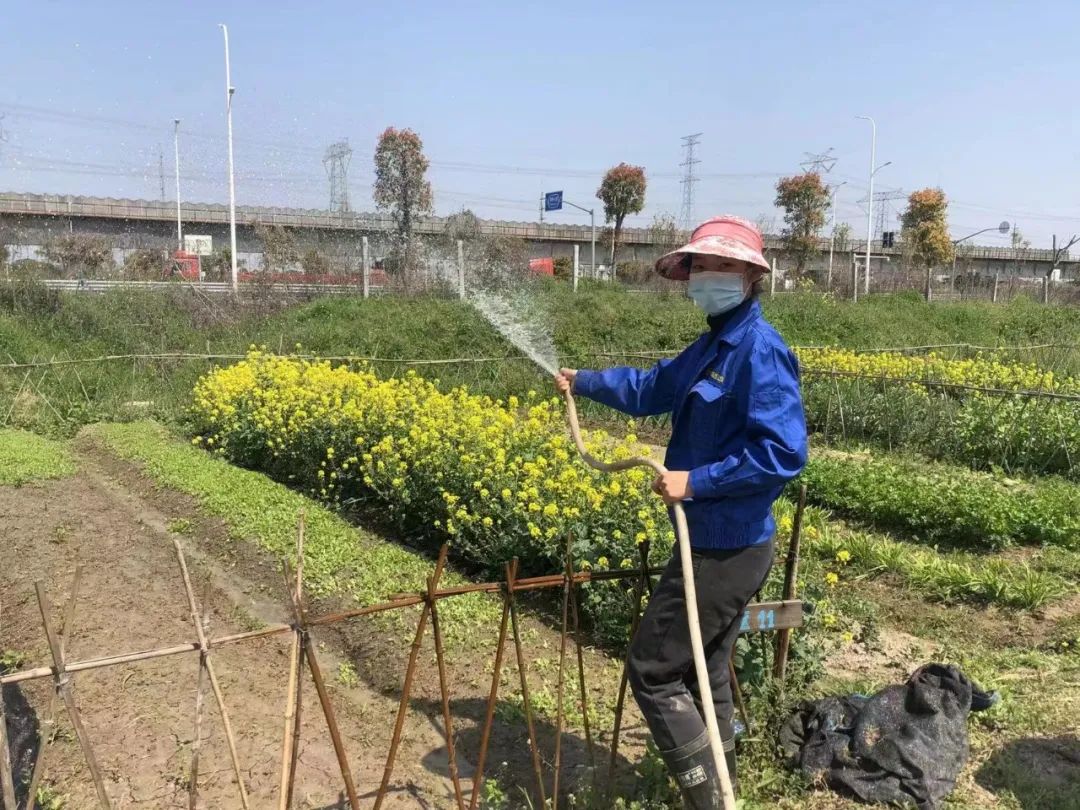
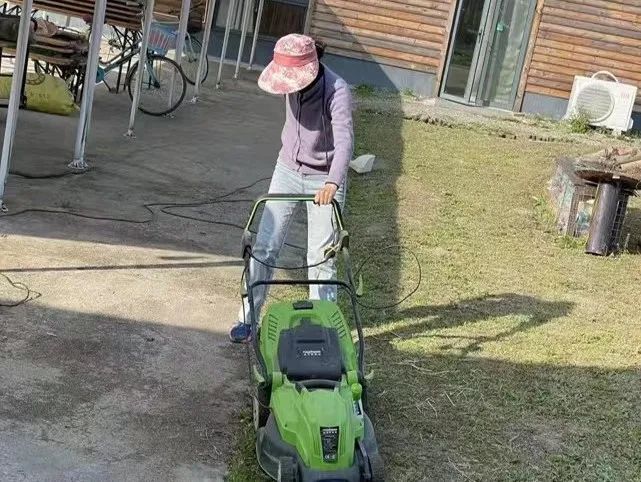
Farm staff generally wear several hats. During my placement, my duties ranged from welcoming members and visitors, planning and running parent-child activities, managing the WeChat public account, and harvesting and delivering produce, to operating a brush cutter for weed control in the summer, building trellises or netting for fruiting vegetables, and supervising children picking yellow peaches, to name but a few.
None of this can be done from a desk, nor does it follow a rigid plan; it requires constant movement and inevitably brings its share of surprises. Yet this flexible way of working has its own rewards: it spares you the sedentary strain that takes a toll on the neck and back, close contact with nature helps ease stress, and juggling multiple roles builds a wide-ranging skillset. The farm has been a grand classroom, teaching me lessons across the board.


III. Can nature education thrive in the countryside?
Throughout this journey, I’ve noticed that parents in Shanghai are deeply invested in their children’s physical and mental wellbeing. They place great value on hands-on learning and holistic development, actively encouraging their kids to try craft workshops, food education classes, and agricultural courses. The aim is to let children grow up amidst nature, enriching their sensory experiences and practical abilities.
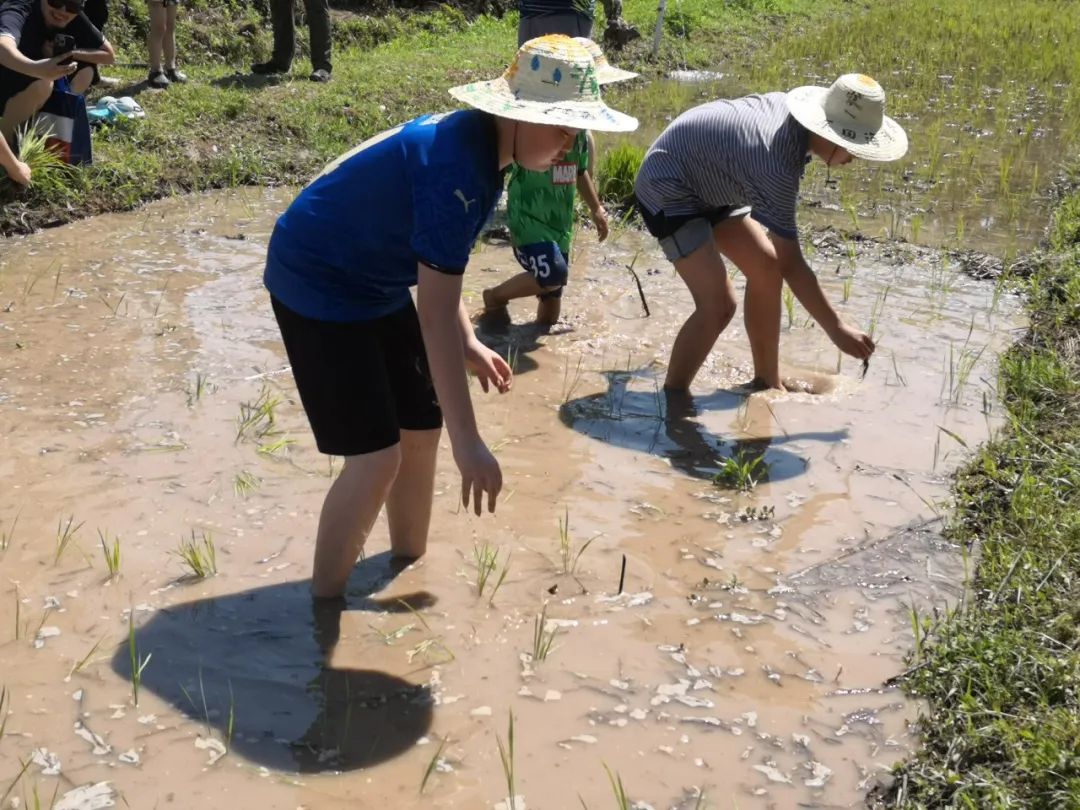
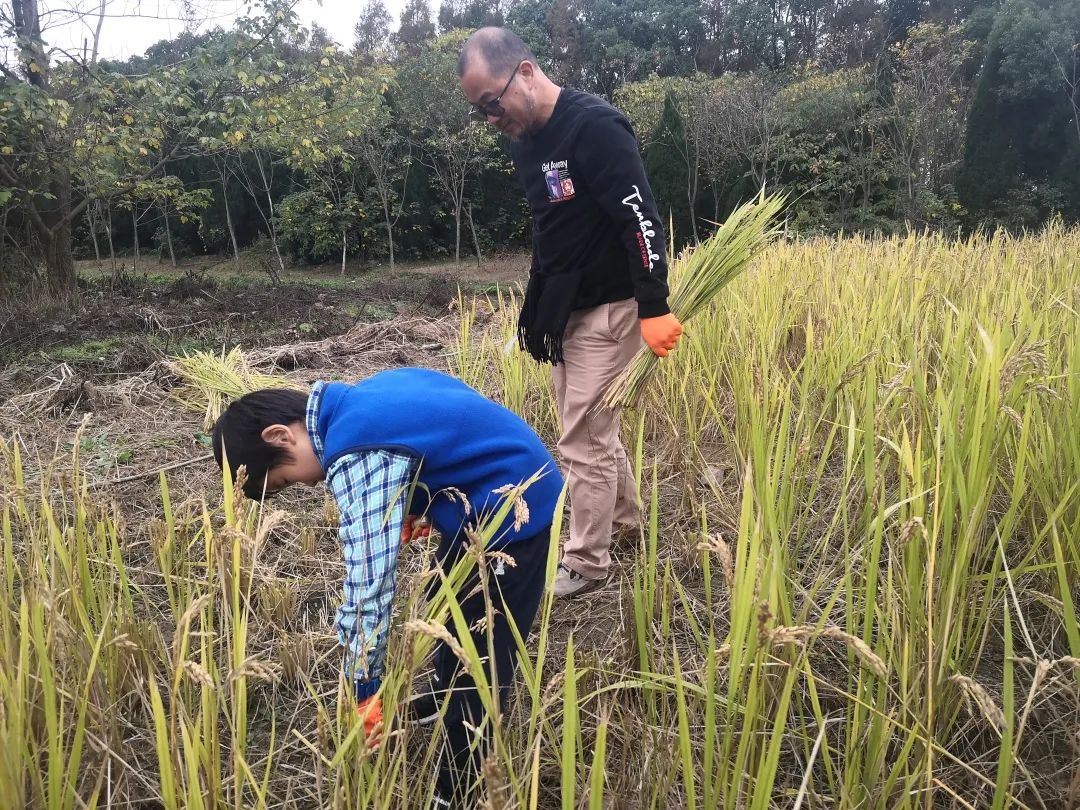
When I went back home for the New Year festivities this year, I realised that although rural children live closer to nature, they seldom get the chance to truly enjoy what it offers.
Take my niece, for instance. After school and during holidays, she usually spends her time at home watching television or on her phone. She naturally showed curiosity about many things, but her parents’ busy schedules and lack of guidance gradually stifled those interests. She was keen to try making dumplings and kneading dough, only to be flatly shut down by a parental “Stay out of it.” Gardening is another example: we have a 20-square-metre family plot at the front of our house, but aside from my mother, hardly anyone tends to it, let alone my young niece. As a result, while she can recognise plenty of vegetables now, she has no idea how they are grown, which is likely one reason she’s not keen on eating them.
In reality, the countryside provides ample space and abundant resources for children, alongside a wealth of traditional farming and food culture, making it an ideal outdoor classroom. They can learn to use tools, cook, craft items from recycled materials, and even try their hand at carpentry. If more nature education resources were directed towards rural areas, and if parents could shift their own perspectives, children would no longer be glued to their phones. Instead, they would discover a far richer world beyond those tiny screens.

IV. A New Journey
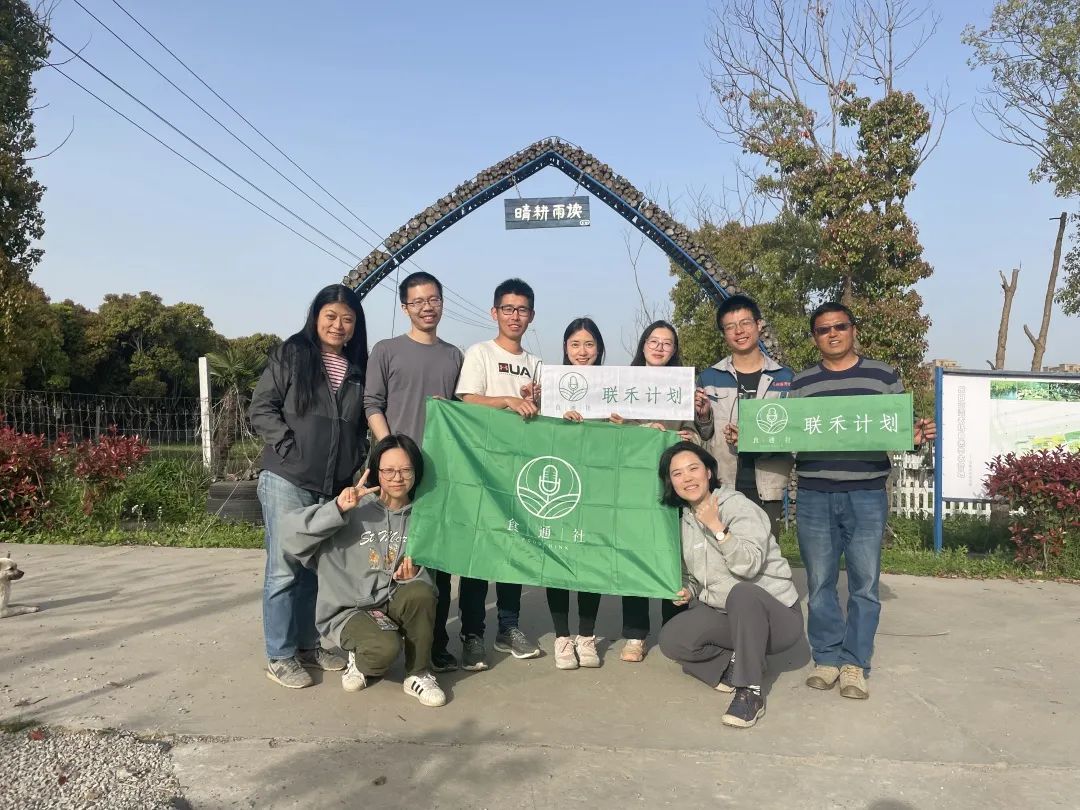

We hope ecological farms will collate their valuable experience in farm management, production techniques, and marketing to guide young people looking to return to the countryside and work in ecological farming. Meanwhile, interns from diverse backgrounds can bring their own skills to the table, inject fresh energy into the farms, and help lower the learning curve and trial-and-error costs for their own future ventures in rural entrepreneurship.
Unless otherwise stated, all photographs in this article are taken by the author.
Editor: Zain