
Caught Between Agronomy and Agriculture: Growing Through Uncertainty
Foodthink Says
These rich and engaging stories all stem from four agricultural students sharing their personal journeys during Foodthink’s seventh “Eat Something Good” story campaign.
For years, the mere mention of agricultural students would conjure only images of them working the land. Yet since last year, that stereotype has begun to fade, replaced by an outpouring of admiration for these students’ boundless energy. The students, too, have been more than happy to step into the spotlight. From rice and wheat to melons, apples, pears, and peaches, they proudly showcase the magnificent crops they have nurtured through countless hours of hard work.
Yet beneath the surface, certain pressing questions have consistently occupied the centre of their thoughts: Why did they choose agricultural studies in the first place? Why is there such a stark disconnect between classroom theory and the realities of modern farming? What career paths actually lie ahead for them? How will they be compensated? Do the industry and agribusinesses truly require the technologies they are researching?
As recent or soon-to-be graduates, the four contributors have inevitably spent considerable time wrestling with these very questions. When recounting the intricacies of their coursework and fieldwork, they consistently radiate passion and energy. Yet when the conversation shifts to career prospects, a tinge of hesitation and uncertainty emerges. The contrast between the two is striking. It leaves one wondering: will future social frameworks and industrial structures ultimately allow the passion for nature and crops they nurtured at university to be put to meaningful work on actual land and in agricultural development?
This is a question that stretches far beyond their ability to answer. Indeed, as they themselves pointed out, there are scholars and research teams driven by a deep-seated commitment to agriculture and rural communities who continue to hold the line at the forefront of scientific inquiry, often achieving far more than they currently can. Nevertheless, the very paths these four students have taken form part of the answer.
1. @Strawberry: The Northern Girl Who Went South to Grow Sugarcane
I am currently a third-year master’s student in agriculture. My undergraduate degree was in landscape architecture. Back then, the prospects for postgraduate study in that field were rather slim, and since many of my peers decided to take the postgraduate entrance exam for agriculture, I simply followed suit. The supervisor I chose specialises in sugarcane research, so once I arrived here, I began learning how to cultivate it. Up until that point, I had never even seen a sugarcane plant.
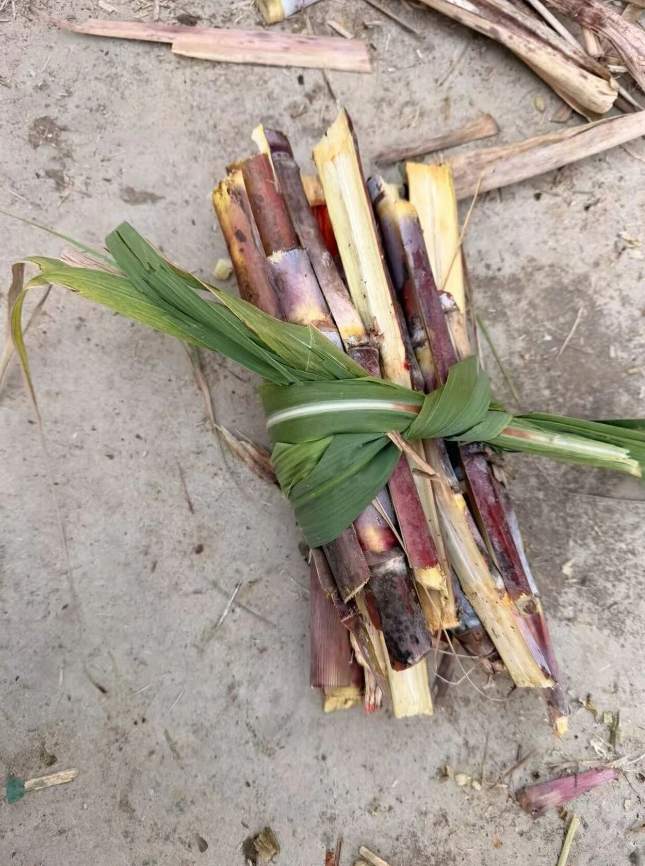
Growing sugarcane was fraught with hurdles. There were numerous unexpected mishaps that caught us off guard and left us scrambling, yet it also taught me that agricultural labour, while seemingly monotonous, is in reality complex and ever-changing.
I still remember September, at the start of my first year of postgraduate study, when our group of three was called out to prop up the sugarcane. A typhoon that year had knocked the crops flat. Faced with the scene, I was completely at a loss, but there was no time to dwell on it; I simply joined everyone else in shovelling soil to reinforce the roots. From that moment, with absolutely no mental preparation, I officially embarked on my journey studying agriculture.
With the university’s field space limited, our senior students worked in the open plots, while our sugarcane was grown in buckets. I recall our group of three, along with the junior members, digging soil for three hundred buckets over just two days. To improve the soil quality, we had to spread the dug earth out to dry and then crush it. We hammered away at the hard clods and stones for two full days straight.
Some practical challenges simply cannot be anticipated until you actually get your hands dirty. For instance, on uneven ground, the sugarcane would grow leaning in the direction the bucket tilted, sometimes reaching up to two metres in height, making them highly vulnerable to being snapped by typhoons. To protect our experimental crops, we devised ways to secure them using bamboo poles.
The most labour-intensive task was watering the sugarcane every single day. Our plot was a depression sitting sixty to seventy centimetres lower than the surrounding flat ground. It was manageable when the plants were young, but as they grew tall with broad leaves, the canopy became so dense that you couldn’t see the sky above. Between the oppressive darkness and the presence of snakes and rats in the soil, I was terrified every time I went down there.
Given the hot southern climate, my fellow students in the research group rotated daily watering duties, spending over half an hour each time. Even with two layers of sun-protection clothing, I would be completely soaked through. During holidays, you simply couldn’t leave town; you had to arrange for someone to tend to your precious sugarcane. If it wasn’t watered, it would inevitably skew the metrics we needed to record during sampling.
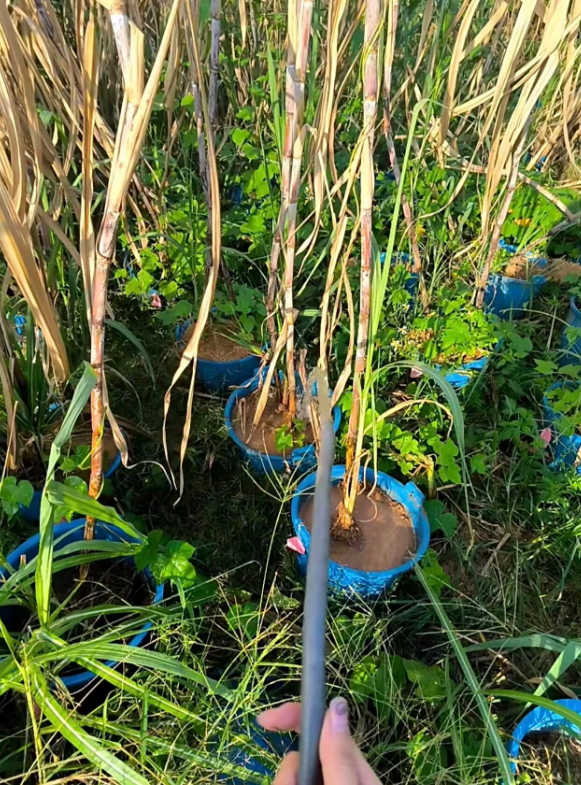
Yet this period has also brought me considerable growth. I’ve come to understand how agricultural research can genuinely support farming. Take the microbial fertilisers we’ve been studying: they not only boost crop yields but also stabilise soil ecosystems and reduce the damage chemical fertilisers cause to the soil.
On a personal level, agricultural study has been demanding, but the physical labour has given my life substance and forged resilience in my character. I still remember the feeling of my first harvest: the sugarcane I’d grown was so sweet. All that time looking after it had finally paid off. Indeed, the land never lies.
Now, with graduation just around the corner, there aren’t many roles on the job market that actually align with my research. I’m unsure whether I’ll continue working in agriculture, but the memories and knowledge I’ve gained remain deeply cherished.
In short, I drifted into agricultural science by chance rather than out of a burning passion for the subject. Yet over these past three years, as I nurtured and tended crops, those seemingly trivial and tedious details have become etched into my body and my senses. Whether it’s thundering and raining outside or the skies are clear, I can always sense these shifts in nature more acutely than most—certainly more than my former self—because my sugarcane is still in the ground.
2. @XiaoXiong: The Misunderstood Agricultural Science Student
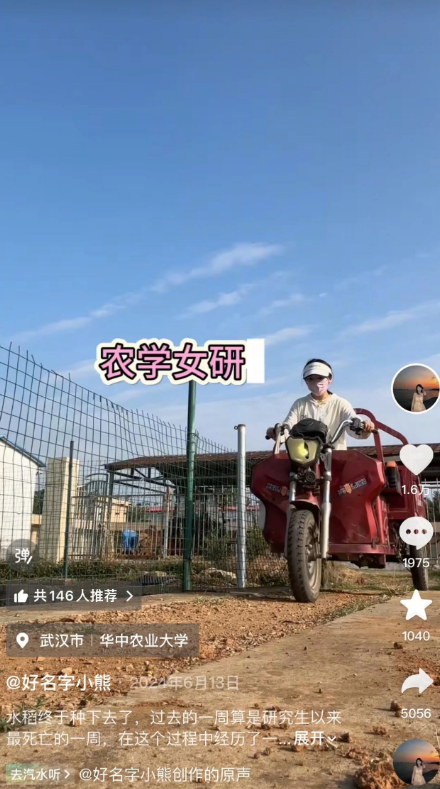
When you mention agriculture students, many people assume we simply spend our days tilling the soil. In reality, the discipline is highly specialised, and the academic paths and daily lives of students can differ vastly depending on their focus.
My specialism is Crop Cultivation and Farming Systems, with a specific research focus on low-carbon agriculture and sustainable tillage practices. In short, it involves tweaking variables such as fertiliser application rates and planting density to reduce the greenhouse gas emissions generated during rice cultivation.
For field researchers like myself, the daily routine is a demanding blend of intellectual rigour and physical toil.
I manage an experimental plot of one *mu*. During the summer research period, we’re up at 5 a.m., just as dawn breaks, ready to head to the fields. The early start isn’t dictated by the experimental schedule, but by Wuhan’s notorious furnace-like summer heat. If we aren’t out of the paddies before 9 a.m., the risk of heat exhaustion becomes very real.
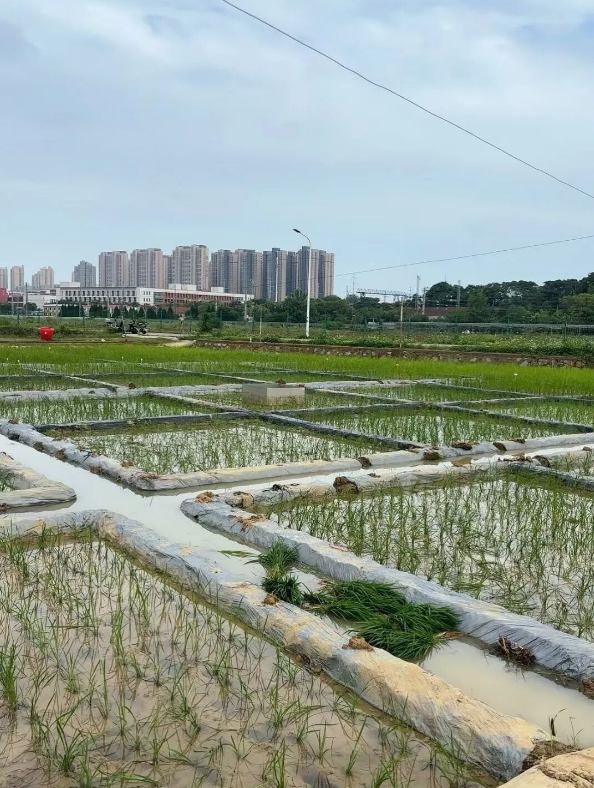
Few people truly understand what it’s like to work in a rice paddy. Simply maintaining your footing is a challenge; waders constantly sink into the slick mud, and not a single first-year student survives their first stint without taking a tumble. To make matters more complicated, my plot is divided into twenty-four distinct micro-plots, each requiring a different fertiliser concentration. I have to navigate every single one. While tackling this physical work, I’m invariably soaked through with water and sweat. Yet, beneath the physical exhaustion, my mind is on high alert, constantly cross-checking figures and ensuring samples aren’t mixed up. One misrecorded datum or confused sample, and it’s all been for nothing.
I still remember my first soil sampling session, which took place one summer evening and stretched on for two solid hours. As dusk settled, the heat remained stifling. I looked around and realised I was entirely alone. Glancing towards the university campus several kilometres away, then down at my mud-caked clothes, a single thought ran through my head: How on earth did my life end up like this? My face was so plastered with sweat that when the emotion finally broke through, I couldn’t tell where the sweat ended and the tears began.
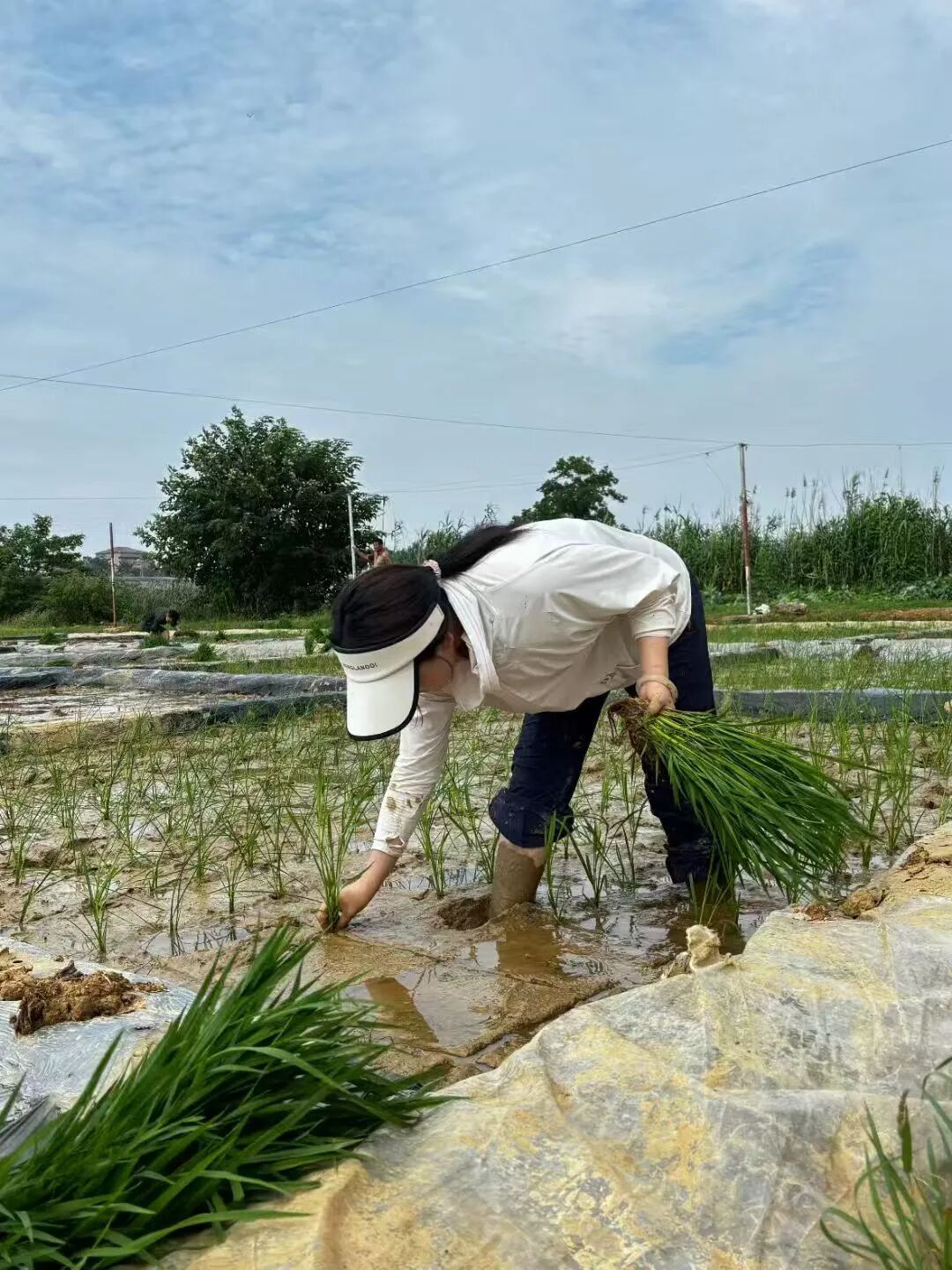
Over time, however, I began to develop a genuine appreciation for physical labour. There is a profound purity to it. Each time I finish a day in the open fields, I’m left with a deep sense of accomplishment and contentment. The tangible results of your work provide immediate feedback—a directness that the intellectual labour of an office or laboratory simply cannot match.
On those days in the field when the heat isn’t quite so oppressive and the experiments are progressing smoothly, I can easily lose track of time, slipping completely into a state of flow.
During the peak two months of experimental work, I would rise at five or six every morning, watching the sun slowly crest the horizon from the fields. In those moments, I felt much like the rice itself, drawing nourishment from the earth and sky. It’s not merely a literary flourish; it’s the visceral, unmediated sensation that comes from working closely with nature.
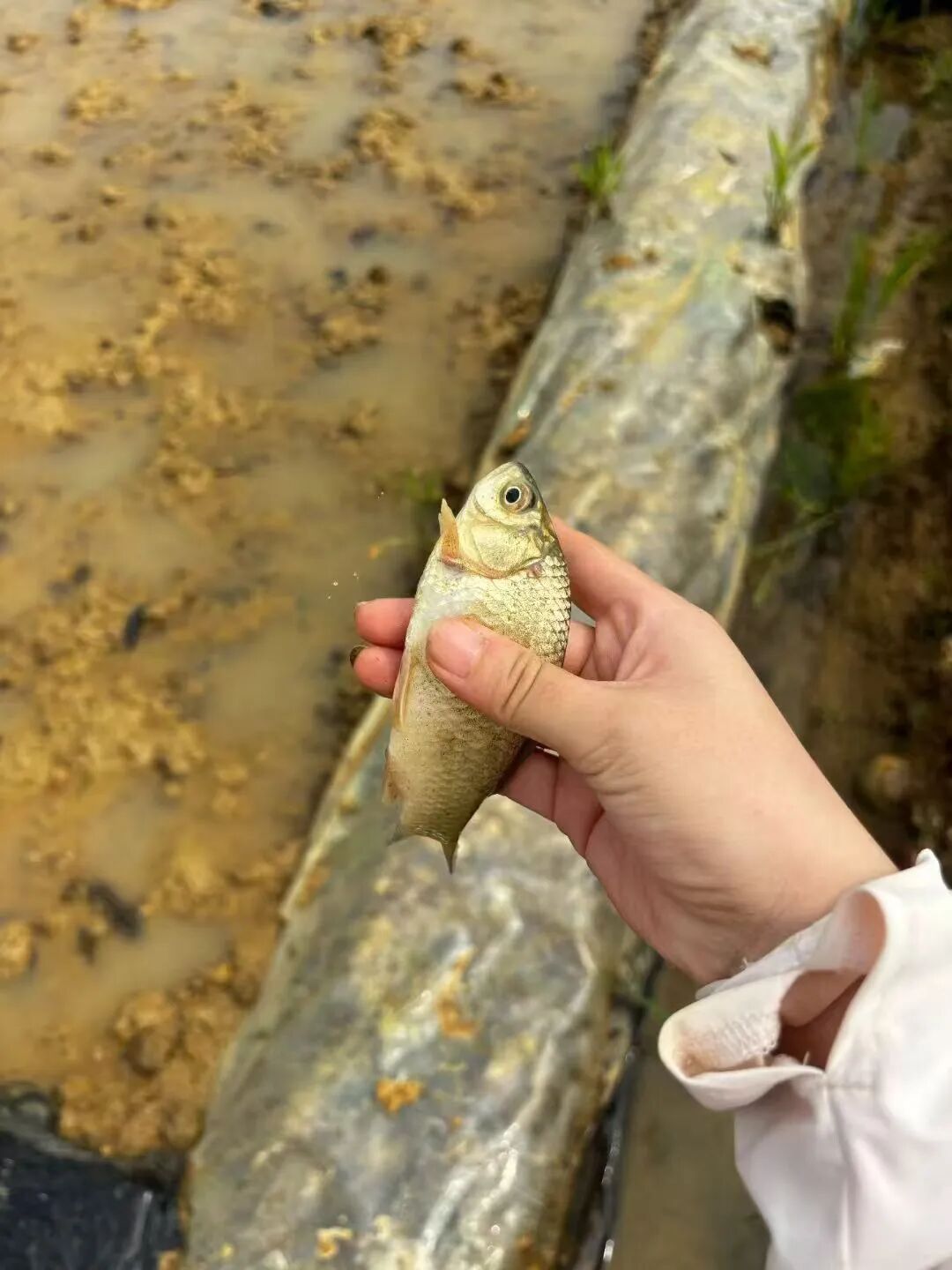
I suppose this is why so many people online find agricultural students to look so vibrant and full of life. Working and conducting research in the fields alongside our fellow research group members has forged unforgettable bonds, memories we’ll surely look back on fondly.
That said, beyond the physical labour, our ultimate objective is to complete scientific experiments. This means agricultural students must also maintain clear direction over their own experimental plots, keeping a sharp mind for experimental design, data collection, and analysis—all essential intellectual work. So whenever my videos draw criticism from commercial farmers who claim my crops are poorly managed and yields are low, I can only shrug. My experimental protocol simply forbids the use of fertiliser!
Admittedly, it’s a rather awkward reality. Often, as I conduct field trials, I’m struck by the realisation that these techniques will have little practical value for our future careers. We could never out-farm experienced agriculturalists, and our research is geared towards cutting carbon emissions rather than boosting yields. Even where peers are working on yield improvement, it’s unlikely that agricultural firms will adopt these methods any time soon. In the job market, the roles most readily available to us are in sales—supplying agricultural inputs such as seeds, pesticides, and fertilisers.
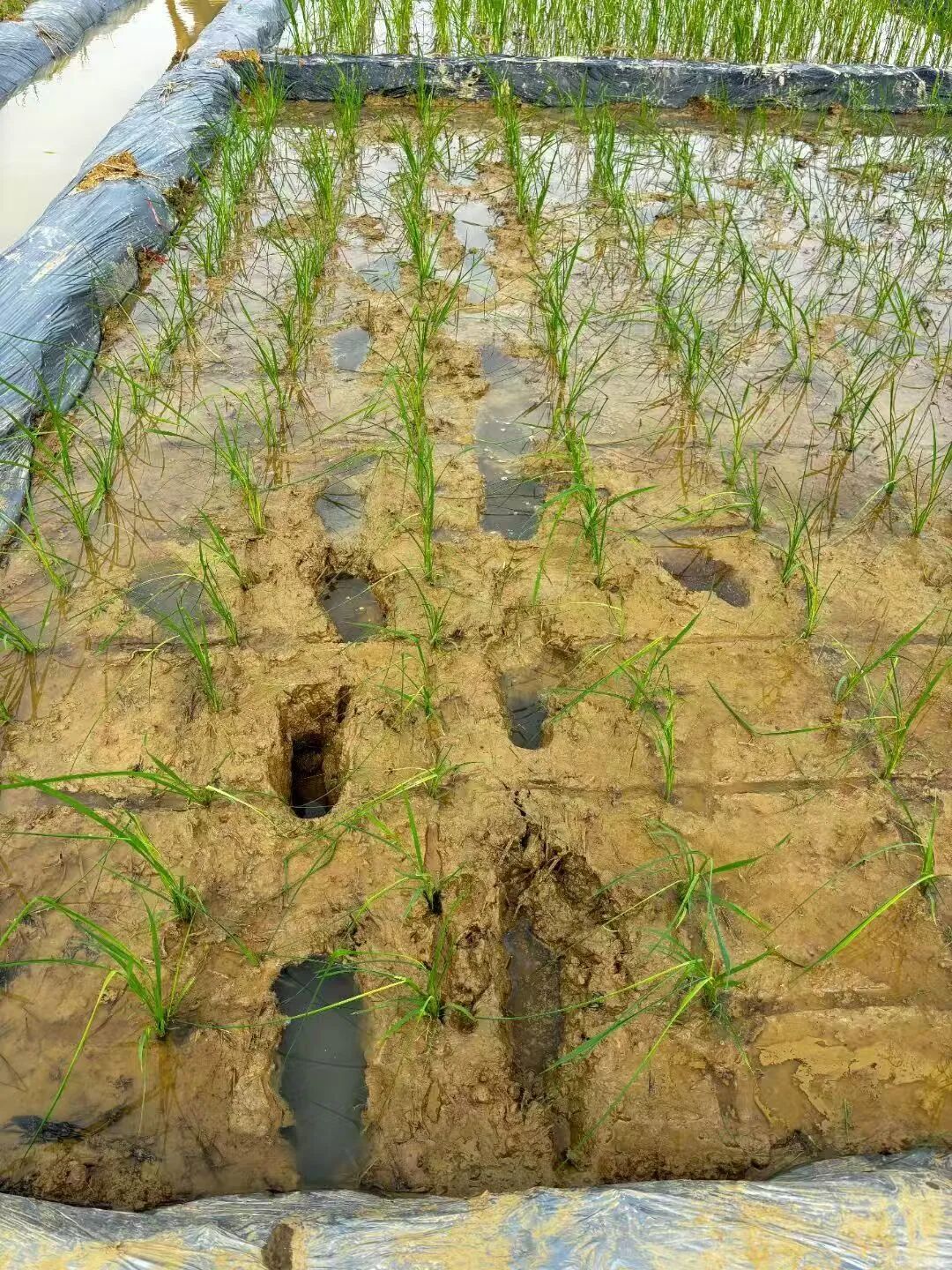
Given these practical realities, I have made a firm decision to sit for the civil service examinations after graduation. That said, I hold great admiration for the many professionals in our field—including my lecturers and senior peers—who are driven by a deep sense of purpose and a commitment to advancing national agriculture, continuing to work on the frontlines of research. I truly hope that in the future, more companies and institutions will emerge, creating greater scope for diverse research fields to flourish.
3.@yoyo: “Why go to university just to learn how to farm?”
It fills me with pride, and I find the subject deeply fascinating: the journey from a seed planted in the soil to a cup of refined tea in someone’s hands is as much a natural process as it is a cultural one.
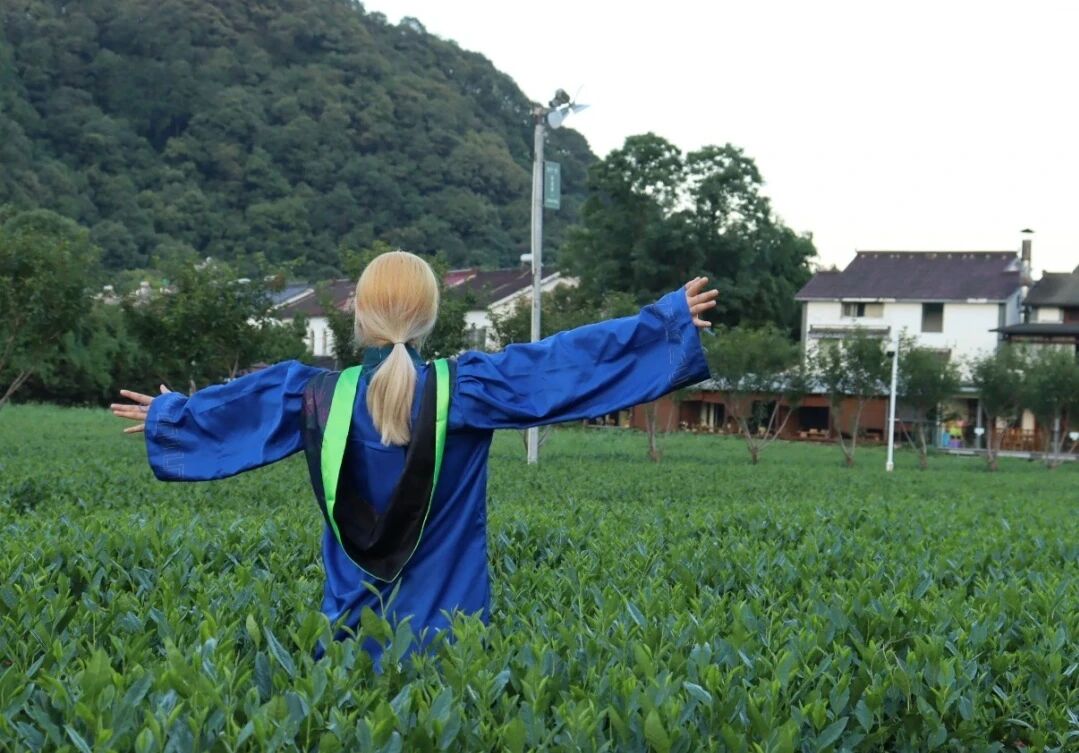
Here’s a little-known fact: not every tea science student gets to plant tea trees themselves. As a perennial woody plant, a tea tree takes years to mature—by which time entire cohorts of master’s and doctoral students will have already graduated. Typically, postgraduate tea science students take over from those who came before, continuing to care for and monitor each tree.
Fieldwork is exhausting. Our constant companions are often the blazing sun, insects, and the occasional snake. Yet, whenever I recall my fellow students braving the fields with me—sweating side by side, cheering each other on, snapping photos and sharing ice creams once the day’s labour was done, or dozing off on long trips to and from the sites—I realise that despite the hardship, it has created truly unforgettable memories. The effort is entirely worthwhile, too. Only by weathering these challenges can we accurately record data for each individual tree and ensure our subsequent analyses are robust and reliable.
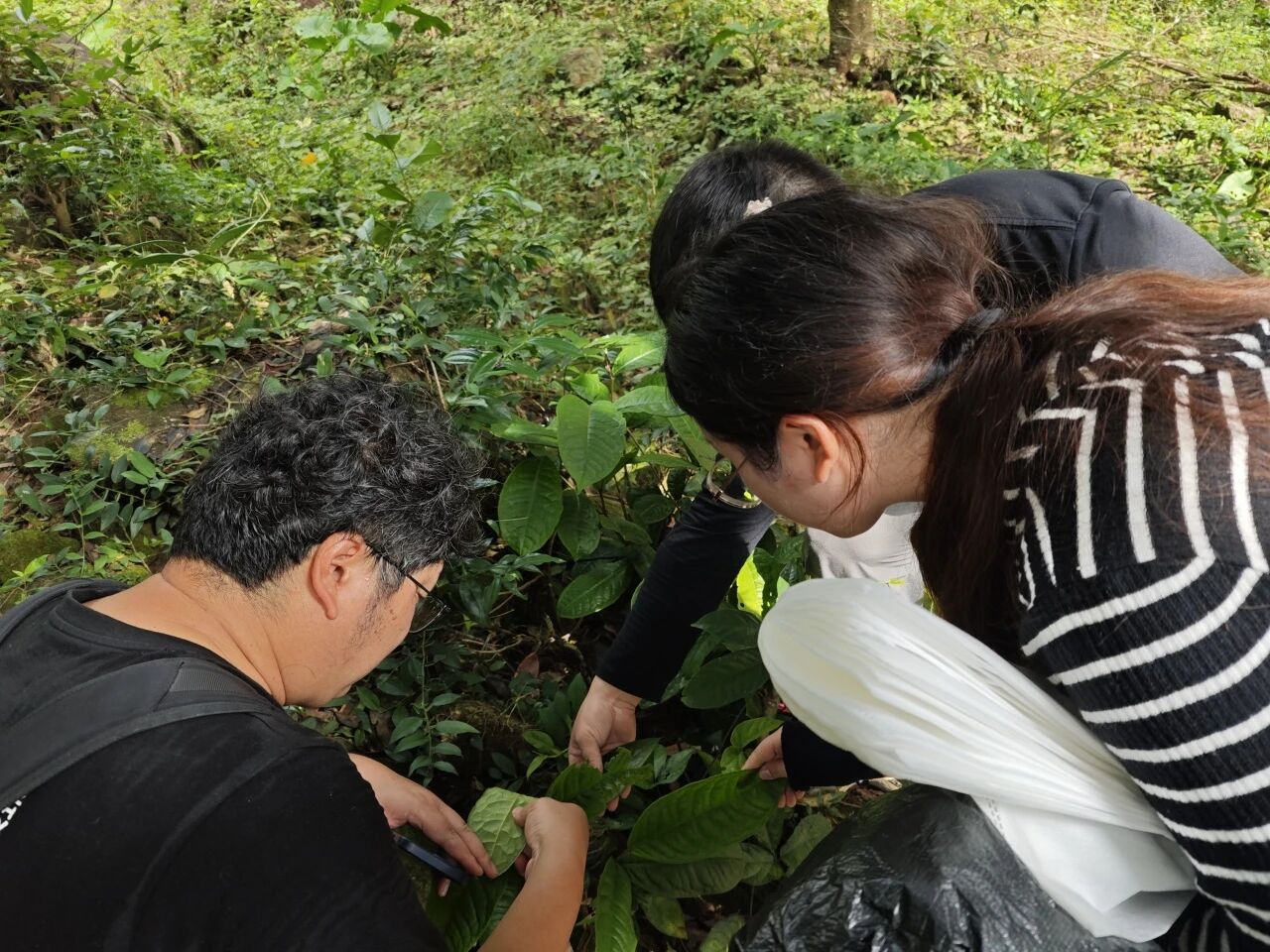
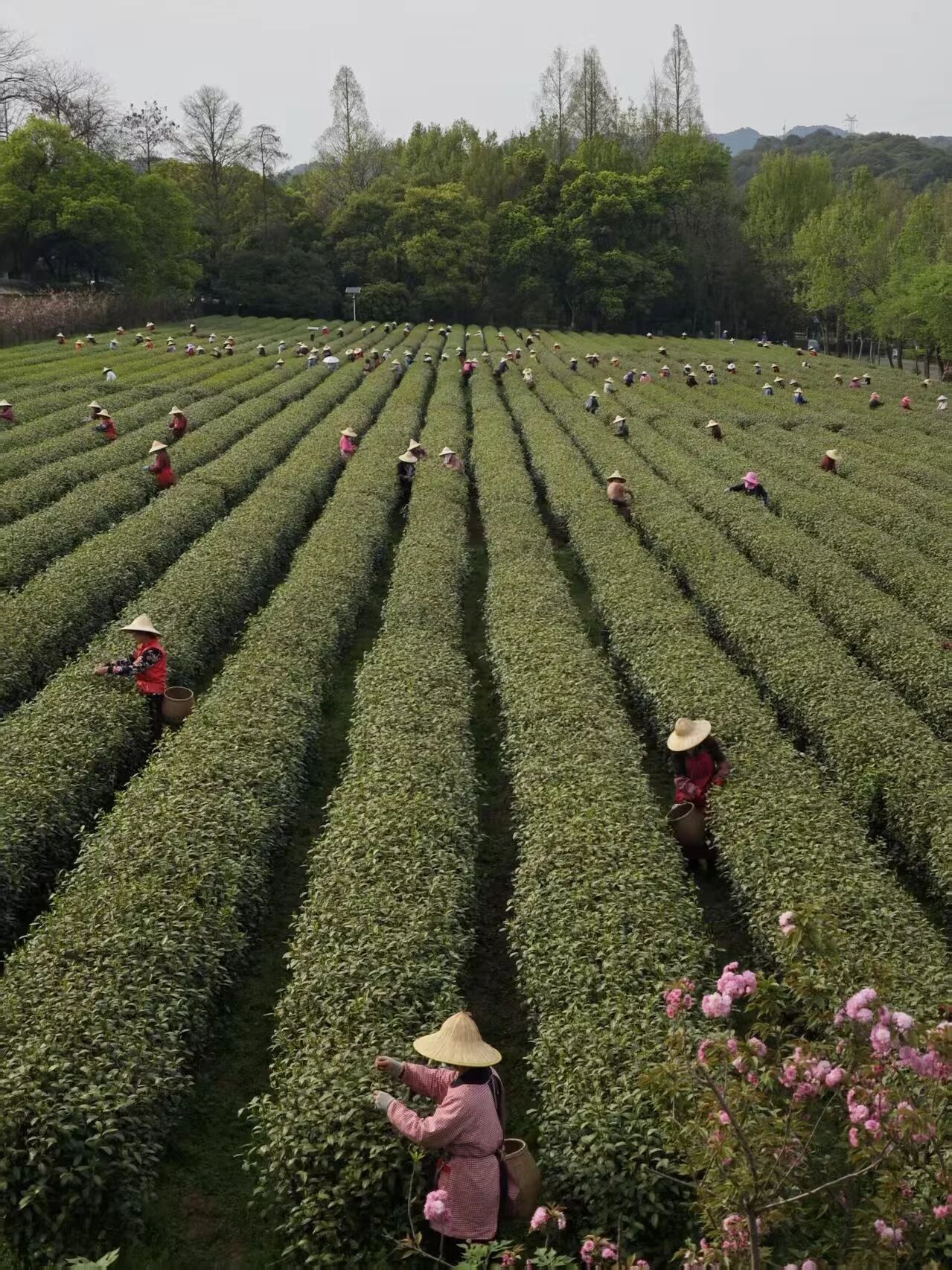
As the seasons turn, the spring harvest is the busiest time for tea farmers, and ours as well. Nearly every member of our team—lecturers and students alike—is out working at full tilt in the fields and processing rooms. It’s the time our identity as tea science students feels most vivid. We pick and pan-fry the leaves ourselves, surrounded by endless green and the rich aroma of tea. That’s when I learned to pan-fry Longjing by hand.
These are the rewarding aspects of being an agricultural student. At times, though, I used to shy away from telling people what I studied. I worried it might sound less impressive, and the job prospects simply didn’t compare to other disciplines.Family members would often ask, “Why bother going to university just to learn how to farm?”
Then, not long ago, I came across a post praising agricultural students. The comments were filled with playful replies like, “I couldn’t tell you why, but my cotton/wheat/chicks/ducklings are wonderfully graceful.” Inspired, I fired off a comment of my own on Bilibili: “My tea trees are wonderfully graceful, too.” To my surprise, it racked up over 2,800 likes.
Experiencing that validation and praise from the wider world made me suddenly realise something: seven years as an agricultural student had profoundly shaped who I am. Having spent those years living and working primarily in green spaces, I now feel an instant sense of comfort around plants and soil. I’ve even developed a subtle awareness, instinctively noticing the presence—or absence—of vegetation in my surroundings.
IV.@Chaobo: The Disconnect Between Agricultural Science and Farming
I studied at a university in southern China, specialising in agricultural entomology and pest control. I completed my PhD last year and now work for a local bureau of agriculture and rural affairs.
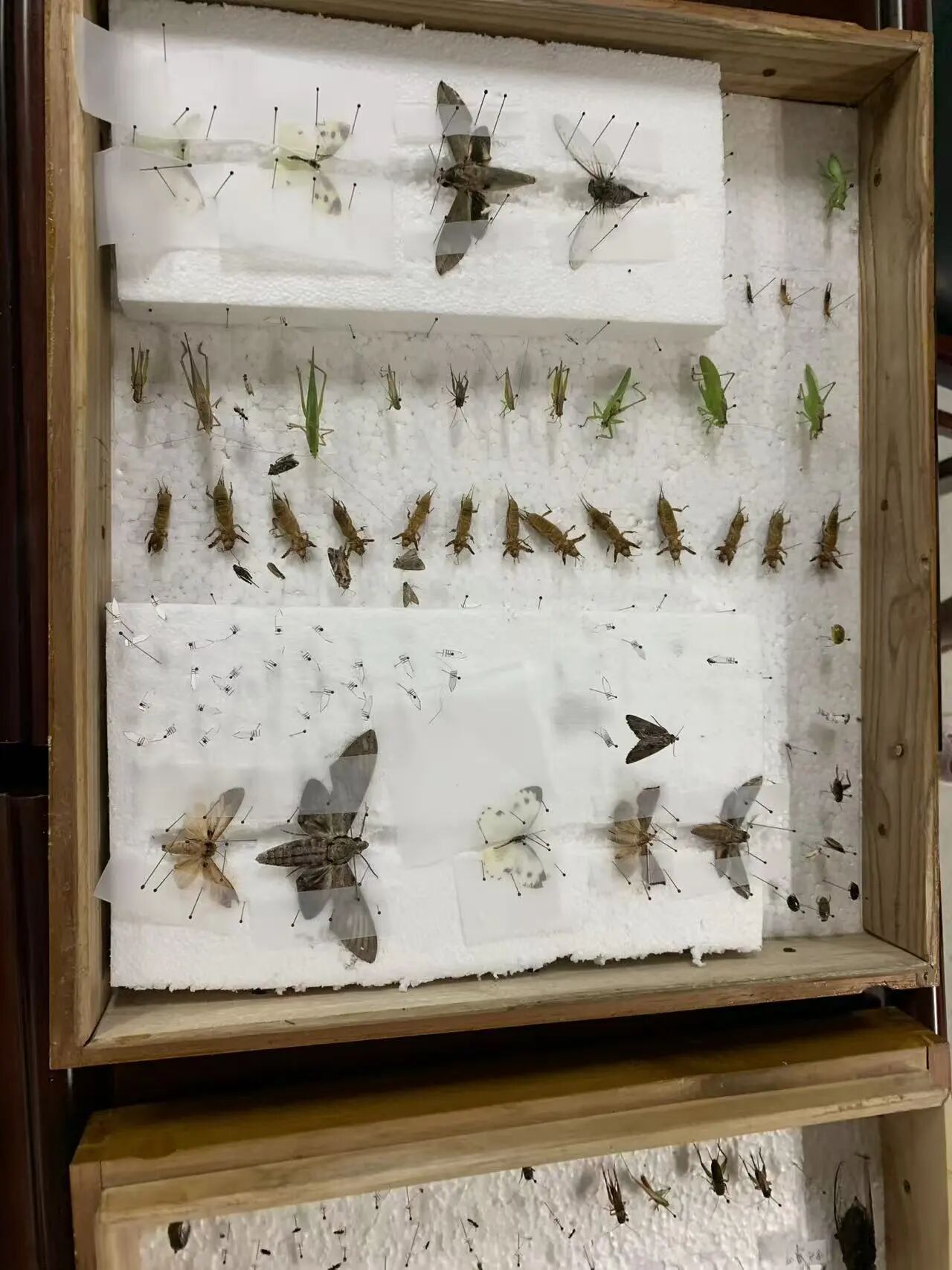
My primary research subject is a major rice pest: the brown planthopper. My routine in the lab consisted of dissecting the testes and ovaries of these tiny insects, along with their eggs, which they lay inside rice stems.
As ectotherms, brown planthoppers are highly sensitive to temperature fluctuations, which directly impact their reproductive capacity. Past studies have shown that climate warming can accelerate their breeding and trigger outbreaks. Therefore, my research focused on how temperature affects their reproduction, aiming to identify the key genes through which temperature exerts this influence.
Relatives and friends frequently mistake me for an agricultural expert! They’ll often ask me things like: “What’s wrong with my houseplants?”, “We’ve got a pest problem, how do we treat it?”, or “My crops are showing these symptoms, what pesticide should I use?” When I visit my hometown and speak with the dwindling number of elderly farmers, I find that most lack a clear understanding of crop diseases or pests. They rarely know what specifically is affecting their fields; they simply resort to spraying pesticides. In such cases, I realise I have very little practical advice to offer.
In reality, there is a significant disconnect between academic agronomy and practical farming. Modern agricultural science has shifted heavily towards biology. The knowledge imparted in classrooms is overwhelmingly theoretical—covering topics such as the functions of various plant hormones or how to differentiate between pest and disease symptoms. Students end up with a purely intellectual understanding, devoid of any hands-on experience or intuitive grasp of the subject.
Many younger academics understand biology well but lack a grounding in agriculture. Conversely, older professors who conduct field-based research and regularly spend time in the countryside tend to have a much better grasp of on-farm realities.
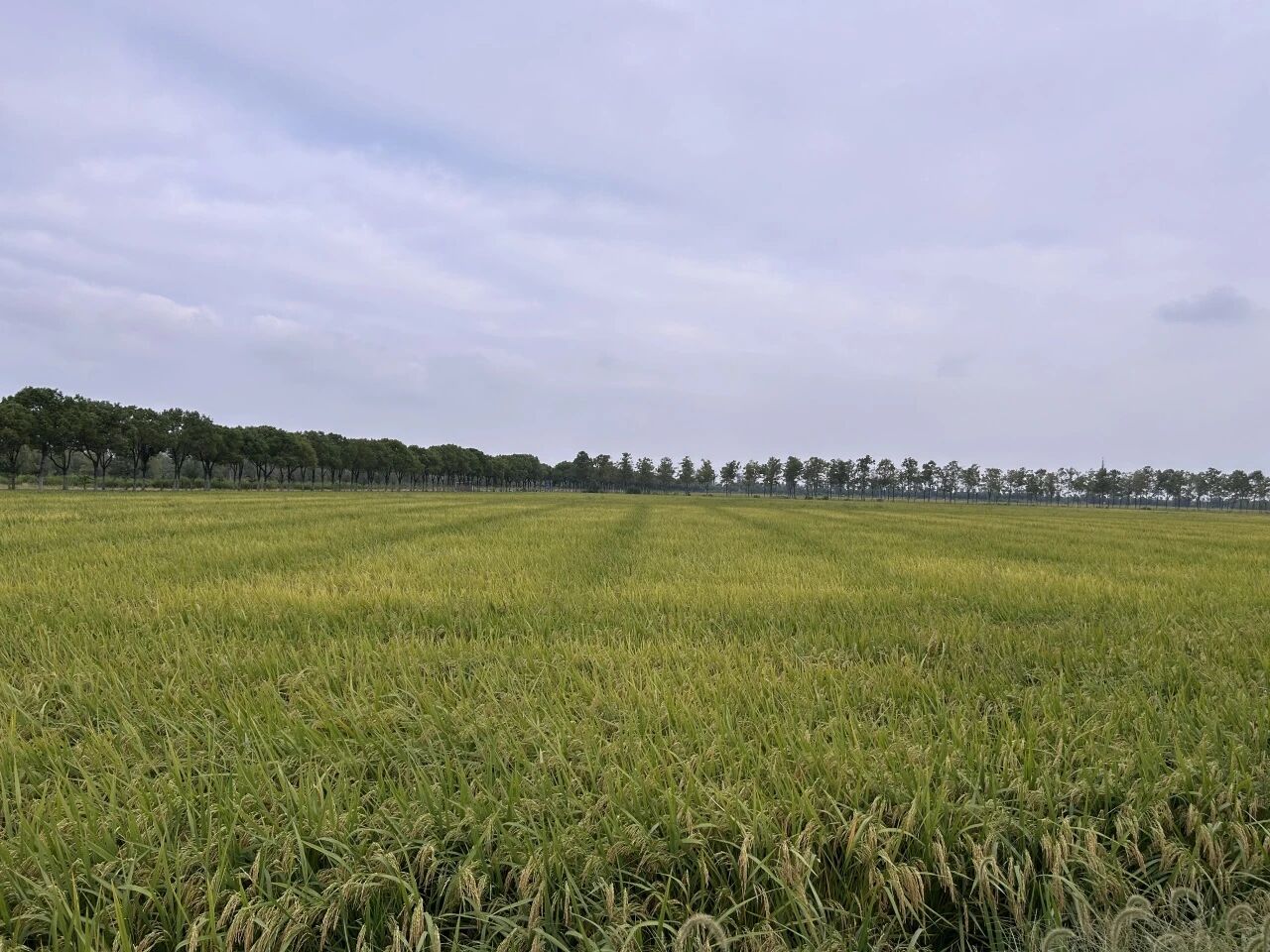
Conducting field research today often feels like a thankless task: it demands immense effort, spans years, and yields few tangible results. For instance, a study investigating how planting specific flowers on field bunds affects crops typically requires several years to yield scientifically robust data. However, a single year of extreme weather—such as a drought or torrential downpours—can easily render all that groundwork obsolete.
By contrast, a molecular biology experiment can yield a publishable paper in just a few months. If an experiment fails today, you can simply repeat it tomorrow.
Undoubtedly, many cutting-edge questions do require molecular-level explanations. Yet robust research ought to begin by observing a phenomenon in the field before dissecting it at a molecular level. The challenge is that identifying a novel field phenomenon is inherently difficult, and unpacking its mechanisms is time-consuming. Driven by the pressure to publish quickly, close out grants, or graduate on time, most researchers opt for the safer route: “Switch to a different crop and apply the same established research questions and methodologies.”
That said, my time as an agricultural science student has undoubtedly deepened my engagement with the so-called “Three Rural Issues” (agriculture, rural communities, and farmers). Previously, my relationship with food, the land, and the countryside was much like my relationship with air and water—I hardly noticed their presence. Now, through studying organic farming and food safety, and through my post-graduation work, which constantly brings me into contact with the multifaceted realities of rural life and agriculture, I have gradually come to appreciate the profound importance of food and its intrinsic connection to the land.
Planning: Li Ye, Yu Yang