
The Mycelial Network: Connecting Nature and People | Notes from US Farmers’ Markets
I.
Tang and Wen make their home in a valley threaded by a stream. The watercourse is modest, running at about half a metre deep, but it flows all year round and is even marked on maps. Heading south, it merges with several other waterways before feeding into the Ohio River. The Ohio flows westward, meeting the Mississippi a few hundred kilometres further on. Their farm spans roughly 100 acres. The mushroom houses, vegetable garden and their small home occupy only a fraction of the property; the remainder is largely woodland.
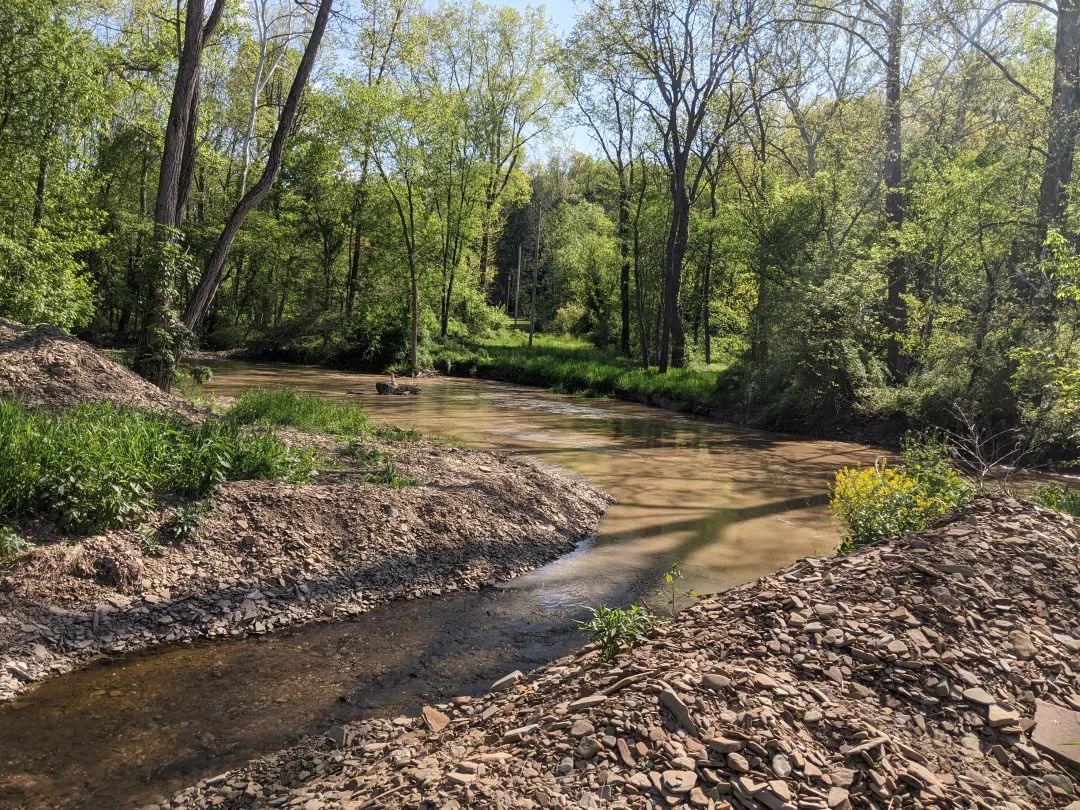
“Actually, all the trees here were originally cut down; it was entirely farmland. Later, a Conservation Reserve Programme was introduced. The idea is that if your land is by the water and you’re willing to take it out of cultivation and replant it with woodland, the government will pay you rent for that land. The soil near waterways is highly prone to erosion, after all. Plus, if you’re farming, you inevitably use a lot of fertilisers, which then wash south down the river all the way to the Gulf of Mexico.”
The Conservation Reserve Programme mentioned by Xiao Wen originally stems from a post-World War II initiative known as the ‘Soil Bank’. The premise was simple: soil is a resource that regenerates incredibly slowly. While the total land area doesn’t shrink, the topsoil—the rich, fertile layer—can diminish or even be depleted entirely, making its protection essential.
Although American agriculture is highly industrialised, it is not quite industry; it operates by its own logic. Take cars, for instance: if a particular model falls out of favour and prices drop, manufacturers will quickly pivot to producing something else. But when crop prices fall, farmers, desperate to maintain their income, often end up producing even more, trying to make up for the shrinking profit margin per unit through sheer volume. This peculiar dynamic deserves its own separate piece, but for now, it suffices to say that this law has held true for over two centuries.
Consequently, over the decades following the war, agricultural efficiency soared and food prices fell, yet the scale of land clearance spiralled further out of control in many regions. Farming takes a heavy toll on the soil. In temperate farmland, once the crops are harvested, the earth lies completely bare for half the year, exposed to wind and rain, with erosion running rampant. Against this backdrop, the US introduced the Soil Bank policy. Its core aim was to protect both soil and water, recognising that the two are inextricably linked. Secure the soil, and water quality naturally improves; conversely, any talk of safeguarding water resources without addressing soil erosion is little more than an empty promise.
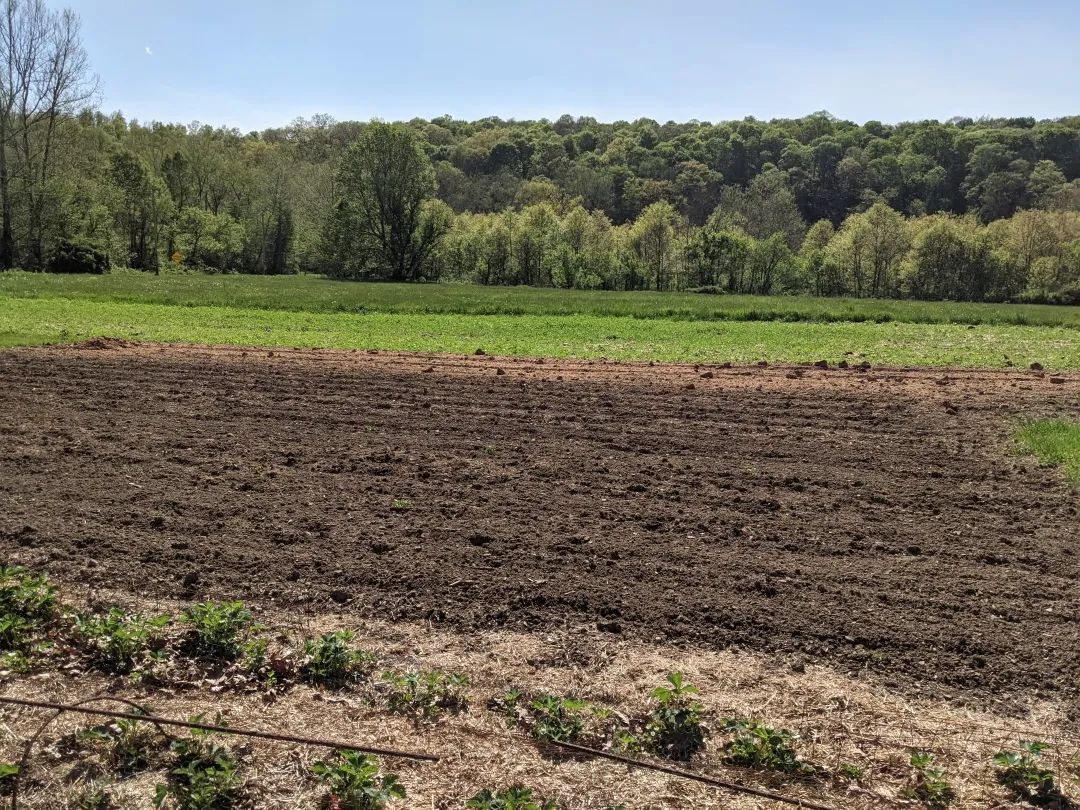
The US Farm Bill is revised every five years. As one of its cornerstone provisions, the Conservation Reserve Programme has evolved from its Soil Bank origins, steadily expanding its scope. It has moved beyond simply restoring woodland to include grasslands and wetlands, and its objectives have broadened from protecting immediate resources like soil and water to safeguarding wildlife and entire ecosystems.
An earlier piece in this series, *Farmer Old Kai*, touched upon ‘easements’, a concept rooted in medieval English law whereby land ownership can be divided. For example, a government or conservation body might hold the subsurface rights to prevent destructive development on a plot, while a farmer retains the rights to graze livestock or harvest above ground. These rights can be bought, sold, or passed down through generations, making them a practical tool that protects the environment while still allowing farmers to benefit.
The Conservation Reserve Programme is distinct from easements. It does not alter land ownership; rather, it represents a different approach. Essentially, the government leases farmers’ land to plant trees or restore other ecosystems, typically under ten- to fifteen-year contracts. When a contract expires, the farmer can choose to renew it, walk away, or convert the land back to agriculture—the land remains theirs. From a purely environmental standpoint, this may not be the ideal solution, but given that the vast majority of land in the US is privately owned, it offers a more flexible and pragmatic approach, making the most of whatever conservation is possible.
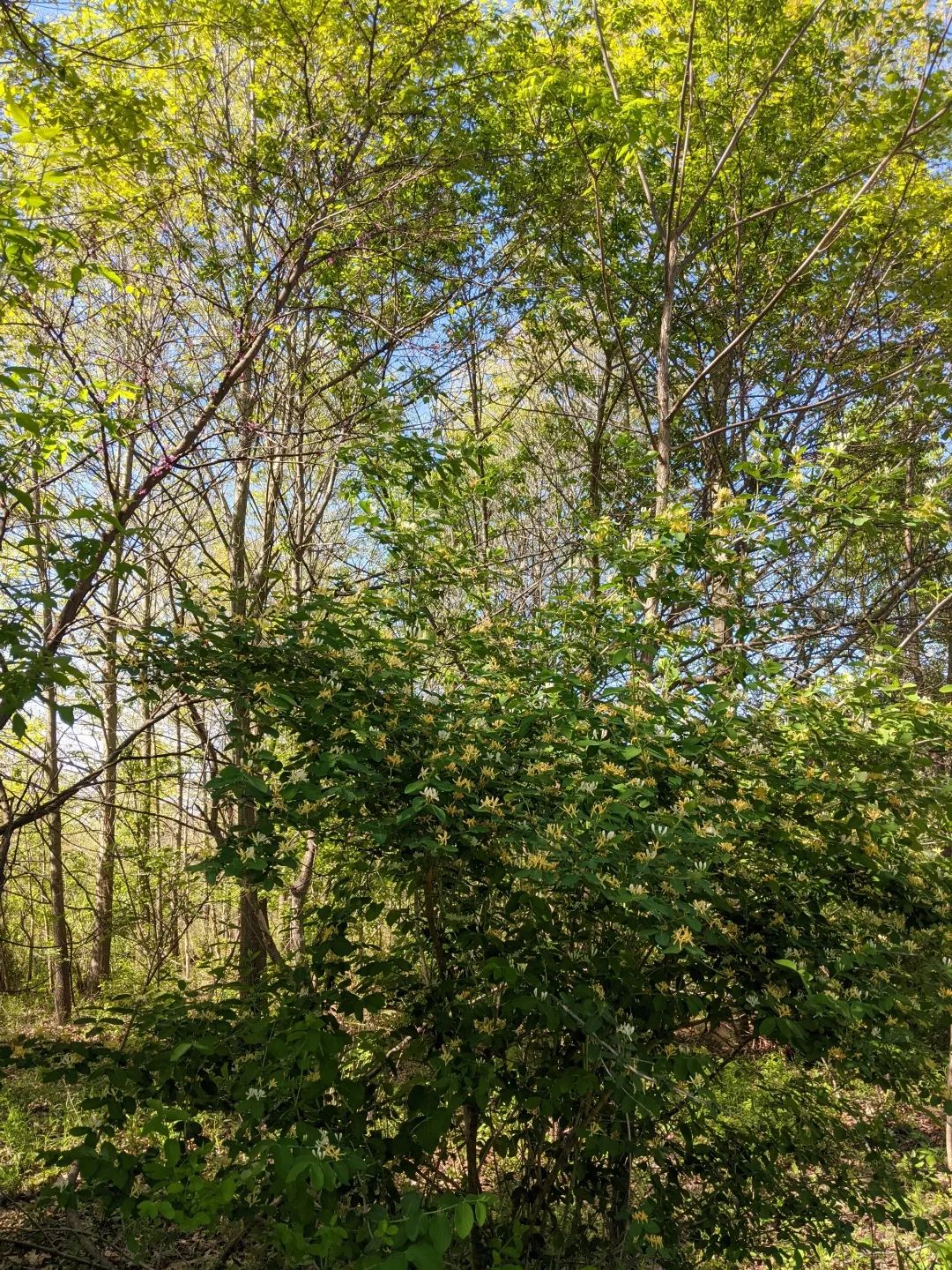
“Smell how fragrant this honeysuckle is! Most of these trees were planted by Xiao Tang’s father when he was a boy. His father loved honeysuckle and Canadian redbuds, so he planted a perimeter of both around the edge of the woodland. Walking through here in spring, you’re surrounded by the scent of flowers. We later expanded the wooded area a bit, and it’s full of wildflowers now. I pick a bunch every week to bring home.”
“Does the compensation for planting trees come close to what you’d make growing crops?”
“Not exactly. Their principle is to pay market rate. Every time we renew our contract with the Department of Agriculture, they set a benchmark based on current agricultural rental rates, and they also assess the specific soil and water quality of your plot. If the soil is particularly good, they pay more. Of course, in practice, once you factor in all the various overheads and complications, farmers inevitably take a bit of a loss. But we still prefer to grow trees. We want to keep our own stream clear and running, and besides, Xiao Tang has always loved trees…”
“If the woodland suffers a fire or an infestation, do they fine you?”
“They have forestry experts who visit regularly. They’ll advise you on how to mix tree species to prevent infestations and contain fires. If a fire does strike, they’ll guide you on what to do next and which species are best for replanting.”
Farmers tend to be conservative, seemingly a trait shared across the globe. They’re fond of keeping old things—the old barn, the old machinery, the old trees—and reluctant to replace them unless absolutely necessary. Xiao Wen’s laboratory is full of modern equipment, such as the laminar flow hood that Xiao Tang built for her, yet directly across from it stands a cowshed dating back to 1890. Inside the shiitake room converted from the cowshed sits a rather cool autoclave (essentially a giant pressure cooker), while parked outside is a 1945 Allis-Chalmers tractor. Xiao Tang uses it to till a small plot for growing potatoes, which they sometimes sell at the local market if they can’t eat them all themselves. I’ve bought their potatoes, never realising they were grown using a tractor as old as my parents.
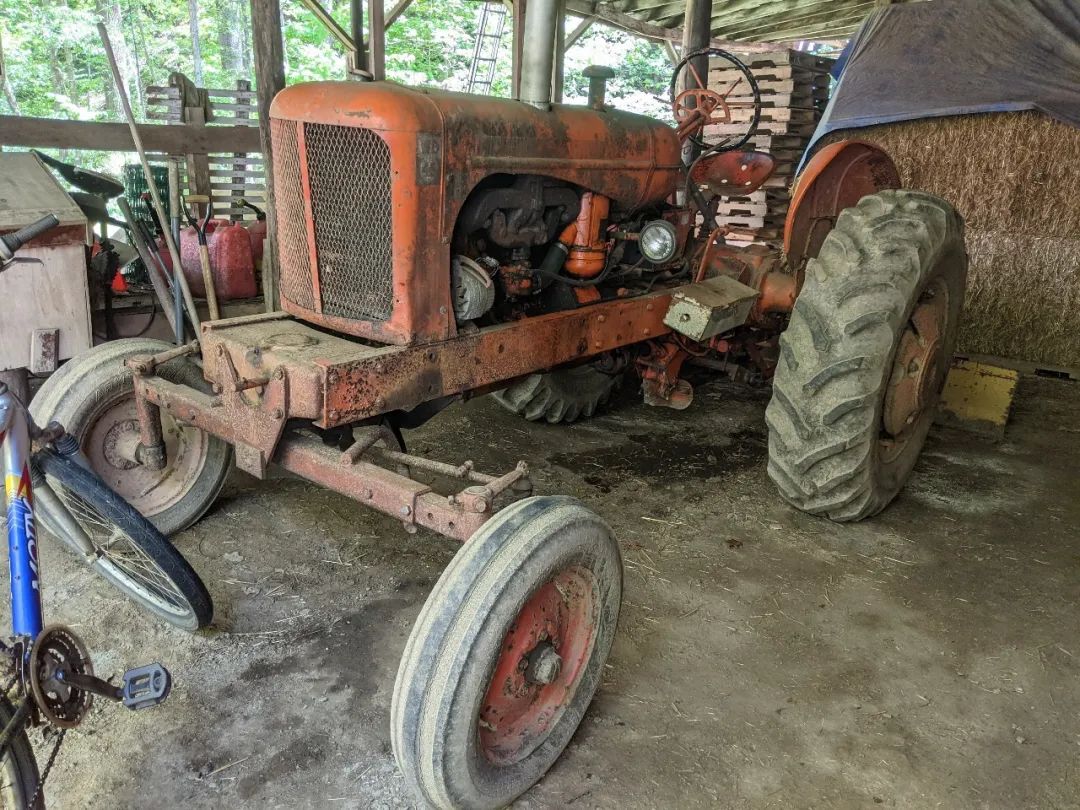
“Ah, speaking of which, do you know Old Tuo, the butcher on our market? When he’s got time on his hands, he buys up second-hand farm machinery, restores it himself, and sells it on.”
“Know him, but not well. Restoring old tractors is a proper business. For smallholders like us, buying a new tractor isn’t an option; we all go for the older models. Half the tractors you see decked out with bunting for country fair parades are pushing a century old.”
Young Tang and Young Wen’s mushroom venture stands alone at our little market; they have no rivals. At every general election, the candidate they back differs from that of most of the farmers. Despite years at the market, they never seem entirely at ease with everyone there, carrying an air of quiet detachment. Yet the moment the conversation turns to farming, their assured demeanour makes it unmistakably clear they’re speaking for their own.
As we were discussing tractors, their son, Little J, returned. Fresh out of university and still weighing his next steps, he’d moved back in with his parents to pick up the ropes of mushroom cultivation and trading, while picking up odd jobs on the side. Unable to suppress a rather urban naivety, my partner, Panghu, piped up: “Do tractors have gears, too? Is there an automatic option?”
I glanced nervously at the trio, half-expecting a smirk, but instead found them mulling the question over with genuine seriousness. Little J, ever the pragmatist, replied: “I used to work on another farm where I drove some of the newer models, and they were all manual. Working machinery needs a higher degree of operator control; I’d say manual is still the way to go.”
II
Roughly ten years ago, I suddenly developed an allergy to the Tangs’ shiitake mushrooms—amounting to a mild form of poisoning, I’d say. Mushroom toxicity is a notoriously elusive subject. Fungi that many people eat with complete familiarity can prove toxic to others; indeed, the very same species might be poisonous in one growing environment and entirely harmless in another.
The Tangs’ shiitake look quite different from those in Chinese supermarkets: much more slender and delicate, and lacking the intense fragrance of dried mushrooms. Yet I distinctly remember them as extraordinarily tender and silky—a texture I was genuinely fond of at the time. For the past decade, their yields across various mushroom varieties have remained consistently reliable. Apart from my own reaction, I’ve never heard of anyone else experiencing an allergy. Alongside their retail sales at the market, they hold exclusive supply contracts with roughly ten local restaurants. Unlike most growers at the market, the couple runs no second jobs or side ventures; they are full-time mushroom farmers, and have successfully funded both of their children through state university on mushroom sales alone.
Just fifty years ago, you couldn’t find fresh shiitake anywhere in the United States. At the time, the Department of Agriculture prohibited the import of shiitake spawn, allegedly due to confusion with a species called the leopard-spotted panellus. In English, this fungus is colloquially known as the ‘train wrecker’. It favours growing on railway sleepers, breaking down the wood’s lignin into sugars until the timber silently turns to pulp. During the Civil War, this species devastated sections of the Southern railway network—a factor that, in its own way, arguably helped tip the scales in favour of the North.
Shiitake are notoriously difficult to cultivate. Their mycelial growth cycle is lengthy, and predicting when they will fruit is notoriously unreliable. In ancient China, growers used a technique known as the ‘chop-flower method’: notches were carved into a log to await the mysterious arrival of wild spores, or a paste made from crushed mature shiitake was smeared into the wounds. After two or three years, the log might produce a crop, or it might not. During the twentieth century, Japanese cultivators developed various inoculation techniques that could reliably establish mycelium, but predicting when a fully colonised log would actually send up mushrooms remained a puzzle. For centuries across East Asia, the traditional approach was the ancient Chinese ‘startle-mushroom method’: once the mycelium was presumed mature, growers would choose a night of the full moon and strike the log forcefully. It was believed that this sudden shock would trigger fruiting.
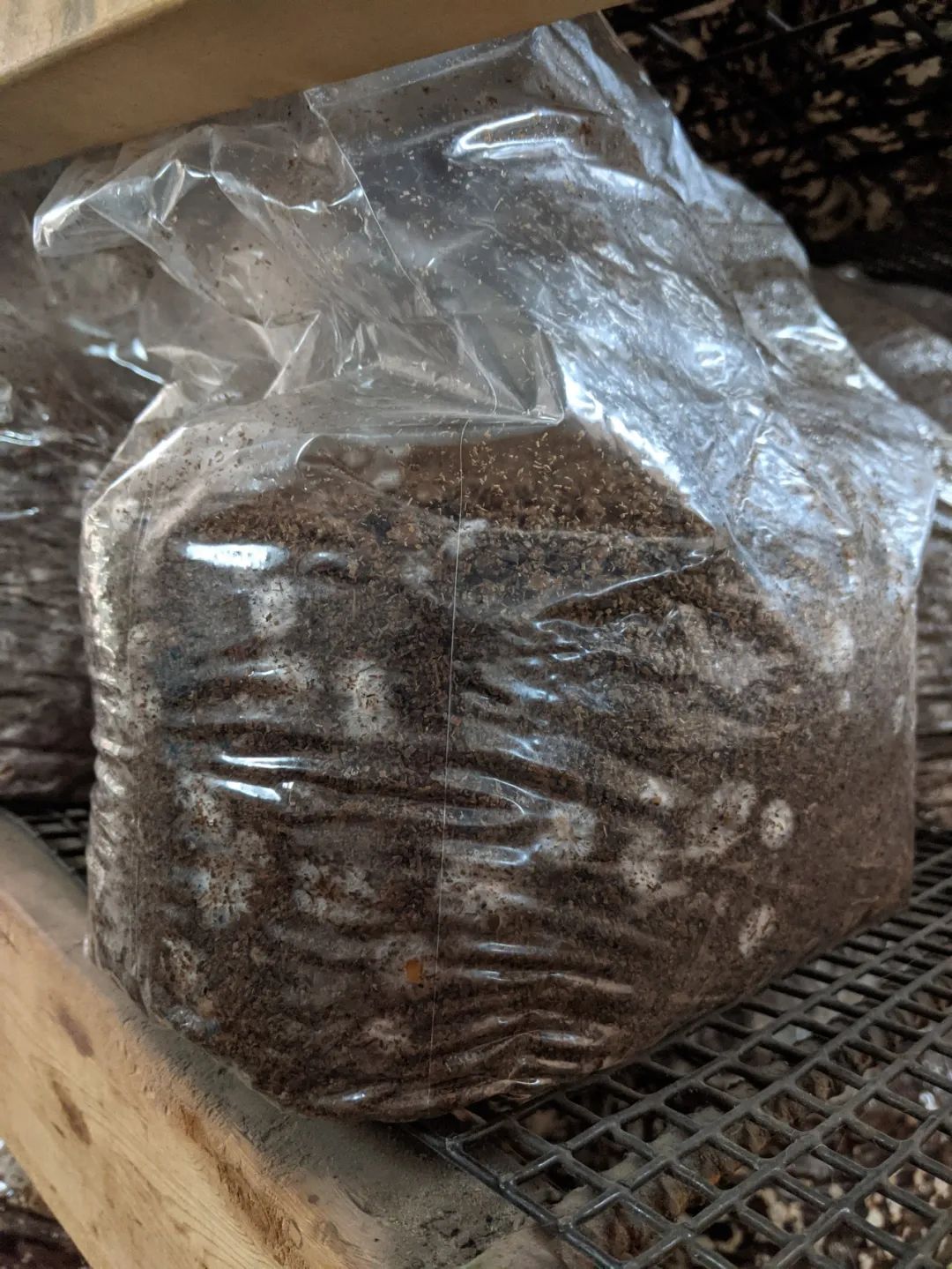
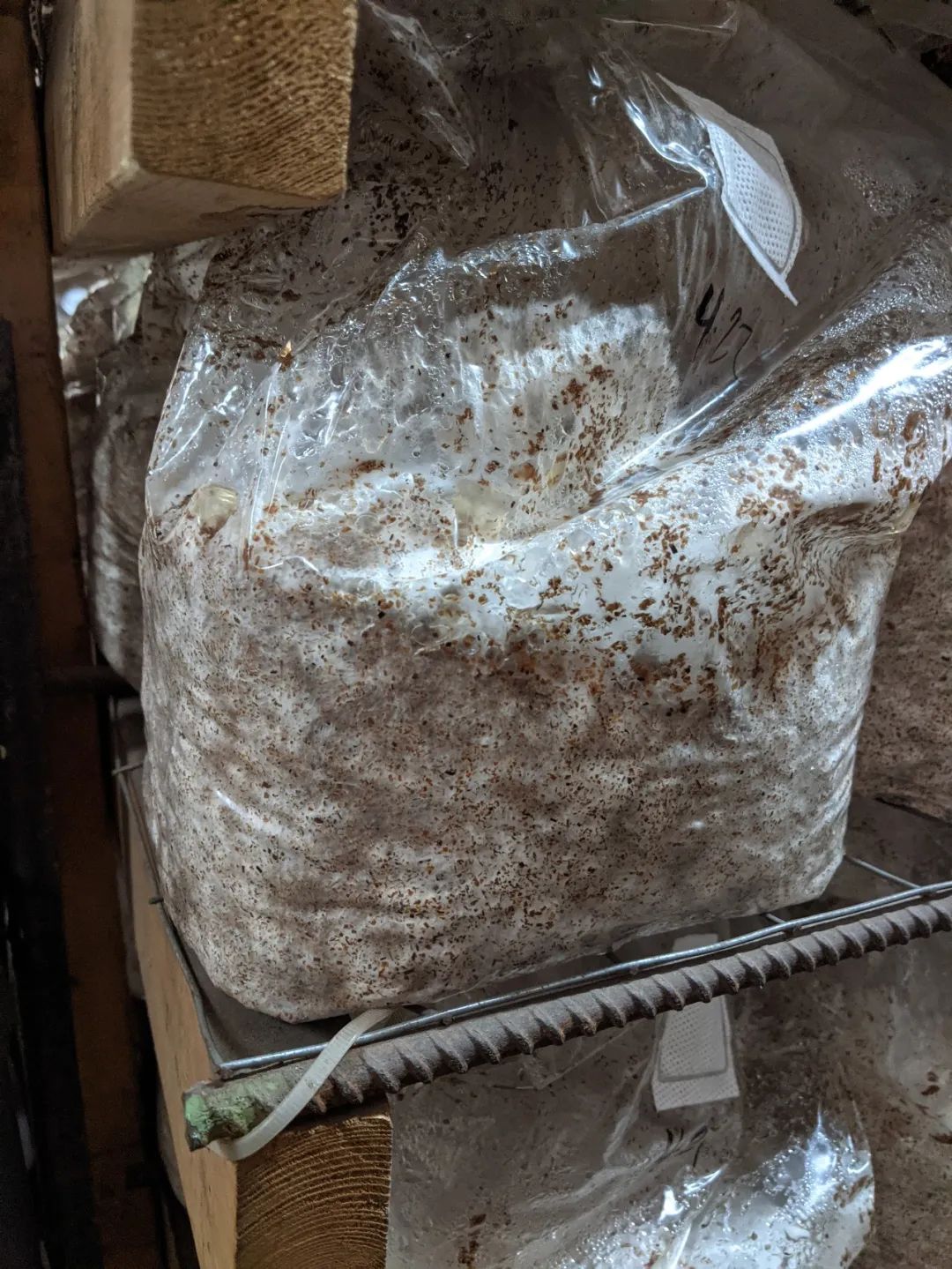
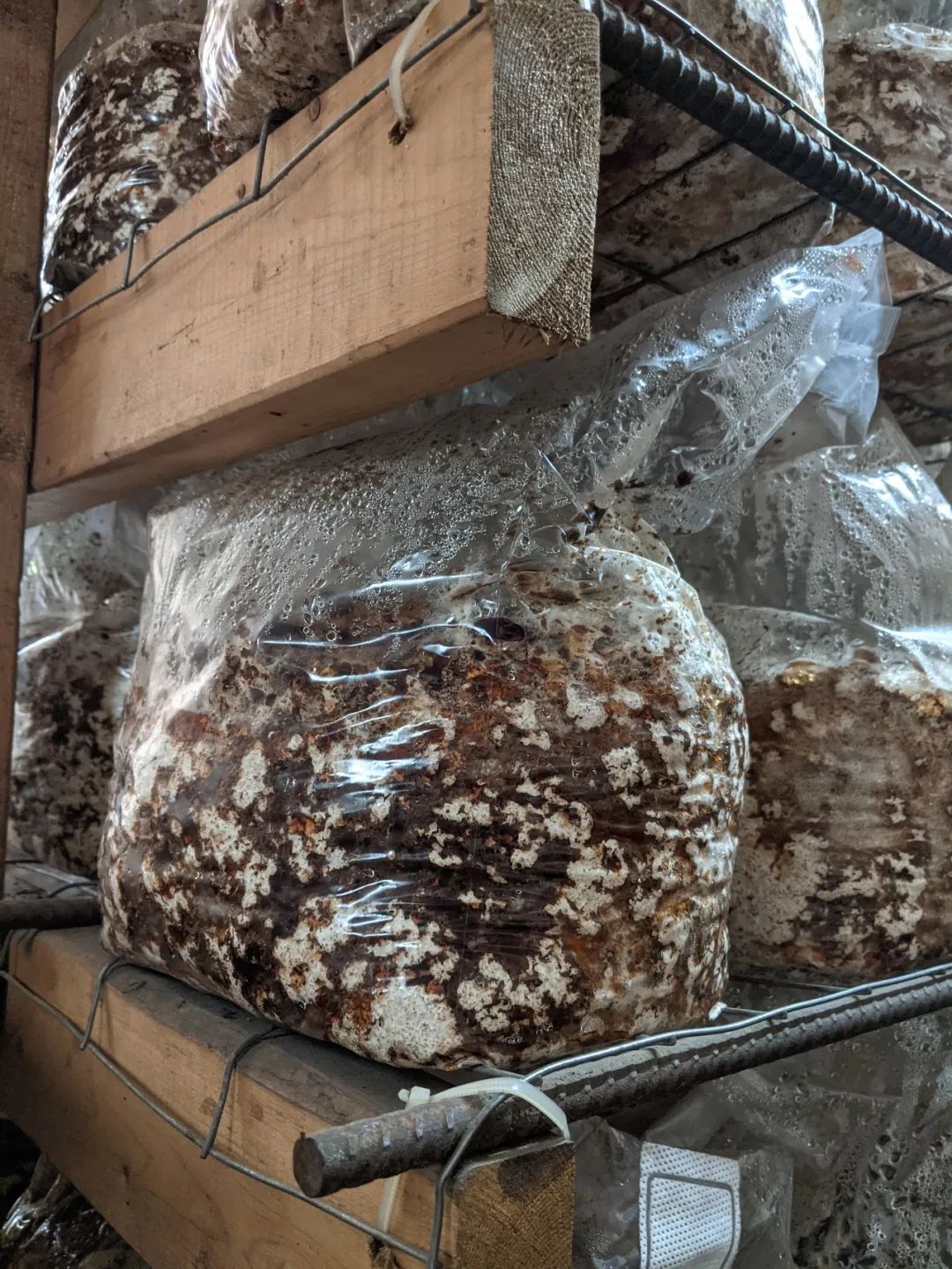
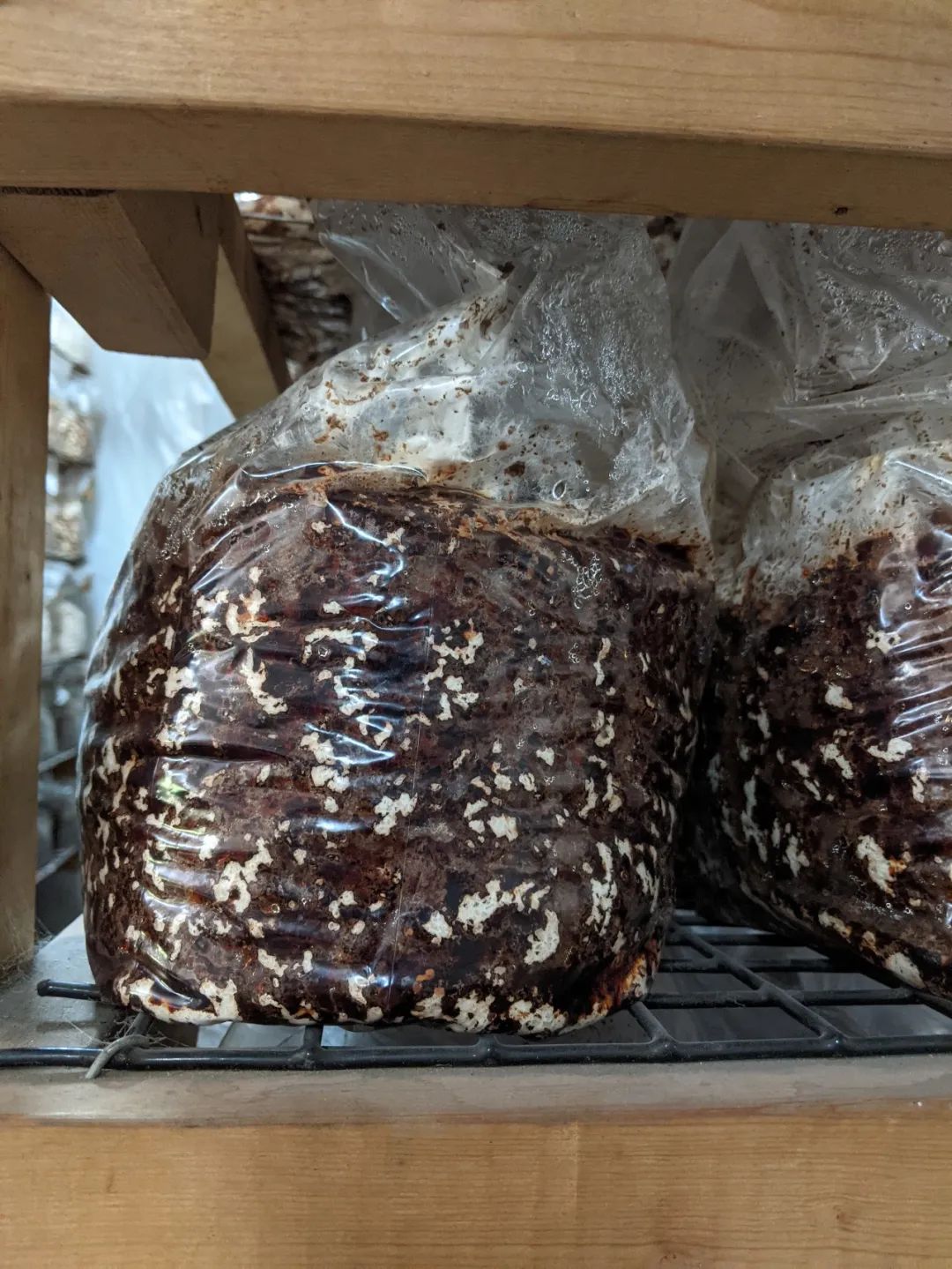
The Tangs employ the sawdust cultivation method developed in the 1970s by the American company Lambert Spawn. Sawdust is blended with grains to form a substrate, inoculated with spawn, and packed into plastic bags. After incubating for a few weeks, the colonised block is removed from its packaging. By this stage, the mycelium has bound the loose sawdust into a near-solid mass, which is then left exposed to the air. The block even develops a brown, bark-like casing; once this casing fully covers the surface, it is primed to fruit. The actual trigger for fruiting is a temperature shift. Once moved to a room kept below 20°C, the shiitake begin to emerge. The entire cycle takes roughly three months.
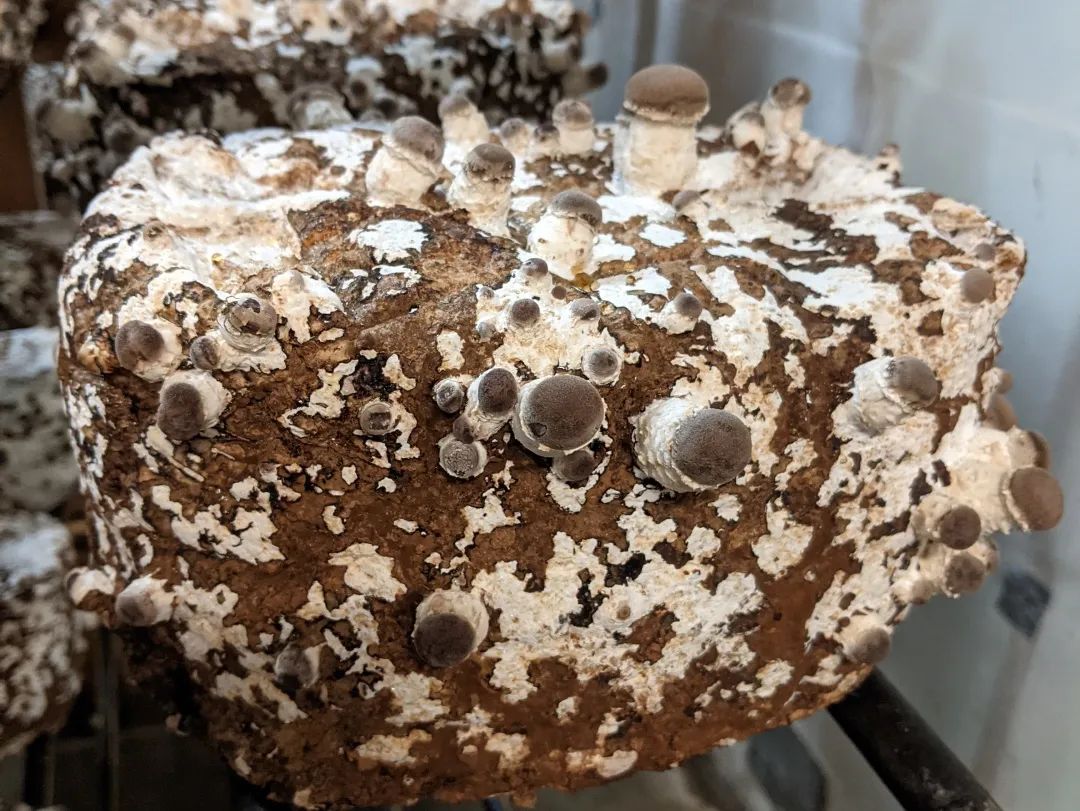
Xiao Tang has also inoculated a few logs by the river with shiitake. The mushrooms are prized for their thick, fragrant caps, and buyers will pay top dollar for them. The entire cycle takes roughly a year and a half; at the end, a bucket of cold water poured over the logs triggers fruiting. Once a log has yielded several flushes, its lignin is entirely broken down, leaving the wood so soft it can be torn apart by hand.
“Which mushrooms, exactly, can’t you grow yourself?” I asked Xiao Wen.
“Broadly speaking, the ones you can cultivate are saprotrophic; the ones you can’t are symbiotic. Wild mushrooms probably taste better precisely because of this—they must grow in association with a living tree. Dead organic matter simply cannot meet their nutritional requirements, which makes commercial cultivation impossible. Some are attempting it, but it’s exceedingly troublesome. You can’t use a single tree; they require a whole woodland. If the tree is too large, inoculation fails. If it’s too small, they won’t fruit. They need to grow up alongside these trees, meaning you’d have to inoculate the saplings and wait for them to mature. It really comes down to whether you have the patience to wait.”
Fungi form symbiotic relationships with plants by wrapping their mycelium around root systems. This intricately tangled underground interface is known as mycorrhizae. Beneath almost any vegetated landscape, you will find extensive mycorrhizal networks functioning much like trade routes. Using its capacity to decompose almost anything, the mycelium gathers nitrogen and minerals, trading them with plants for sugars. Plants also exchange nutrients with one another through these networks, and in this arrangement, the mycelium—acting as a broker—certainly takes a modest commission.
I picked out a purely white plant called Indian pipe from Xiao Wen’s T-shirt. She explained that they emerge in the woodland in summer like phantoms. Lacking chlorophyll, they take root in mycorrhizal networks and rely entirely on the mycelium to shuttle nutrients from neighbouring plants to keep them alive. I once spotted an albino sapling standing tall and slender in California’s towering redwood forests; it was almost certainly growing in much the same way, sustained by the mature trees and underground fungi.
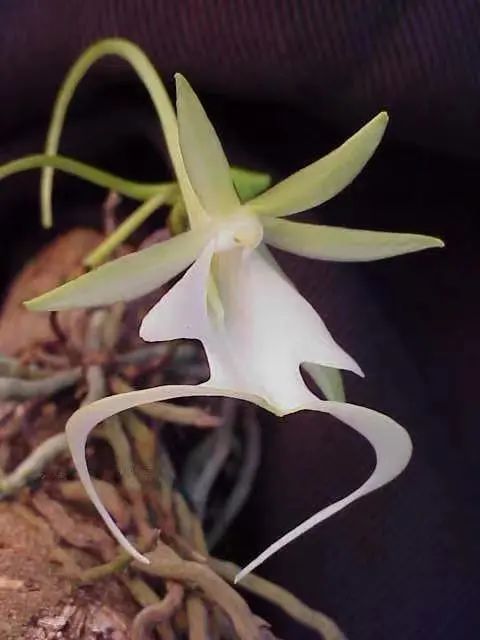
Then again, nature is indifferent, and biological evolution has never been about charity. The fungal kingdom encompasses a vast array of survival strategies. Some species begin in symbiosis, eventually kill their host, and immediately switch to saprotrophic feeding—they are perfectly capable of such ruthlessness. There is also the snow fungus I mentioned to Xiao Wen previously. I once assumed it was merely a white variant of wood ear, but it is entirely different. Though it appears to grow on timber, it actually parasitises other saprotrophic fungi. Trying to picture how the cultivation techniques for snow fungus were gradually refined makes my head spin.
The slow pace of development in many mycelium-based technologies today, along with the stubbornly high costs, may well be because market demand simply hasn’t reached that stage. Mycelium, for instance, can bind disparate particles into a solid form or disintegrate a sturdy material, depending on the stage of its growth cycle. By harnessing this property, innovators place agricultural by-products such as cotton hulls and wheat bran into moulds, inoculate them, and allow them to grow to a certain point before heat-treating them. This process locks in their shape and rigidity, yielding biodegradable packaging capable of replacing polystyrene foam, or even building materials—though the notion of biodegradable housing is somewhat difficult to visualise. These applications remain highly experimental, but if consumer demand ever becomes as pressing as the public’s appetite for snow fungus and shiitake, breakthroughs will surely not be far off.
III.
“So were we! But our high school was huge, so we didn’t really know each other back then.”
“We got together in high school. Later, I went to the nearby state university, while Xiao Tang headed up to New York State for college. We drove back and forth a lot. And something that might sound unbelievable now is that we actually wrote letters back then…”
“Haha, we did that too for about two years. He was in America and I was in China. There was no internet calling back then, and international long-distance was a dollar a minute.”
“Goodness, we never lived quite that far apart. We got married straight after university. I worked in a hospital, and Xiao Tang became an engineer.”
“What did you do at the hospital?”
“Lab work—haematology, chemistry, microbiology, I’ve done them all. That’s why I picked up mushroom cultivation so quickly when I started, hehe. Xiao Tang studied mechanical engineering with a minor in electrical engineering. He laid all the underground pipework for our farm.”
“My sister followed their lead and went into the sciences too,” Little J chipped in from the side.
“I remember she also wanted to apply to the art college around here back then.” We’ve been regulars at the local market for over a decade, and we’ve watched this bunch of kids grow up.
“That’s right, but art school was too pricey. We really couldn’t afford it, and she’d always preferred science anyway. I’m the only one in the family who studied humanities—history, that is.”
“American history?”
“European history. Though there’s a rule at our state’s public universities: anyone in the history department has to complete a certain number of credits in local history, regardless of your specialism.”
“Do you know Old Lu, who sells chicken and beef at the local market? He’s a history graduate too. He’s on the board of our local archaeological society now. They run lectures every month, and the October one always focuses on local archaeology. We used to skip the October talk entirely, but lately, we’ve found ourselves getting quite into the history right on our doorstep.”
“I know Old Lu. I’ll ask him about the lectures next time. I’m actually quite fond of homegrown history myself.”
“So how did you two end up setting up the farm?”
“I was exhausted from working at the hospital back then, and Tang didn’t enjoy his job either. We saved up for a few years, bought some land from his parents, and just then a friend gave us a book on how to grow mushrooms. We started planning in ’95, coming back every weekend to lay the foundations. By ’99 we’d harvested our first crop, got accepted into the farmers’ market, and finally managed to quit our jobs!”
“Mum, look, the kiwis are flowering!”
“You can actually grow kiwis in our climate?”
“It’s a cold-hardy Chinese variety; the fruit comes out about the size of a grape. Little J planted it last year because he loves kiwis, but I don’t know if we’ll get a harvest. The birds ate nearly all the blueberries and raspberries last year.”
“It would be one thing if they just ate them. The most infuriating part is that they don’t actually finish the job—they just peck a little hole in each fruit to taste it, and then it all rots.”
“Fruit farmers have it tough, fighting these birds every day. Netting doesn’t even work; plenty of them can squeeze right through the mesh. We’re much better off growing mushrooms indoors.”
“And us, who just know how to eat, have it even easier. We grab a pair of binoculars to watch the birds, then head to the supermarket for our fruit.”
“Haha, we actually do love birdwatching. If you don’t enjoy wildlife, living out here can be pretty unbearable. Little J and his sister have always been animal lovers.”
“Once, when we were little, my sister caught a whole bucket of snakes to show Mum. She left the bucket in the kitchen to go find her, and by the time Mum came back, the bucket was empty.”
“Did she catch them all in the end?”
“Let’s just say we don’t have any snakes in the house these days.”
“I just came in to use the loo—your kitchen is absolutely gorgeous!”
“Mum fired all the kitchen tiles herself.”
“Did you also fire some vases to sell at the market? They’re really quite unique!”
“Those were fired in this pit. They’re unglazed; the colour comes from yeast.”
“Using what?”
“It’s actually pretty much like proofing dough. You take a bucket of water, add sugar and yeast, throw in some flour, and let it ferment for a few days. I use clay straight from the riverbank. After shaping it, I heat it up, pull it out of the pit while it’s still scorching, dip it a few times in the fermenting mixture, then plunge it into clear water. Most clays would crack under that kind of treatment. Our soil is quite similar to Japanese Shigaraki clay—it can take a bit of a beating. I really like the finish it gives. Sometimes it resembles animal fur, other times plant veins. Depending on the temperature or how you dip it, the patterns change completely. They say it’s the protein leaving an imprint, but I’m not entirely sure of the science behind it.”

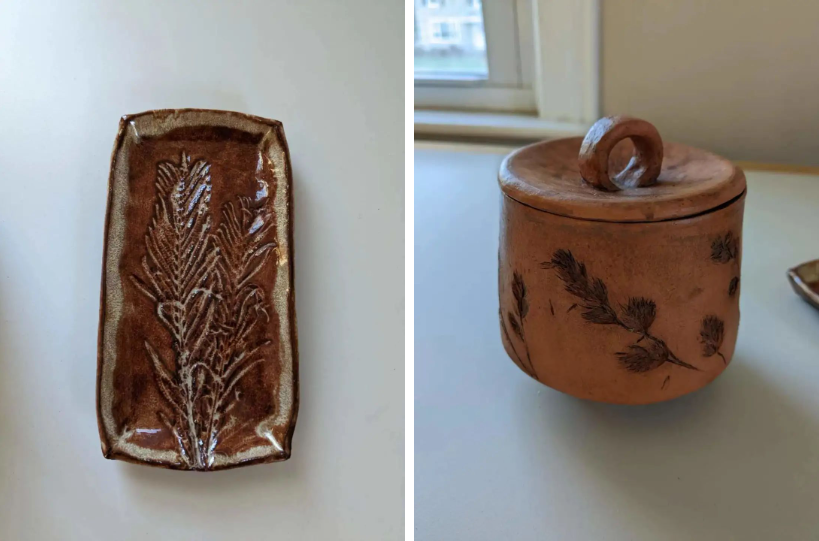
Earthenware pots coloured with soil fungi are truly something special. The technique originates from the medieval Baltic region. It hardly qualifies as advanced, yet eight centuries on, it is still practised in the valleys of the Ohio Basin, and households continue to display such vessels. Rather intriguing, really. It mirrors my daily enjoyment of fermented mare’s milk, where I find myself unwittingly benefiting from Turkic heritage.
History is a vast mycorrhizal network, binding every person to another. Follow a single thread of mycelium, and in an instant you are transported, uncertain of when or where. I shall leave it there for now, reserving to another day the deeper examination of nutrient transmission, symbiosis and saprotrophy, as well as heredity and variation, across this microscopic yet boundless web.
Author’s note: My partner, Mr Panghu, and I live in a small town in the Great Lakes region of the American Midwest. The local farmers’ market has been running for nearly thirty years since its founding, and we have witnessed over a decade of its history. This series of short essays aims to document the stories of the farmers we’ve met at the market, alongside my own observations on the US agricultural economy.
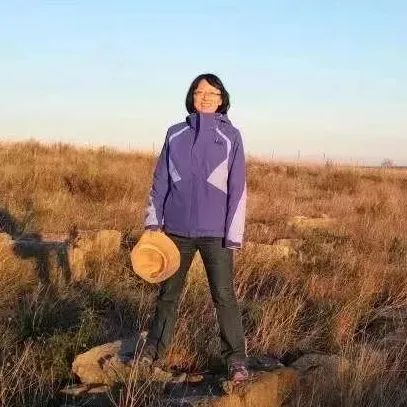
Unless otherwise credited, all photographs are by the author.
Editor: Tianle