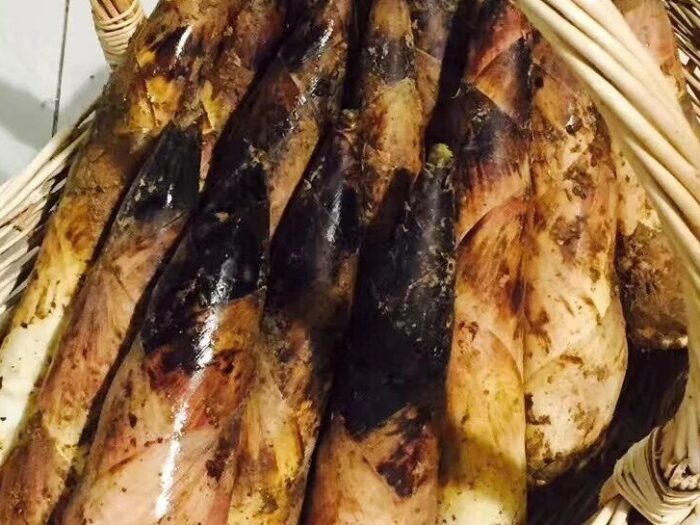
From Wuxi’s Yan Du Xian to Anji’s dried shoots and Peach Blossom dried bamboo shoots in Hunan’s groves, one season’s fresh bamboo shoots thread through generations’ hearths across Jiangnan and the southwest, and through vanishing rural flavours — the fire-baked bamboo shoot cake, Anji bamboo shoot and peanut snacks.
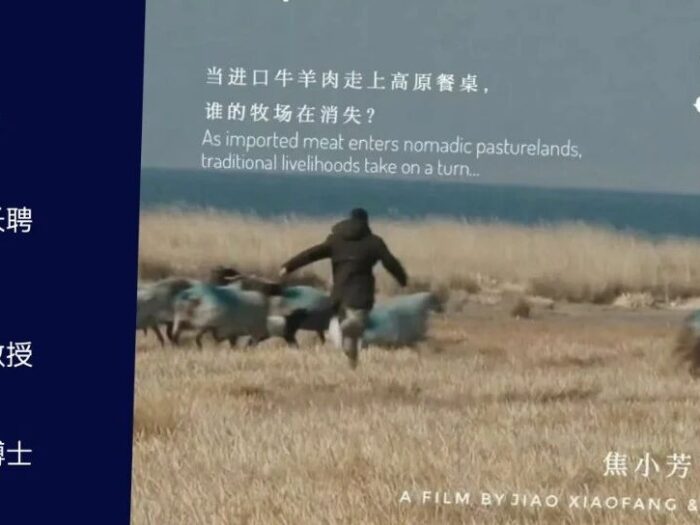
The award-winning documentary Whose Table, Whose Pasture documents the reality of plummeting cattle and sheep purchase prices and damaged livelihoods among herders after imported frozen meat flooded Qinghai’s markets. It will be screened at Zhejiang University on 12 June, followed by a discussion between food systems scholars and the audience.
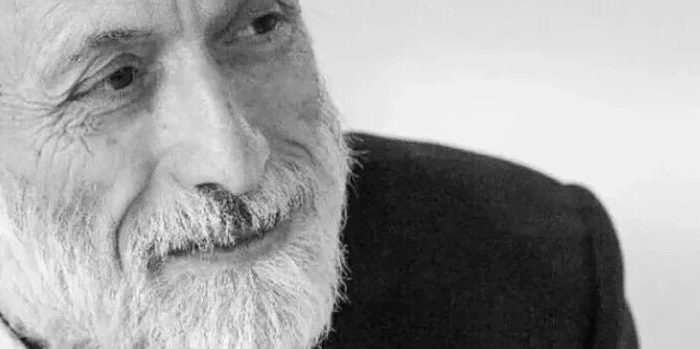
A graduate of the University of Gastronomic Sciences, Pollenzo, recalls the days spent with Petrini in Bra, and the voices in the Slow Food movement yet to be heard.
One yak calf, one payout; after the downpour, some are compensated while others harvest nothing—97% smallholders mean claims rely only on “village-level sampling”. Whether agricultural insurance can shield against extreme weather is the puzzle Yi Fujin of Zhejiang University has long studied.
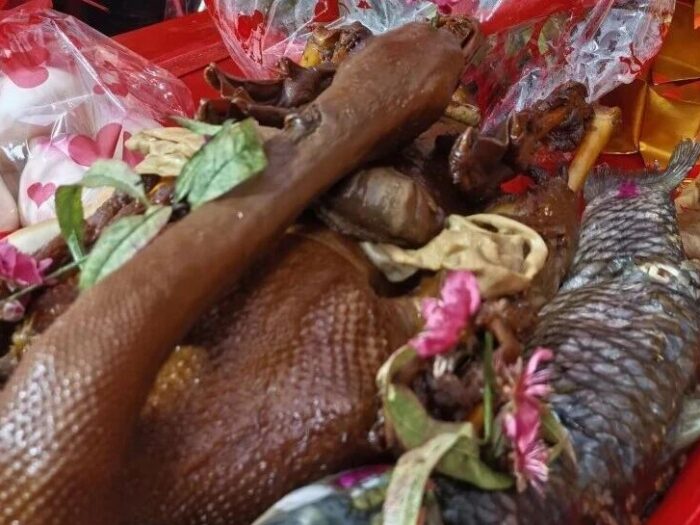
In 1946, Shen Dongyan in Malaysia sent a qiaopi simply to have his mother buy a braised goose for ancestral rites. In the Chaoshan region, braised goose is the offering of the highest grade on the offering table; this reverence has continued from the Nanyang to today.
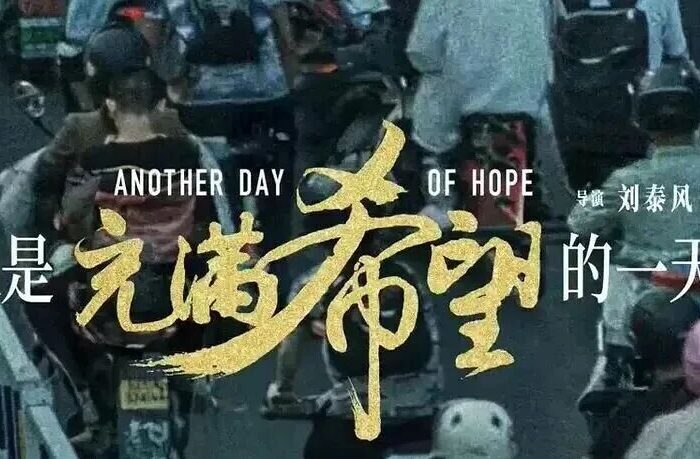
Foodthink screens four films about food and labour back-to-back at Tuanjiehu this June — from food-delivery riders to rice farmers, pastoralists and fermentation artisans. Each screening is followed by an in-person conversation with directors, protagonists and activists, and preceded by a farmers’ market.
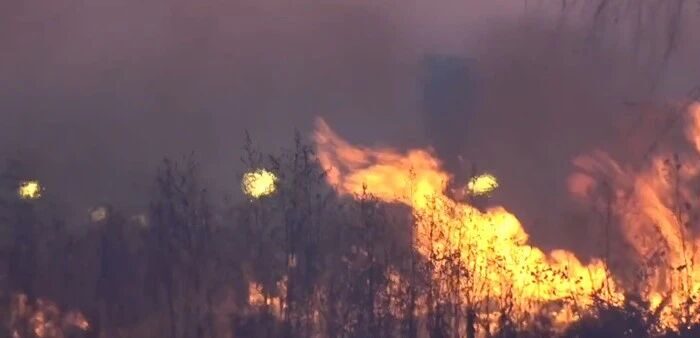
Over a decade since the 2016 straw burning ban became a political priority in the three northeastern provinces, Heilongjiang’s Hulan, Bayan and Bin County farmers and cadres proved: ridges wrecked by outsiders, stubble after baling, rice stalks never fully cleared — all for one burning window before spring planting.
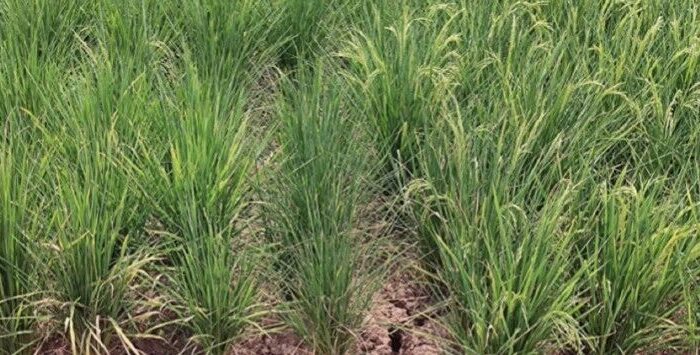
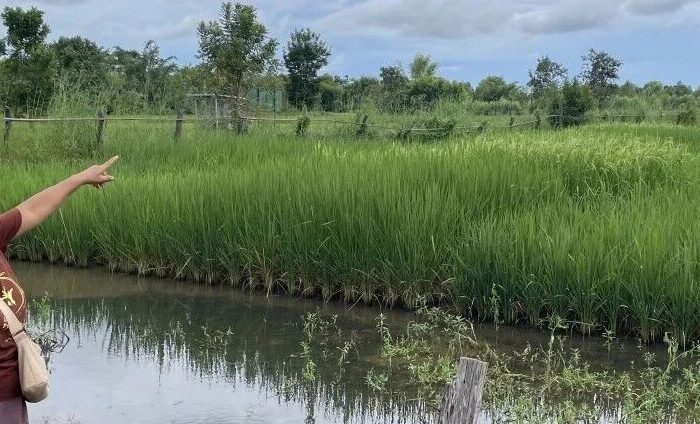
Farmers in Khok Sa-at village, northeastern Thailand, grow no export varieties. Self-breeding heirloom rice, owner-held land, and a credit co-op running for over forty years keep growing, borrowing, and spending within the community — a fall of about 30% in rice prices cannot touch them.
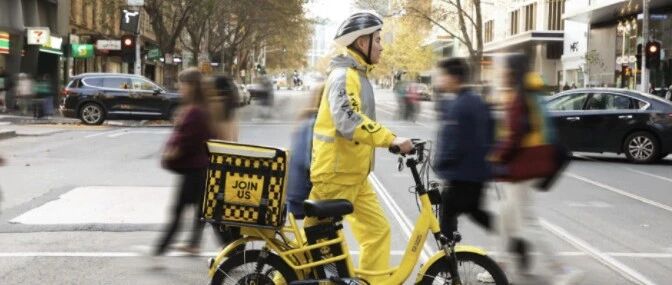
Ru Tongxue has run a shop in a small town in Exeter for six years, never joining a single platform subsidy campaign, and sets delivery prices uniformly 20% above dine-in: whoever enjoys delivery pays the bill—in complete opposition to the logic of China’s subsidy wars.
Author of The Vanishing Bees, Professor Lü Chensheng of Southwest University, begins with Colony Collapse Disorder at a Foodthink talk, discussing the ecological and health risks of pesticides entering the food chain from seeds, and seed companies’ influence on agricultural policy. 31 May afternoon, Beijing + online.