

The “cabbage-priced” fish, once ¥0.1 a jin, was knocked nearly to extinction by the qiaogu method. Ningde now farms 96% of China’s large yellow croaker, where farmers take four years to raise a single “semi-wild” croaker.
The “cabbage-priced” fish, once ¥0.1 a jin, was knocked nearly to extinction by the qiaogu method. Ningde now farms 96% of China’s large yellow croaker, where farmers take four years to raise a single “semi-wild” croaker.

From making pre-made cat food for three cats during the pandemic to always having fifteen finished meals in the freezer, Doudou turned the batch-cooking mindset into practical methods: portioning and freezing, keeping meat and vegetables separate, and sealing at low temperature.
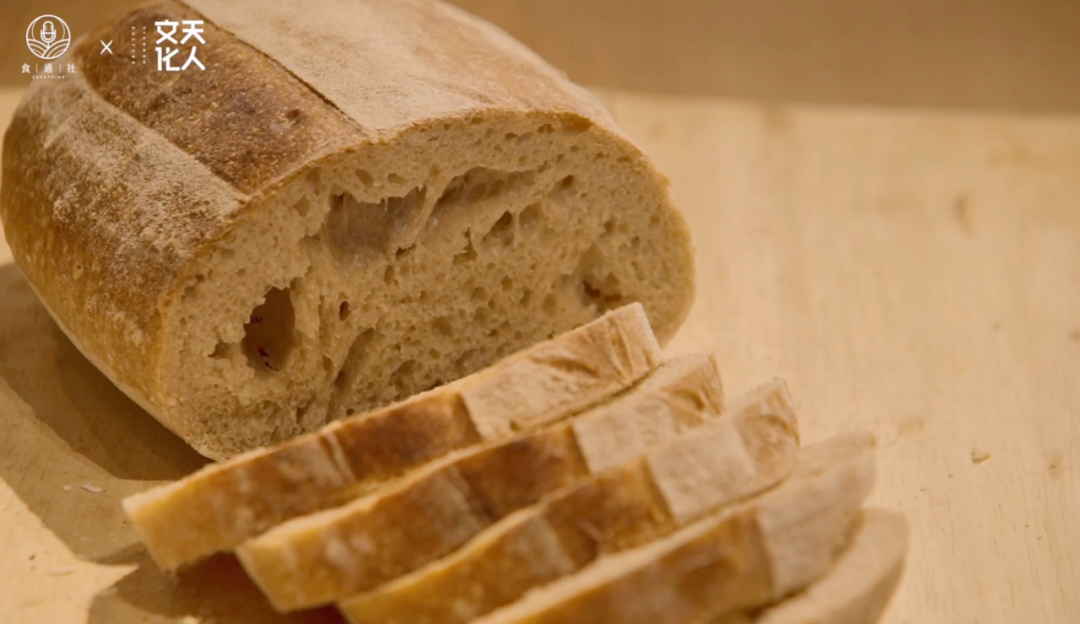
Yi Jian, who runs Jane&Lucy, cultivates a natural sourdough starter from flour and water — rich in yeast, lactic acid bacteria, and acetic acid bacteria — and walks through every step of making sourdough bread, from starter cultivation to baking.

Meteorologist Wei Ke and scholars Liu Juan and Liu Jie point out: rural disaster preparedness falls short amid extreme weather; farmers cut planting due to labour shortages; ambiguous insurance settlements leave smallholders unable to secure compensation; and the left-behind elderly are pushed into ever greater vulnerability.
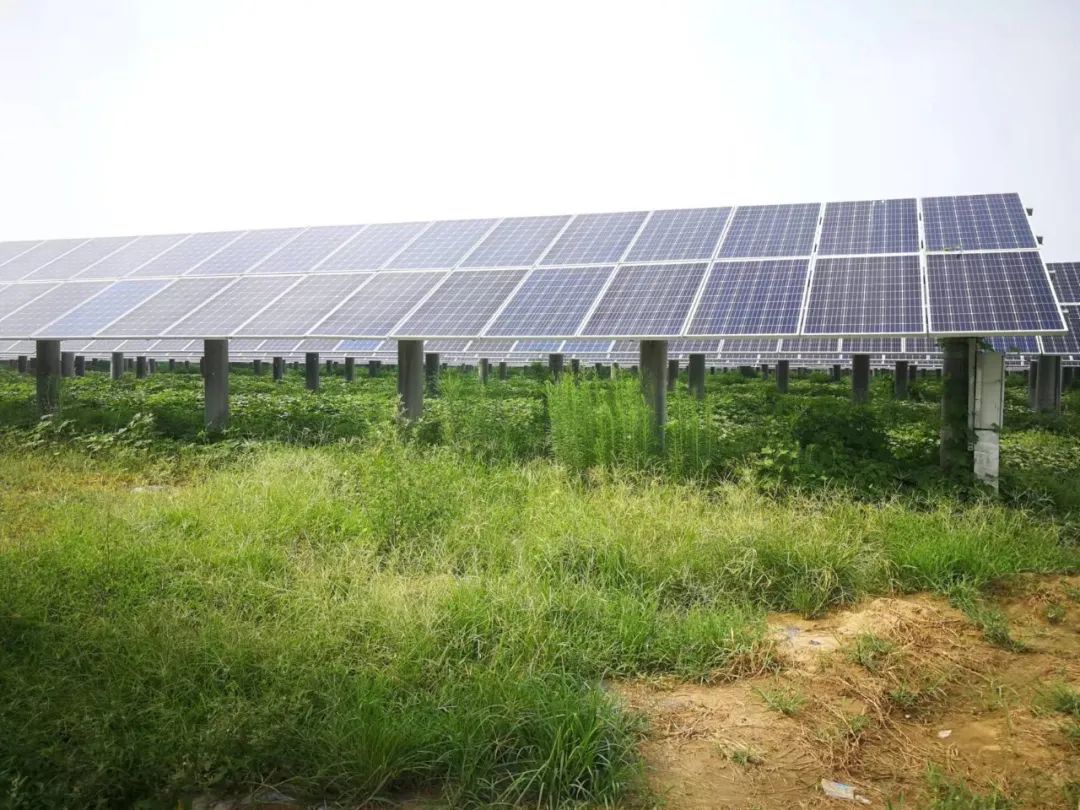
From two projects to over 400, exceeding 40 GW, China’s decade-plus agrivoltaics boom has been driven by surplus PV manufacturing capacity, not agricultural demand. Most sites see farmland abandonment or low yields under panels; arable land is occupied and farmers receive only land rent.
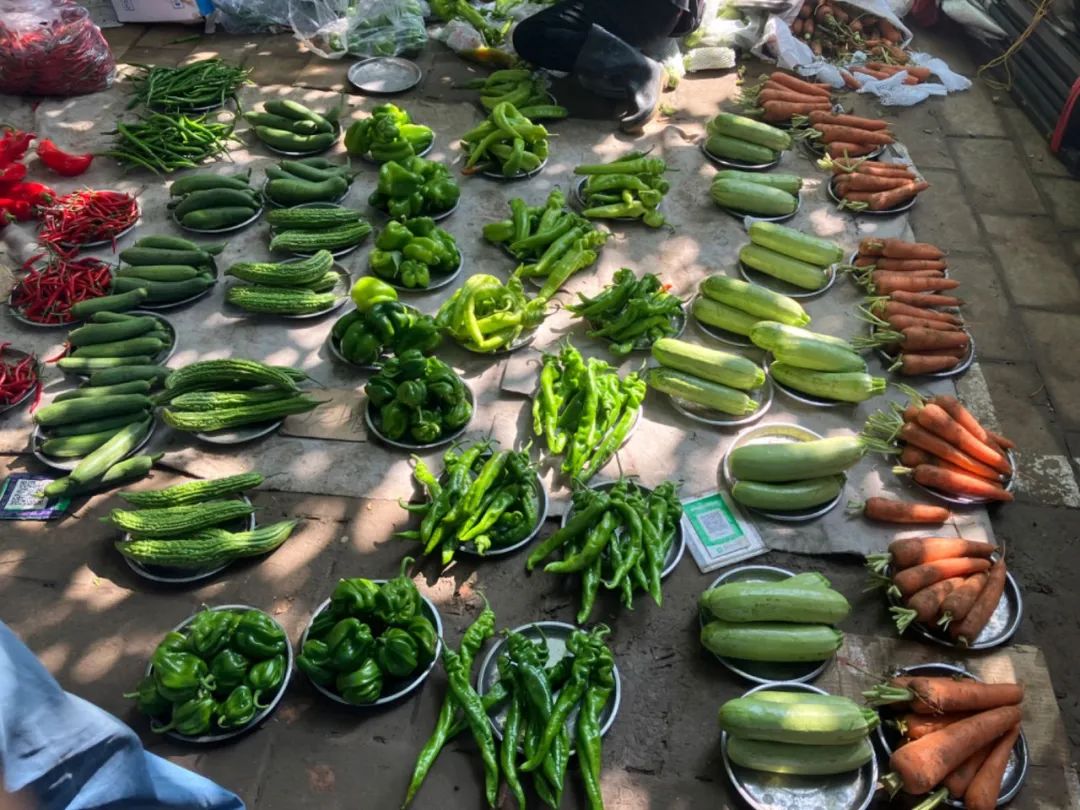
Smallholders — over 98% of agricultural business entities — and a wholesale network that blends produce at every level render the “Compliance Commitment Certificate” incapable of full testing or traceability. The Ministry of Agriculture and Rural Affairs’ new measures are unlikely to curb pesticide residues in the vegetable basket.

Food Talk’s first crossover with Dàxiǎo Diànbō: Qiaoli Ke founder Nánshān and host Gǔsì chat about fermented foods—from cacao beans becoming chocolate to cheese and kombucha—and a new goal of growing homegrown cacao in Hainan.
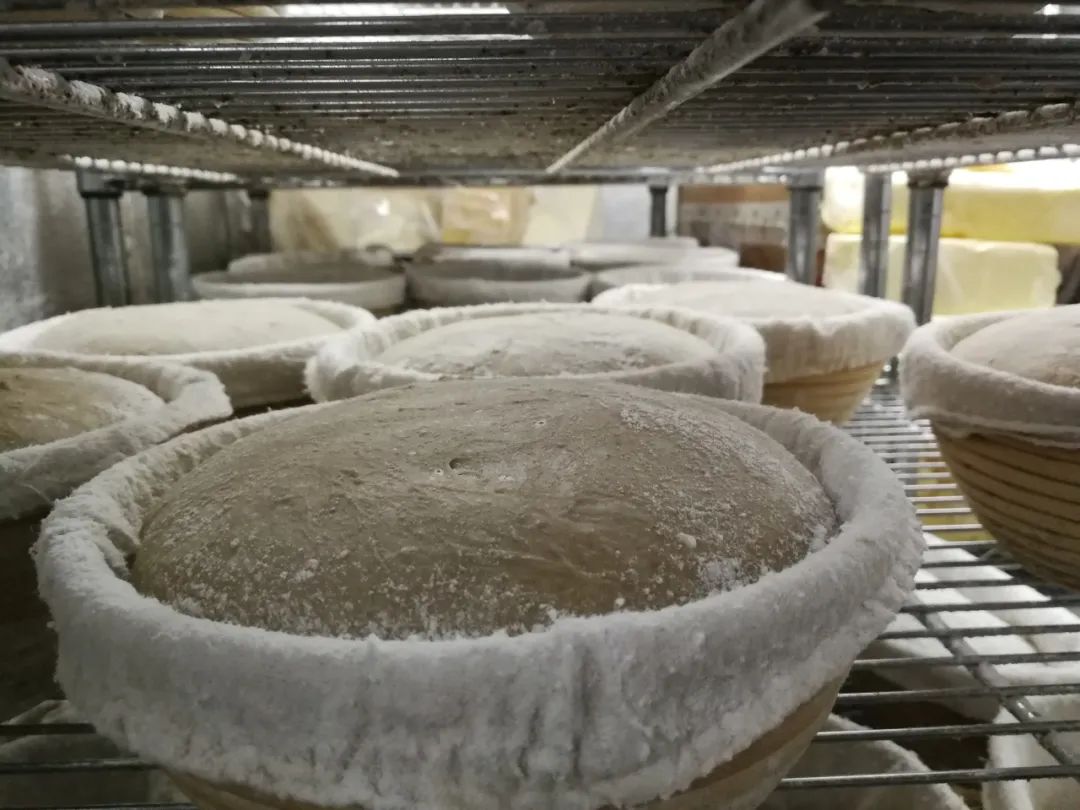
As the scattered village in the New Territories crumbled under demolition, Sanjiao carried a sourdough starter through pandemic streets and bread workshops, finally reaching Yinlin Ecological Farm, Conghua, where ecological smallholder flour gives bread back to the land beneath her feet and the community around her.

The International Institute for Environment and Development (IIED) and the Forest and Farm Facility surveyed over 1,800 smallholder farmers across 13 countries and found that their own climate adaptation spending far exceeds international climate finance. Farmer organisations are calling on COP28 to fund grassroots cooperatives directly.
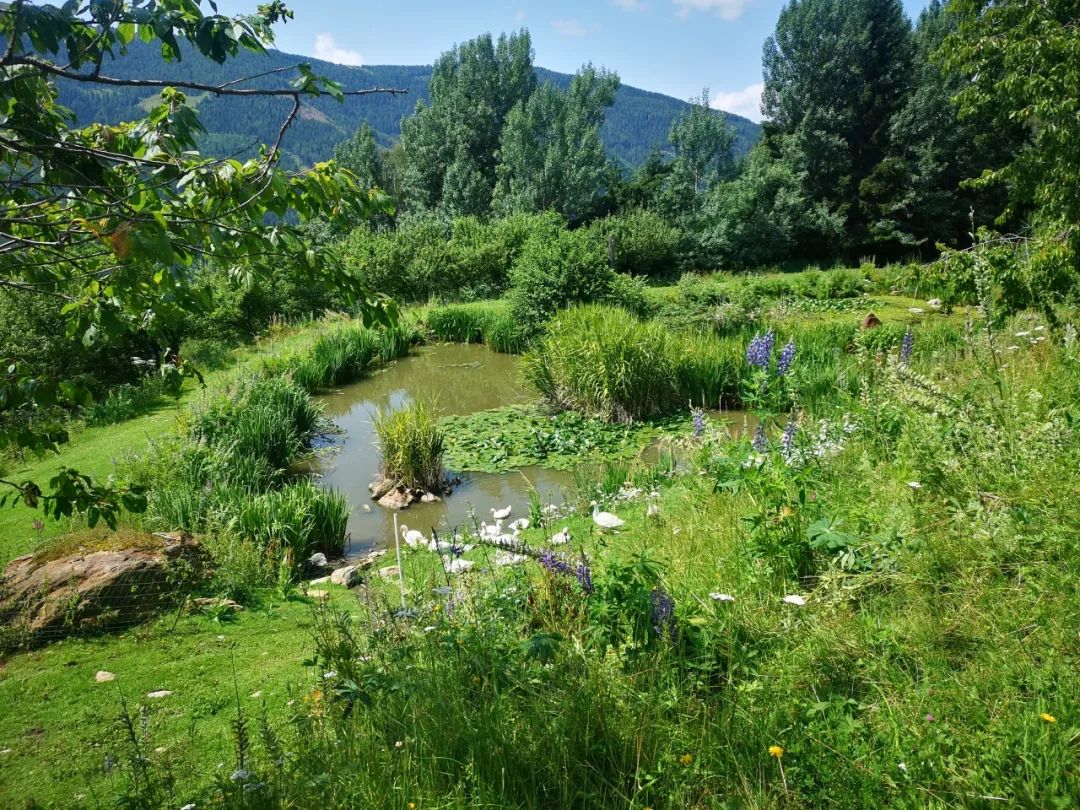
Two generations of Holzers have rebuilt terrace ponds on the arid slopes of the Central Alps, meeting the harsh climate with 72 interconnected ponds and small year-on-year experiments, grounding ecological diversity in economic calculation rather than moralistic rhetoric.