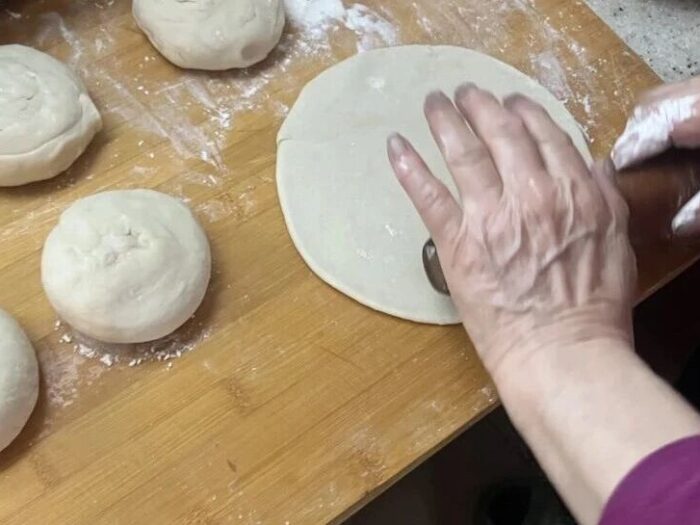
A single banquet table holds the bustle of rural hospitality and thirty years of shifting ties and conventions. From a baby’s full-moon celebration to a school-admission banquet, from the big village pots to the Dragon and Phoenix Hall, Foodthink invites you to share your own banquet story.
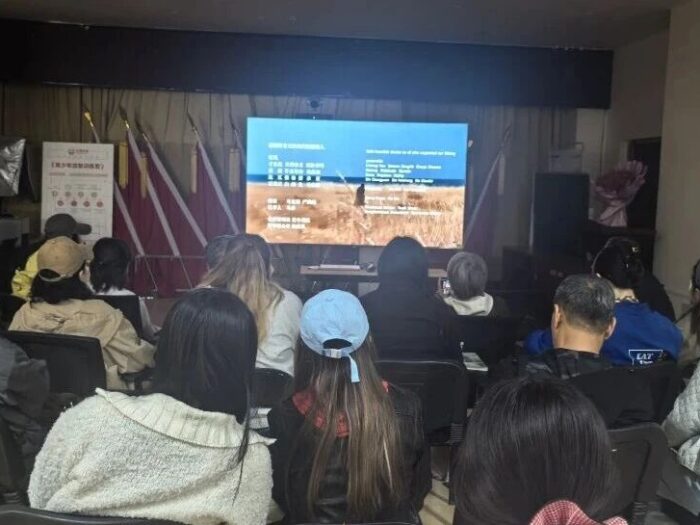
On 23 May, the documentary Whose Table, Whose Pasture screened in Urumqi, as Xinjiang university students, environmentalists, livestock experts, return-to-Xinjiang entrepreneurs and others shared their views on herders’ livelihoods and rangeland ecology under the impact of imported frozen meat.
Suying, Huirong, and Qiuhua have spent over a decade in domestic work in Beijing, cooking for others every day yet unable to answer what they themselves love to eat. In a charity kitchen in Wangjing, they sit around together, trying to voice their own preferences.
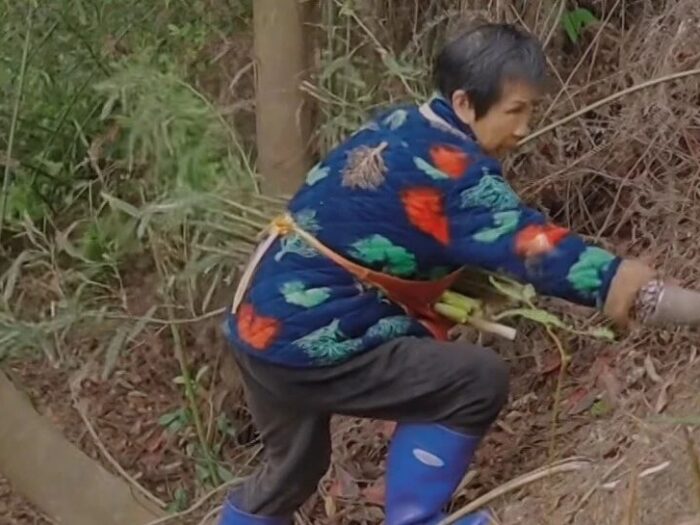
Pension unreliable, weather erratic, only six or seven women in the village left to climb the mountain. Through layer upon layer of loss – peeling, boiling, drying – Yang Xiuying of Hengyang, Hunan spent an entire shoot season earning back the self-assurance of not depending on her children.
In recent years, Foodthink has tracked e-commerce platforms’ impact on food and labour: “ghost-kitchen delivery” made by platform subsidies, order pickers at 30,000 steps for 3 fen, Guangzhou wet markets squeezed by fresh-food e-commerce, 100 million daily orders in layers of plastic, and worldwide practices exploring another possibility.
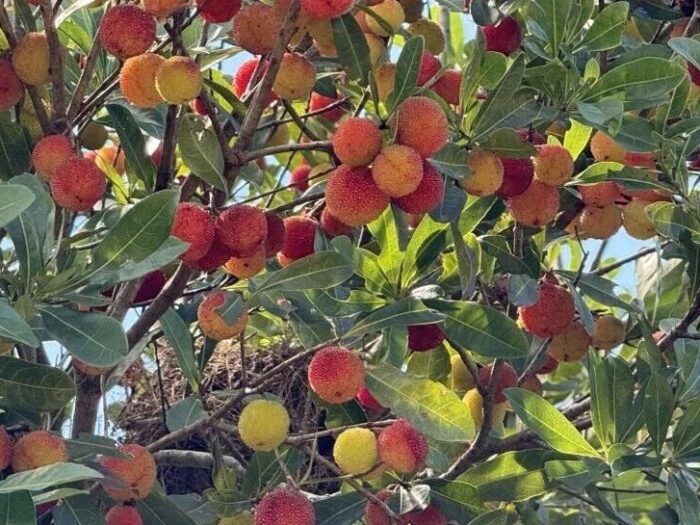
At Villain’s Valley, I grow fruit without spraying chemicals. Two bayberry trees burst with red fruit—”rivers of blood”—only for a parcel to Shenzhen to be dismissed by my son as sour and small. That hands-on season led to a cliff-edge quitting of buying fruit from outside.
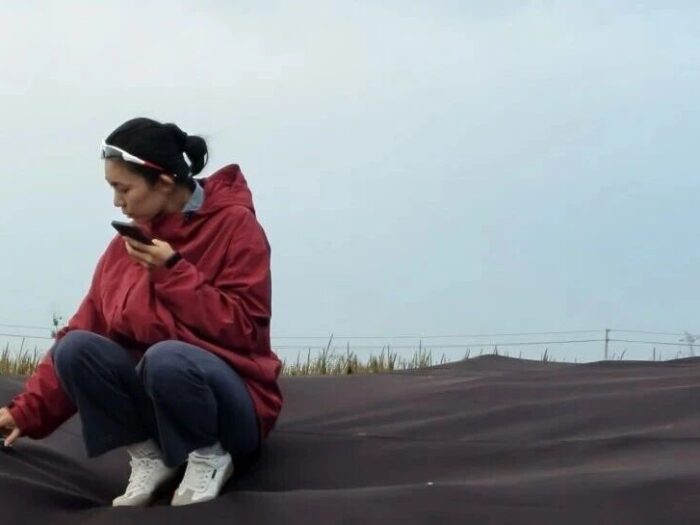
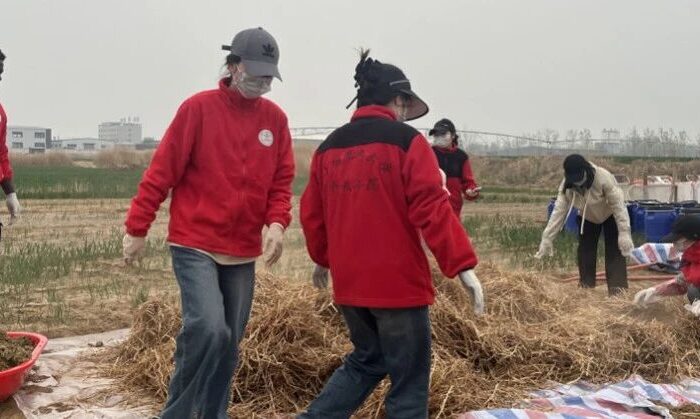
Xian Zi, a post-2000 graduate student at China Agricultural University’s Science and Technology Backyard in Quzhou, built an organic fertiliser plant with villagers to turn chicken manure that livestock keepers pay to clear back into field fertiliser – but found the barrier not technology, only reality’s “input and output” ledger.
Piling over ninety tonnes of organic fertiliser, racing the farming season through storms, begging villagers to drive a water truck — China Agricultural University Associate Professor Li Yangyang and second-year master’s student Xianzi at the Quzhou Science and Technology Backyard show agriculture goes far beyond planting. Jobs are another picture.
Foodthink invited readers to share old kitchen items they refuse to discard: a cast-iron pan used for decades, an enamel mug kept 33 years since military training, an ox-bone dumpling-filling spoon passed down three generations. Their worn marks carry the memories no family will let go.
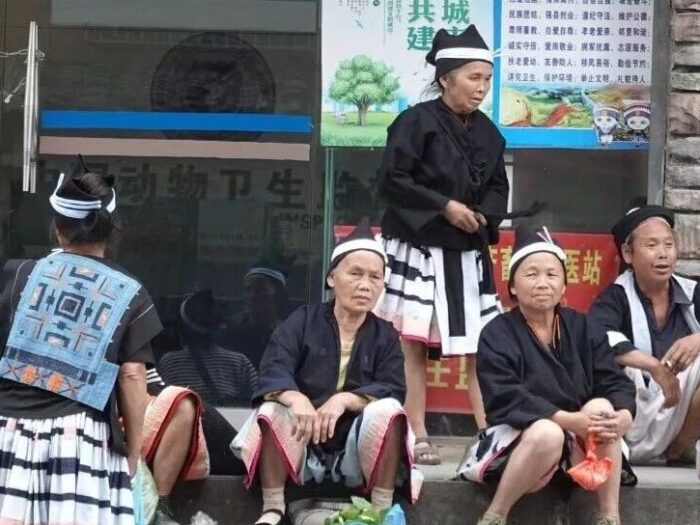
On a xu day in Lihu Yao Ethnic Township, I bought hemp seeds, sour meat and stuffed tofu with the White Pants Yao, then watched pao sha winding and golden silk silkworms spinning at the wall-less Ecomuseum — one market linking farming, weaving and the whole valley’s daily life.