In 1922, eight tourists died from Clostridium botulinum in duck pâté at Loch Maree, Scotland, and panic spread. Microbiology and market forces converged: corporate advertising, hygiene certification and the Pure Food and Drug Act combined to push home fermentation, step by step, out of the kitchen.
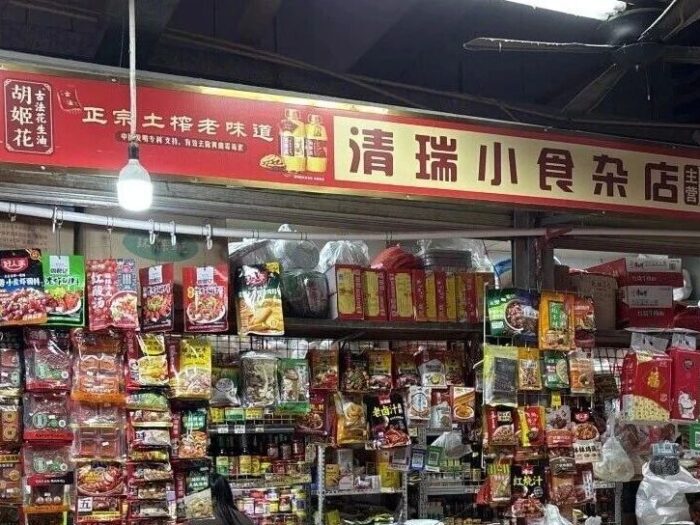
In 1995, my nan set up this sold-by-weight condiment stall at Yijing Market in Wuzhou. Since mum took over, she remembers each regular’s usual soy-sauce brand — and from dawn opening to late-night spice repacking, one busy stretch lasts twelve hours.
Oil-lamp cake, jin baoyin and roasted flour – the harvest festival children in hungry years once longed for all year. Now snacks are drenched in free sugars and refined oil. Back to the kitchen: roselle drink, yoghurt, dried pumpkin, nut toffee and jerky – sweetness and fragrance need no additives.
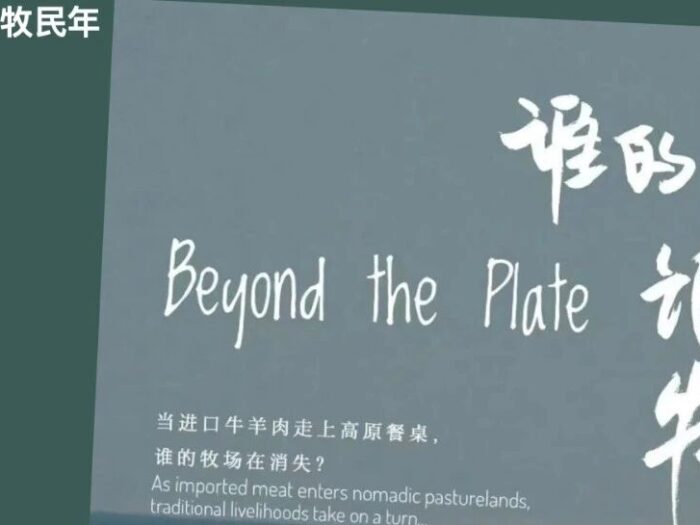
On 26 May at 19:00, Foodthink screens a field-research documentary at Toku Gallery, Qinhuai District, tracing how imported frozen beef and mutton flooding the market slashed buying prices for herders around Qinghai Lake, leaving them struggling to repay loans. Afterward, Tianle joins the audience for a discussion.
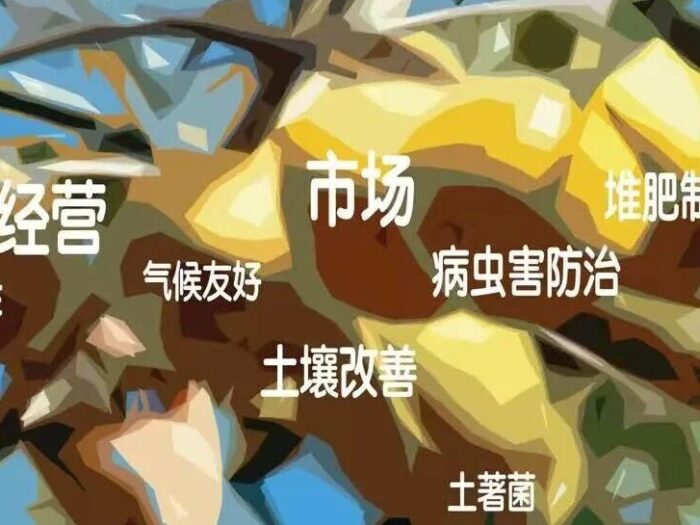
Foodthink’s three-day co-learning camp (4–6 June, Yangqiao Village, Lianhua County, Pingxiang, Jiangxi), featuring two technical advisors with over twenty years in ecological agriculture, threads soil, plants and animals as theoretical lines through hands-on composting and liquid fertiliser, plus market discussion, for 20 small- and medium-scale ecological farmers.
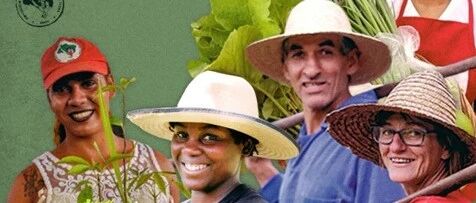
Brazil’s Landless Workers’ Movement (MST) built Concentra in Belo Horizonte, pooling market support work — compliance certification, warehousing, logistics — so dispersed smallholder produce can reach market at scale. Not easily transplanted, the experience points to a key path: turning what no individual can shoulder alone into collective capacity.
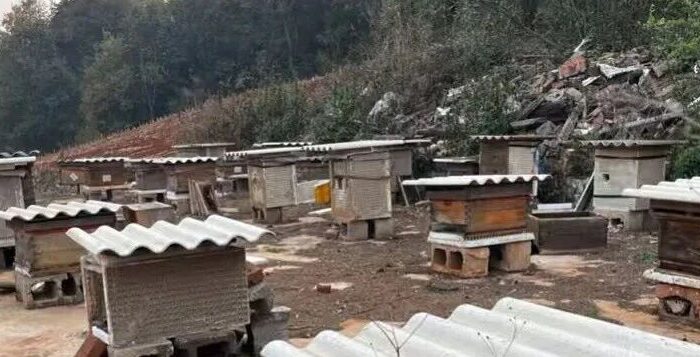
China’s dependence on pollinating insects is twice the global average, and drone spraying is leaving migratory beekeepers at a disadvantage – who gives notice, who yields, who pays for the bees’ pollination services: a new strategic contest in the fields.
Experiments by Harvard professor Chensheng Lu, beekeeper Kenneth Walhol and entomological toxicologist Richard Callahan confirmed that low doses of neonicotinoid insecticides enter soil, water and the food chain through seed coating, causing entire bee colonies to vanish and ultimately reaching human dinner tables.
Yu Jiangang (Yugang), a Tongxiang silkworm farmer who returned to the land fourteen years ago, recounts drone pesticide drift damage poisoning mulberry silkworms on a large scale, the squeezing of the rice–mulberry–silkworm symbiotic tradition, and his attempt to rent 15 mu of rice paddies to save them.