The World Health Organization’s recent assessment suggesting that aspartame may be carcinogenic has sparked widespread debate, prompting a renewed focus on the use of sugar substitutes in processed foods. In this episode of Food Talk, we are joined by Lulu, a PhD candidate in Cardiology at Fuwai Hospital, Peking Union…
Key Takeaways The potential for profit has spawned professional anti-counterfeiting claimants. Following the introduction of punitive damages under the Food Safety Law—which raised compensation from three to ten times the purchase price—the formerly unprofitable food sector saw an influx of such professionals. While this has helped standardise food business operations,…
Key takeaways Food safety issues can arise at any stage of the supply chain. If regulation fails to keep pace in other areas, simply slapping heavy fines on individual street vendors is a superficial fix that addresses the symptoms, not the root cause, and will not solve food safety problems.…
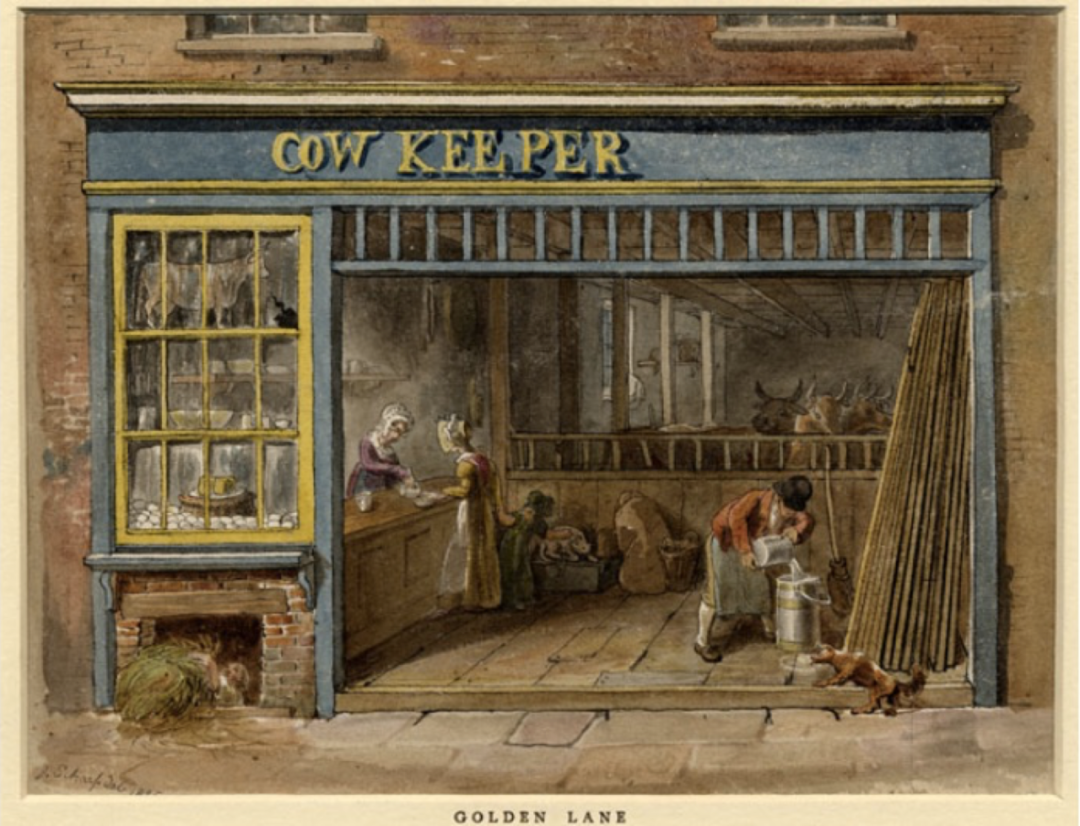
Did you know that, according to research published in *The Lancet*, two-thirds of the world’s population have some degree of lactose intolerance, developing symptoms such as bloating and diarrhoea after consuming milk? Given this, why has milk become a daily drink enjoyed worldwide? And when did glasses of pure, tempting…
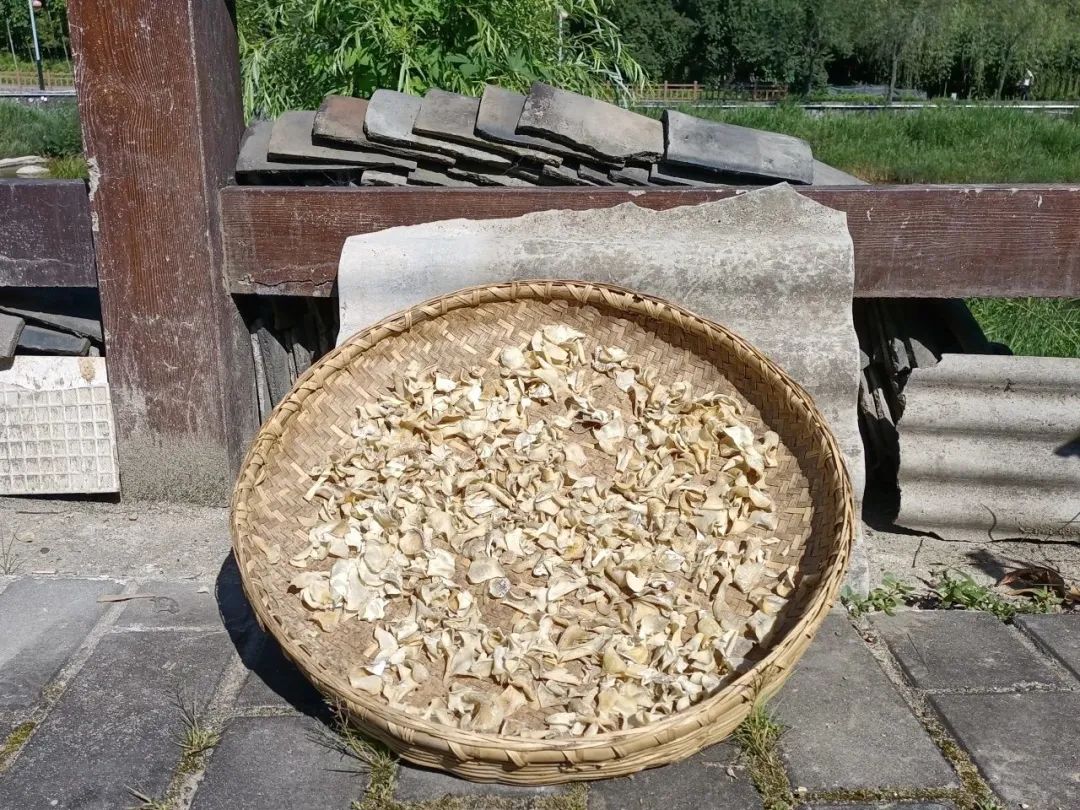
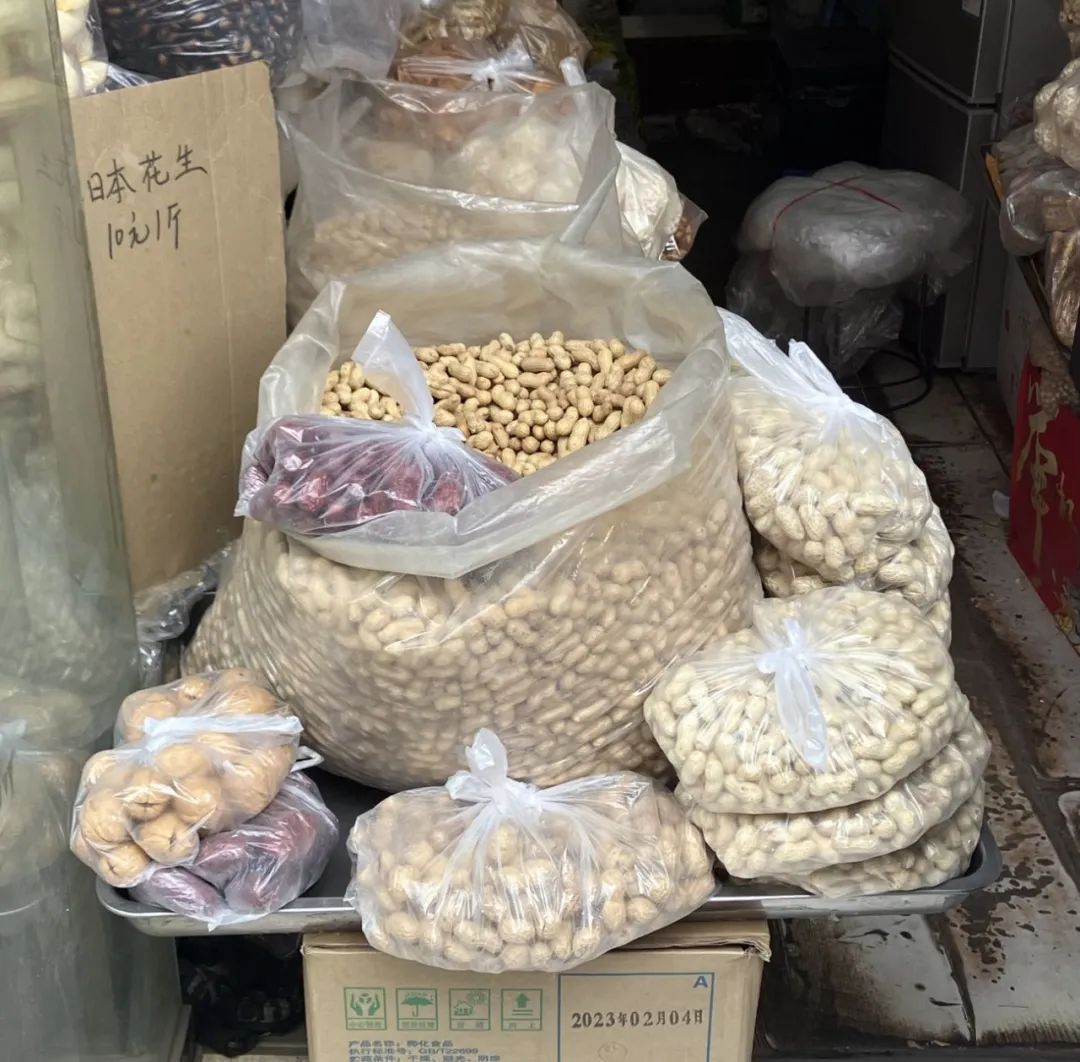
I. Dried produce can continue to be sold The Measures for the Quality and Safety Supervision and Administration of Edible Agricultural Products in Market Sales (hereinafter referred to as the ‘Measures’), long awaited by farmers across the country, have finally been issued. Compared with the consultation draft previously released, the…
Last week, Foodthink’s coverage of the proposed revisions to the Measures for the Quality and Safety Supervision and Administration of Market Sales of Edible Agricultural Products drew considerable attention from our readers. By removing the term “drying” from the definition of “edible agricultural products,” the revision strongly suggests that farmers…
Food Safety: How Much More Absurdity in Your Name? | Regulatory Logic Baffling Farmers and Consumers
Revitalising local industries is the top priority of rural revitalisation and the starting point for practical work. Rural areas without industries struggle to attract people, let alone retain talent; pathways for increasing farmers’ income remain narrow, and cultural activities are hard to organise. As localities promote industrial revitalisation, they must…
This month, Foodthink’s article regarding the revision of pesticide residue standards for chives sparked significant discussion. Through this, many readers gained insight into the reasoning and evidence used by the government and legislative bodies in food safety regulation. While the relaxation of pesticide residue standards for chives is now a…
In 2022, the phrase “科技与狠活儿” (roughly “tech and ruthless additives”) captured the public imagination. Through the dramatic demonstrations of social media influencers, consumers once again began scrutinising the additives hidden in everyday foods—not the unequivocally harmful and illegal substances like Sudan Red or plasticisers, but those “technically legal, yet frankly…
Effective from 11 May this year, a revised national food safety standard officially came into force. The maximum residue limit for procymidone in chives has been raised from 0.2 mg/kg to 5 mg/kg – a twenty-fourfold relaxation. Although prochloraz is classified as a low-toxicity pesticide, long-term ingestion may still pose…