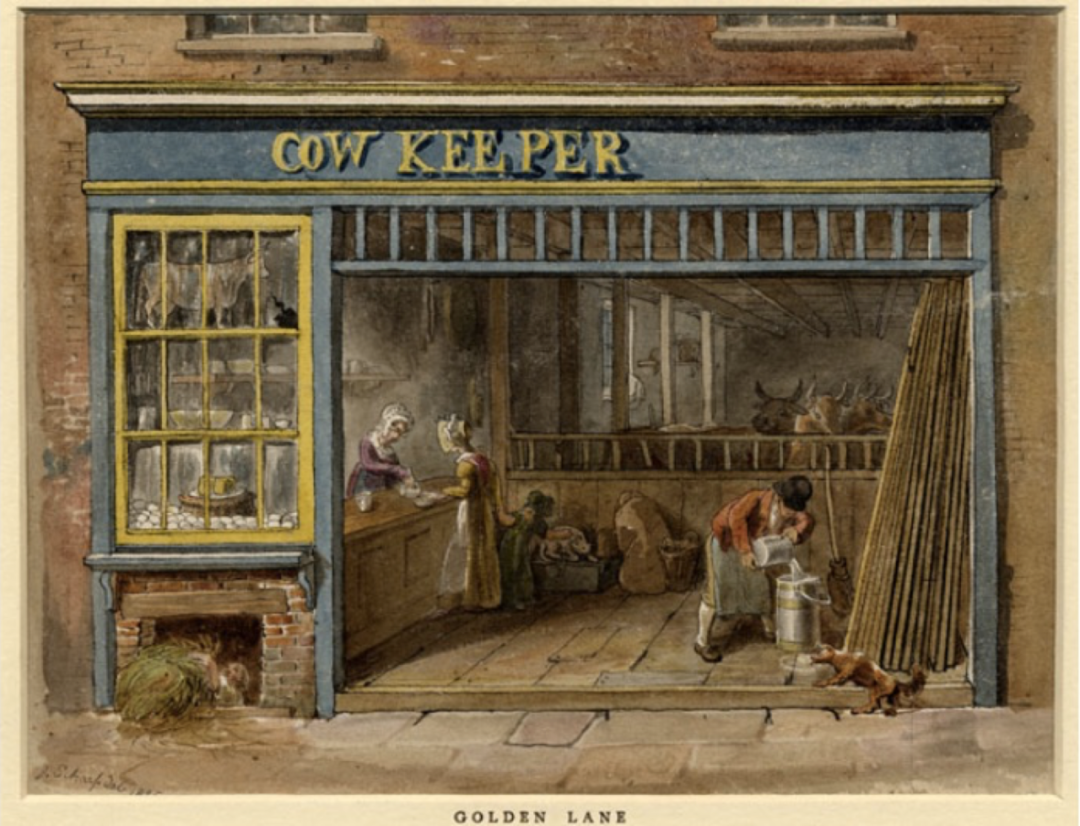
Who Put Milk on Our Tables?

Did you know that, according to research published in *The Lancet*, two-thirds of the world’s population have some degree of lactose intolerance, developing symptoms such as bloating and diarrhoea after consuming milk? Given this, why has milk become a daily drink enjoyed worldwide? And when did glasses of pure, tempting…

Our Proposal to Help Farmers Sell Real Value

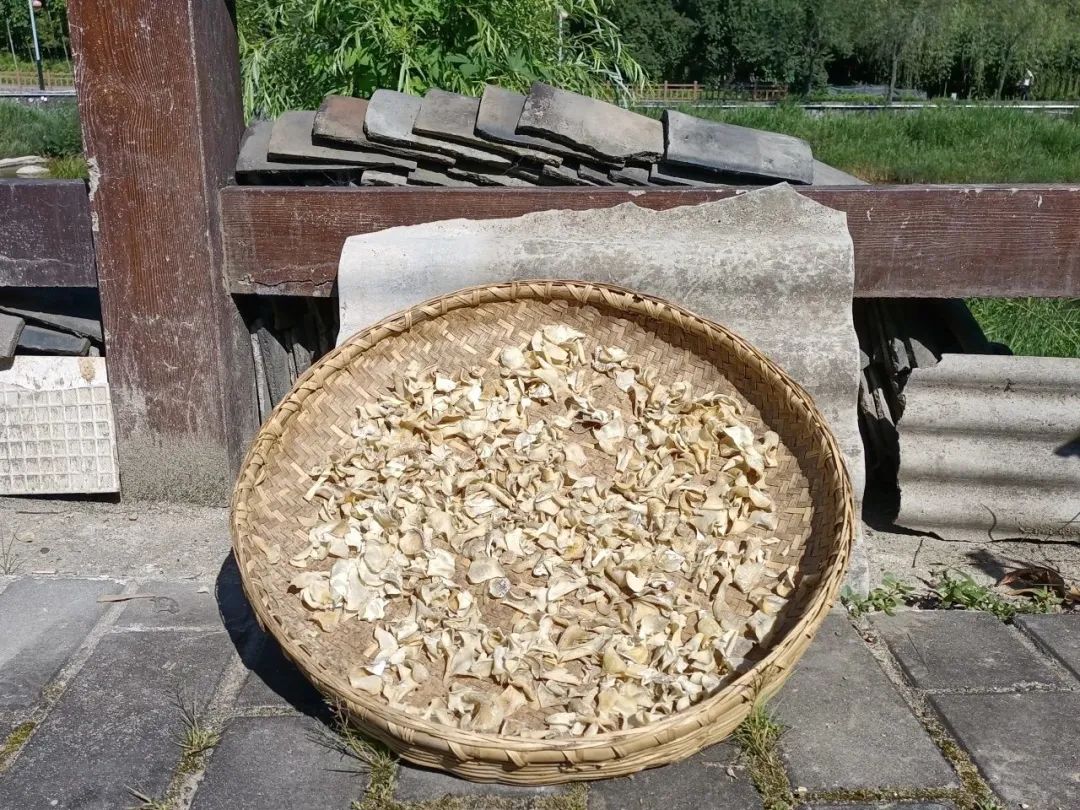
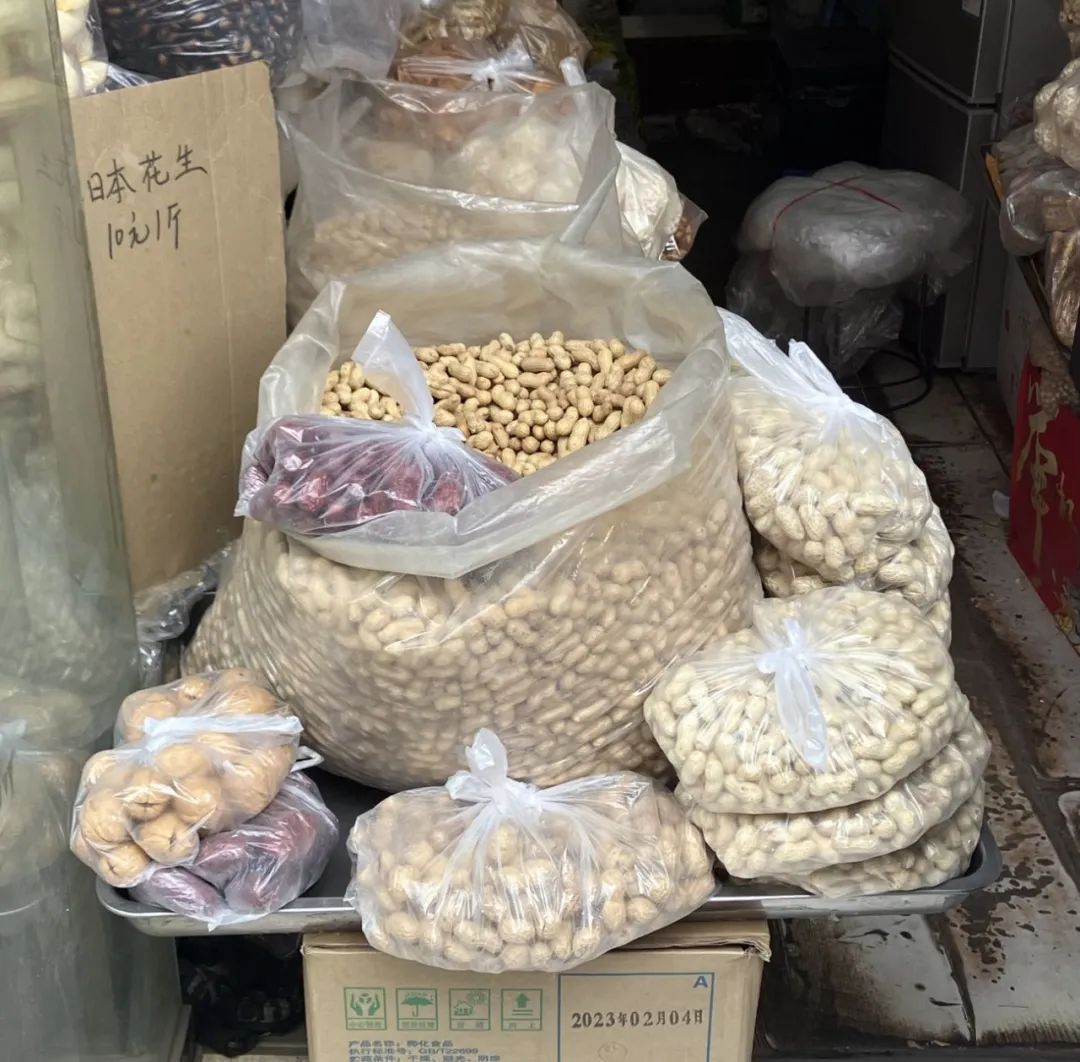
Last week, Foodthink’s coverage of the proposed revisions to the Measures for the Quality and Safety Supervision and Administration of Market Sales of Edible Agricultural Products drew considerable attention from our readers. By removing the term “drying” from the definition of “edible agricultural products,” the revision strongly suggests that farmers…

Food Safety: How Much More Absurdity in Your Name? | Regulatory Logic Baffling Farmers and Consumers

Revitalising local industries is the top priority of rural revitalisation and the starting point for practical work. Rural areas without industries struggle to attract people, let alone retain talent; pathways for increasing farmers’ income remain narrow, and cultural activities are hard to organise. As localities promote industrial revitalisation, they must…

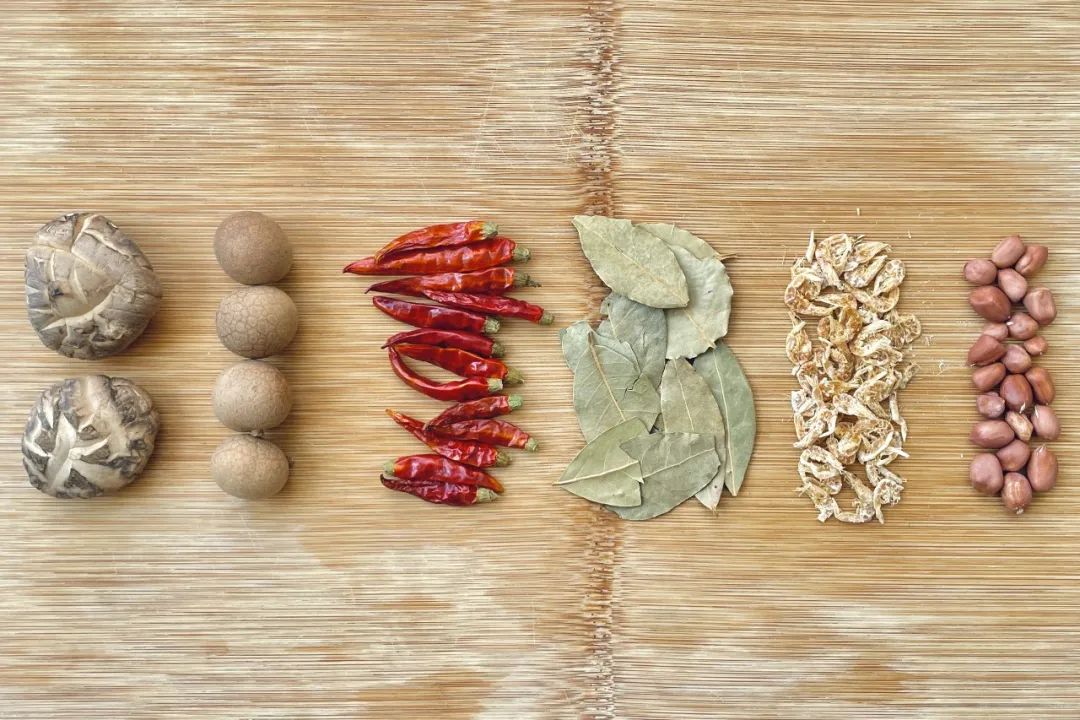
Will banning farmers from selling dried chillies actually make food safer? | A call for public input on regulatory revisions

This month, Foodthink’s article regarding the revision of pesticide residue standards for chives sparked significant discussion. Through this, many readers gained insight into the reasoning and evidence used by the government and legislative bodies in food safety regulation. While the relaxation of pesticide residue standards for chives is now a…

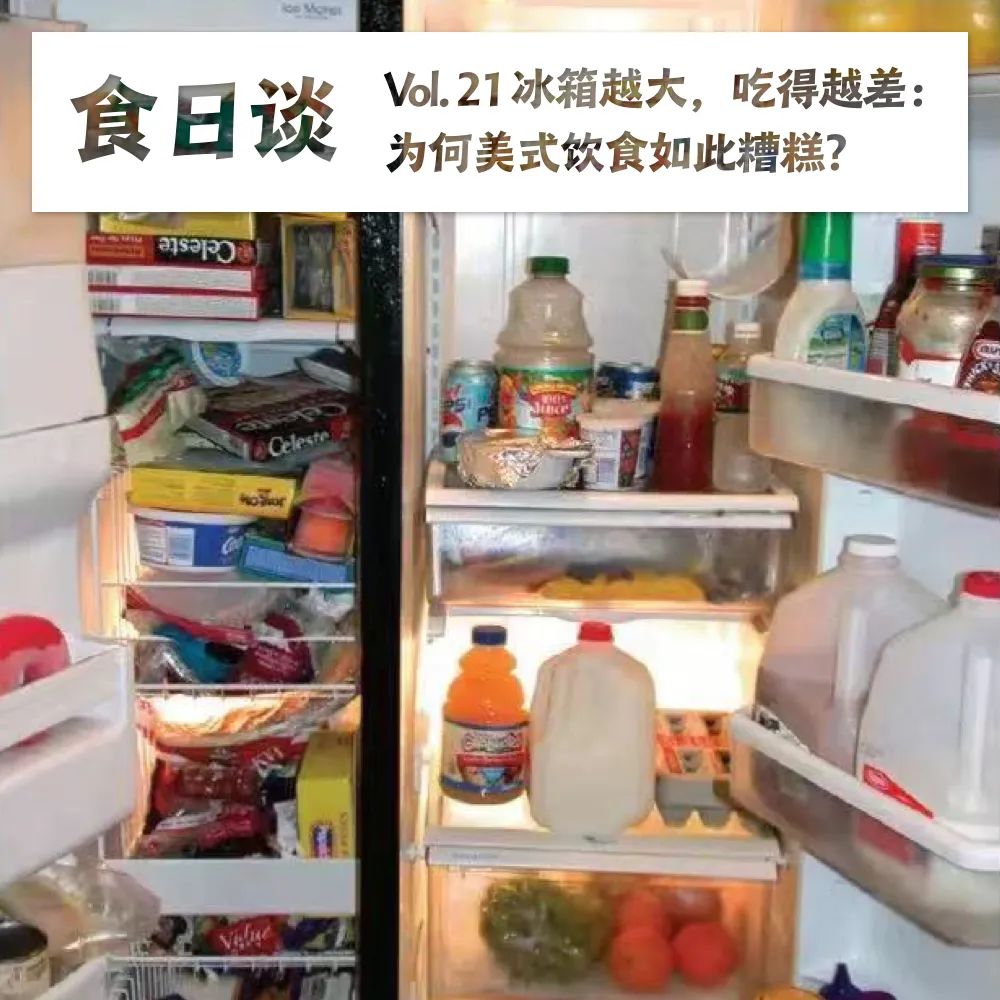
The “Artificial Shortcuts” in Food: What’s the Point?|Food Talk Vol.19

In 2022, the phrase “科技与狠活儿” (roughly “tech and ruthless additives”) captured the public imagination. Through the dramatic demonstrations of social media influencers, consumers once again began scrutinising the additives hidden in everyday foods—not the unequivocally harmful and illegal substances like Sudan Red or plasticisers, but those “technically legal, yet frankly…