
Registration Closes 25 May: Come Learn Ecological Agriculture Techniques That Grow Well and Sell Well

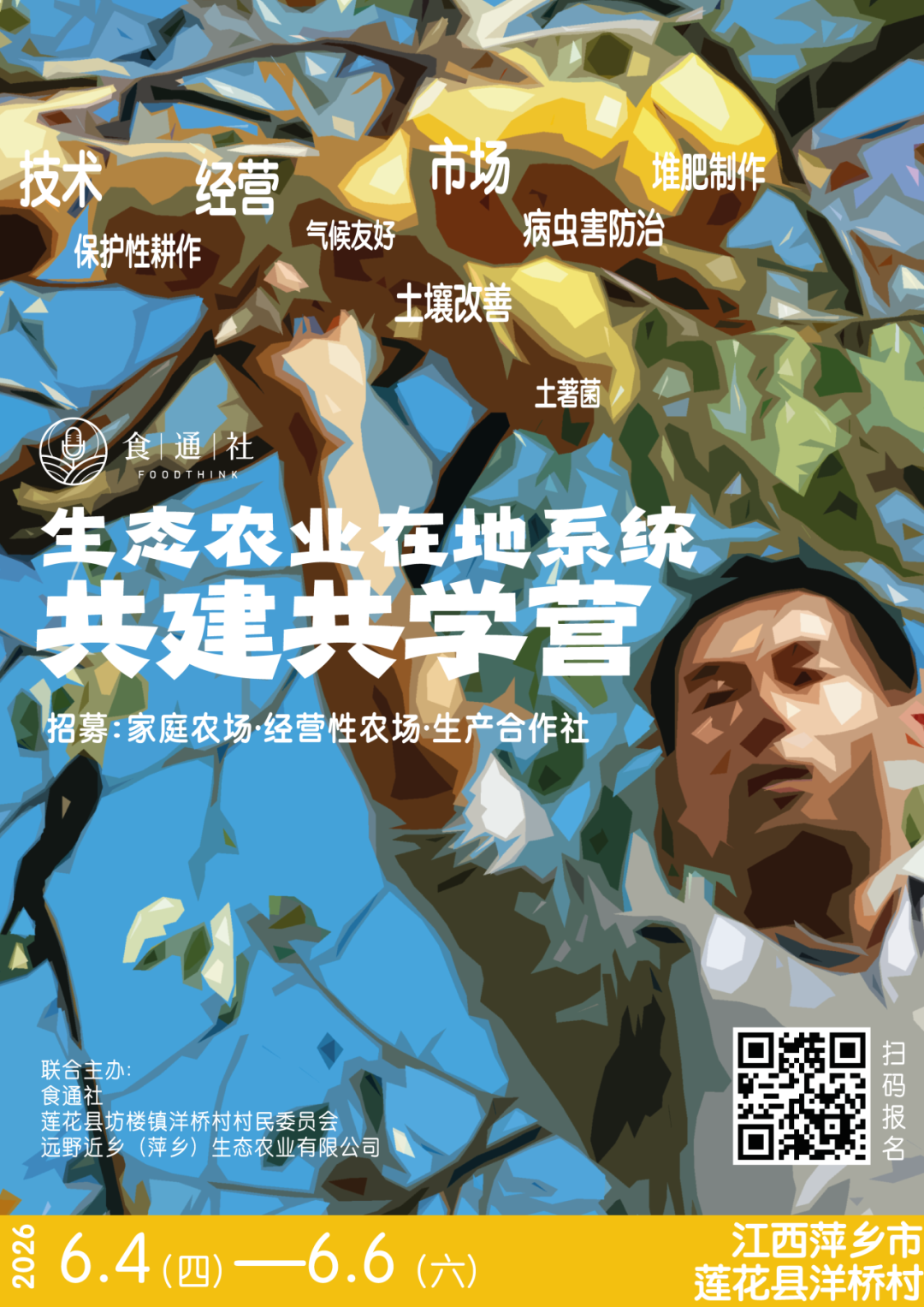
Registration for the Co-learning Camp for Co-building Local Ecological Agriculture Systems – Jiangxi Session closes on 25 May 2026. Only a few places remain, so please book early.
As a non-profit platform advocating for a sustainable food and agriculture system, Foodthink published “Tell Us: What Ecological Agriculture Training Do You Need?” in early 2024, gaining a comprehensive understanding of the ecological agriculture training needs of small- and medium-scale ecological farms and farmers’ cooperatives across the country.
Foodthink subsequently held two editions of the “Co-learning Camp for Co-building Local Ecological Agriculture Systems” in two communities in Guangdong, in 2024 and 2025 respectively.
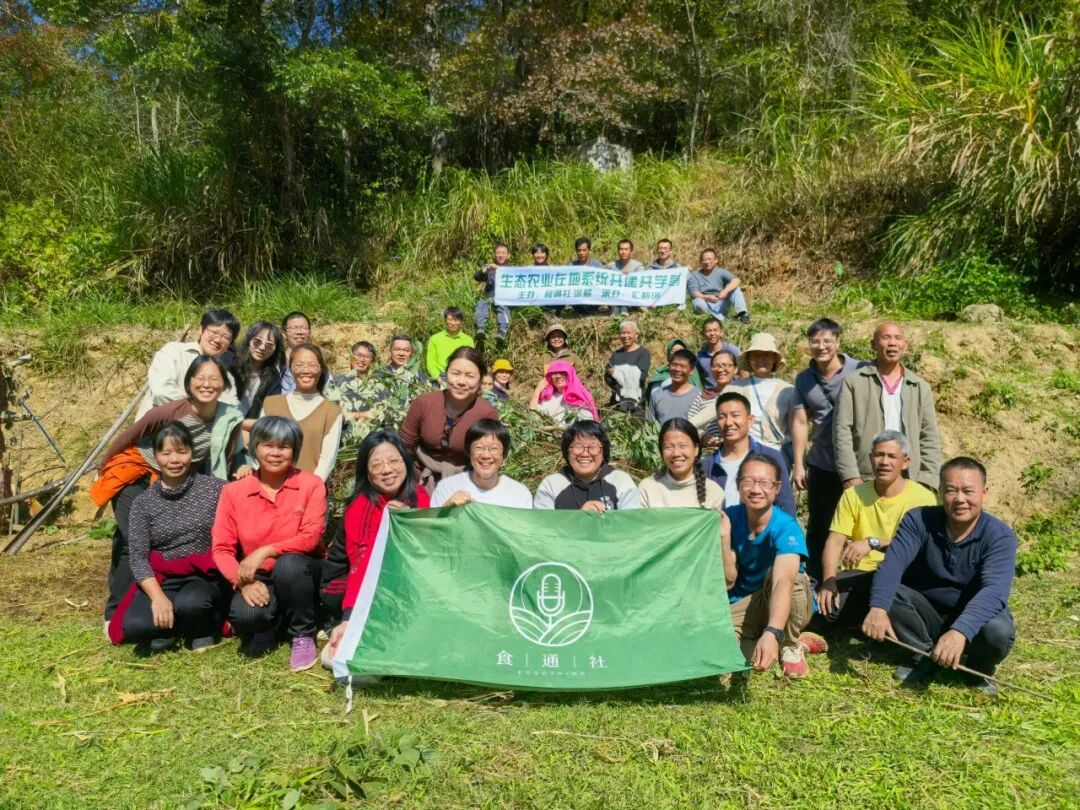
● The first co-learning camp, held at Xianniang Creek in Conghua, Guangzhou. Photography: Atang
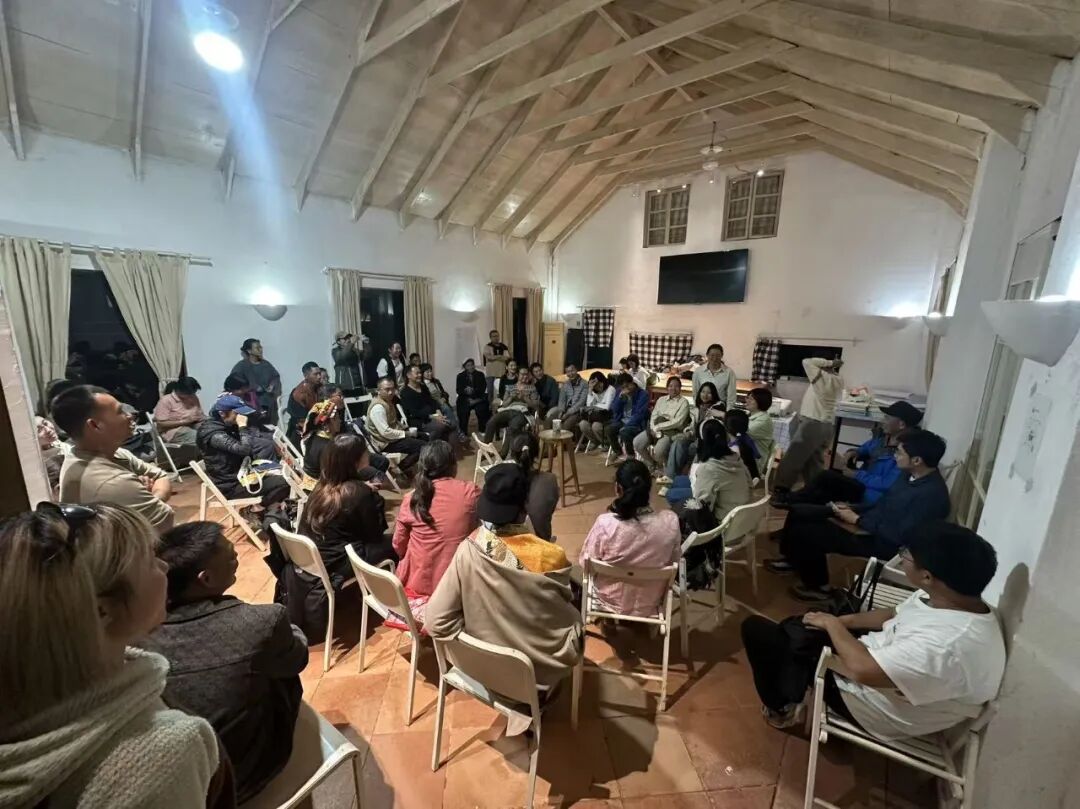
● Training session. The second co-learning camp, held at Huiling Farm in Conghua, Guangzhou. Photography: Ling Yu
After the co-learning camp ended, many participants said the greatest gain was twofold: on the one hand, the camp made clear the foundational principles of ecological growing that they had “heard many times but never truly understood”; on the other hand, practical sessions on composting, fermented plant extracts, and soil and field observation allowed participants to put those principles into their own hands and carry them back to their farms.
For farmers already walking the ecological path, this was not just a technical training – it was a way of stringing scattered experience into a coherent system. Some gained a clearer understanding of the elements plants need, finally grasping the underlying logic of composting and making fermented plant extracts, learning how to produce compost and amino acid fertilisers such as fish protein, and understanding how “good soil is cultivated”. Others found inspiration in crop management – for instance, the right timing for applying Trichoderma, or how field observation can improve fruit sugar content. Beginners said that hands-on workshops on making fermented plant extracts and compost, pairing theory with practice, left them feeling they had gained enormously.
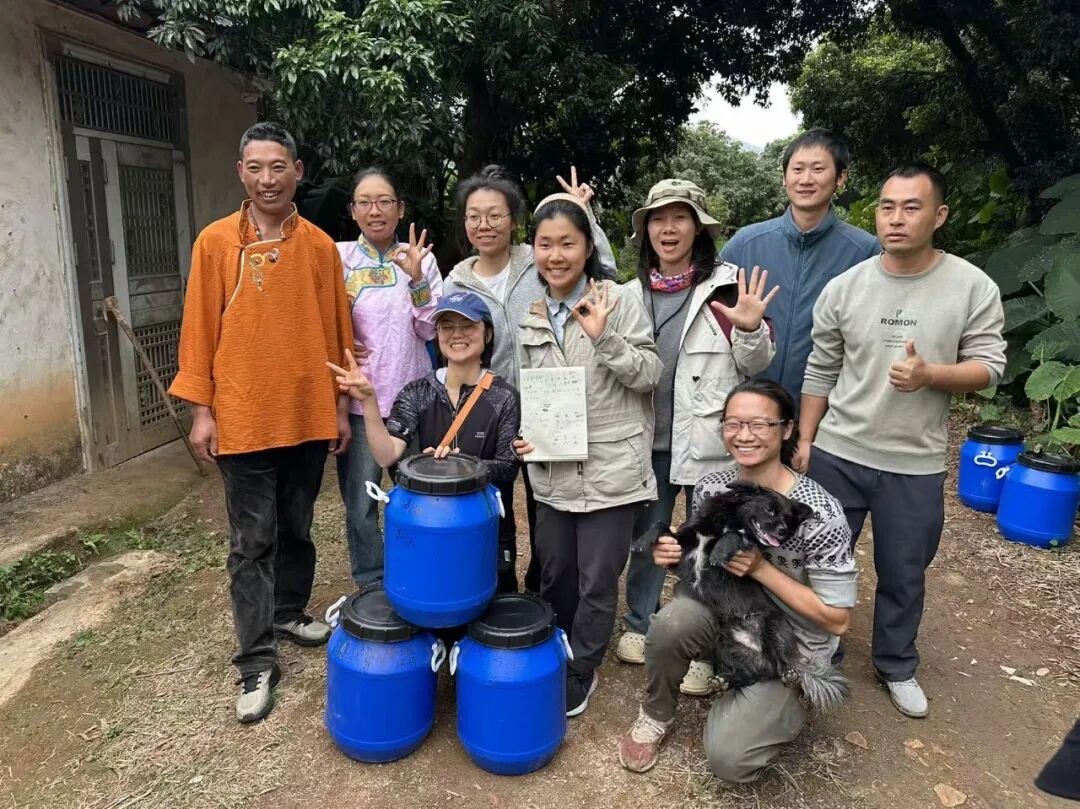
● Groups practising the preparation of fermented plant extracts, Trichoderma, and other inputs. Photography: Wang Juan
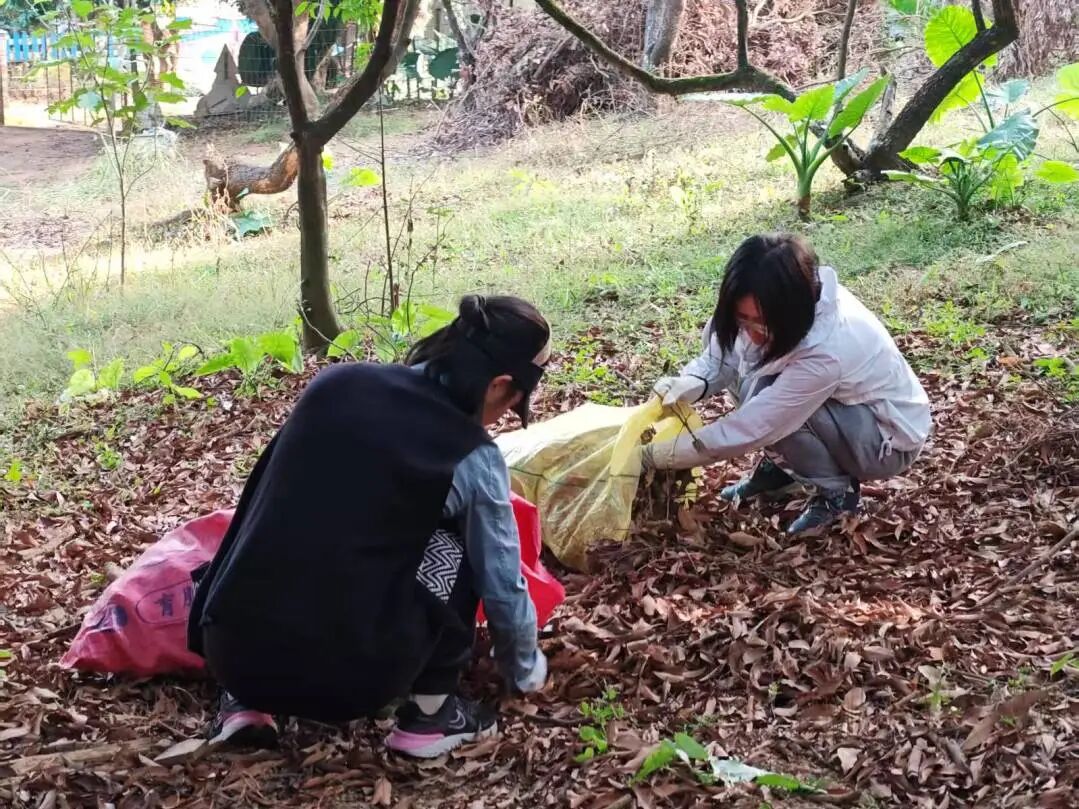
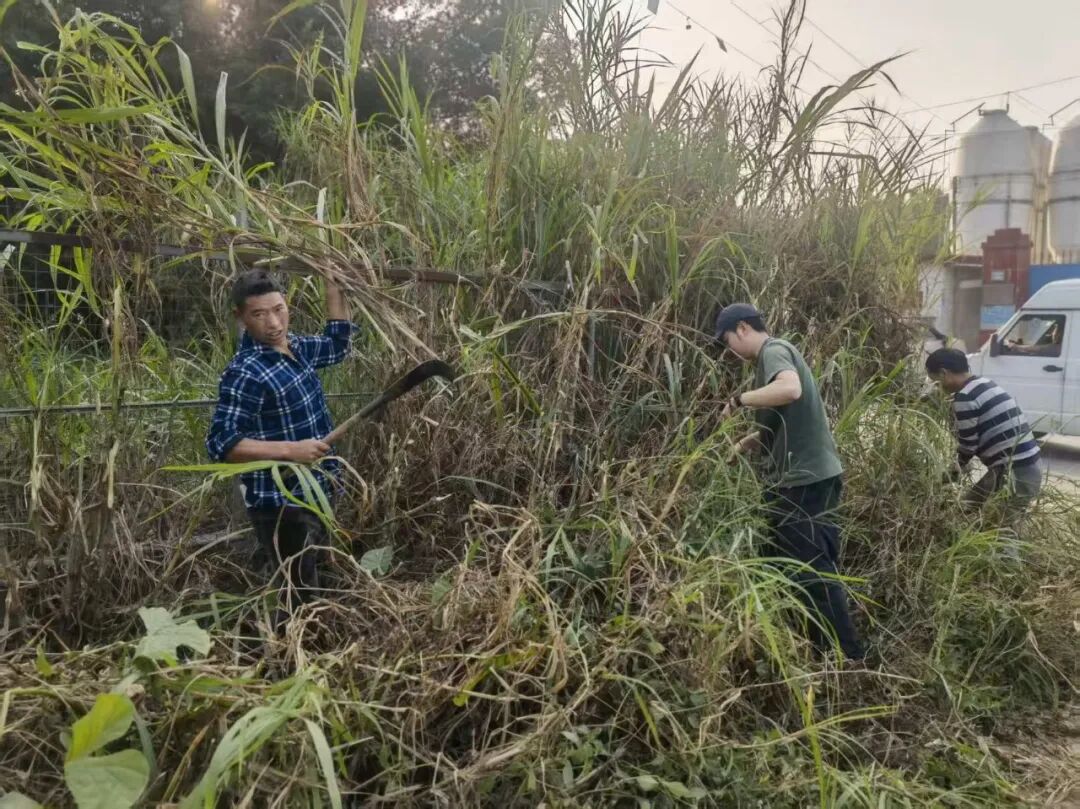
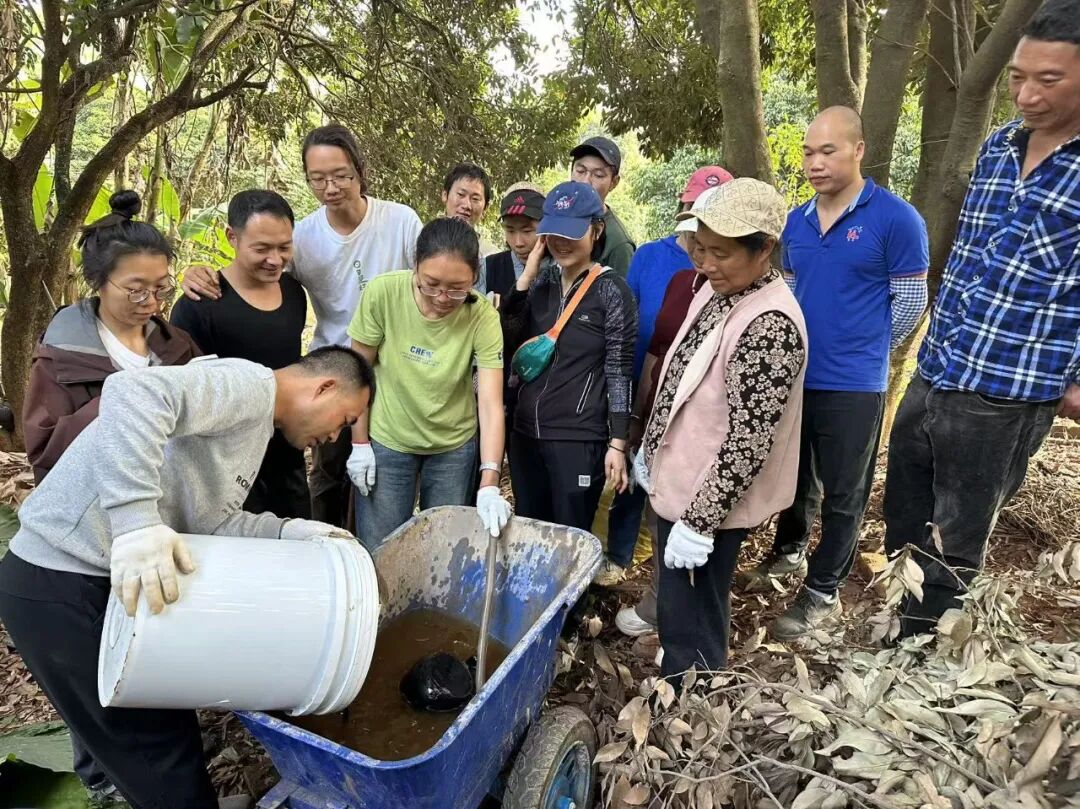
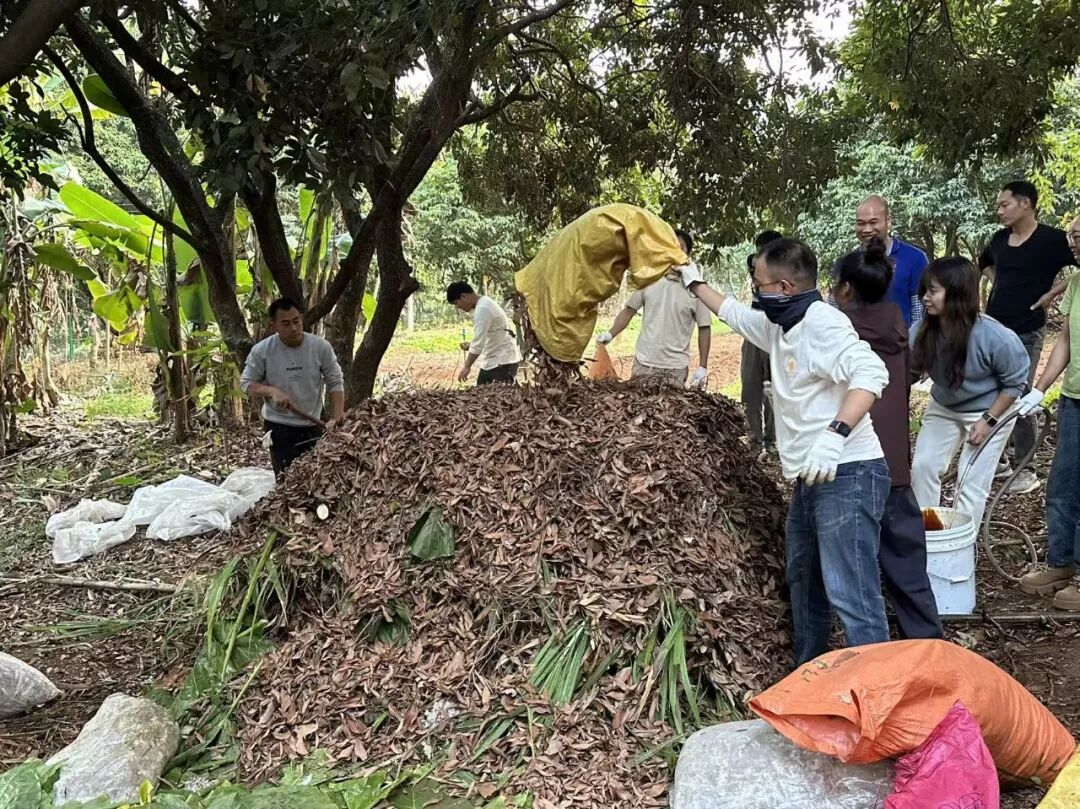
◉ Making compost from locally available raw materials. Photography: Liu Yiyue, liuyang, Ling Yu
Beyond agricultural technique, participants spoke freely during the evening discussion sessions. Through one another’s sharing and debate, they gained a better understanding of the market and opened new perspectives: in the past, learning technique had meant focusing on the field, but now they began to see what consumers actually want from ecological agriculture, realising that making products tasty, visually appealing, and affordable matters just as much.
More importantly, many described the experience as “meeting fellow travellers”. Some found like-minded companions; others, through the frank sharing of working farmers, gained a clearer sense of their future farming methods and scale; still others had a bucket of cold water thrown on them by reality and began to ask seriously: if I continue with ecological agriculture, what do I truly want? This collaborative style of learning even seeped into daily life: one participant began communicating with family members as a “collaborator”, listening and asking questions to find room for cooperation.
In truth, this has always been the direction the co-learning camp has worked towards.
Within the ecological agriculture community, technique splits into many schools, each with its own theoretical framework and technical standards – rather like martial arts sects: step into one sect and you may find yourself confined within its boundaries.
The two “grassroots experts” behind the co-learning camp have over twenty years of hands-on experience in the field. We have always believed that the theories and techniques of ecological agriculture should serve farmers, not become a gatekeeping cost that locks them out.
Besides, which is harder – growing it, or selling it? For China’s ecological smallholders, this is a “Question to Heaven” on the same level as “which came first, the chicken or the egg”.
And when that existential question piles up with the many external pressures bearing down on farmers – climate change, shrinking consumer spending, price-cutting by channels, labour shortages, rising production costs – it truly becomes “difficulty upon difficulty”.
More and more smallholders are finding that, in the face of increasingly severe climate and market challenges, they must sharpen their ecological agriculture techniques, adopting farming methods that are low-cost, efficient, easy to master, and more resilient – in order to grow high-quality produce.
For this reason, the co-learning camp has been trying to connect fundamental science, field practice, and the market – giving those already doing the work greater clarity, giving those who want to transition more confidence, and enabling beginners to understand systematically what ecological agriculture is and how to get started.
Building on suggestions from past participants, the co-learning camp sets off once more. From 4 to 6 June 2026, in Yangqiao Village, Lianhua County, Pingxiang City, Jiangxi, it will once again bring together two “grassroots experts” with rich experience in training that is “ecological smallholder-friendly”, together with farm mentors who have grown through years of practice and collaborative learning, for a three-day “Co-learning Camp for Co-building Local Ecological Agriculture Systems” – helping more farmers who are already farming ecologically, or wish to transition in that direction, improve their technique and clarify their path forward.
Over these few days, let us find together a balance in production techniques and methods – methods that can address the issues farmers care about most: yield, quality, and cost.
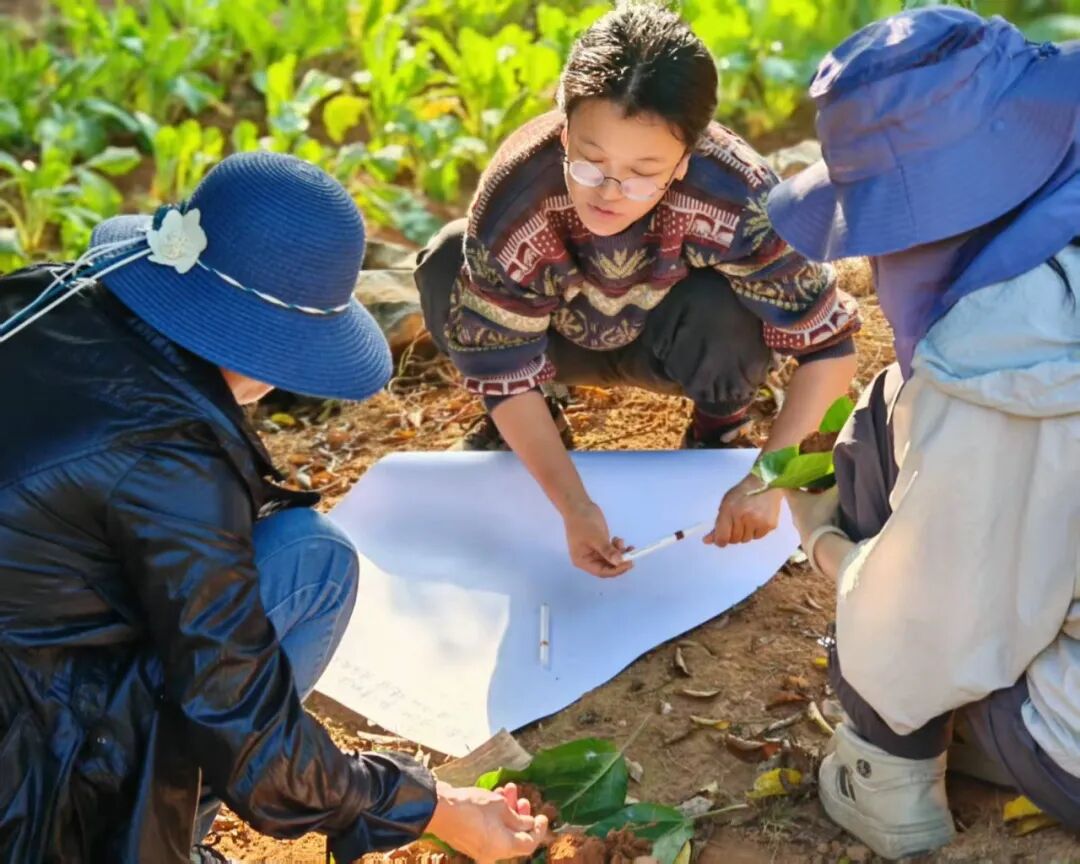
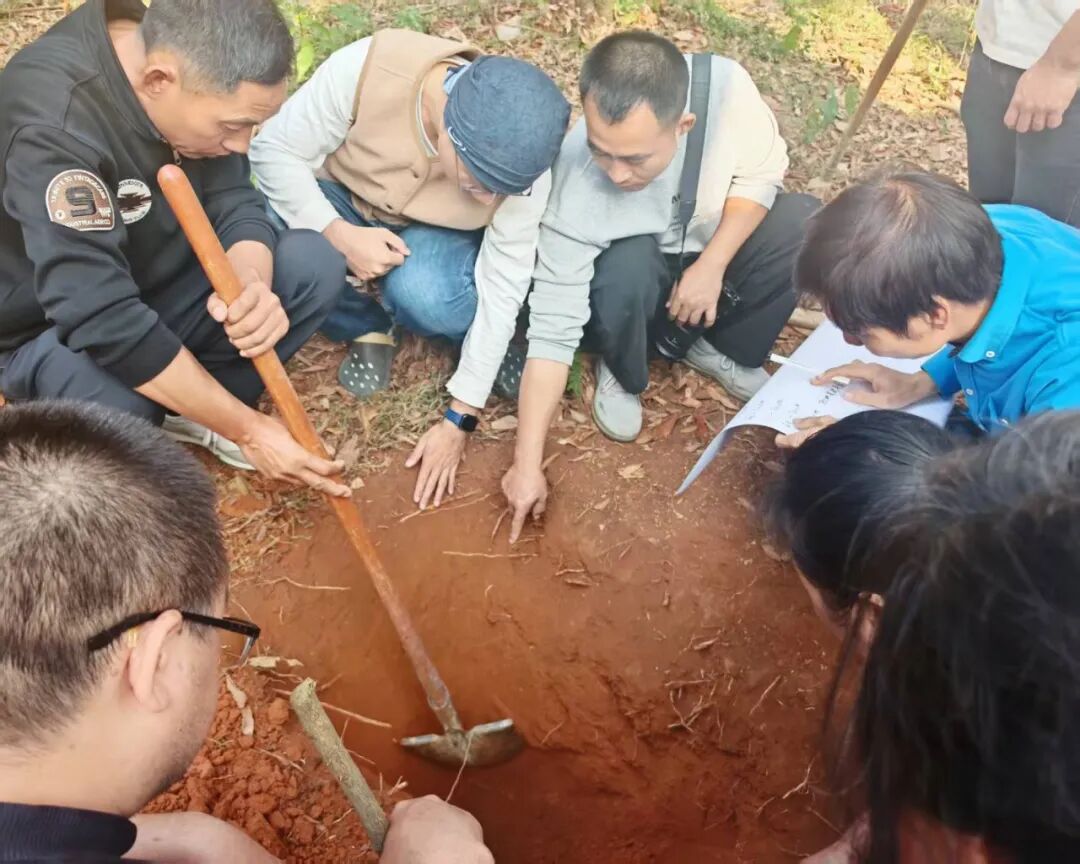
◉ Hands in the soil: digging a pit to examine the earth. Photography: Liu Yiyue
– Basic Information –

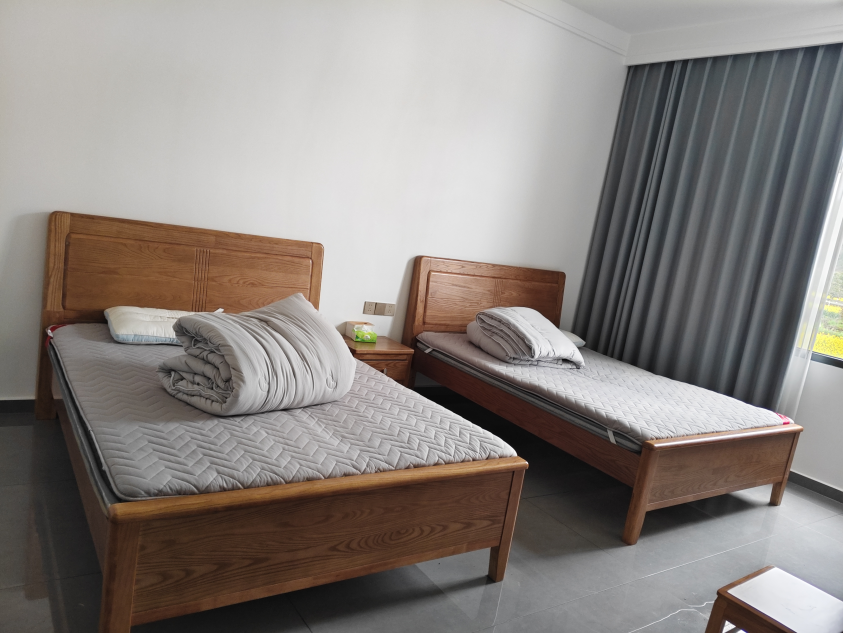
– Schedule –
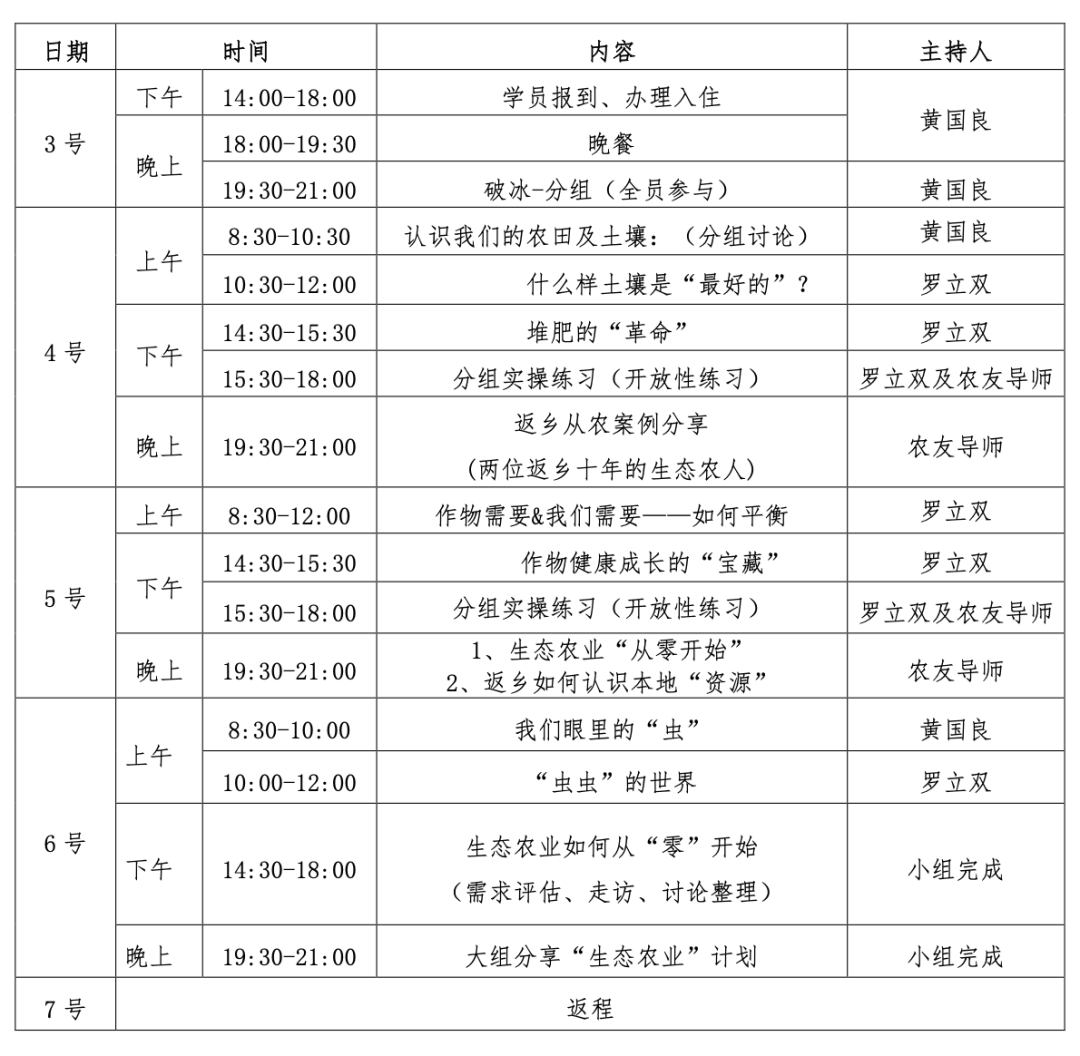
– Accommodation –
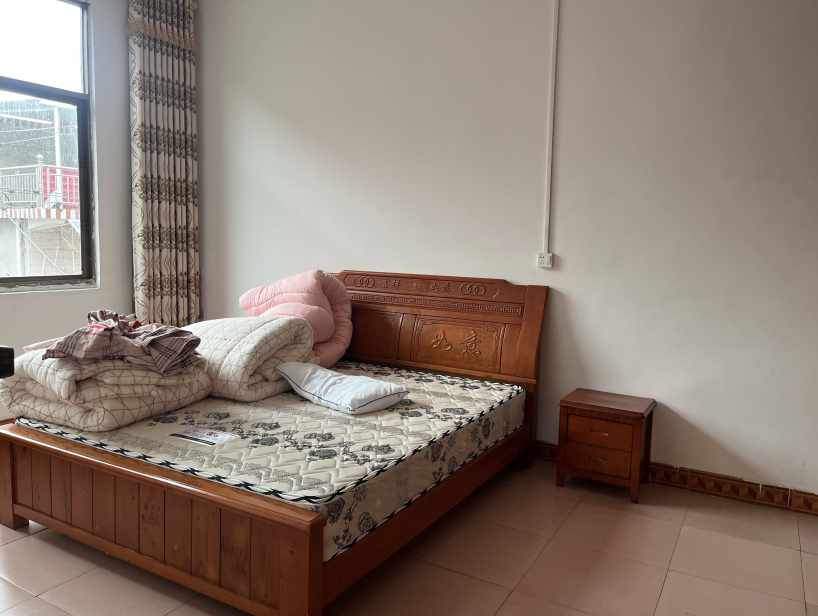
Yangqiao Village has only one guesthouse: 1 single room (¥110 per night per room), 3 twin rooms (¥110 per night per room), and 1 four-bed room (¥220 per night per room). Rooms can be reserved at the time of registration; the organising team can help with the booking. Participants share the room cost.
Alternatively, you can stay with a local family at ¥70 per night (single room). This can also be reserved at registration, and the organising team can assist with the booking.
– Getting There –
We recommend taking the high-speed rail to Pingxiang North Station, then searching for the “莲花出行” mini-program to book a shuttle van online. Select the route “萍乡北-莲花” and choose Fanglou Town as your drop-off point (the journey takes about 1 hour). We recommend sharing a vehicle among 8 people. Upon arrival, you can take the bus on the Lianhua–Yangqiao route directly to Yangqiao Village (the terminus – just 5 km, about 10 minutes), or share a taxi straight into the village.
If you are flying, we recommend landing in Changsha and then transferring to Pingxiang North by high-speed rail.
– Facilitator Introductions –
Facilitator
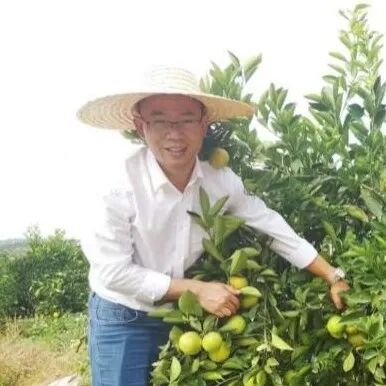
Luo Lishuang
Born in Baise, Guangxi; born in the 1980s. Senior Agricultural Technician. He has been involved in ecological agriculture production and research since 2008. From 2010 to 2020, he served as Chief Technical Advisor for the technical platform of Guangxi Lemin Agricultural Technology Co., Ltd., advising clients on crop-growing technical issues. Between 2015 and 2018, he founded the charity “Hope Oasis”, promoting ecological transition trials for fruit-tree production among local communities in Guangxi. In 2019, he returned to his hometown and founded Huashan Farm. From 2020 to 2022, he joined the Guangxi Guoren Rural Poverty Alleviation and Development Centre, exploring together with the team the codification of localised ecological agriculture techniques and farmer training. In 2021–2022, he joined Guangxi Gaoming Group as Chief Technical Advisor, guiding the group’s production transition to ecological methods and directly overseeing the conversion of a 360-mu (approx. 24-hectare) pilot plot, achieving excellent results.
Over fifteen years of practice, he has focused primarily on soil and ecological growing research. Years of hands-on fieldwork have given him rich practical experience and a deep, reflective understanding of ecological agriculture.
He favours a co-learning approach to teaching – helping you understand natural phenomena through practice and reflection, discover the fundamental patterns of nature through analysis and discussion, and come to appreciate your relationship with the natural world through equal dialogue. Together, you explore how to achieve balance between crops and nature, and how people and the environment can thrive in harmony.
Facilitator
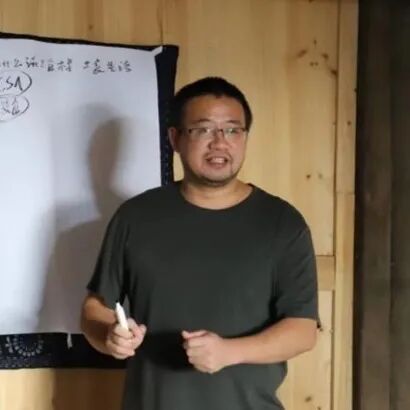
Huang Guoliang
Born in Hepu, Guangxi; born in the 1980s. From 2005, he has been involved in work at the Rural Reconstruction Centre of Renmin University of China and contributed to establishing the Ecological Agriculture Studio at the Yan Yangchu Rural Reconstruction Institute. In 2008, he co-founded China’s first community-supported agriculture farm – Beijing Xiao Mao Lü Community Garden. In 2012, he founded Chongqing Guoren Dapinghuo Community Canteen, an ecological restaurant in Chongqing. In 2013, he joined the Guangxi office of the Hong Kong Community Partnership, working mainly to promote ecological agriculture and the conservation and transmission of local varieties. He helped establish “Guizai Fangxiang Youzhong”, a platform in Guangxi dedicated to protecting local crop varieties, and used it to organise exchange events for farmer leaders in ecological agriculture from within and beyond the province. In 2017, he co-founded Guangxi Nanning Shiyousheng Ecological Agriculture Co., Ltd. (Nanning Urban Farmers’ Market) – Guangxi’s first combined online and offline platform for showcasing and trading ecological produce, organised around collective purchasing by urban consumers. In 2018, he founded the Guangxi Guoren Rural Poverty Alleviation and Development Centre and oversaw its day-to-day operations. Since 2023, he has continued, as an independent practitioner, exploring the codification of localised ecological agriculture techniques and farmer training.
Facilitator
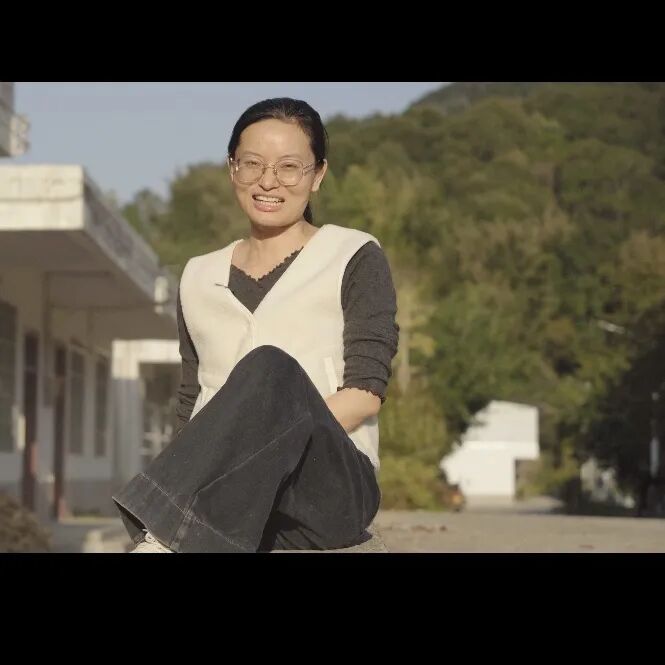
Liao Fenglian
A Jiangxi native working in Guangdong, she serves as Director of the Guangzhou Shengeng Community Development Department. After graduating in 2016, she entered the field of rural social work, focusing on rural self-organisation capacity building, climate change, ecological agriculture and cooperative economics, and rural eldercare. She met Teacher Luo in 2018 and invited him to conduct ecological agriculture training in project villages; most of her knowledge of ecological agriculture techniques comes from Teacher Luo. Since then, she has assisted in running courses at several co-learning camps. Looking ahead, she hopes to become a rural organiser equipped with agricultural growing skills and the ability to market produce.
Farmer Mentor
Wei Guanghai
Born in Du’an, Guangxi; born in the 1980s. After graduating in 2008, he worked in a factory and rose to a management position, but being naturally shy and averse to the factory atmosphere, he returned home in 2012 to start growing honey pomelo. In 2018, he was introduced to ecological agriculture through staff at the Du’an Lügen Charity Federation and began transitioning his production methods. In 2020, he attended a soil course and studied ecological agriculture techniques and practice in greater depth with Teacher Luo. Along the way, his family moved from not understanding his choices to giving him their full support, and the journey influenced a group of young people locally to reconsider their own growing and rearing practices and follow his lead in trying ecological transition.
Farmer Mentor
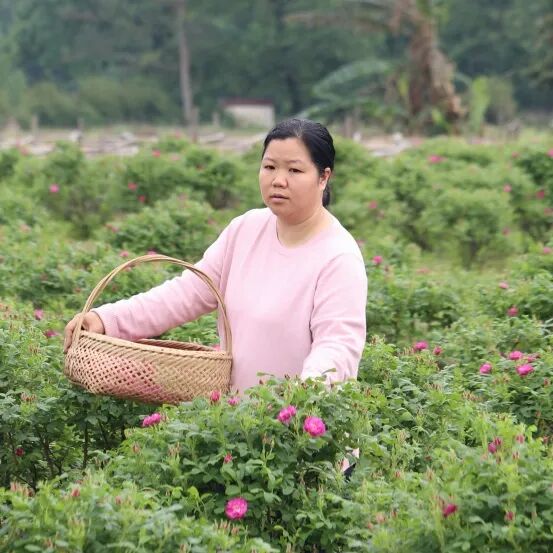
Zhou Ciyu
Born in Guilin, Guangxi; born in the 1980s. She graduated in environmental art design and went on to run her own businesses, including a distillery, a dried bean curd sheet (fuzhu) workshop, a rice noodle factory, and a restaurant. Despite all these experiences, she ultimately chose to return home with her partner in 2016 to practise ecological agriculture and founded Citang Farm. She and her partner started from scratch, travelling far and wide to learn about ecological agriculture and craft-processing techniques. After ten years of running the farm, they have finally found an ecological agriculture path that suits their small family, and each step feels steadier than the last.
Farmer Mentor
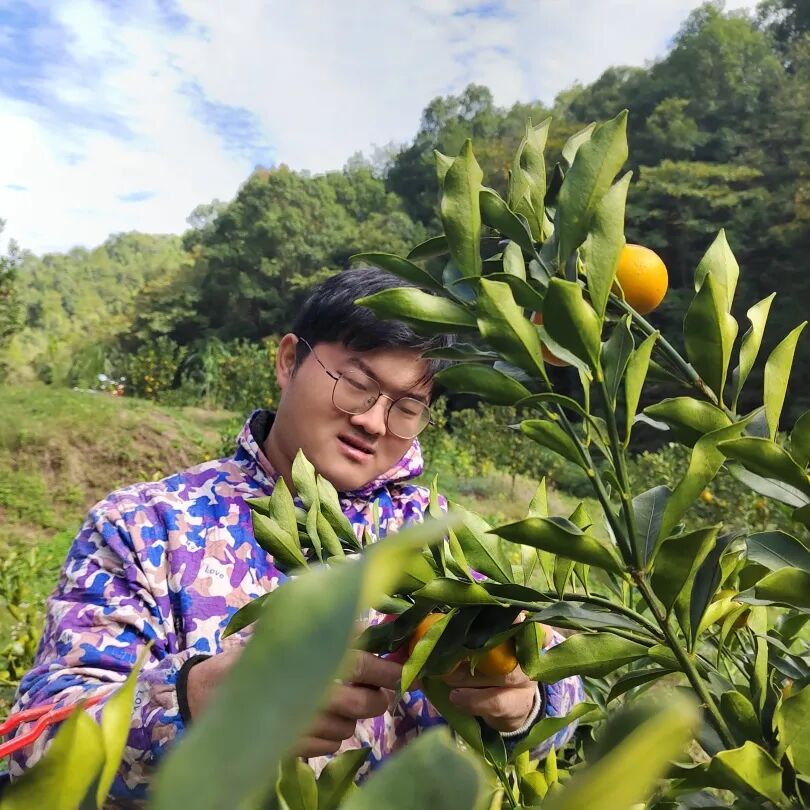
Liao Hai
Born in Ganzhou, Jiangxi; born after 1995. At the end of 2019, he returned home for family reasons, took over the family orchard, and began learning to grow and manage citrus crops. From 2021, he gradually began to encounter and practise ecological agriculture. The family mainly grows navel oranges and Cuimi kumquats, and also keeps more than a dozen cattle. Limited by growing techniques and the impact of citrus greening disease, the orchard has not yet fully transitioned to ecological production. In 2023, he began an ecological transition trial in a relatively isolated navel orange grove on a hilltop. He hopes his growing techniques will continually improve and that one day the entire orchard can be fully converted to ecological agriculture.

Past Participants’ Farm Assignments
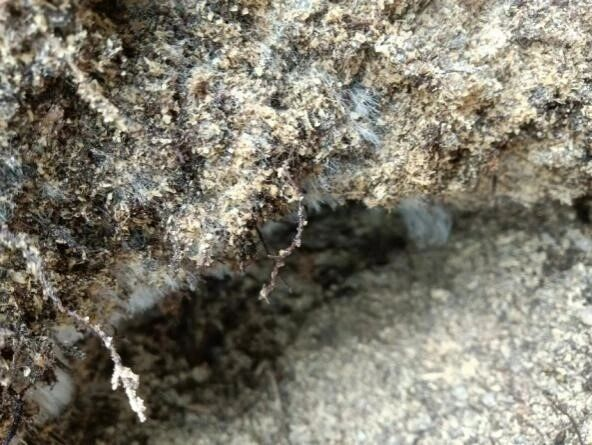
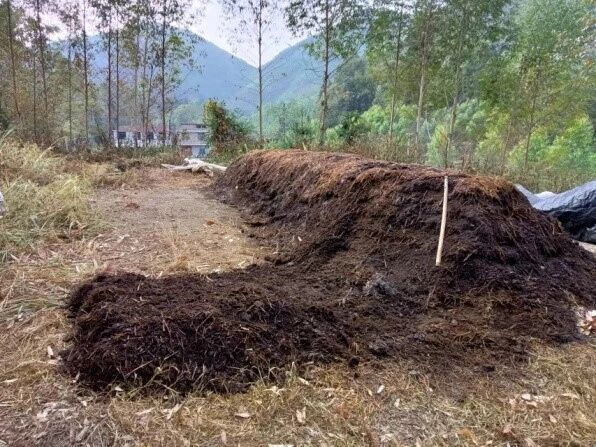
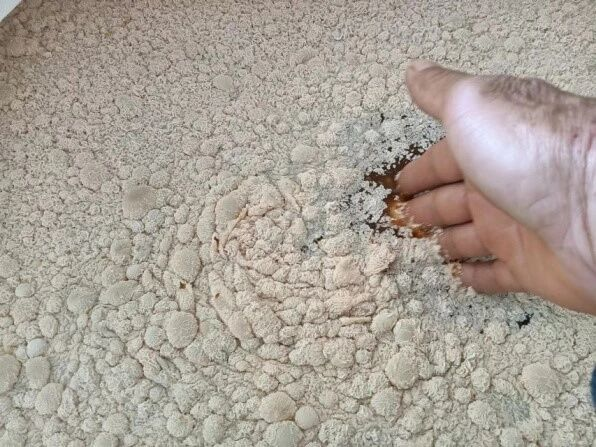
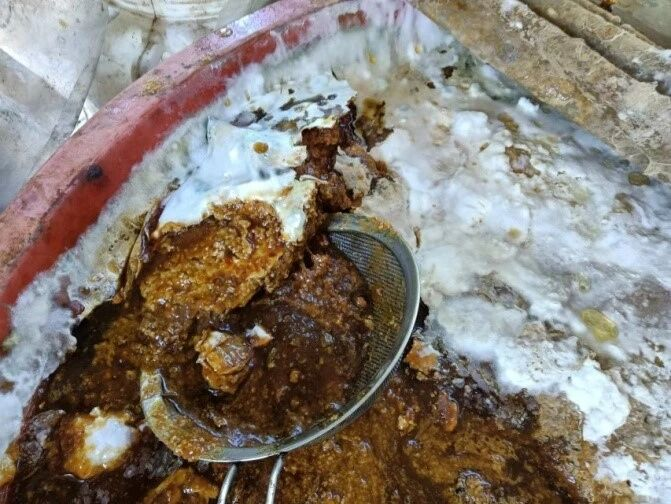
● Field collection of indigenous microorganisms (IMO), compost, plant-derived amino acids and animal-derived amino acids. Image credit: Lei Zhengjie
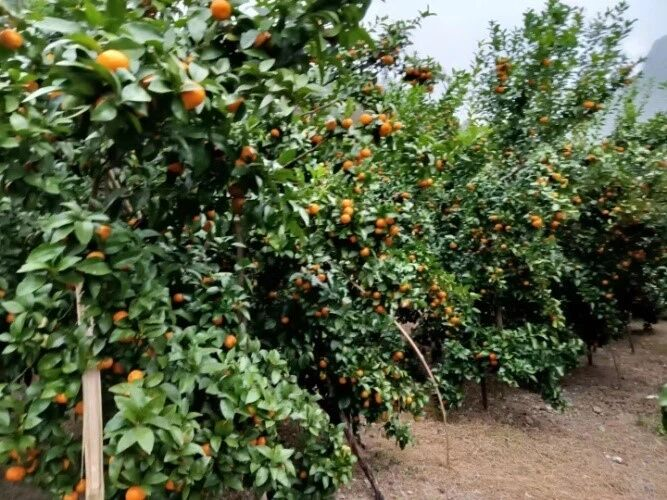
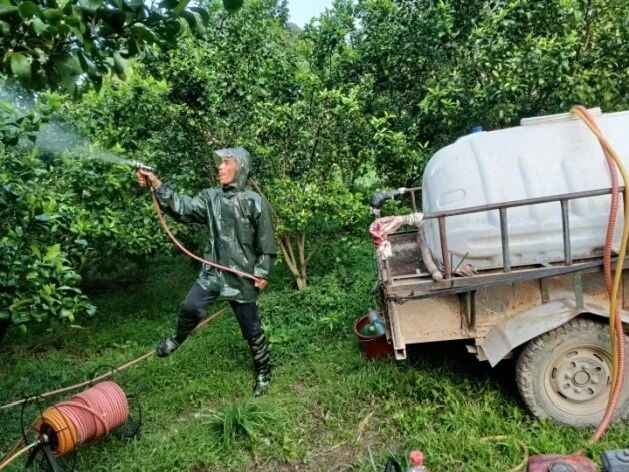
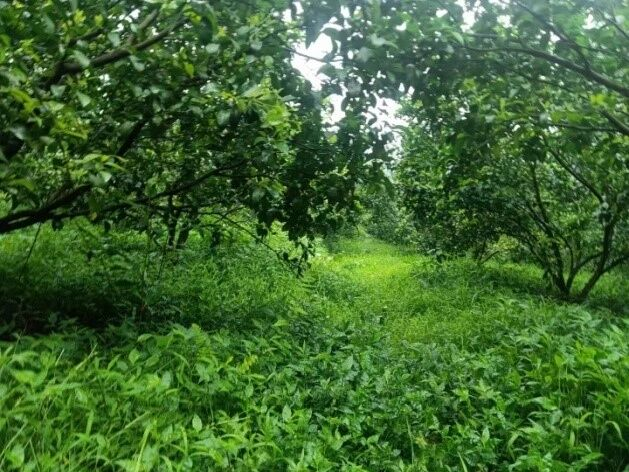
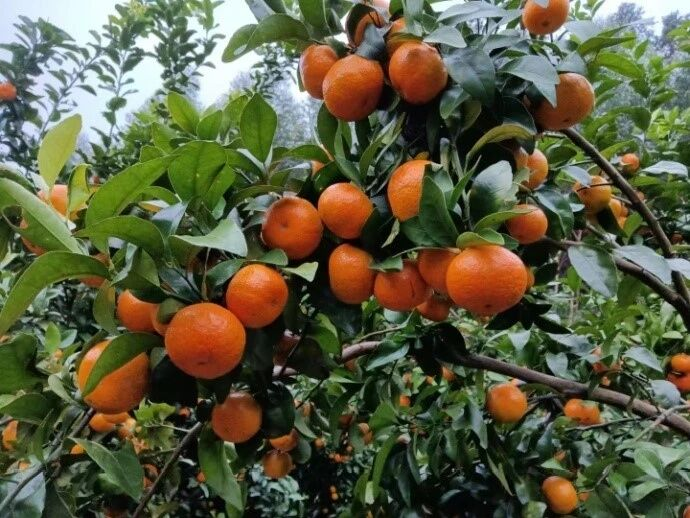
● Shatang mandarin orchard. Image credit: Lei Zhengjie
– Co-Organisers –
Foodthink
Villagers’ Committee of Yangqiao Village, Fanglou Town, Lianhua County
Yuanye Jinxiang (Pingxiang) Ecological Agriculture Co., Ltd.
– Host –
Yuanye Jinxiang (Pingxiang) Ecological Agriculture Co., Ltd.
Co-ordination: Huang Guoliang
Editing: Xiaodan
Poster: Zhou Xuan
Layout: Minglin