A Gastronome Who Is Not an Environmentalist Is Foolish – In Memoriam Slow Food Founder Petrini

The One Who Pressed the Piano Pedal Has Gone First
On 21 May 2026, Carlo Petrini, founder of the Slow Food movement, Italian journalist and writer, passed away.
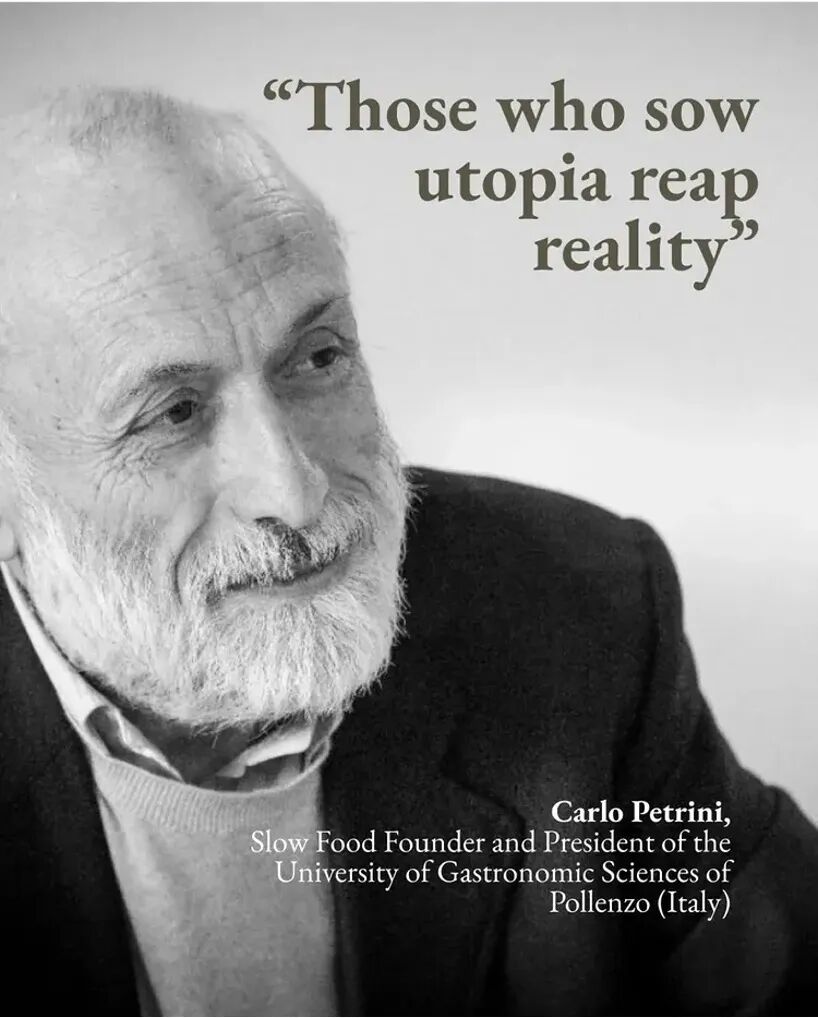
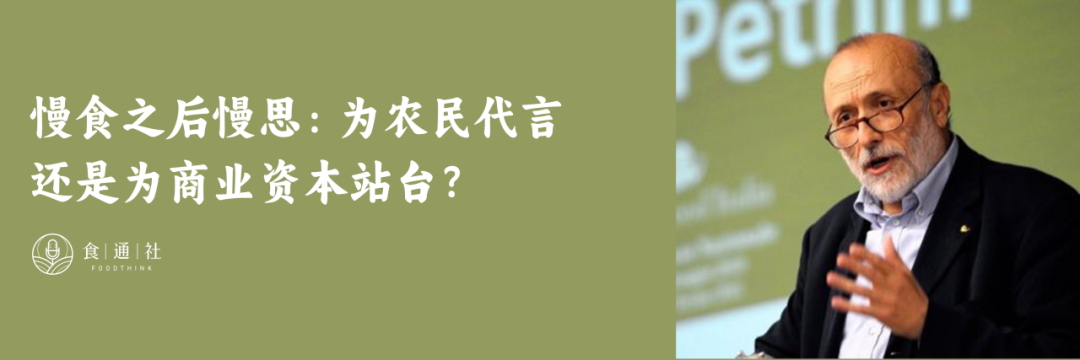
◉ The Slow Food movement advocates that food should combine high-quality taste with environmentally friendly production, while safeguarding the rights of producers. In much of his writing, Carlin exposed the damage industrial agriculture inflicts on biodiversity and food traditions. Image source: @slowfoodinternational
As someone who spent wonderful years of study under his wing, and who aspires to write about food, I would like to honour him with this piece. I will refer to him as Carlin, the nickname everyone uses for him.
Like me, many students who come to the University of Gastronomic Sciences are drawn by Carlin’s books and the influence of the Slow Food movement. Indeed, Carlin has scattered seeds of goodness across the world: he launched the Slow Food movement, initiated Terra Madre, a food fair that brings together small-scale farmers and food producers from around the globe, and founded a university devoted to gastronomy.
The university’s full name is the University of Gastronomic Sciences, Pollenzo. Founded in 2004 by Slow Food International, it is headquartered on the very edge of Carlin’s hometown – the village of Pollenzo in Bra, in the Piedmont region of northern Italy. This private university is dedicated to food studies and employs experiential teaching methods while emphasising the nutritional science, politics, culture and ecology behind food. My one-year master’s programme is called New Food Thinking, and the curriculum is divided into modules such as food philosophy, food ecology, foraging, and the world’s diverse cultures, along with weekly food education sessions centred on a theme.
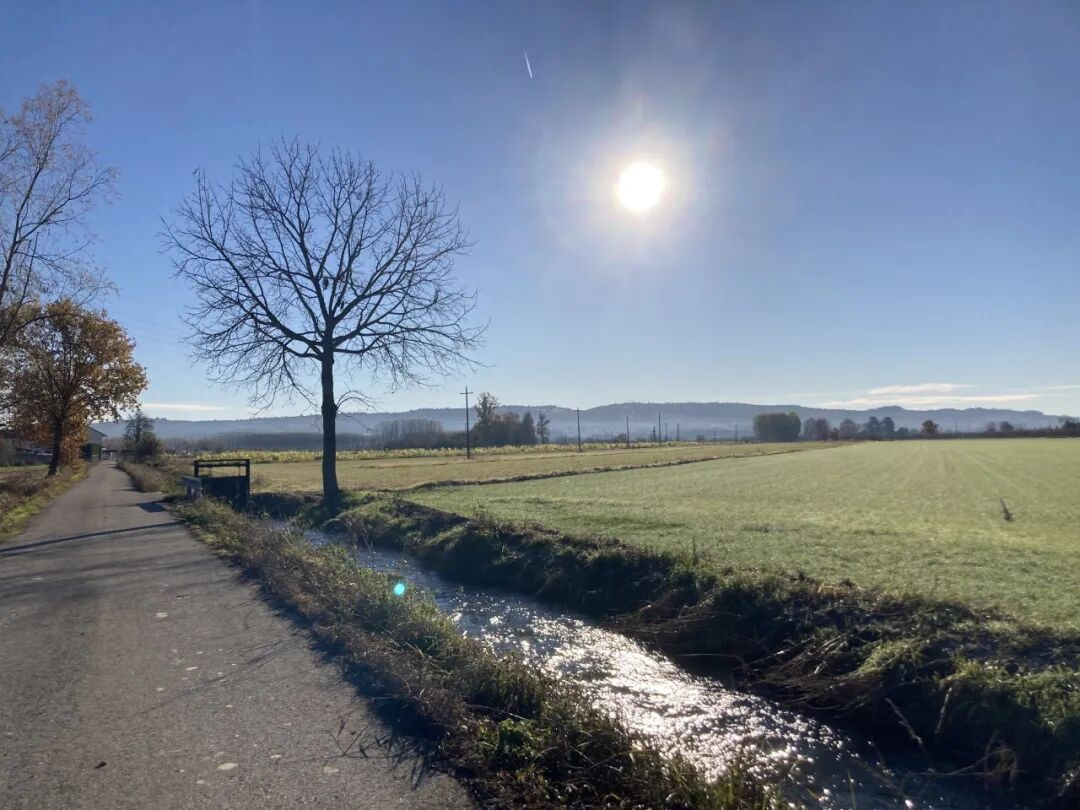
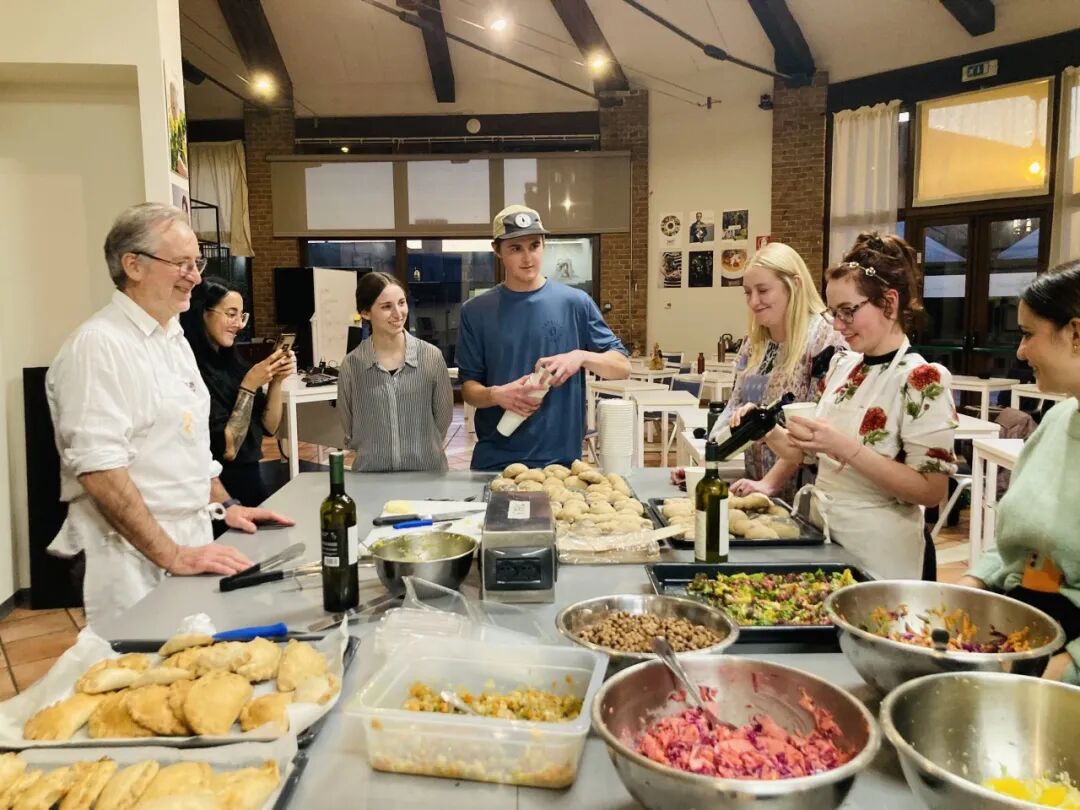
◉ Left: the school is set in the rural village of Pollenzo, close to both nature and farmland; Right: during a food education class, teachers and students enjoy the food they prepared together.
My very first class at the school was a lecture by Carlin.
He was seventy-two at the time. Three hours of a relentless barrage of Italian, without a single interval. I watched the simultaneous interpreters go from composed to barely fighting for breath, while Carlin grew ever more impassioned. The students below exchanged glances that said, “This old man is unbelievably high-energy.” Waving and talking on stage, he never stopped for a moment, as though a perpetual motion machine hummed within him.
I remember he spoke about the word “sustainable”. Rather than explaining it through its Latin roots, he told us that the word shares its origin with “sustain” – the sustain of the piano pedal. When you press the pedal, the sound still trembles in the air, slowly unfurling, so you can feel the resonance of the music. He said, “To build a sustainable world, we must make a sound. Not random clamour, but a note that resonates, so that its sustain can carry forward.”
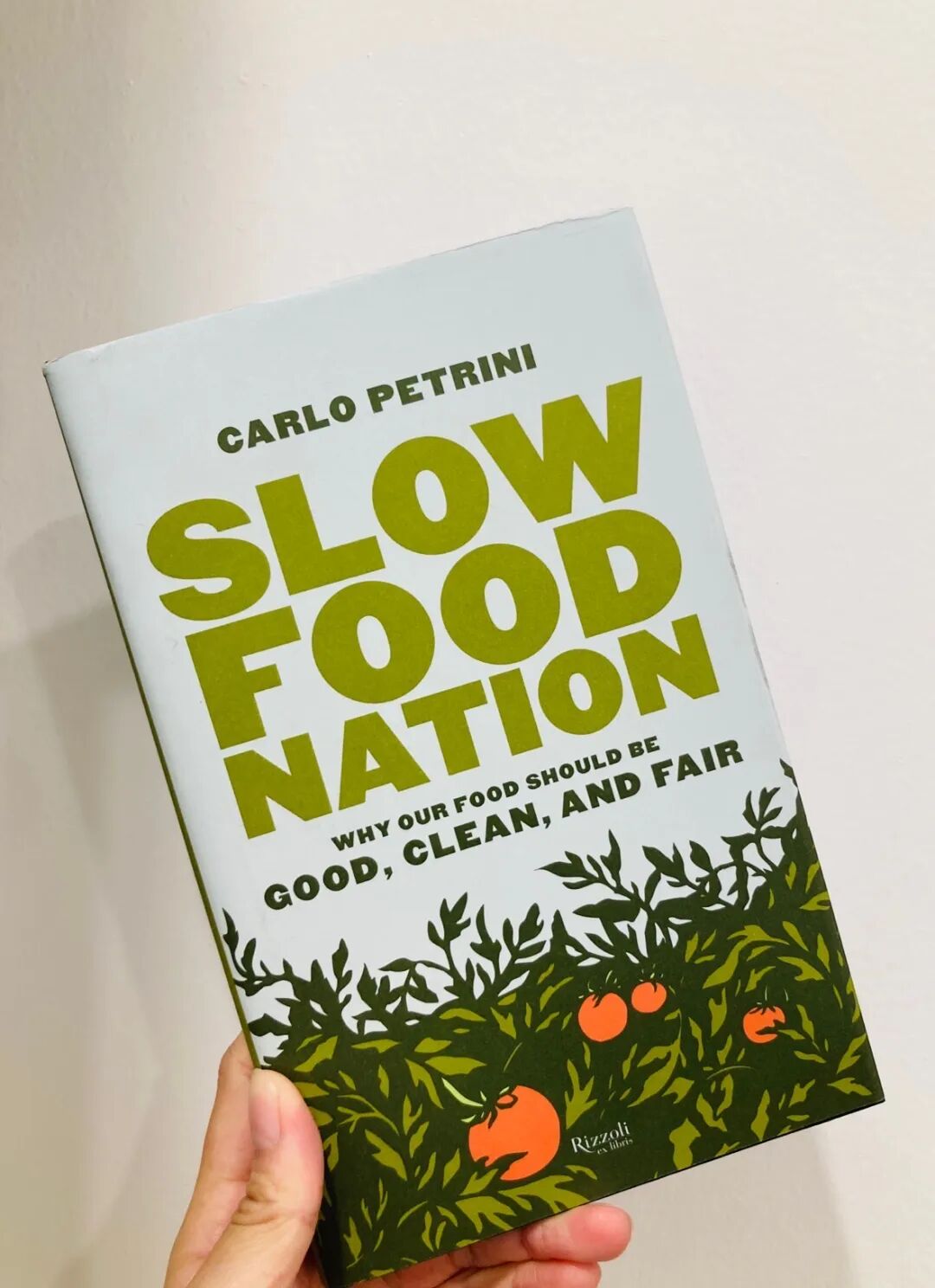
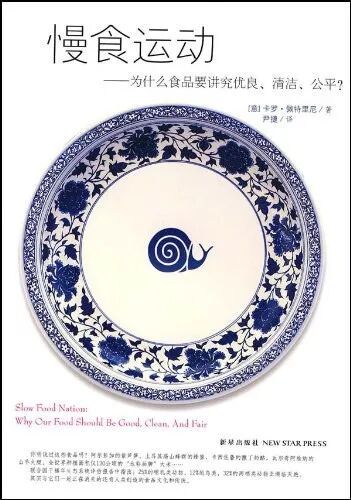
◉ The welcome gift the school gives its new students is a book by Carlin; the Chinese edition is titled Slow Food: Why Must Food Be Good, Clean and Fair?
On 21 May this year, he passed away in his hometown of Bra, aged seventy-six. Early one morning, when the news appeared on my screen, what rang in my mind was the lingering sustain of a piano – only that the one who pressed the pedal has gone first.
“McDonald’s, Get Out of Italy!”
On 20 March 1986, Italy’s first McDonald’s opened near Piazza di Spagna in Rome and quickly swept through the local young people. Carlin, then a food columnist and journalist, joined a group of friends near the square to hand out bowls of tomato pasta to the crowds. They wanted to channel their anger through this earthy, kitchen-table act of protest and to prompt the public to ask: why could a fast, industrialised product like McDonald’s captivate the world – even “invading” Italy, a nation proud of its cuisine – while fresh, naturally grown, nutritionally balanced food was left to gather dust?
In December 1989, Slow Food International was formally established in Paris. Its emblem is a snail. Carlin said the snail was chosen not to urge people to eat more slowly, but because the snail moves slowly – it savours its journey without hurrying – and, more importantly, it carries its home on its back. Wherever it goes, home goes with it. Home means local, seasonal food; it also means traditional recipes and the ritual of people gathering around a table to eat together.
Carlin’s Slow Food is not, at its core, simply about “eating slowly”. On the contrary, he stressed time and again: ‘Slow Food is not about food – it is about us.’ What he returned to again and again was the core spirit of the Slow Food movement: Good, Clean, Fair.
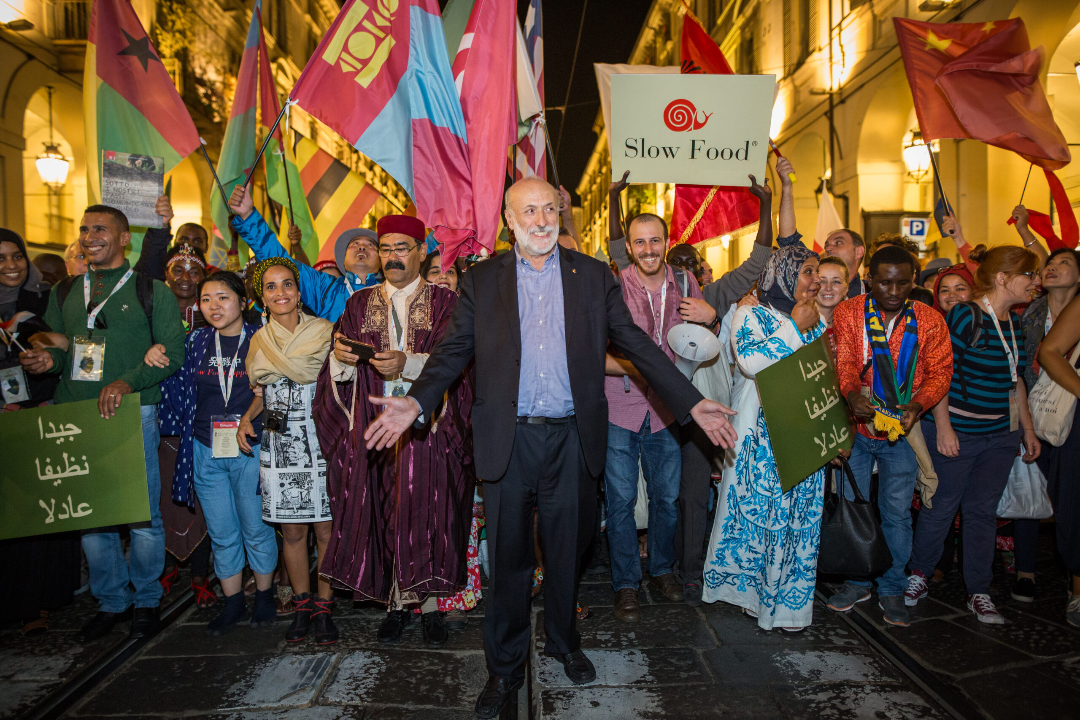
◉ Carlin at the Terra Madre food fair organised by Slow Food International, with small-scale farmers and small producers from around the world. Image source: @slowfoodinternational
Good, because food should deliver genuine sensory pleasure rather than a standardised numbness of the palate; Clean, because the production process should respect natural ecosystems rather than accelerate everything with hormones and chemicals; Fair, because those who grow the crops, raise the livestock and make the food deserve a dignified livelihood and should not be squeezed to the very bottom of the supply chain.
In 2004, he pushed forward two more projects: first, founding the University of Gastronomic Sciences in the village of Pollenzo, near his hometown, turning gastronomy into a serious interdisciplinary discipline; second, creating the Terra Madre food fair – a biennial global gathering of food communities held in Turin, bringing together farmers, fishers, herders, chefs and researchers from more than 150 countries.
In Carlin’s eyes, food was never an ordinary pastime – it was a political matter: a question of who owns the land, who does the labour, and whose tastes are being systematically erased.
His concern for social justice behind food was also tied to his upbringing. His father came from a railway-worker family; his mother was a village primary-school teacher from a rural background. In his youth, he studied sociology, working alongside his father by day and attending classes by night. Yet it was his grandmother who sparked his deep, focused passion for food. In his memory, she would gather up the breadcrumbs scattered across the dinner table, making sure nothing went to waste.
As he later put it, ‘A gastronome who is not an environmentalist is foolish; an environmentalist who is not a gastronome is deplorable.’ Slow Food defends what McDonald’s cannot offer – local, seasonal food, and the ritual of people gathering together around a table.
While I was studying in Italy, 90 per cent of the students lived in Bra, the birthplace of the Slow Food movement. In some ways, the town felt like a “Slow Food bubble”: no McDonald’s, no KFC, just traditional Piedmontese restaurants and a handful of Turkish and Chinese eateries run by immigrants.
Sometimes, when we had had our fill of Bra’s cooking, classmates would want to venture 50 kilometres away to Turin for McDonald’s. Sometimes we would joke about it: ‘We’re already so broke – what’s wrong with grabbing a McDonald’s?’ Rumour had it that sneaking off to McDonald’s had to be done in secret, or you risked expulsion from the school.
More often, though, we learned about food and understood Slow Food through ordinary, everyday moments.
For instance, we could claim a plot in the school’s organic farm and work together with classmates to tend the plants and get to know the soil.
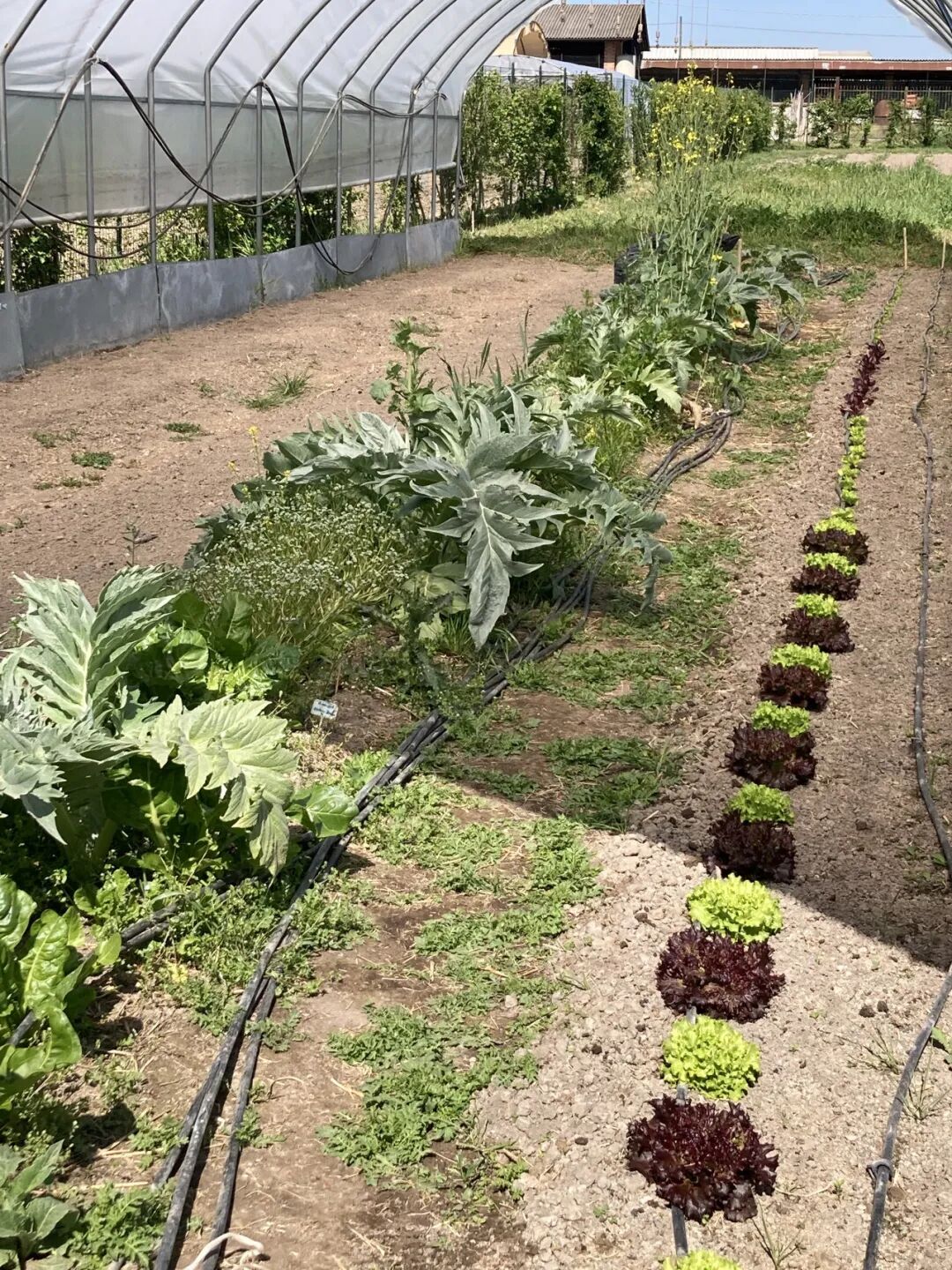
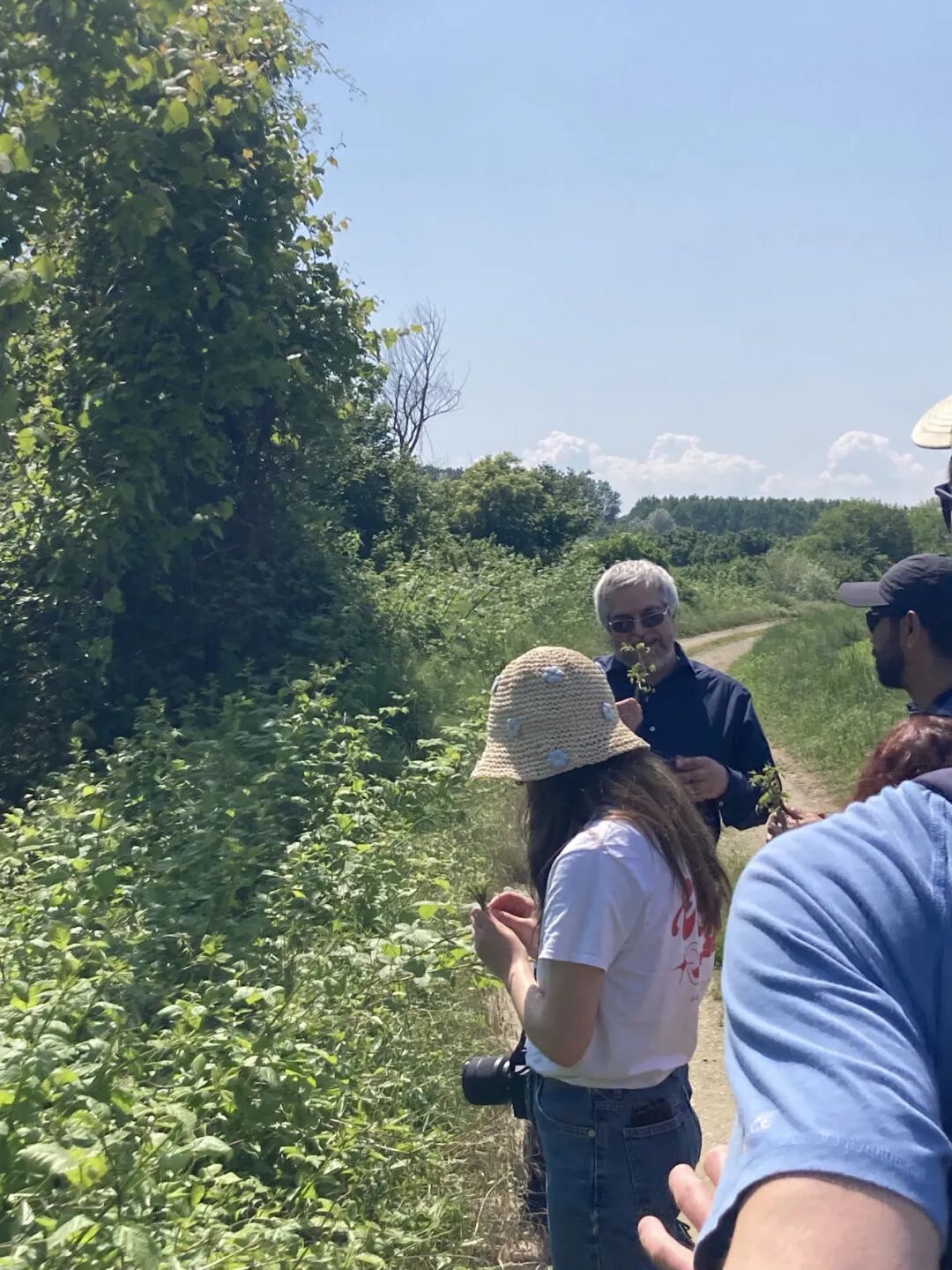
◉ Left: the school farm. Right: in a foraging class, learning to identify edible wild plants around the school.
In spring, we took foraging classes in the village, learning to identify and eat the hundreds of wild plants growing here. I never imagined that these fields and hillsides – all reachable within a thirty-minute walk – held so many edible plants.
After class, classmates would spend hours cooking and chatting, and a single table could hold dozens of dishes from different countries and regions. Sometimes Carlin would happen to pass by and drop in on their meals or impromptu dance parties.
At weekends, everyone would clear out their fridges, bring along the leftovers, and head up the hill to an abandoned pizza oven – baking pizzas, bread, making salads…
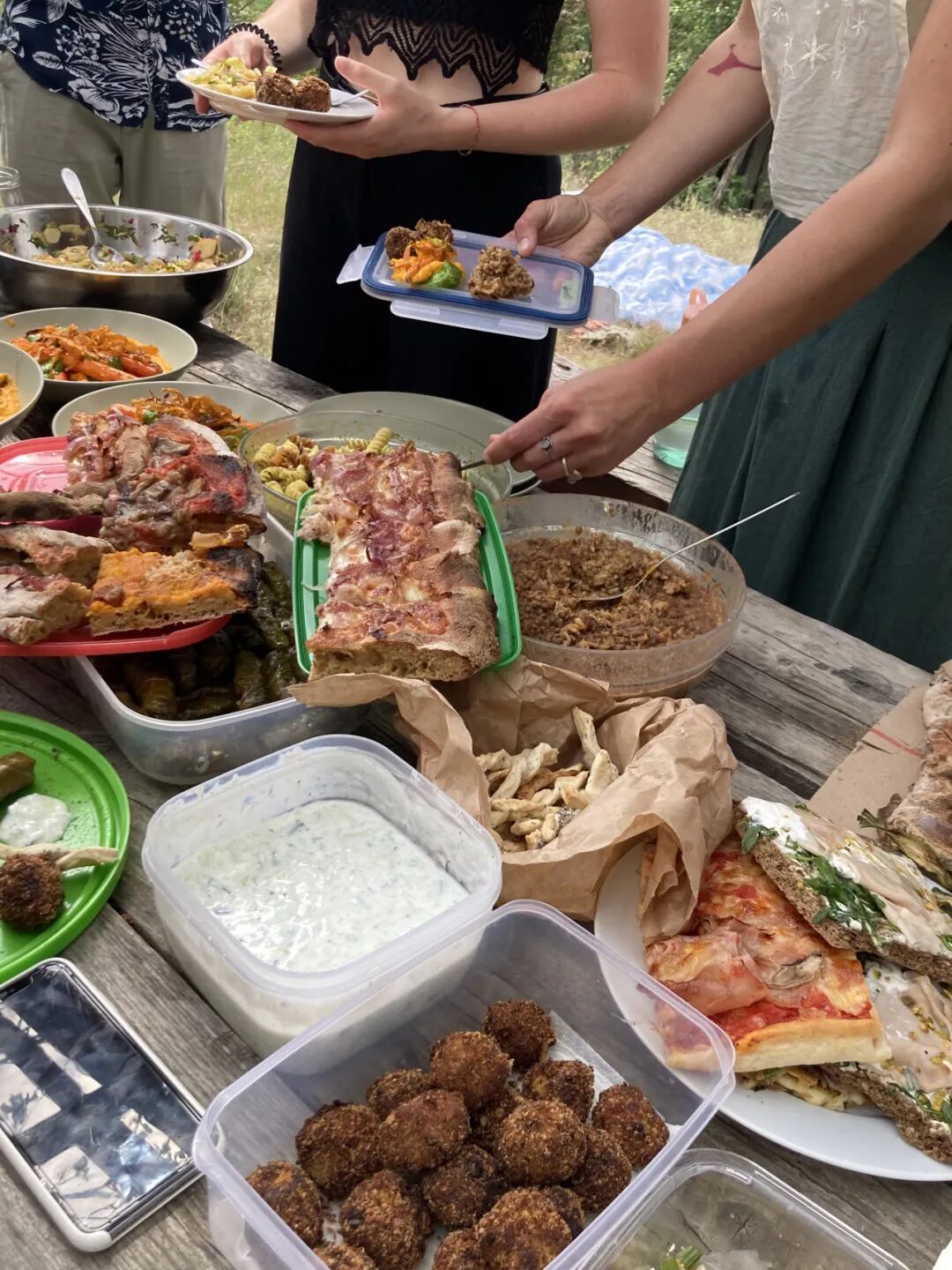
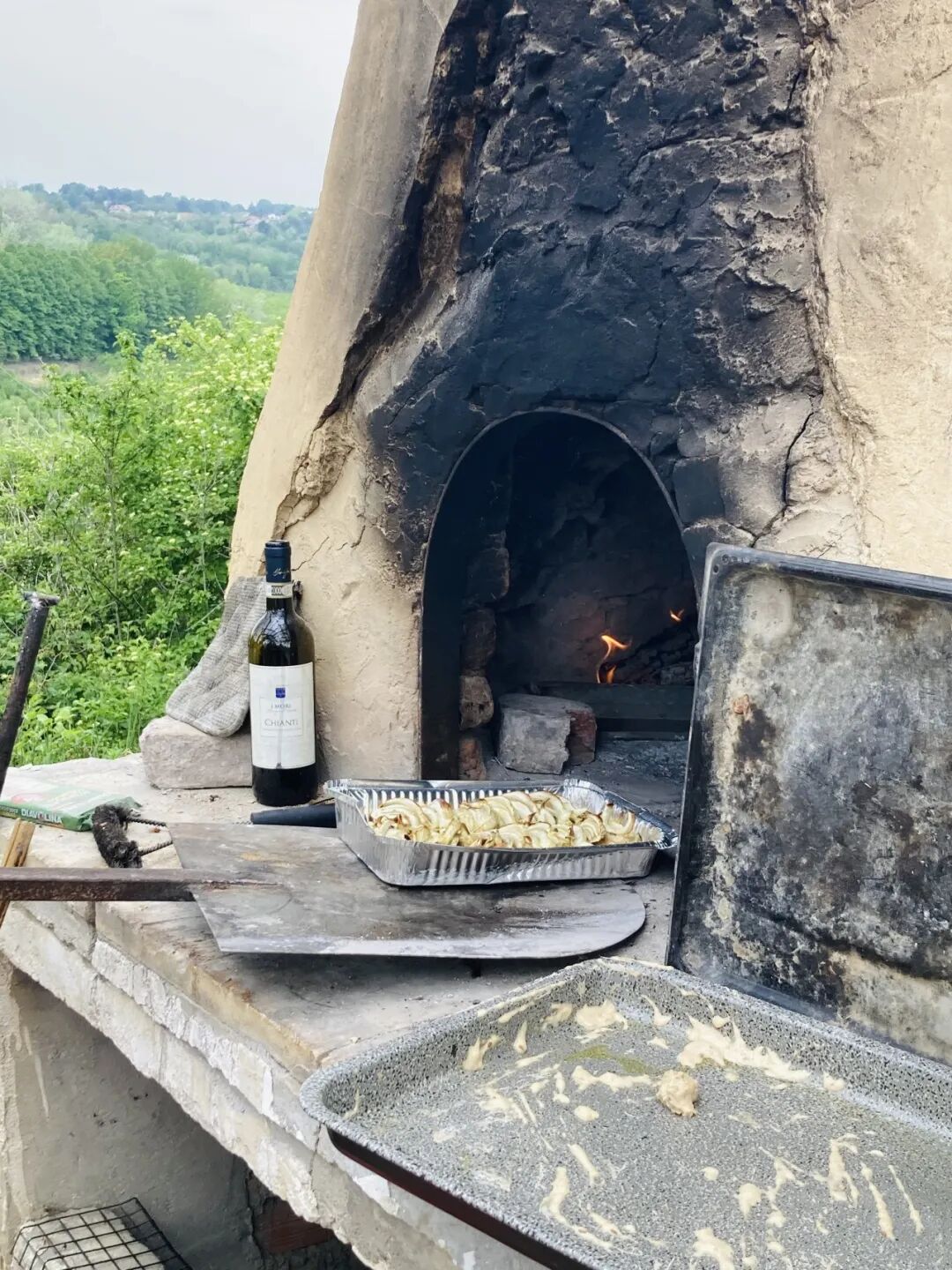
◉ Everyone brings along leftover ingredients for a communal picnic on the hill near the school, at the old abandoned pizza oven.
The school also organised study trips to rural areas across Europe, where we could see how local organisations protect seeds, talk to farmers, and learn about the small worries that weigh on them.
Looking back on these moments, I realised that Carlin’s vision for the Slow Food movement was not as idealistic as it sounds. It is rooted in the practicalities of daily life – in meal after meal of flavourful, honest food, and in the look of contentment on everyone’s faces.
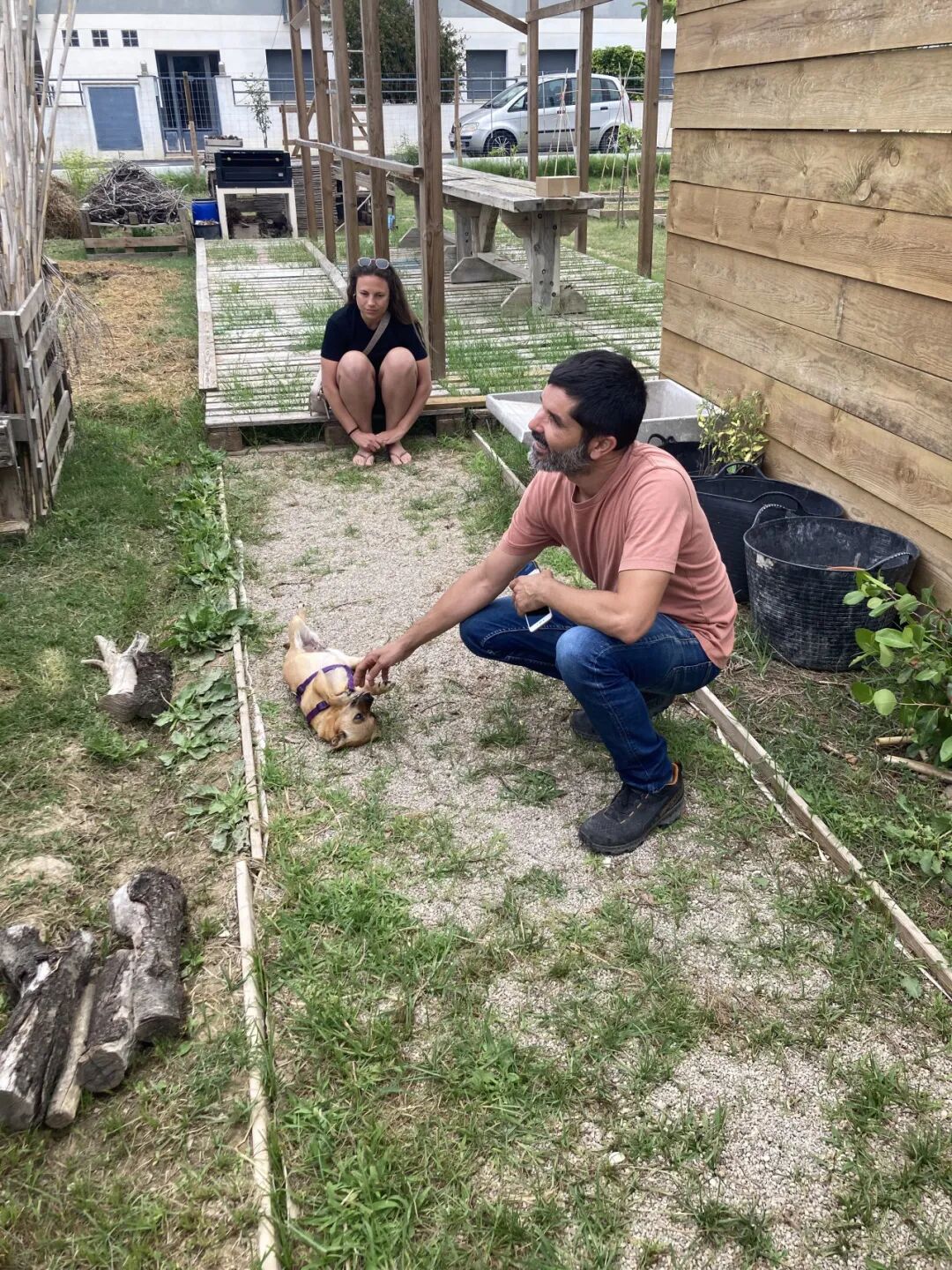
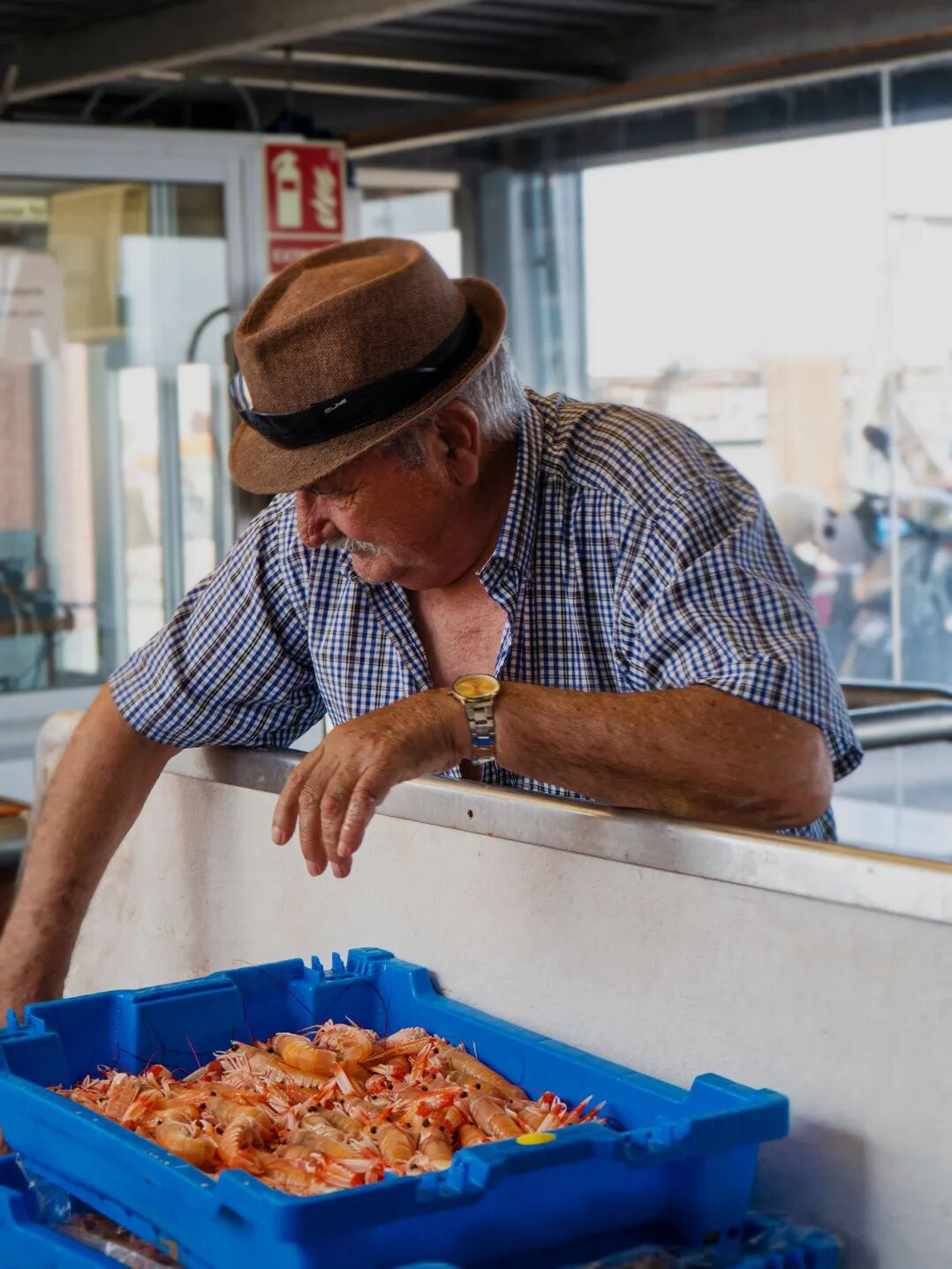
◉ On a study trip to Spain, talking with a smallholder farmer (left) and a fisherman at the fish farm (right).
“Eating Is an Agricultural Act”
For me, Carlin’s greatest influence was his insistence on the importance of agriculture within food systems. He deeply admired a line by the American writer Wendell Berry: “Eating is an agricultural act.” Through their food choices, consumers steer agricultural markets and production priorities, becoming producers in their own right, albeit unseen. Within the Slow Food system, consumers who hold principles and put them into action are called “co-producers”.
In the autumn of 2025, I attended Slow Cheese, the Slow Food cheese festival held in Bra. It is a biennial event – the world’s largest raw-milk cheese festival. It was through this festival that I learned that just three ingredients – milk, rennet and salt – can yield more than 2,000 different cheeses, and that cheese itself is a symbol of food diversity.
Carlin gave a street speech on the theme “Why Raw-Milk Cheese Matters”. He said pasteurisation is an industrial logic – standardising, replicating, eliminating variables. But the diversity of raw-milk cheese comes from the terroir of different regions, the pastures, the animal breeds, and the skill of shepherds and cheesemakers. And raw milk, a living food, retains its original qualities – nutrients, vitamins, enzymes, lactic acid bacteria – along with every flavour and aroma of the grasses and hay the animals eat. Most farmers who produce raw-milk cheese work on a small scale. They play a vital role in protecting meadows, pastures and animal breed diversity.
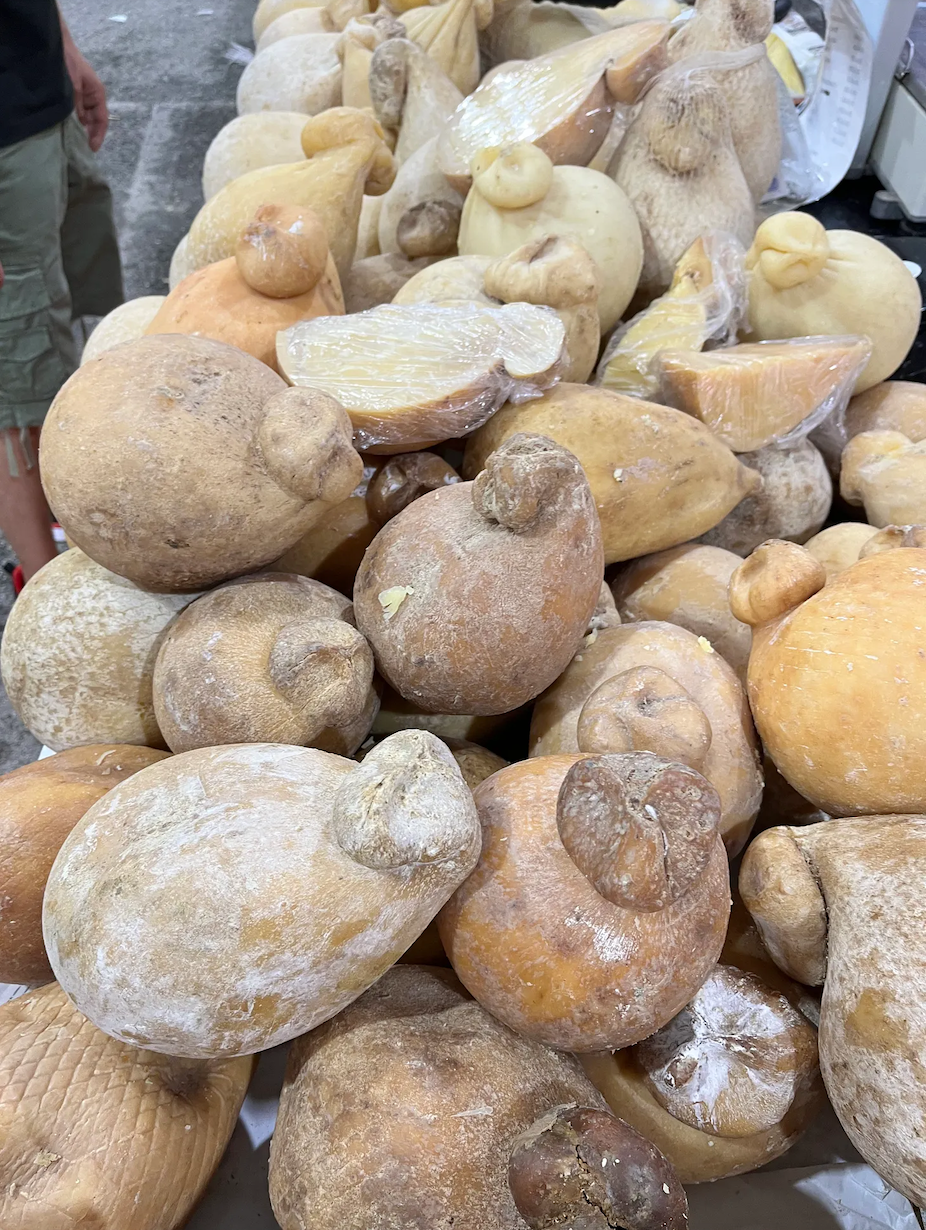
◉ Cheeses of every kind at the cheese festival.
For the days of the cheese festival, every street and square in Bra becomes a cheese market. Behind each stall stand producers from different countries. The air is filled with the mingled scents of milk and herbs – a fragrance that belongs only to this place, one you would never find in any supermarket.
I loved that year’s festival theme, “C’è un mondo interno” – the world is right beside you. That is the joy of losing yourself in learning about food: from a single bite, countless threads of inquiry unfold. An old man from Sardinia is explaining why his sheep eat only a particular wild herb, while a student stands beside him taking notes. Walking through the market, it feels less like a marketplace and more like an open-air classroom.
And yet, this is not the kind of classroom we are used to. After finishing his talk, Carlin would pull students and visiting guests from all over into song and dance. A man in his seventies, dancing an energetic Italian folk dance in the middle of the crowd. That joy and energy came completely unreserved, and in that moment I understood why so many people had been inspired by him.
Slow Food – Is It Really Just Elitism?
At that year’s cheese festival, I attended several panel discussions. They were meant to be spaces where diverse voices converged – producers, researchers and activists from over a dozen countries seated in the audience – yet again and again the stage was monopolised by lengthy monologues from a handful of Italian men. On the platform, they fed off one another, their voices growing louder, ever more self-indulgent.
It was not until the event was nearly over that the moderator finally passed the microphone to a woman shepherd from North Macedonia. She had perhaps five minutes. She showed a few photographs: flocks on a hillside, a stone-built hut, her making cheese alongside her children. She spoke in halting English, concise, poetic, carrying the quiet composure of someone who has truly lived on the land. Those five minutes were the most rewarding of my entire time there. And yet, walking out, I was left with a jumble of feelings.
Ever since, I have kept wondering: how do these two utterly different experiences coexist, both given to me by Slow Food, in the very same place?
Criticism of the Slow Food movement has never died down. It seems to carry an Italy-centrism – an arrogance in treating one region’s food traditions as the standard. Truly good, clean and fair food, in real life, often comes at a higher price, and not everyone can afford that fairness.
Carlin himself was well aware of the elitism charge. In interview after interview, he stressed that Slow Food was never about turning food into a luxury; it was about shifting the entire society’s priorities when it came to food. His intention was never to serve the wealthy. But how does one put into practice, and reflect upon, one’s own class position and cultural biases? Perhaps that is the question he leaves us to keep wrestling with.
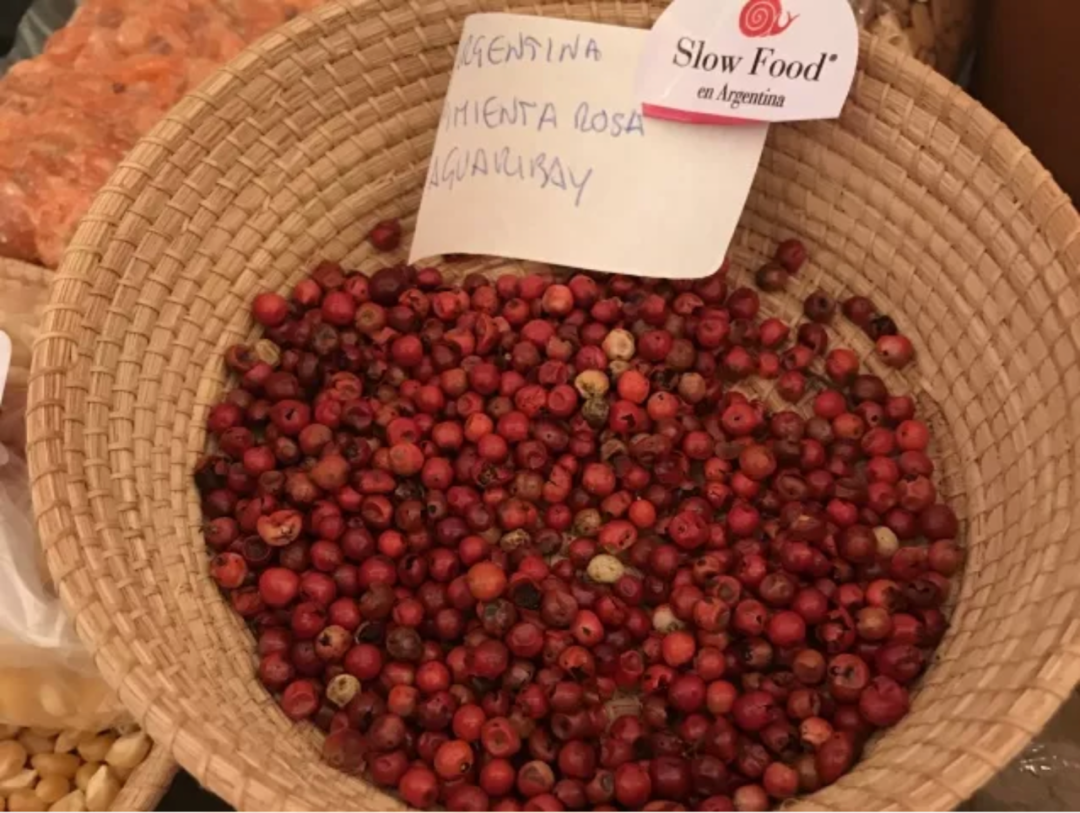
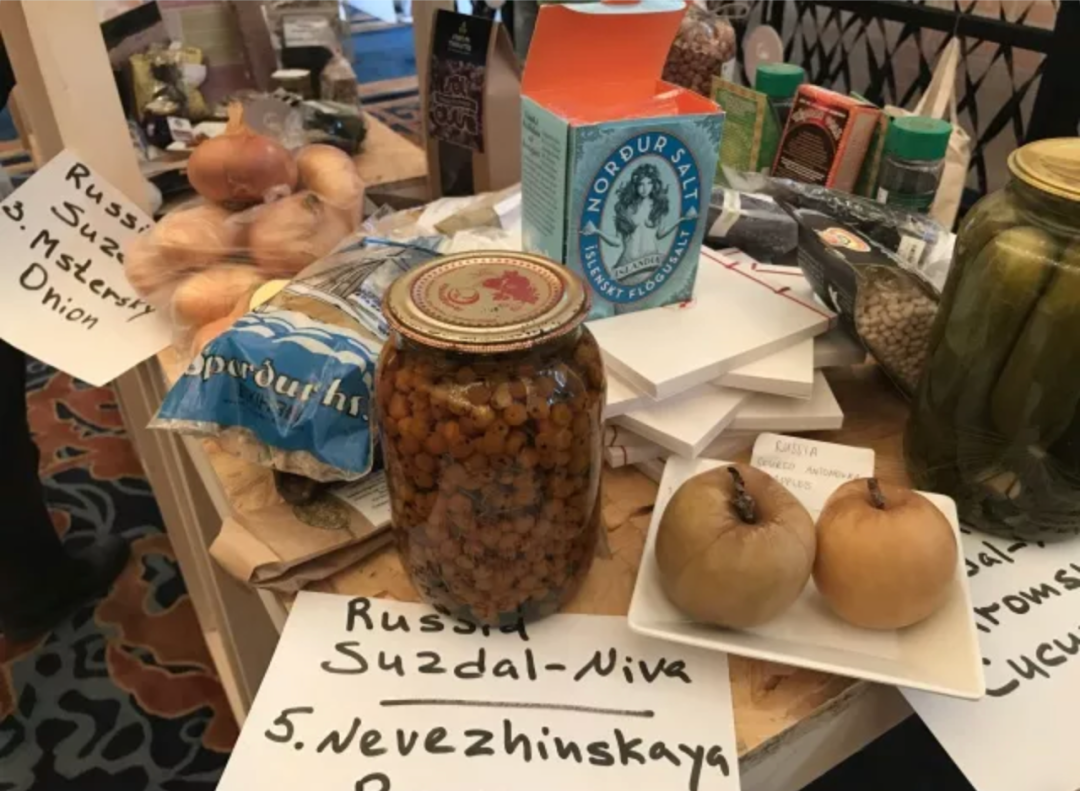
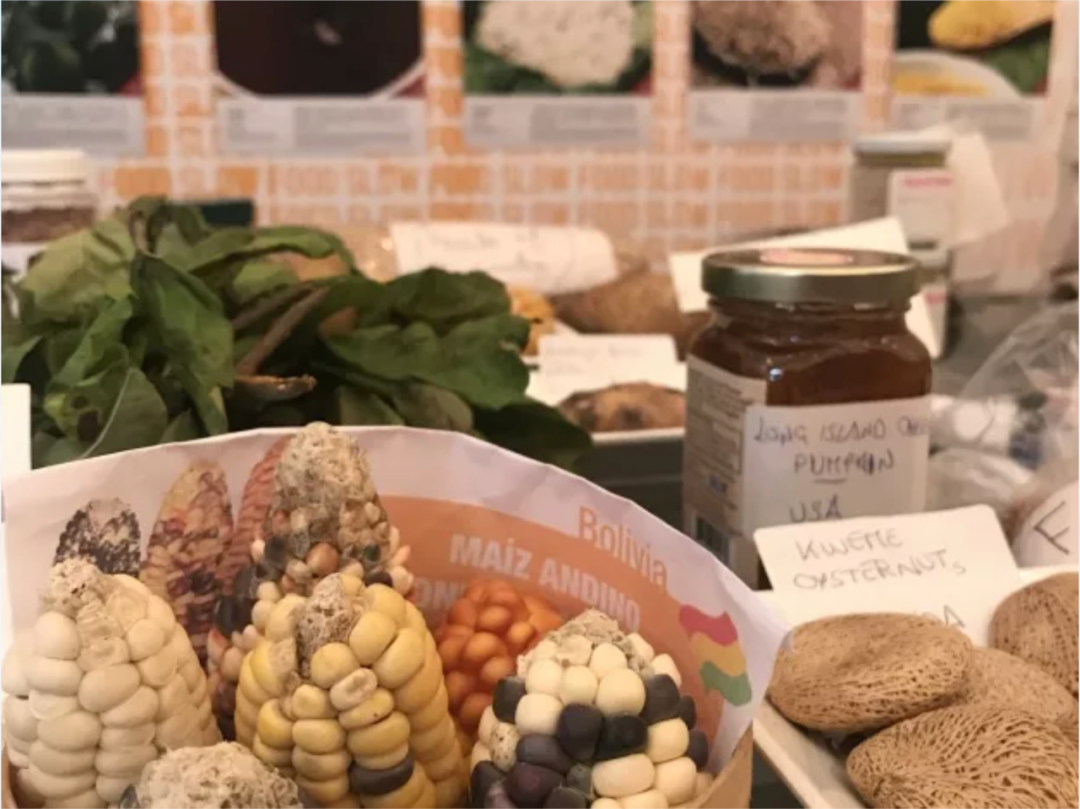
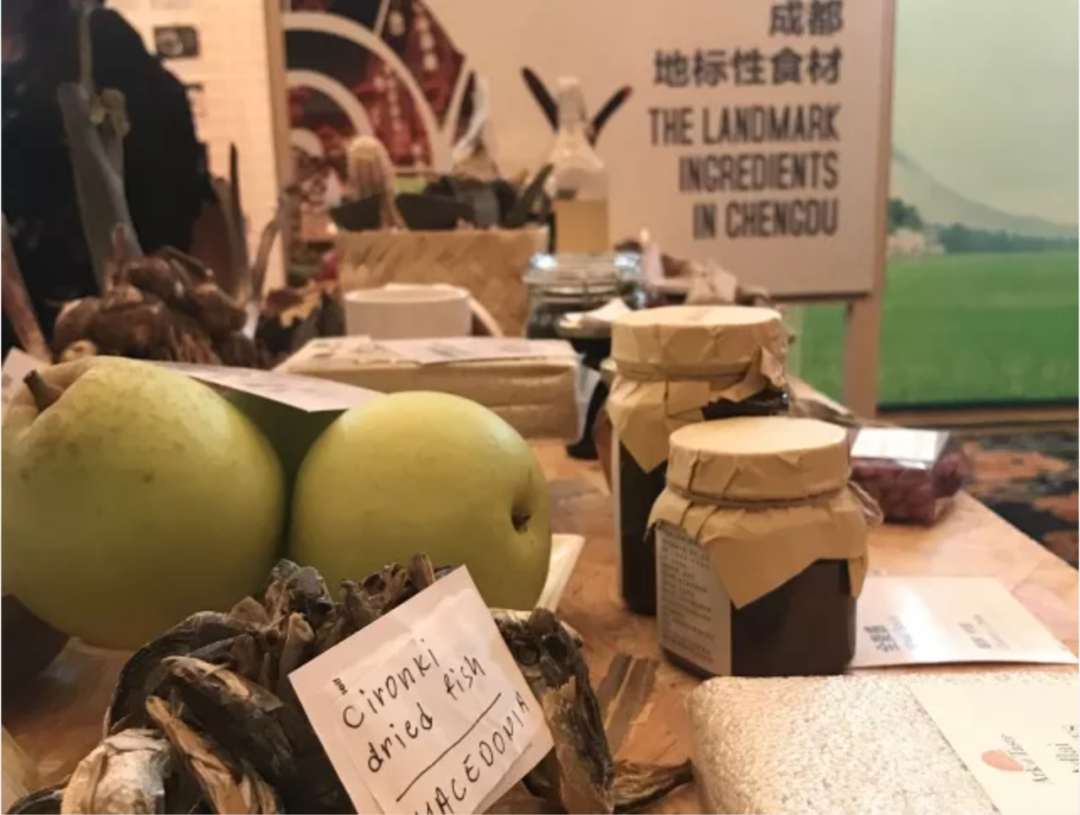
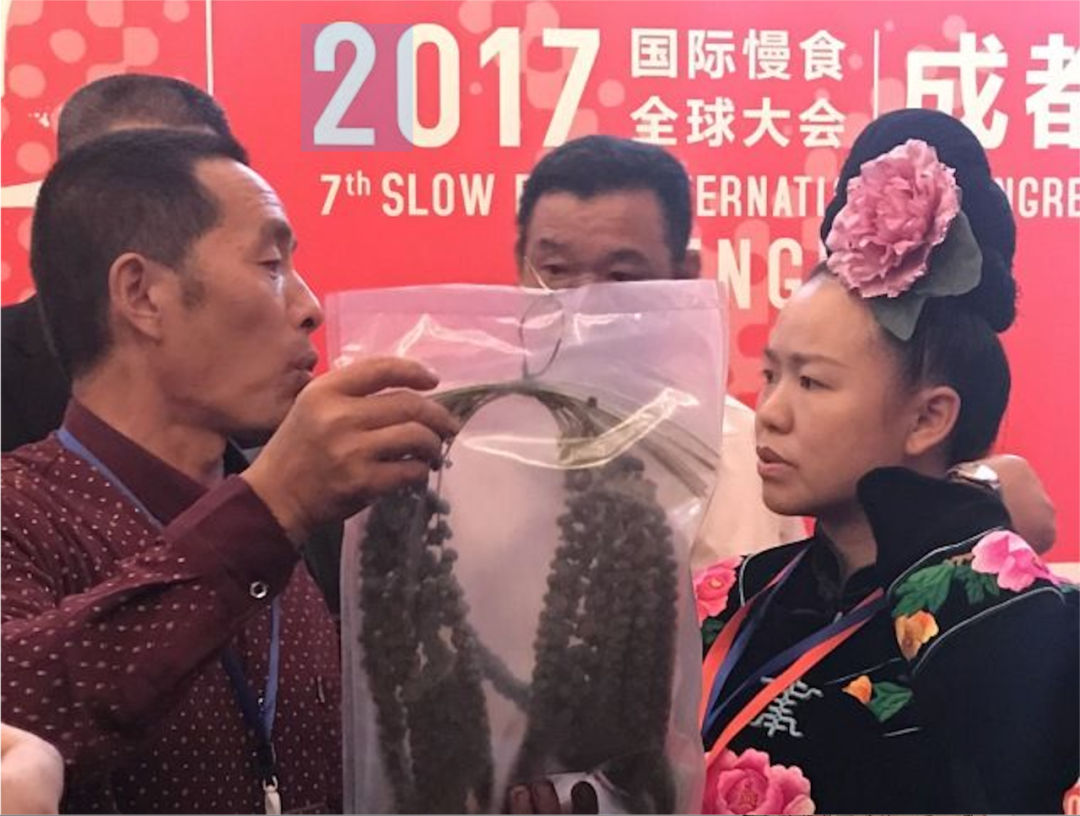
◉ In 2017, Foodthink took part in a Slow Food event in Chengdu. The Ark of Taste stand in the outdoor exhibition area beside the opening ceremony alone showcased nearly a hundred traditional foods and ingredients unique to different countries, regions and ethnic groups around the world. Without proper promotion or rigorous protection, these foods and ingredients – so distinctive to their respective nations, regions and communities – risk fading away, lost either to the depletion of natural resources or to the erosion of local ways of life. Swipe left or right to see more photos.
The Piano’s Notes Still Linger
The Movement Remains Unfinished
Bra is a tiny town – twenty minutes on foot takes you to any corner – and that closeness meant our lives overlapped. Classmates and I ran into Carlin around town all the time. He did not speak English, but that was no barrier to connecting with students from all over the world, because he communicated through food. The moment you mentioned you were a student at the school, he would stop and ask, in Italian punctuated by gestures: What have you been eating lately? What did you pick up at the market? What have you been up to? As warm and familiar as a neighbour.
One winter, during a heavy snowstorm, a group of us students huddled under an arcade in the town centre, waiting for the snow to let up. Carlin happened to pass by, spotted us, waved enthusiastically and said, “Come to my place for a drink.” And just like that, a cluster of students found themselves in his home, opening his wine cabinet, drinking and talking together while outside the window the snow fell in complete silence.
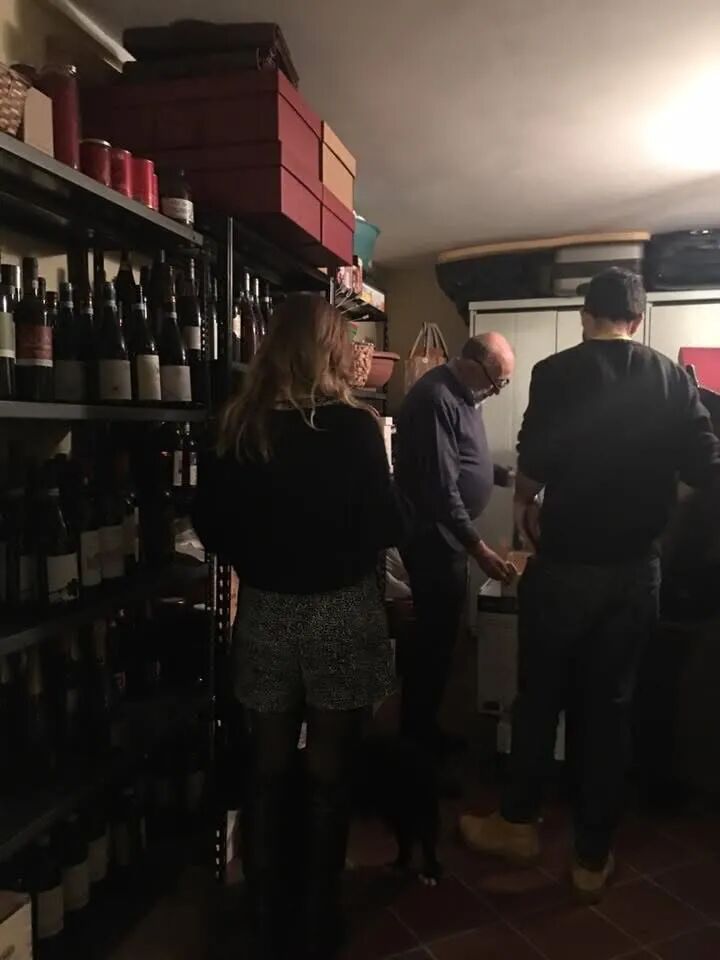
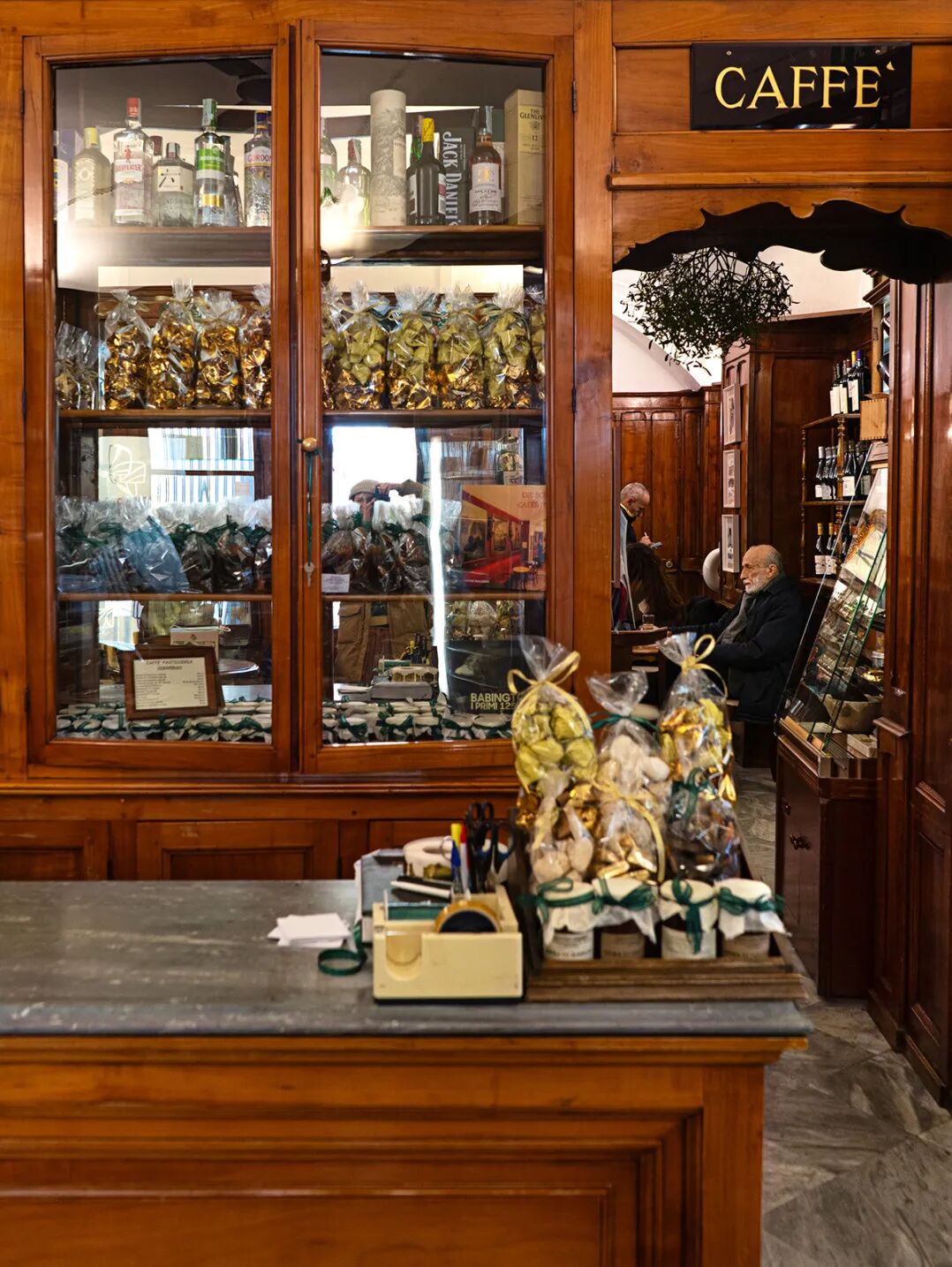
◉ Left: after a blizzard, classmates gathered at Carlin’s for a drink. Right: the café where we ran into Carlin.
The last time I saw him was a year ago, at a café in the centre of Bra. I teased him: “In Italy, do people really give you a look if you order a cappuccino in the afternoon?” He roared with laughter, stood up, walked over to the counter and ordered me one, coming back to say, “If you want it, have it!” Hearing his bright, open laugh, I thought: this tiny town of Bra really is a time capsule – the café no different from what the nineteenth-century posters on the wall depict, and the shopkeepers and familiar teachers you bump into on the street still the same faces from another era.
Carlin would often say, after a talk or a class, “Now it’s your turn to step forward.” At the time I was bewildered – what could I possibly do?
After graduating from the school, I drifted through different countries and regions for two years – learning about soil on an organic farm, waitressing in a café, cooking in a kitchen, and at one point delivering takeaway orders. That kind of learning-through-work felt like putting Slow Food into practice beyond the classroom. Perhaps I am still not strong enough to carry on a true Slow Food spirit, but at least I am already on the road.
But I believe that the five minutes given to the woman shepherd from North Macedonia should also be part of Slow Food’s evolution. The voices allotted too little time, the people not on the stage, the practitioners shut out in the name of “tradition” – the legacy Slow Food leaves us is not only what it has achieved but also what remains unfinished, or even deliberately avoided.
Because once the piano pedal is pressed down, the resonance carries on.
Ciao, Carlin, buon viaggio! Farewell – may your next journey be a smooth one.
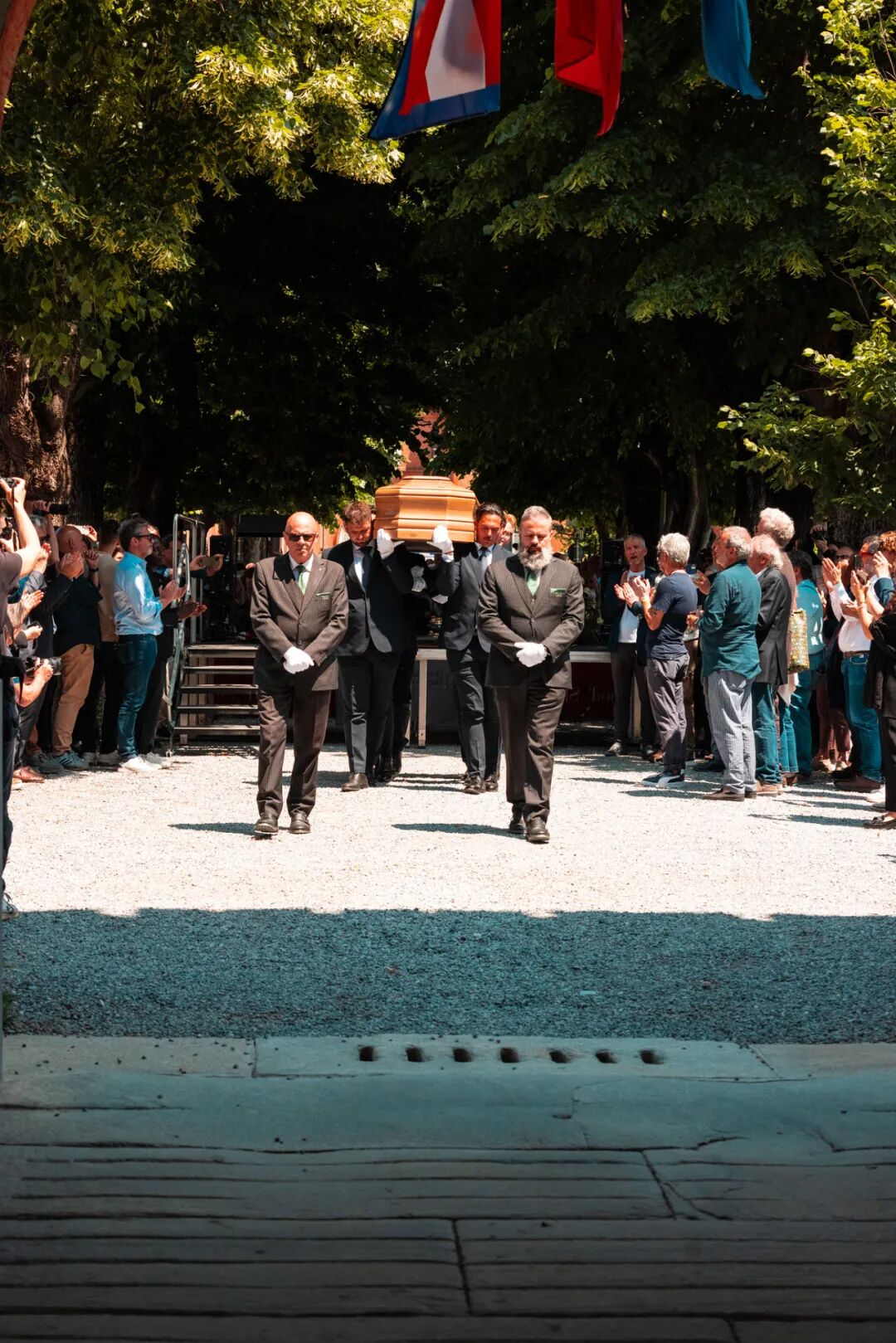
◉ The school pays tribute to Carlin’s passing. Photo: @slowfoodinternational
– This is original piece no. 810 by Foodthink –
Foodthink
By
Renso
A Sanhe drifter in Southeast Asia, endlessly curious about anything I have not yet eaten
Unless otherwise noted, all photographs are taken by the author
Editor: Pei Dan
Layout: Xiao Shu
▼
Click an image to read related articles