To Understand How Chinese People Eat, This Anthropologist Spent a Decade Browsing Wet Markets

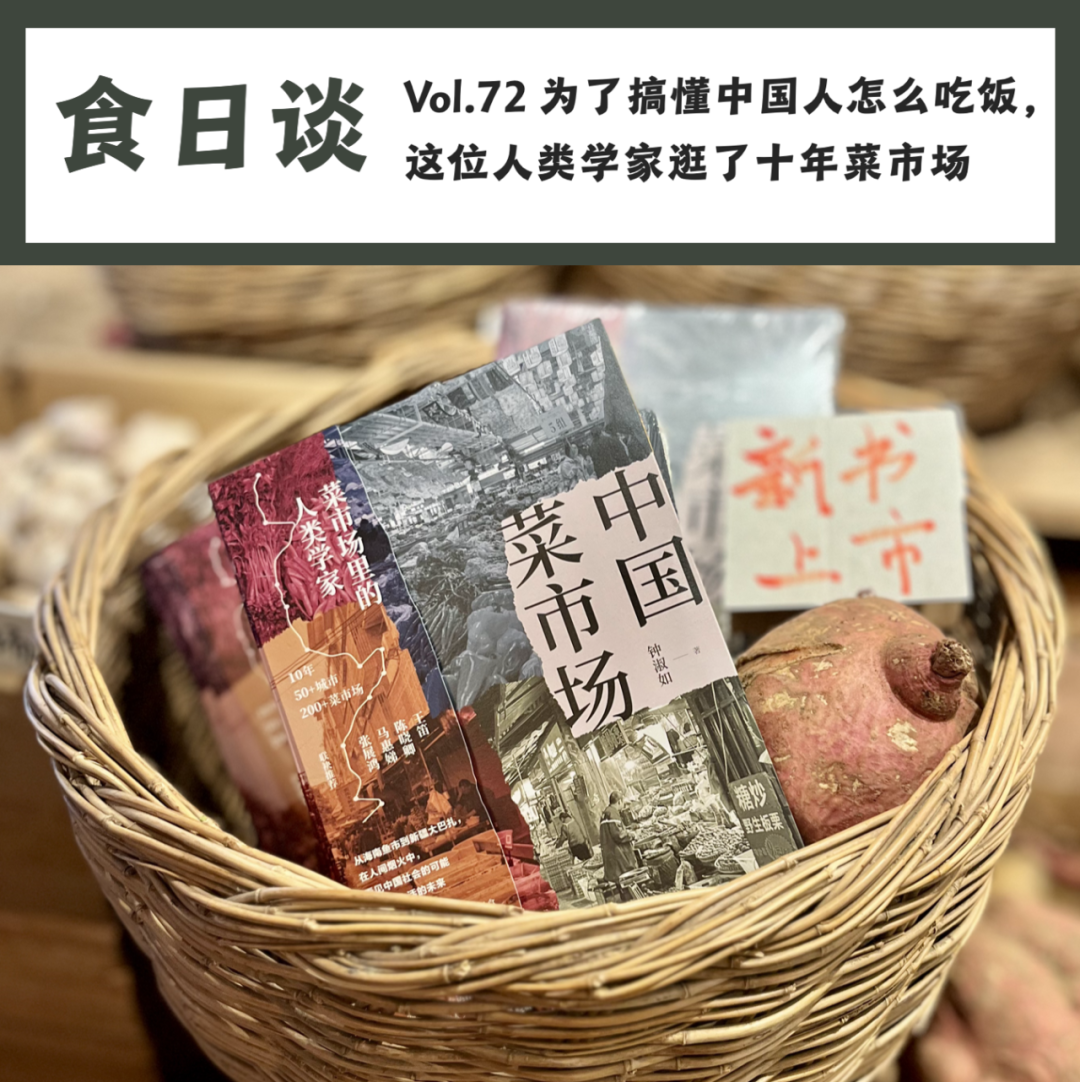
We seem to love talking about wet markets more than ever.
Travellers visit wet markets; wet-market photography and guided market tours have taken over social media; cafés, flower shops and stand-up comedy acts have all moved into newly renovated markets. Wet markets are becoming an urban landscape, even an entry point for young people to rediscover “the nearby”.
A decade ago, the anthropologist Zhong Shuru began studying wet markets. Over the past ten years, she has visited more than 200 markets across different cities in China, chatting with stallholders, vegetable growers and fishers, documenting how food flows and how the people within those markets live and change. This year, she has poured her years of fieldwork and reflection into her new book, Chinese Wet Markets, using the market as a lens through which to understand China’s vast and intricate food system.
In this episode of Food Talk, we invite Zhong Shuru and qiran — a long-time friend of Foodthink — to step inside the food lives of contemporary Chinese people through the wet market: how can a single market document a city’s history of migration? Why are wet markets becoming ever more eye-catching, even as business isn’t necessarily booming? What has become of the ‘star wet markets’ that once flooded social media feeds — Zhuangxin in Kunming, Wuzhong in Shanghai, Shuangjingtou in Wenzhou? With e-commerce delivering seasonal produce from every corner of the country, do we still need the wet market?
The shifting face of the wet market is tied to the way we live. Buying groceries and cooking are, after all, a series of tasks that take time. Today, food-delivery apps, fresh produce e-commerce and community group-buying services have taken over more and more of those steps, and the labour of preparing a meal is steadily outsourced. We save the time it used to take to shop and cook, yet we don’t find ourselves with more hours to spare — browsing the wet market has, if anything, become a kind of “luxury” and reward.
As food becomes ever easier to obtain, do we truly understand it any better? The conversation here brings the wet market full circle to a more everyday question: in a life that keeps accelerating, how are we to “eat well properly”?
In Zhong Shuru’s view, ‘eating well properly’ has no single right answer. Perhaps what matters more than how we eat is knowing a little more about the food on our plate each day. That knowledge can be very concrete. Take the same lychee: where does it come from, who grew it, and what chain of trade brought it before us? Living in one place, which fish is in season, which fruit is just coming onto the market, how the flavour differs between varieties — this body of lived experience and knowledge is something no ‘product detail page’ can provide.
The wet market offers precisely an entry point for getting to know food and place. When Zhong Shuru first began her research a decade ago, she was unfamiliar with local phenology, and it was through repeated encounters with stallholders, ingredients and the seasons that she built up a food wisdom all her own.
Beyond filling our bellies, what other relationships can we have with food? And how much time are we willing to set aside — for food, for place, for one another?
If you, too, would like to understand food and understand the wet market, we warmly invite you to open Zhong Shuru’s new book, Chinese Wet Markets. Start with a single stall, a single ingredient, a single market, and trace the far larger food system behind them. See where the food we eat every day comes from, and what people and places it connects us to.
📚 If you’d like to get your hands on a signed copy of Teacher Zhong’s new book Chinese Wet Markets, feel free to add Foodthink’s assistant on personal WeChat foodthink2, or join our listeners’ group.

This Episode’s Guests
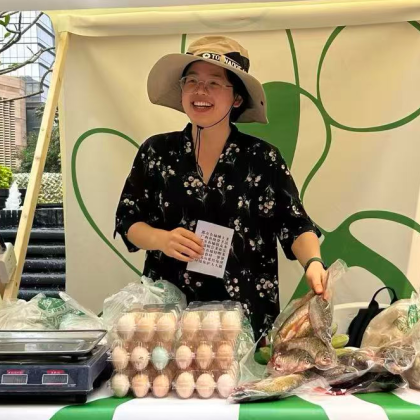
Zhong Shuru—Anthropologist affiliated with Sun Yat-sen University, studying wet markets; author of Chinese Wet Markets.

qiran | Freelance writer, formerly a culture reporter and international news editor.
This Episode’s Hosts
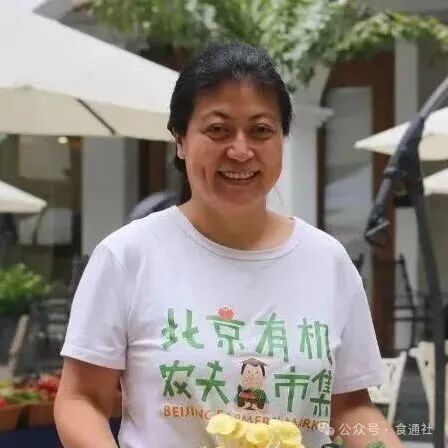
Tianle | Founding editor of Foodthink and convenor of the Beijing Organic Farmers’ Market. Despite having four wet markets within walking distance of home and office, she rarely shops at one — her close ties to the farmers’ market mean she hardly needs to.
Timeline
01:14 Chinese Wet Markets: a book ten years in the writing — by the time it was finished, some of the markets once documented had already disappeared
02:05 The wet market as a slice through society, and a doorway into China’s vast food system
05:15 What ‘attributes’ should a modern wet market have?
09:34 Beyond gentrification, is there a better path for upgrading wet markets?
11:33 When e-commerce starts borrowing the wet market’s “localisation” and “differentiation”, why does the market remain irreplaceable?
13:05 How does e-commerce shape consumption by crafting narratives, and change the way we understand food?
16:24 Need a guided tour just to browse the wet market? As daily life grows unfamiliar, we become tourists in our own city
18:16 No two wet markets are alike, and a market can even be a museum. Two Cantonese guests toss in a bonus tidbit: what exactly is “diaoshui” (the practice of hanging poultry to drain before sale)?
20:44 A city’s history and culture, read through the wet market: Shayuan Market in Guangzhou, and the Wenzhou market at Dahongmen in Beijing
24:10 With no ‘boss’ to answer to, is being a stallholder truly “free”?
26:22 Hainan, the stronghold fresh produce e-commerce can’t crack: why do young people in Hainan still visit the wet market?
29:59 The wet market’s ‘three mountains’ of challenges
33:14 Life speeds up, we get better at saving time — so why can’t we find the time to eat well properly?
40:28 Eating well properly may not be a solitary affair: Huizhou black pepper pork zongzi, and the taste of home
43:32 “Paying tuition” at the wet market is also a way of learning about the real world
46:15 Writing a doctoral thesis for a general readership: how does an anthropologist practise public writing?
49:51 Bonus: is a rustic local-cuisine restaurant the wet market of the food-service world? Two Cantonese guests toss in a second bonus tidbit: Gongzhuang produce.
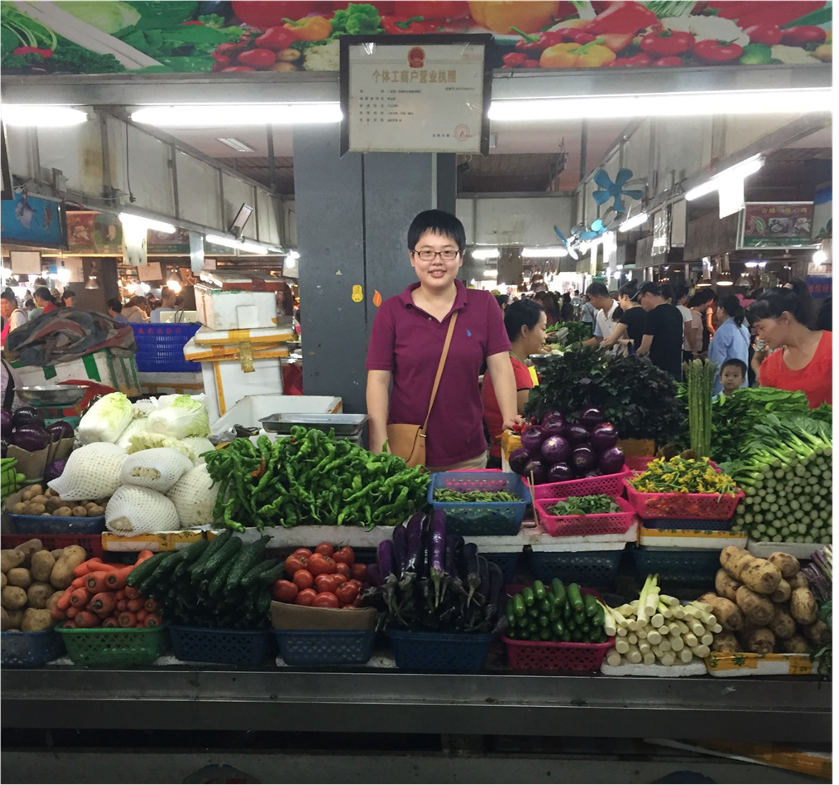
Zhong Shuru practising stall-holding and selling vegetables at a market in Hainan. Photo: Zhu An
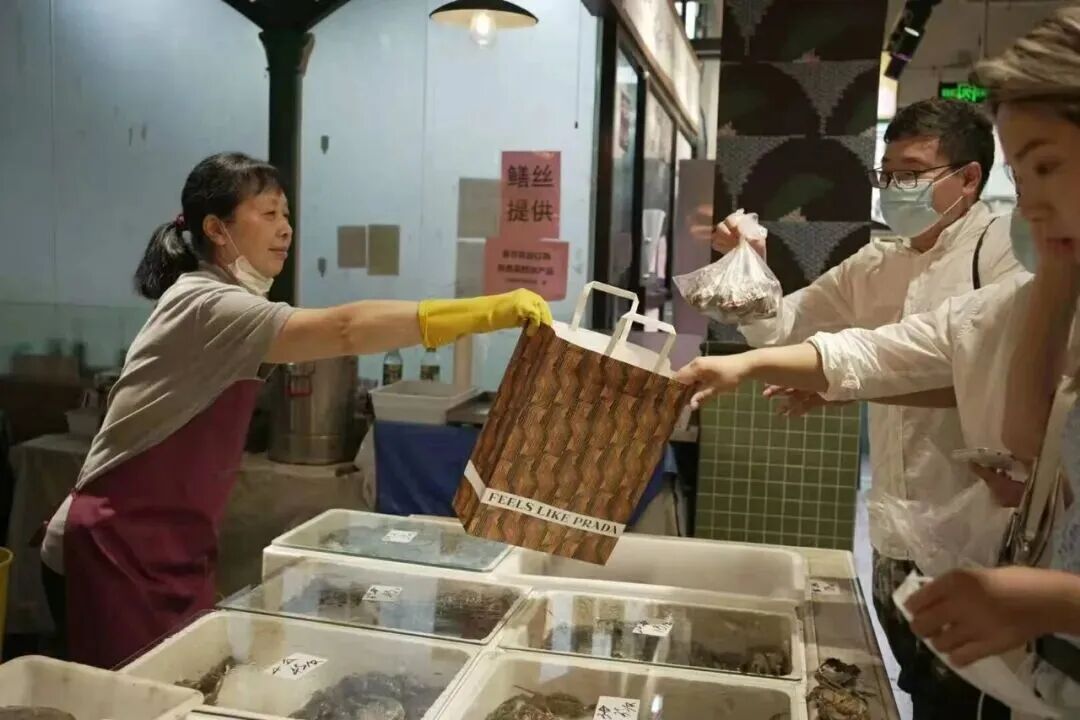
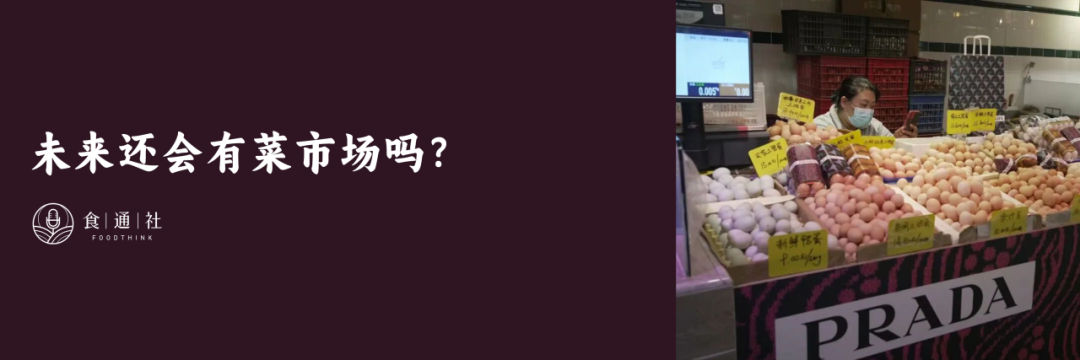
In 2021, during a Prada collaboration at Wuzhong Road Market, shoppers were given Prada paper bags for their groceries. Photo: Gao Erqiang
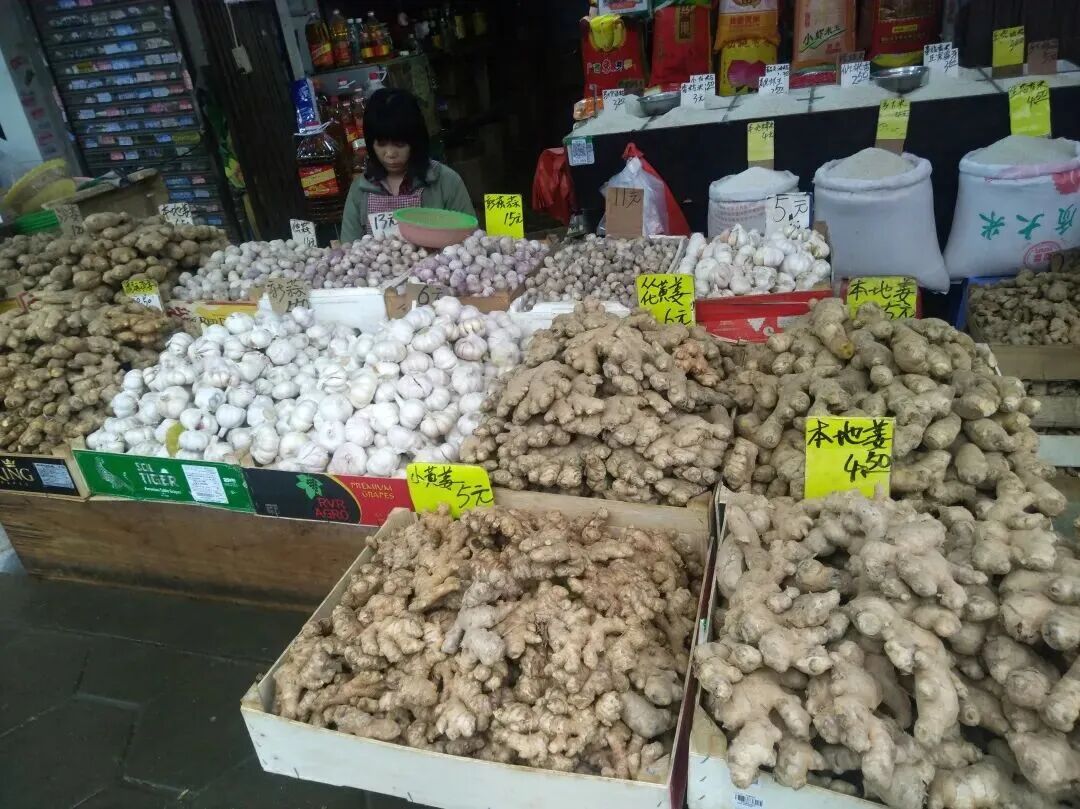
At a wet market in Guangdong, a single stall offers more than a dozen varieties of ginger, catering fully to the precise cooking needs of local cooks. Photo: Tianle
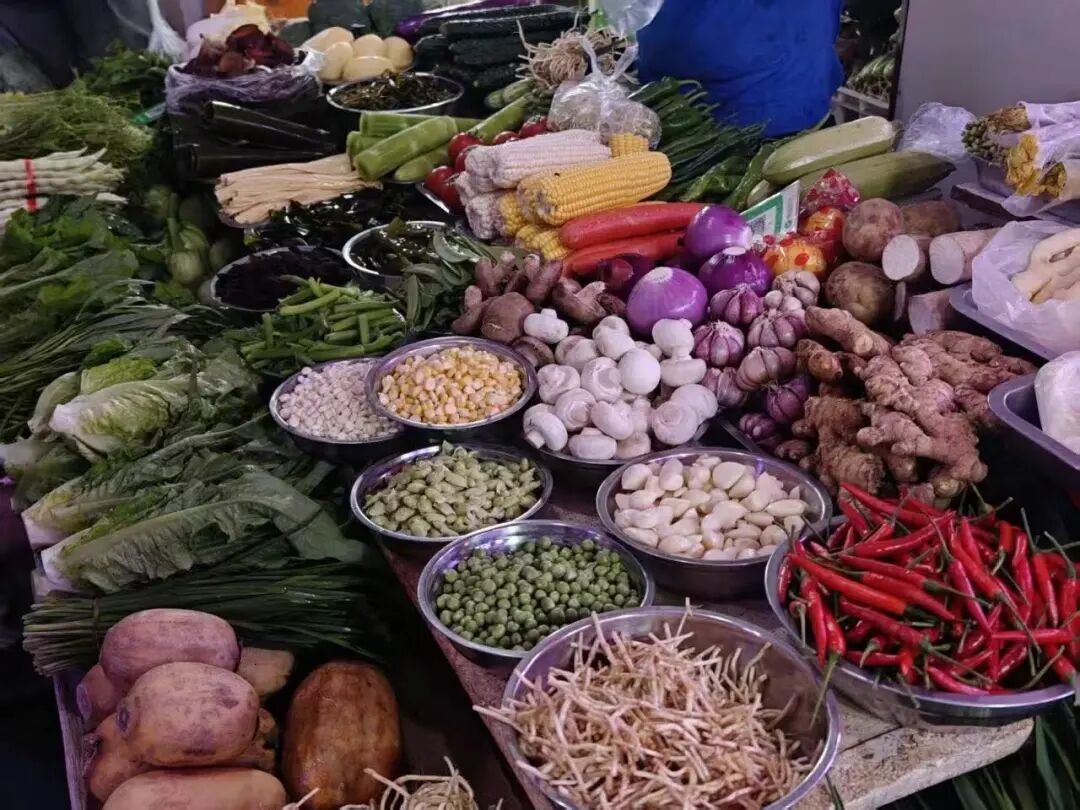
Local produce on sale at a market in Duyun, Guizhou: fish mint (Houttuynia cordata), lotus root, mushrooms, lettuce, sweetcorn and more. Photo: Sun Jia Xian
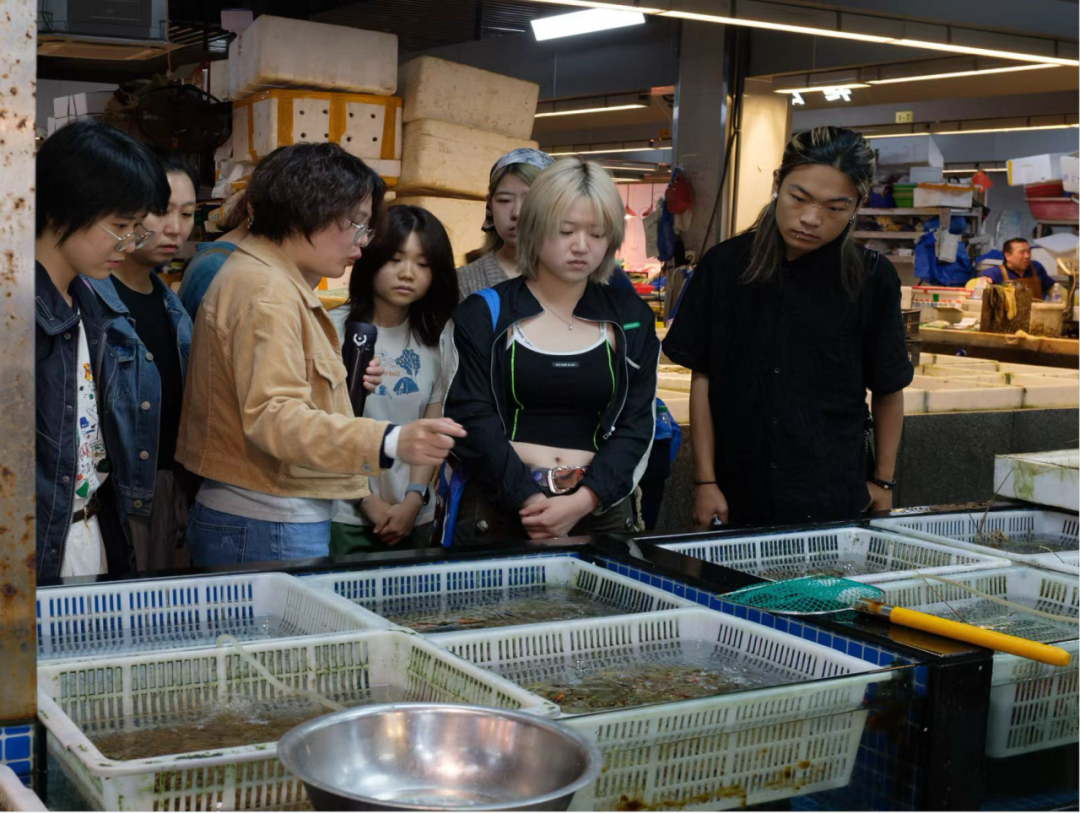
How do young people browse the wet market? Zhong Shuru often takes part in wet market visits with young people, and has co-founded the Wet Market Research Group with partners. Photo: Zhong Shuru
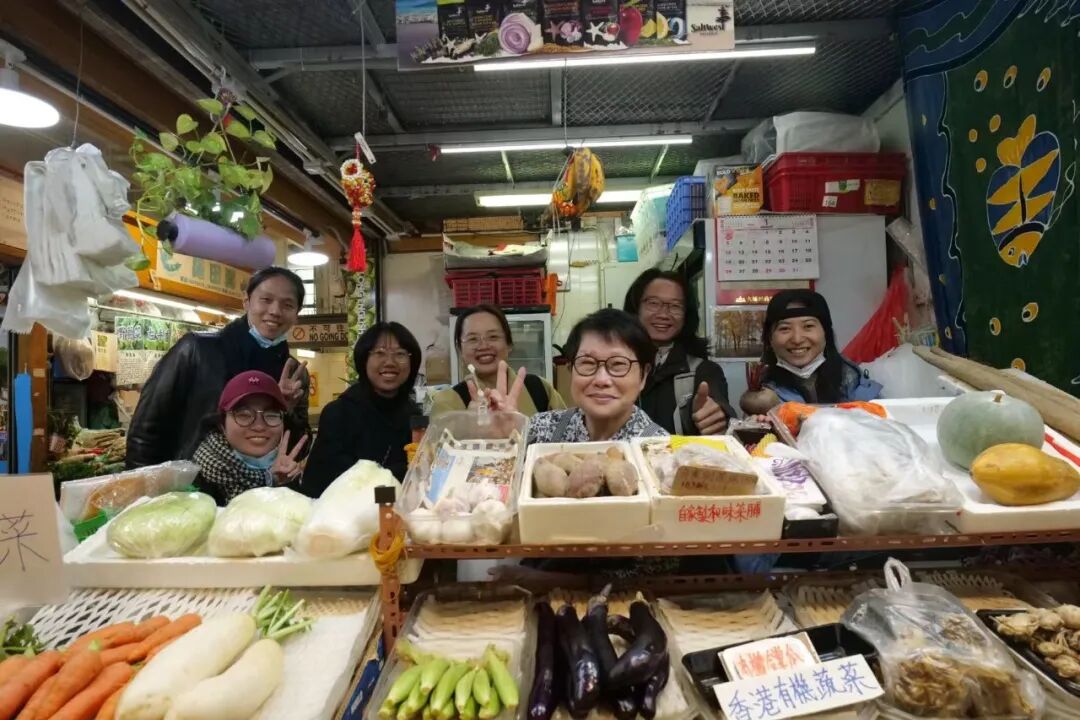
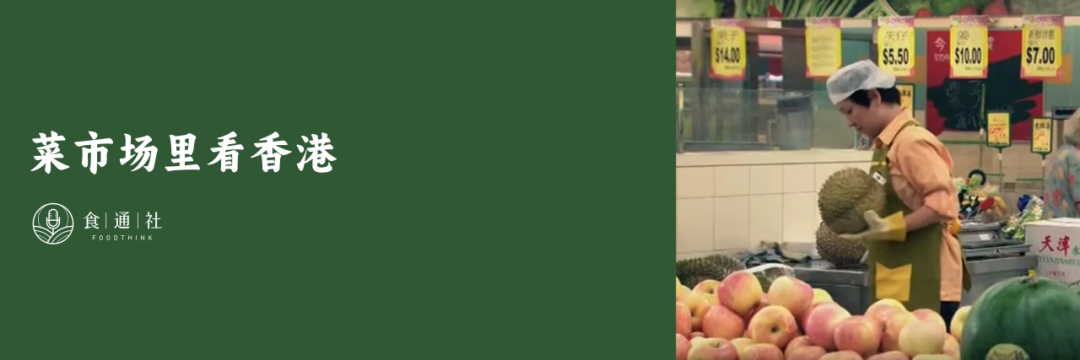
Zhong Shuru with fellow members of the Wet Market Research Group at Tai Po Market in Hong Kong. Image courtesy of Zhong Shuru
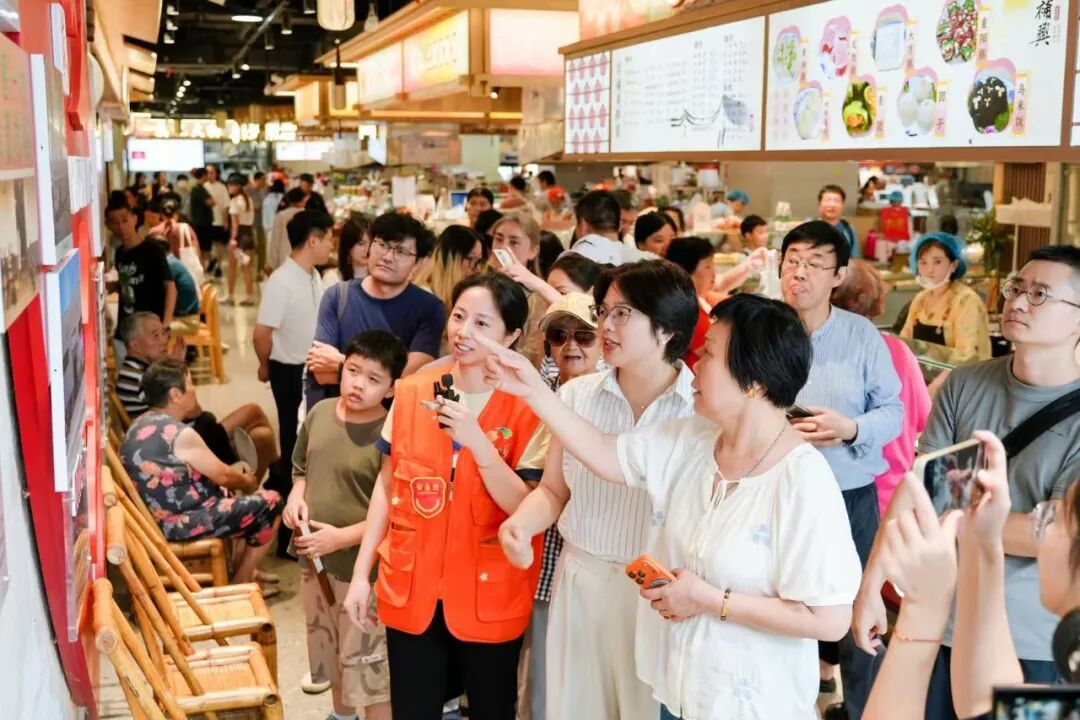
Zhong Shuru strolling through Caixiang market in Suzhou with readers and neighbours. Image courtesy of Zhong Shuru
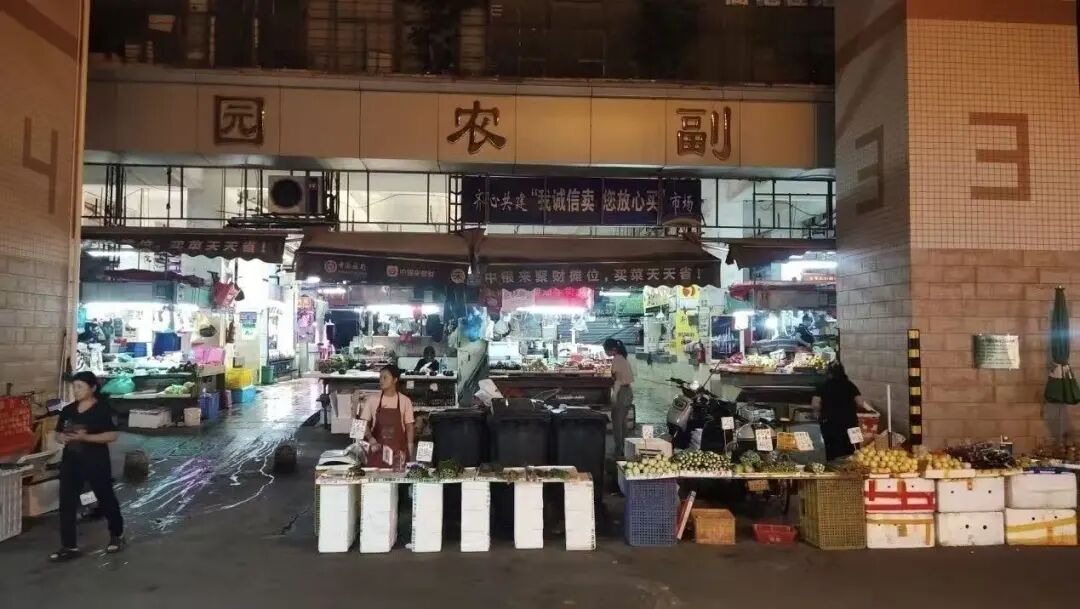
Shayuan Market in Guangzhou’s Haizhu District, built on the site of the city’s former No. 1 Rubber Factory. Image courtesy of Yiding, Suyuan and Guo Yuan
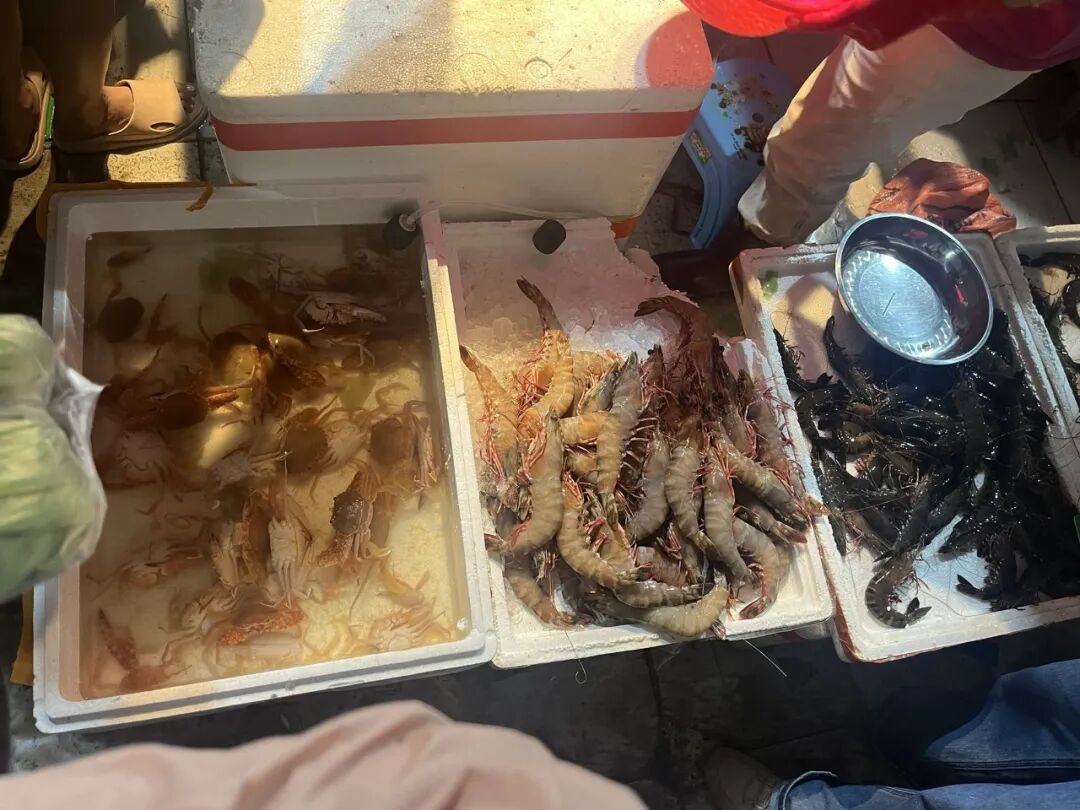
During Chinese New Year, an ever-rotating array of prawns and crabs takes the stage at Hainan wet markets. Photo: Kairui
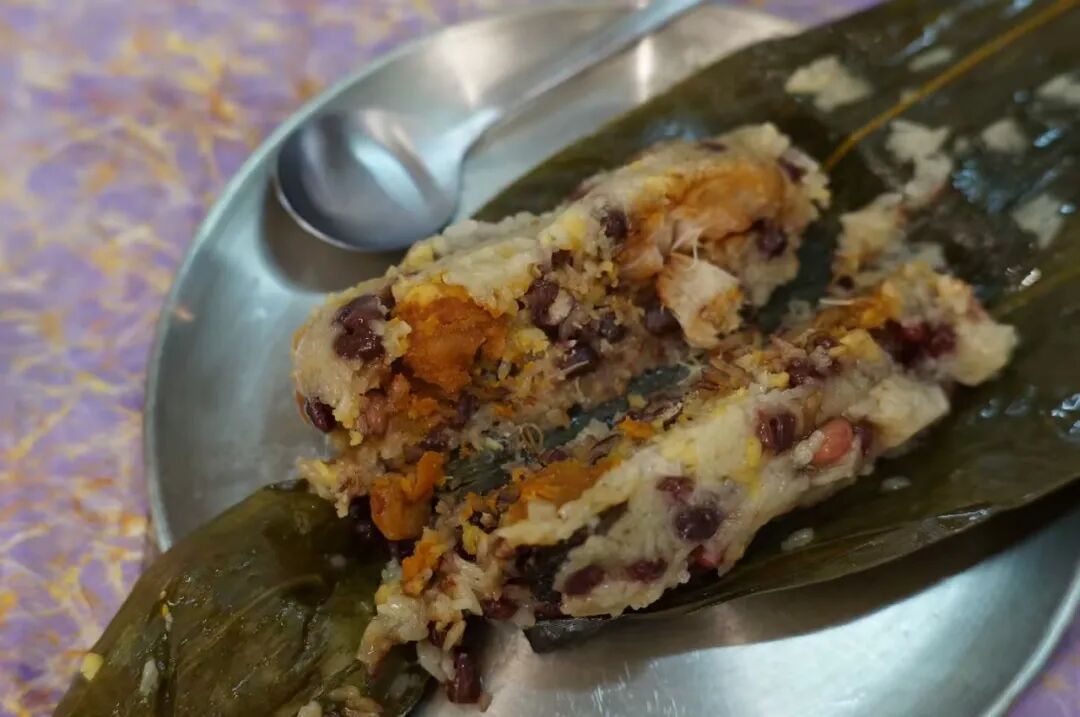
qiran and friends preparing Huizhou black pepper pork zongzi together. Photo: qiran
Related Reading ▼
Scan the QR code below
On Xiaoyuzhou | Ximalaya | Lizhi | Apple Podcasts
Subscribe to the Food Talk podcast

You are welcome to leave comments on any podcast platform; we will reply from time to time. Scan the QR code below to add ShiTong Jun’s WeChat secondary account, write “Food Talk” as the note, and join the podcast listener community group.

Cover photography: ZX, cover design: Xiaojing
Music: Banong
Planning: Li Ye, ZX
Editing: Li Ye
Production: Xiao Putao
Article layout: Xiao Shu
Contact email
xiaojing@foodthink.cn
Scan to tip, support original food knowledge
▼

▼
Tap a keyword to explore more article collections
Seeds|Agronomy|Policy|Fermentation|Nutrition|Fruit|Fisheries|Events|Vacancies|Delivery | Wet Market|Animal Husbandry|Food Talk|Sharing Sessions|Reading Groups|Harvest Festival|Smallholder Stories|Climate Change|Rural Development|Cooperative Economy|Urban Farmers|Food Safety|Digital Technology|Biodiversity|Pandemic & Food|False Solutions|Ecological Agriculture Internship Programme
Beijing | Hebei | Shanghai | Guangdong | Guangxi | Henan | Sichuan | Jiangxi | Xinjiang | Shaanxi | Hong Kong | Chongqing | Zhejiang | Jiangsu | Guizhou | Northeast China | Taiwan | Inner Mongolia | the Philippines | Canada | Russia | Mexico | Italy | the United States | the United Kingdom | Germany | the Netherlands | Thailand | Sweden | Japan