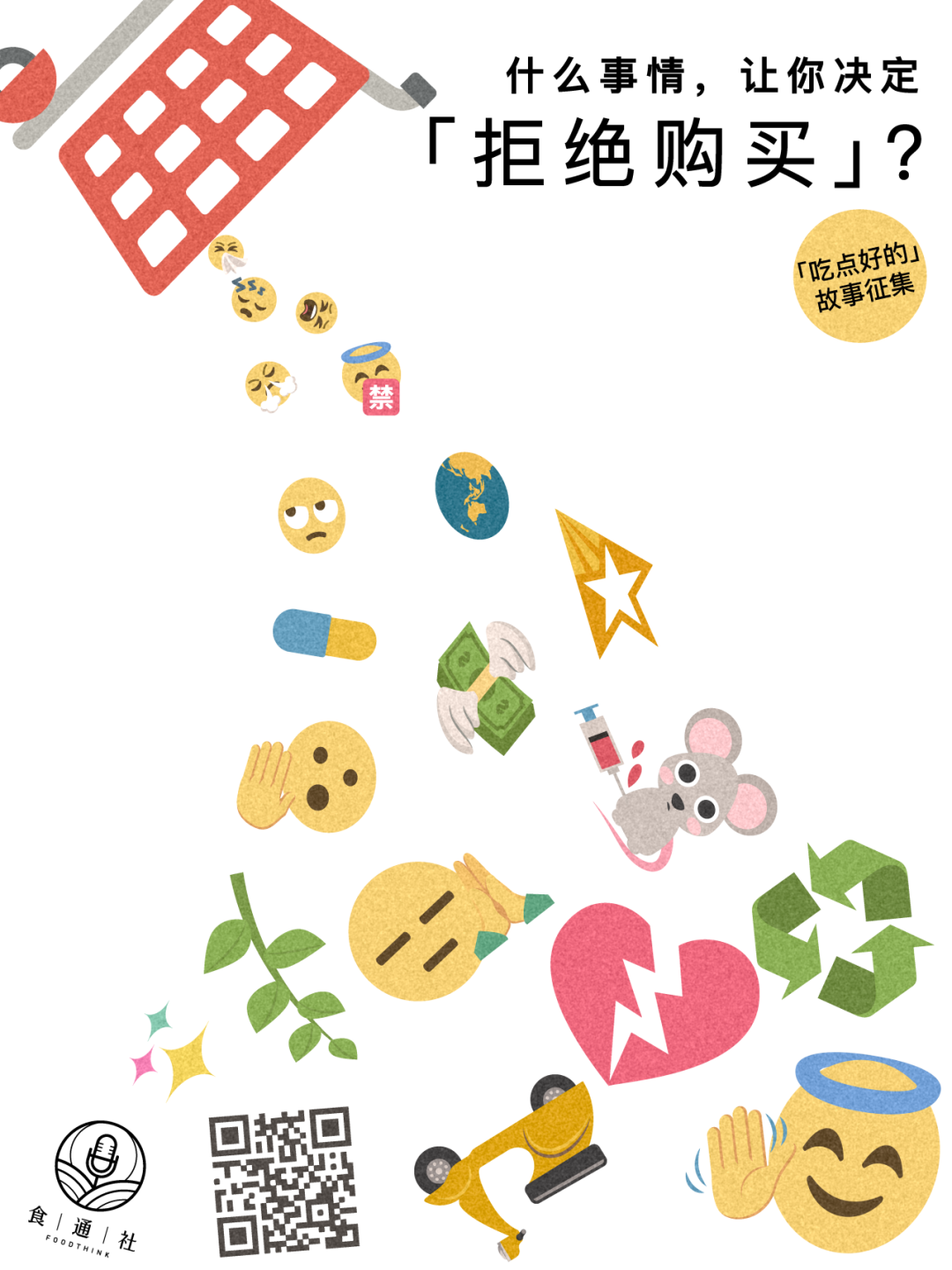
What Made You Decide to “Refuse to Buy”? | Eat Well Call for Stories
Cabbages dipped in formaldehyde, bayberries soaked in chemicals – and further back, melamine milk powder, New Orleans-style chicken wings laced with Sudan Red…Every so often, a food scandal hits the headlines and shocks the public.
When news like this breaks, many people’s first reaction is simple enough: “Then I just won’t buy it.”
Don’t buy the cabbages from here, don’t buy the bayberries from there, don’t eat at that restaurant, don’t order from that takeaway, don’t buy that homegrown brand of milk powder.
The anger behind refusing to buy something over food safety is easy to understand. But sometimes what makes us say “no” isn’t just about whether eating it will harm us.
Beyond food safety, the way food is produced and distributed carries many stories that consumers never see – the harm done to animals, the environment, or workers during production; or a company’s actions, or a long-standing problem that makes spending your money feel like a betrayal of your own values.
How a pig is raised; what a chicken goes through, from the day it hatches to the day it lands on a plate; why large-scale monocropping leads to soil degradation or severe water shortages; and what happens between your ordering a takeaway and that rider racing to your door – every second counting against someone’s back.
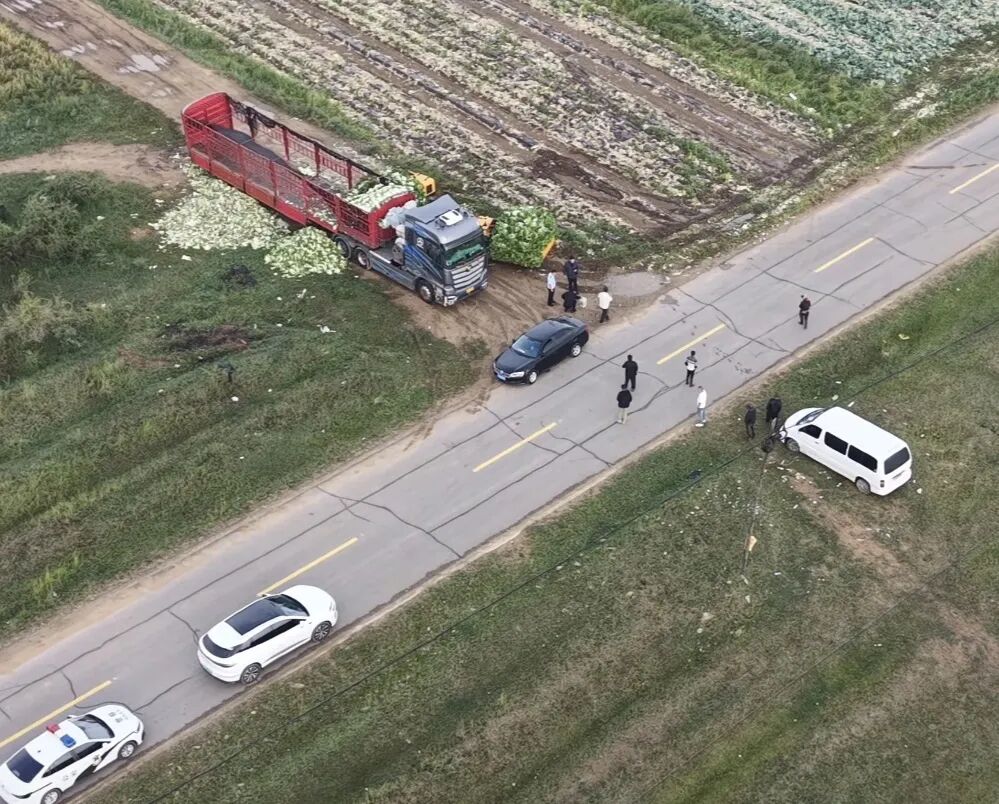
◉ The scene of cabbages dipped in formaldehyde.
Once you know, you just find yourself hesitating – in front of the shelf, before opening a takeaway app, or the moment you spot that familiar brand again. You simply don’t want to buy it any more.
Maybe you find it cruel. Maybe you’re angry or disappointed. Or maybe it’s just a vague unease you can’t quite name: you used to love something, but now that you understand the cost behind it, you can’t consume the same way again.
Information like this can genuinely change a person’s spending decisions.
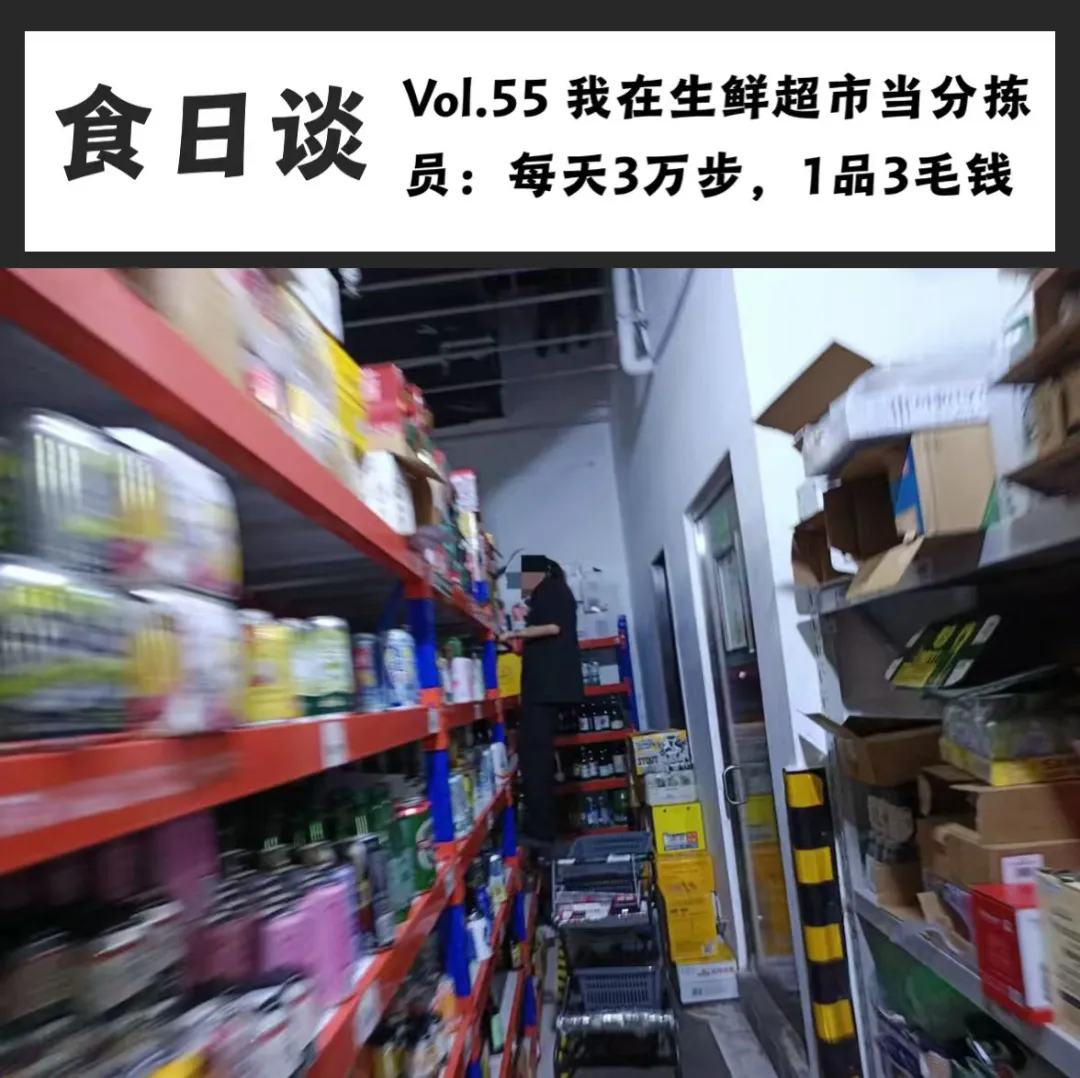
◉ Behind a platform’s slick “30-minute delivery” promise lies the brutal reality of fresh produce e-commerce warehouse sorters: “30,000 steps a day, 3 pence an item.” Former sorter He Siqi shares what he witnessed and endured on the picking floor. Tap the image to read.
Of course, such a “boycott” is not always as steadfast as it seems.
You might hold out for years, then cave a few days later; you might find a substitute, or discover there simply isn’t a better option. Even if you know that ordering one fewer takeaway or skipping one fewer meal of meat won’t change a thing, the next time round, you still hesitate.
We want to know: what happens inside your head in that moment?
For this edition of “Eat Well,” we want to understand the thoughts, emotions, and that small, deeply personal sense of “morality” behind your refusal to buy.
If you have ever felt this way, we would love to hear from you:
• What did you refuse to buy?
• What happened to make you think, for the first time, “I don’t want to keep buying this”?
• Beyond simply not buying, what else did you do afterwards?
• Has this changed how you choose food since then?
• Do you think your “no buying” makes a difference?
Scan the QR code below to complete the questionnaire. Your story may be featured in a future Foodthink article, and we will select two readers who took part to send a small “responsible production” gift.

Concept: Kairui
Poster: ZX
Layout: Xiaoshu
Scan the QR code to tip and support original food knowledge
▼

▼
Tap a keyword to browse more article collections
Seeds | Farming Techniques | Policy | Fermentation | Nutrition | Fruit | Fisheries | Events | Jobs | Takeaway | Wet Market | Livestock | Food Talk | Talks | Book Club | Harvest Festival | Smallholder Stories | Climate Change | Rural Development | Cooperative Economy | Urban Farmers | Food Safety | Digital Technology | Biodiversity | Pandemic & Food | False Solutions | Agroecology Internship Programme
Beijing | Hebei | Shanghai | Guangdong | Guangxi | Henan | Sichuan | Jiangxi | Xinjiang | Shaanxi | Hong Kong | Chongqing | Zhejiang | Jiangsu | Guizhou | Taiwan | Inner Mongolia | the Philippines | Canada | Russia | Mexico | Italy | the United States | the United Kingdom | Germany | the Netherlands | Thailand | Sweden | Japan