Tianluo Guniang: Cooking Is a Small Matter, Not Cooking Is a Big Matter

Editor’s Note
“Cooking is a small matter. In the age of efficiency, it has been increasingly distilled into a clever little trick you can pull off in three or five minutes. But not cooking is truly a big matter — the words that pair with efficiency tend to be optimisation, output, results. So when we hand the choice of what to eat over to algorithms and cede our mealtimes to work, cooking and eating are no longer part of life.”
Chen Yuhui (@田螺姑娘), a food writer and food blogger with over a million followers, said the following when sharing her Yixi talk.
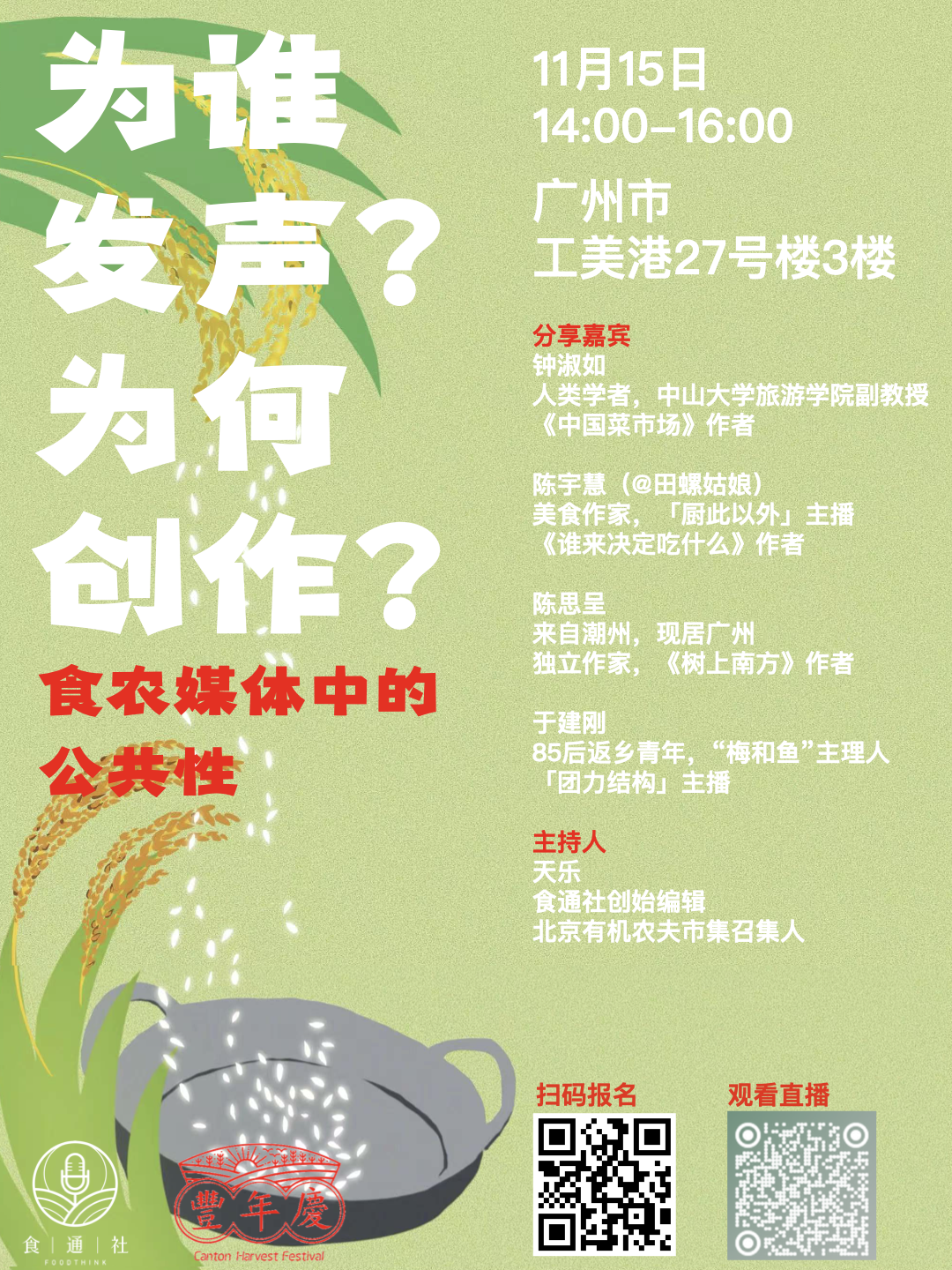
This Sunday afternoon, she will join three other food and agriculture writers at the Guangzhou Harvest Festival, where she will be in conversation with Shi Tong She on the public nature of food and agriculture media. Everyone is welcome to scan the QR code on the poster to register for the in-person event or book a livestream.
Below is the transcript of Chen Yuhui’s talk at Yixi, republished with permission from Yixi.
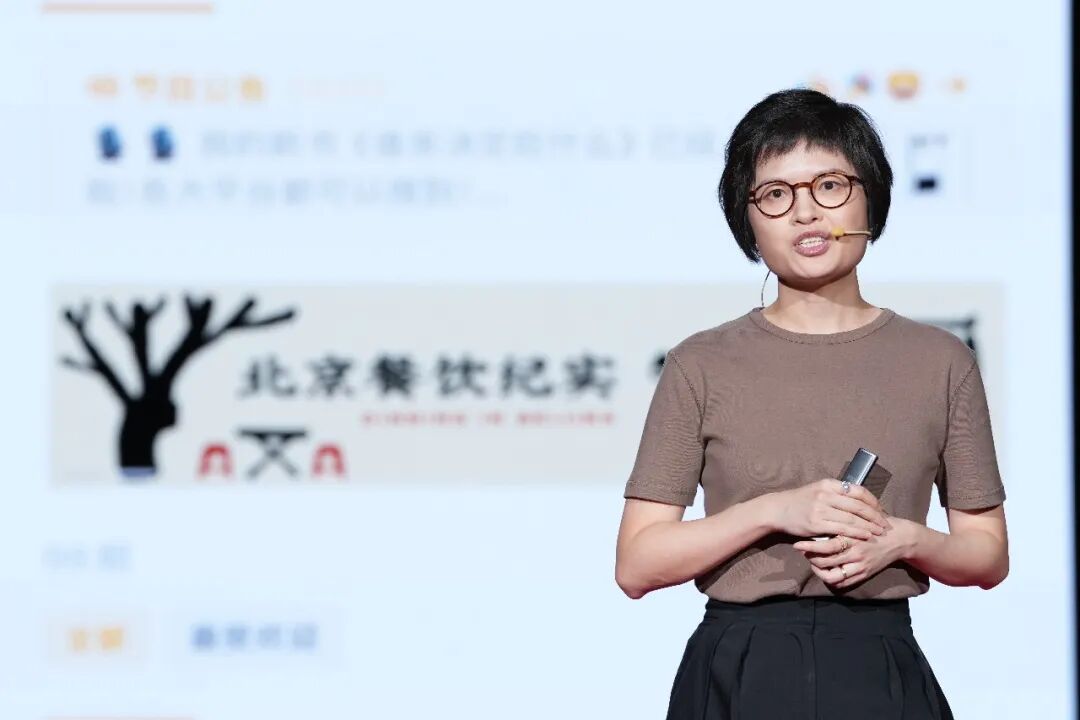
Hello everyone, my name is Chen Yuhui. Many people online call me Tianluo — the Tianluo from the folk tale of Tianluo Guniang. A name that, in today’s context, might not sound all that feminist.
After graduating in 2008 and starting to live on my own, I gave myself this username. Back then, I worked at an internet company as a regular product manager. The job kept me busy, and I often left the office late. But I still made time to post my home cooking on social media under the name “Tianluo Guniang”.
Who wouldn’t want a Tianluo Guniang at home? But fairy tales are fairy tales, and reality is reality — some things you simply have to do yourself. Wanting to save money, eat healthier, and enjoy food that actually suited my taste, I would get up at half past six every morning to cook my own breakfast and pack a lunch for the office, becoming my very own Tianluo Guniang.
Around 2014 or 2015, as platforms like Zhihu and WeChat Official Accounts rose to prominence, I began posting home-cooking recipes on them.
I find writing recipes far more interesting than writing a Product Requirements Document. Writing one inevitably means battling with programmers, and figuring out what to cook tomorrow is far more worthwhile than trying to second-guess what the boss is thinking. If today’s dish didn’t turn out well, you can simply try a different method next time; if the ingredients weren’t good, just buy them somewhere else next time. But all the boss would ever let me do is change the requirements document back to its first version.
It’s very hard to keep turning out inexplicable culinary disasters, but it’s very easy to keep shipping inexplicable product features. Both come from user feedback — but if someone actually follows my recipe and produces a meal that’s perfect in appearance, aroma, and flavour, that genuinely makes me happy. Far happier than scrolling through the app’s comment section and seeing every single review grumble, “What product manager designed this feature? They’re an absolute moron.”
So, to make myself happier — and to make others happier too — after two years of writing recipes, I resigned from my internet company and became a full-time food blogger.
I.
What Kind of Recipes Do We Actually Need?
To date, I have been writing recipes for eleven years and have also published several recipe books.

I have always wondered — is it because recipes aren’t written well enough that people don’t enjoy cooking? When a recipe is unclear, the dish is more likely to go wrong; when the dish goes wrong, you feel thoroughly defeated; and after being defeated too many times, you simply decide to stop cooking altogether.
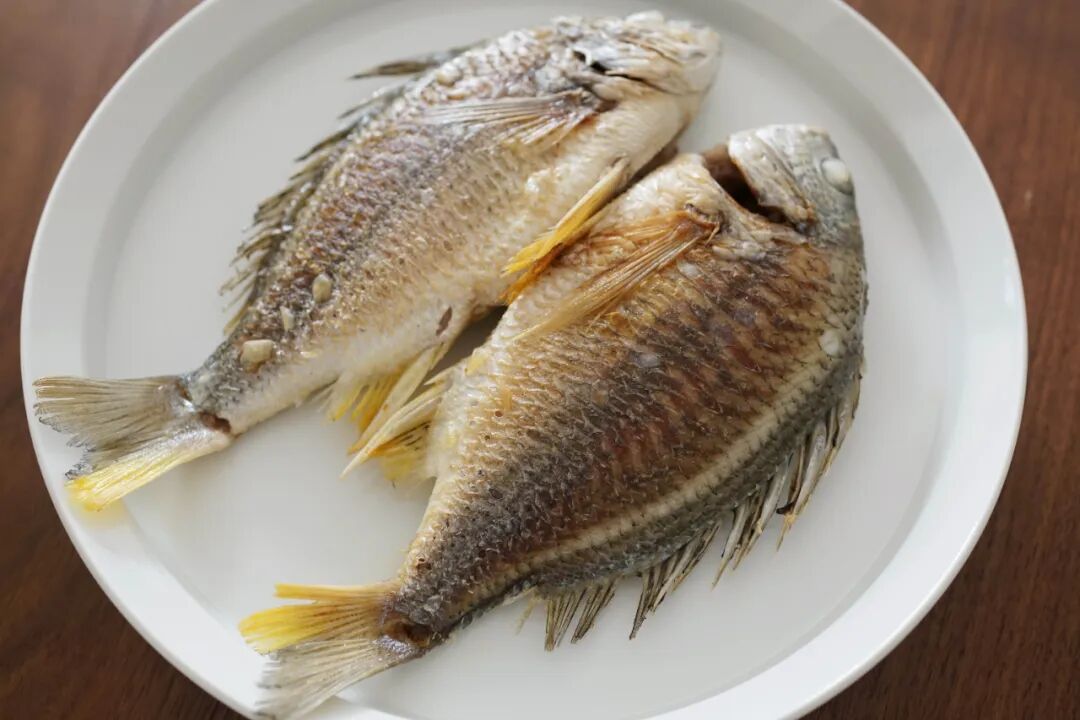
So my recipes are written in great detail. For example, with a recipe for pan-fried fish, a typical recipe might read: Heat the pan, add the oil, place the fish in, fry until one side changes colour, then flip and fry the other side.
I would write it like this: “Before putting the fish in the pan, you must use kitchen roll to pat it thoroughly dry; wait until the oil in the pan is just starting to smoke and you can clearly feel the heat when you hold your palm above the pan, then slide the patted-dry fish down the side of the pan into the oil.” Drying the fish is so important that I emphasise it twice and mark it in red. Then I go on to write: “Before you try to flip the fish, gently shake the pan to confirm that the fish can slide freely before turning it over — this way, the skin is far less likely to tear.”
Some people really love my recipes — they find them so detailed that once the brain gets it, the hands get it too. But then there are others who think they simply don’t work, that they’re far too long-winded; they’d rather watch a short video and whip up a dish in three minutes.
I came across a once-popular trend of making hot pot in an air fryer. The method goes roughly like this: throw a pile of hot pot balls and a block of hot pot base into the air fryer, set it to 180°C for a few minutes, take it out, give it a stir, pop it back in for a few more minutes, and finally slide in a flatbread.
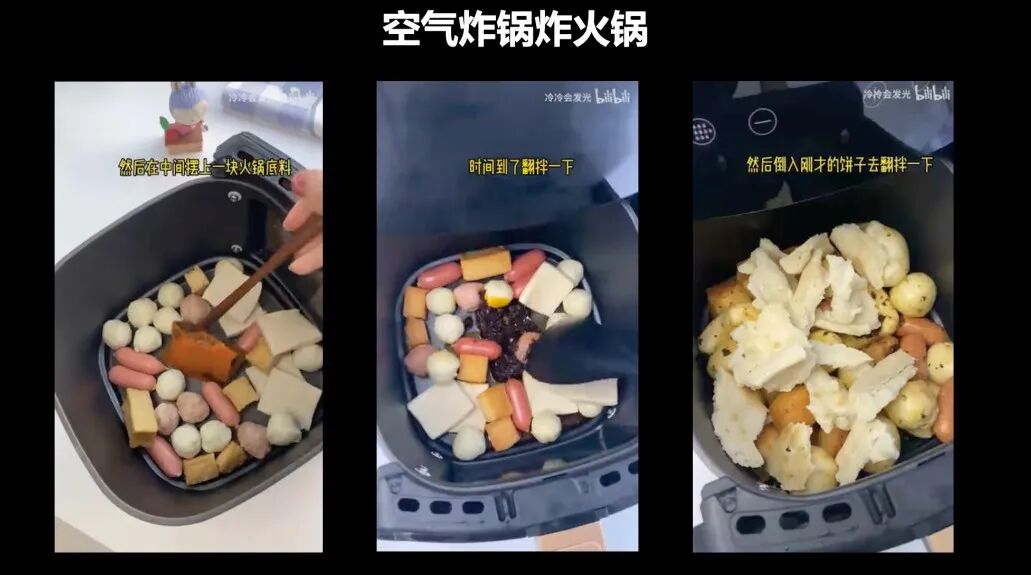
I figured that just tossing the same ingredients into a pan and giving them a quick stir-fry would surely be faster. But plenty of friends feel that with an air fryer, you don’t have to worry about high or low heat — you don’t even need to stir. You simply set a constant temperature, pop the ingredients in, and you’re good. No worries about scorching the pan. When the time is up, the machine goes “ding”, and the dish is done.
So is it really because our recipes aren’t detailed enough that we’re reluctant to cook? Well, not quite. I’ve come to realise that many people don’t actually enjoy following steps to the letter — the more steps there are, the more complicated and tiring it seems. They want cooking to either offer a clear shortcut or to be fun in some way.
This so-called “shortcut” means a five-minute quick meal, or two dishes and a soup in twenty minutes. Reaching the goal within that timeframe couldn’t be better, but if it takes a bit longer, well, you’d have to think twice.
And as for the fun side of cooking, apart from making hot pot in an air fryer, which I just mentioned, there’s another kind that goes like this 👇
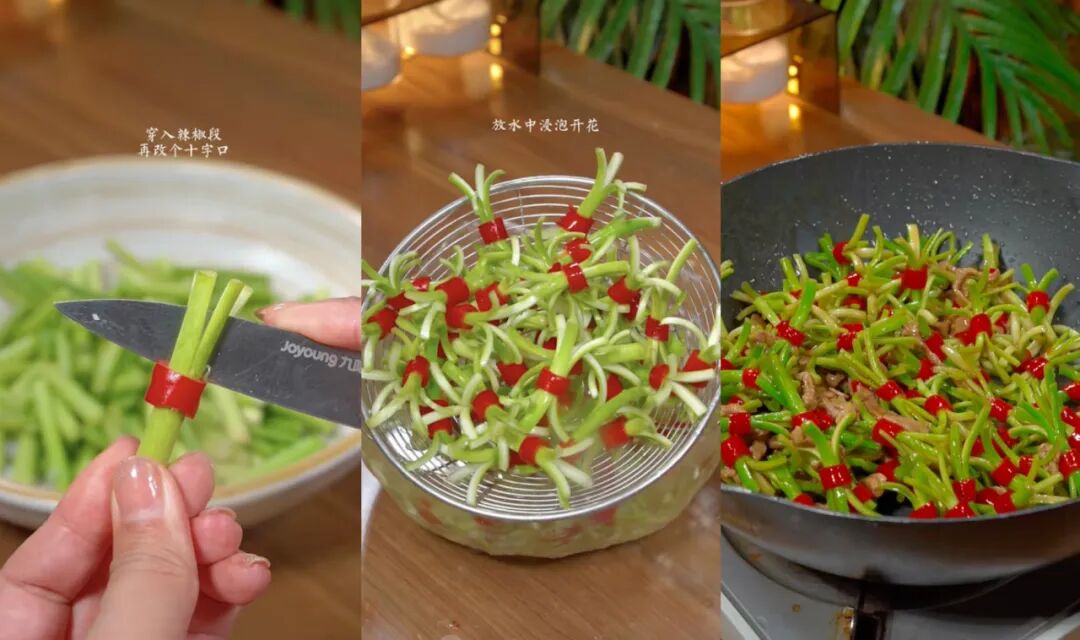
This is a recipe that went hugely viral on several social media platforms during last year’s Chinese New Year. It is called “Huakai Fugui” — which is really just garlic scapes stir-fried with pork. The method goes roughly like this: cut the garlic scapes into thumb-length segments, thread a bird’s eye chilli through the middle of each one, then score the garlic scapes with a knife in a cross-hatch pattern, and soak them in cold water. After ten minutes of soaking, the garlic scapes will bloom open like flowers; once they have flowered, add them to the pan and stir-fry them with the pork. It is a very pretty and deeply auspicious dish — “Huakai Fugui.”
But in practice, this recipe is likely to run into a few problems. First, garlic scapes are quite thick and bird’s eye chillies are very thin, so threading them through is rather difficult. Second, once the garlic scapes have bloomed open in the cold water and go back into the pan over heat, those cross-hatch cuts tend to close back up. And needless to say, cutting bird’s eye chillies will leave your hands stinging. All in all, the dish looks impressive, but it doesn’t really match the reality of actually cooking it. I can’t shake the feeling that this recipe was generated by AI.
But these recipes made me realise that cooking — a thing that sounds as everyday as anything — may no longer actually be part of our everyday lives. It seems to be drifting towards two extremes: either a grudging necessity of daily survival, or a performance staged for social media. Even if “Huakai Fugui” doesn’t taste very good, it is trending, it looks great, and it’s worth posting on Moments, so people will make it.
In truth, how well a recipe is written has become far less relevant to the act of cooking itself.
II.
Wanting to Cook Is Genuinely Hard
People are willing to invest very different amounts of energy into cooking, and behind that lies an even more practical reason: our lives have simply become faster-paced.
When I was a child, people often praised my mum and dad as “people who know how to cook.” Back then, being good at cooking meant that even when supplies were rather scarce, they could still keep shaking up the dinner table with new twists. They were incredibly creative, resourceful people — and that was high praise indeed.
But today, if you compliment someone on their cooking, it seems to carry a slightly different meaning.
A friend came round to our place for dinner recently, and I was planning to make stir-fried shredded water bamboo with pork. I always peel the water bamboo and cut it into thin strips — you don’t strictly have to peel it, but I find the texture is nicer without the skin. My friend looked a little stunned when she saw me at it. She said, “Don’t even mention peeling — let alone cutting it into strips — I can’t even slice it into pieces. The only way we ever cook water bamboo at home is to cut it into chunks and braise it in soy sauce — oil-braised water bamboo — because cutting chunks is by far the easiest thing.”
When she heard that I try to make two meat dishes and one vegetable dish for lunch every day, she fell silent for a moment, then said, “You really are quite particular.”
One of the biggest complaints people have online about cooking is this: “Two hours to cook, five minutes to eat.” Getting home after seven in the evening, scrambling to cook and eat, and then you might still have to put in a little overtime, or coax the children to bed and help them with their homework.

Cooking has become a labour you undertake out of sheer necessity. When life gets hectic, cooking is often the first thing to go — eating out, ordering a takeaway, hiring a cleaner — there are plenty of ways to replace it. Let alone cooking: sometimes even the act of eating itself gets sacrificed. When someone is so swamped with work they have no time to eat, it makes them sound utterly devoted to their job, incredibly selfless, extraordinarily hardworking.
In this social climate, complimenting someone on how well they cook seems to carry a rather pointed subtext: your job mustn’t be that demanding — you’ve spent all this time fretting over food and leisure, so your career probably hasn’t amounted to much, either.
I’ve noticed that at many gyms near office buildings, the busiest stretch is between noon and two in the afternoon. White-collar workers in the area take advantage of this window for a personal training session or a stint on the cross-trainer. This should be lunchtime, but since they have to work overtime in the evening, many simply shift their workout to midday — because the lunch hour is relatively predictable, entirely their own. After working out, they grab a quick fitness meal, and every minute has been perfectly accounted for.
Eating well matters, and so does keeping fit and staying healthy — but many people can’t have both. This is already the best compromise they can make after weighing everything up.
It isn’t just cooking that we’ve stopped caring about — in truth, we’ve stopped caring about eating itself too. Or rather, there simply isn’t a way to care that much anymore.
III.
Can’t We Just Not Cook?
Of course, some people will say that society keeps evolving and the division of labour was always in flux anyway. We don’t necessarily have to do everything ourselves — cooking, laundry, tidying the house, these physical chores — it’s perfectly fine to leave them to someone else. And the time we save can be spent on more interesting things.
I used to think the same way. Then, in April 2022, a friend of mine — much like many of you here — suddenly found himself locked down at home. He lived alone and normally relied almost entirely on takeaway or eating out. He had never planned to cook for himself, so there was absolutely nothing in the house — not even salt.
On the day the neighbourhood office delivered their supplies, he posted on Moments. He wrote: “I don’t even want to ask how to cook this — all I really want to know is, why has it come to this?”
During the pandemic, the most popular recipe I ever shared was called “Dry-Braised Carrot”. Lots of friends had a laugh, and I imagine what you’re thinking is much the same as the comments I saw online at the time. So many people asked: is a dish this simple really worth posting? Yes — a great many people genuinely don’t know how to braise a carrot so it tastes good. But during that extraordinary time, carrots were all they had in the house.
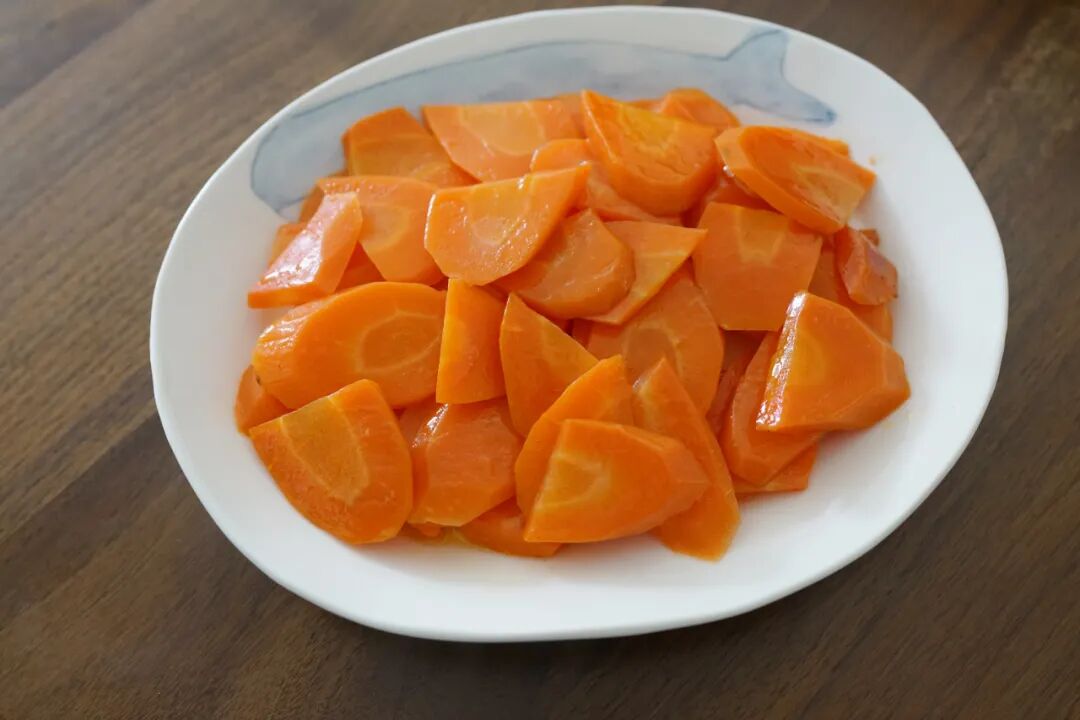
This dish is incredibly simple to make: slice the carrots into thin pieces, stir-fry them briefly in oil, then add just enough water to nearly cover the carrots and simmer over medium-low heat until all the liquid has cooked away. The carrots turn out beautifully soft and sweet, without that grassy flavour many people find so unpleasant.
This is a recipe that would only be posted during an extraordinary time, and one that is only truly needed in such extraordinary circumstances. Situations this extreme don’t come around often, of course, but I can’t help wondering, when a society appears to offer every convenience and seems to wall off the quality of life from the mundane grunt work of daily living, is that truly what we want? Can we really live better lives if we never touch any of these small, ordinary tasks?
When I first graduated and joined the tech industry, I thought it was one of the best jobs in the world, because there were no early mornings. I’d clock in at ten in the morning, put in a bit of overtime in the evening, and a solid eight or nine hours was all that was needed. Wasn’t that far more freedom than mum and dad’s eight-to-five routine?
But little by little, I realised something was wrong with this rhythm of life. Starting at ten, finishing around eight or nine, then going home for a late supper, washing up, scrolling through my phone — before I knew it, it was two or three in the morning. That meant not only was I eating two takeaway meals at the office, but most of my waking hours were spent there, and every single living soul I saw was a colleague.
Eventually, I forced myself to get up at half past six every morning to make breakfast for myself and a packed lunch to take to work. It wasn’t because I’m particularly disciplined — it was that I’d recognised something had gone terribly wrong with my daily rhythm. I wanted to slowly straighten this timeline that had already been twisted out of shape. If all I do is work overtime and never cook, the number of projects under my control will indeed keep growing, but the radius of life I can actually govern will only keep shrinking.
But I also know perfectly well that maintaining a connection with life is extraordinarily difficult. Whether you’re working within a company or living inside the vast machinery of society, breaking free from the default operating system comes at an enormous, enormous cost.
In July this year, I was in Shanghai for a book launch event, and a reader shared with me a story that was very real and yet sounded almost unbelievable (you can listen to the recording of this in-person event: Shi Bu Wo Dai (Food Waits for No One)).
This reader is a young woman who had joined a startup. The company was small, and her boss was also her flatmate. The office was just a five-minute walk from home. Even as she was telling me this, I couldn’t help thinking: wow, that sounds almost too good to be true? That was almost exactly the rhythm of life I remembered from childhood — stopping off at the wet market on the way home to pick up some fresh produce, perhaps even popping back to the flat at lunchtime to cook a proper meal.
But that’s not how the story unfolded.
She and her flatmate-who-was-also-her-boss had completely different philosophies about food. She cared deeply about eating well and wanted three proper meals every day. Her boss felt the exact opposite. During those three months of flat-sharing, she was the one who used the kitchen, and she’d share what she cooked with her boss. But her boss only joined her for a meal twice in those three months. Still, at that stage, the boss at least acknowledged that this reader was someone who truly loved life.
Startup companies run on overtime, of course — that much is to be expected. But in her boss’s eyes, when you’re building a startup, or indeed when you’re at work, you should pour every ounce of yourself into the job. In the boss’s view, cooking was a waste of time — proof that you weren’t devoting all your energy to work.
Later, her boss started scheduling work meetings at six or seven in the evening — precisely the time you’d normally sit down to eat — and berated the reader for spending too long in the kitchen, saying it showed a lack of dedication to the job. In the end, the boss actually dismissed her illegally, on the absurd grounds of “eating during work hours”. But six or seven in the evening is mealtime, surely?!
At that point, I feel the relationship between work and life has been completely turned on its head. We work in order to live better, not to obliterate life in the name of work. If you don’t care about the value of eating, you don’t care about the value of everyday life.
IV.
But the Barriers to Cooking Keep Rising
Then there’s another type of person — people who do value everyday life but have no confidence in themselves, convinced they simply couldn’t create that value. Young people who hardly ever cook, for instance.
I sometimes get feedback through the back end, and people will ask the most “kitchen newbie” questions. For instance: “Does pork mince need washing?” Well, if you wash it, the mince just falls apart and you end up with mince all over the sink. Or: “Why is there so much grit in my stir-fried greens?” I take one look and it’s pak choi — with pak choi, you need to rinse the stems several extra times. Or again: “The veg is nearly burning — what should I do? Should I add some water?” The second you add water, stir-frying becomes boiling. All I can do is keep saying: Turn off the heat, turn off the heat! I don’t know whether they’d even have time to see my replies while cooking. Even through a screen, I can feel the panic.
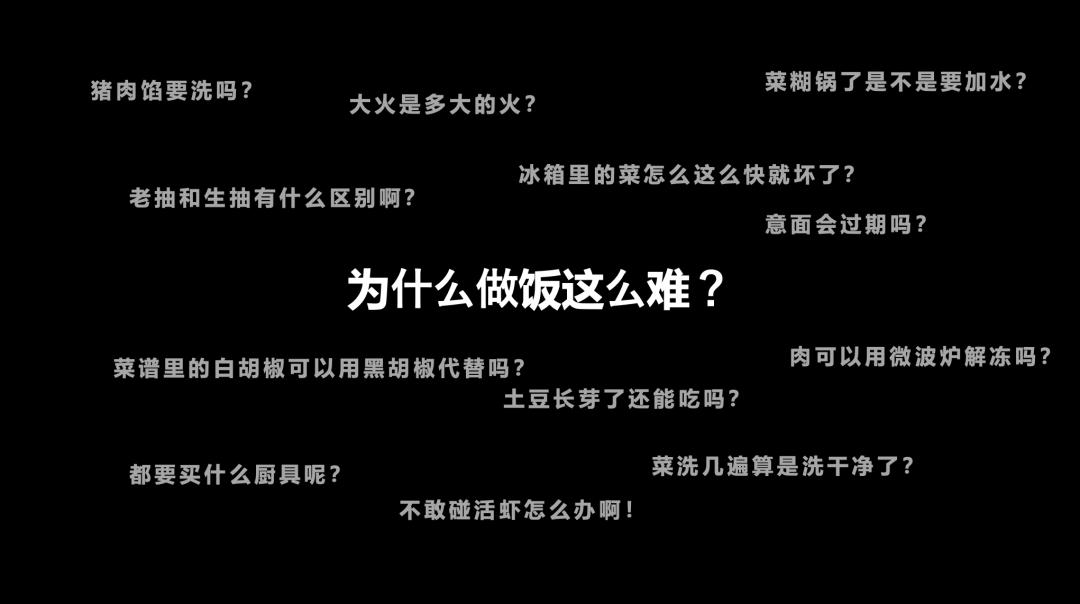
I don’t mean to mock them. Many of my readers are complete kitchen newbies, and quite a few of them were born in the 1990s or 2000s. They may have only just graduated and entered the working world, and whether to save money or to try a more independent way of living, they’ve only recently started experimenting with cooking for themselves.
Compared with their parents, or those born in the 1970s and 1980s, this generation seems to find it even harder to step into the kitchen. I often wonder — why is that?
Take my own experience, for instance. In the era when us post-1985 folk grew up, eating out at a restaurant was a real luxury and hardly realistic — takeout simply didn’t exist as an option. So for every single meal, breakfast, lunch and dinner, everyone cooked at home. Even children who had never actually managed a dish on their own had, at the very least, absorbed by osmosis how the adults rinsed the rice, cooked the rice, washed the vegetables, and stir-fried the dishes.
When we were young, our parents worried about whether we could even cook at all: if you can’t make a single dish, what will you do once you’re living on your own? They expected us to have a certain degree of self-sufficiency. Back then, the distance between a child and the kitchen wasn’t nearly so great, and the relationship between a child and food wasn’t nearly so distant either.
But the world those born in the 1990s and 2000s grew up in was entirely different. Many of them were banned from the kitchen by their parents — not simply because the kitchen could be dangerous, but because parents generally believed that children should devote themselves wholeheartedly to their studies. The academic pressure this generation faces is far greater than what we had to bear.
At the same time, parents were getting ever busier with work, yet their household finances were steadily improving. If the children were hungry or feeling peckish, the parents would simply hand them some money: go out and grab a KFC or a McDonald’s. The kids were happy, and the parents could breathe a sigh of relief. Then came more and more fast-food outlets, more and more restaurants, more and more takeout — plus convenience stores stocked with all manner of ready-meal kits. The kitchen is no longer one of the centres of family life, and cooking is no longer taken for granted as a basic survival skill — instead, it has become a task that demands extra learning, a barrier in itself.
Once I received a message through the back end. A reader asked me: what’s the difference between light soy sauce and dark soy sauce? I casually replied: just look it up online, that’ll sort you out. But then they sent me over a dozen messages in a row. I could feel they were getting quite distressed. They said: “I simply cannot work it out. I go to the supermarket and there’s light soy sauce, dark soy sauce, first-press soy sauce, soy sauce for cold dressings, soy sauce specifically for red-braising, reduced-salt soy sauce — I cannot make head nor tail of the differences in brewing methods, in enhancing umami or adding colour. All I want is one bottle of soy sauce for stir-frying. Why won’t even you tell me?”
I don’t know how long they wandered those supermarket aisles that day. Perhaps by then a mountain of negative feelings had already been weighing them down, and the soy sauce was simply the last straw.
What on earth is cooking, then? At that moment, cooking brought them no comfort whatsoever. Instead, it had become a hurdle that left them utterly at a loss.
Many young people encounter similar struggles. They don’t dare stock their homes with condiments, and they don’t dare buy proper cookware. Their seasoning shelf is usually limited to just salt, black pepper, light soy sauce, dark soy sauce, and vinegar — salt and pepper for tossing a salad, soy sauce for red-braising. As for cookware, it’s typically one small non-stick pan for stir-frying everything. Because most of them are still sharing a flat with strangers or moving house frequently, their lives are in a constant state of flux, and so they don’t dare commit any real money or effort to the kitchen. This vicious cycle leaves them with a steadily diminishing sense of control in the kitchen.
V.
I Want to Say: Cooking Really Isn’t That Hard
Last year I tried posting some single-take videos online. By “single-take”, I mean filming the entire process of cooking a single dish or a whole tableful of dishes — not a single cut, just adding subtitles and uploading it straight away. A typical video runs to a dozen-odd minutes.
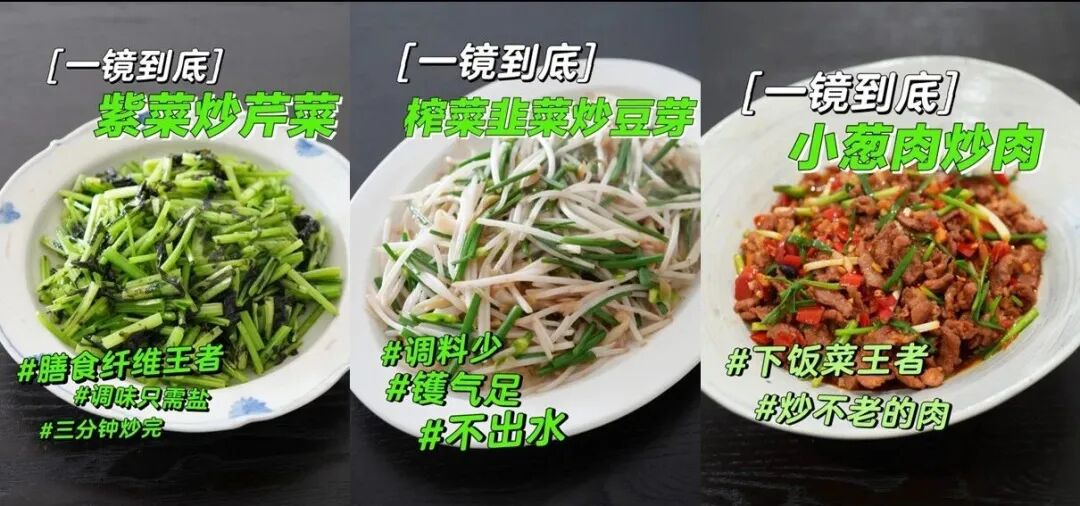
Some friends asked in the comments: “Could you edit it down? Make it more concise?” Others said: “I used to watch so many food bloggers cook, and it seemed like they never made a single mistake — everything always looked beautiful. But when I try to copy what they do, I’m always forgetting something. I start to doubt myself — why am I so hopeless? Do I have no talent for cooking at all? It wasn’t until I watched your videos that I realised food bloggers make mistakes too.”
When I was small and watched my mum cook, I always felt she had everything perfectly planned, always knowing exactly what to do next. But the truth is, she’d get flustered too and need to improvise little fixes on the spot — forgetting to add the minced garlic, or the pan going dry and her scrambling to drizzle in a splash of oil. These are all perfectly normal things that happen when you’re cooking.
What I’m trying to capture in single-take videos is exactly this reality. No matter how smooth the cooking process looks in your head, the moment you actually get going, you’re constantly finding little fixes and making adjustments. I want everyone to know: cooking is like this.
When we go to the wet market to buy groceries, you often hear the claim that “wet markets are driving young people away”. Isn’t buying fresh produce through online platforms better? Prices are clearly listed, no one’s trying to swindle you, you won’t get short-changed on weight, and nobody’s passing off inferior goods as premium. And if you want to return something, you just tap the return button on the app.
But in fact, even though I consider myself someone who knows quite a bit about ingredients and is fairly savvy about buying them, I still get caught out at the wet market. One time, a vendor stuffed an extra piece of pork fat into my bag. I only noticed when I got home — hold on, why is there this thick slab of pork back fat? I walked all the way back to find him. He said: “Oh, madam, this pork is really good — take this back fat home and render it for lard. It’s from a heritage breed pig raised in Zhejiang; you can’t find this in Beijing.” And somehow, against all reason, I actually did walk all the way back home carrying that extra piece of pork.
I want everyone to know: buying groceries is like this. It’s not that online fresh-food platforms are bad, but after staring at them long enough, you realise all the food photos look like passport photographs. You can’t tell whether one bunch of greens is more tender than another, or whether this fish’s eyes are cloudy or clear.
Of course, wet markets come with plenty of friction, but I think that unpredictability is part of what makes them fun. So I still prefer buying my groceries at the wet market, because the food and the people there feel more alive.
Some friends will say: I feel cooking is an unfair division of household labour. I only meant to cook one meal, and somehow I ended up cooking every single one for the rest of my life.
I absolutely love eating pork large intestine — fatty intestines, as we call them in the kitchen. But the first time I cleaned them, I forgot to put on gloves, and after cooking them I had to wash my hands seven times. For a long time afterwards I refused to make fatty intestines again — too much of a chore, and I just couldn’t shake off the mental block.
My husband also loves fatty intestines. One day he couldn’t help asking me: “Why haven’t we been having braised fatty intestines or pickled mustard greens with fatty intestines lately? They’re so delicious.” I was a bit put out and said: “There’s no other reason — I just don’t want to clean them. If you fancy them, we can go out and get some.” He said: “Is it really that much trouble to clean? Don’t you just trim off the fat and scrub them with cornflour? I could have a go.” I said: “Well, don’t forget to wear gloves.”
After that, he took on a lot of the kitchen jobs I didn’t enjoy or wasn’t very good at — including but not limited to peeling garlic, cleaning fatty intestines, killing and gutting fish, halving crabs, deveining prawns, picking crab meat, rolling out dumpling wrappers, and so on. He can extract the meat from eight hairy crabs in five minutes. Hairy crab season is back again, so I’m preparing to get him to show off his skills once more. What I want to say is: this is how kitchen roles work — whoever wants to eat it does the work, and whoever doesn’t want to can simply opt out.
Cooking and eating shouldn’t be a hard thing. It’s fine to make mistakes, it’s fine to argue, you can learn slowly, and you can absolutely get others to pitch in and help. If we’re always afraid of being swindled when buying groceries, always afraid of messing up when cooking, and constantly building up resentment over an unbalanced division of household labour, then cooking will only make us more and more exhausted, and our relationship with food will grow ever more distant.
I’d like to introduce you all to the most popular single-take video of this year: stir-fried luffa 👇
For the ingredients, I use white jade luffa from Zhuzhou, Hunan. Peel them, then slice into half-moon pieces, the thickness of a coin. Cutting them thin helps the luffa release its moisture faster — far easier to stir-fry than cutting into strips or rolling chunks. Heat a little lard in the pan until hot and fry the minced garlic until fragrant, but keep a close eye on the heat. If the oil gets too hot, turn off the burner immediately, or the minced garlic will burn very quickly. Once the luffa slices go into the pan, add salt early so they release their liquid quickly.
Then keep stirring over a medium-low heat the whole time. You absolutely must resist the urge to crank up the heat, or the moisture in the pan will evaporate in no time. And never add water — wait for the luffa’s own liquid to slowly seep out, and the flavour will become incredibly sweet. Just before serving, scatter a handful of chopped spring onion over the top. The polysaccharides naturally present in the luffa create a natural starch-thickening effect, making it absolutely perfect over rice.
After I posted this single-take video, a friend told me: I’ve finally remembered — some dishes are meant to be cooked slowly. It’s not a dish designed for quick meals, but it’s not actually that slow to make either, and the best part is that it’s genuinely delicious. If you don’t feel like cooking right now, that’s perfectly fine — give it a go on a day when the mood strikes.
This year I wrote a new book, called Who Decides What to Eat. Unlike my previous recipe books, in this one, I explore the relationship between people and food in modern society.
We’re constantly constrained by commute distances, neighbourhood amenities, social structures, and the relentless pace of life — we simply don’t know what to eat. When we go out for a meal, we’re faced with increasingly similar menus and restaurants overrun by ready meals. It looks as though we have more food choices than ever, but in reality, our chances of actually eating something we truly love are growing fewer.
I sincerely wish for everyone:
that when you shouldn’t have to work, you don’t have to work;
and that when it’s time to eat, you can sit down and enjoy a proper meal.
Thank you.
This article was compiled from the live event and the speaker’s transcript.
▼
Click the image to read related articles
▼
Click a keyword to explore more article collections
Seeds | Policy | Farming Techniques | Fermentation | Nutrition | Foraged Greens | Fisheries | Tea | Events | Careers | Wet Market | Wild Mushrooms | Livestock Farming | Food Talk | Sharing Sessions | Book Club | Harvest Festival | Smallholder Stories | Climate Change | Rural Development | Cooperative Economy | Urban Farmers | Biodiversity | Pandemic and Food | False Solutions | Agroecology Internship Programme
Beijing | Hebei | Shanghai | Guangdong | Guangxi | Yunnan | Henan | Sichuan | Jiangxi | Xinjiang | Shaanxi | Hong Kong | Chongqing | Zhejiang | Jiangsu | Guizhou | Taiwan | Inner Mongolia | Philippines | Canada | Russia | Mexico | Italy | United States | United Kingdom | Germany | Netherlands | Thailand | Sweden | Japan