The Supreme Court of the Philippines has ruled Golden Rice commercialisation unconstitutional, revoking all Biosafety Permits. Farmers and scientists led by MASIPAG have fought for over twenty years: from table safety to tenant farmers’ freedom to breed their own rice seeds, free from seed company control.
Since 2018, Inner Mongolia has pushed its “Dairy Revitalisation” policy, yet small dairy-food producers in Senggendalai Town are trapped: standardised upgrades cost hundreds of thousands of yuan, far beyond herders’ per capita annual income of just over 20,000, while natural fermentation’s traditional flavours fade in mechanised mass production.
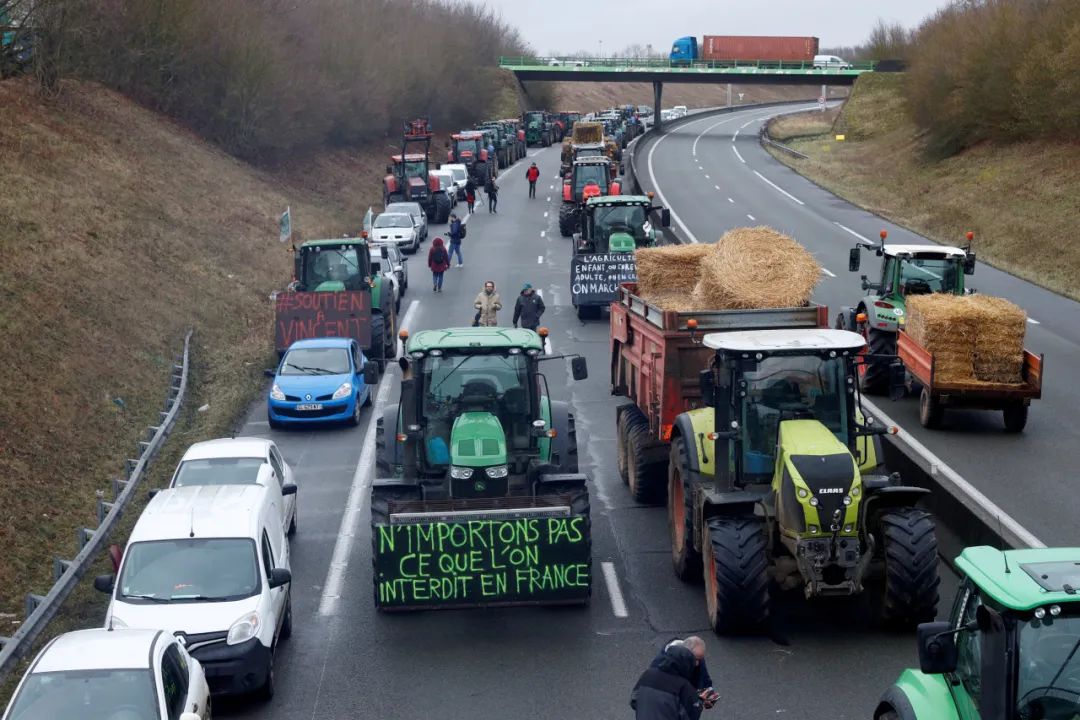
Farmer Pierre inherited more than twenty cows from his parents. When one shows BSE symptoms, he must choose between culling the whole herd or concealing the medical history — a dilemma that echoes French farmers now taking to the streets against EU policies.
The marketing rhetoric of premium supermarkets, the Specialty Coffee Association’s flavour wheel, legislation shaped by lobbying from large agribusinesses—quality is no natural concept, and consumers and smallholder farmers remain ever on the margins of this chain of power.
Early 2024: over thirty thousand farmers drove five thousand tractors into Berlin against scrapping the agricultural diesel tax rebate. The real fury was systemic injustice: after over 170 years of subsidies tethering agriculture to fossil fuels, small farms bore the cost crisis alone while large farms harvested theirs.
Meteorologist Wei Ke and scholars Liu Juan and Liu Jie point out: rural disaster preparedness falls short amid extreme weather; farmers cut planting due to labour shortages; ambiguous insurance settlements leave smallholders unable to secure compensation; and the left-behind elderly are pushed into ever greater vulnerability.
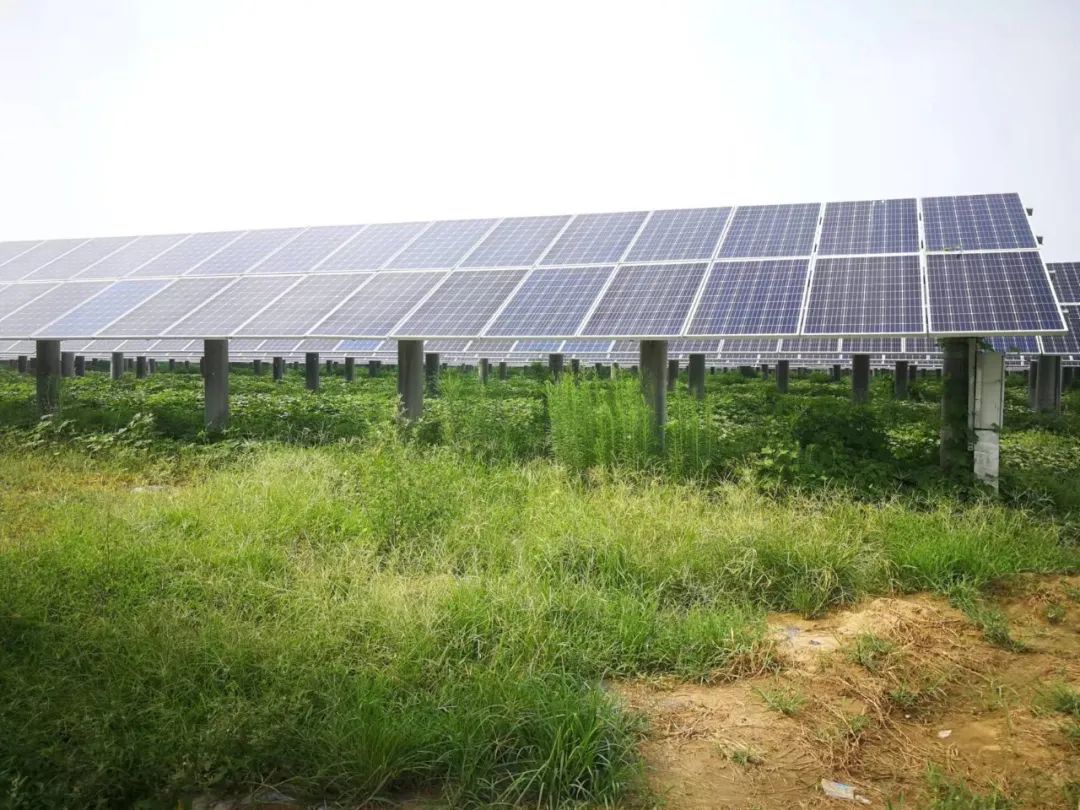
From two projects to over 400, exceeding 40 GW, China’s decade-plus agrivoltaics boom has been driven by surplus PV manufacturing capacity, not agricultural demand. Most sites see farmland abandonment or low yields under panels; arable land is occupied and farmers receive only land rent.
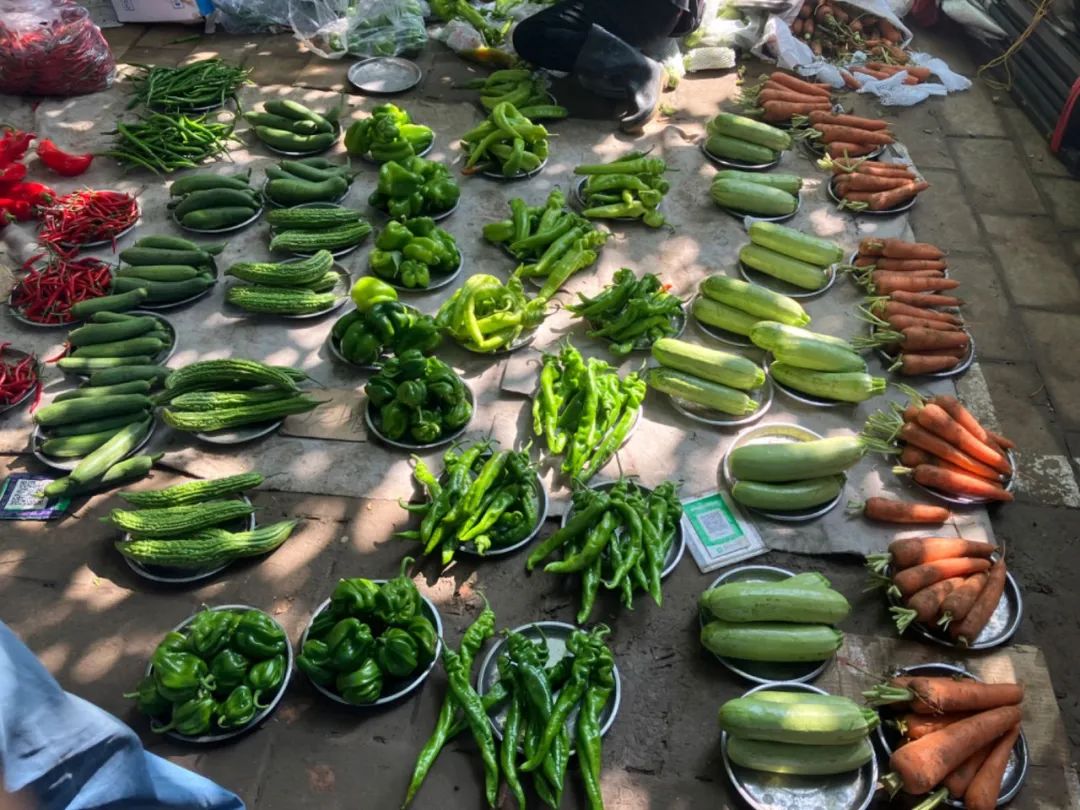
Smallholders — over 98% of agricultural business entities — and a wholesale network that blends produce at every level render the “Compliance Commitment Certificate” incapable of full testing or traceability. The Ministry of Agriculture and Rural Affairs’ new measures are unlikely to curb pesticide residues in the vegetable basket.
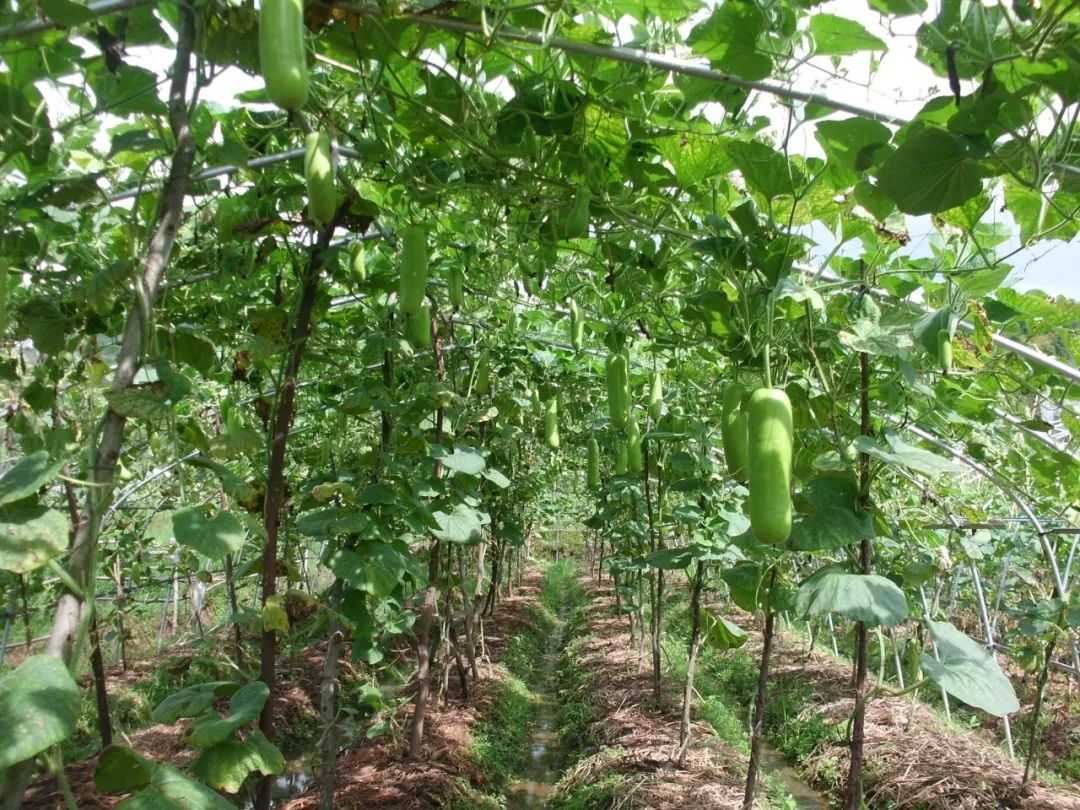
Despite 20,000–30,000 yuan per mu from greenhouses, Gong County farmers still grow rice and lotus—paddy fields have been taken over by linked greenhouses, costs become unsustainable once subsidies end, and skills and hiring demands do not suit the pace of the elderly left behind.
From 1949, the Soviet government distributed 600-square-metre suburban plots to workers’ families: potatoes, vegetables and jam from the plot sustained them through long winters — and defined the summer of an entire generation.