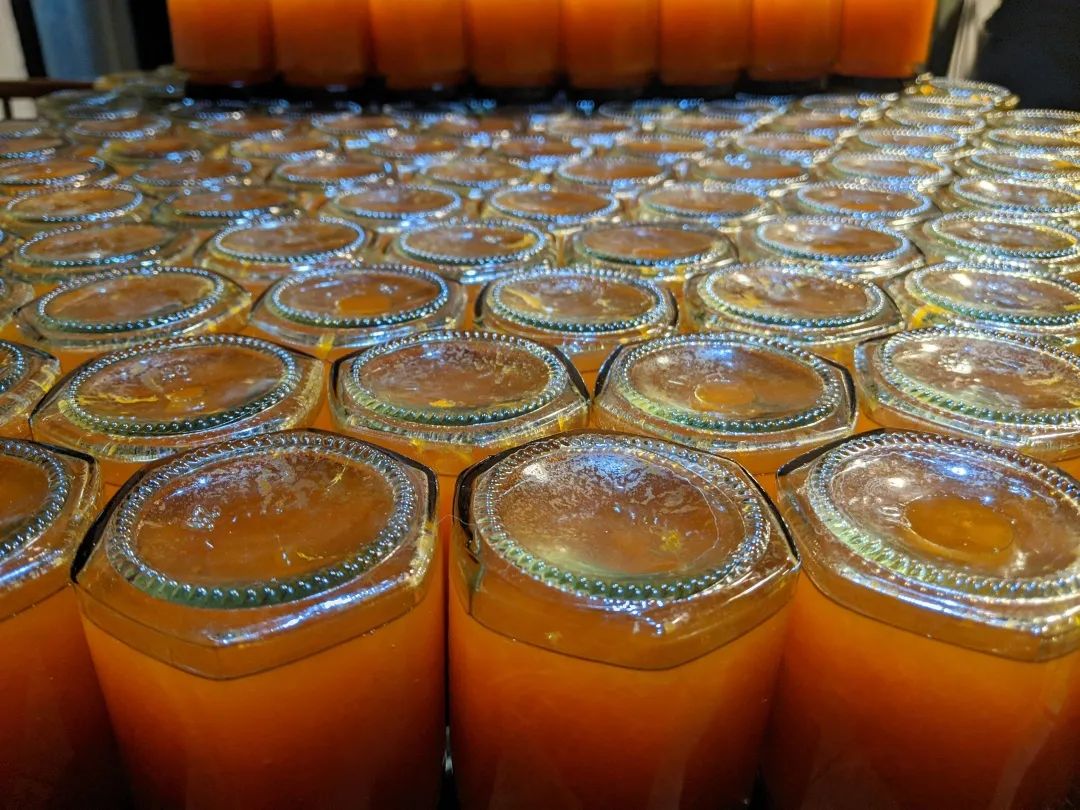
The cooperative’s home-brewed green plum wine was targeted by professional counterfeit hunters and its partner fined; building a processing factory far exceeds smallholders’ means. Lawyer Zhang Xueming, anthropologist Zhong Shuru and rural entrepreneur Li Jie each share their views on small-scale operators’ plight under food safety regulations.
Anthropologist Zhong Shuru, lawyer Zhang Xueming and rural entrepreneur Li Jie noted at a Foodthink and Tencent News roundtable that food safety risks arise at every stage, from cultivation to distribution. Both traceability and testing remain constrained by a lack of information; consumers must actively discern to protect their plates.
The UK’s Soft Drinks Industry Levy, effective from 2018, taxed manufacturers and gave them two years to reduce their sugar content; calorie intake and childhood obesity did fall, but most simply replaced free sugars with non-sugar sweeteners — which the WHO has warned also carry health risks.
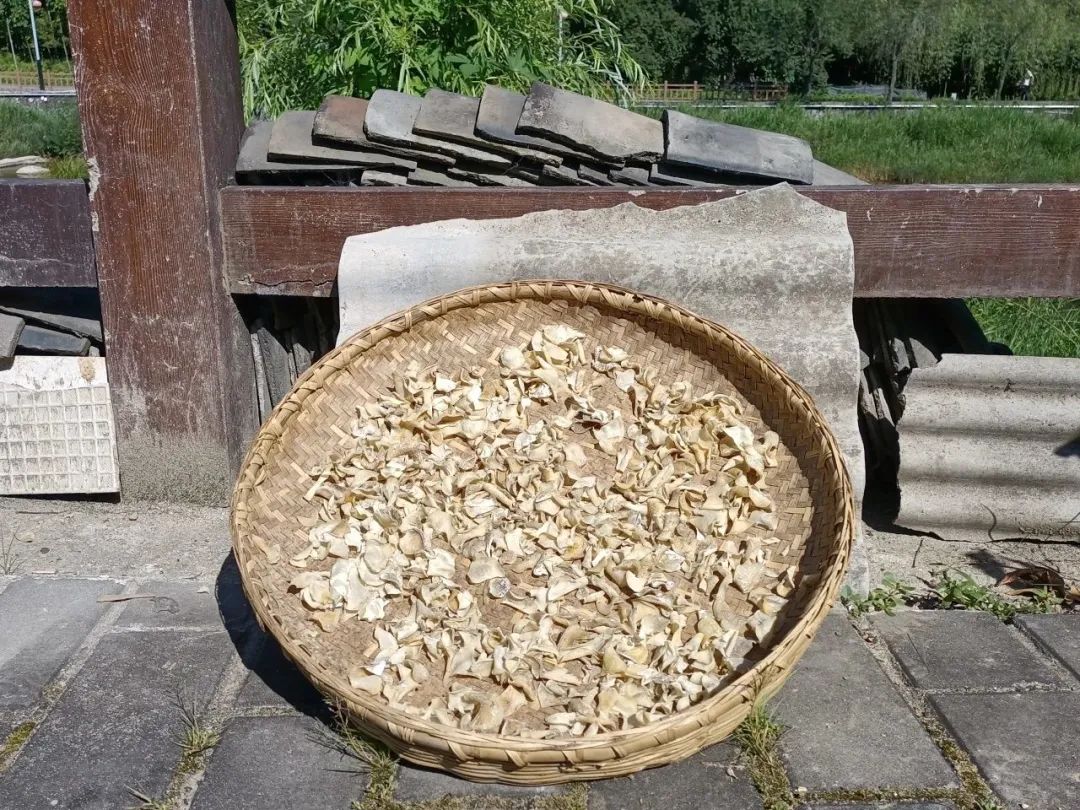
The State Administration for Market Regulation confirms, in its interpretation of the new Measures, that dried fish, dried vegetables and dried fruit can be sold as edible agricultural products if they have only undergone simple sun-drying. Earlier revision recommendations submitted by Foodthink and others together with farmer friends have been adopted.
The revision removes “drying” from “edible agricultural products” definition. Farmers selling homemade dried vegetables, fruits or fish may face penalties without a food production licence. Foodthink, with farmers, experts and civil society organisations, submitted a proposal urging “drying” be retained to protect smallholders’ right to make and sell dried products.
The State Administration for Market Regulation plans to remove “drying” from the definition of “edible agricultural products” in its draft for public consultation. Smallholders who sun-dry and sell their own dried goods may face penalties, while building a factory or arranging contract processing is unrealistic for most farmers.
The draft for public comment on new edible agricultural product sales rules imposes vague “whole-process management” requirements on wet market vendors and encourages packaging, while also making reasonable adjustments such as banning misleading lighting. The public can submit comments before 4 June.
Food security goes beyond national-level “grain security” – it is about whether individuals can access nutritious and safe food at any time. Nanjing’s “Vegetable Basket” Programme and its mixed-ownership wet markets offer a model for sustaining high levels of food security.
China’s Acceptable Daily Intake for procymidone exceeds that of the EU, Japan and Australia; under contiguous high-tunnel cultivation of Chinese chives, growers apply preventive spraying every seven days, grey mould fungus resistance continues to rise, and adjusting residue limits cannot change a production model built on overuse.
The Dutch nitrogen-reduction policy has put farmers in the dock, yet Rabobank and agribusiness giants like Cargill truly drive—and profit from—high-density intensive farming. With over 40% of farmers below the poverty line, cow dung is merely the most conspicuous scapegoat in the nitrogen crisis.