Sanyuanli has become a coffee brand’s check-in exhibition venue. At the Beijing Organic Farmers’ Market, meanwhile, pesticide-free strawberries, king oyster mushrooms with their caps open, and seasonal Chinese chives stand guard over the most solid trust between daily meals and the land.
More than a month after the floods receded, the Longjiazhuang market reopened, yet nearly half the farmers’ east-side stalls remain empty. Aunt Li’s two mu of farmland lies buried under silt and debris. ‘People are fine, the land is done,’ she says. Compensation has yet to materialise.
Barcelona’s Mercat de la Terra replaces organic certification with Participatory Guarantee Systems (PGS), enabling small-scale producers to bypass cumbersome paperwork and fees, sell local seasonal produce through direct trust with consumers, and sustain a community network from farm to table.
Anthropologist Zhong Shuru, lawyer Zhang Xueming and rural entrepreneur Li Jie noted at a Foodthink and Tencent News roundtable that food safety risks arise at every stage, from cultivation to distribution. Both traceability and testing remain constrained by a lack of information; consumers must actively discern to protect their plates.
Held in Beijing from 18 to 20 August, the workshop recruits 25 media professionals to discuss food system transformation with scholars and practitioners, visit wholesale markets, eco-farms and waste-processing facilities, and offers post-workshop reporting grants alongside the establishment of a Pioneering Food and Agriculture Reporting Award.
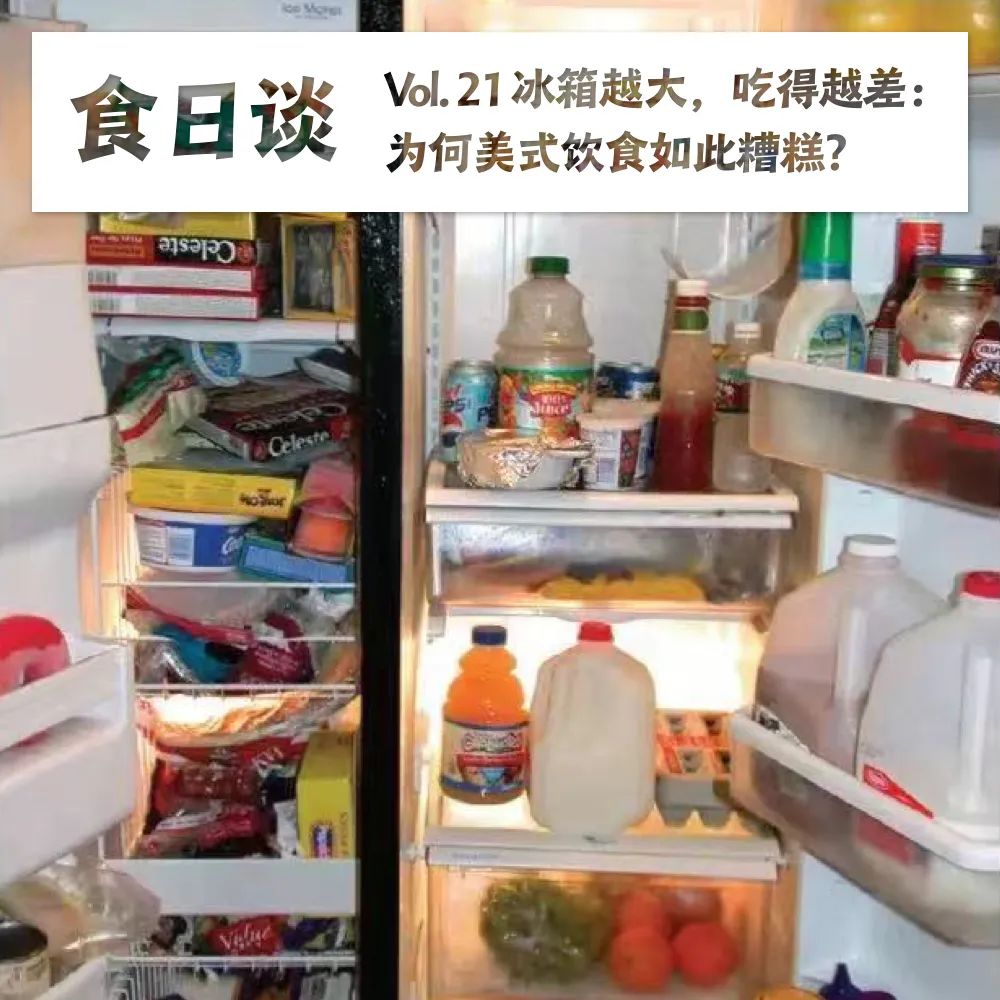
Shu Meng, who holds a PhD in sociology from Cornell University, and three hosts discuss the structural factors behind America’s unhealthy diet – from shopping distances and supersized packaging to comparisons with wet markets – and whether farmers’ markets and small-producer grocery shops can offer another path for dietary transformation.
Jishi, Beijing Organic Farmers Market’s community greengrocer at Fenghuanghui, East Third Ring—ten years sourcing traceable produce from ecological smallholders. After its third renovation, market head Xiaoyun Sheng and designer Kang Zhen discuss balancing ecological ideals with limited budget in CBD, rebuilding ties between people, community and nature.
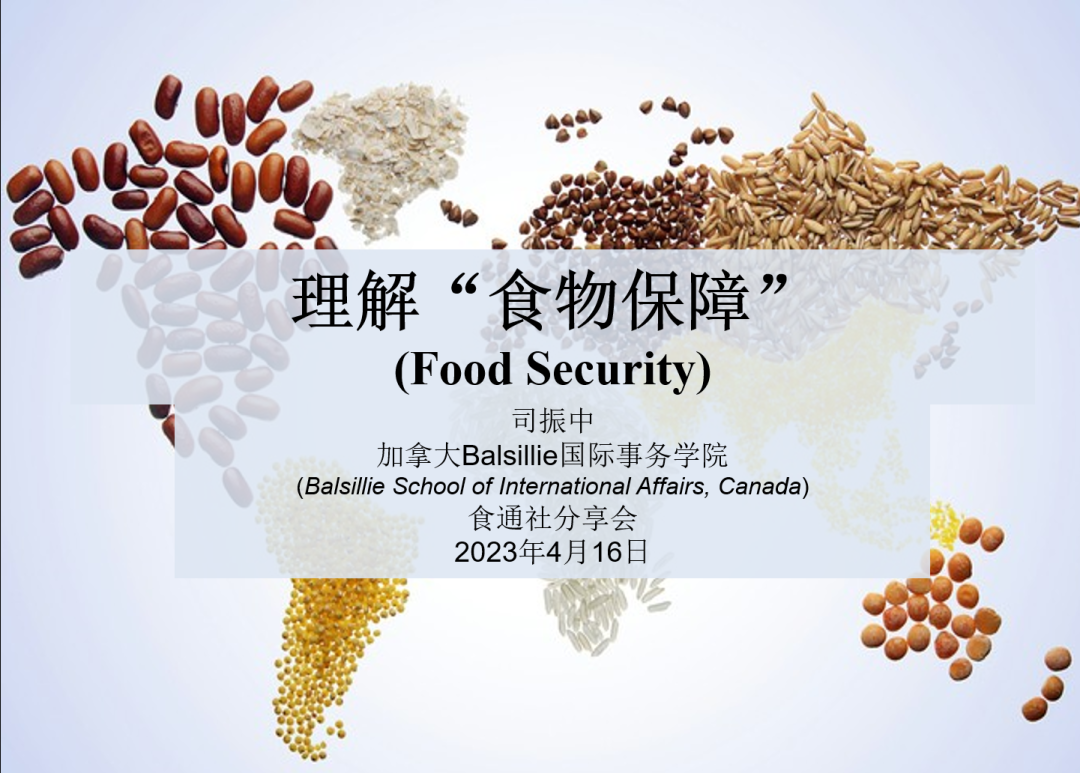
Food security goes beyond national-level “grain security” – it is about whether individuals can access nutritious and safe food at any time. Nanjing’s “Vegetable Basket” Programme and its mixed-ownership wet markets offer a model for sustaining high levels of food security.
Grandma, who made it through COVID-19, home again at the old house in Fengjie after hospital: Second Uncle at the wok, Mum reminding the jar needs young ginger, a tableful of steamed pork with rice flour and pig’s snout, steaming—family gathered round as though nothing had changed.
Tomato shortages and purchase limits gripped British supermarkets in early 2023. Decades of fixed low-price contracts had forced growers to cut production and offloaded costs onto migrant labour — while corner shops squeezed out by supermarkets became the only place left to buy vegetables in a crisis.