In the salt-scarce, damp highlands, the Miao ancestors who migrated south to Yunnan-Guizhou replaced salt with fermented sourness. From rice-water white sour soup to tomato-and-chilli red sour soup, it has seeped into daily meals and festival rituals across all Guizhou’s peoples.
With support from Oxfam Hong Kong’s Beijing office, Foodthink surveyed 29 social organisations and 11 scholars, finding that the real bottleneck for rural climate projects is not carbon emission reduction targets themselves but structural challenges such as hollowing and ageing.
In 1953, Swanson & Sons launched the “TV Dinner” – modelled on the aluminium foil trays served on planes – to deal with unsold Thanksgiving turkeys, bringing frozen pre-prepared food into American homes.
During three months pulling weeds, catching insects and raising seedlings at Xiqing Farm in Daxing, Beijing, Tianyi—participant in Foodthink’s Ecological Agriculture Internship Programme—came to realise that the moments when body and land are honestly joined are far more precious than the harvest itself.
In Villain Valley, Fujian, Grandma Kouzi builds this permaculture system through layered planting, duck-shelter symbiosis and perennial herbaceous crops — plant once, eat for a lifetime, and the primary task of humans is simply to harvest.
In Britain’s world food system, class and race determined who could eat their fill, famine was “outsourced” to Ireland and India, and industrialised slaughter hid its violence at “the end of the earth”.
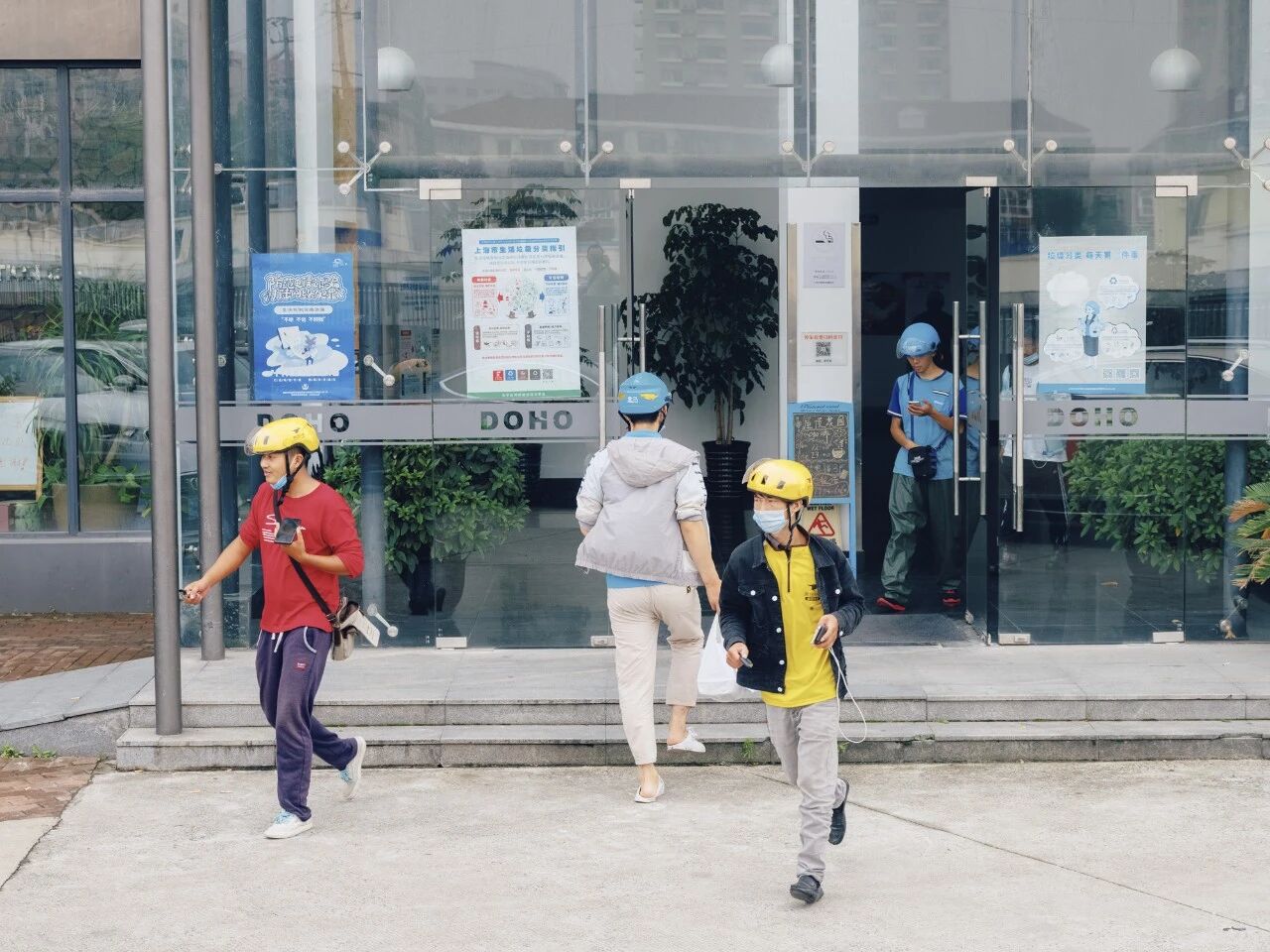
Foodthink collated reader comments under articles on delivery riders’ struggles in severe weather. The debate far exceeds the “order or don’t” binary: do riders want earnings or dignity, how responsibility splits between consumers and platforms, and whether Platform gig workers remain an escape route for ordinary people.
Foodthink and Beiye Books’ online book-club on Vanishing Foods: from the Ark of Taste, with 6,592 endangered varieties, and Norway’s Doomsday Vault, to Wangjingzhuang, Shexian, Hebei farmer Liu Yurong letting a Little White common bean idle for eight or nine years take root again in the Taihang Mountains.
Videos of Zhejiang and Shanghai incineration plants “competing for waste” across provinces and municipalities went viral. But waste management advocates point out that overcapacity is the reality – legally mandated dioxin data, tested only once a year, is far from “real-time monitoring”.
Kouzi, a farmer at the Valley of Villains, accompanied her parents through their final four and forty-four days in the ICU. She has since signed an advance directive, refusing cardiopulmonary resuscitation, a mechanical ventilator and oesophageal tube feeding – fighting for a natural farewell not blocked by instruments.