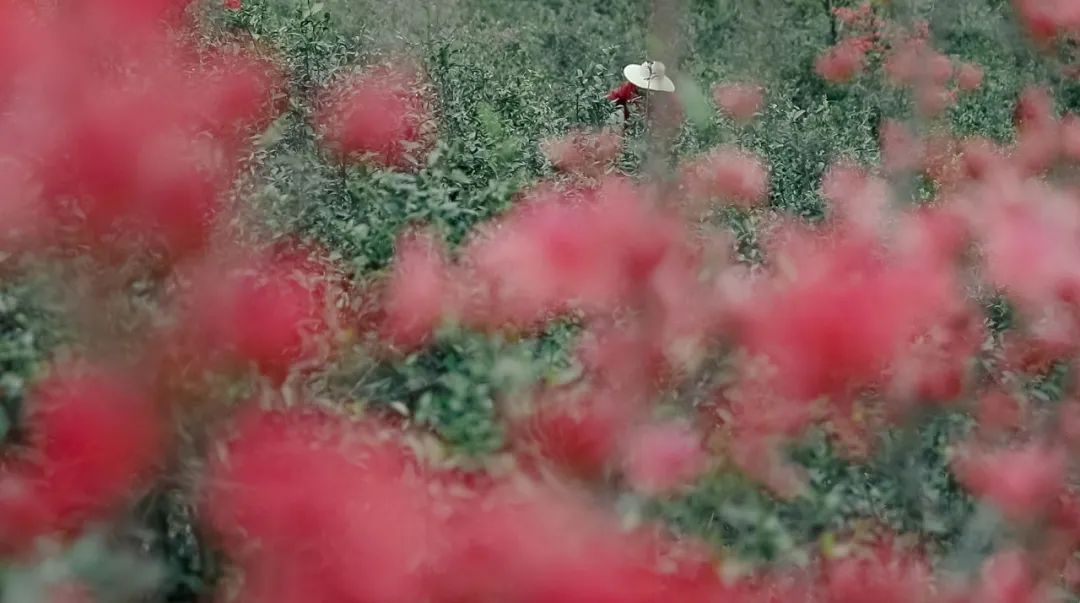
Li Ruijun, a wild-mushroom researcher, was poisoned by overeating broom blossoms last year. Even the termite mushroom, long thought to grow only on termite nests, has been trialled for cultivation — four people in ecology and natural history chat about the safety, authenticity and nature education of foraged food.
Marking the International Day for Biological Diversity, Foodthink invited four guests – including writer Ban Xia and ecologist Sun Shan – for a dialogue. At Kunming’s Zhuanxin Farmers’ Market, one stall carries 106 varieties of foraged wild greens; matsutake, however, has been listed as endangered.
In Yulin, Chengdu, Xia Lili gathered two plant-shop siblings and Miss Jiang – soon her housemate – as tablemates, pooling produce from farming partners and cooking together instead of daily takeaway. She has been setting this table from the loquat courtyard in Mingyue Village all the way to Yulin’s streetside.
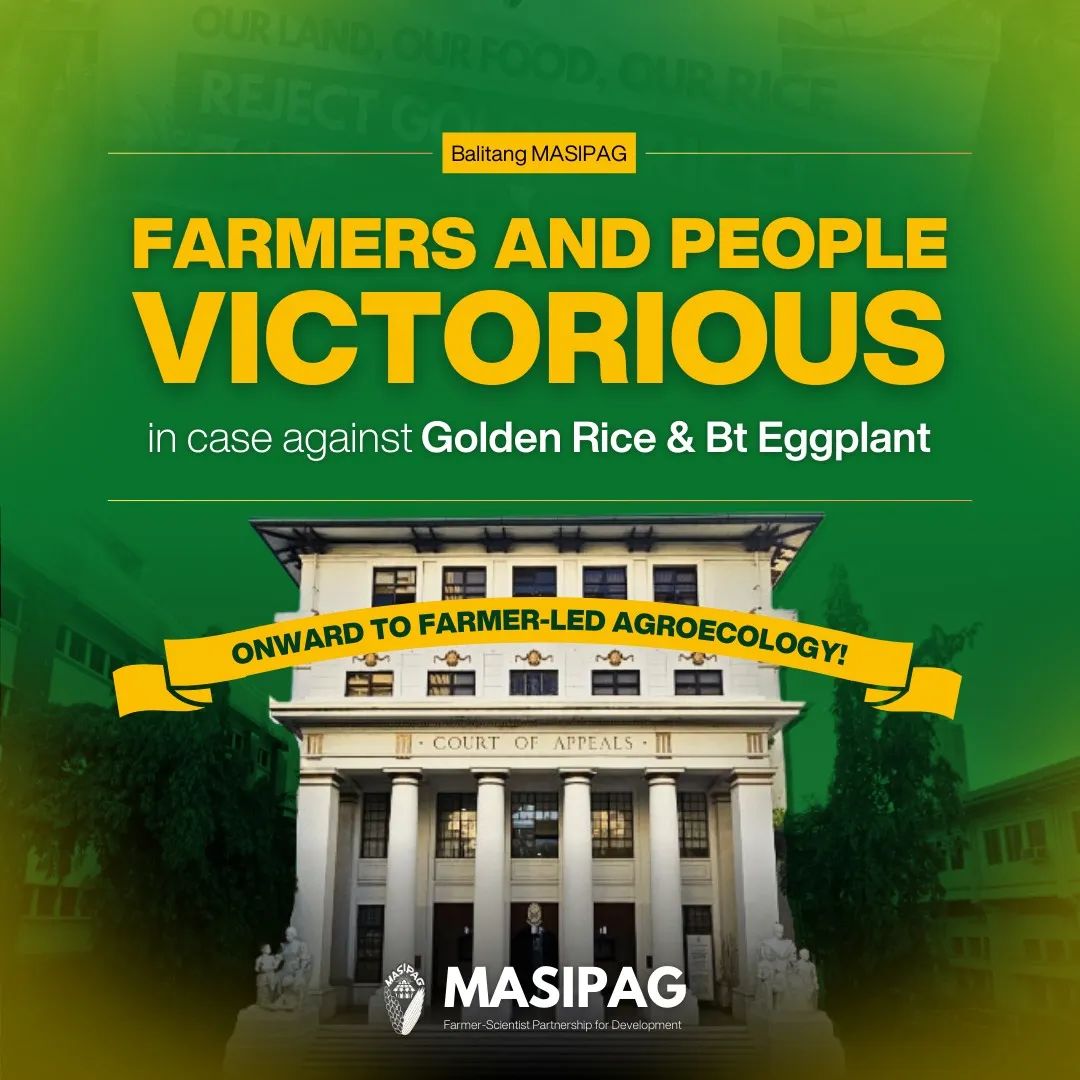
The Supreme Court of the Philippines has ruled Golden Rice commercialisation unconstitutional, revoking all Biosafety Permits. Farmers and scientists led by MASIPAG have fought for over twenty years: from table safety to tenant farmers’ freedom to breed their own rice seeds, free from seed company control.
Since 2018, Inner Mongolia has pushed its “Dairy Revitalisation” policy, yet small dairy-food producers in Senggendalai Town are trapped: standardised upgrades cost hundreds of thousands of yuan, far beyond herders’ per capita annual income of just over 20,000, while natural fermentation’s traditional flavours fade in mechanised mass production.
Deyi Tea Garden’s Zhang Chao counters the squeeze the pure bud-tip standard places on tea farmers through “multi-purpose use and flexible production”: the same mountain-site material shifts between green, black and white tea with weather and seasons, extending the picking window from twenty days to sixty.
In Niujiao Village, Jintang County, Chengdu, Tang Liang spent three years reuniting a migrant-work-scattered family, then ran a family farm. At a Foodthink sharing session, he reflects on ten-odd years, from emotional ties to heat-hit yields, asking whether smallholder families can rejoin livelihood with life’s meaning under urbanisation.
In 2023, a prolonged drought delayed the first pick of Xinyang’s spring tea. Zhang Chao of Deyi Tea Garden in Shihe District, who has practised natural farming for ten years, opened his garden just one day later than the previous year.
Department of Biological Sciences, Southwest University graduate, former white-collar worker, Tang Liang returned to Jintang County, Chengdu, in 2013, sustaining eleven on 30 mu. Per-capita monthly income barely reaches ¥2,000, yet each family member has found their place; the village gained free courses and benches for the elderly.
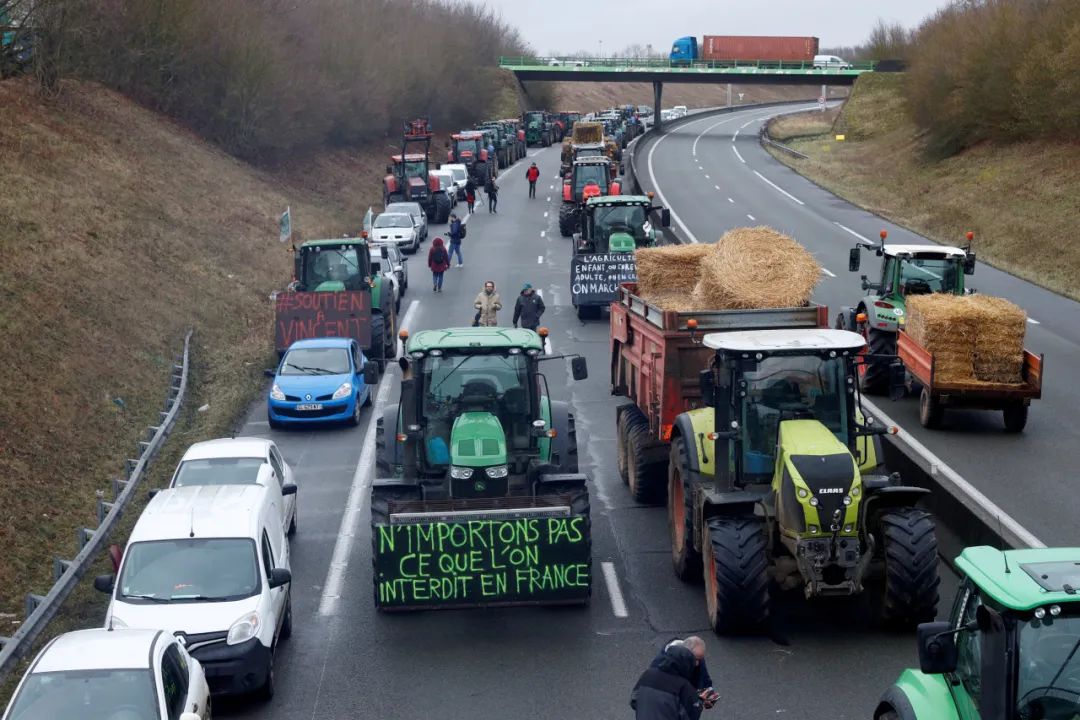
Farmer Pierre inherited more than twenty cows from his parents. When one shows BSE symptoms, he must choose between culling the whole herd or concealing the medical history — a dilemma that echoes French farmers now taking to the streets against EU policies.