Where Does the Meat Come From? Your Table and His Pasture | Nanjing Event Invitation
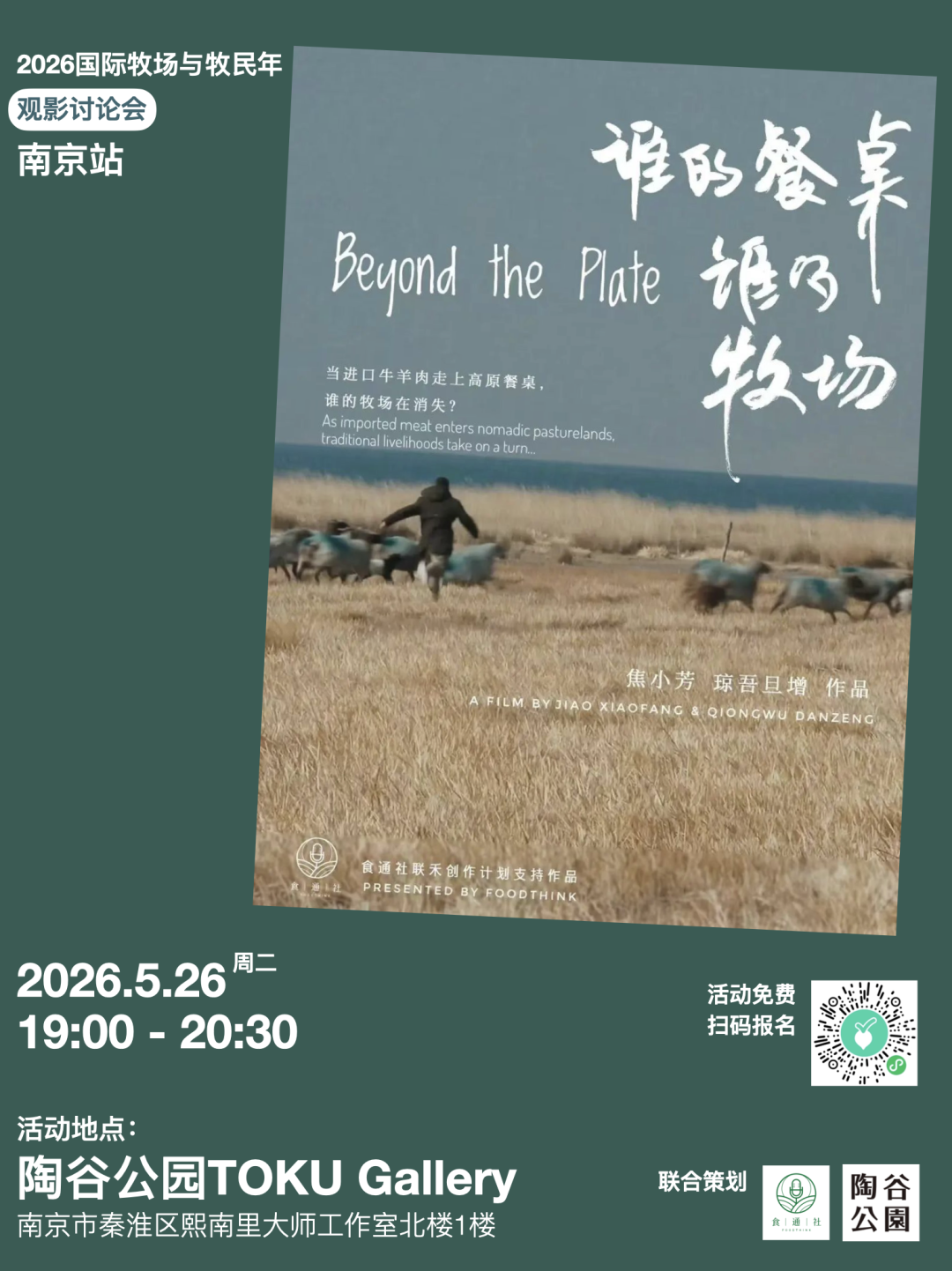
This year is the United Nations’ International Year of Rangelands and Pastoralists. To help more people learn about pastoral regions and the herders who live there, the field-research documentary Whose Table, Whose Pasture, supported by the Foodthink Lianhe Creative Programme, will be screened in Nanjing on the afternoon of 26 May. After the screening, Tianle from Foodthink will join the audience for a discussion.
Whose Table, Whose Pasture grew out of field research in the pastoral regions around Qinghai Lake, telling the story of what has happened to herders’ livelihoods and ways of life as cattle and sheep prices continued to fall and imported frozen meat poured onto the market. We are not only “the people who eat meat” — we are consumers of meat. When beef and mutton appear on our table, do we know where it comes from, and how it was raised? And what are the herders in more distant pastures going through?
Pastoral regions are more than just places where animals graze; they are connected to grassland ecology, local economies and the everyday lives of herders. When we talk about pastoral regions and herders, the challenges faced in different places may not be identical, but they all deserve to be seen and discussed. Foodthink hopes to use this opportunity to draw attention together to our pastoral regions and the people who depend on them.
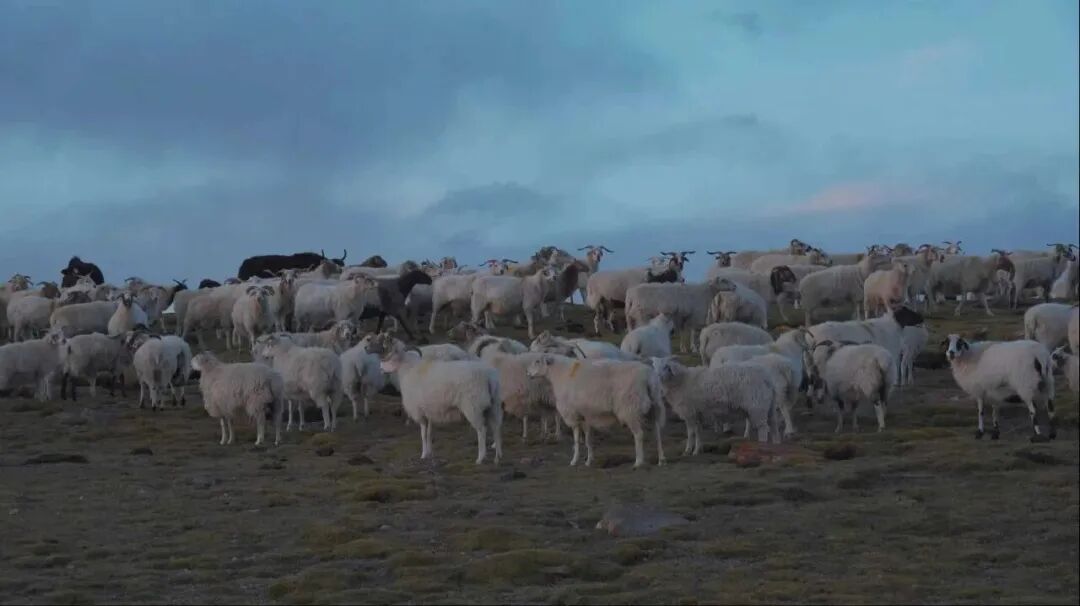
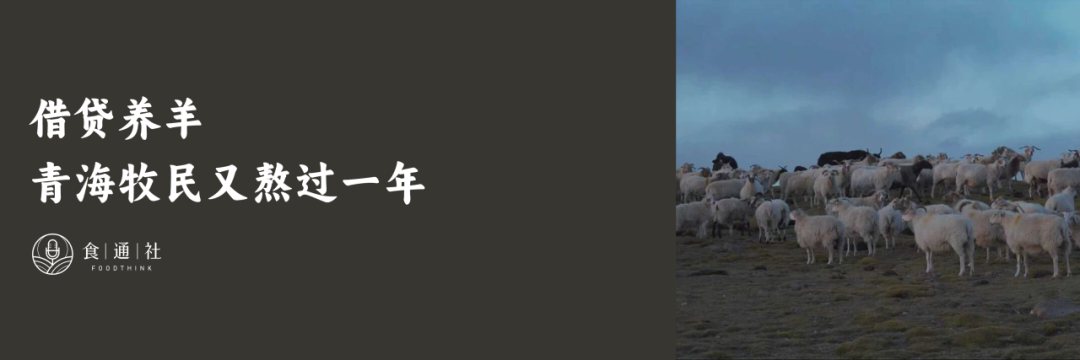
◉ The flock belonging to Niang’e Jia, one of the protagonists in Whose Table, Whose Pasture. Photo: Jiao Xiaofang
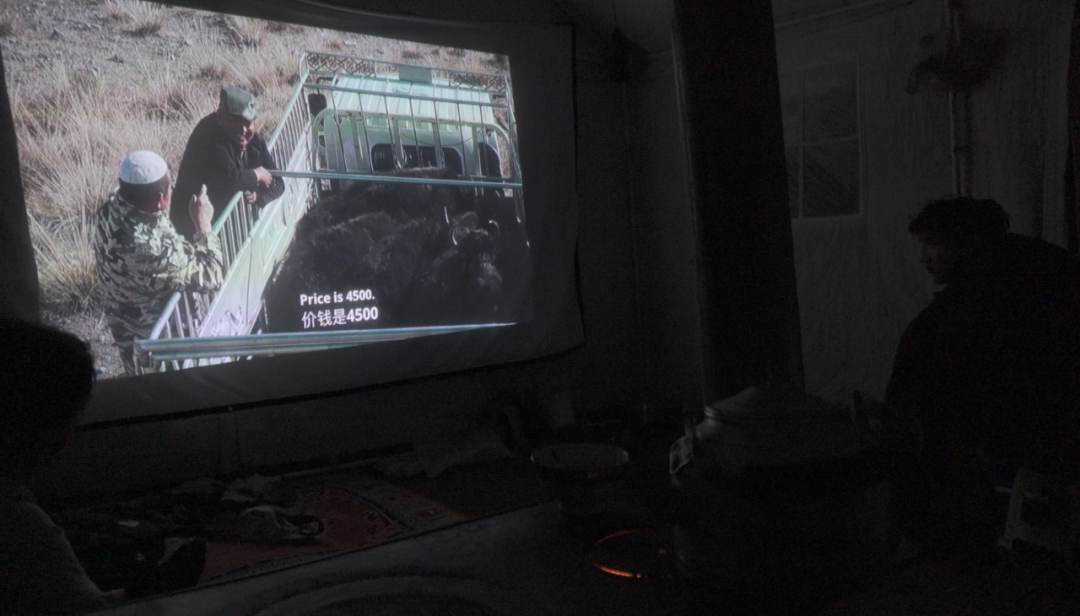
◉ Follow-up visits are an essential part of community video. In 2025, Jiao Xiaofang returned to the filming location to screen Whose Table, Whose Pasture for the shepherds. Photo: Jiao Xiaofang
Whose Table, Whose Pasture asks far more than “Where does the meat come from?” or “Where is the meat on your plate from?” — it probes the harder question: when imported meat floods the market, who actually bears the pressure? And who pays the price for this table?
On Tuesday, 26 May, at 19:00, Foodthink will screen the documentary Whose Table, Whose Pasture at Toku Gallery on the ground floor of the North Building, Master Studios, Xi Nan Li, Qinhuai District, Nanjing, warmly inviting friends in Nanjing to join us for the screening.
– Film Synopsis –
Whose Table, Whose Pasture is a field-research documentary. With support from the Foodthink Lianhe Creative Programme, the director travelled deep into the pastoral regions around Qinghai Lake, documenting the impact of large quantities of imported frozen beef and mutton entering local markets.
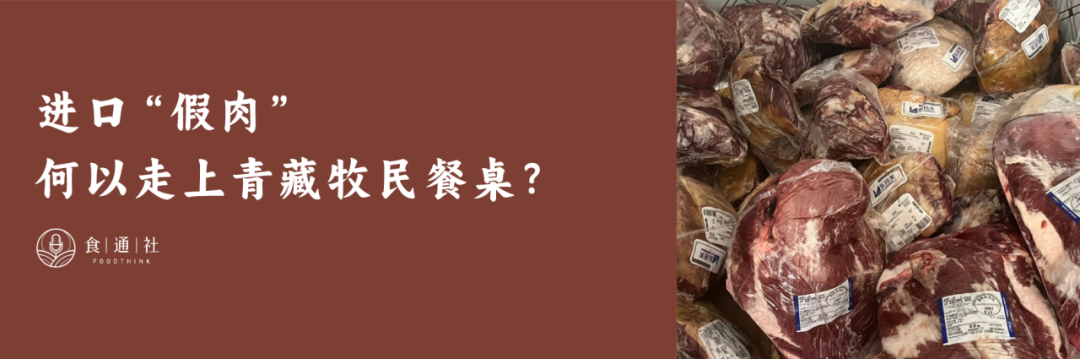
The film visits frozen wholesale markets and cold-chain warehouses in Xining, and films local herder families, butchers and feedlots, authentically depicting the shock that cheap imported meat delivers to local beef and mutton. This has directly caused a sharp drop in the buying prices herders receive for their cattle and sheep, reducing income and making it difficult to repay loans, while local butchers find their margins razor-thin and business increasingly hard to sustain.
The lens turns to the imported beef and mutton market around Qinghai Lake, probing a brutal reality: in the globalised meat supply chain, who enjoys the low prices, and who bears the cost?
– About the Director –
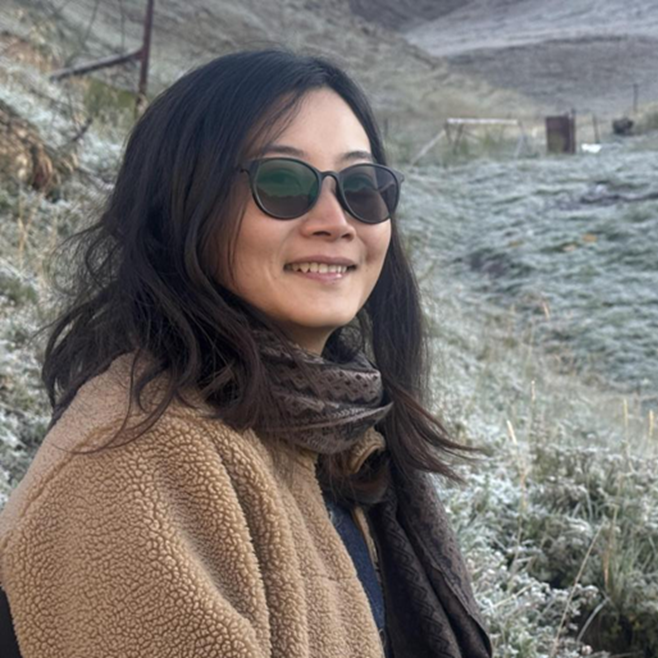
Jiao Xiaofang is a documentary filmmaker and visual anthropology researcher who has long focused on local knowledge, ecological ethics and women’s experiences in western China and the coastal regions of Southeast Asia. Her work combines ethnographic observation with poetic expression, exploring the relationship between people and nature and the emotional landscape of everyday life. Her documentary Whose Table, Whose Pasture (2025) was selected for the 5th World Nomadic Film Festival and the 6th China Ethnographic Documentary Film Festival.
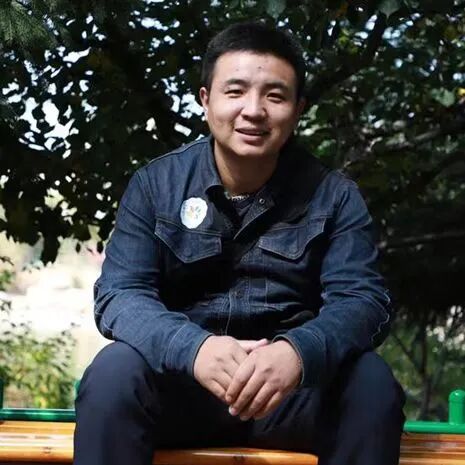
Qiongwu Danzeng is a Tibetan documentary filmmaker and community activist who has long been dedicated to ecological conservation and visual education on the Qinghai-Tibet Plateau. He previously served as coordinator of the Tibetan-area project for Rural Eye in Yunnan and as regional representative of the Alxa SEE Sanjiangyuan Project Centre. He now leads the Human-Bear Conflict Programme at the Qinghai Snowscape Ecological Education and Research Centre. Over the past decade, he has promoted herder video training and community ecological projects in places such as Yushu and Aba, supporting herders in documenting their own environment and culture through film. His work spans video, ecology and public education, dedicated to building understanding and coexistence between people and nature.
– How to Participate –
[Time]
26 May 2026 (Tuesday), 19:00–20:30
[Location]
- Ground Floor, North Building, Master Studios, Xi Nan Li, Qinhuai District, Nanjing
- Toku Gallery
[Registration]
This event is free. Scan the QR code on the poster to register.
▼
Click the image to read related articles